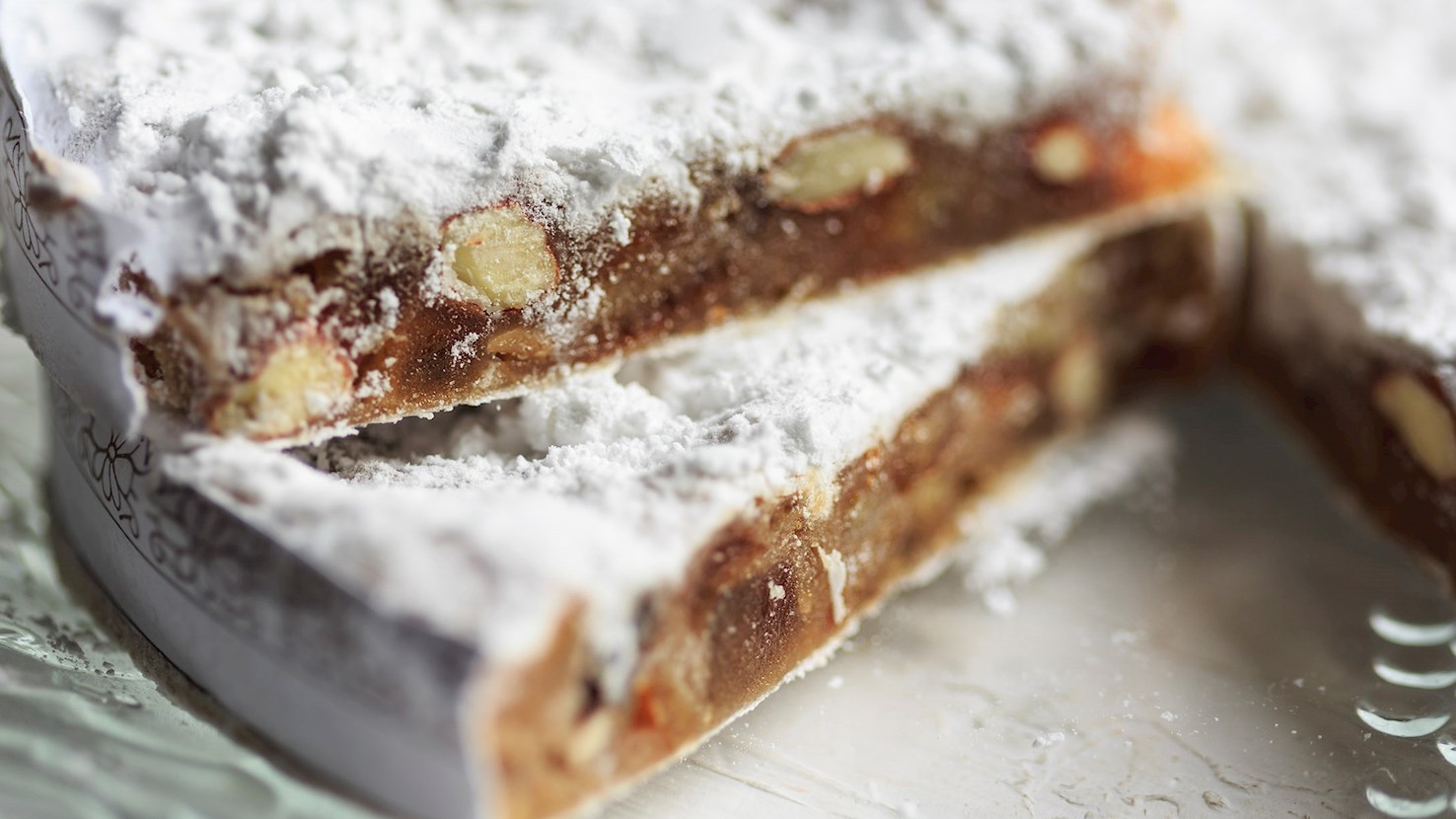
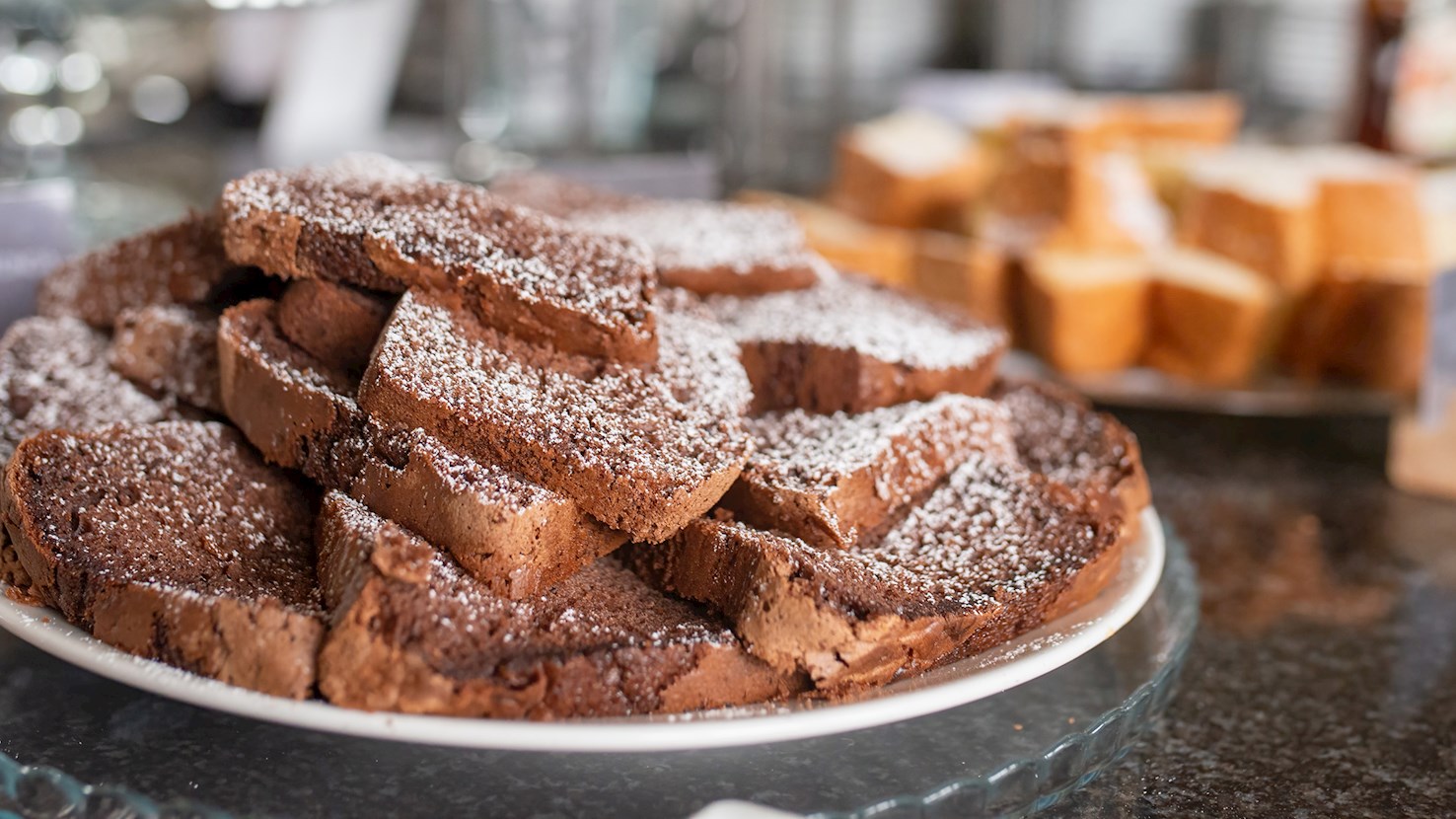
Panforte di Siena is a traditional dessert also known as Siena cake. The modern panforte variety is made with nuts, dried fruit, and a generous amount of spices such as cardamom, cinnamon, nutmeg, and cloves. All of the ingredients are combined with a sugary syrup, usually made with butter, sugar, and honey, and the cake is generously dusted with powdered sugar. This mixture of ingredients forms an unusual and dense cake with a firm structure and an interesting flavor combination. Believed to have originated in the 13th century in Siena, a city in central Tuscany, it has become an indispensable part of traditional Italian confectionery production. The dessert is famous for its historical role during the battle of Montaperti when it was a common staple among Sienese soldiers. However, the original panforte, which was initially only made by nuns, was dusted with a coating of white pepper, which gave the cake a more unusual flavor. This tradition had been changed in the 19th century when the British Queen came to visit Siena, and the recipe was slightly altered to soften the flavors. Today, panforte can be found in numerous bakeries throughout Siena. It is also a common staple during the Christmas festivities, and it is recommended to pair it with a cup of strong coffee or a glass of flavorful dessert wine.
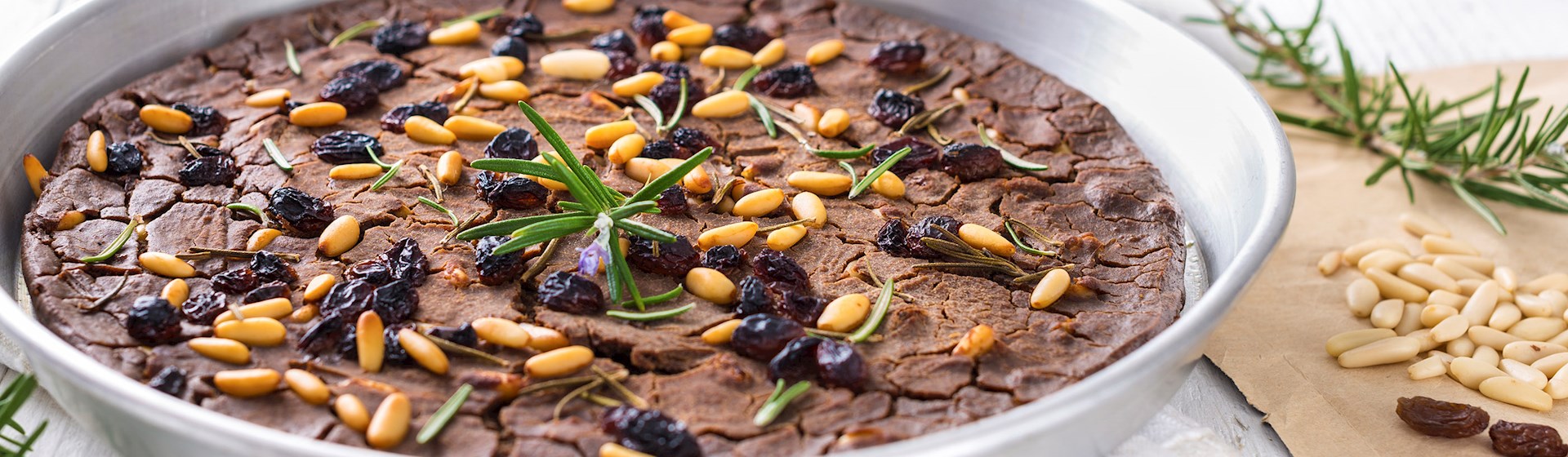
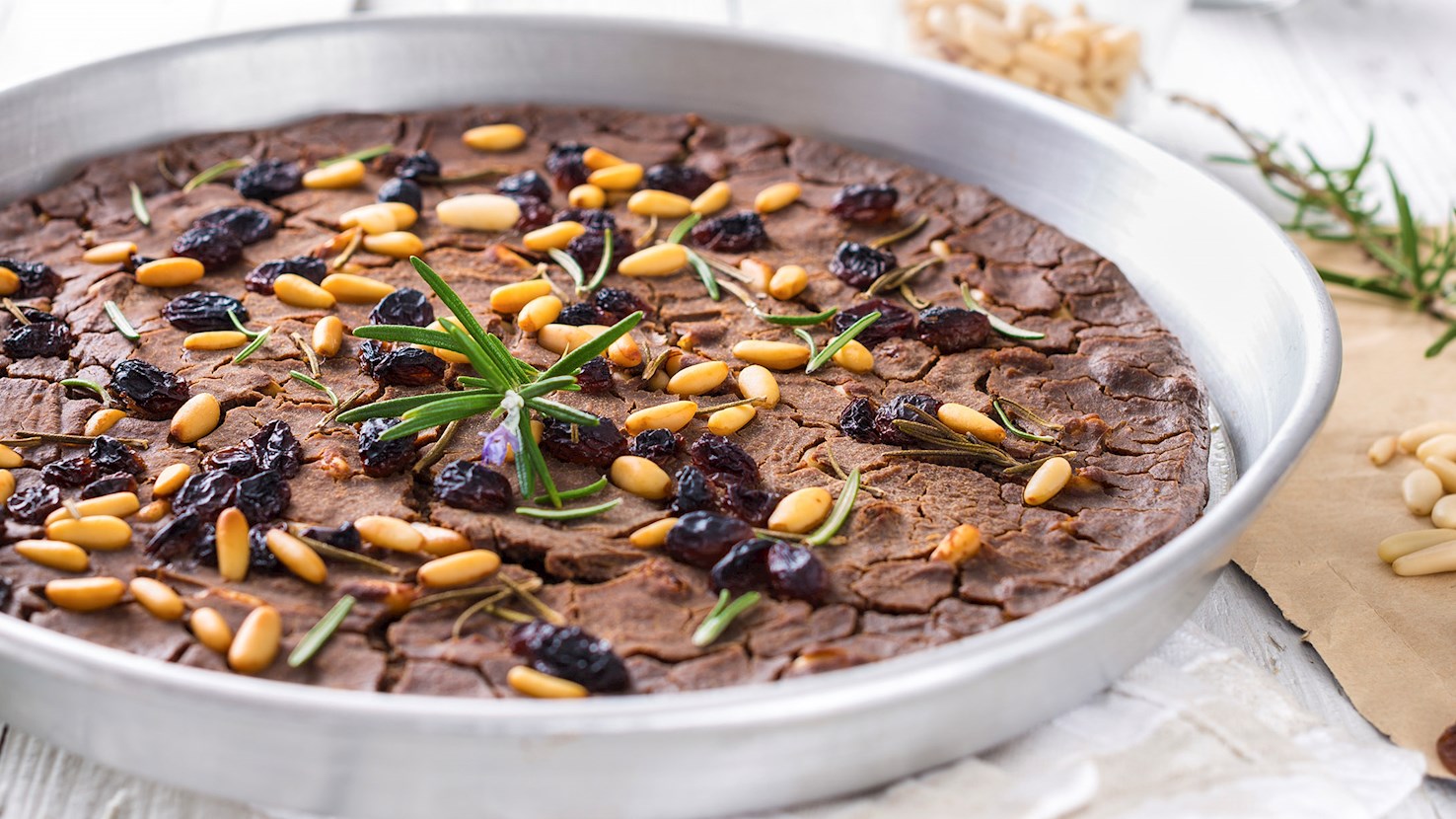
This traditional Italian chestnut cake is prepared with chestnut flour, olive oil, rosemary, raisins, and (occasionally) pine nuts. The recipe does not call for any other type of flour or sugar, making this cake a gluten-free and sugar-free delicacy. Some varieties may use other dried fruits, but the traditional version only includes raisins. All the ingredients used in castagnaccio create a dense, not overly sweet cake with a crunchy exterior and chewy interior. Originally, the cake was created as a poor man's dessert and was prepared seasonally, most commonly in winter months, when chestnuts are at their peak. Castagnaccio has been present in Italian culinary history since Roman times, with Tuscany believed to be the place of its origin. The cake is best when made with local ingredients, and it is typically paired with Italian dessert wines.
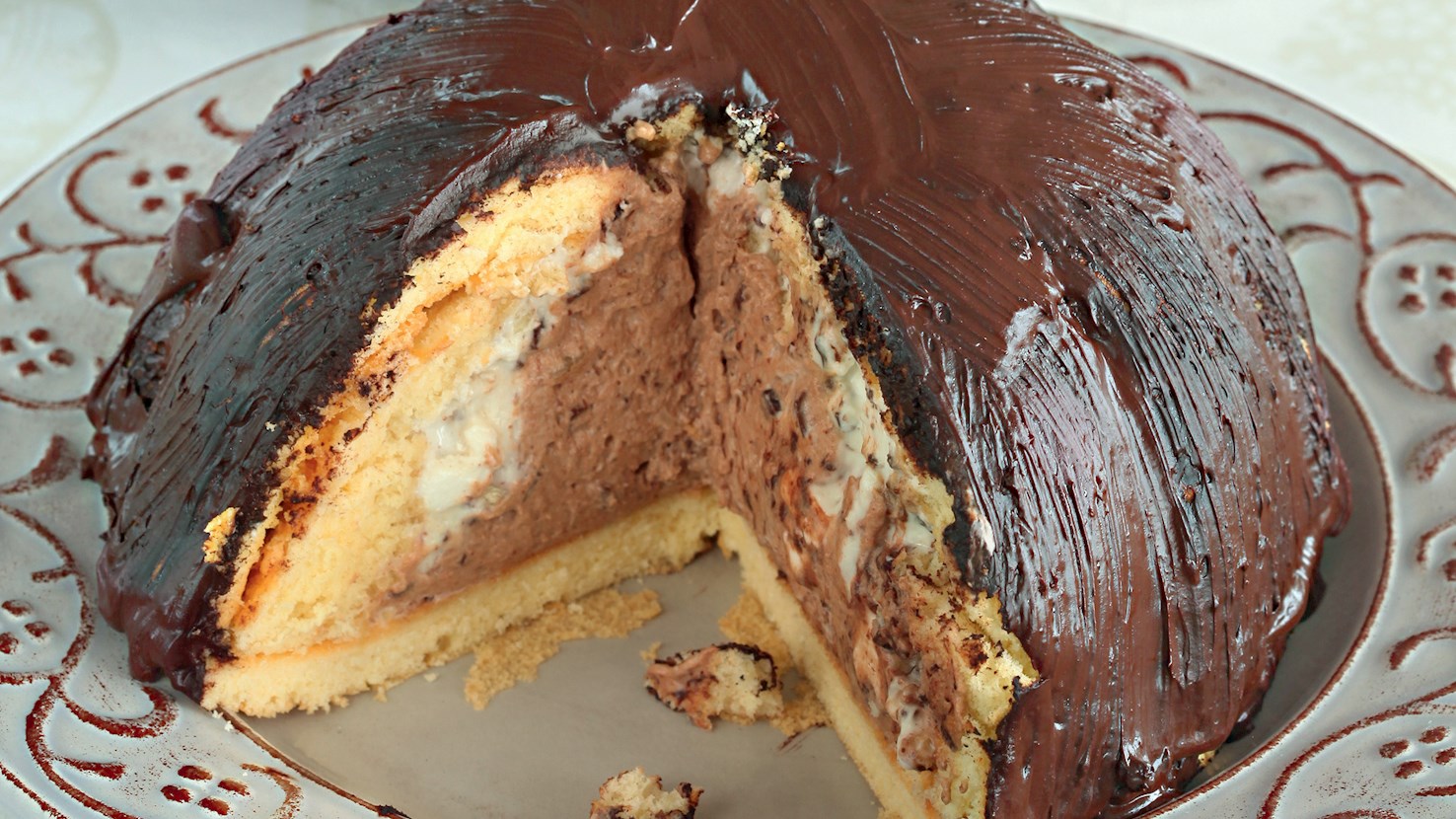
Zuccotto is a famous Italian dessert believed to have originated in Florence. It is assembled by lining up softened ladyfingers or a sponge cake around the mold to create the frame of the cake, while the center is filled with a delicious, creamy filling. Finally, the cake is turned upside down before serving. It is believed that the unusual appearance of this dessert was designed to resemble the famous dome of the Florence Cathedral. The recipe is an ancient Italian creation, dating back to the 16th century, and it is believed that the famous Bernardo Buountalenti, the man who invented gelato, actually created the first zuccotto. The original zuccotto filling was prepared with chocolate syrup that was layered between the mixture of dried fruits and nuts. However, the original zuccotto was reinvented in the 20th century, and it was adapted to fit the current confectionery trends. Today, zuccotto fillings are usually made with ice cream, whipped cream, or ricotta. The mixtures are highly variable and can include numerous flavors such as almond, vanilla, or citrus, and can be modified with the addition of nuts, fruits, brandy, or chocolate chips.
Dolce di castagne is a traditional chestnut cake originating from Tuscany. The cake is usually made with a combination of chestnut flour, yeast, sugar, salt, butter, eggs, breadcrumbs, milk, and lemon juice. The eggs are mixed with sugar, lemon juice, milk, chestnut flour, salt, and dissolved yeast. The dough is placed into a buttered baking pan that’s been dusted with breadcrumbs, and it’s left to rise for about two hours. Once risen, the cake is baked in the oven for more than half an hour or until it becomes browned. After it cools down slightly, dolce di castagne is cut into slices and served on individual plates.
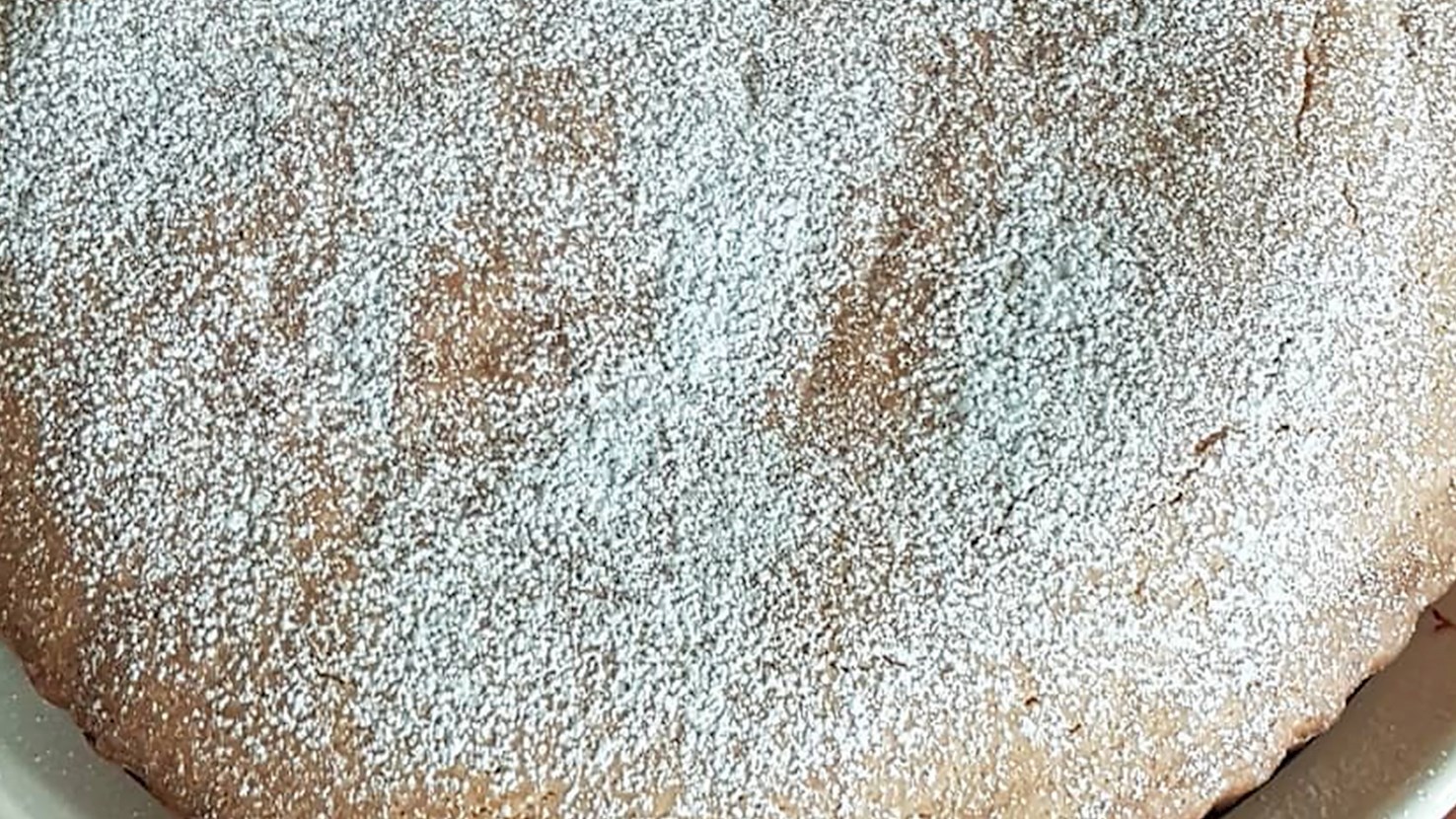
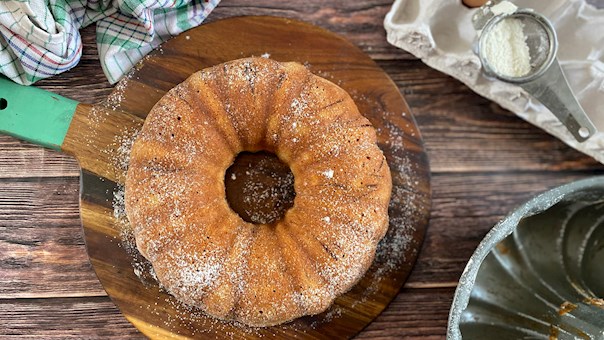
Berlingozzo is an ancient ring-shaped cake from Tuscany, its name derived from a local word berlingaccio, meaning Fat Thursday, when this cake was traditionally prepared as a closure of carnival celebrations. It is a humble, dense cake made with simple ingredients such as eggs, flour, sugar, butter, milk, and yeast. The cake's recognizable flavor is achieved by the addition of anise seeds. Berlingozzo is usually enjoyed for breakfast or as an afternoon snack, generously covered in powdered sugar.
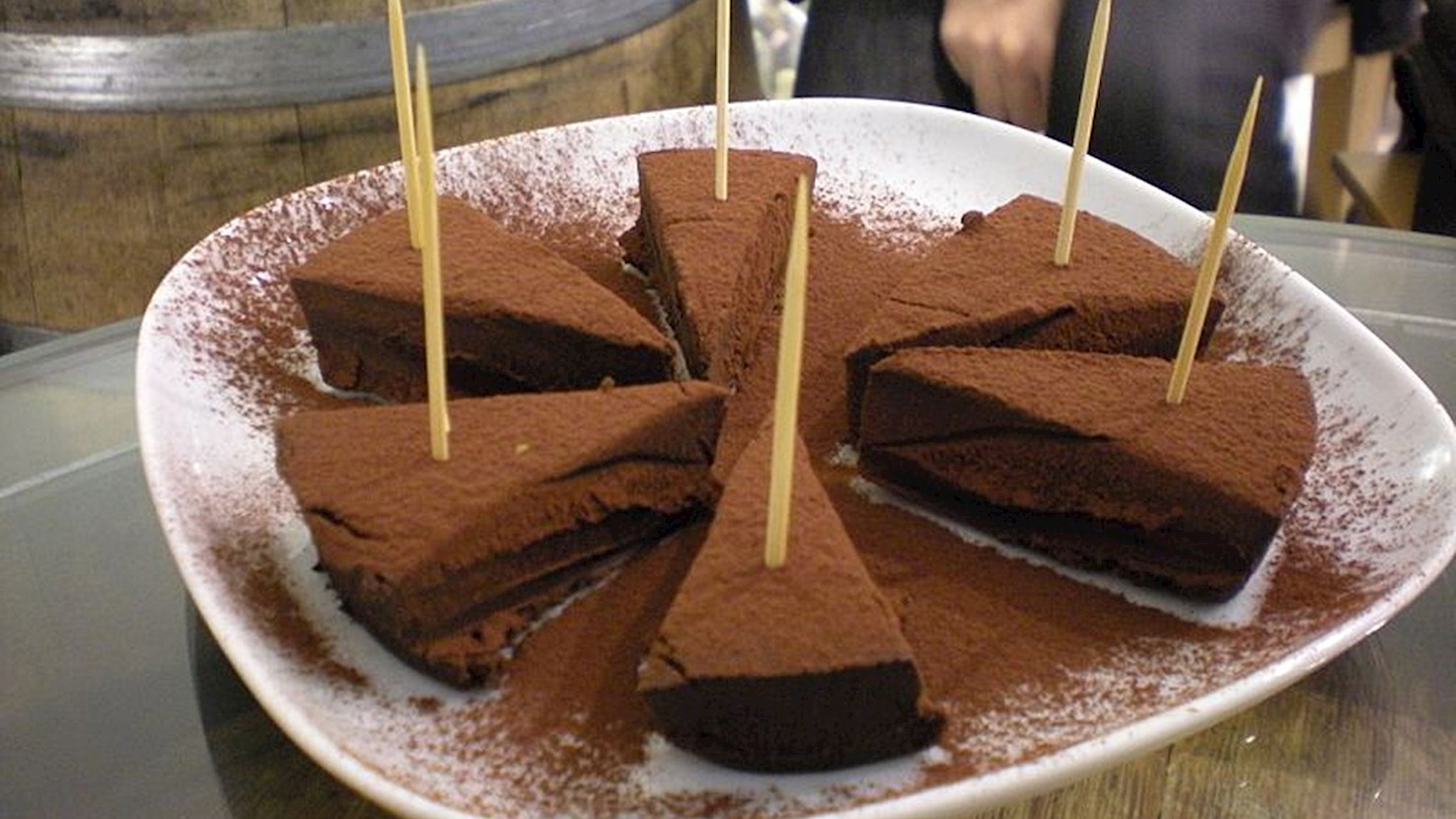
Torta Pistocchi is a rich Italian chocolate cake with a velvety, fondant-like texture. The original recipe was created in 1990 by Claudio Pistocchi, and the original ingredients only include dark chocolate, unsweetened cocoa powder, and heavy cream. As a result, the cake is creamy, dense, and very moist. The creator of this cake says that it should be accompanied by almond cookies, whipped cream, and spicy caramelized pears.
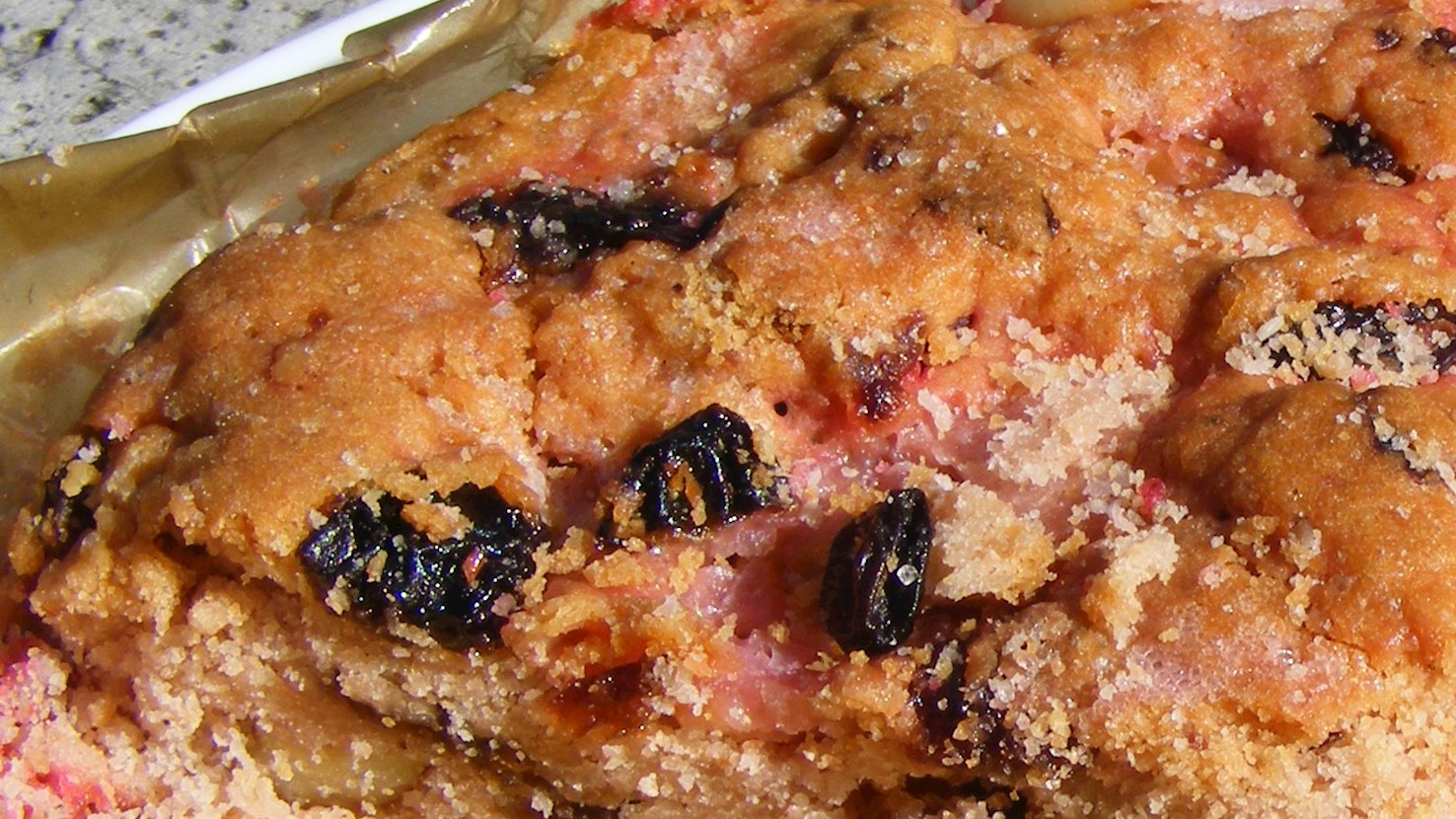
Schiaccia briaca is a traditional cake from the island of Elba. Apart from the typical ingredients such as flour and sugar, the cake also incorporates walnuts, almonds, pine nuts, and raisins, as well as the red-colored Alchermes liqueur and Aleatico Passito—the local dessert wine. The cake has been made from centuries, though the addition of alcohol was only introduced in the 19th century. Traditionally, it was not leavened, though some variations nowadays may be made with yeast. It is believed that the cake was introduced to the island by the Arab Muslims—hence the lack of alcohol in the original recipe and the use of pine nuts and raisins. Schiaccia was favored because it would stay fresh and would not spoil. Before it is baked, it is usually topped with a splash of Alchermes.
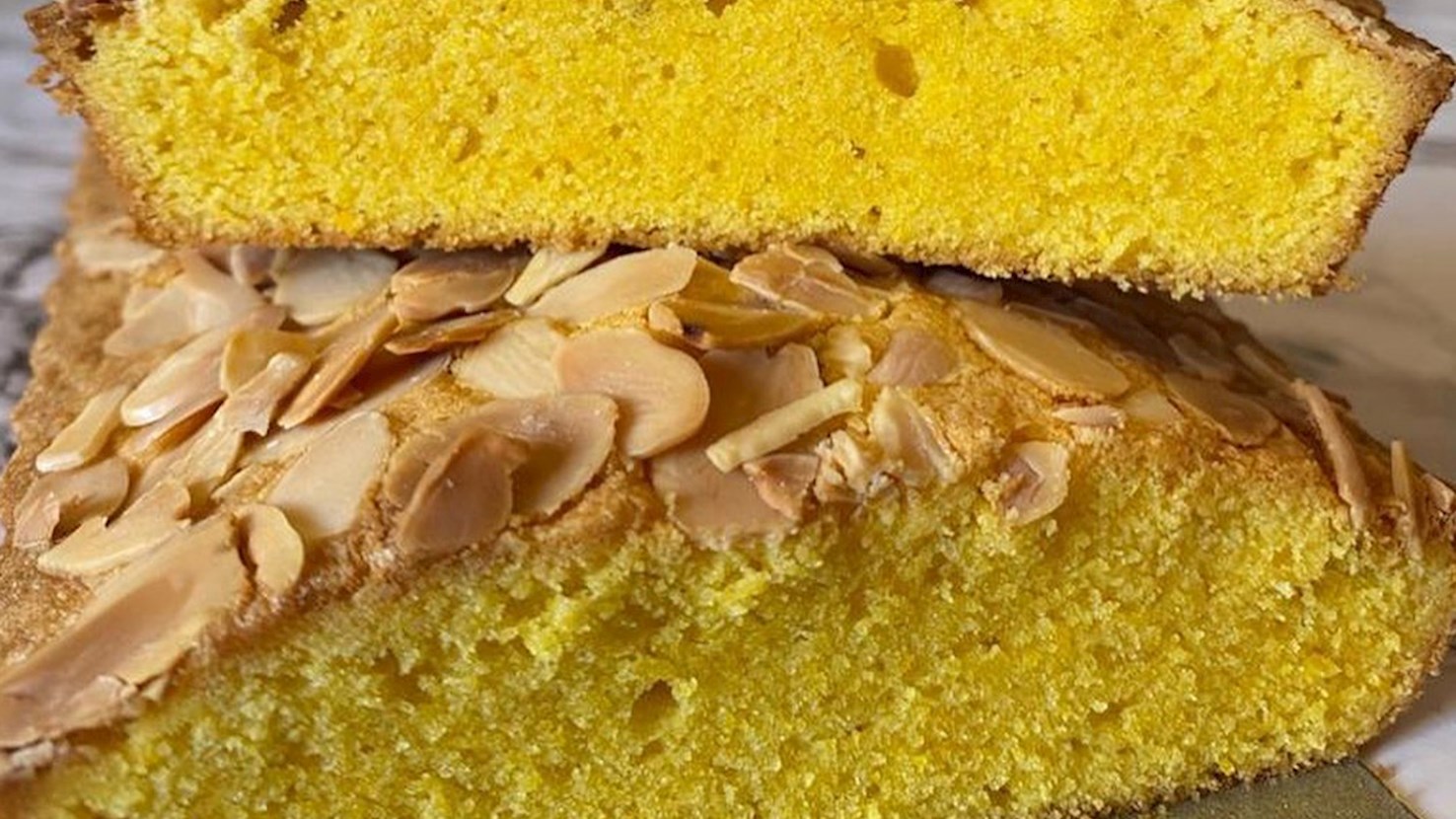
Torta Mantovana is a traditional cake originating from Prato. It's made with a combination of eggs, egg yolks, butter, sugar, lemon rind, flour, almonds, and pine nuts. The eggs are mixed with sugar, flour, and butter in order to make a base. The base is then topped with pieces of almonds and pine nuts. After it has been baked, torta Mantovana is traditionally decorated with icing sugar. It's recommended to serve it with a glass of dessert wine on the side.
Torta co' bischeri is a chocolate and rice tart from the town of Pontasserchio in the province of Pisa, Tuscany. Known for its distinctive appearance, with decorative curls of pastry rising from the edges of the crust, it has long been part of local celebrations. It remains closely associated with the annual feast of the Crocifisso del Miracolo, a religious festival held in April. Over time, it has come to represent both the region's baking heritage and the role of sweets in Tuscan communal life. Its origins are deeply rooted in local culture, dating back several centuries when residents prepared the tart as an offering during the pilgrimage linked to the Crocifisso del Miracolo, which is why it's often referred to as pilgrim cake. As the tradition of the pilgrimage spread beyond the town and drew visitors from neighboring areas, the tart became an emblem of hospitality and celebration. Its name refers to the "bischeri," or small twisted pieces of dough that decorate the edge of the tart and distinguish it from other regional desserts. Originally baked in home kitchens and shared during festivals, it eventually became a fixture of local pastry shops and family tables, maintaining its seasonal role while also being prepared year-round. The preparation of torta co' bischeri begins with a shortcrust pastry base made from flour, butter, sugar, and eggs, rolled out and fitted into a round tart pan. The filling is a dense, rich mixture of cooked rice, dark chocolate, sugar, eggs, raisins, pine nuts, candied fruit, and a touch of liqueur—often rum or Strega—which adds aroma and depth, plus seasonings, namely vanilla, cinnamon, and nutmeg. Once the filling is poured into the pastry shell, thin strips of dough are twisted and arranged around the edge in their characteristic shapes before the tart is baked until the crust is golden and the filling is set. The finished dessert is typically served at room temperature, which allows its flavors to develop fully and the texture to become slightly firm yet moist. Torta co' bischeri is most often enjoyed during the spring festival in Pontasserchio, where it is offered to visitors and shared among families, but it is also prepared for other celebrations and sold in pastry shops across Pisa and beyond. It is commonly served as a dessert with coffee or a small glass of sweet dessert wine, which pairs well with its rich filling.
Torta di riso massese is a rice-cream cake from the province of Massa-Carrara. It became a signature preparation of households and pastry shops in both Massa and Carrara, valued for its dense, custard-like texture and long baking process that gives it a caramelized surface. The preparation begins by heating milk with sugar and lemon zest, often enriched with a mint candy or a vanilla pod, creating a fragrant infusion that is later cooled. Rice is cooked separately in salted water until firm, then drained and spread into a buttered mold that has been dusted with sugar. A mixture of eggs and the cooled milk infusion is prepared and blended with one or more local liqueurs such as rum, brandy, alchermes or sambuca, which give the custard its aroma. This mixture is poured over the rice layer, and the cake is baked slowly at moderate heat before increasing the temperature to finish the surface, resulting in a firm but creamy center and a lightly browned top. After cooling it is refrigerated, and it is often served the next day when its flavors fully settle. Common variations include adjusting the type and intensity of the liqueur, omitting it entirely for a milder version, increasing the proportion of rice for a more compact slice, or increasing the custard to make it softer. A distinctive feature is the use of mint candy in many local recipes, which imparts a subtle sweetness and freshness linked to the Massa-Carrara tradition, along with the notably long baking time that defines the cake’s texture. Torta di riso massese is eaten throughout the province of Massa-Carrara in homes, bakeries and cafés, especially during holidays and communal events, served chilled and cut into firm slices. It pairs well with espresso, with local sweet or semi-sweet white wines from northern Tuscany, or with a simple herbal infusion that balances the richness of the custard.
TasteAtlas food rankings are based on the ratings of the TasteAtlas audience, with a series of mechanisms that recognize real users and that ignore bot,
nationalist or local patriotic ratings, and give additional value to the ratings of users that the system recognizes as knowledgeable.
For the “Top 11 Tuscan Cakes” list until June 15, 2026, 134 ratings were recorded, of which 93 were recognized by the system as legitimate.
TasteAtlas Rankings should not be seen as the final global conclusion about food. Their purpose is to promote excellent local foods,
instill pride in traditional dishes, and arouse curiosity about dishes you haven’t tried.