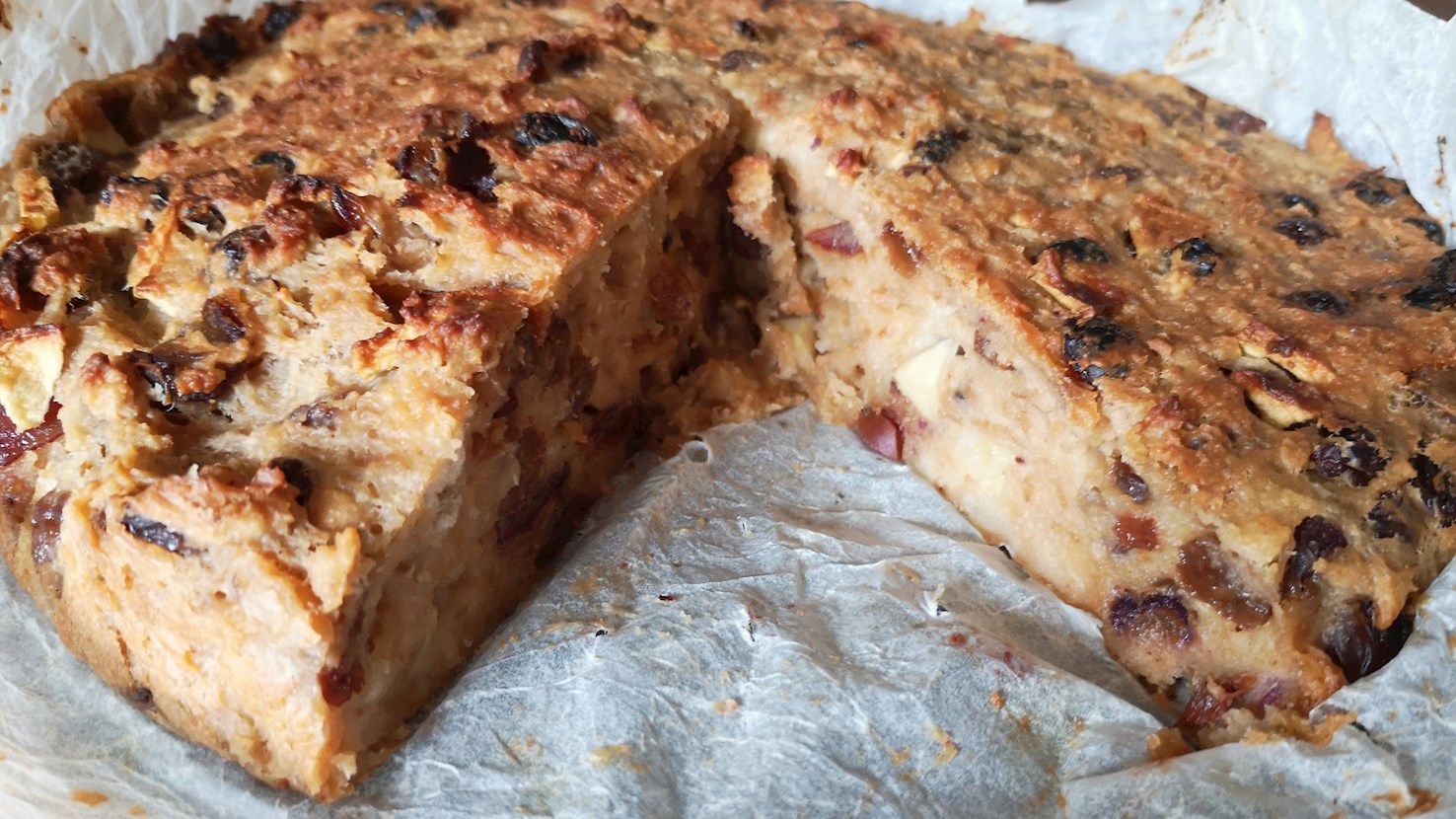
Pinza Veneta is a traditional cake originating from the Veneto region. It's made with a combination of polenta flour, plain flour, raisins, figs, apples, orange zest, grappa, butter, sugar, yeast, and fennel seeds. The mixture is placed onto a baking tray, then baked until golden brown. This rustic cake is traditionally prepared for Epiphany (the 6th of January). It's recommended to serve it with a glass of dessert wine.
Torta russa di Verona consists of a crispy puff pastry shell encasing a rich and fragrant filling made with almonds and amaretti cookies, creating a unique balance of crunchiness and softness. The result is a tall, fluffy cake with a nutty aroma, perfect for serving as a dessert at Sunday lunch or as a thoughtful gift for friends and family. Despite its name, which means "Russian Cake," the dessert is not Russian but rather an Italian creation, believed to be inspired by Russian influences in European patisserie. One of the distinct features of torta russa di Verona is its dome-like shape, which resembles a traditional Russian kokoshnik headdress, possibly explaining the "Russian" reference in its name. It is often dusted with powdered sugar before serving. Sometimes, it is topped with flaked almonds. This dessert is commonly enjoyed as a sweet treat with coffee or dessert wine and is popular in local pastry shops in Verona.
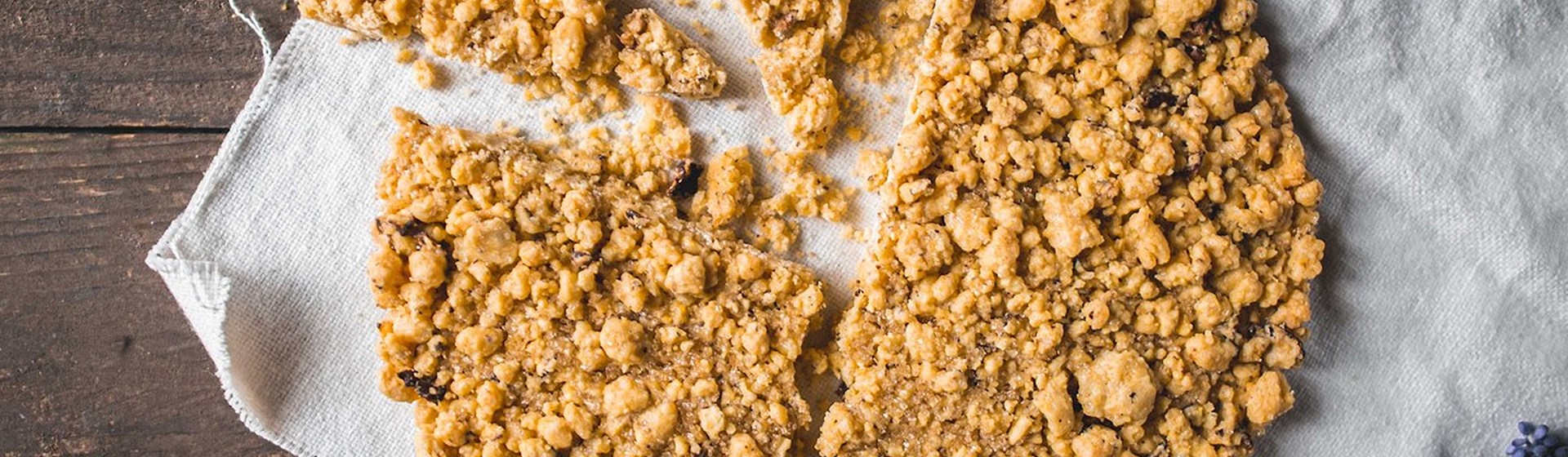
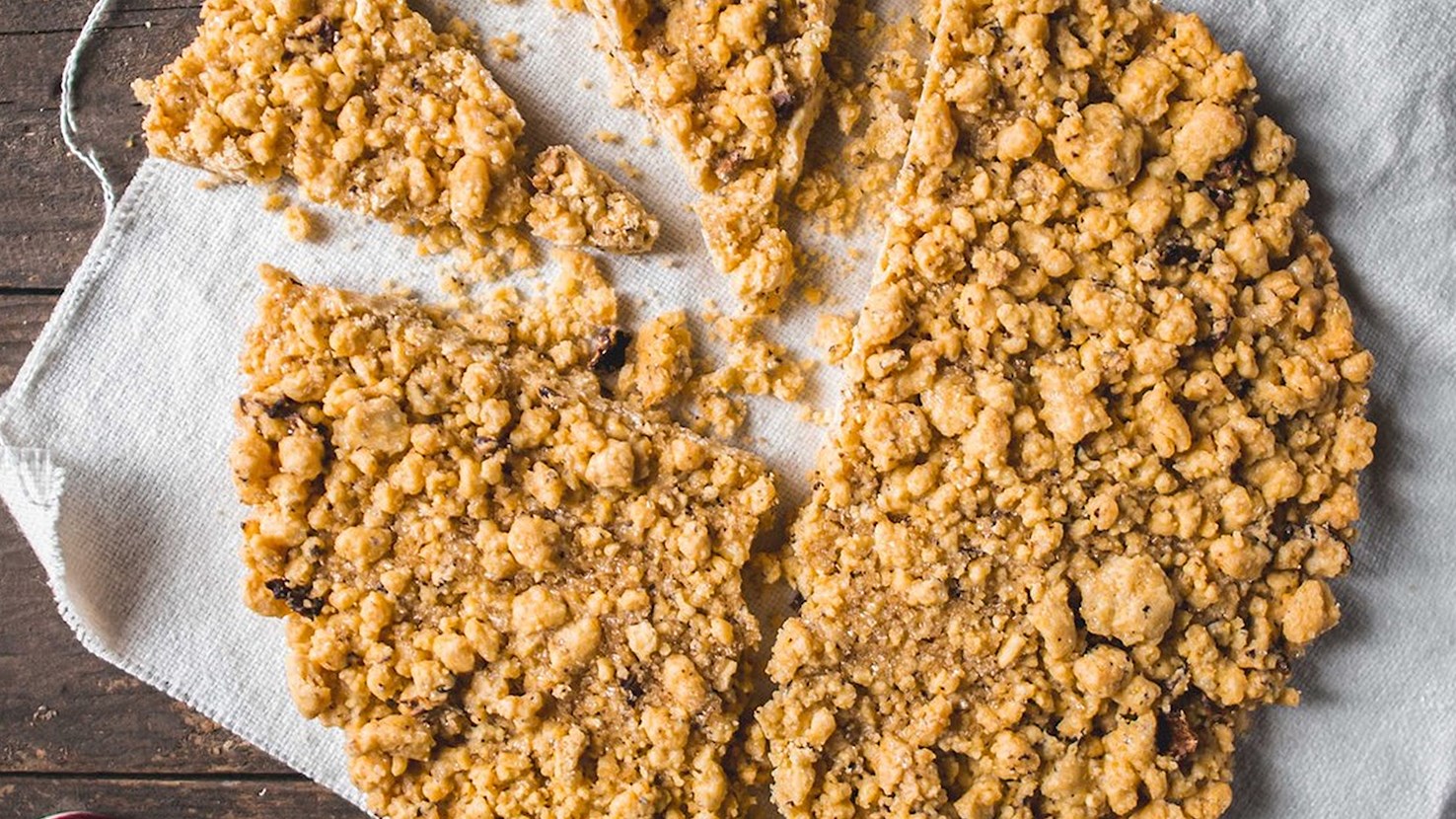
Fregolotta is a traditional crumb cake (or a huge cookie) originating from Veneto. It's made with a combination of flour, butter, sugar, and lemon zest, but there are also some recipes that call for the addition of lard or chopped almonds instead of butter. The ingredients are mixed until blended, and the mixture is then passed through a food mill beofre it's baked in a pan until set. The crumble is cut into slices while still hot, but sometimes it's served atop an almond and it's then pressed down to break into pieces. In Italian, fregolotta means big crumb.
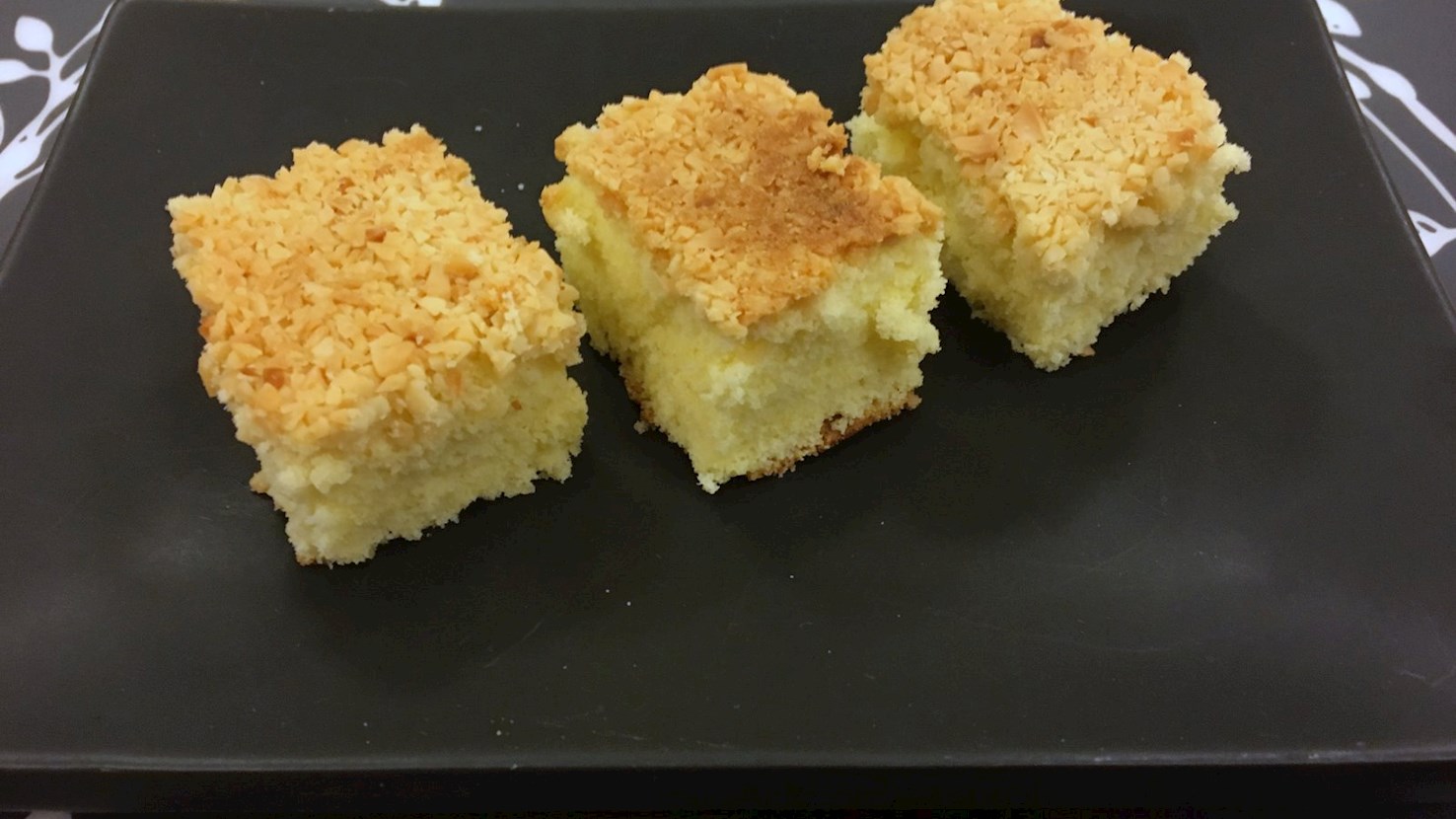
Torta sabbiosa or sandy cake is a traditional cake originating from Veneto. This soft and fluffy cake is usually made with a combination of flour, butter, sugar, eggs, potato starch, baking powder, lemon zest, and salt. The butter and sugar are beaten until fluffy and then mixed with the egg yolks, potato starch, baking powder, salt, and lemon zest. The egg whites are beaten until stiff and then added to the mixture. The batter is poured into a buttered cake pan and baked for about half an hour or until golden. Once done, it’s inverted on a serving platter and topped with powdered sugar before it’s enjoyed. Torta sabbiosa can be served for breakfast or as a dessert after a big meal.
Pazientina is a spectacularly decadent, historically significant, and labor-intensive layered cake originating from the northern Italian city of Padua, defined by its complex architecture of almond-rich pastry dough, airy sponge cake, and a remarkably dense, dark chocolate zabaglione. Originating in the 1600s within the hushed walls of Paduan monasteries, this dessert is the absolute antithesis of simple, rustic Italian baking, requiring a level of patience and structural precision—hence its name, derived from the Italian word for "patience"—that makes it a rare and treasured undertaking. The architecture of the cake is essentially a magnificent, edible tower built from three distinct, alternating components that must be prepared completely separately before assembly. The foundation and intermittent structural floors are constructed from pasta frolla alle mandorle, a rich, buttery shortcrust pastry heavily fortified with finely ground toasted almonds, which is rolled incredibly thin and baked until it achieves a crisp, deeply golden snap. Resting between these brittle almond layers are thick, soft discs of pan di spagna, a classic Italian sponge cake that acts as the absorbent heart of the dessert, meticulously soaked in a fragrant, alcoholic bath—traditionally a splash of dark rum or a sweet Marsala wine—to introduce crucial moisture and a heady, aromatic warmth. The undisputed soul of the Pazientina, however, is the mortar that binds this entire structure together: a thick, impossibly rich chocolate zabaione. This luxurious custard is crafted by vigorously whisking egg yolks and sugar over a gentle water bath until pale and voluminous, before slowly folding in a heavy dose of premium melted dark chocolate and, often, another generous pour of Marsala. This dark, velvety cream is slathered aggressively between the crisp almond pastry and the rum-soaked sponge, creating an extraordinary textural contrast in every single bite—the snap of the crust, the soft yield of the soaked cake, and the dense, coating richness of the chocolate cream. To finish, the entire assembled cake is frequently showered with a heavy dusting of dark cocoa powder or adorned with delicate chocolate shavings, occasionally framed by a final ring of crushed almonds. Because of its sheer density and the caloric load of its ingredients, local lore dictates that it was originally prescribed by monks as a restorative tonic for the sick or given to the elderly to rebuild their strength.
Torta Pedrocchi is a renowned dessert created in the historic Caffè Pedrocchi in Padua, Italy. It is a layered cake, often consisting of alternating layers of coffee sponge cake, chocolate, and green-colored mint cream. The contrasting colors create a visually appealing dessert, and the combination of flavors is both rich and refreshing. Caffè Pedrocchi, founded in the early 19th century, is famous for its architecture and cultural significance, and the torta Pedrocchi is one of its signature offerings.
TasteAtlas food rankings are based on the ratings of the TasteAtlas audience, with a series of mechanisms that recognize real users and that ignore bot,
nationalist or local patriotic ratings, and give additional value to the ratings of users that the system recognizes as knowledgeable.
For the “Top 6 Venetian Cakes” list until May 15, 2026, 11 ratings were recorded, of which 10 were recognized by the system as legitimate.
TasteAtlas Rankings should not be seen as the final global conclusion about food. Their purpose is to promote excellent local foods,
instill pride in traditional dishes, and arouse curiosity about dishes you haven’t tried.