



shutterstock

26 Canapé Varieties
Ranked From the Best To the Worst

Last updated on June 17, 2026
01

Canapés au saumon fumé (Smoked salmon canapés)

4.2 ·

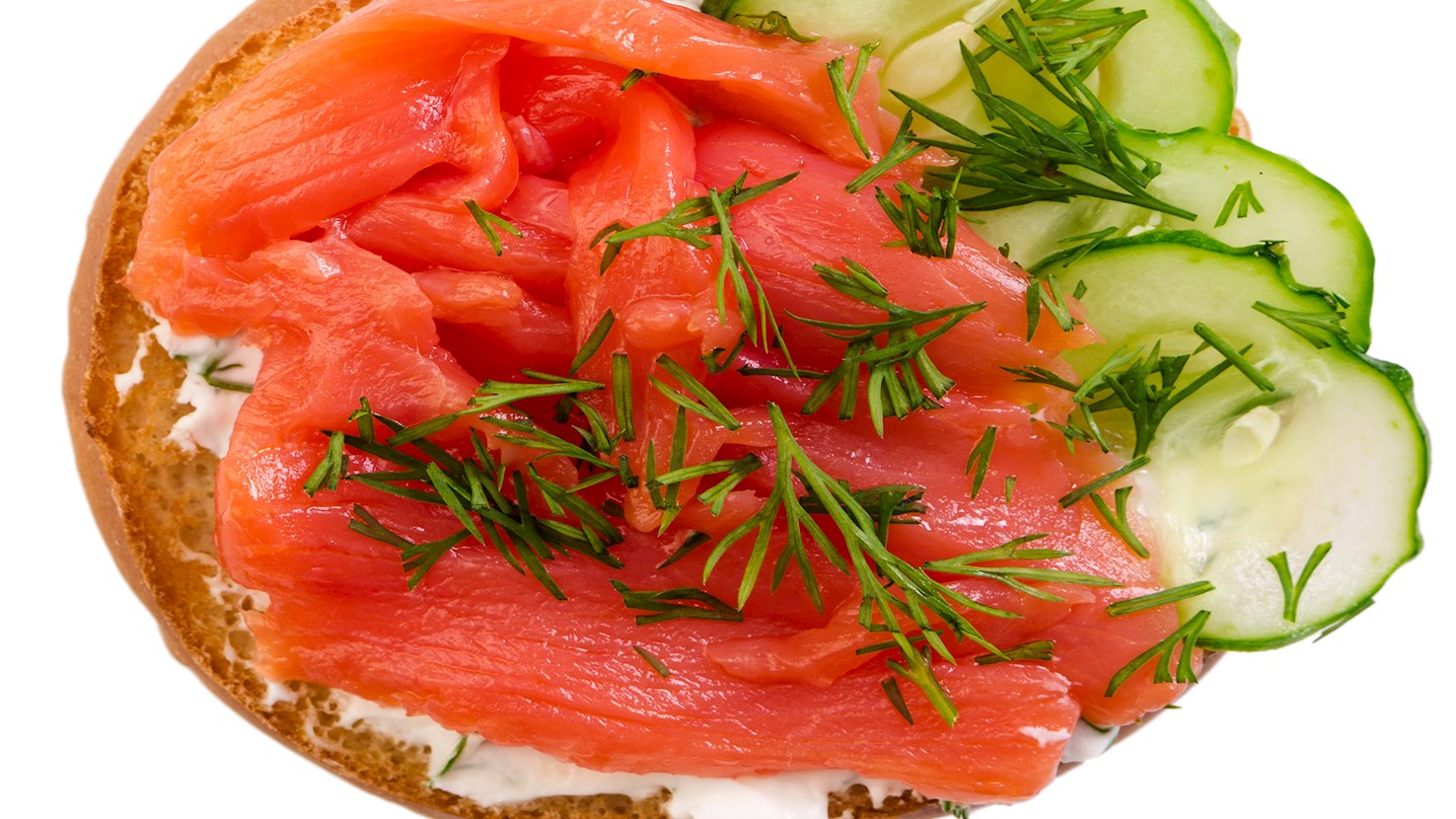
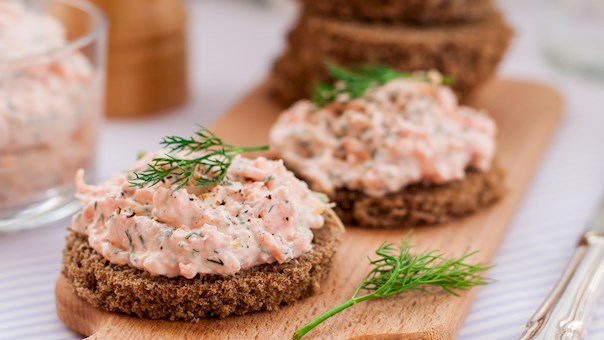
Smoked salmon canapés are considered a classic upscale choice in the finger food department and the ultimate party food. Simple toasted bread, blinis, cucumber slices, or pumpernickel bread are regularly used as a base that's spread with ingredients such as cheese, crème fraîche, or sour cream, while common flavorings include condiments and herbs such as lemon juice, lemon zest, horseradish, mustard, dill, and capers.

02

Canapés à la tapenade

3.9 ·

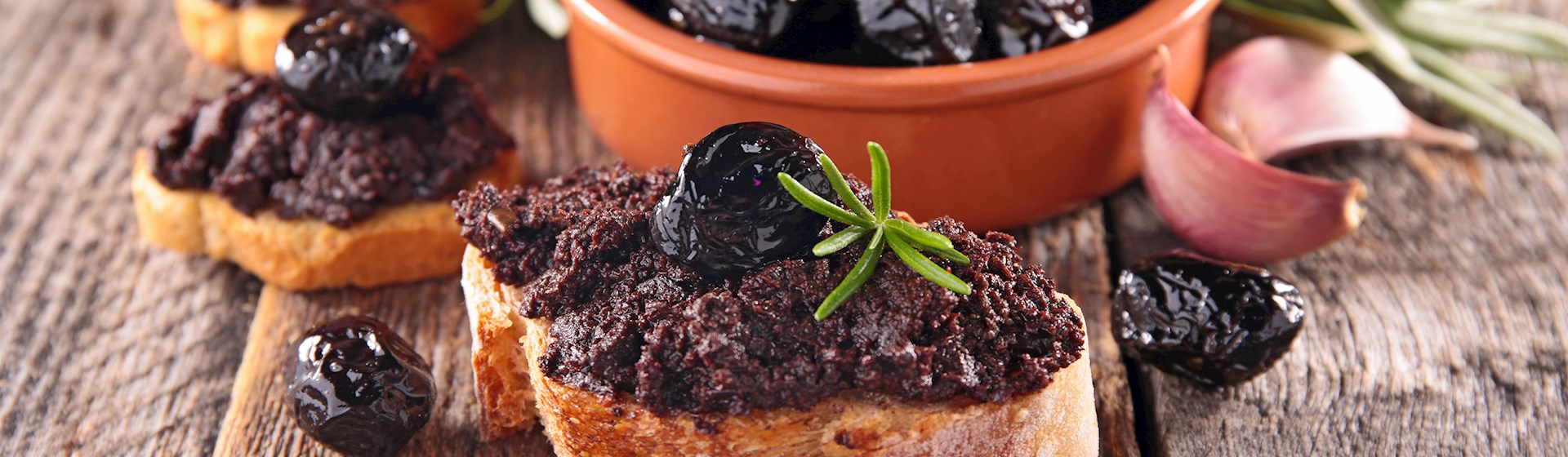
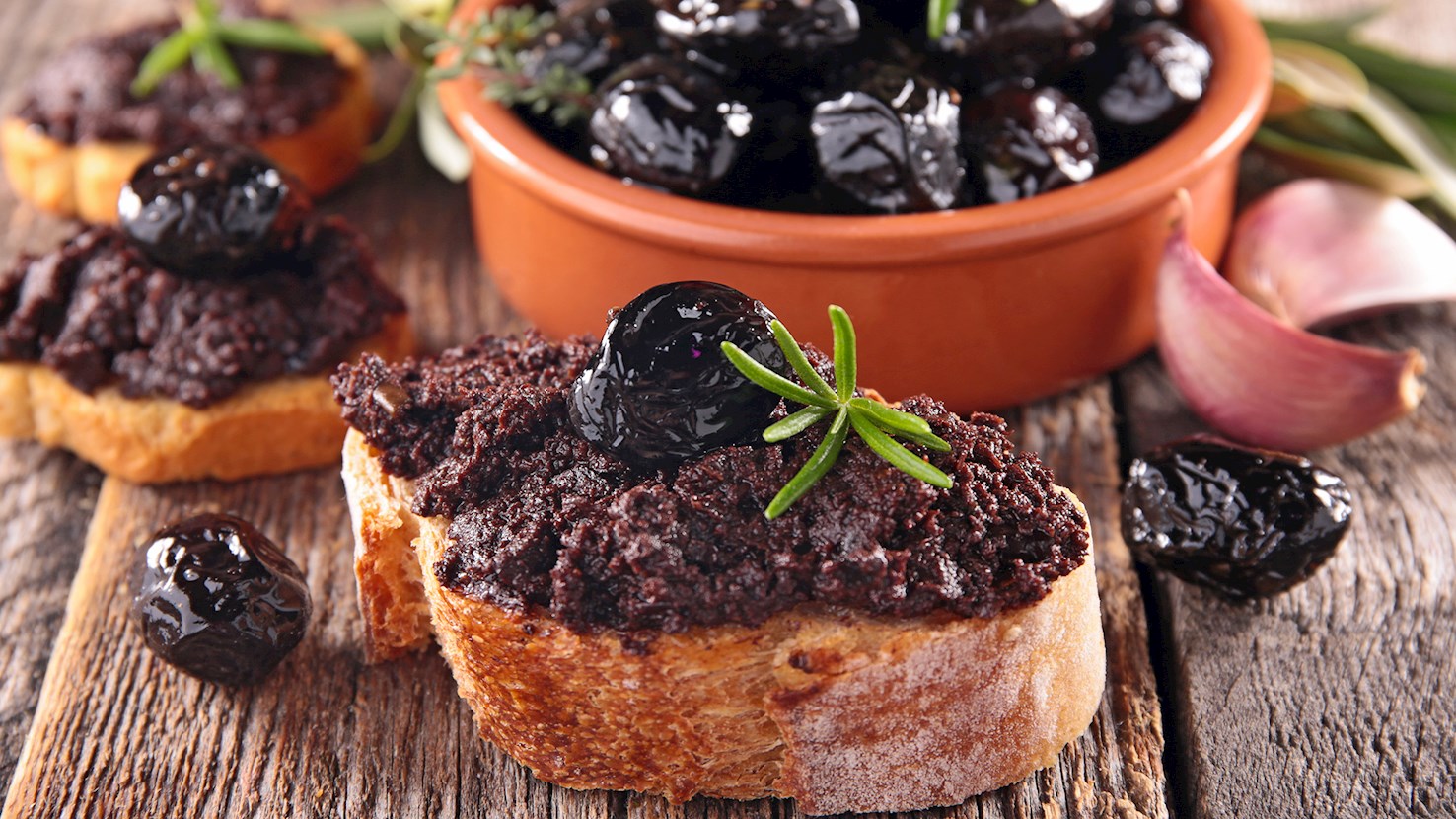
The Provençal spread tapenade–made from either black or green olives–is often used in making canapés, as well as any other type of hors d'oeuvres. Most recipes use baguette slices, but cucumber slices, potato slices, and even, in some cases, watermelon slices are used instead. Goat cheese, prosciutto, tuna, smoked salmon, sun-dried tomatoes, and figs are frequently added either to the spread itself or just as a topping with tapenade.

03

Canapés aux crevettes (Shrimp canapés)

3.8 ·

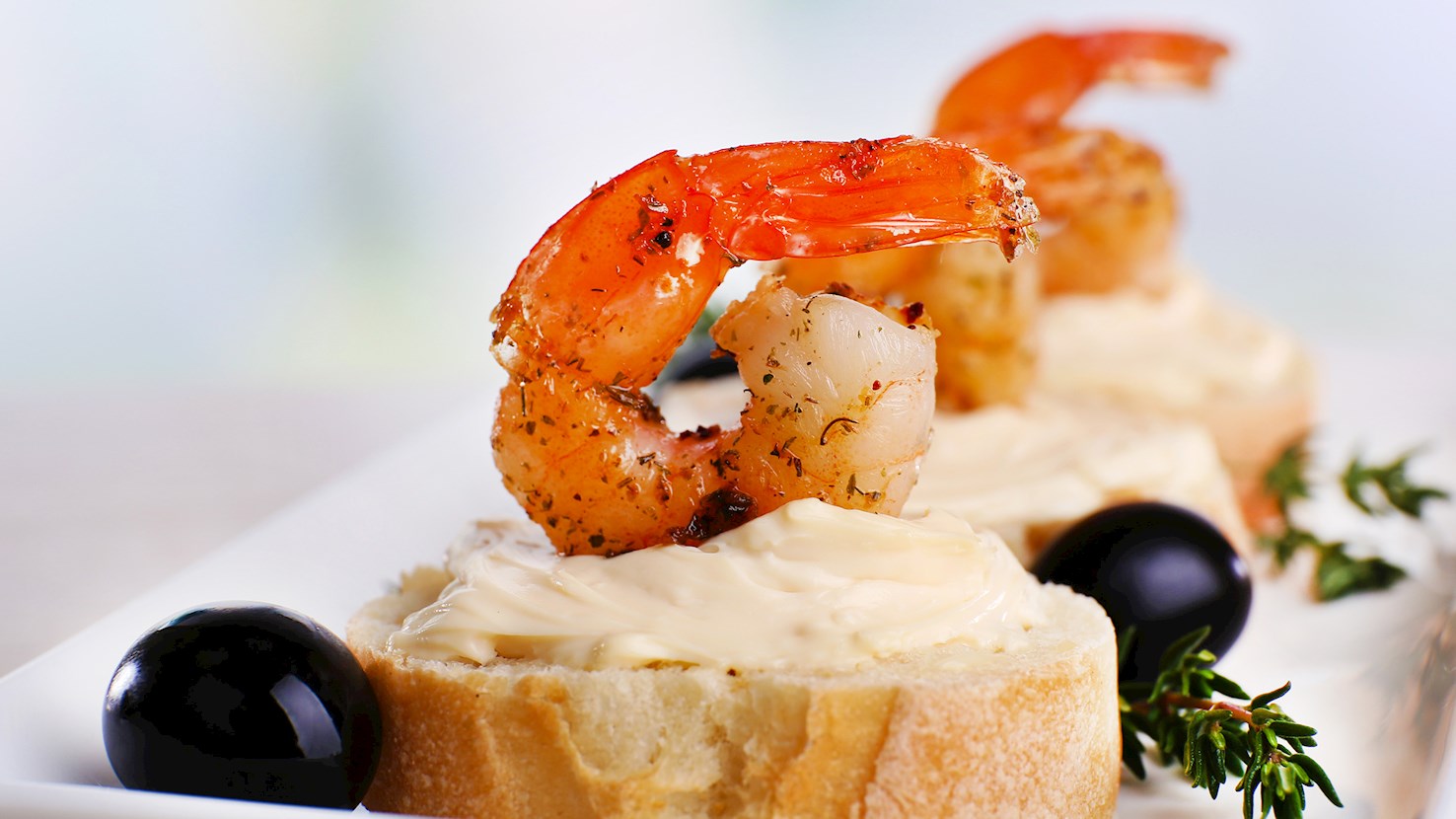
There are a number of ways one can prepare shrimp canapés. Toast, cucumber slices, or pumpernickel bread are often coated with either a shrimp paste or a chopped shrimp spread. There is also a method where the base of the canapés is first coated with cream cheese, sour cream, or mayonnaise, followed by placing a whole precooked shrimp on top with either cucumber or avocado slices in between.

04

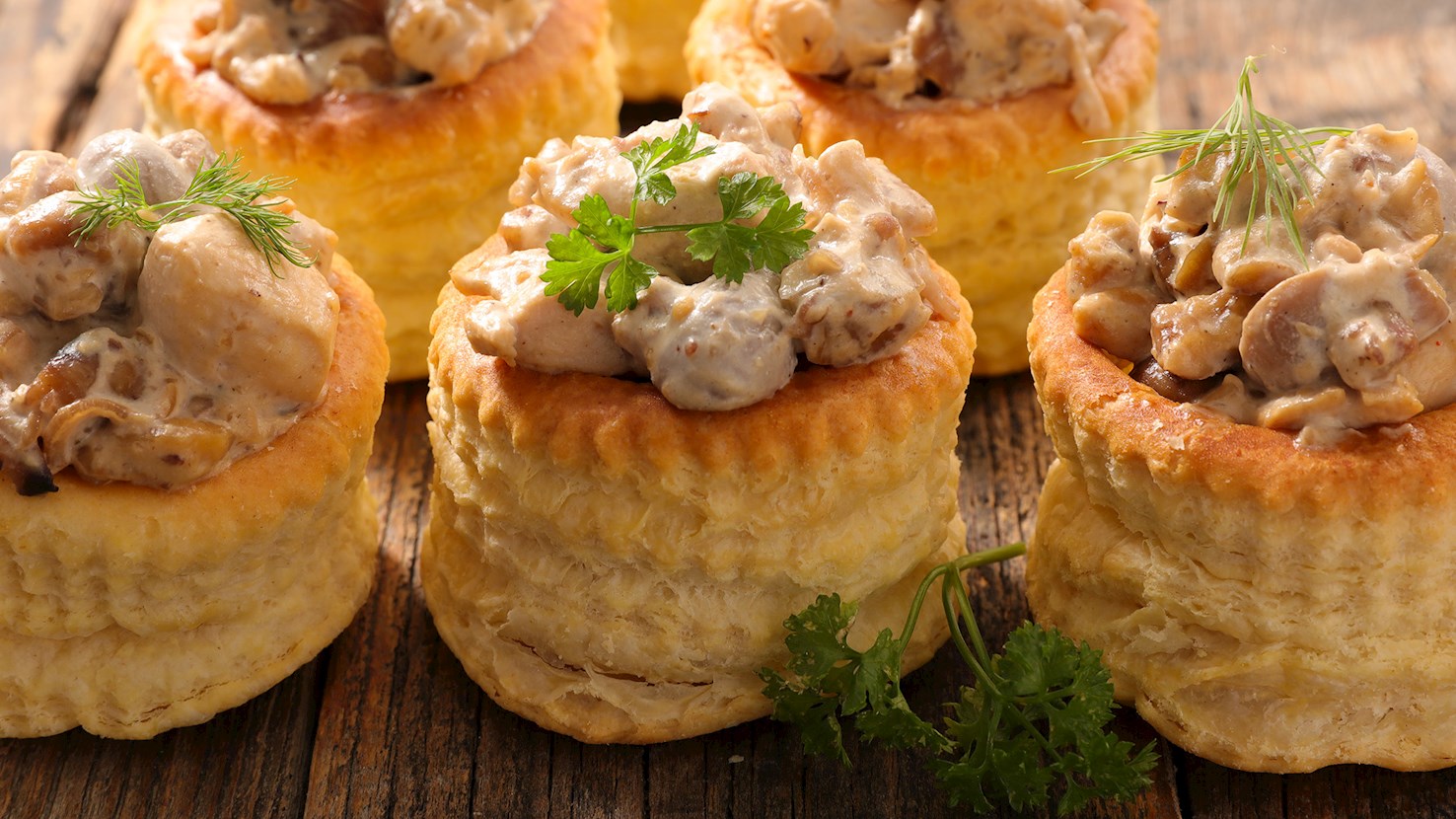
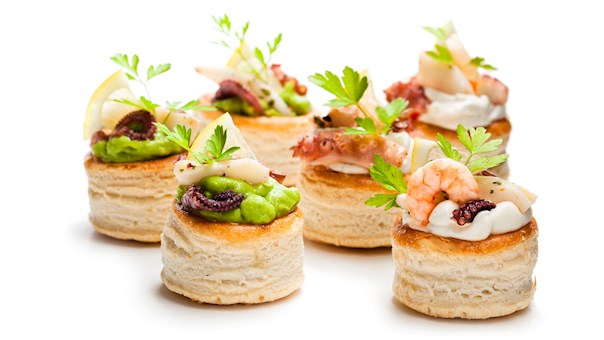
Vol-au-vent

3.8 ·

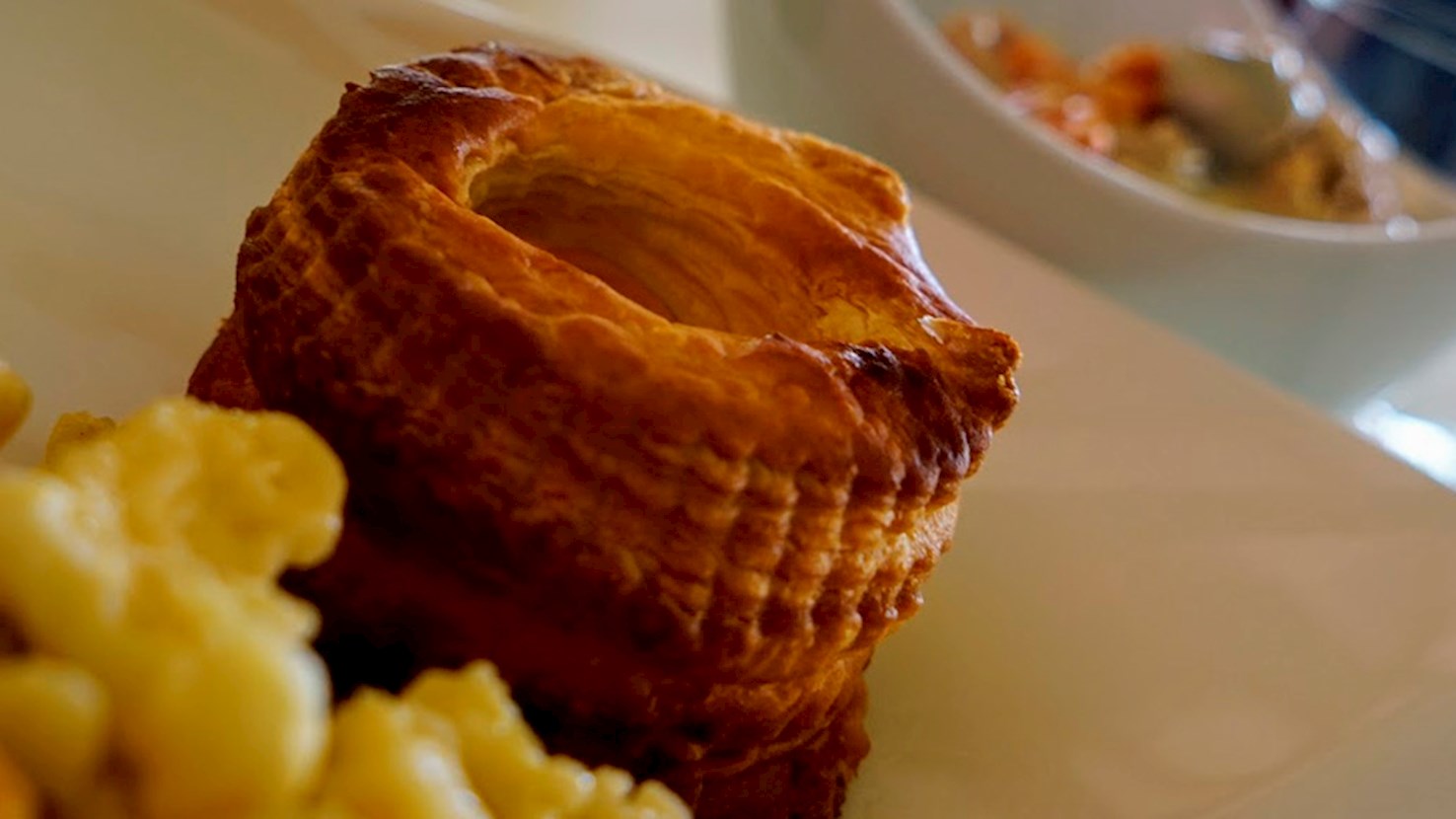
Invented in the early 1800s in Antonin Carême’s pastry store in Paris, these round, light, airy puff pastries are baked such that the center part can be removed, creating a cavity that is then filled with either sweet or savory fillings. Carême’s signature vol-au-vent was known as the financière, the filling of which consisted of minced chicken, breadcrumbs, and mushrooms in a Madeira sauce. Today, vol-au-vent is typically served as a snack or an appetizer with either a chicken or fish filling. There is also a Belgian variety of vol-au-vent that can be found in most restaurants, filled with a combination of chicken, mushrooms, and tiny meatballs and served with a side of french fries or mashed potatoes.

05

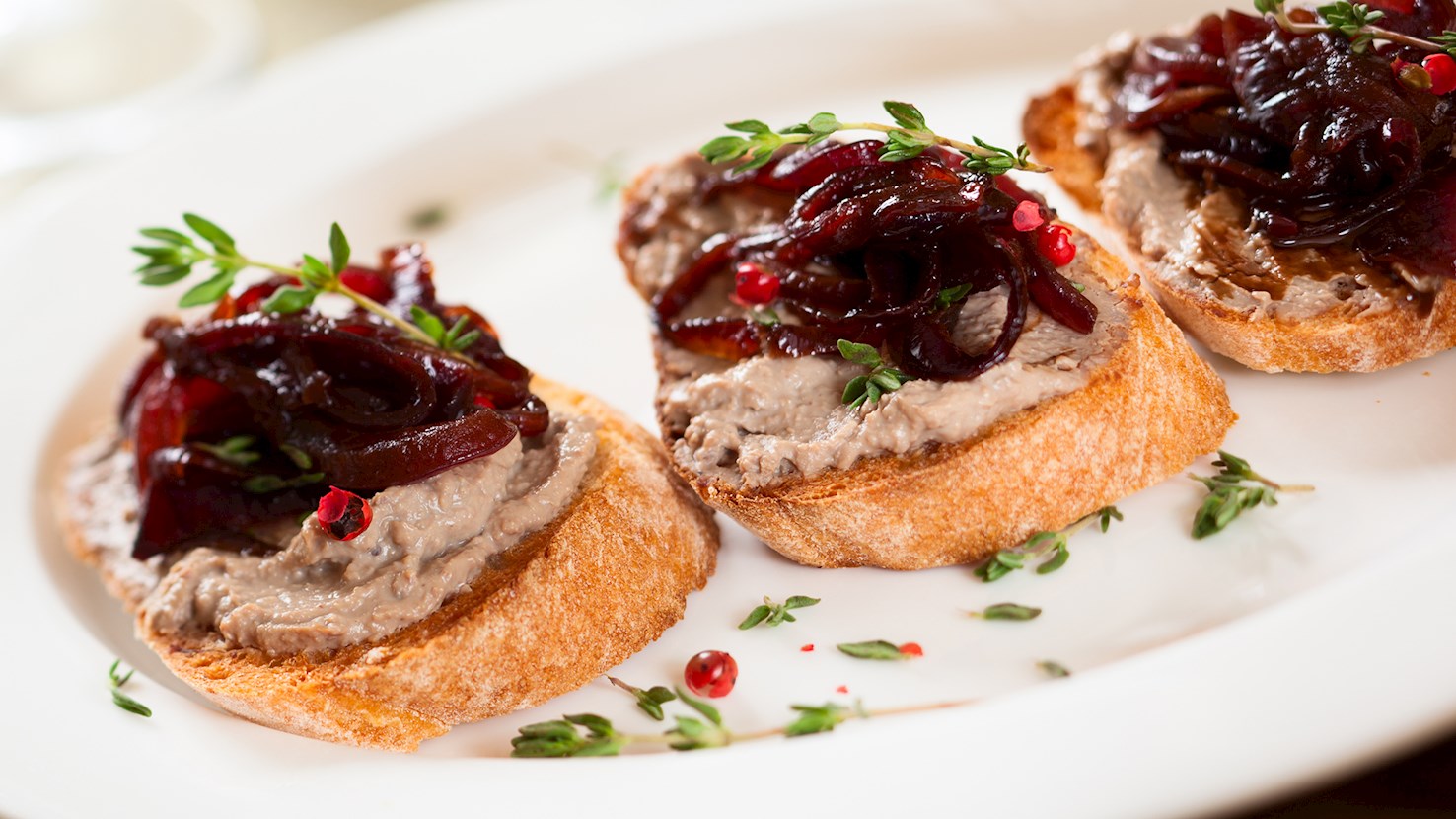
Canapés aux foies de volaille (Chicken liver canapés)

3.8 ·

Probably the simplest and best-known variety of these canapés is the one where chicken liver pate is spread on baguette slices. Besides this basic option, the liver can be fried, cut up in slices, then served on top of a bread base with walnuts or onion jam, but it can also be served without a base as bite-sized liver pieces enveloped in fried bacon.

06

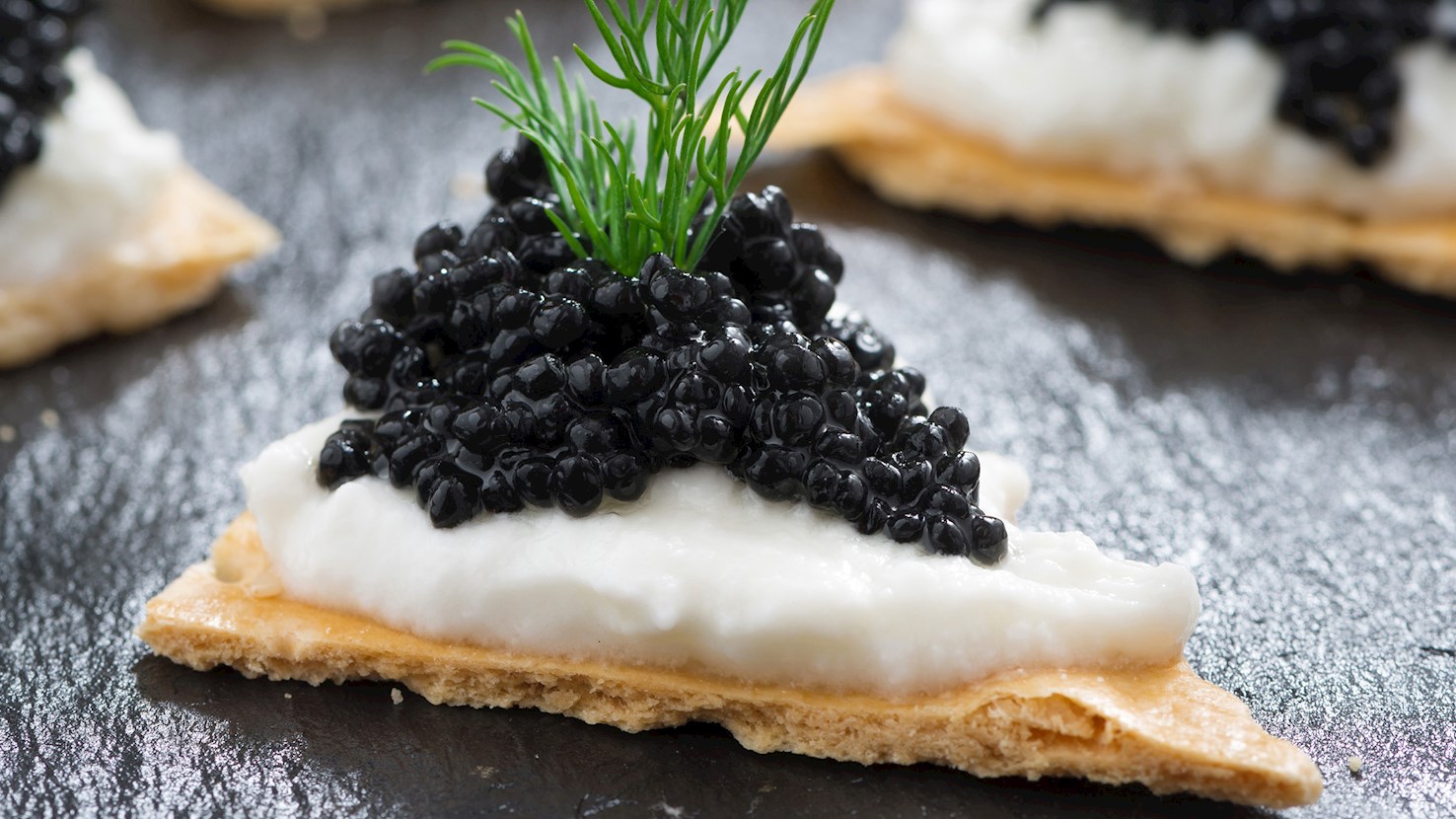
Canapés au caviar

3.7 ·

A part of the gourmet hors d'oeuvre section, caviar canapés are typically consisting of a base, which can be simple toast rounds, blinis, toasted brioche rounds, and even cucumber slices. The base is spread with sour cream or creme fraiche, then topped with a dollop of caviar. A frequent recipe find and the ultimate canapé delicacy is a delicious combination of caviar and smoked salmon. Caviar canapés should not be mistaken with similar canapés varieties that use other types of fish roe such as salmon or trout.

07

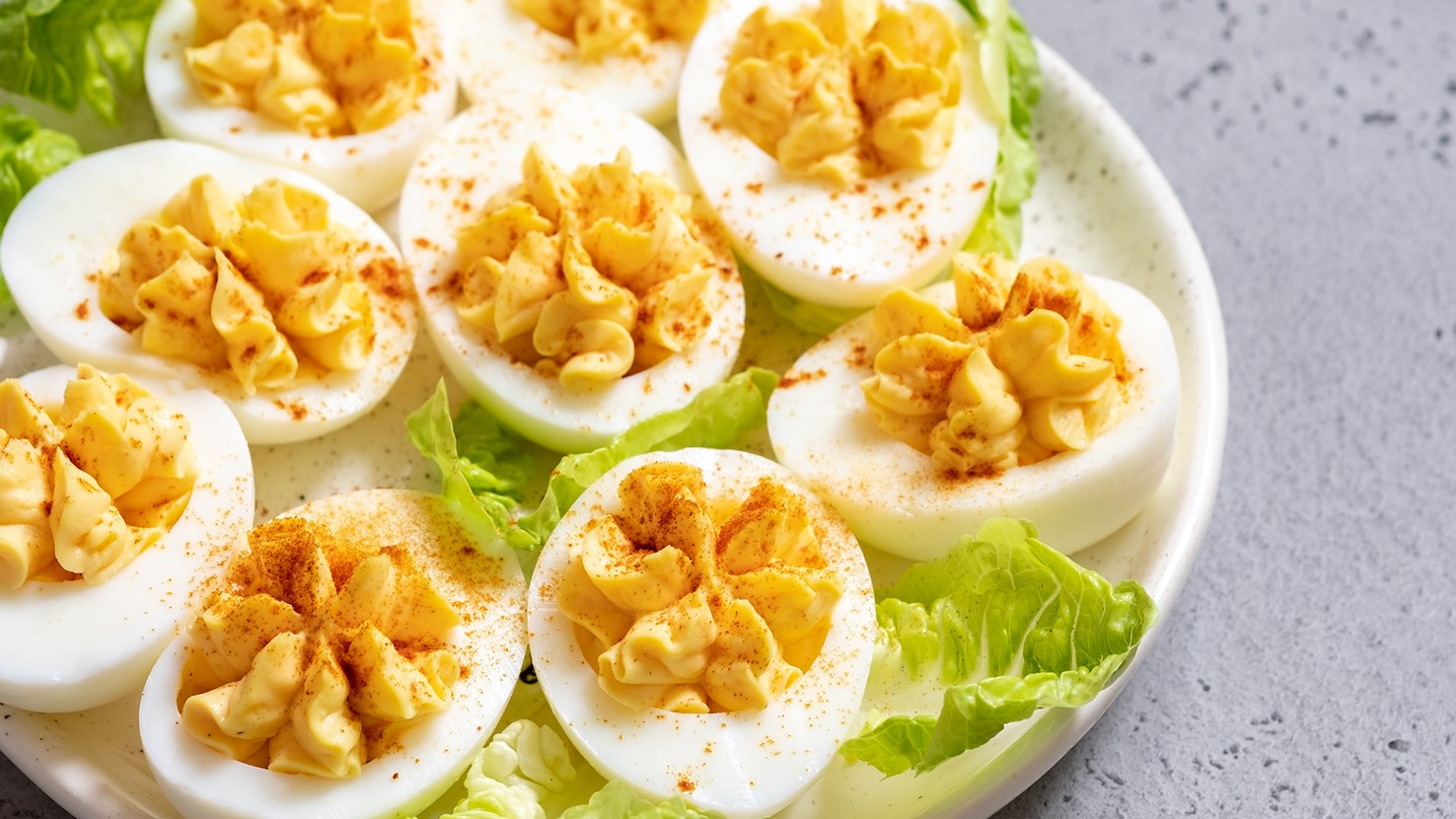
Deviled Eggs

3.7 ·

Deviled eggs typically consist of shelled and halved hard-boiled eggs that have had their boiled yolks removed and blended with ingredients such as mayonnaise, mustard, pickle relish, and seasonings into a smooth paste, which is then added back to the cavities of the egg whites. This all-time favorite is usually finished with paprika on top, and it is typically enjoyed chilled either as an appetizer or a side. Often mistakenly considered an American culinary contribution, the first versions of this simple gourmet delicacy are believed to have been invented in ancient Rome. From there, the dish has spread throughout Europe first, and then all over the world, yielding endless interpretations in different countries and resulting in the numerous variations known today. Interestingly, the word deviled in the name of this dish derives from the terms devil and devilling, both of which were used as culinary terms in Great Britain in the late 18th and early 19th century to refer to food that contains hot ingredients, is highly seasoned or spicy. Deviled eggs are a staple at parties, potluck gatherings, and picnics, and these days they’re often enhanced with a wide range of additions such as pickles, kimchi paste, dill, vinegar, chili powder, sriracha hot sauce, bacon, caviar, or crab meat.

08

Bouchée à la reine

3.7 ·

Bouchées à la reine are small, savory vol-au-vent pastries filled with a combination of white sauce and a mixture of diced chicken, truffles, white wine, and mushrooms. There is also a number of variations for the filling such as veal, olives, and ham. The pastries, which are usually served as an appetizer, were originally invented for Marie Leczinska, the wife of Louis XV and the Queen of France. Not unusual, since the name of the dish literally translates to the Queen's mouthfuls. Although this classic is mainly served as an appetizer, it can also be served as a main course, and it is recommended to pair it with a fresh green salad on the side.

09

Canapés au fromage (Cheese canapés)

3.6 ·

Canapés au fromage are a type of appetizer commonly served in France. These small, elegant snacks are typically made by placing a variety of cheeses on a base of bread, toast, or crackers. The base is usually a small piece of bread, toast, or a cracker, which can be plain or lightly toasted for extra crunch. Various types of cheese can be used, including soft cheeses like brie or camembert, hard cheeses like comté or gruyère, blue cheeses like roquefort, or fresh cheeses like goat cheese. The cheese may be sliced, spread, or crumbled depending on its texture. Canapés au fromage are often garnished with additional ingredients to enhance their flavor and presentation. Common garnishes include herbs such as chives, parsley, or thyme, nuts like walnuts or almonds, fruits such as grapes, figs, or apple slices, and cured meats like prosciutto. These delightful appetizers are a popular choice for hors d'oeuvres at parties and gatherings due to their elegance and variety.

10

Canapés d'anchois (Anchovy canapés)

3.5 ·

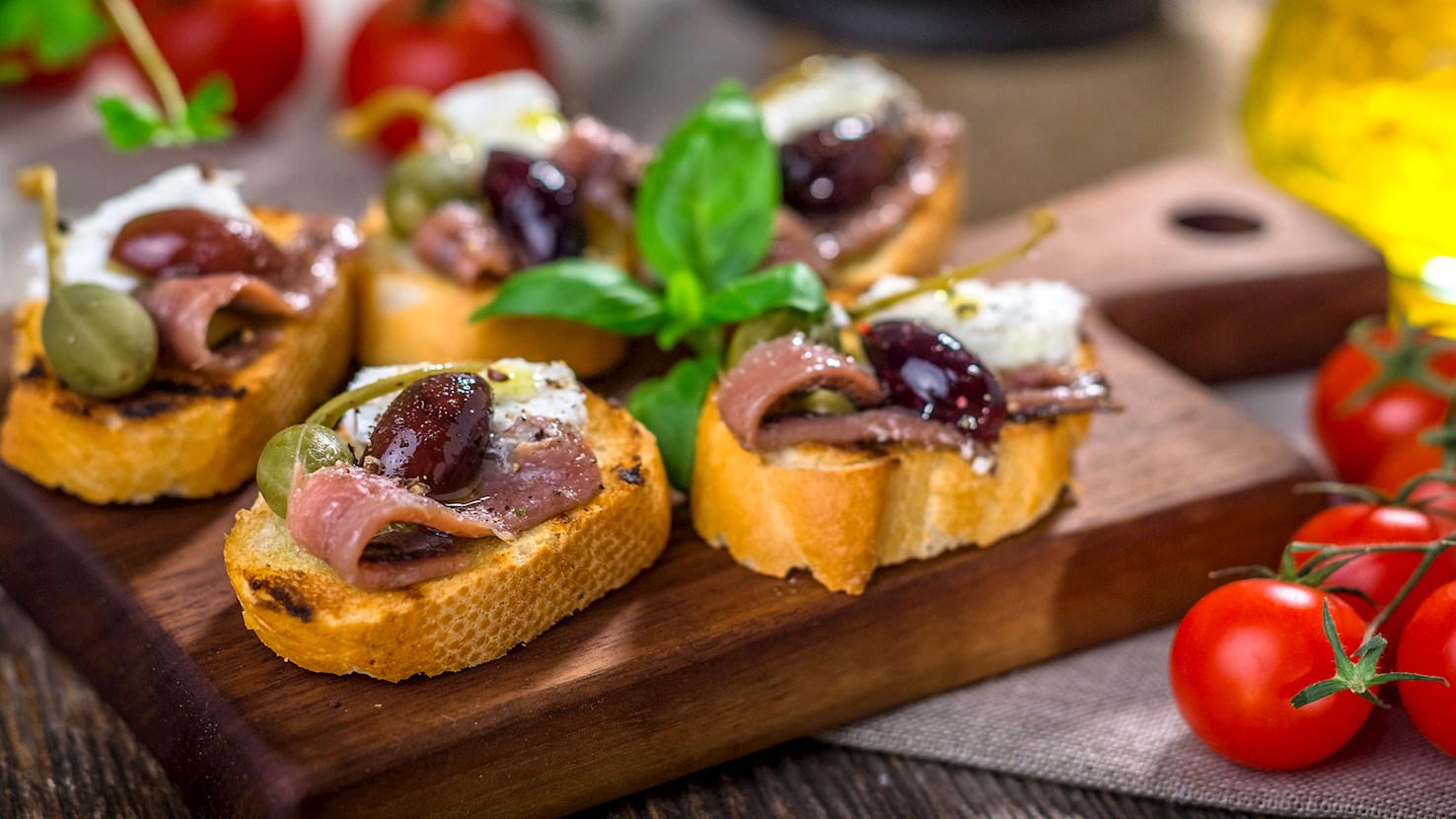
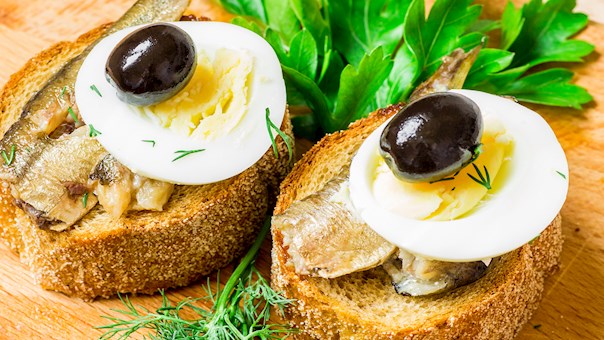
There are a number of ways one can use anchovies when making canapés–as a paste for spreading with either butter, cheese, or olives; whole, or cut into strips, and just arranged on top of a baguette in combination with other sliced ingredients such as tomatoes, hard-boiled eggs, gherkins, cheese, and roasted red bell peppers; or as a filling for prebaked pie tarts that are then served as such or inverted on top of a toast and garnished.

About this ranking

TasteAtlas food rankings are based on the ratings of the TasteAtlas audience, with a series of mechanisms that recognize real users and that ignore bot, nationalist or local patriotic ratings, and give additional value to the ratings of users that the system recognizes as knowledgeable. For the “26 Canapé Varieties Ranked From the Best To the Worst” list until June 17, 2026, 777,524 ratings were recorded, of which 504,674 were recognized by the system as legitimate. TasteAtlas Rankings should not be seen as the final global conclusion about food. Their purpose is to promote excellent local foods, instill pride in traditional dishes, and arouse curiosity about dishes you haven’t tried.

Similar lists