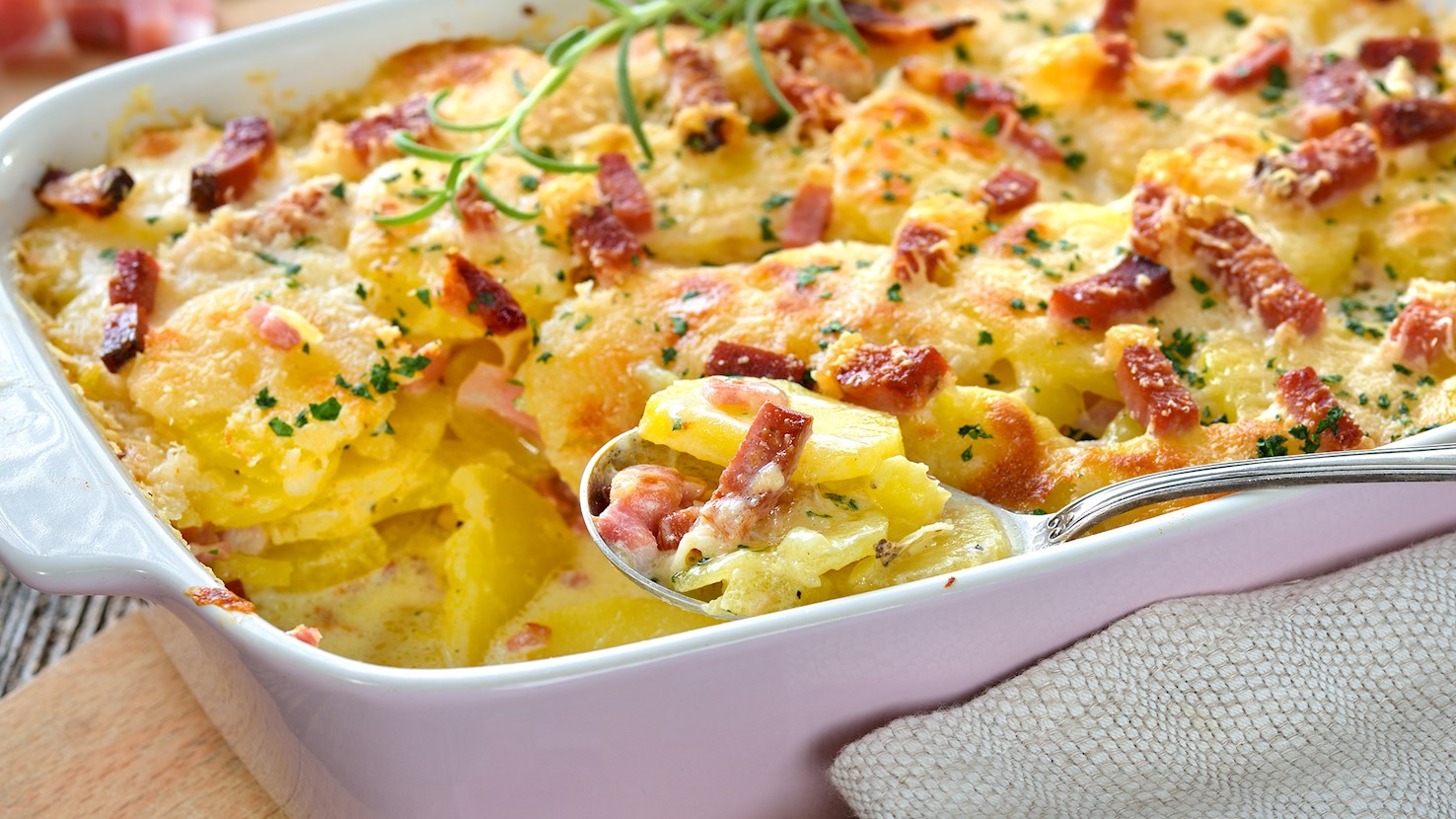
Often described as the ultimate comfort food, this traditional casserole is one the most popular Hungarian dishes. Even though it is incredibly versatile, it usually consists of multiple layers of sliced potatoes, fried bacon, or csabai sausage intertwined with a creamy mixture of eggs and sour cream. Shortly baked until golden brown and crispy, this hearty dish is usually enjoyed as the main course and it is commonly complemented with various pickled salads.
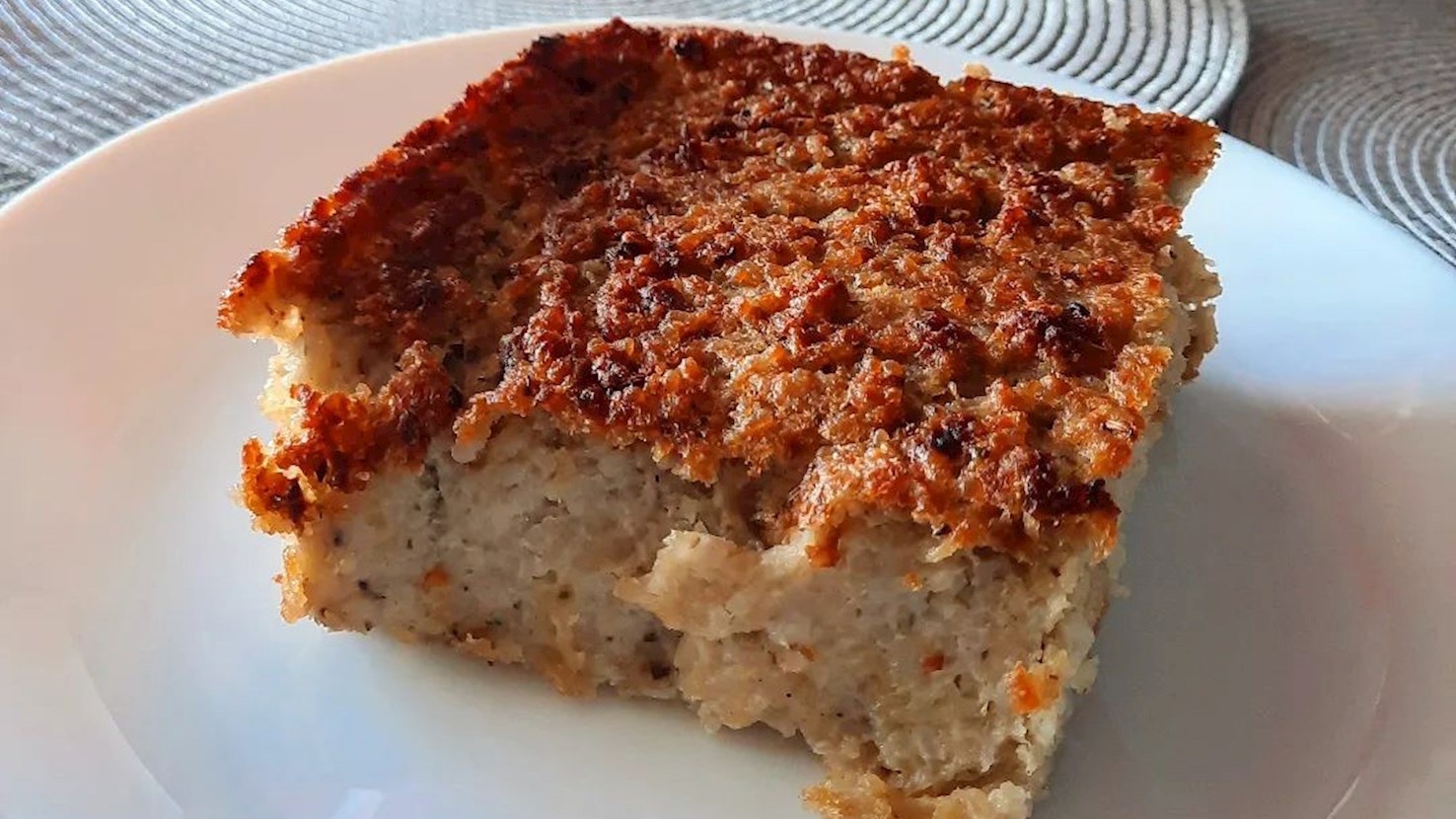
This simple potato casserole is believed to have originated from the popular Jewish kugel. It consists of seasoned grated potatoes that are combined with eggs, then the concoction is baked until golden and crispy. Formerly associated with the eastern Polish regions, babka ziemniaczana became the nation’s favorite due to its simplicity. Today, it exists in many regional varieties which primarily differ in texture, and often incorporate fried onions or crispy bacon. Whether it is baked as a uniformed or layered casserole, potato babka is usually served sliced and can be enjoyed as a light main course or a nutritious snack.
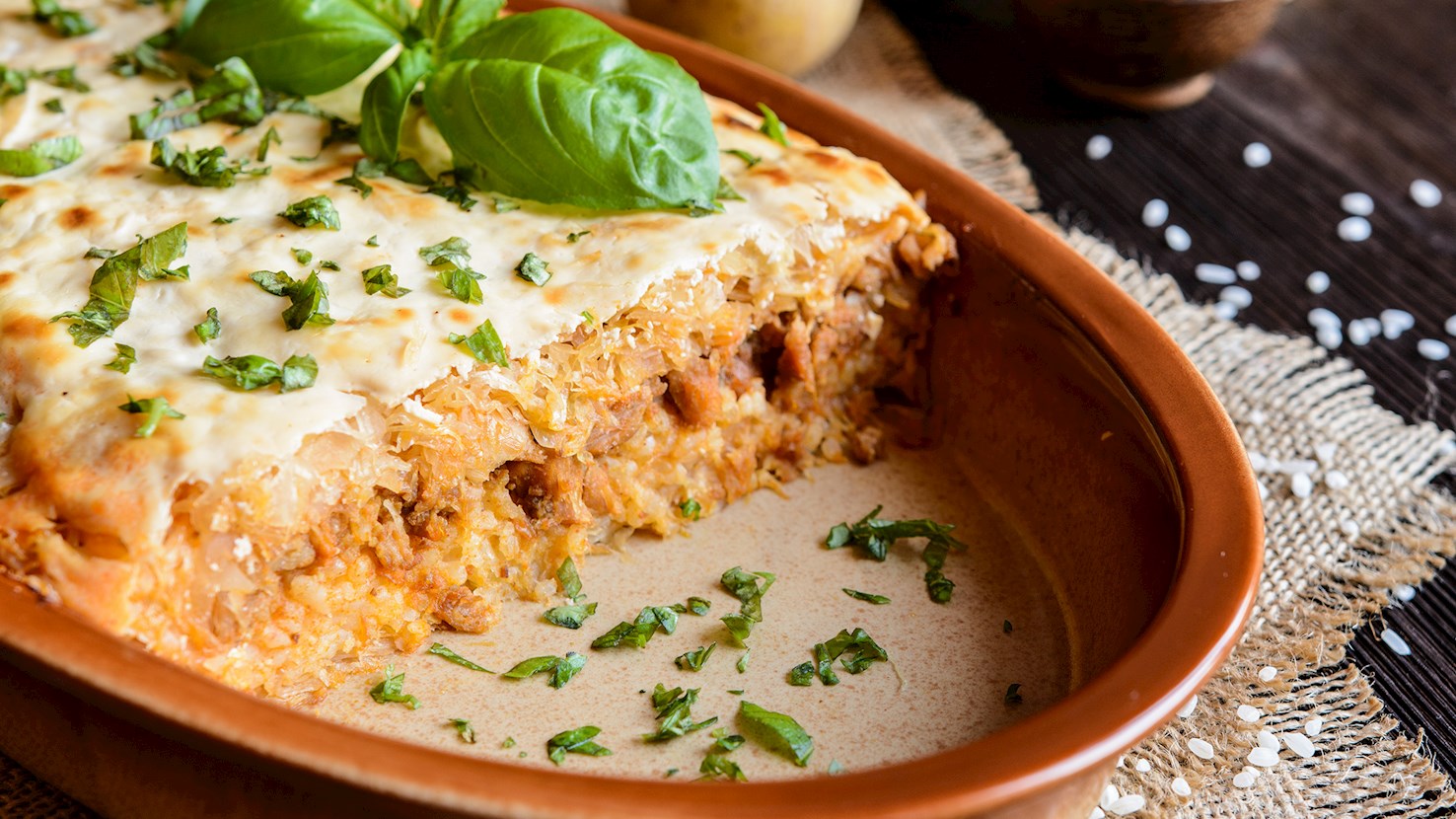
Rakott káposzta is a Hungarian baked dish that might not look visually astonishing, but hides a depth of flavors. In order to prepare it, sauerkraut, ground pork, and a mixture of yogurt and sour cream are layered in a deep roasting tin, then baked until browned on top. The meat is typically combined with rice and flavored with onions, garlic, peppers, tomato paste, and paprika. When properly prepared, the dish should be beautifully balanced with savory, meaty, and tart flavors.
Jachtschotel is a warming winter stew or a casserole originating from the Netherlands. It is made with a combination of onions, butter, chopped meat, stock, chopped apples, breadcrumbs, and nutmeg. When prepared as a casserole, all the ingredients are layered with mashed potatoes, then baked, and when prepared as a stew, the concoction is typically served with mashed potatoes on the side. This rich dish can also be made with leftover game, hence the alternative name – hunter’s stew.
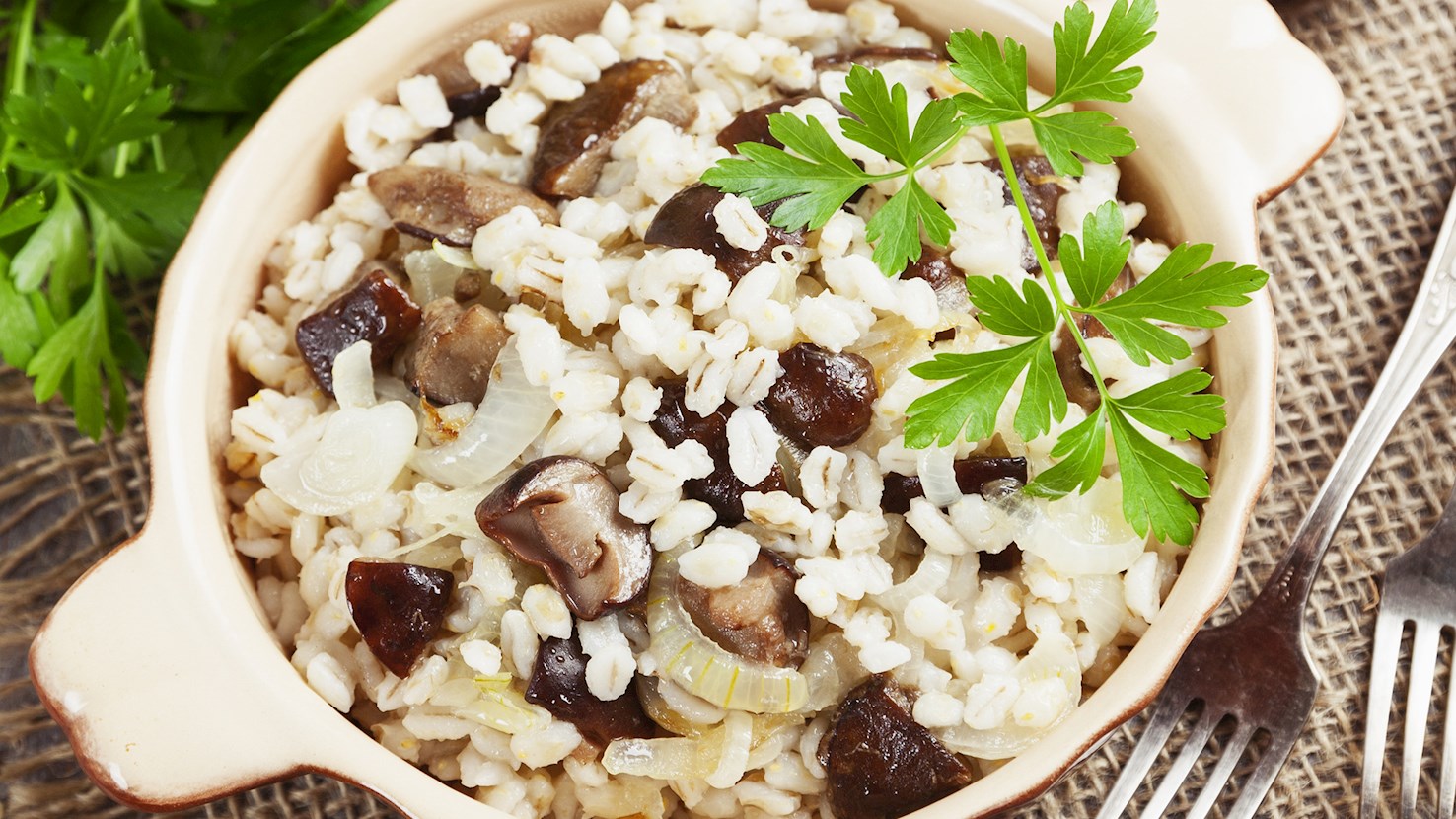
Traditionally associated with Christmastime, this Czech casserole consists of precooked barley and a combination of various dried forest mushrooms. Typically seasoned with caraway and marjoram, houbový kuba is baked until crispy and served warm. With its rustic appeal and strong, earthy flavors, this nutritious casserole is mainly enjoyed as a side dish during traditional Christmas dinners.
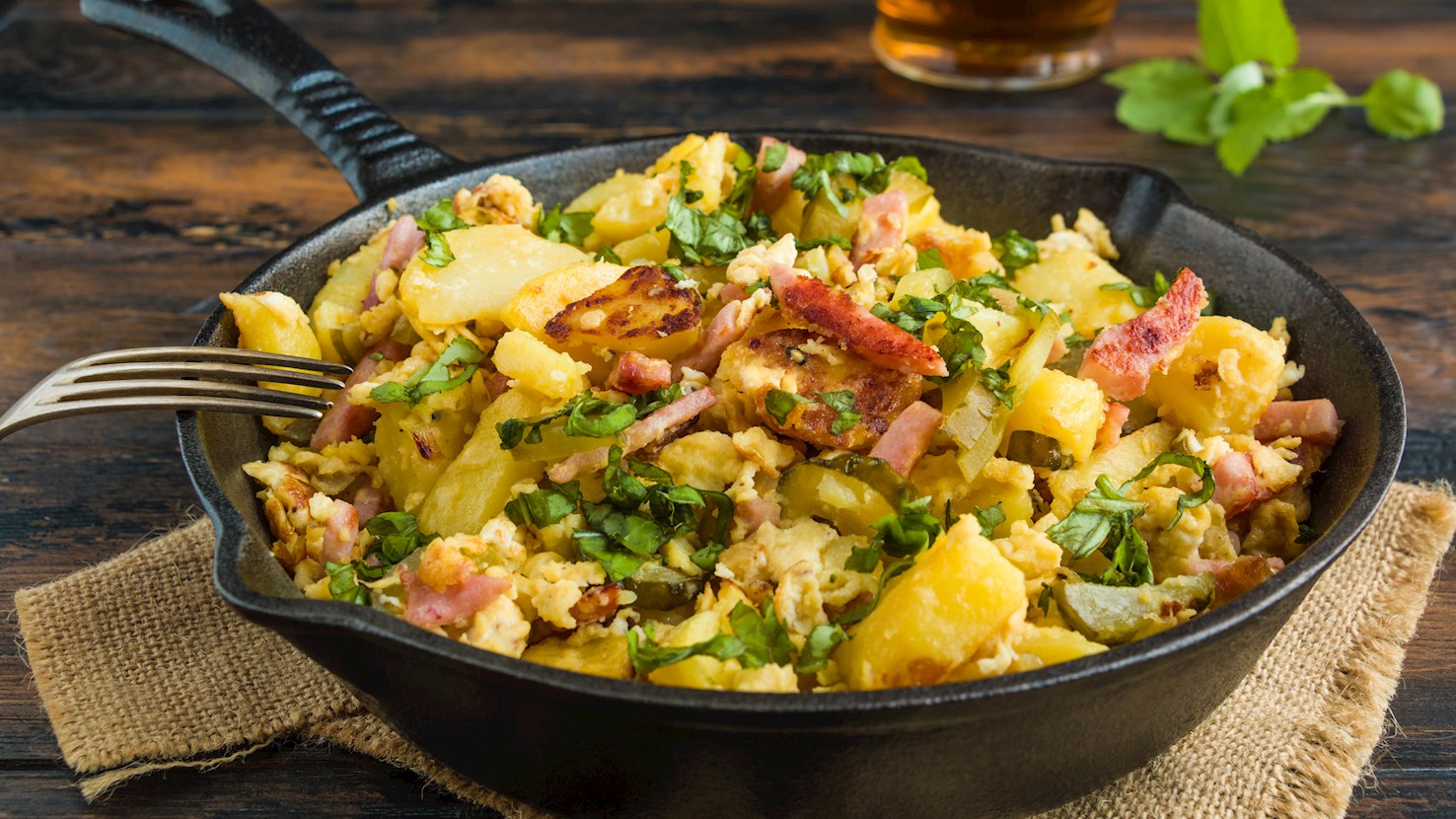
Hoppelpoppel is a traditional dish originating from Berlin. The dish is usually made with a combination of boiled potatoes, butter or olive oil, onions, bell peppers, eggs, milk, parsley, and pork loin or salami. This popular way to use leftovers is made in a skillet – the potatoes, vegetables, and meat are fried in butter or olive oil, and the eggs, parsley, and milk are poured over the mixture until the eggs are set but still moist. The dish is served on a large platter, usually garnished with tomatoes and pickles. Hoppelpoppel also often appears on Midwestern diner menus in the United States.
Mlinci na varaždinski is a savory dish originating from the Croatian city of Varaždin. The key ingredient used in the dish are mlinci – thin and dry sheets made with flour, water, and salt. In order to prepare the dish, speck should be cut into cubes and fried. It is then combined with fresh cow’s cheese, salt, pepper, and sour cream. Mlinci are shortly steamed, then left to dry. A baking dish is greased, then layered with mlinci and a combination of other ingredients. The top is sprinkled with grated Varaždinec cheese, hence the name of the dish. The whole thing is drizzled over with heavy cream and baked in the oven until golden brown. This delicious casserole can be served on its own as a main dish or as a warm appetizer.
Żebroczka is a traditional casserole originating from Silesia. The dish is usually made with a combination of potatoes, rice, milk, bacon, onion, garlic, caraway, marjoram, salt, and black pepper. The onions and garlic are fried in bacon fat, and then mixed with grated potatoes and boiled rice. The mixture is seasoned with salt, pepper, marjoram, and caraway, and milk is stirred into the mixture, which is then placed into an ovenproof dish and baked in the oven. Once the edges become slightly burnt, the casserole is ready to be enjoyed.
Krpice s domaćom šunkom is a traditional meal that is typically baked as a casserole. It consists of krpice (a type of Croatian pasta), chopped homemade ham, onions, oil, salt, and pepper. The combination is placed in a casserole dish, then topped with a combination of milk, eggs, cream, and nutmeg. The whole thing is baked in an oven until it develops a golden-brown color. This dish is a typical example of Croatian comfort food and can additionally be enriched with the addition of bacon, but it is completely optional.
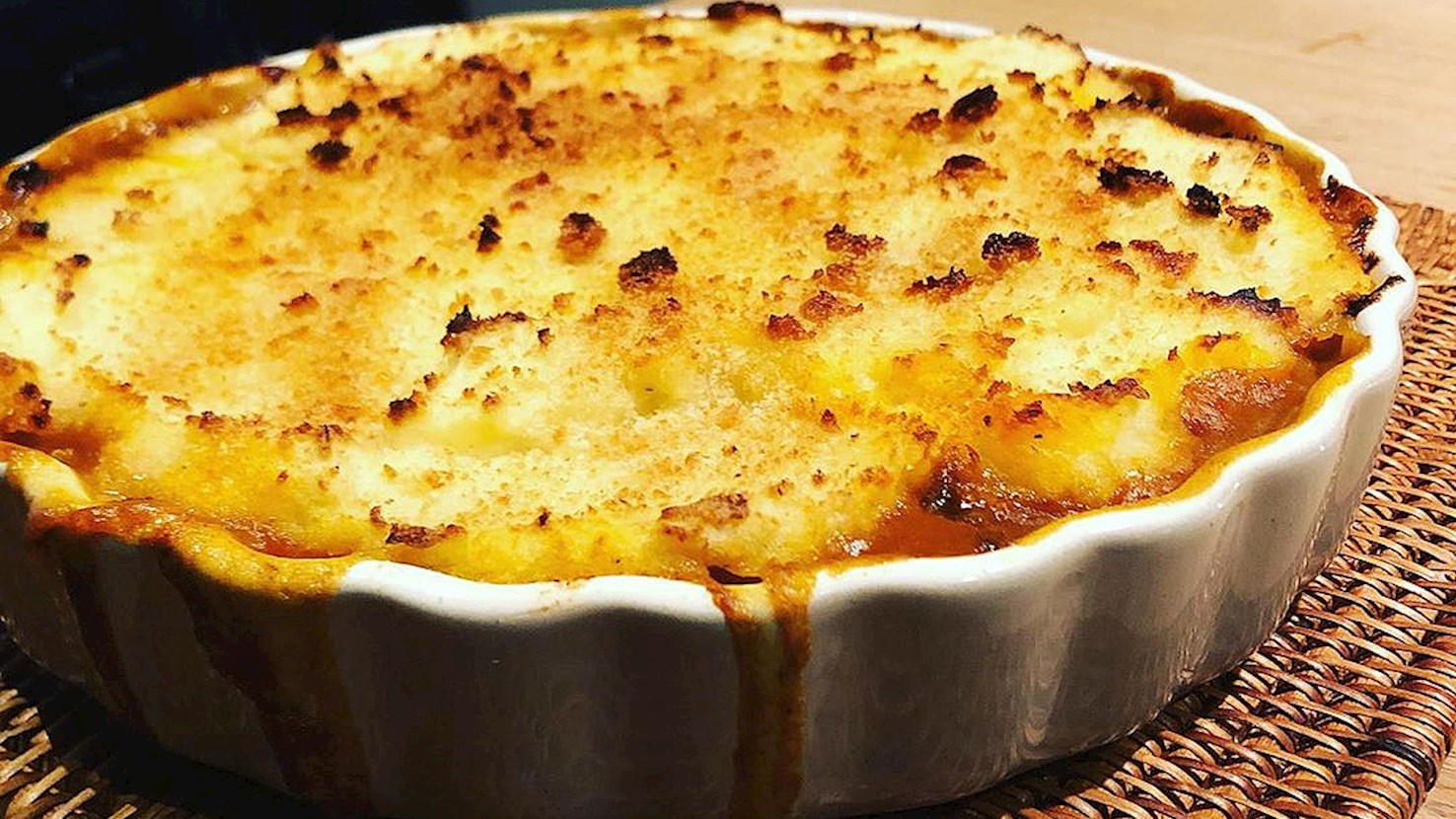
Filosoof is a Dutch oven-baked casserole consisting of layers of mashed potatoes, ground beef or leftover roasted meat, and sautéed onions. It developed within the Dutch domestic culinary sphere during the 18th and 19th centuries as a pragmatic method for utilizing leftover meats from larger Sunday roasts. Its name, which translates to "philosopher," is attributed to the notion that the dish is a sensible, thoughtful way to repurpose food scraps into a substantial new meal, reflecting the frugal and logical approach to resource management prevalent in Dutch household history. Unlike many other European potato-meat casseroles, the filosoof specifically incorporates acidic or sweet-savory elements like pickles or apples to contrast with the heavy proteins. Preparation involves creating a smooth, buttery mashed potato base seasoned heavily with salt, white pepper, and nutmeg. The meat component, typically minced beef or finely chopped leftover beef roast, is sautéed with a large quantity of sliced onions until the onions are translucent and slightly caramelized. A specific technical aspect of the filosoof is the addition of a moistening agent to the meat layer, such as a splash of beef stock, vinegar, or even chopped gherkins and silver onions to provide an acidic counterpoint to the starch. The dish is assembled in an ovenproof dish by alternating layers of the meat-onion mixture and mashed potatoes, finishing with a final layer of potato. The surface is often scored with a fork and topped with breadcrumbs and small knobs of butter to create a textured, crispy crust during the baking process. Filosoof is primarily eaten as a main dinner course in residential settings, particularly during the autumn and winter months. It is served hot, often accompanied by a side of red cabbage with apples or a crisp green salad to provide textural contrast. It is most frequently paired with a robust Dutch brown ale or a darker lager, as the malty sweetness of the beer aligns with the caramelized onions and the earthy nutmeg. For non-alcoholic pairings, a strong black tea or apple cider is commonly utilized to cut through the richness of the mashed potatoes and butter.
TasteAtlas food rankings are based on the ratings of the TasteAtlas audience, with a series of mechanisms that recognize real users and that ignore bot,
nationalist or local patriotic ratings, and give additional value to the ratings of users that the system recognizes as knowledgeable.
TasteAtlas Rankings should not be seen as the final global conclusion about food. Their purpose is to promote excellent local foods,
instill pride in traditional dishes, and arouse curiosity about dishes you haven’t tried.









What People Say