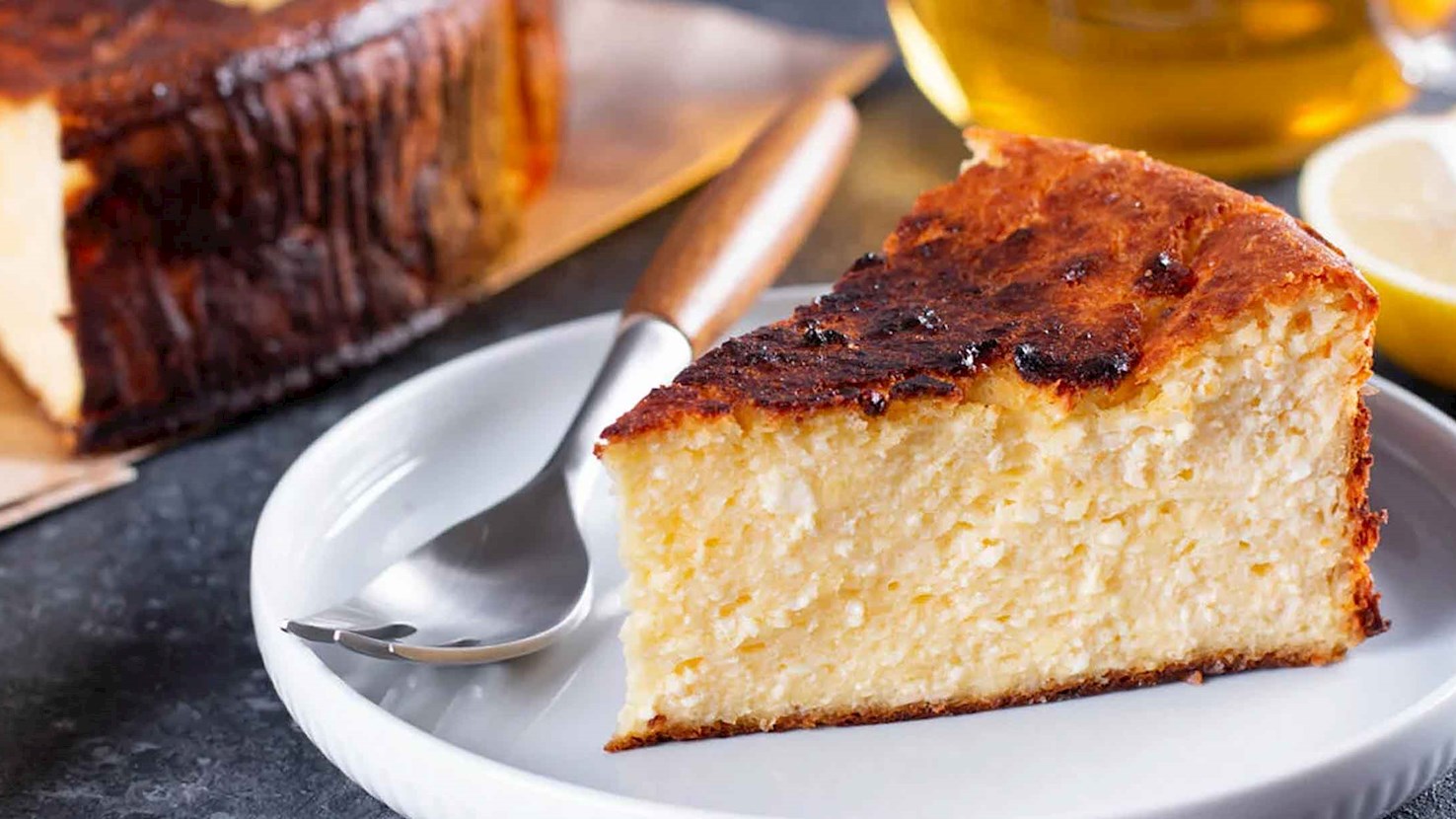
Sernik is a cheesecake from Poland, stemming from old Christian and Jewish traditions. It is made with eggs, sugar, and twaróg - a type of curd cheese that has been used in desserts for hundreds of years. It is believed that sernik originated in the 17th century, when King Jan III Sobieski brought the recipe with him after his victory against the Turks at the Battle of Vienna. Today, there are many varieties of sernik, some baked, some unbaked, but it is usually made on a layer of crumbly cake. Often times raisins, chocolate sauce, or fruits are also added to sernik, and one of the most popular varieties of the dessert has a sponge cake as its base and is covered with jelly and fruit on top. The krakowski version of sernik has a lattice crust on top to differentiate it from other types of this cheesecake. Sernik can either be prepared at home or found in many Polish stores and supermarkets.
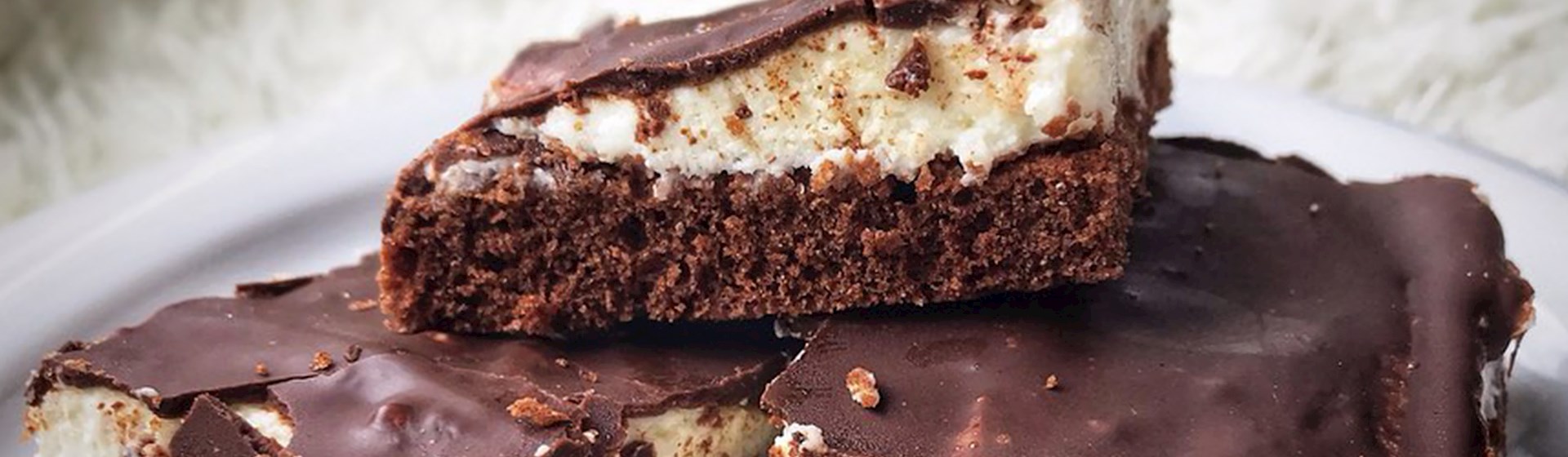
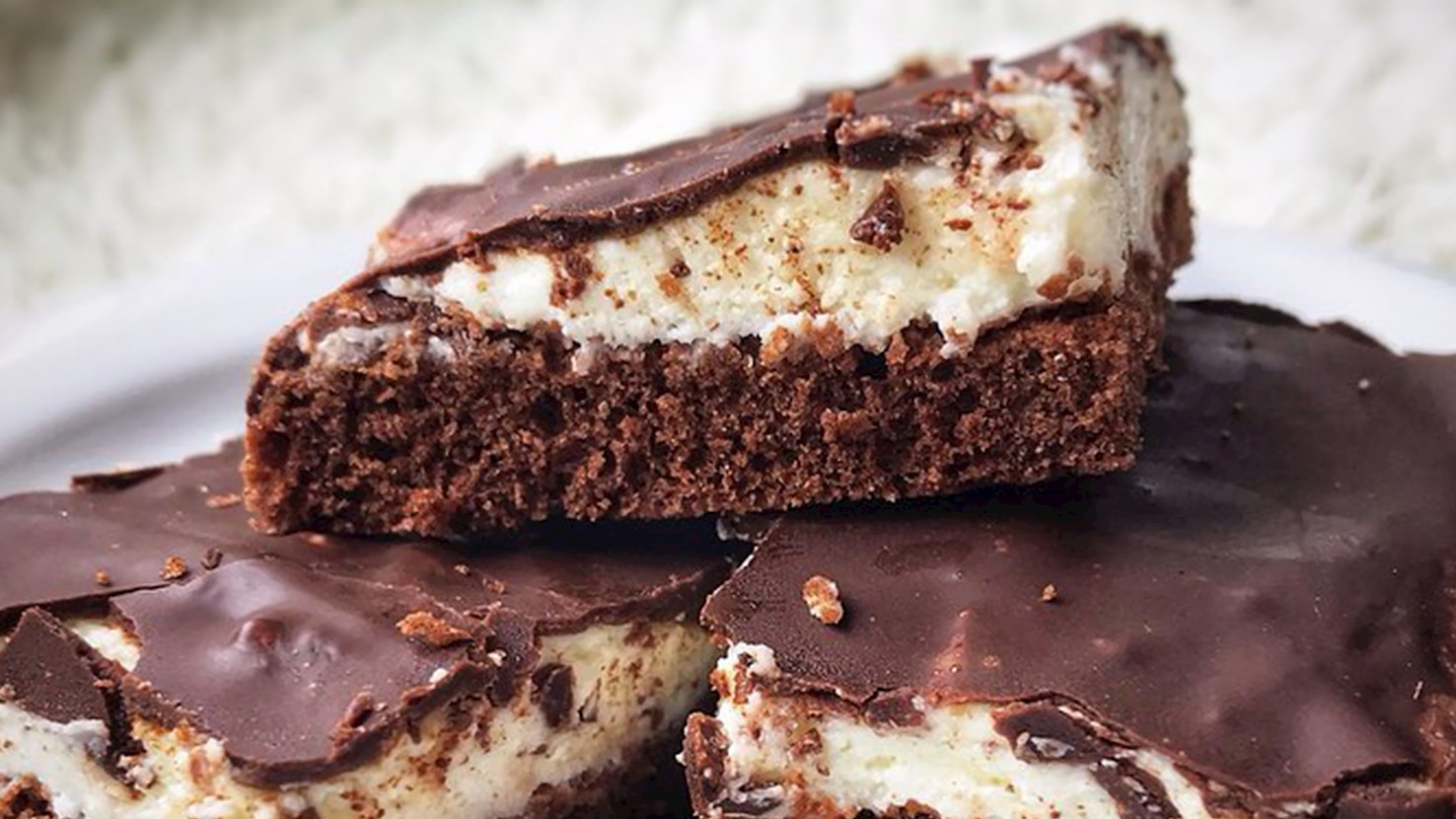
Míša řezy is a traditional dessert made with quark cheese (tvaroh) as the key ingredient. The cake consists of three distinct layers – a base of chocolate sponge cake, a layer of quark cheese, sugar, and butter, and the final layer is a glossy chocolate icing. When served, the cake is cut into squares. The name of this cake means Mickey square, and it's based on the popular Czech Míša ice cream consisting of quark cheese that's covered in dark chocolate.
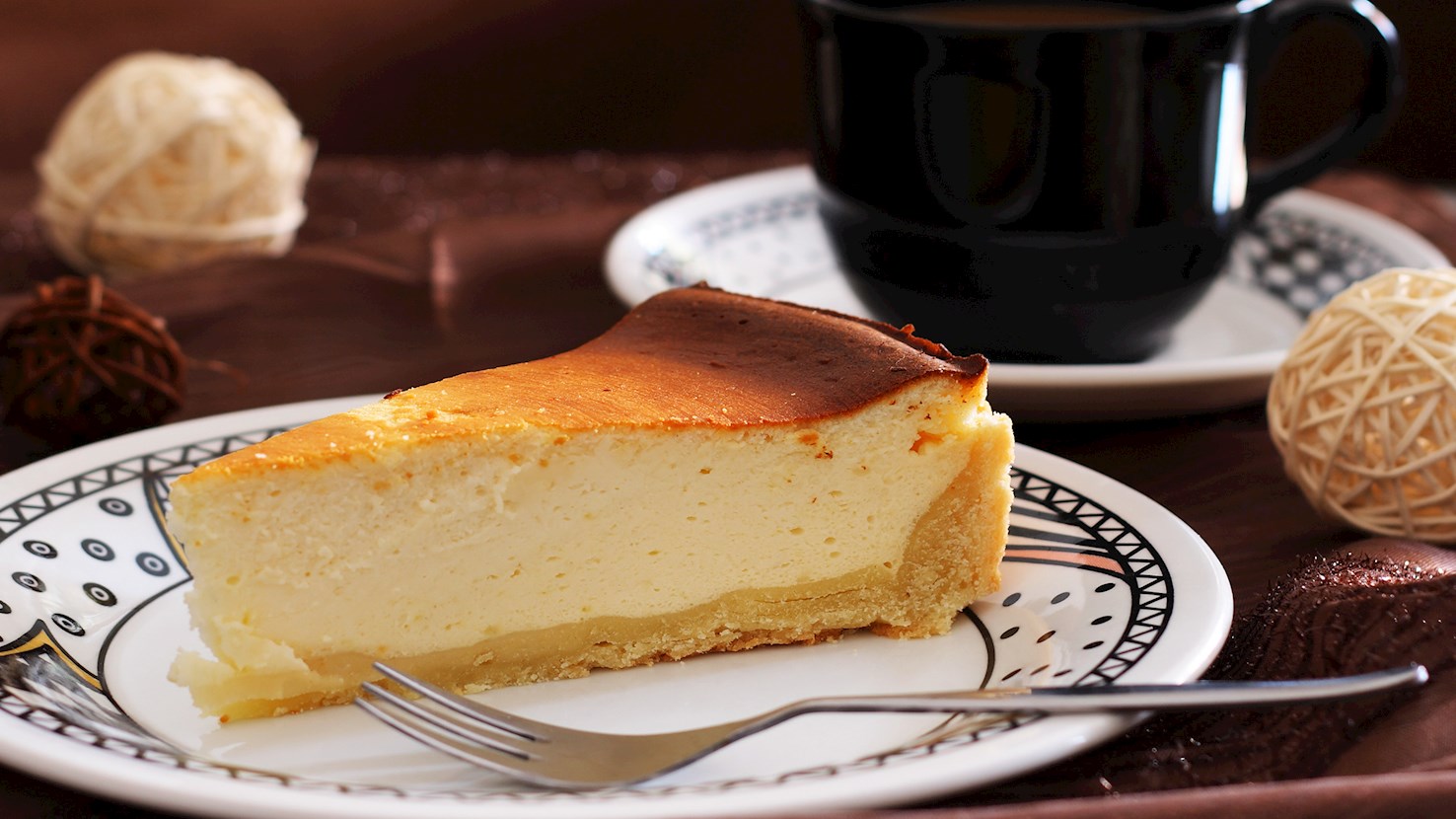
German-style cheesecake is a traditional dessert consisting of a thin layer of shortcrust pastry that is topped with a creamy combination of quark cheese, eggs, and (occasionally) various fruits. Even though käsekuchen is often compared to the classic American cheesecake, the use of lightly acidic quark cheese results in a light, scrumptious treat that perfectly combines sweet and sour flavors. Usually served dusted with powdered sugar, käsekuchen is a classic German dessert that is commonly enjoyed as an everyday treat alongside coffee or tea.
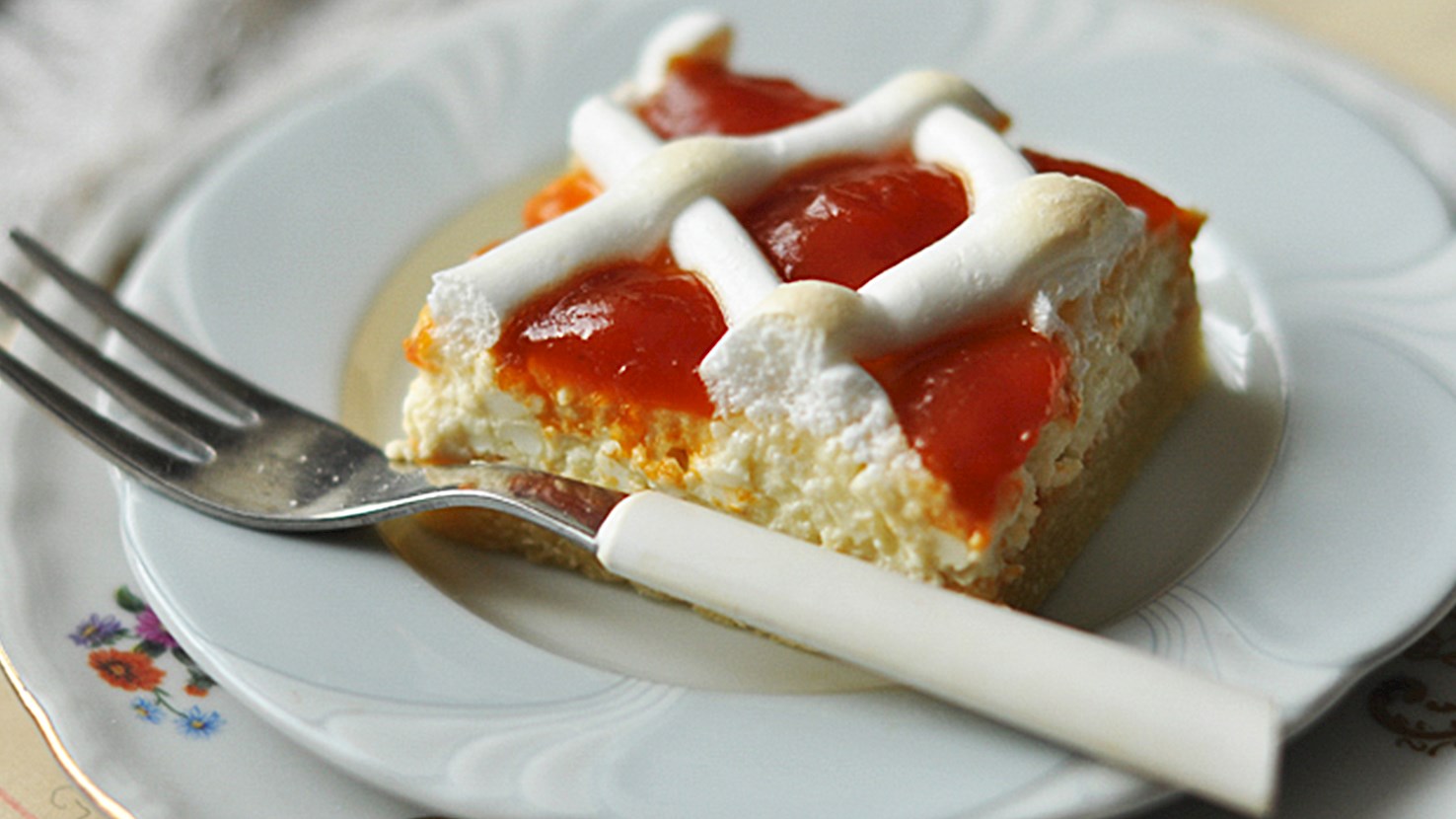
Rákóczi túrós is a Hungarian curd cheese cake. The base is a thin shortcrust pastry, followed by a layer of sweetened curd cheese that is topped with meringue. This tasty cake is named after János Rákóczi, a Hungarian master patissier who invented it for the 1958 Brussels World Expo. The dessert became an instant hit, and nowadays it can be found in almost every pastry shop in Hungary.
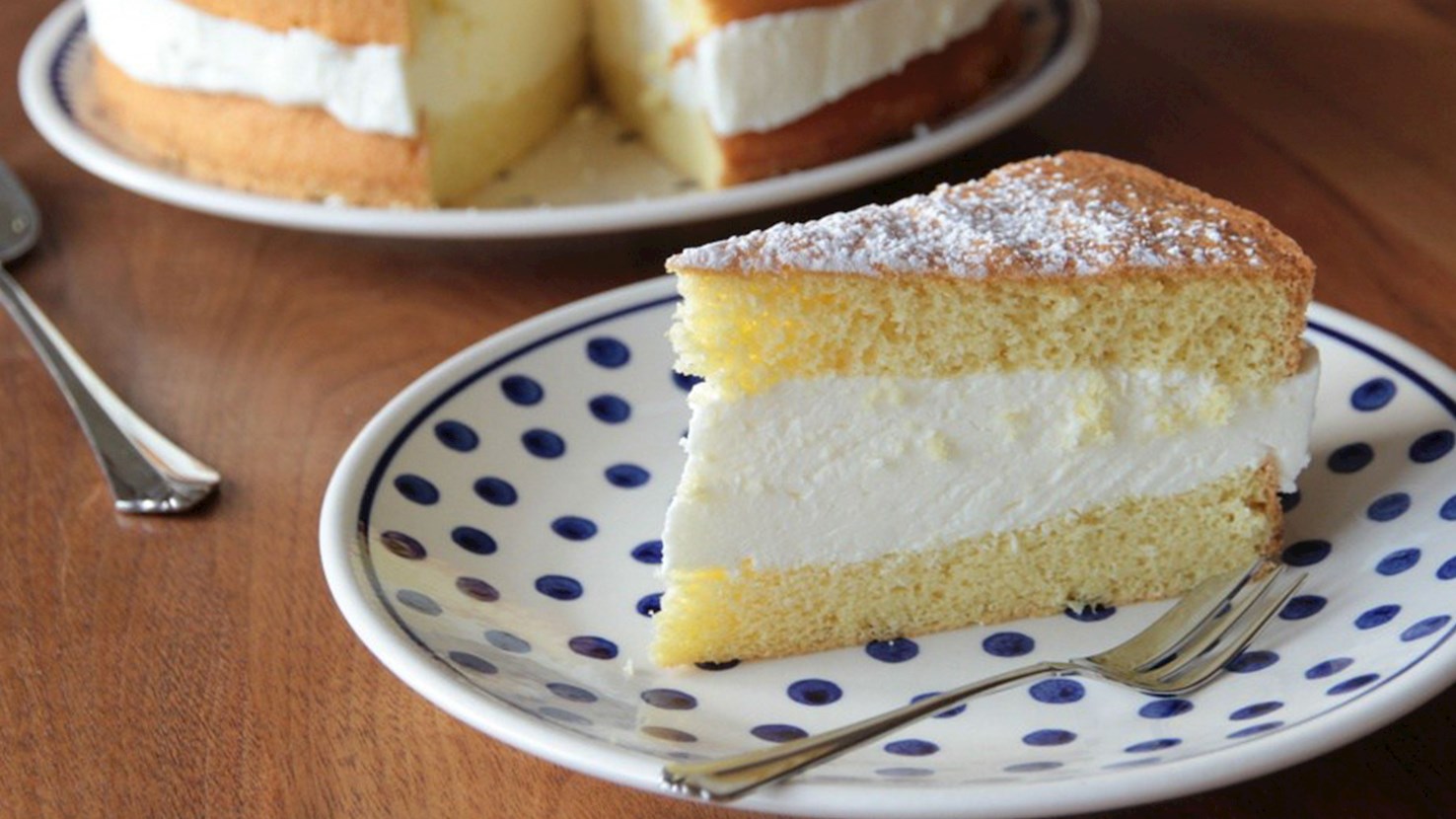
Topfentorte is an Austrian-style cheesecake made with topfen or quark cheese as the main ingredient. Apart from topfen, the cake is made with eggs, sugar, flour, lemon juice and zest, whipping cream, and gelatin. The tangy topfen filling is typically sandwiched between two layers of sponge cake. Once baked, the cake is usually chilled in the fridge before serving. If needed, topfentorte can be dusted with powdered sugar before consumption.
Topfengolatsche is a traditional pastry, part of the broader category of golatschen, which are sweet, folded pastries. It is filled with topfen (a type of soft, fresh cheese similar to quark or ricotta) mixed with sugar, eggs, butter, vanilla, and rum-soaked raisins. The pastry dough is typically yeast-based or made from puff pastry, and it is folded around the creamy filling before being baked until golden. Topfengolatsche is a popular treat in Austria, often enjoyed as a breakfast pastry or dessert.
Zigerkrapfen are sweet pastries made from a butter-enriched, finely grated white flour dough, filled with a sweetened mixture of ziger (a type of whey cheese), and then deep-fried until golden brown. The typical shape of zigerkrapfen is diamond-like, though variations include triangular or semi-circular forms. The filling is sometimes enhanced with ingredients such as raisins, almonds, or a splash of Kirsch (cherry brandy) to add depth to the flavor. In the canton of Uri, the filling is traditionally seasoned with magenträs, a spiced sugar blend that imparts a reddish hue to the mixture due to the inclusion of sandalwood. The dough for zigerkrapfen is prepared by rubbing white flour with butter, followed by the addition of eggs, sugar, salt, milk, and water to form a smooth mixture. The filling consists of finely milled ziger combined with sugar, spices like cinnamon and coriander, and milk to achieve the desired consistency. Historically, the earliest known recipes for Zigerkrapfen date back to the 18th century. For instance, the "Bernerisches Koch-Büchlein" from 1749 describes a krapfen filling made from ziger, cream, sugar, cinnamon, rose water, and a few raisins. It's likely that such pastries were made even earlier, especially in regions where Ziger was a primary dairy product until the end of the Middle Ages. Traditionally, zigerkrapfen were associated with local fairs and festivals, known as Chilbi. Over time, their popularity grew, and by the 1930s, they were also enjoyed during events like Fasnacht (Carnival) and various market days. In recent decades, zigerkrapfen have transitioned from being a seasonal treat to a year-round offering in many bakeries, reflecting their enduring appeal.
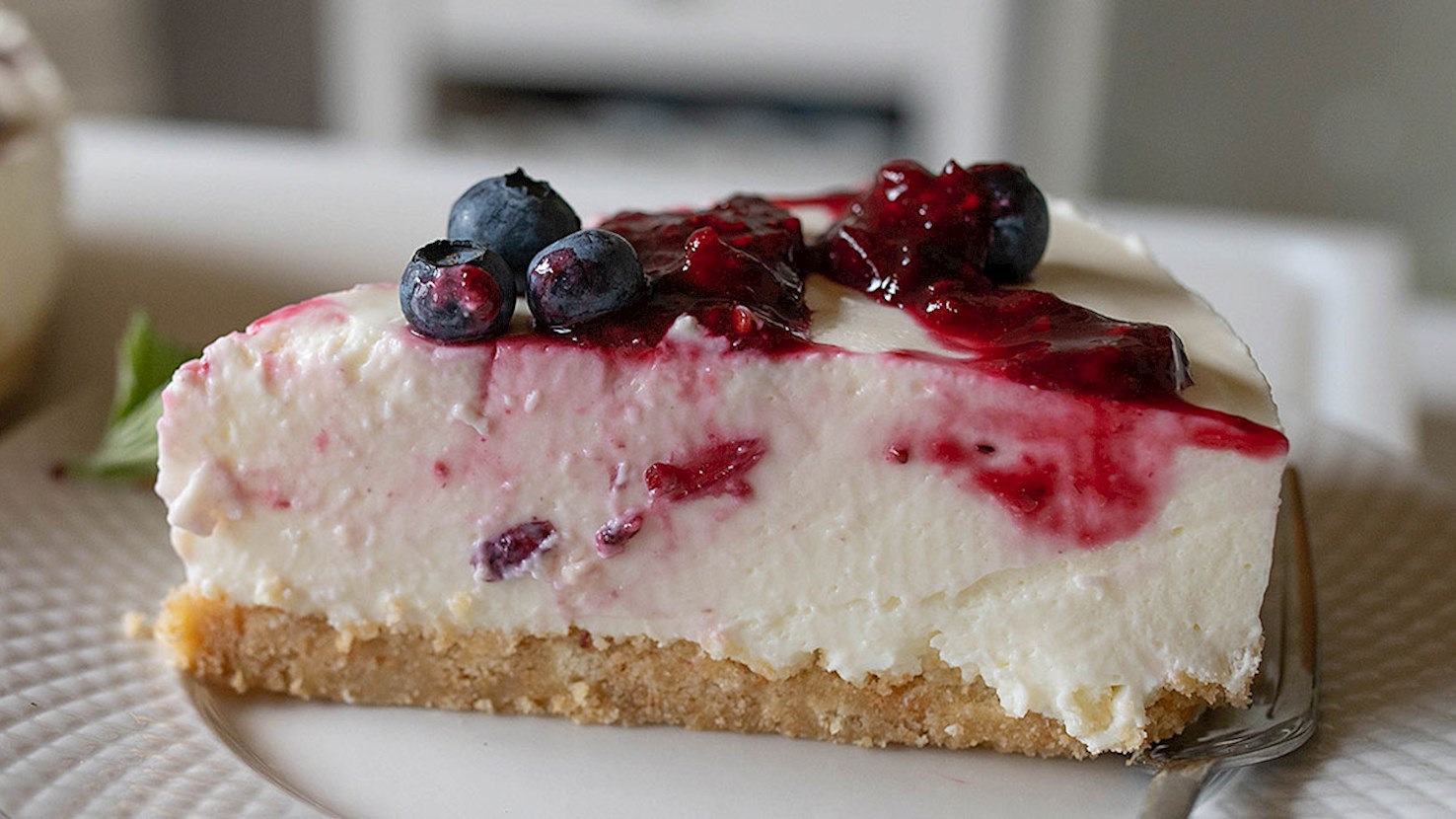
Kwarktaart is a Dutch no-bake chilled cake composed of a biscuit crumb base and a thick, aerated layer of sweetened quark. It has a smooth, gelatin-set structure and a flavor profile that is significantly more acidic and lighter than cream-cheese-based cakes. The item emerged as a common fixture in Dutch domestic kitchens during the mid-20th century, following the mass commercialization of packet gelatin and the widespread availability of home refrigeration. While its primary dairy component, kwark (a fresh, acid-set cheese), has been a staple of Northern European diets for centuries, the specific assembly of this dairy with whipped cream and a crumb crust is a modern Dutch development. Preparation begins with the creation of the base, using crushed dry biscuits, most commonly Bastogne (spiced caramelized cookies) or digestive biscuits, blended with melted unsalted butter. The filling is a mixture of full-fat or low-fat quark, sugar, and often a citrus element such as lemon juice or zest to enhance the natural tang of the cheese. Gelatin is bloomed in cold water, dissolved in a small amount of warm milk or fruit juice, and then tempered into the quark mixture. The final structural component is whipped heavy cream, which is folded into the quark to introduce air and prevent the cake from becoming rubbery as it sets.Once assembled, the cake must be refrigerated for at least four hours, though overnight setting is standard to ensure clean, vertical slices. Kwarktaart is served cold, frequently as a centerpiece for birthday celebrations (verjaardagen) or as an afternoon accompaniment to social visits. In the Netherlands, it is almost exclusively consumed during the warmer months due to its refreshing, chilled temperature. It is most frequently paired with strong black coffee or Earl Grey tea, as the tannins and heat provide a necessary balance to the cold, creamy fat and acidic profile of the cake. For a beverage pairing with more acidity, it is often served alongside chilled apple juice or a sparkling fruit pressé that mirrors the fruit topping of the cake.
Procip is a dessert from the island of Brač in Croatia, made by caramelizing young sheep’s cheese slices in sugar and either water or milk. The name procip comes from the way it was once cooked: the pan sat over a procjep—a gap between pieces of wood that held it in place—so the dessert took its name from that setup.The recipe calls for only three ingredients: sugar, young Brač sheep’s cheese (or curd), and milk or water. After melting the sugar until it turns golden, one adds a small amount of milk (or water) to form a caramel sauce, then places the cheese slices into the pan and allows them to soften slightly and absorb the syrup before serving immediately. What marks this dish is its use of sheep’s cheese at the freshest possible stage—when the curd is barely one day old—and its rapid caramelization just before serving, creating a sweet, warm dish that is eaten right away because the cheese firms up and loses texture if left to cool. On Brač it is enjoyed as a reward at the end of a day at the beach or after a simple lunch, and it pairs naturally with dessert wine or strong black coffee, making it a fit for a light sweet conclusion or relaxed afternoon treat.
TasteAtlas food rankings are based on the ratings of the TasteAtlas audience, with a series of mechanisms that recognize real users and that ignore bot,
nationalist or local patriotic ratings, and give additional value to the ratings of users that the system recognizes as knowledgeable.
For the “Top 9 Central European Cheese Desserts” list until August 15, 2026, 1,019 ratings were recorded, of which 753 were recognized by the system as legitimate.
TasteAtlas Rankings should not be seen as the final global conclusion about food. Their purpose is to promote excellent local foods,
instill pride in traditional dishes, and arouse curiosity about dishes you haven’t tried.






What People Say