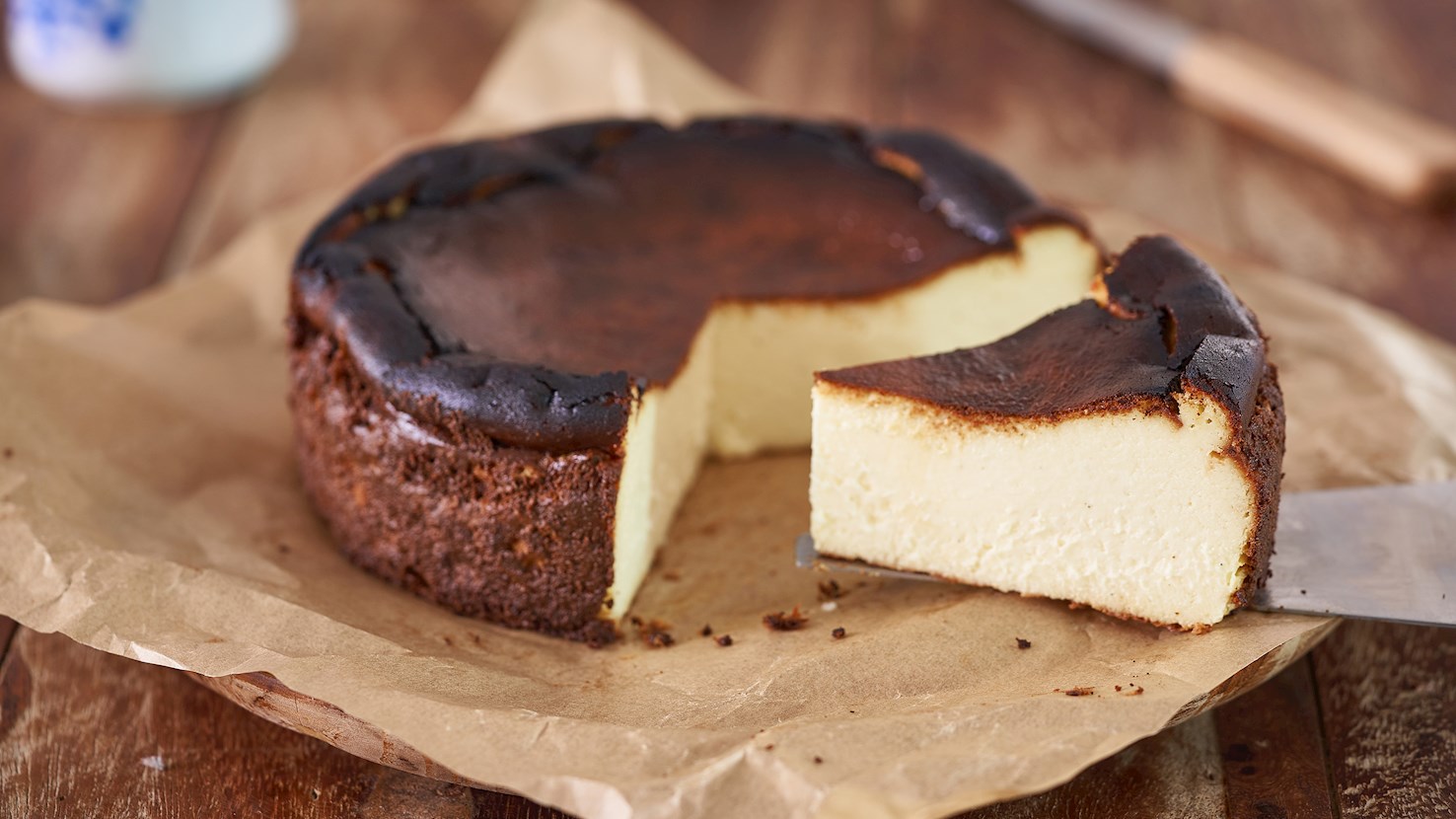
Known simply as tarta de queso or gazta tarta in its native Basque, this simple yet incredibly creamy cheesecake variation is a decades-old local specialty of the La Viña Bar in San Sebastián. The recipe is a simple combination of classic cheesecake ingredients such as sugar, heavy cream, eggs, and cream cheese, but unlike its more popular counterparts, this Basque version does not have any crust. Instead, it is baked on a high temperature which leaves the outside firm, darker, and somewhat burnt, while the center remains gooey. Basque cheesecake is immensely popular, and while La Viña remains its place of origin, different variations are nowadays found in several patisseries around the world.
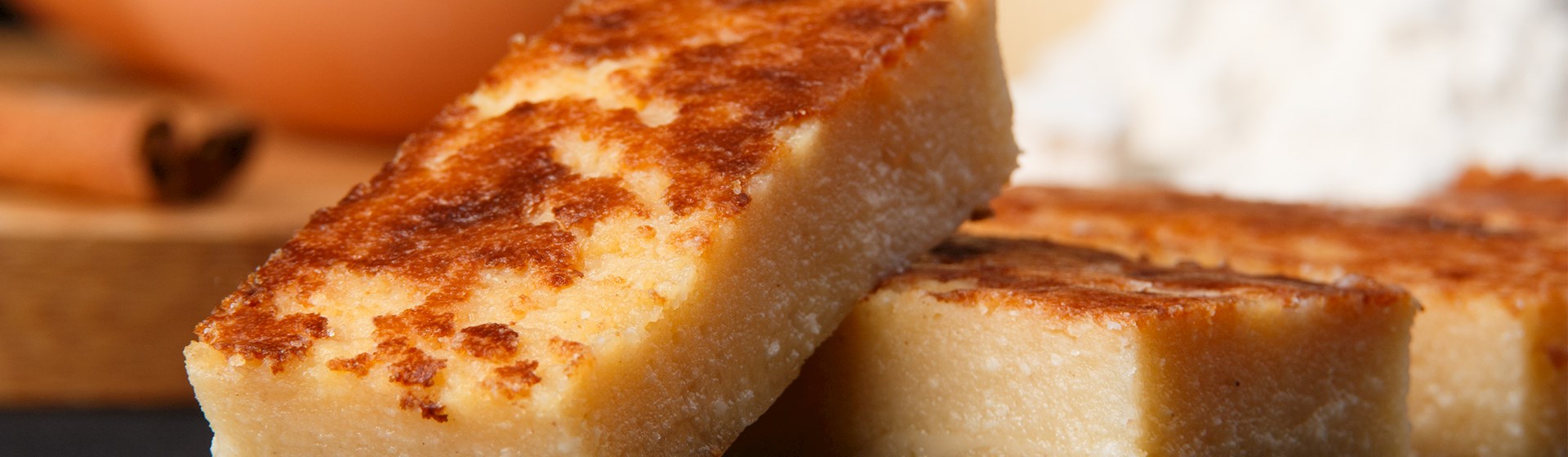
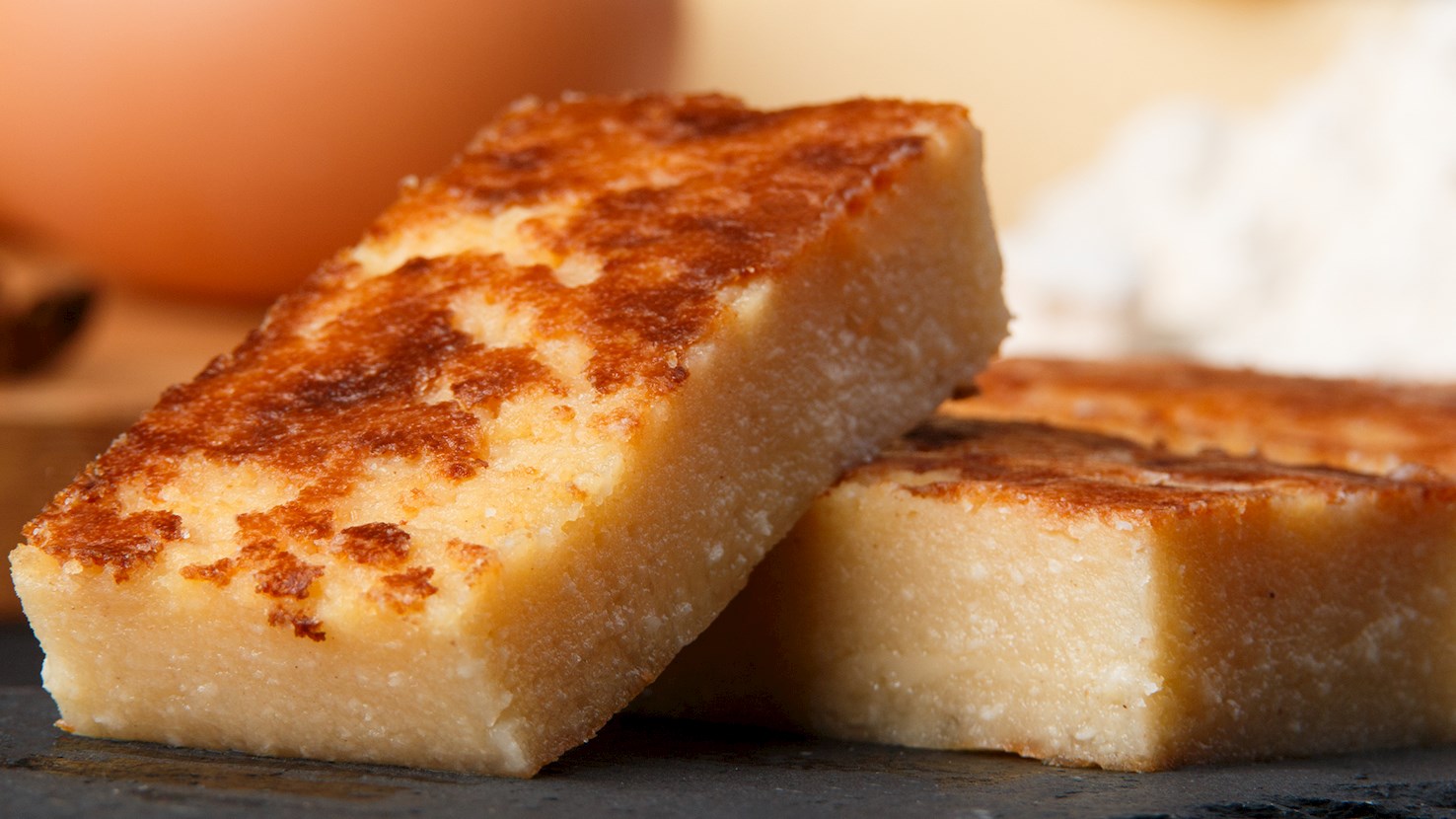
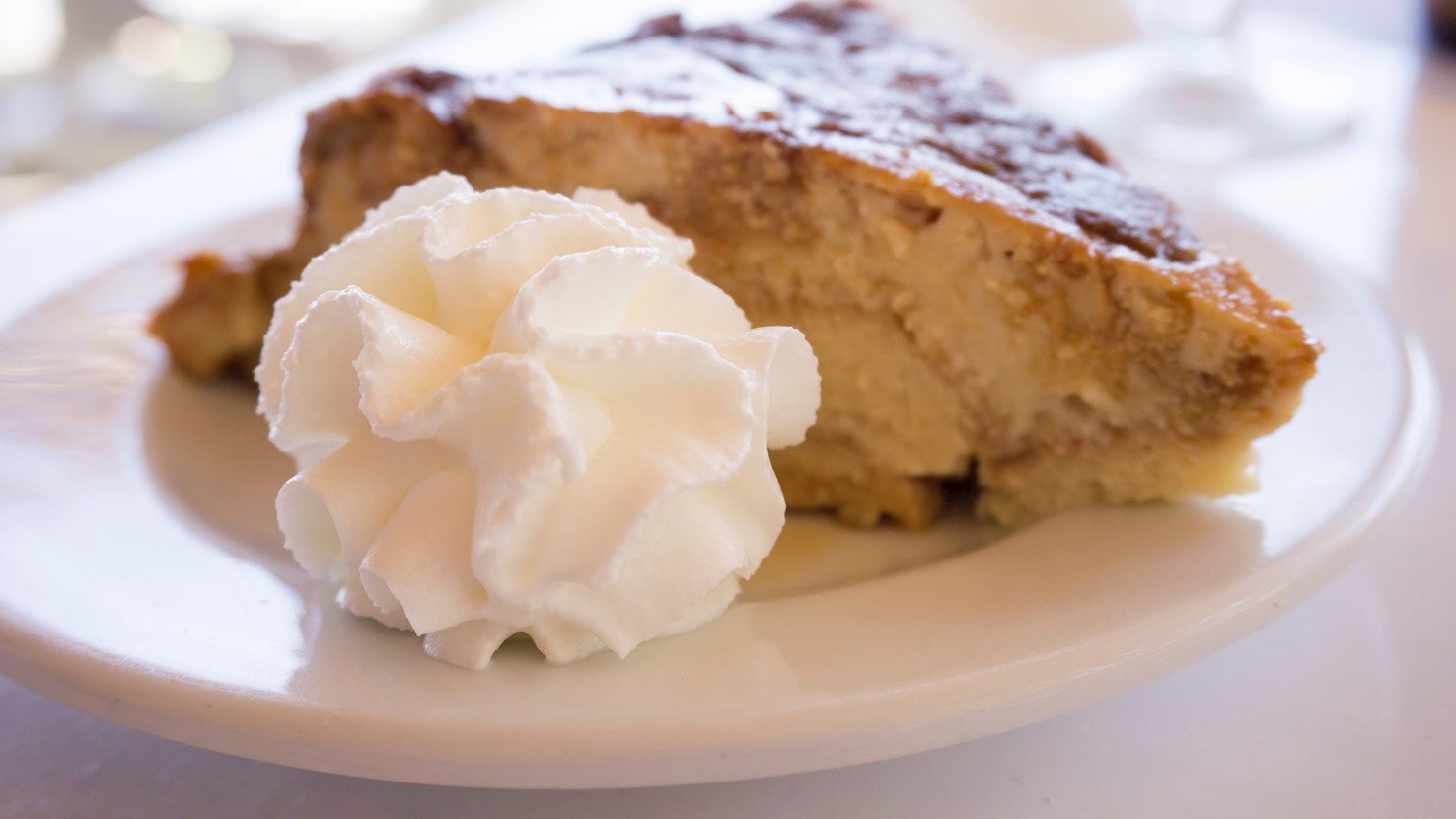
Reminiscent of a cheesecake, quesada pasiega is a traditional Cantabrian creamy cake made with a combination of butter, sugar, milk, flour, eggs, and either ricotta or cheese curds. It is typically flavored with cinnamon and lemon zest. The texture of quesada pasiega is similar to that of a dense pudding. When baked, it can be served hot or cold. It is recommended to top it with fruit jams in order to make it even more delicious.
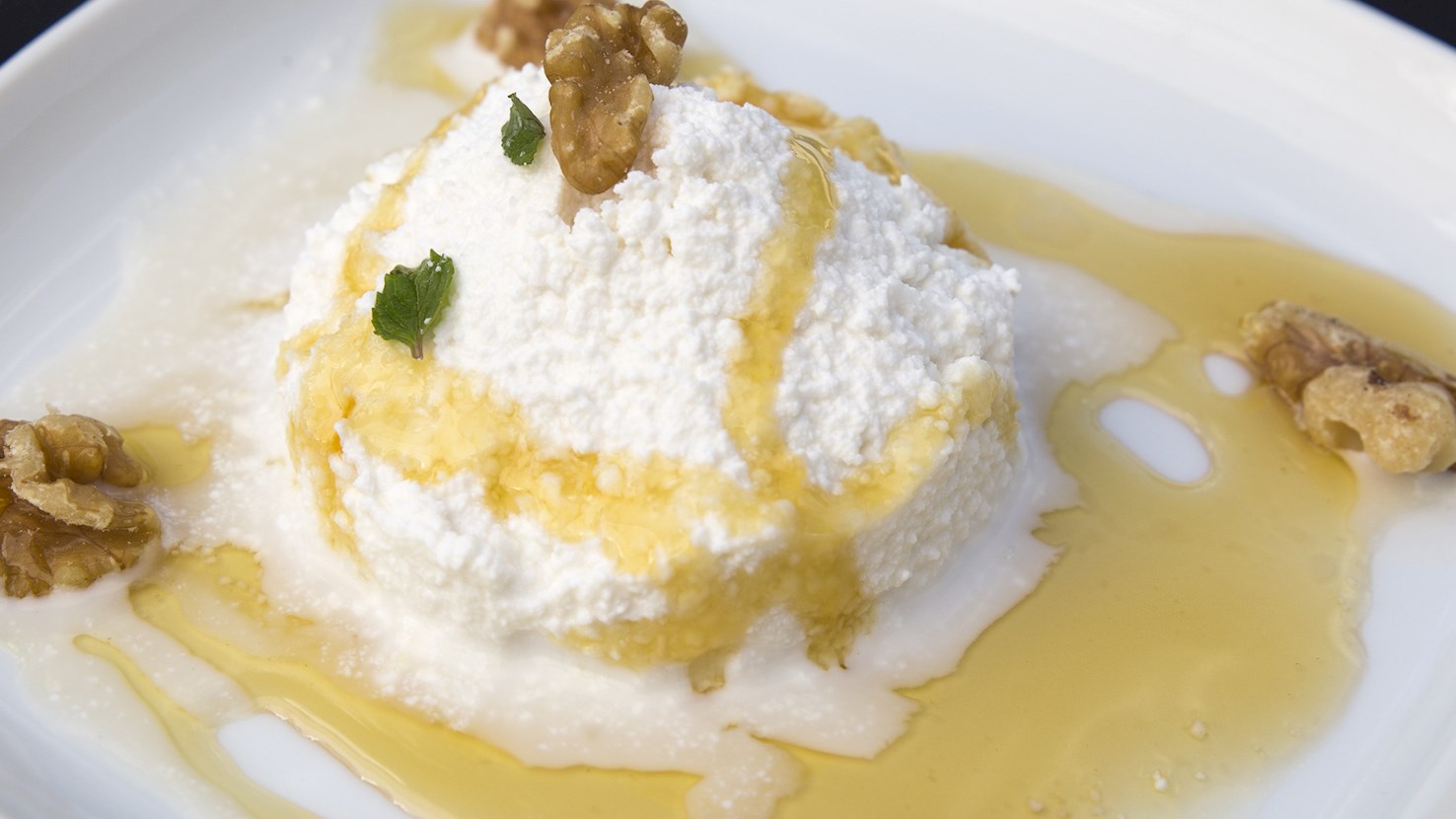
In its basic form, this traditional Catalan dessert is a simple combination of honey and mató (also known as brossat or brull)—a subtly sweet fresh cheese that is made from goat, sheep, or cow milk. The dish is assembled by placing a piece of mató and then generously drizzling it with honey. A common homemade dessert as well as a regular restaurant dish, mel i mató is easily modified with the addition of nuts, jams, and dry or fresh fruit.
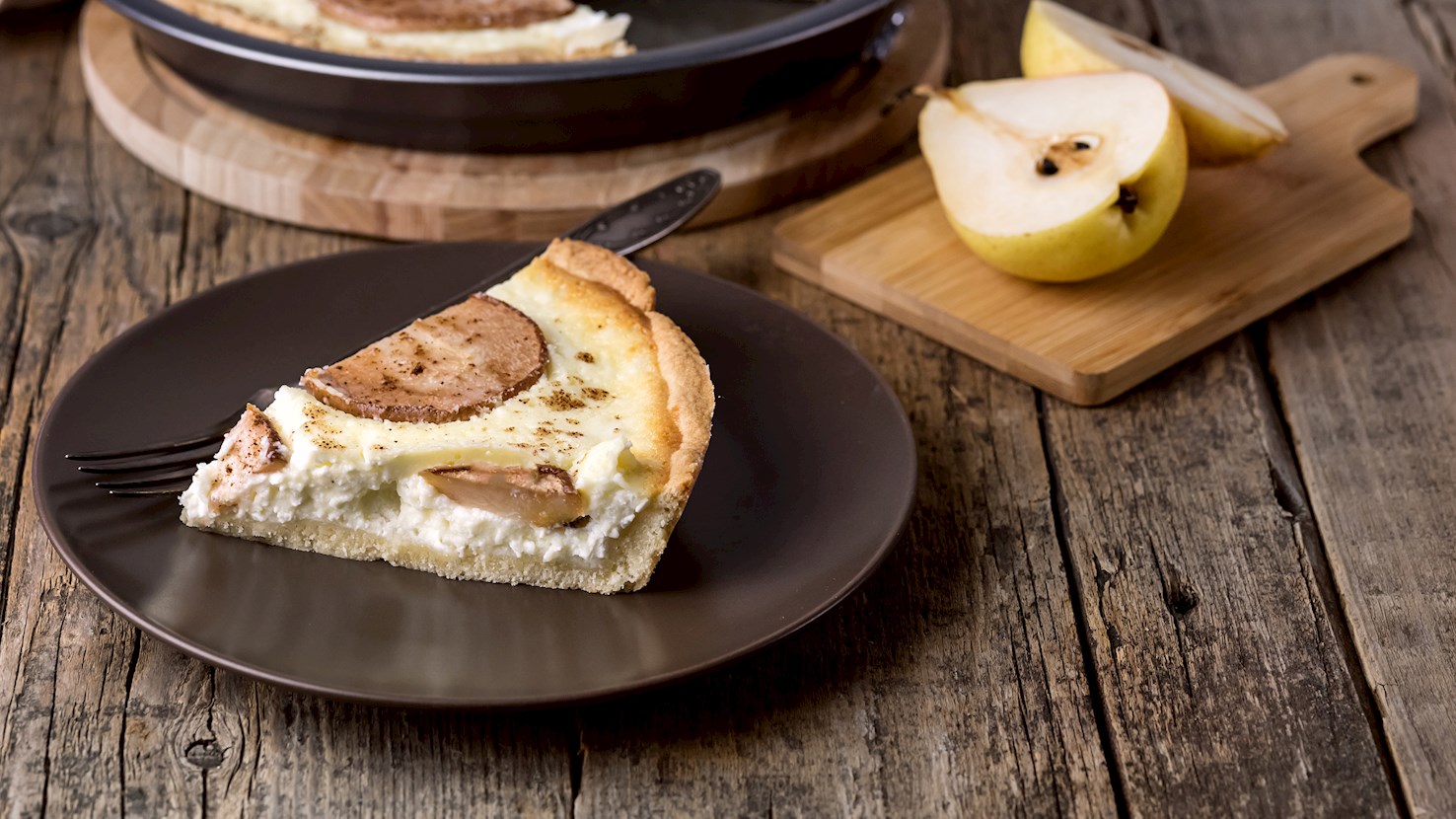
Torta ricotta e pere is an Italian cake originating from the Amalfi area. It consists of four main parts – the hazelnut sponge, the syrup, the ricotta cream, and the pear filling. The sponge is made with a combination of eggs, sugar, hazelnuts, flour, lemon zest, and butter. The syrup consists of water, sugar, rum, and pear brandy, while the ricotta cream is made with ricotta, whipping cream, and sugar. The pear filling is made with ripe pears, sugar, pear brandy, and gelatine. In order to assemble the cake, one sponge disk is placed at the bottom and it's then spread with half the ricotta cream, the pear filling, and the other half of the ricotta cream. The other sponge disk is placed on top, and the cake is then chilled before serving. It's recommended to decorate this cake with icing sugar.
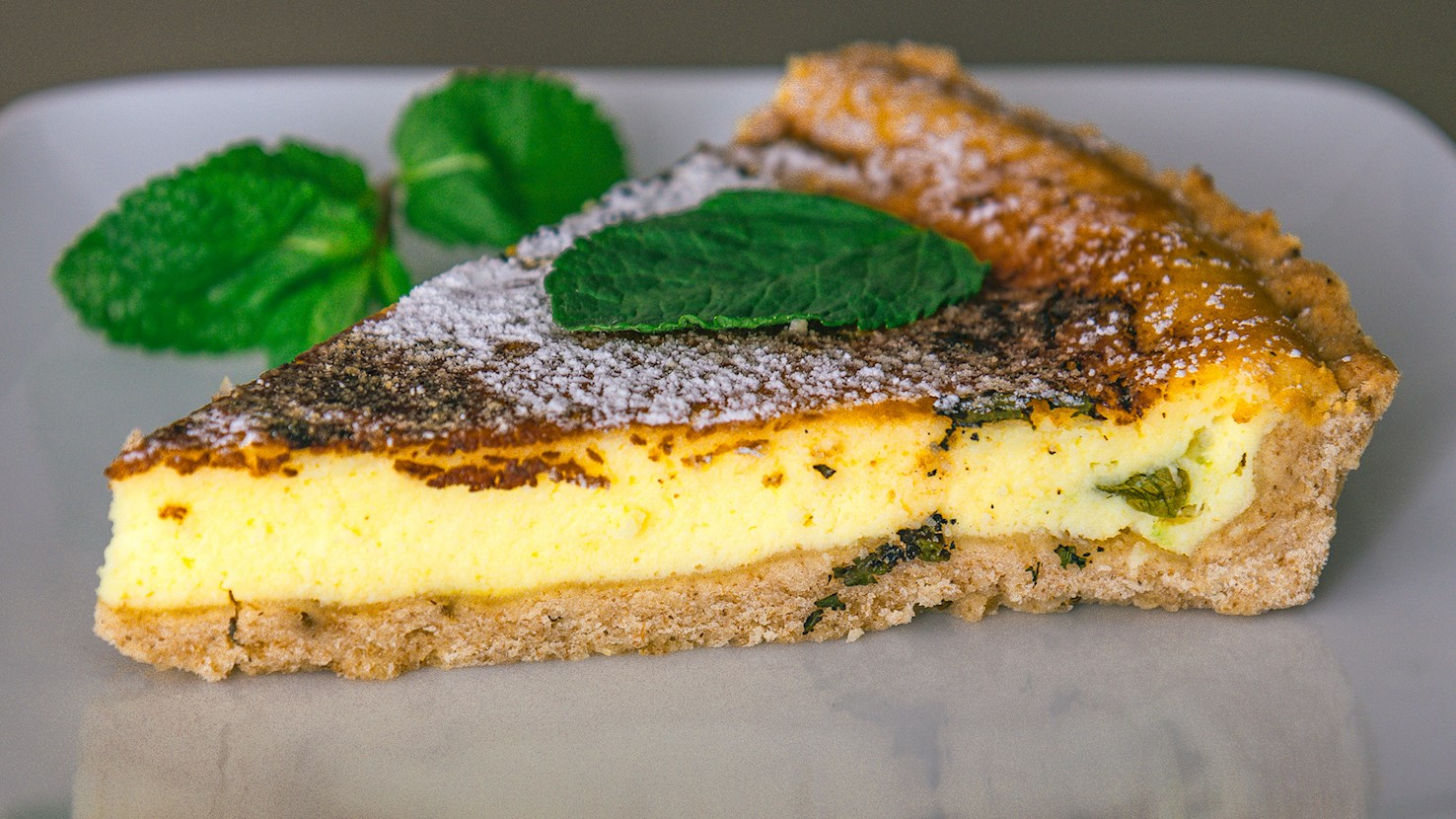
Although the term flaó is used in other Spanish regions to denote similar cheese-based specialties, the Ibizan version refers to a dessert consisting of a pastry base that is filled with a combination of fresh cheese, eggs, sugar or honey, citrus zest, and fresh mint. The cake usually calls for the use of goat or sheep cheese, and it is traditionally flavored with aniseed and anise liqueur. In the past, flaó was typically prepared for Easter, but nowadays it is enjoyed all year round and has become one of the most common desserts on Ibiza.
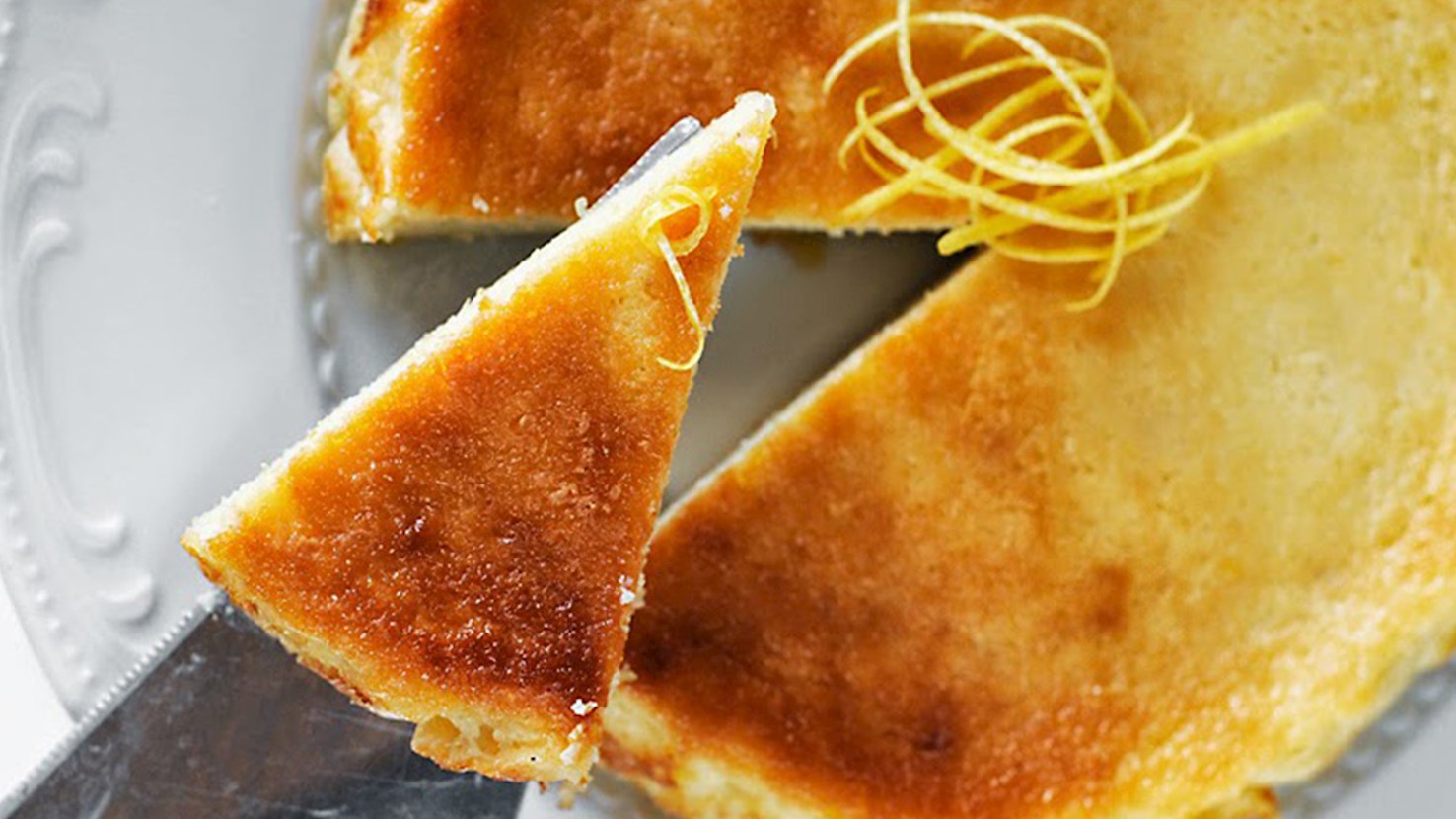
Often dubbed as the Corsican take on cheesecake, fiadone is a traditional dessert prepared with brocciu (fresh whey cheese made from goat's or ewe’s milk), eggs, sugar, lemon zest, and lemon juice. Occasionally, oranges are used instead of lemons, and the base can be enriched with local liqueurs. The cake was once a staple dish for various special occasions and a typical dessert prepared during the holiday seasons, but nowadays it is enjoyed throughout the year. It can be served on its own, drizzled with honey, or accompanied by fruit preserves or fresh fruit. The Corsican fiadone closely resembles similar Italian desserts which are predominantly made with ricotta.
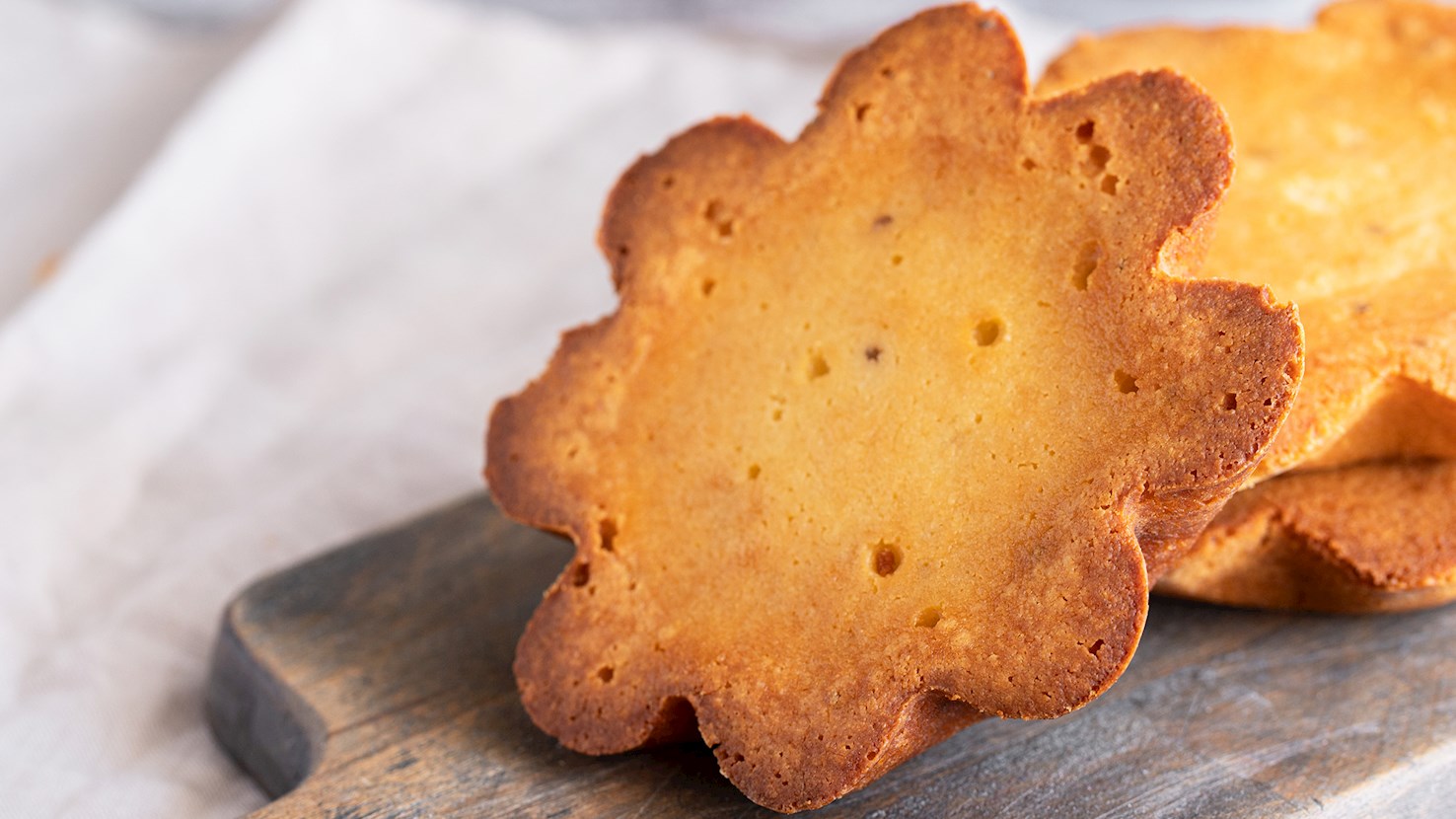
Quesadilla Herreña is a traditional dessert from El Hierro, the smallest of the Canary Islands in Spain, invented at the beginning of the 20th century. This sweet pastry is a unique culinary specialty of the island and is deeply rooted in its cultural heritage. The main ingredients include fresh cheese from El Hierro (queso herreño), flour, sugar, eggs, lemon zest, cinnamon, and aniseed. The fresh cheese is crucial to the recipe, giving the quesadilla its distinctive texture and flavor. Quesadilla Herreña has a rich, creamy texture and a sweet, slightly tangy flavor due to the fresh cheese, with lemon zest and aniseed adding aromatic notes that complement the sweetness. The pastry is typically round, with a slightly domed top and a golden-brown crust, often baked in individual sizes for easy serving. The preparation involves mixing the fresh cheese with the other ingredients to form a smooth batter, which is then poured into round puff pastry molds and baked until golden brown. The result is a moist, dense cake with a unique, slightly crumbly texture. More than just a dessert, Quesadilla Herreña is a symbol of El Hierro’s culinary traditions, commonly served during festivals, celebrations, and family gatherings, and is a popular souvenir for visitors to the island. The use of locally produced cheese highlights the island's dairy farming heritage and its commitment to using fresh, high-quality ingredients. Quesadilla Herreña is best enjoyed fresh from the oven, but it can also be served at room temperature. It pairs well with a cup of coffee or tea and can be enjoyed as a dessert or a sweet snack at any time of the day. This unique pastry is a testament to the island’s dedication to preserving its traditional recipes and celebrating its local ingredients.
Greixonera de brossat is a traditional type of cheesecake originating from Mallorca. It's made with sugar, eggs, cinnamon, lemon zest, and brossat (also known as requesón) – fresh cottage cheese made from cow's milk, although ricotta is also a good substitute. The ingredients are blended until creamy, then poured into a baking dish and baked until firm. Greixonera de brossat is served chilled, ideally dusted with confectioners' sugar and cinnamon. The word greixonera refers to the clay baking dish in which the dessert is prepared. This cheesecake was traditionally made for Easter, but today it can be found in the Balearic Islands throughout the year.
Falculelle are small, round sweet cakes made with fresh brocciu cheese, eggs, sugar, and optionally a bit of flour, often flavored with lemon zest and a splash of eau-de-vie. Their development stems from Corsican cooking where brocciu, a whey cheese made from sheep or goat milk, was used in many desserts, and in the town of Corte these cakes became especially associated with local markets and household kitchens long before widespread commercial baking. Preparation begins with well-drained brocciu that is crumbled or beaten until smooth, then mixed with sugar, whole eggs and sometimes flour to adjust firmness; lemon zest and a small amount of eau-de-vie are added to the mixture for aroma, and large spoonfuls of this batter are placed on sheets of dried chestnut leaves or parchment, then baked until set and pale golden in color. Variations include slight adjustments in the ratio of brocciu to eggs and sugar, the addition of more citrus zest, or a brushing of egg yolk and sugar for a glossier finish. Falculelle are eaten warm or at room temperature as a dessert or a sweet snack, typically served on their own or lightly dusted with powdered sugar, and they pair well with black coffee, mild herbal teas, or a glass of Muscat from Corsica.
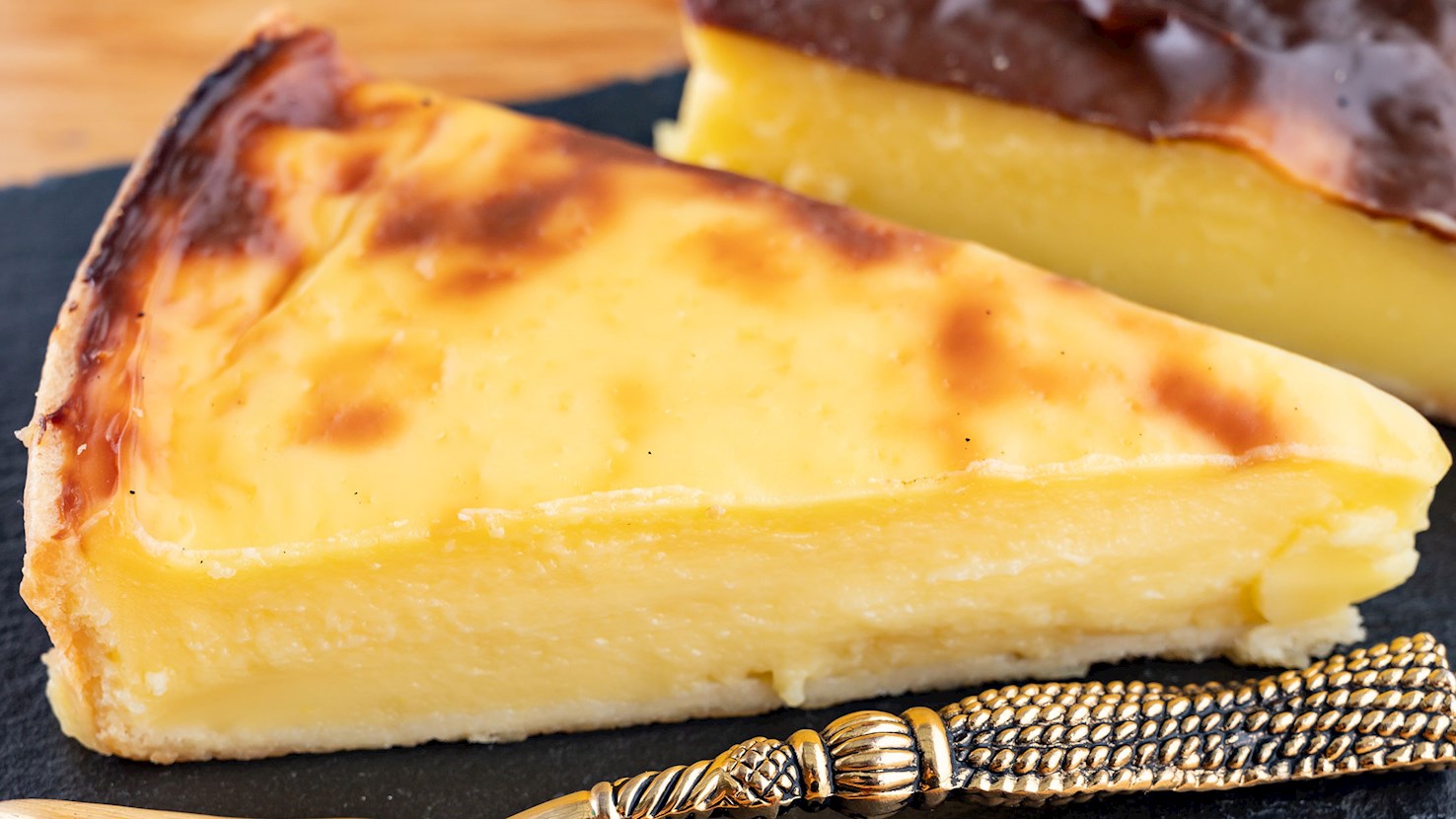
Flaune is a cheese-filled tart from France, specifically from Aveyron, made with sheep-whey curd known as recuite. Its origin lies in the rural kitchens of Rouergue, a historic province known for its sheep farming and fertile valleys, and the Causses, the high limestone plateaus where pastoral life has long shaped local cuisine. In medieval times, cooks in the region prepared large cakes using curd or cream mixed with eggs and sugar, and by the nineteenth century, the dessert appeared in regional cookbooks described as a pie of curds combined with eggs, sugar, and flavoring. During the early twentieth century, it moved from being a homemade specialty to one also crafted by pastry makers. Preparation begins with a short-crust pastry (pâte brisée) placed in a tart pan, followed by a filling made from recuite, eggs, sugar, a little flour, and orange-flower water, blended until smooth and baked at moderate heat until the filling is set and the pastry golden. Variations include substituting cow-whey curd for recuite in northern Aveyron and Cantal, flavoring with vanilla instead of orange-flower water, or adding candied citrus peel or raisins. A distinctive trait of flaune is its granular filling, created by the sheep-whey curd, which maintains a lightly textured interior after baking and a delicate balance between sweetness and gentle tang. Flaune is eaten warm or at room temperature, often served as a dessert or sweet snack with a glass of regional sweet or light wine such as Marcillac or a mild local red, and it remains a feature of spring celebrations and family gatherings in Aveyron, where it is shared in generous wedges.
TasteAtlas food rankings are based on the ratings of the TasteAtlas audience, with a series of mechanisms that recognize real users and that ignore bot,
nationalist or local patriotic ratings, and give additional value to the ratings of users that the system recognizes as knowledgeable.
TasteAtlas Rankings should not be seen as the final global conclusion about food. Their purpose is to promote excellent local foods,
instill pride in traditional dishes, and arouse curiosity about dishes you haven’t tried.







What People Say