

shutterstock

Top 5
Cheese Dessert Recipes

Last updated on June 17, 2026
01

Kunāfah

4.3 ·

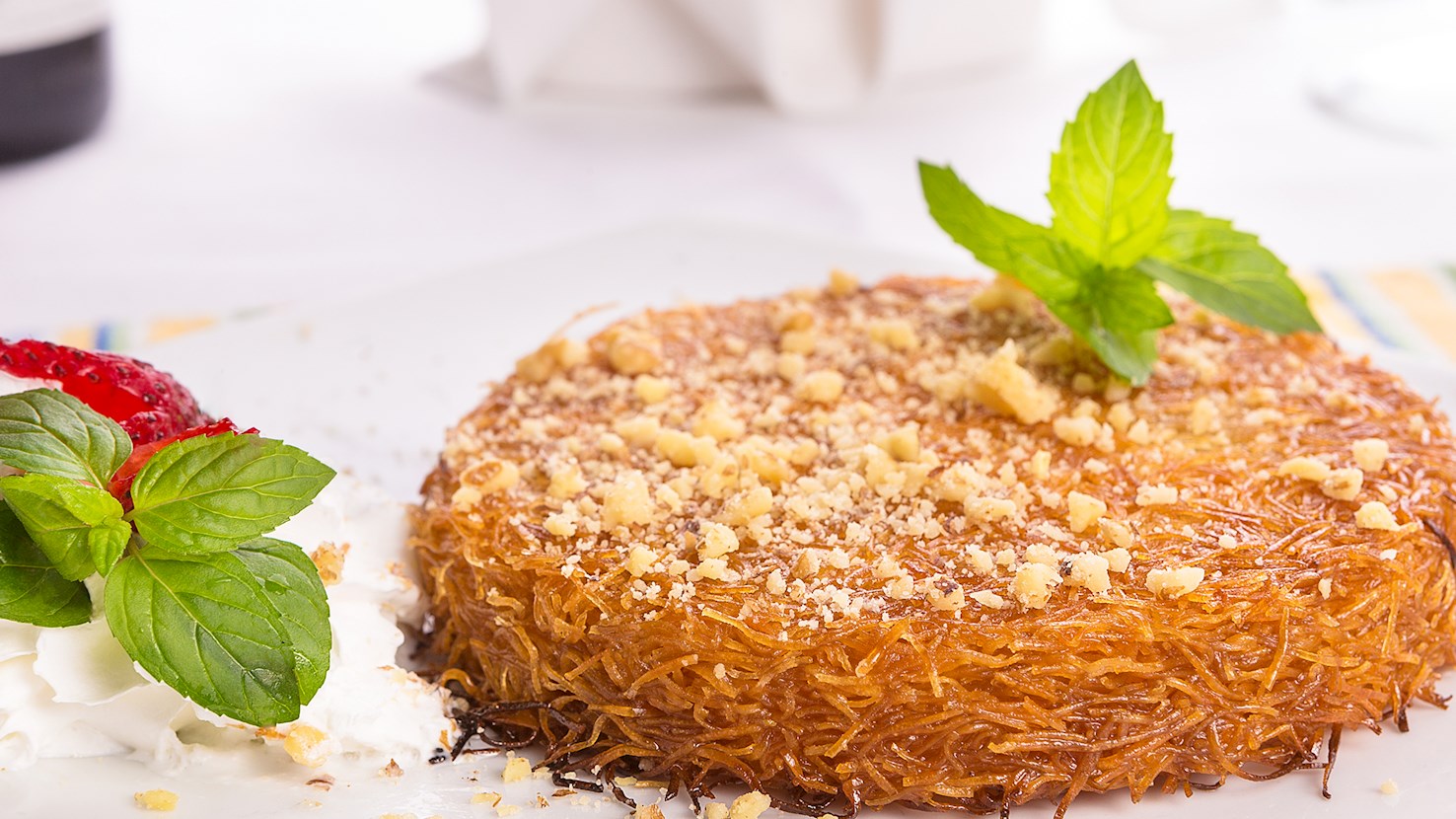
Often dubbed the queen of Arab sweets, kunāfah or konafa is rather simple to prepare — that is if all the ingredients are available. The process starts with kunāfah dough, which is soaked with butter or sometimes ghee (clarified butter) and divided in half. The first half is then spread on a round-shaped tin to cover the bottom and the sides. Since there are two ways to serve kunāfah — inverted or straight from the pan — the topping made from chopped pistachios or other nuts, such as almonds and walnuts, is placed on either top or the bottom of the kunāfah. The filling for the kunāfah is made from a mixture of cheese, or cream, and sugar. The best options are akkawi or nabuleh, mild Middle-Eastern soft cheeses, or regular heavy cream. The cheese/cream mixture is distributed evenly over the first half of the dough, covered with another half of the dough, and baked in a pre-heated oven. If the kunāfah is served straight from the baking pan, the nut topping is sprinkled on the top layer, and sometimes even red food coloring is added. The juiciness is achieved by pouring sugar syrup over the baked kunāfah. This dessert is served warm and cut into small portions.

02

Gazta tarta (Basque cheesecake)

4.3 ·

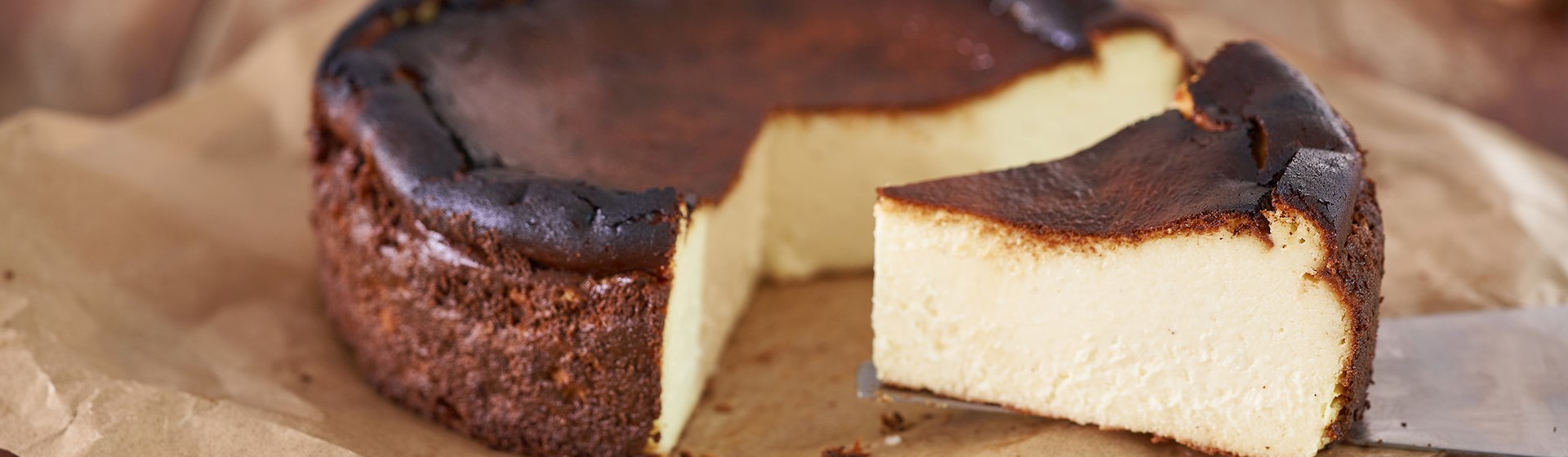
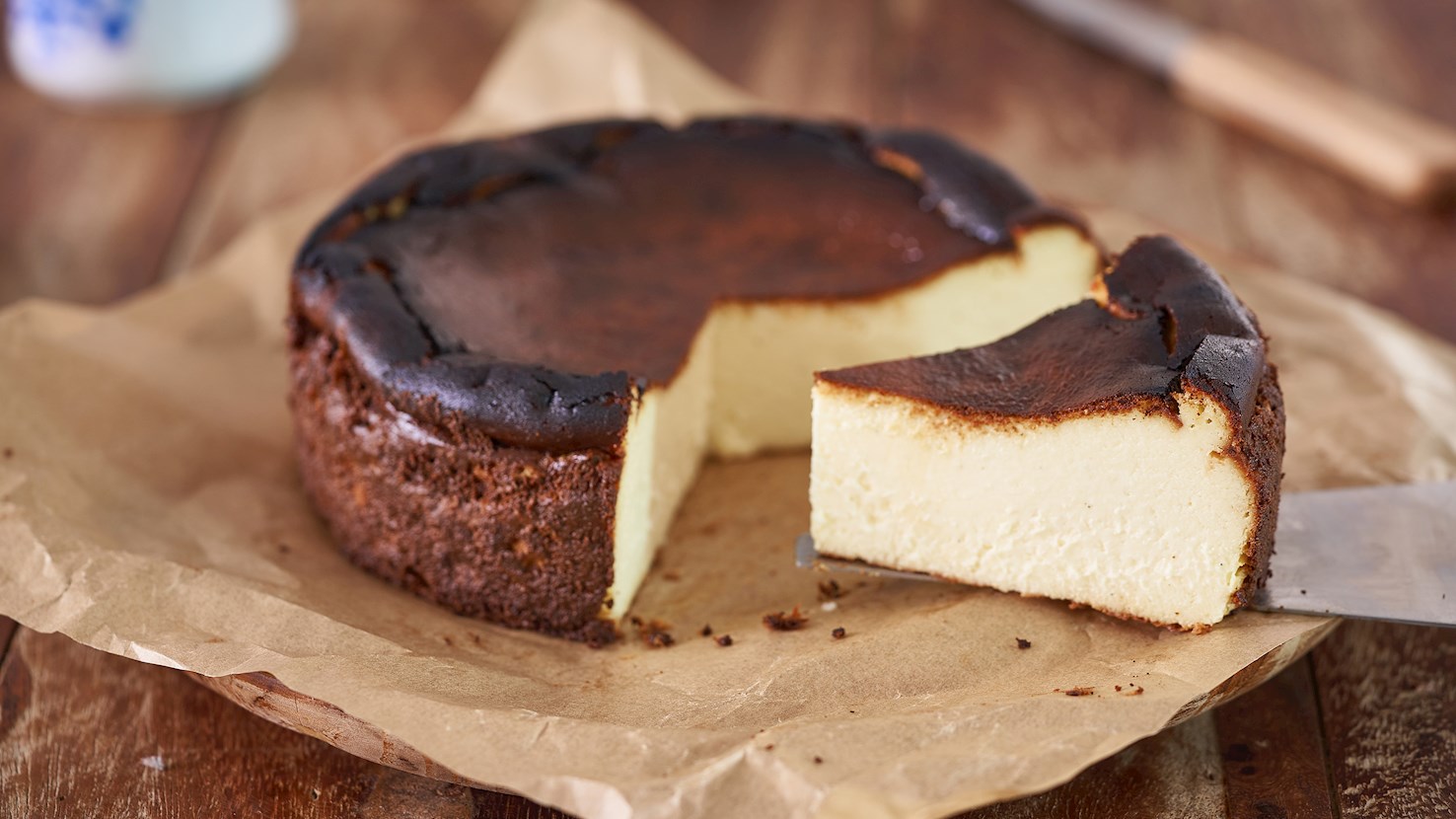
Basque cheesecake is an unpretentious crustless cheese-based cake that enjoys immense international popularity. It was invented at La Viña, a small pintxo bar located in San Sebastián, where it is known simply as tarta de queso. The cake is made with only five ingredients: cream cheese, eggs, sugar, heavy cream, and a spoonful of flour. The ingredients are combined and mixed into a smooth batter, which is then poured into a pan. The key is to bake the cake at a slightly higher temperature. This quickly bakes the top and the sides, creating a dark, caramelized layer that provides flavor and structure while the center remains smooth, custardy, and creamy. The edges and the top are supposed to be dark and look almost burnt—hence the name—but this is what gives this now legendary cake its distinctive caramel-like flavor.

03

Sernik

4.3 ·

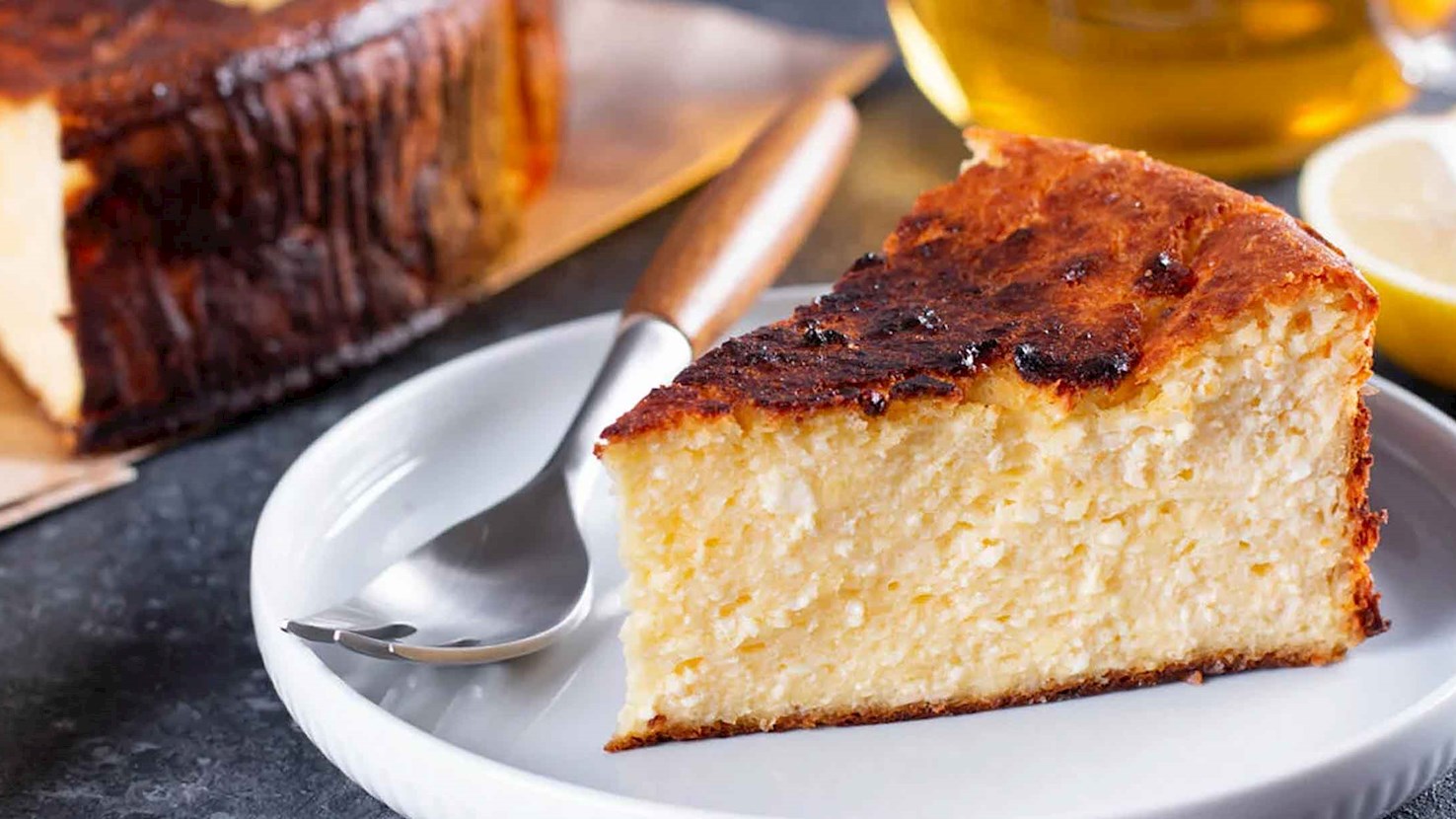
When we speak of cheesecakes, versatility may be one of their main attributes, and Polish sernik is no exception. Traditionally, sernik is made with butter, sugar, eggs, flour and twaróg, Polish cow’s milk cheese with a crumbly texture similar to Italian ricotta. Everything else is a matter of choice — for instance, sernik can have a crust at the bottom, at both the top and the bottom, or have no crust at all. The filling can be based on twaróg cheese or enhanced with fresh, dried or canned fruit. The cake itself can be baked in an oven or prepared raw, while the top can be glazed with lemon icing, chocolate icing, or gelatin, or sprinkled with icing sugar. The variant with a crust is prepared by mixing flour, baking powder, sugar, eggs, and butter into a shortcrust dough. The dough is covered with a filling which consists of twaróg cheese, egg yolks, butter, sugar, potato flour, and egg white snow or meringue, after which the cake is baked in a moderate oven. The variant without the crust is simpler — the ingredients are mixed together, poured into a baking tin, and baked so the center remains juicy and spongy. The no-bake variants use gelatin as a binding agent and make a perfect summer dessert.

04

Japanese cheesecake

4.2 ·

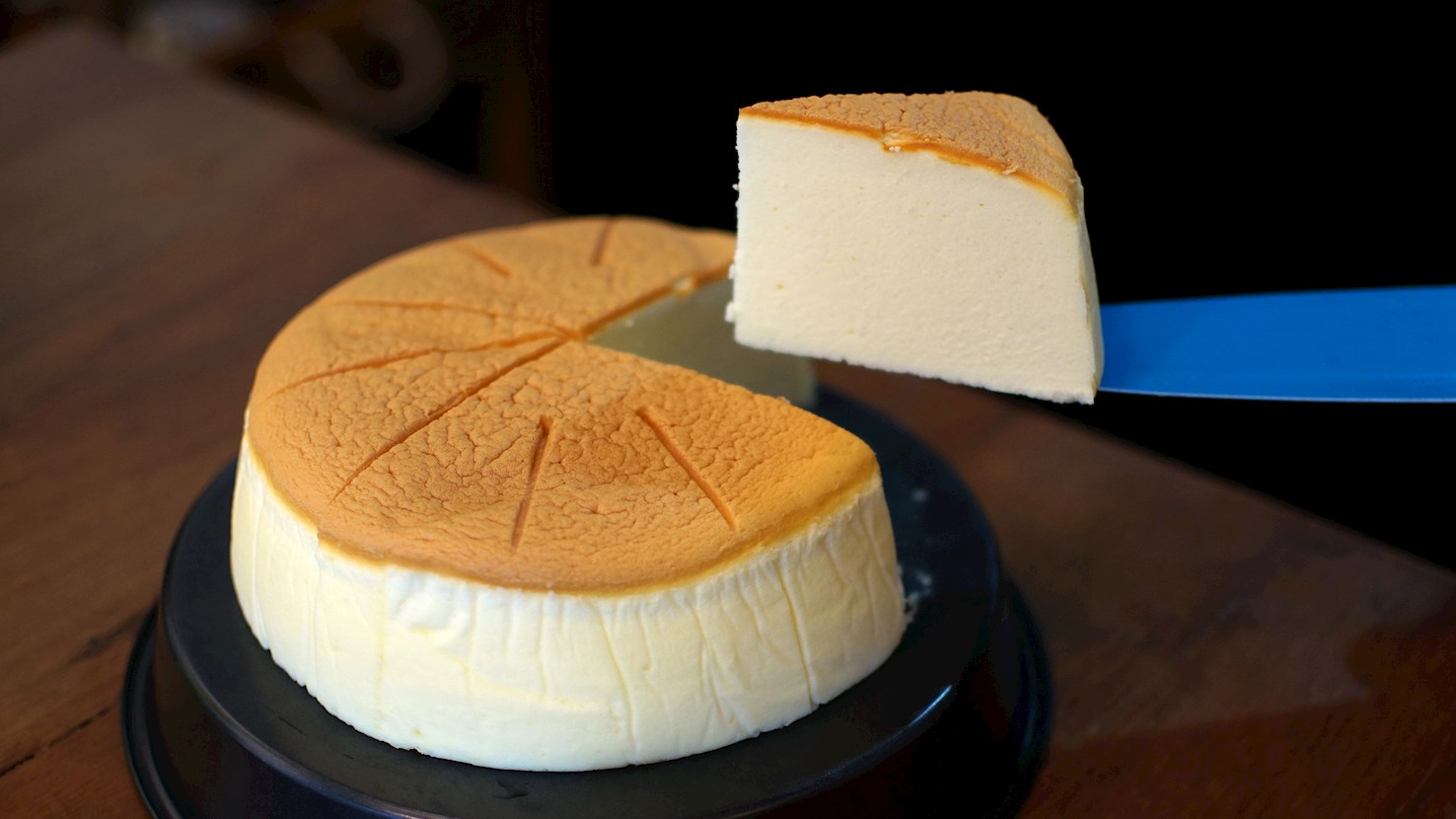
Although known outside of Japan as Japanese cheesecake or Japanese cotton cheesecake, in its home country of Japan, it goes by the name souffle cheesecake. It is just one of three kinds of cheesecake consumed in Japan, rare cheesecake and baked cheesecake being the other two. The ingredients needed to make it are cream cheese, eggs, butter, milk, flour, sugar, and cornstarch. Whisking the egg whites separately then folding the meringue into the batter is key in achieving the light and wobbly texture the cake is famous for. Typically, the cake is finished with an apricot jam glaze but is more often left plain or dusted with confectioners’ sugar.

05

Melopita

4.1 ·

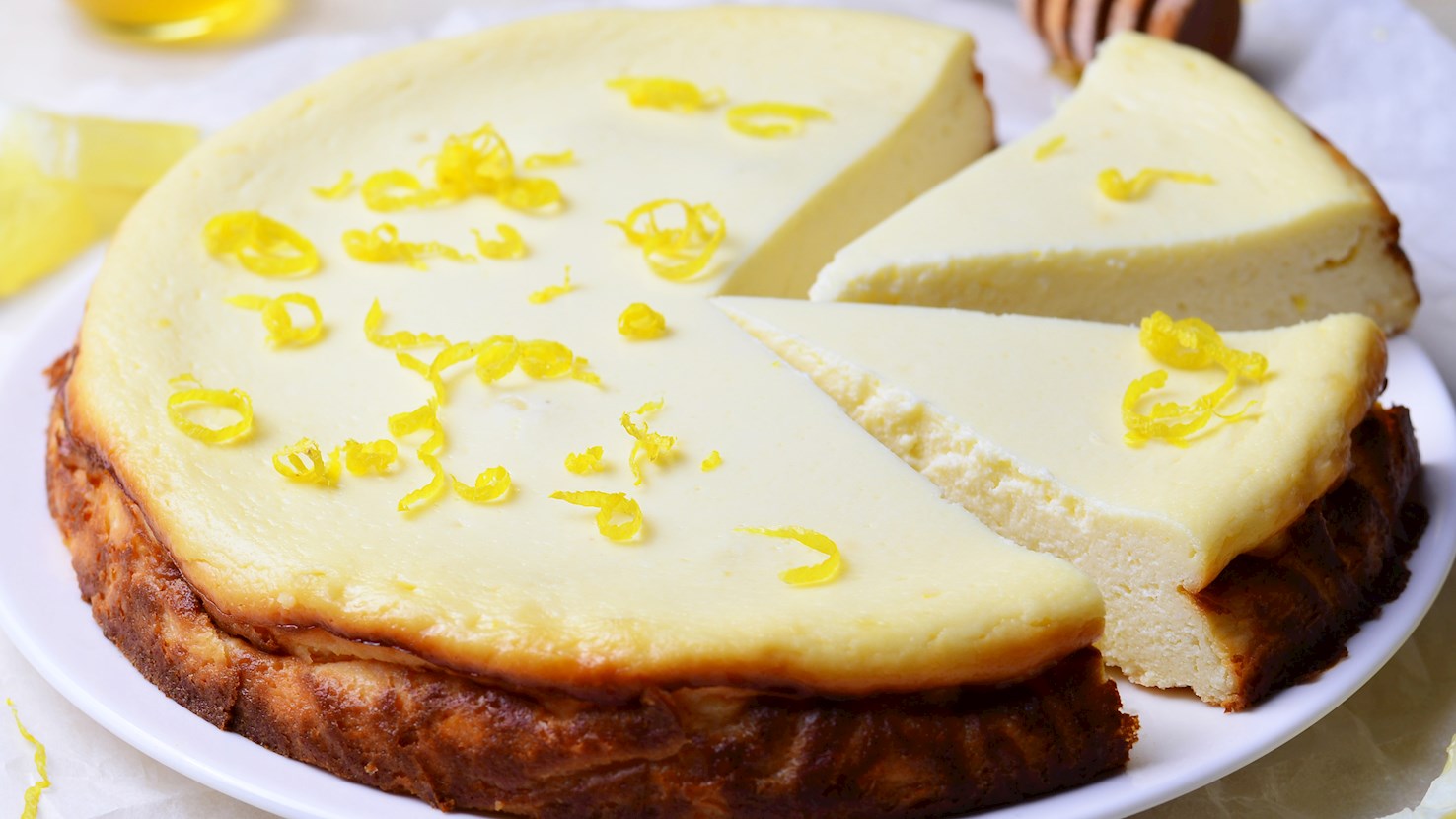
Melopita is a traditional Greek dessert, most famously associated with the Cycladic islands and especially Sifnos. Its name comes from the Greek words for honey (meli) and pie (pita), though in many of its most authentic forms it contains no pastry at all. Instead, melopita is defined by a softly baked cheese filling, gently sweetened with honey and set with eggs, resulting in a dessert that sits somewhere between a cheesecake and a custard. Fresh, unsalted cheese is the foundation—traditionally mizithra, anthotyro, or another regional soft whey cheese—crumbled and mixed with eggs and honey until smooth. Sugar may be added in small amounts depending on the sweetness of the honey used, but honey remains the dominant flavor. Spices are minimal, most commonly cinnamon, which is added after baking rather than mixed into the batter. The mixture is poured directly into a buttered and lightly floured baking dish. Baked gently at a moderate temperature, the filling sets softly without browning heavily, producing a pale, tender cake with a clean dairy flavor. Regional and household variations exist, reflecting local ingredients and preferences. Some versions include a thin pastry base, while others have a crust on the bottom and top, and others incorporate semolina or flour into the filling to create a firmer slice. In certain areas, lemon zest or vanilla appears, though these are restrained additions rather than standard elements. Melopita is typically served warm or at room temperature, finished with a drizzle of raw honey and a light dusting of cinnamon. It is not meant to be heavily chilled, as refrigeration dulls its aroma and firms the texture. Often enjoyed after meals or during festive occasions such as Easter, it pairs naturally with coffee rather than elaborate accompaniments.

About this ranking

TasteAtlas food rankings are based on the ratings of the TasteAtlas audience, with a series of mechanisms that recognize real users and that ignore bot, nationalist or local patriotic ratings, and give additional value to the ratings of users that the system recognizes as knowledgeable. For the “Top 5 Cheese Dessert Recipes” list until June 17, 2026, 5,848 ratings were recorded, of which 2,905 were recognized by the system as legitimate. TasteAtlas Rankings should not be seen as the final global conclusion about food. Their purpose is to promote excellent local foods, instill pride in traditional dishes, and arouse curiosity about dishes you haven’t tried.

Similar lists