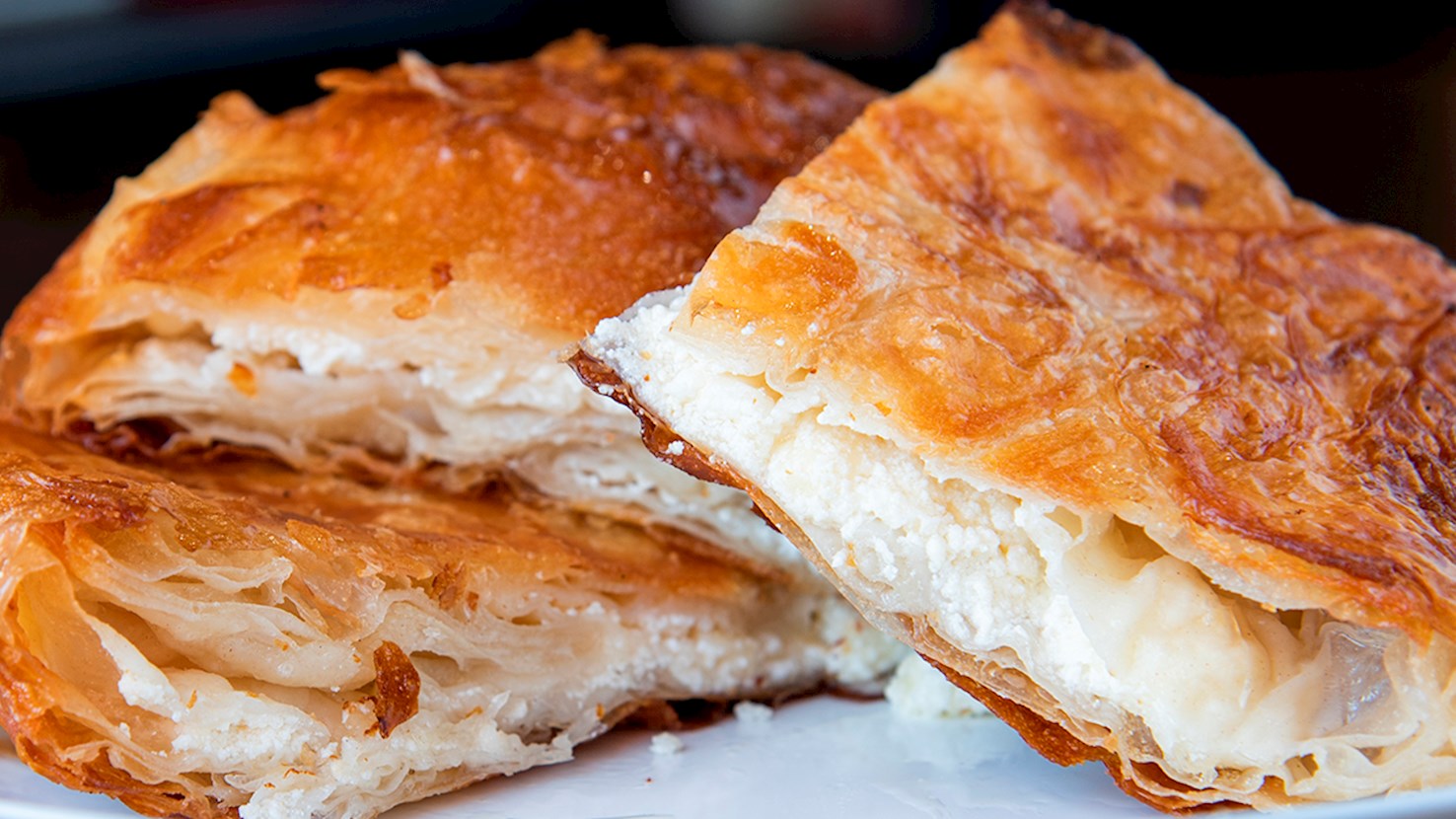
Burek sa sirom is a phyllo pastry that is round or coil-shaped and filled with a mixture of cheese and eggs. The dough is made with flour, salt, and water (and perhaps a bit of oil) and stretched into translucent sheets. The sheets of phyllo dough are stacked in a large tray, and each sheet is sprinkled with oil or oil and mineral water and spread with the cheese and egg filling. Still, you might have heard that burek can only be called burek if it's filled with meat. That is, if you live in Bosnia and Herzegovina, but not everyone does, nor is burek really Bosnian – in fact, it has Turkish origins. In Bosnia, burek (with meat) and other types of similar pies such as sirnica (cheese) and krumpiruša (potatoes) are usually rolled into a coil, while Croatians and Serbs have a more relaxed approach – burek can be round and cut into quarters, or rolled into a coil – both shapes are good, and both can be called burek sa sirom (when filled with cheese, of course). Initially, burek was brought over to Niš in the 15th century, and it was prepared as a round pie. After World War II, burek came to Croatia and Slovenia. The term burek sa sirom, denoting a round or coil-shaped pie filled with cheese has been so engrained into Croatian culture (for more than 50 years) that it can be considered a Croatian classic regardless of its name. The most important thing is that it's delicious, filling, and a great breakfast staple for many Serbs and Croatians, especially when paired with a refreshing cup of yogurt on the side.
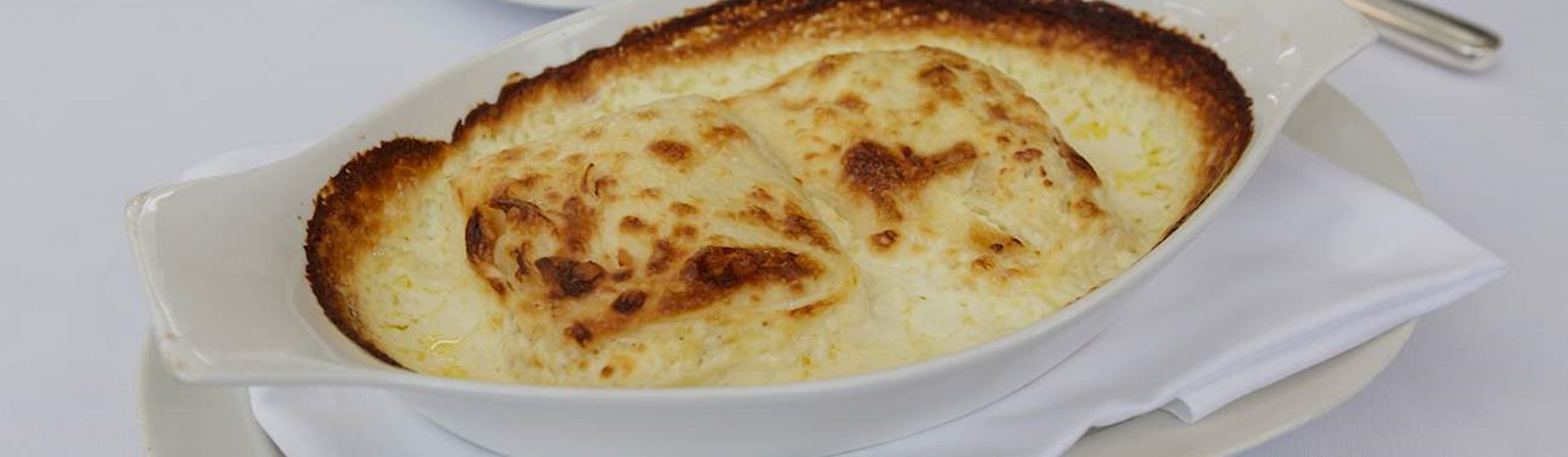
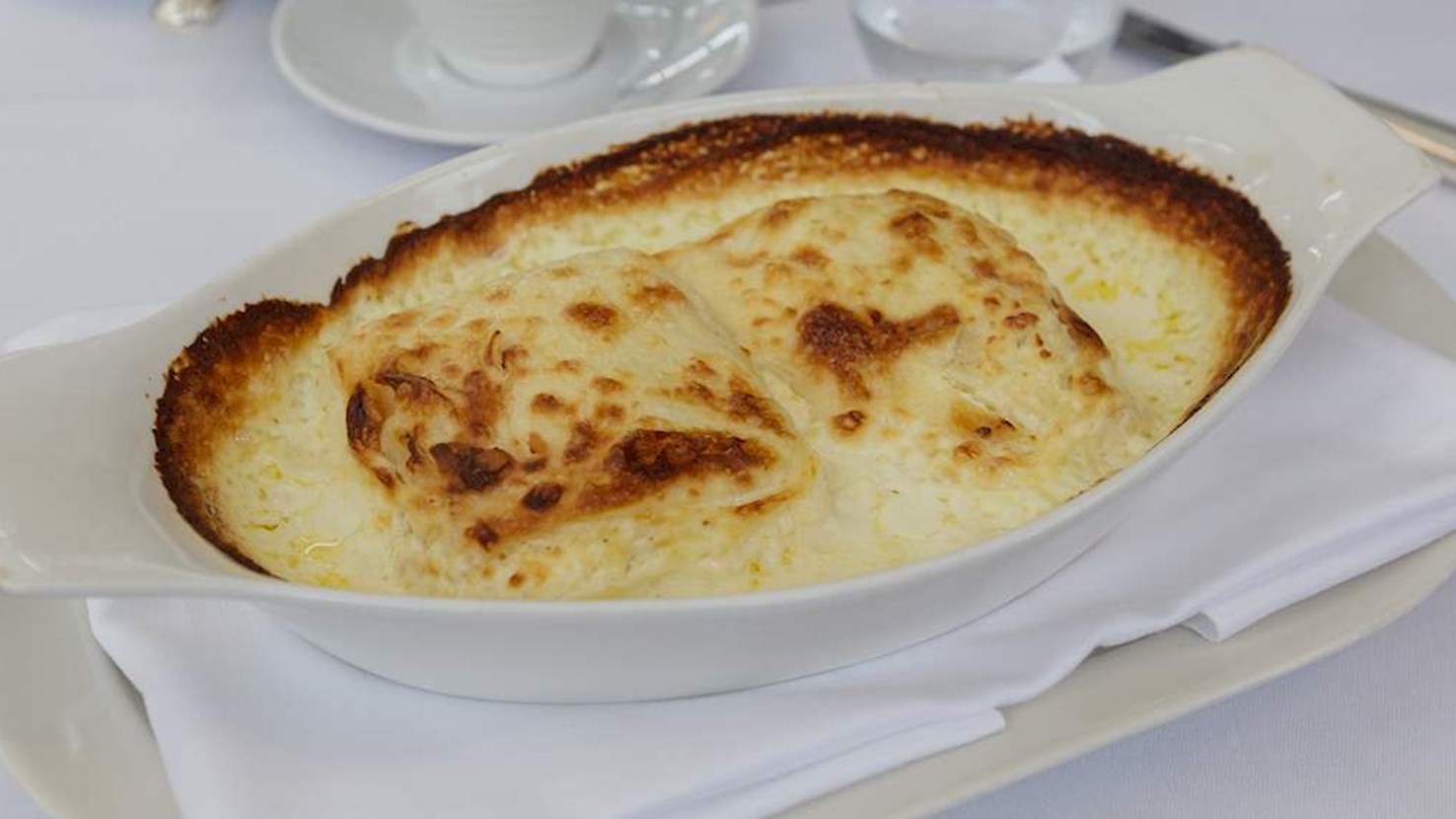
Zapečeni štrukli is a Croatian dish that is especially popular in the Zagorje and Međimurje regions, as well as Zagreb. The dough for these štrukli is made with flour, oil, lukewarm water, and salt, while the filling consists of fresh cow's cheese, eggs, butter, salt, and a bit of sugar. Once the štrukli have been assembled and rolled, they are first shortly boiled, then transferred to the oven. Before baking, they are traditionally topped with heavy cream, sour cream, or a combination of both. Zapečeni štrukli are done once they develop a golden-brown color on the exterior.
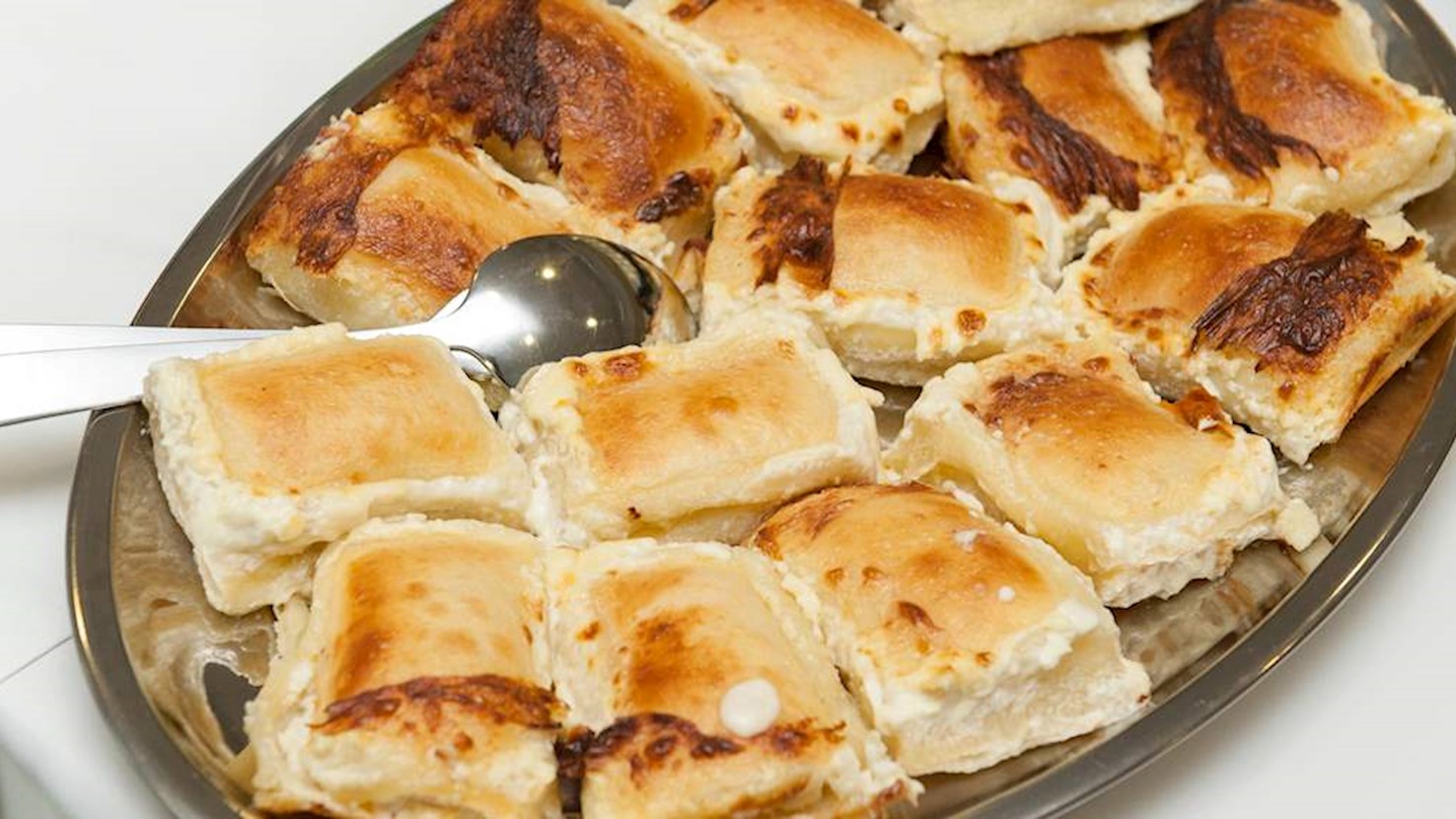
Štrukli is a rather simple 'pulled pasta' dish, which, depending on the type of filling, can be either savory or sweet. Once the dough has been pulled, filled, and rolled, it is cut into smaller pieces which can then be baked or cooked. The best-known version of this dish is the savory variety filled with fresh cheese, eggs, and sour cream, baked in the oven and coated with either butter or sour cream. This traditional meal from the Zagorje and Međimurje regions has a long history spanning over the last several centuries. However, the dish and its many versions are known throughout all of central Croatia, as well as in the city of Zagreb.
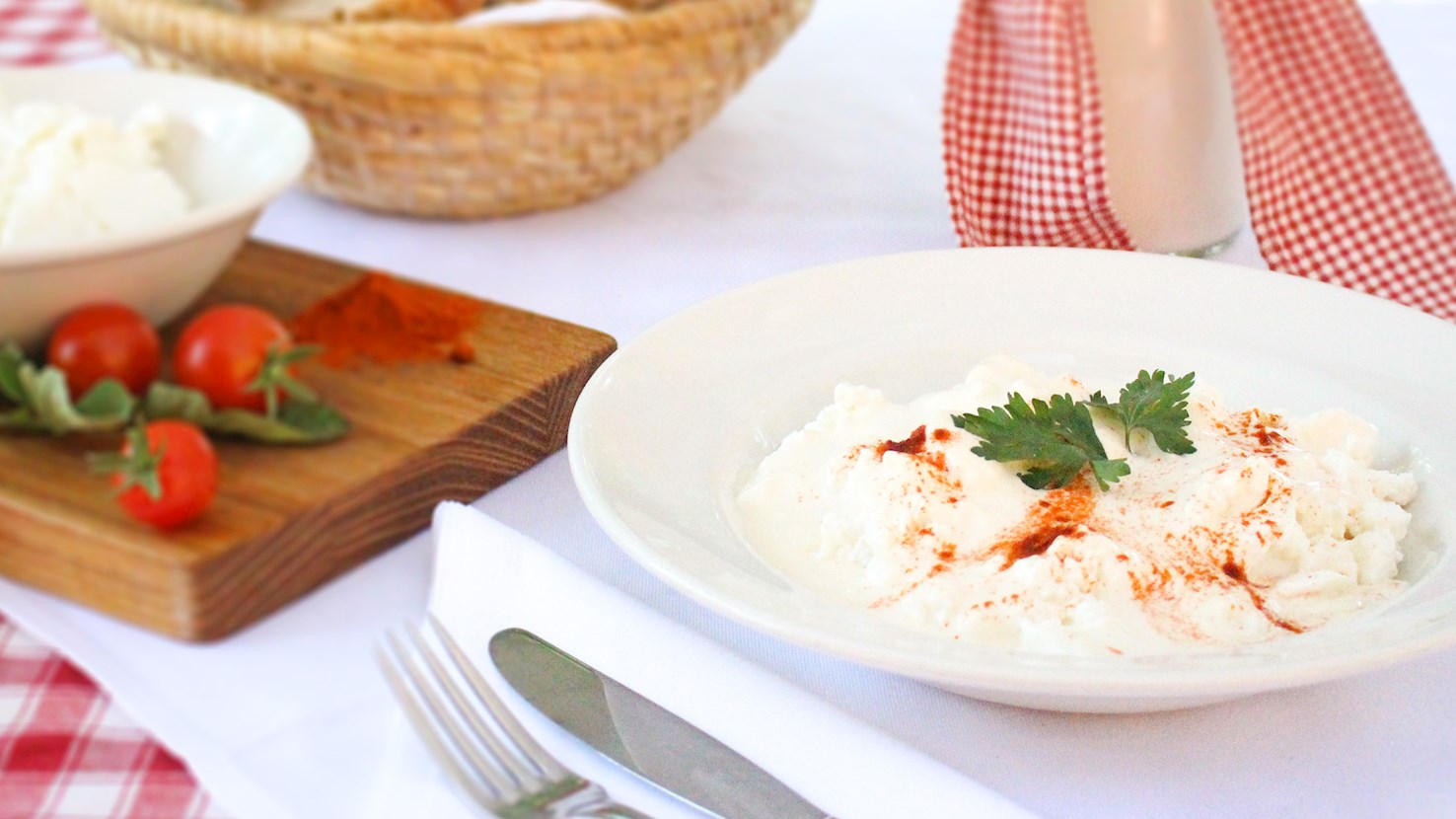
Sir i vrhnje is a favorite food of many Croatians, made by simply mixing fresh cottage cheese with sour cream. There are plenty of variations, so some like to add smoked paprika powder, salt, pepper, or minced garlic to make it taste even better. The dish is usually served for breakfast or as a light appetizer that can be paired with homemade sausages, bacon, sliced onions, or tomatoes. What was once a modest, humble dish is today an icon of Northwestern Croatian cuisine that can even be bought pre-made in many supermarkets, although the best sir i vrhnje is regularly sold at food markets.
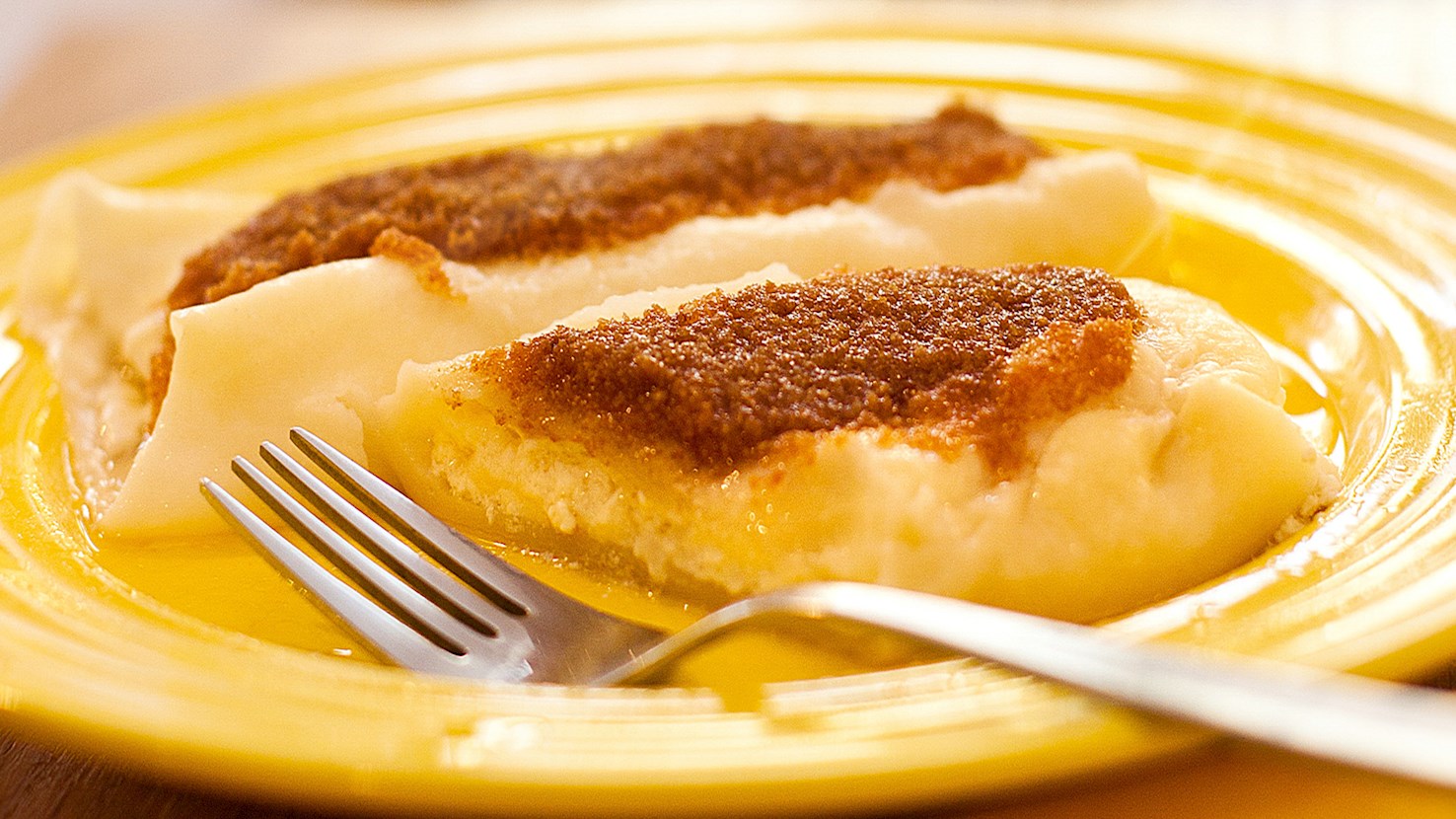
Štrukli are a traditional Croatian delicacy that hails from the Zagorje region. In addition to the more common baked štrukli, this cooked variety starts with a similar preparation in which the dough is thinly rolled, then filled with a mixture of whipped butter, eggs, fresh cheese, sour cream, and salt. Traditionally, the dough is rolled with the help of a tablecloth, and the rolls are then cut with the rim of a plate into smaller pieces that are cooked in water. Though they can be served in a variety of ways, cooked štrukli are traditionally topped with a combination of butter and breadcrumbs. They are enjoyed as a starter or a main course, and can also be altered to create a filling dessert. Once a local specialty, štrukli are nowadays regarded as a national dish that had become a restaurant staple, while the ready-made versions are available at bakeries and supermarkets throughout the country.
TasteAtlas food rankings are based on the ratings of the TasteAtlas audience, with a series of mechanisms that recognize real users and that ignore bot,
nationalist or local patriotic ratings, and give additional value to the ratings of users that the system recognizes as knowledgeable.
For the “Top 5 Croatian Cheese Dishes” list until June 15, 2026, 645 ratings were recorded, of which 423 were recognized by the system as legitimate.
TasteAtlas Rankings should not be seen as the final global conclusion about food. Their purpose is to promote excellent local foods,
instill pride in traditional dishes, and arouse curiosity about dishes you haven’t tried.