

Matija Babić

Top 3 German Cheese Dishes

Last updated on June 15, 2026
01

Käsespätzle

4.1 ·

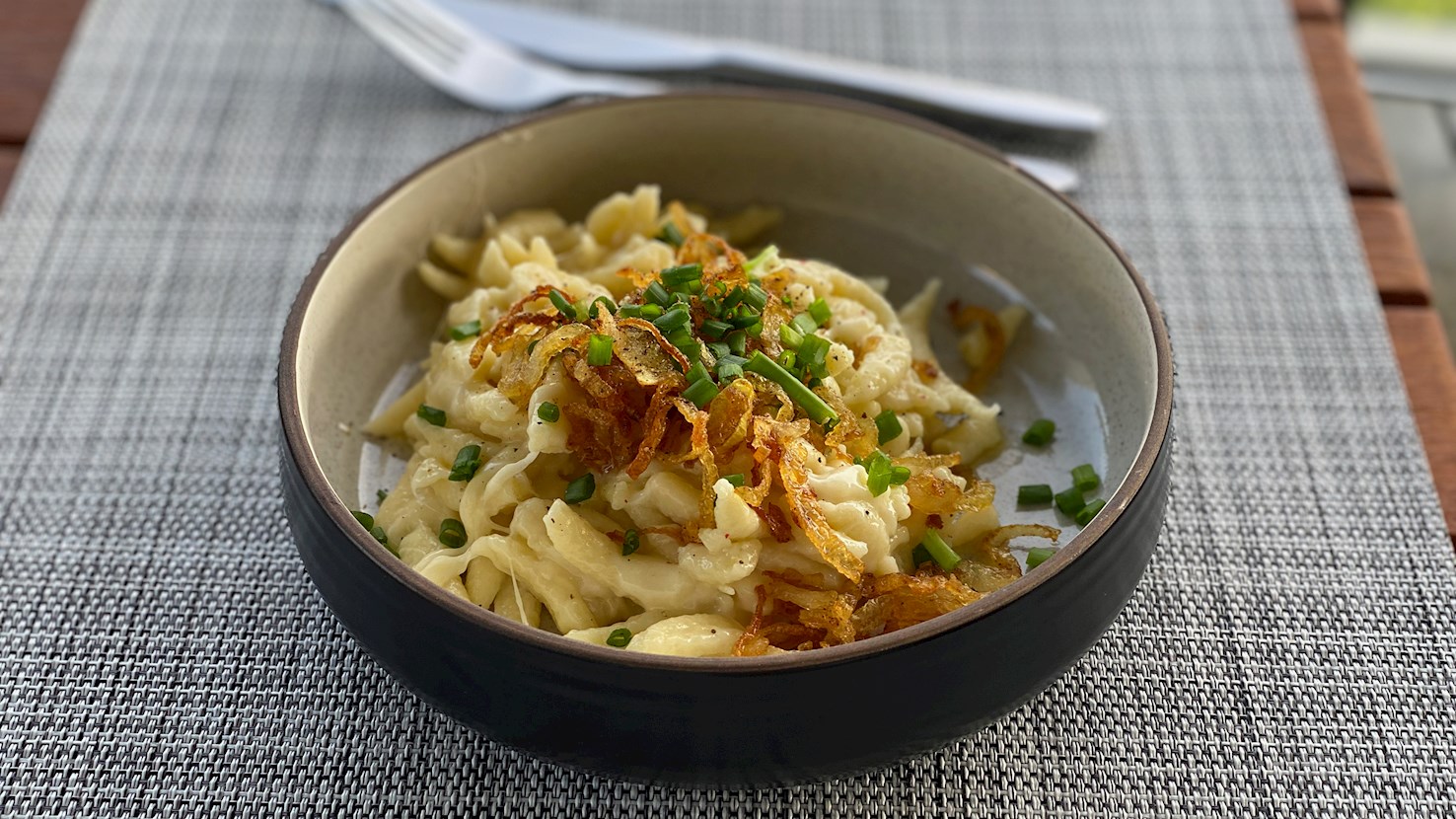
Käsespätzle is a simple noodle dish that combines spätzle noodles with a creamy mixture of melted cheese. The noodles are also called knöpfle, meaning little buttons, and are made with eggs, flour, milk or water, and seasonings such as salt, pepper and (sometimes) nutmeg, while käse refers to the melted cheese mixture, which is usually a combination of two or more types of cheese such as Edam, Gouda, Fontina, Gruyère, Appenzeller, or Emmental cheese. The noodle mixture is typically pressed through a specially designed spoon or colander directly into boiling salted water and cooked until done before it is mixed with the melted cheese. Also referred to as käsknöpfle, the dish is typically enjoyed with additional grated cheese and caramelized onions on top, and typical accompaniments include apple sauce, potato salad, and fresh green salads. Versions of this dish are traditionally consumed in Southern Germany, Swabia, Austria, and Liechtenstein, and it's also a typical dish in Switzerland, Hungary, Alsace, Moselle, and South Tyrol.

02

Obazda

3.9 ·

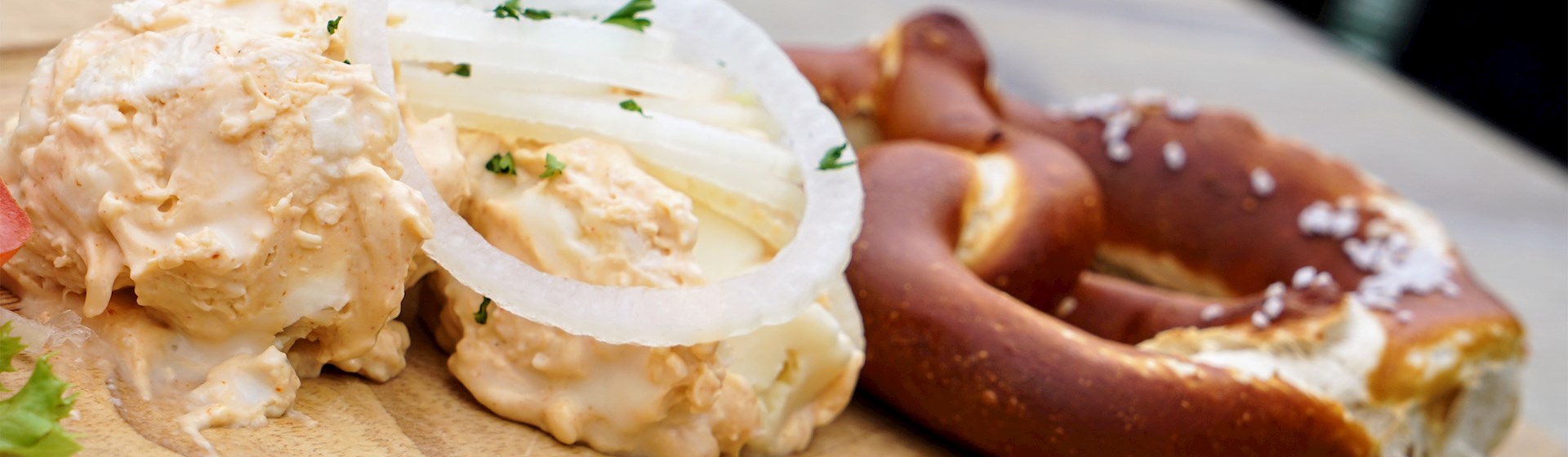
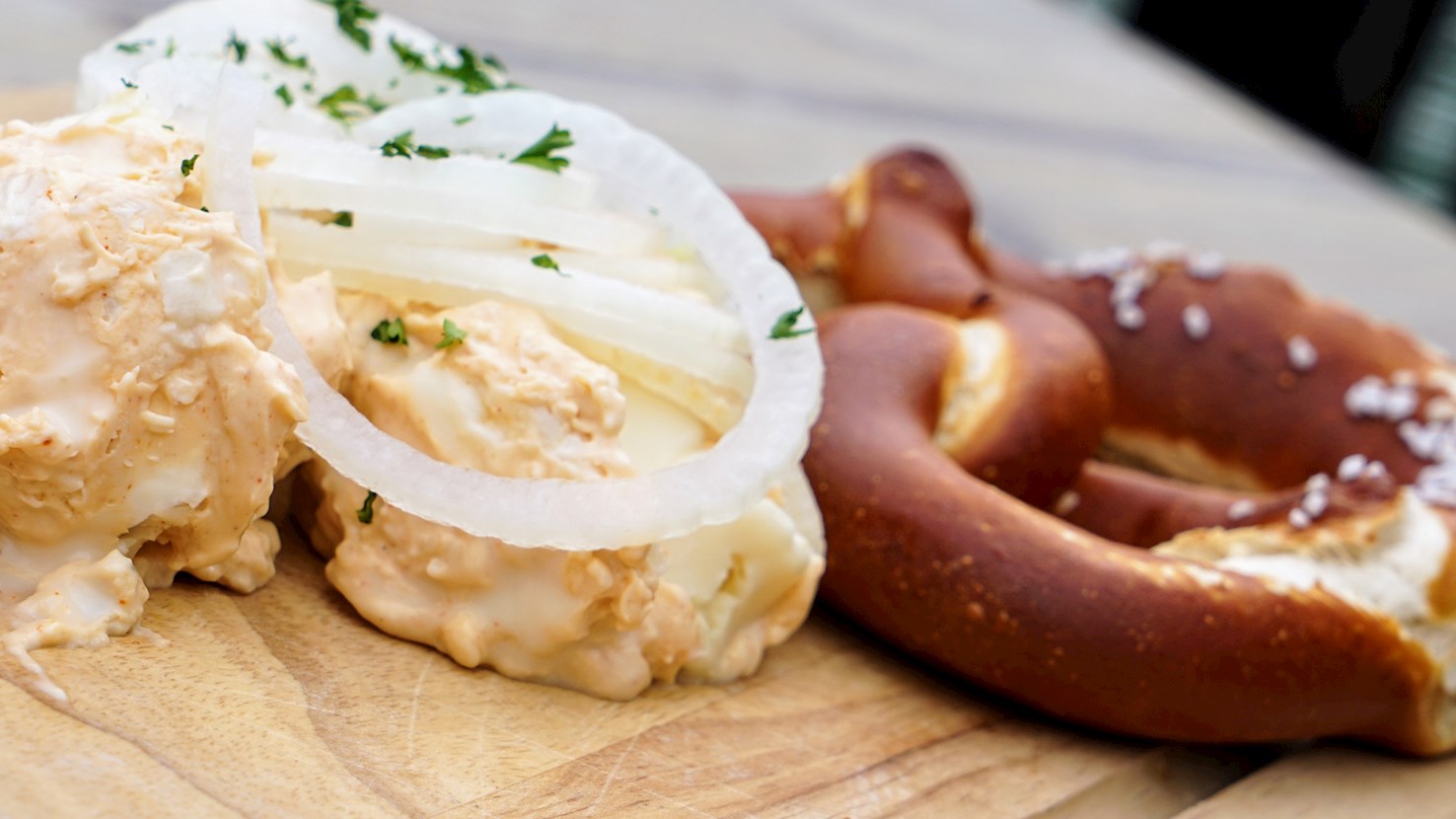
This Bavarian cheese spread was originally invented to make use of ripened soft cheese. It consists of a creamy combination of butter, paprika, and typically Camembert and Brie, or optionally Romadur, Limburger, and sometimes even cottage cheese. The spread is usually enriched with onions or shallots, caraway, or various herbs, while some versions may include beer, wine, or milk-based products. It is believed that obazda was popularized in the 1920s by Katharina Eisenreich, who served it at her Braustuberl pub in Freising. Nowadays, the spread is a Bavarian staple that is served in numerous restaurants and pubs, usually alongside pretzels and various snacks.

03

Handkäse mit Musik

3.1 ·

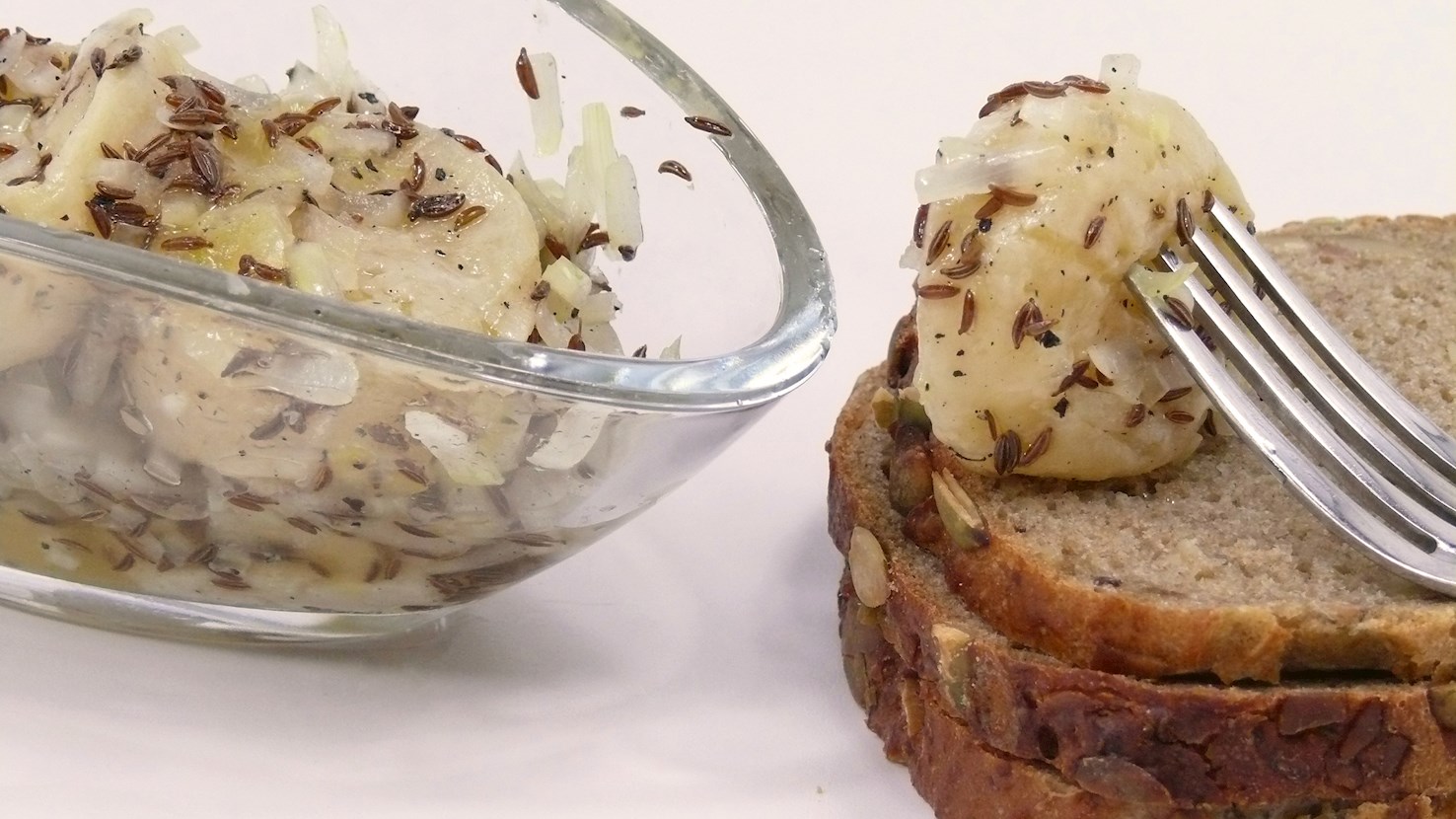
Handkäse mit Musik is a German dish originating from Hesse. It consists of hand-formed handkäse (sour milk cheese) that's topped with raw onion vinaigrette. The onion marinade stands for music (Musik) from the name, which comes in the form of flatulence caused by consuming raw onions. However, the real reason why it has music in its name is because in the past, the onions were served on the side, while vinegar and oil were served in tiny jars that made music while the servers carried them on a plate. The dish is often served only with a knife, and it's typically accompanied by bread, caraway seeds, and apfelwein (apple cider) on the side.

Read more
View all
View map
About this ranking

TasteAtlas food rankings are based on the ratings of the TasteAtlas audience, with a series of mechanisms that recognize real users and that ignore bot, nationalist or local patriotic ratings, and give additional value to the ratings of users that the system recognizes as knowledgeable. For the “Top 3 German Cheese Dishes” list until June 15, 2026, 488 ratings were recorded, of which 435 were recognized by the system as legitimate. TasteAtlas Rankings should not be seen as the final global conclusion about food. Their purpose is to promote excellent local foods, instill pride in traditional dishes, and arouse curiosity about dishes you haven’t tried.

Similar lists