Top 10 Local Cheeses
in Central Switzerland

Last updated on June 02, 2026

Best Cheeses in the World
01

Lustenberger & Dürst

4.9 ·
Lustenberger & Dürst, a Swiss company, specializes in the production and aging of premium cheeses. They utilize traditional methods along with innovative techniques to mature their products. The company works closely with local farmers to source high-quality milk, which is essential for their distinct cheese flavors.
Awards
World Cheese Awards - Super Gold (2024, 2023)
World Cheese Awards - Gold (2024, 2023, 2022, 2021)
02

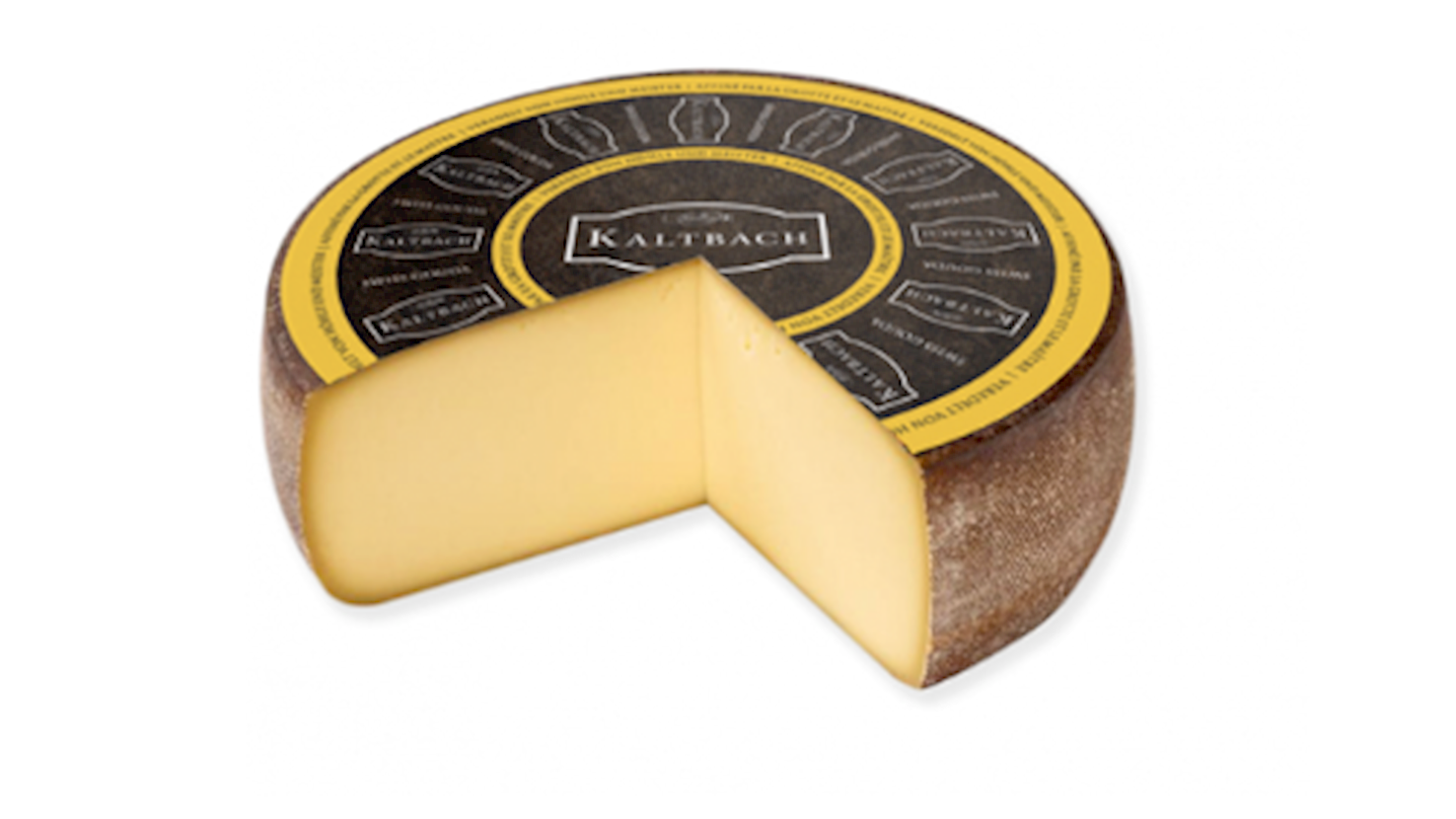
Kaltbach

4.9 ·
Our refinement process is a unique interaction between man and nature. The KALTBACH Cavemasters take care, feel, turn and check the Cheese with great attention to detail, until they reach the perfect ripening time - this is how they get their exceptional taste.
Awards
World Cheese Awards - Super Gold (2023)
World Cheese Awards - Gold (2024, 2023, 2021)
03

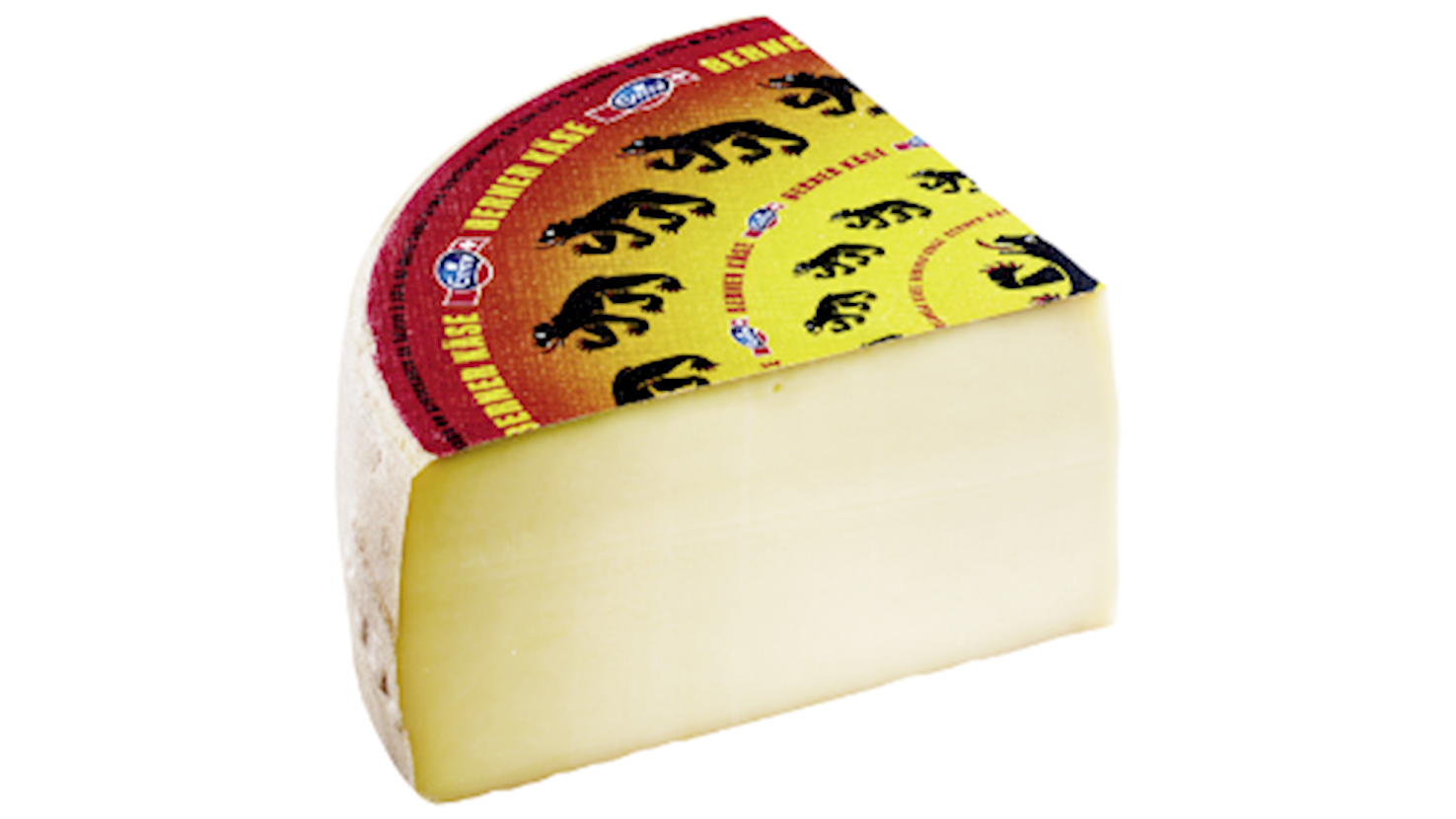
Emmi Group

4.9 ·
The Emmi Group, headquartered in Lucerne, Switzerland, is the largest Swiss dairy company. It was established in 1907 as a dairy cooperative. Emmi specializes in the production and marketing of a wide range of dairy products, including cheese, milk, and yogurt. The company also has a strong international presence, exporting products to Europe, the Americas, and other global markets.
Awards
World Cheese Awards - Gold (2024, 2021)
International Cheese Awards - Gold (2024, 2023)
04

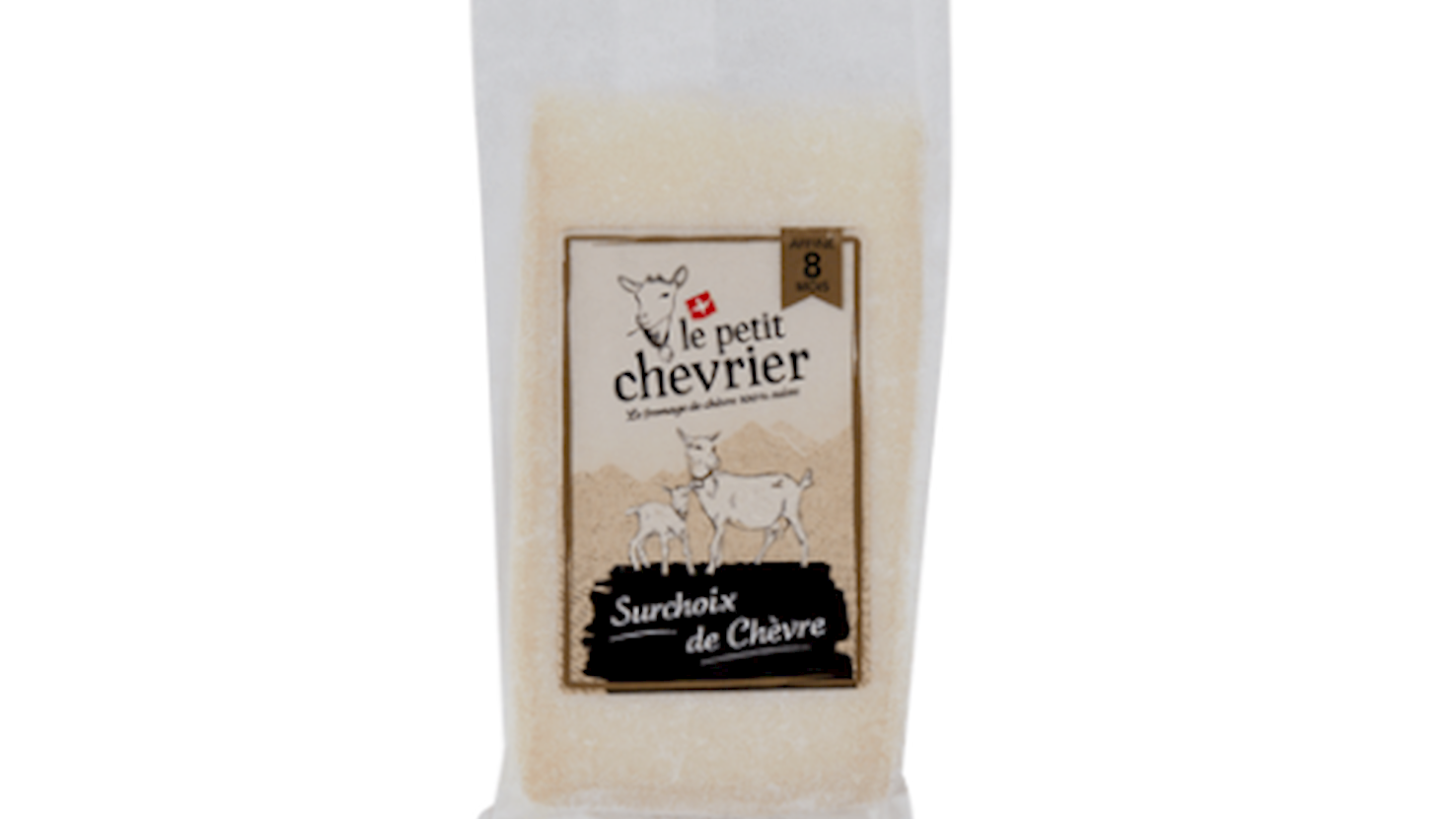
Le Petit Chevrier

4.9 ·
Since 1995, we have been passionately producing goat's milk products from 100% pure Swiss goat's milk with only natural ingredients. Our goat's cheese and goat's milk products are still made today with a lot of manual work and using tried and tested methods in the heart of Switzerland. Our goat's milk comes from around 3,000 Swiss goats, which are lovingly cared for by their 30 owners on family farms. The farmers guarantee excellent milk quality and feed their goats exclusively with high-quality and natural feed. The goats and their milk are our most important asset.
Awards
World Cheese Awards - Gold (2021)
05

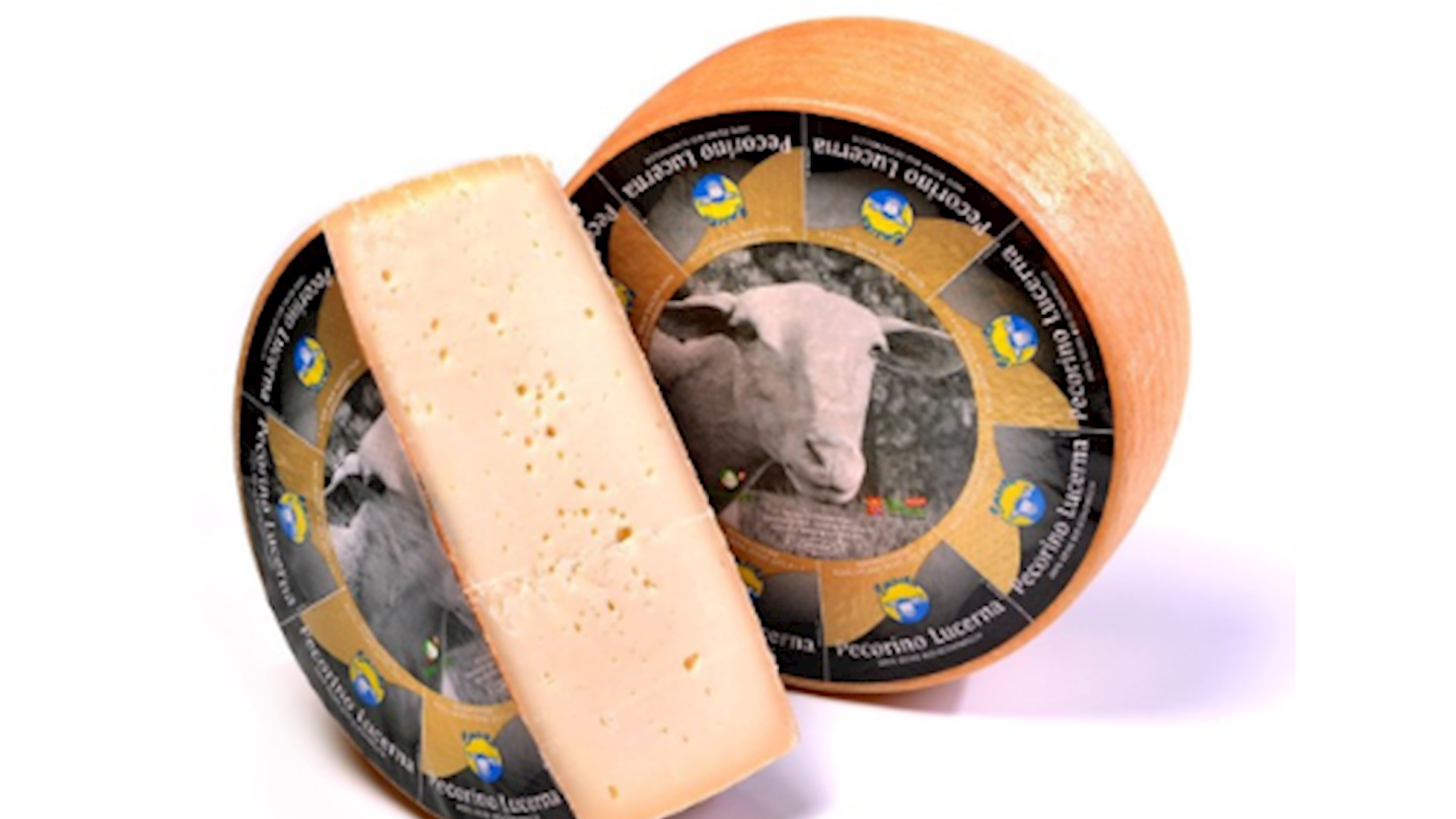
Emscha Schafmilchgenuss

4.9 ·
Awards
World Cheese Awards - Gold (2024)
06

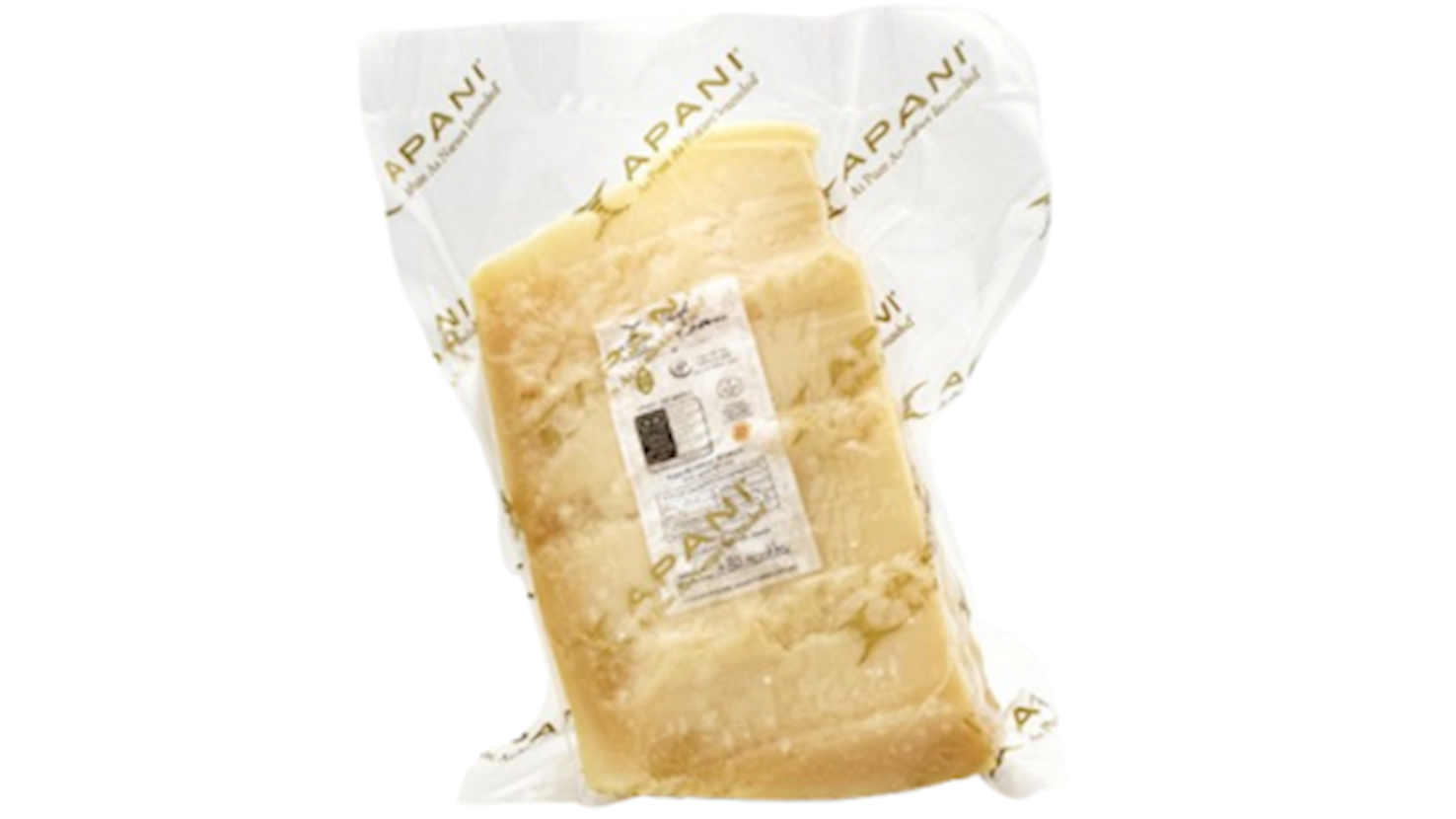
Apani

4.9 ·
Awards
World Cheese Awards - Gold (2024)
07

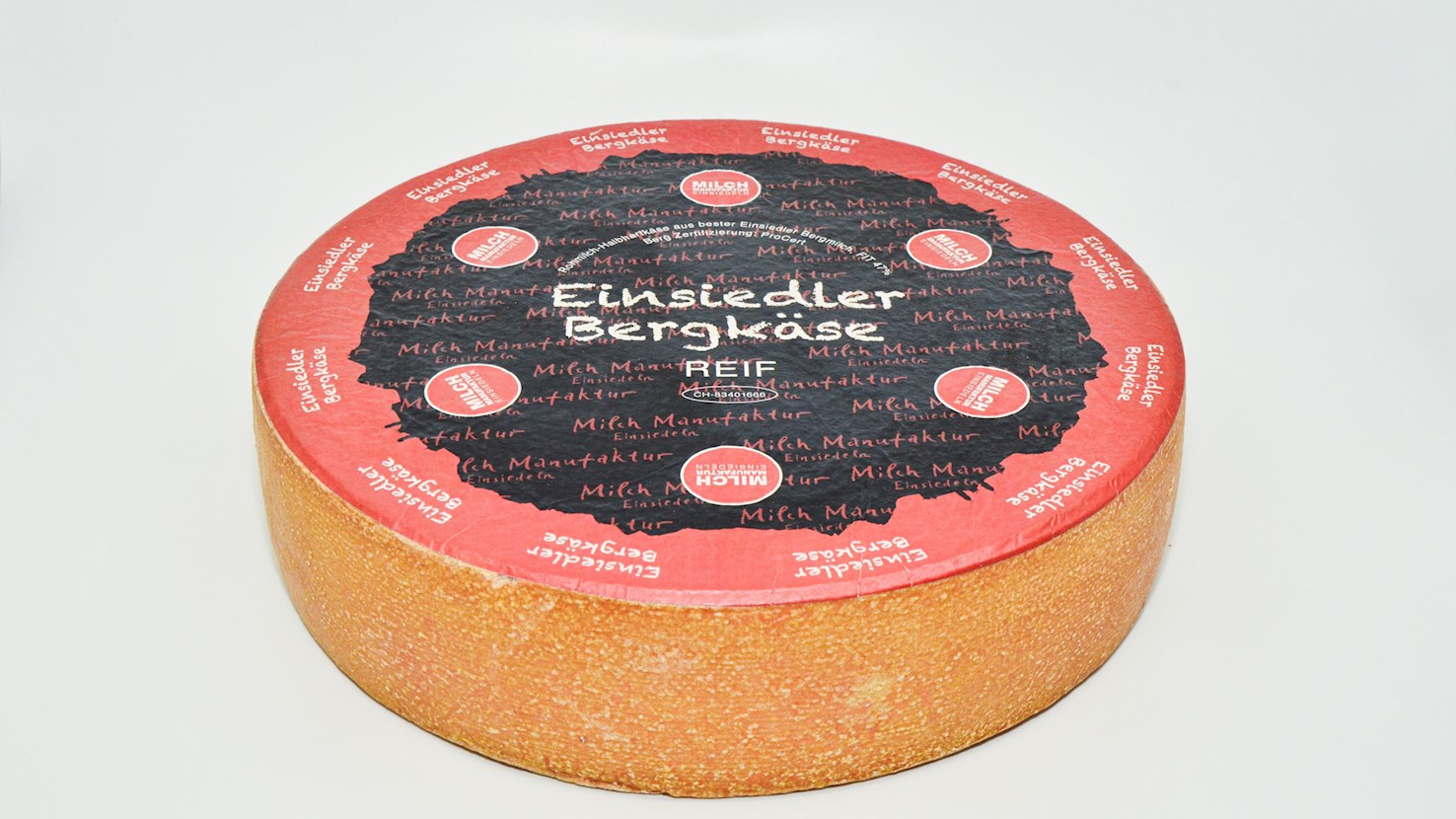
Milchmanufaktur Einsiedeln

4.9 ·
Milchmanufaktur Einsiedeln is a dairy located in Einsiedeln, Switzerland, specializing in producing cheese and other dairy products. This enterprise utilizes milk from local farms, emphasizing quality and traceability in its sourcing. They offer a variety of cheese types, including traditional Swiss varieties. The facility includes a visitor center where guests can learn about dairy production and try products.
Awards
World Cheese Awards - Super Gold (2022)
World Cheese Awards - Gold (2022)
08

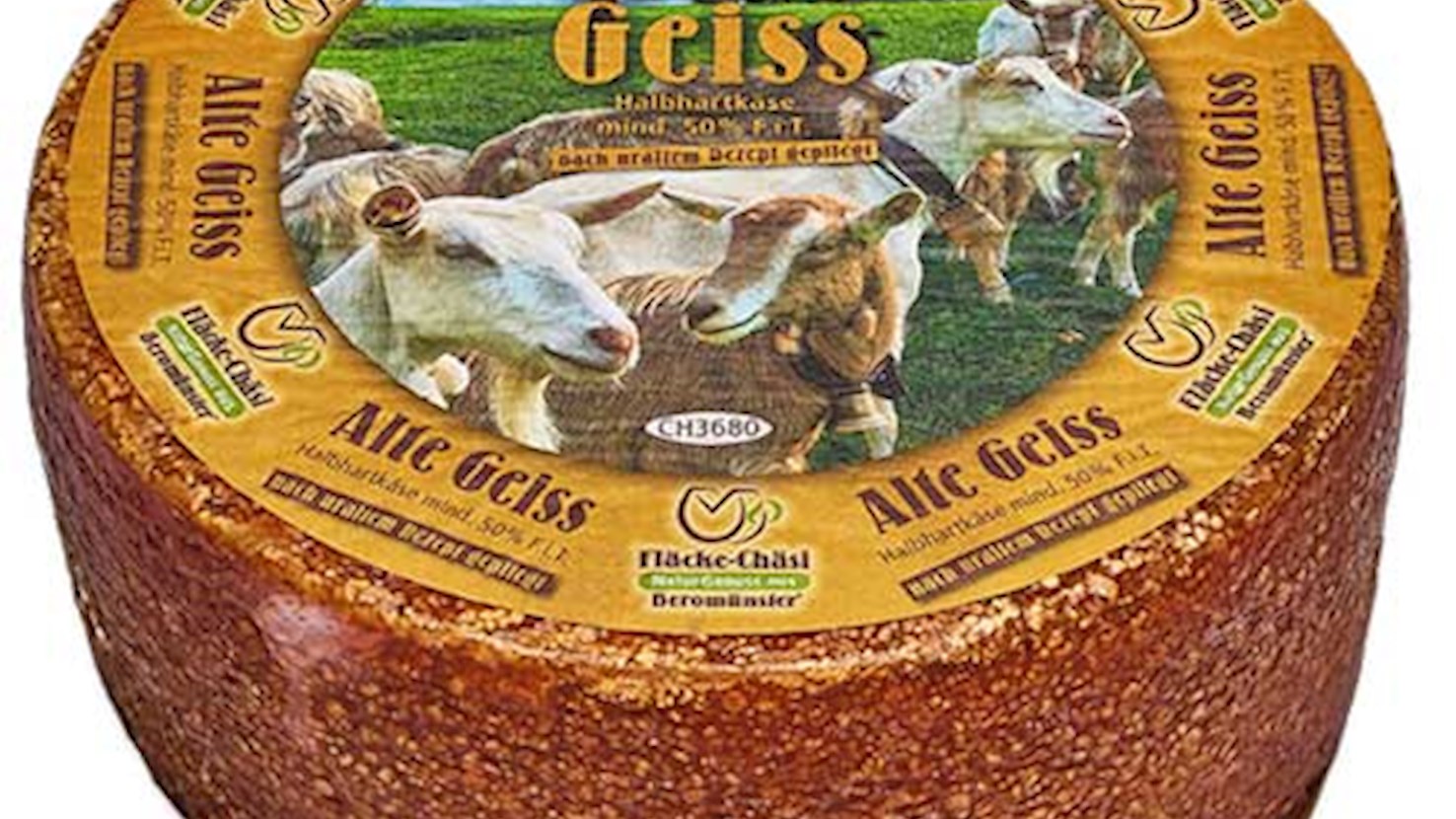
Fläcke-chäsi

4.8 ·
Fläcke-Chäsi is a Swiss cheese producer located in Beromünster in the Lucerne region. They specialize in producing traditional Swiss cheeses, utilizing locally sourced milk from nearby farms. The company aims to maintain high standards of quality and traditional cheese-making techniques. Fläcke-Chäsi is known for participating in various regional events and markets, showcasing their products.
Awards
World Championship Cheese Contest - Best of Class (2022, 2020)
09

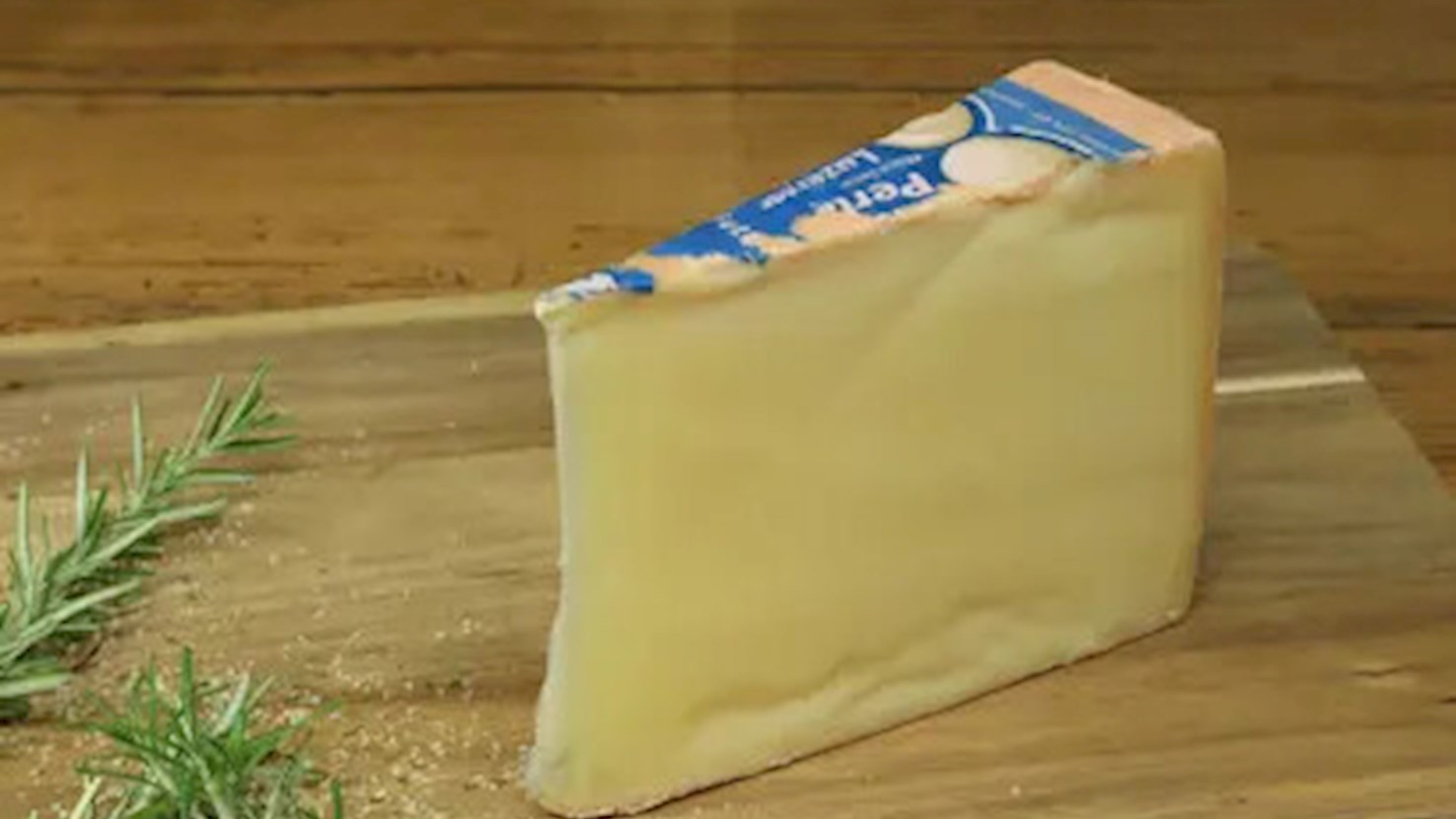
Käserei Seetal

4.8 ·
Käserei Seetal is a cheese producer located in Switzerland, specializing in the production of traditional Swiss cheeses. The company utilizes local milk, focusing on quality and sustainability in their cheese-making processes. Their product range includes both classic and specialty cheeses, catering to varying consumer tastes and preferences.
Awards
World Cheese Awards - Super Gold (2023)
10

Regio Chäsi Willisau

4.6 ·
Awards
World Cheese Awards - Gold (2024)

Best Cheese Types in the World

01

Hoch Ybrig

n/a ·

Hoch Ybrig is a Swiss mountain cheese hailing from Kussnacht, where it's selected and matured by famous affineur Rolf Beeler. The cheese was created in the 1980s and it's produced by only one dairy. It's made from Simmental cows' raw milk, and the curds are cooked and pressed during the production process. Hoch Ybrig is usually left to age for 8 months. Underneath its white wine brine washed rind, this gruyere-style cheese has a texture that's dense and smooth. The aromas are nutty, buttery, and slightly pungent, while the flavors are well balanced (salty and acidic) with a sweet finish. Pair it with a glass of white wine or Belgian ale.

02

Urner Alpkäse

n/a ·

Urner Alpkäse is a full-fat, semi-hard cheese made from raw cow’s milk. Produced only in summer on over 60 alpine farms, it follows strict Swiss alpine cheese regulations, ensuring milk is sourced and processed exclusively in the Alps. Each wheel weighs 6-8 kg, with a 30 cm diameter and a firm, nearly hole-free texture. It is available in mild, spicy, and tart varieties, depending on aging. First referenced in 1479, it was originally a soft, sour-milk cheese, transitioning to fatty rennet cheeses by the 17th century. By the 18th and 19th centuries, it was linked to Sbrinz cheese, with some variants exported via the Gotthard Pass to Northern Italy. Since 1996, a cooperative has helped market the cheese while allowing producers to maintain traditional methods. The cheese is made from evening and morning milk, curdled with rennet at 32°C, then cut, heated to 45-47°C, and pressed for 24 hours. It is salted in brine for 1-2 days and aged for at least 2-3 months in humid alpine cellars. During aging, it is brushed with salted water, forming a natural bacterial rind that enhances flavor. Urner Alpkäse is eaten for breakfast, dinner, or as a dessert cheese with wine. Production reaches 200 tons annually, with half distributed across Switzerland. Historically stored in underground "Nidler" huts before refrigeration, it was praised by Goethe in 1775 as "excellent cheese." Rich in tradition, craftsmanship, and alpine flavors, Urner Alpkäse remains Uri’s most important cheese.

03

Schwyzer Alpkäse

n/a ·

Schwyzer Alpkäse is a full-fat, semi-hard Swiss Alpine cheese made from raw cow's milk. Each wheel weighs 7-8 kg, with small, irregular holes, and comes in mild, spicy (würzig), and strong (rezent) varieties. It follows Swiss Alpine cheese regulations, requiring milk from freely grazing cows during the Alpine grazing season. Cheese production in Schwyz dates back to the 16th century, but modern rennet-based cheese-making became common in the 19th century. Schwyzer Alpkäse remained a regional specialty, mainly consumed in canton Schwyz but also sold in Zurich and parts of German-speaking Switzerland. It is made with a mix of cooled evening milk and fresh morning milk, with evening milk skimmed to maintain 45% fat in dry matter. The cheese is made by curdling milk with rennet at 32°C, cutting curds into coffee bean-sized pieces, and heating to 45-47°C before pressing and brining for 1-2 days. Aging occurs in humid cellars (85% humidity), where salted water brushing promotes a natural bacterial smear (Schmiereflora), enhancing flavor and developing its reddish-brown rind. Over time, its taste evolves from mild (2-3 months) to sharp and complex (6 months+). Traditionally eaten with bread or "Gschwellti" (boiled potatoes), Schwyzer Alpkäse is also used grilled or in gratins.

04

Klewenalp käse

n/a ·

Klewenalp käse is a semi-hard cheese made from raw cow's milk, produced during the summer months by 15 alpine farmers on the Klewenalp in Central Switzerland. Each wheel weighs between 4 and 4.5 kilograms and contains at least 45% fat. The cheese is aged for 3 to 12 months, resulting in flavors that range from mild to very strong (rezent). Klewenalp käse has a natural rind and is made in copper vats according to a recipe passed down through generations. It develops more flavor as it ages, and will keep fresh for 2 months is not cut.

05

Bratkäse

n/a ·

Bratkäse is a traditional full-fat semi-hard cheese from the Unterwalden region of Switzerland, encompassing the cantons of Obwalden and Nidwalden. Each wheel weighs between 750 grams and 1.1 kilograms (1.6-2.4 lbs) and has a mild, slightly tangy flavor. Historically, bratkäse was prepared by heating it over an open fire until the surface became soft enough to be scraped off, a method that gave the cheese its name, as "bratkäse" translates to "fried cheese." This technique is reminiscent of the preparation of raclette cheese, and bratkäse is sometimes considered a smaller, milder cousin of the traditional Valais raclette. Today, Bratkäse is primarily produced in valley dairies using pasteurized milk, while on the Unterwalden Alps, raw milk is still used in its production. Despite its rich history, bratkäse remains relatively unknown outside its native region, overshadowed by more widely recognized Swiss cheeses.

About this ranking

TasteAtlas food rankings are based on the ratings of the TasteAtlas audience, with a series of mechanisms that recognize real users and that ignore bot, nationalist or local patriotic ratings, and give additional value to the ratings of users that the system recognizes as knowledgeable. For the “Top 10 Local Cheeses in Central Switzerland” list until June 02, 2026, 13 ratings were recorded, of which 11 were recognized by the system as legitimate. TasteAtlas Rankings should not be seen as the final global conclusion about food. Their purpose is to promote excellent local foods, instill pride in traditional dishes, and arouse curiosity about dishes you haven’t tried.

The initial list of top producers was compiled based on available reviews, awards, local recommendations, media and blog coverage, and consumer reviews. The list will be updated with ratings from TasteAtlas local ambassadors and TasteAtlas users.

Similar lists