shutterstock

Top 13 Danish Cheeses

Last updated on June 24, 2026

Best Danish Cheeses

01

Arla

4.9 ·
Arla is a global dairy cooperative owned by farmers primarily located in Denmark, Sweden, the United Kingdom, Germany, Belgium, Luxembourg, and the Netherlands. The company produces a variety of dairy products, including cheese, milk, and yogurt. Arla is committed to sustainable dairy farming practices and aims to reduce greenhouse gas emissions across its entire value chain by 30% by 2030.
Awards
Global Cheese Awards - Best (2023, 2018)
World Championship Cheese Contest - Best of Class (2024, 2022, 2020, 2018, 2016, 2014, 2012, 2010)
02

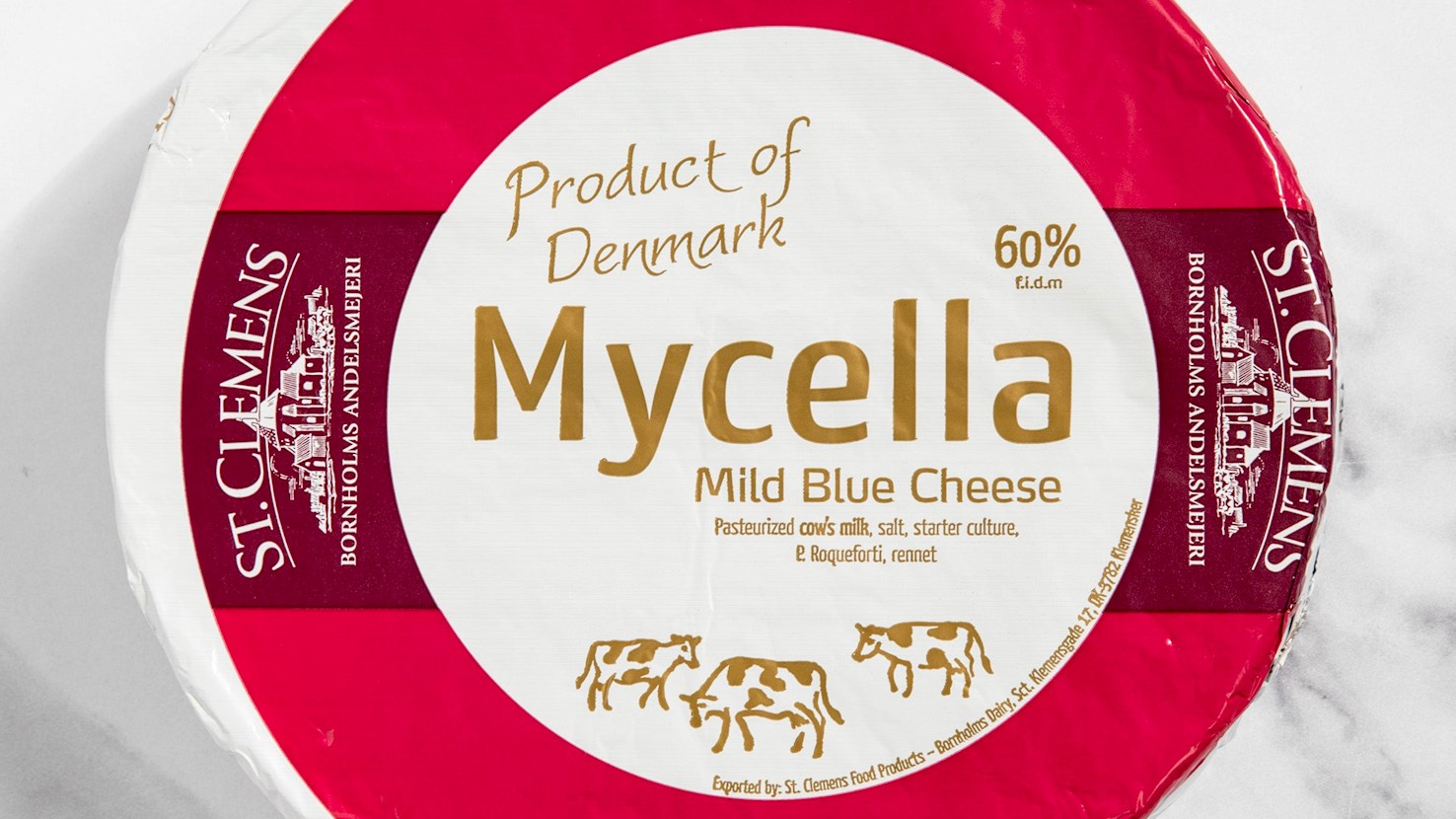
Bornholms Andelsmejeri

4.9 ·
Bornholms Andelsmejeri is a cooperative dairy located on the island of Bornholm, Denmark. It was established in 1887 and is known for producing a variety of cheeses, including blue cheese and havarti. The dairy sources its milk locally from the island's dairy farmers, ensuring a fresh and regional product base.
Awards
World Championship Cheese Contest - Best of Class (2024, 2020, 2014, 2012, 2010)
03

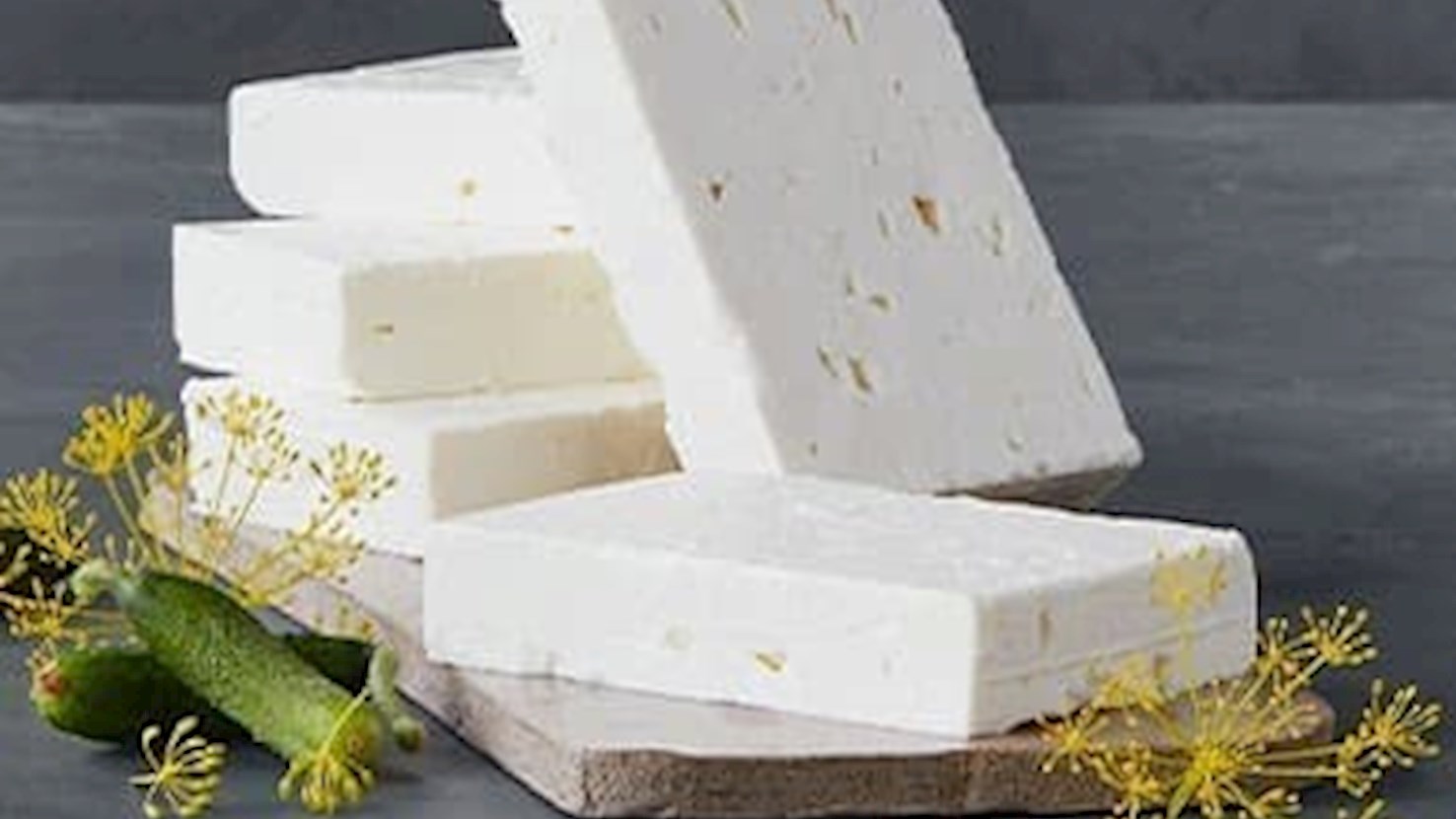
Nordex Food A/s Norager

4.8 ·
Nordex Food A/S is a Danish company specializing in the production of white cheeses, primarily feta, which it distributes both locally and internationally. The company operates out of Nørager, Denmark. Nordex Food A/S also manages production facilities in Austria and Romania, enhancing its capability to serve various markets across Europe.
Awards
World Championship Cheese Contest - Best of Class (2018, 2012)

Best Danish Cheese Types

01

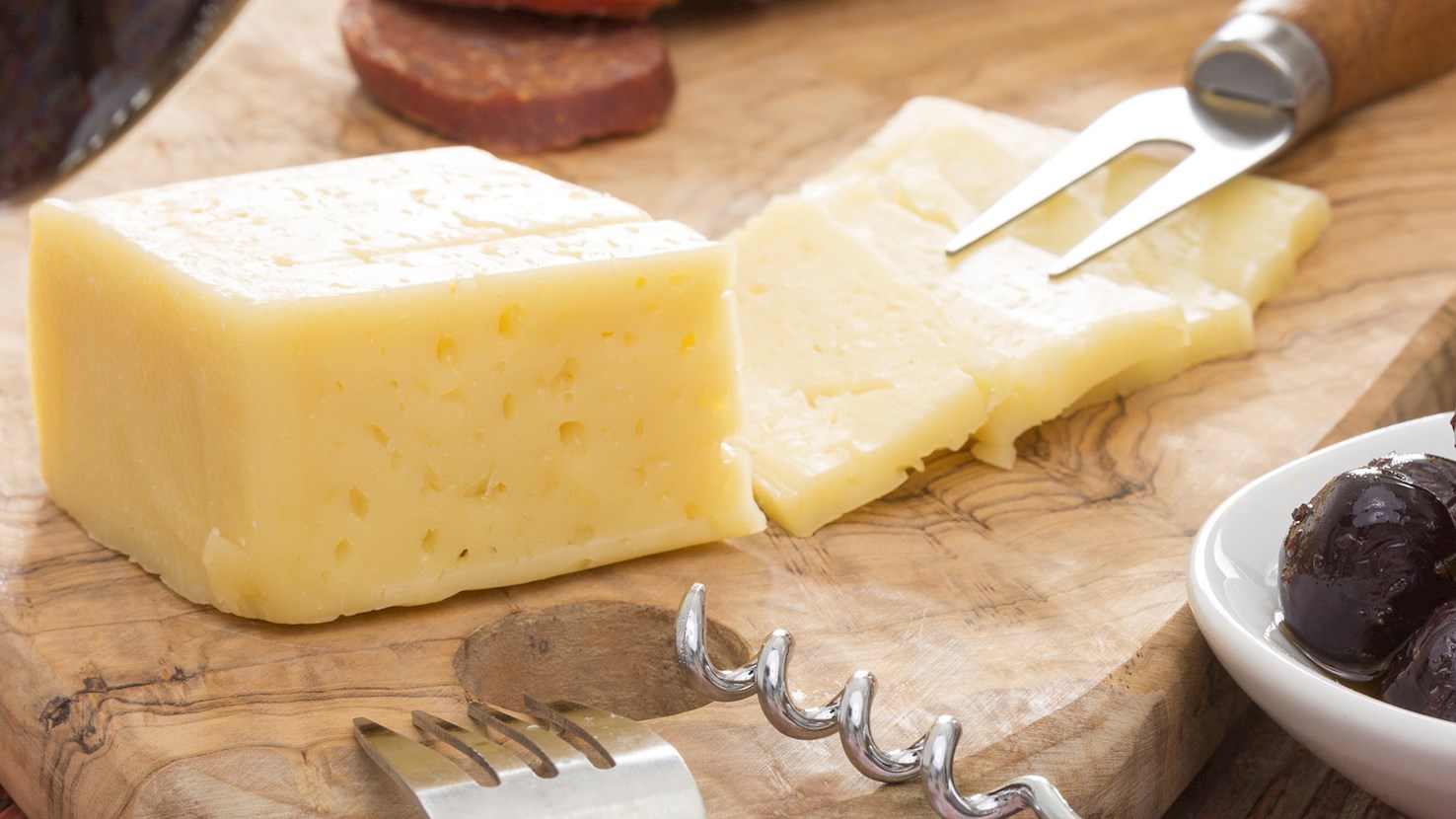
Havarti

4 ·

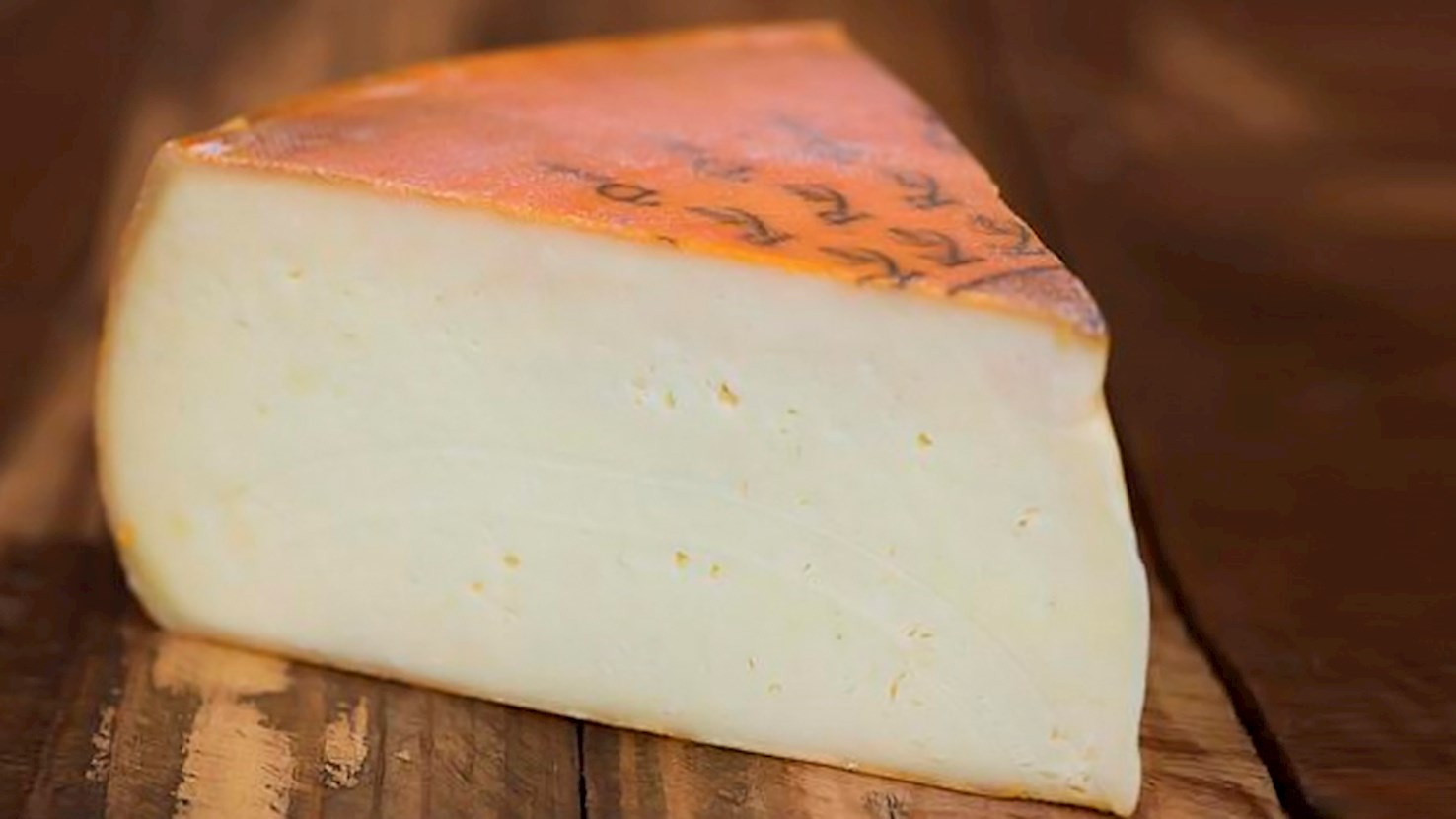
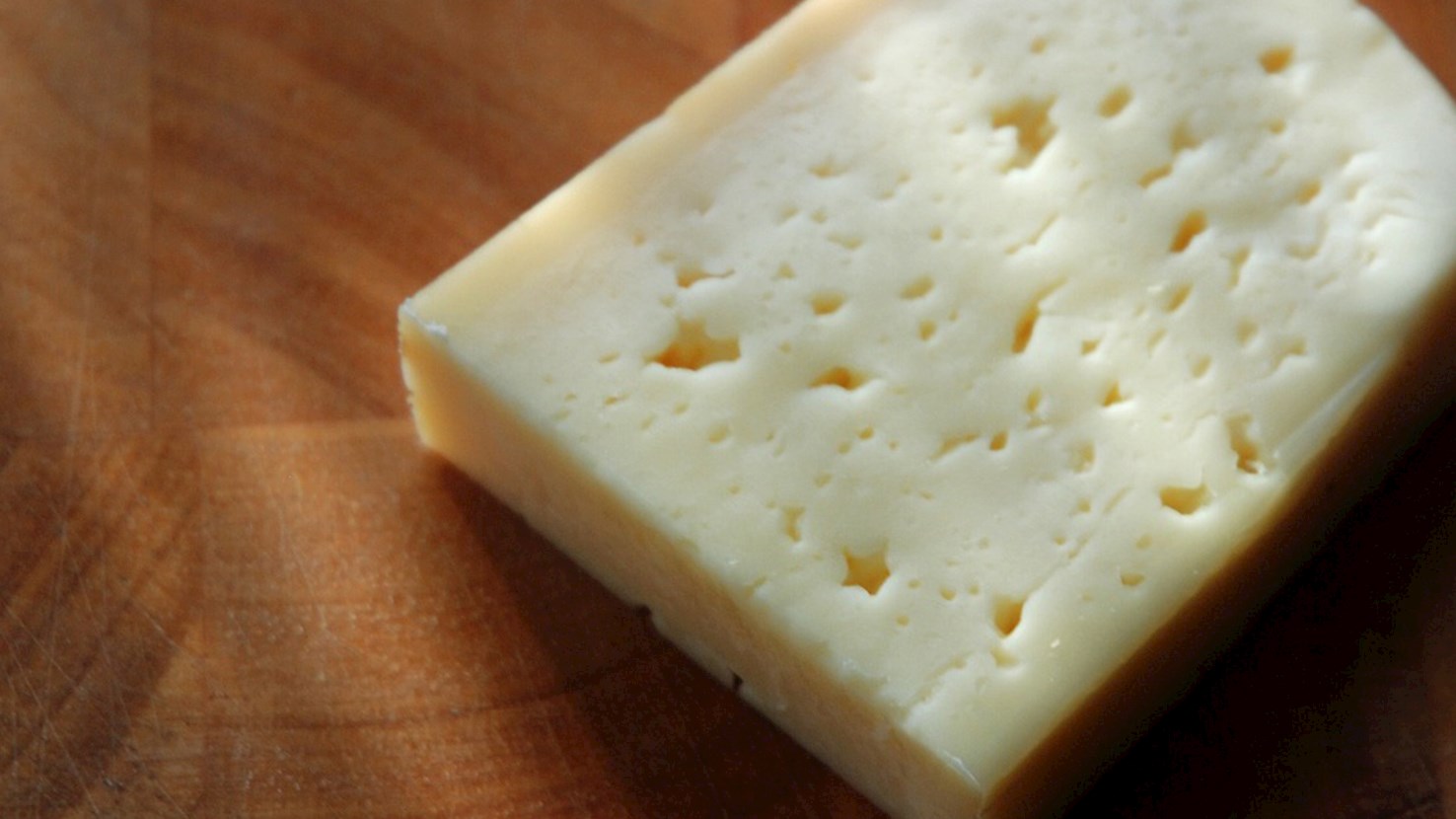
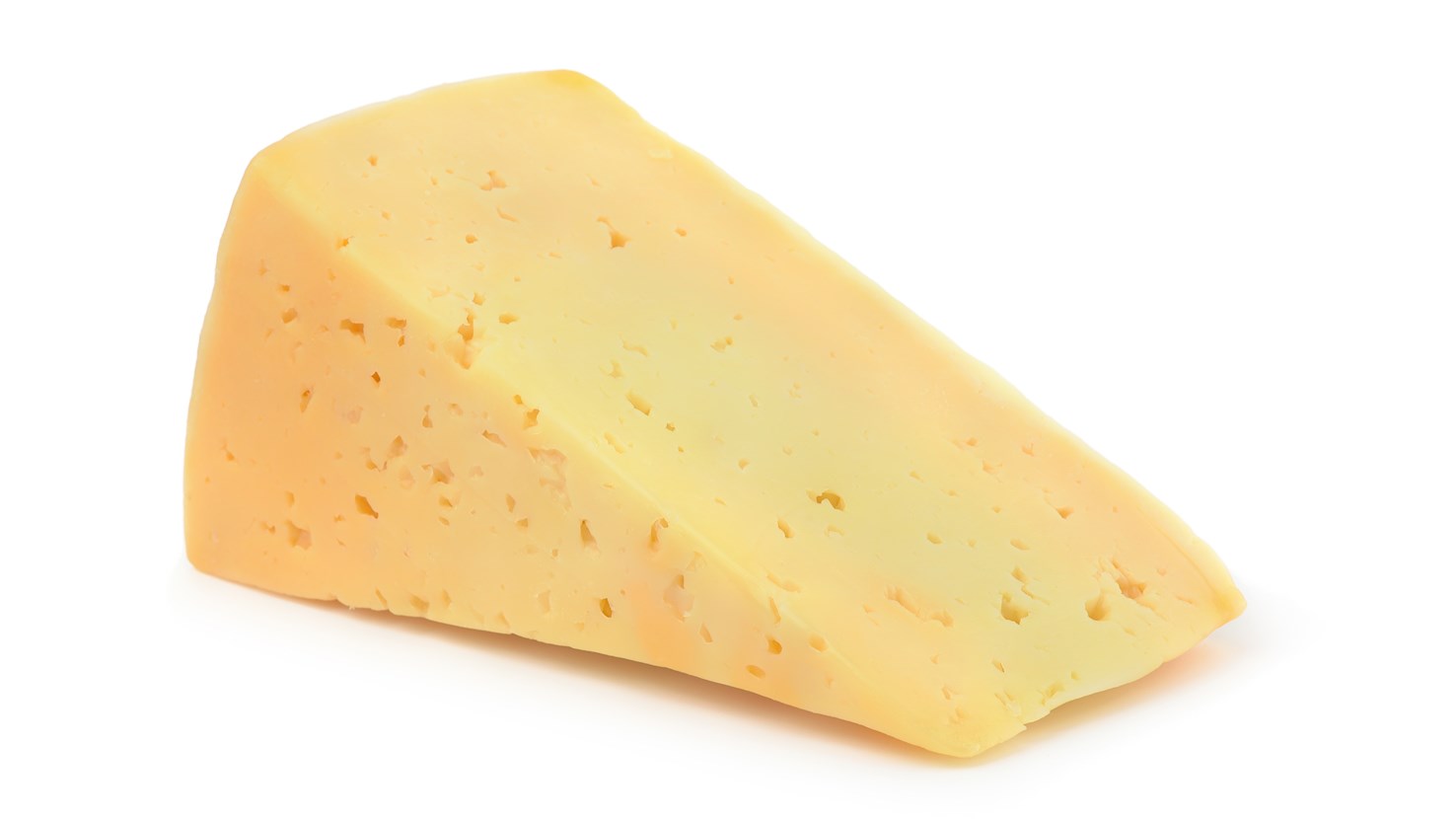
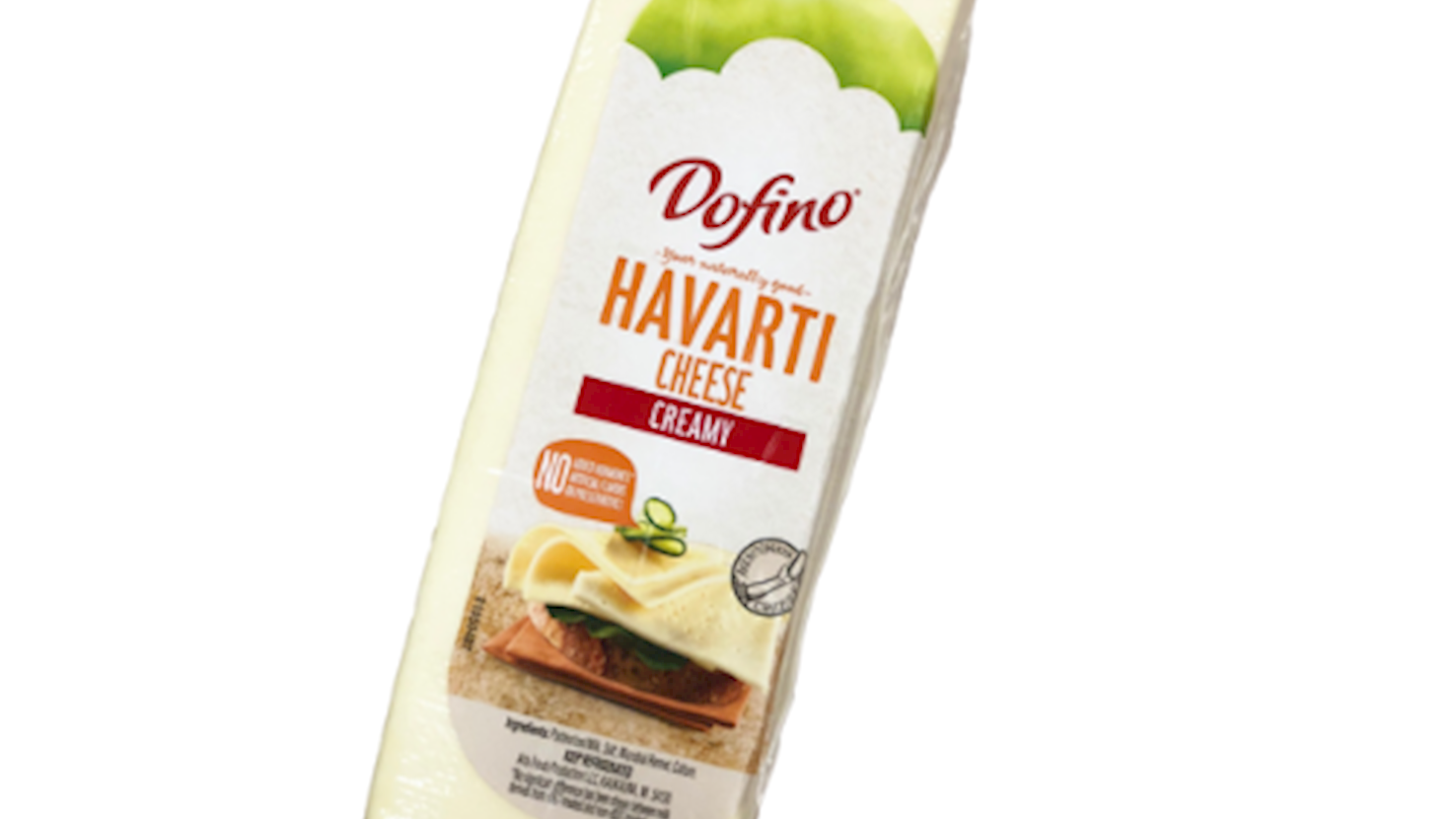
Havarti is a Danish hard cheese made from pasteurized cow's milk. It must mature for at least 3 months, after which it develops small holes throughout its body. It is known as a pumped-curd cheese, a process in which the curd is molded and then melted. The interior is ivory to yellow, with a soft, easily sliceable texture. The flavor is mild, aromatic, creamy and slightly acidic, and the flavors get even more intense as the cheese matures. Additional seasonings may be added in the process, such as dill, garlic, red pepper or chives, adding a new dimension of flavor to the cheese. It pairs especially well with sliced apples, honey, pickled vegetables and red wines.

02

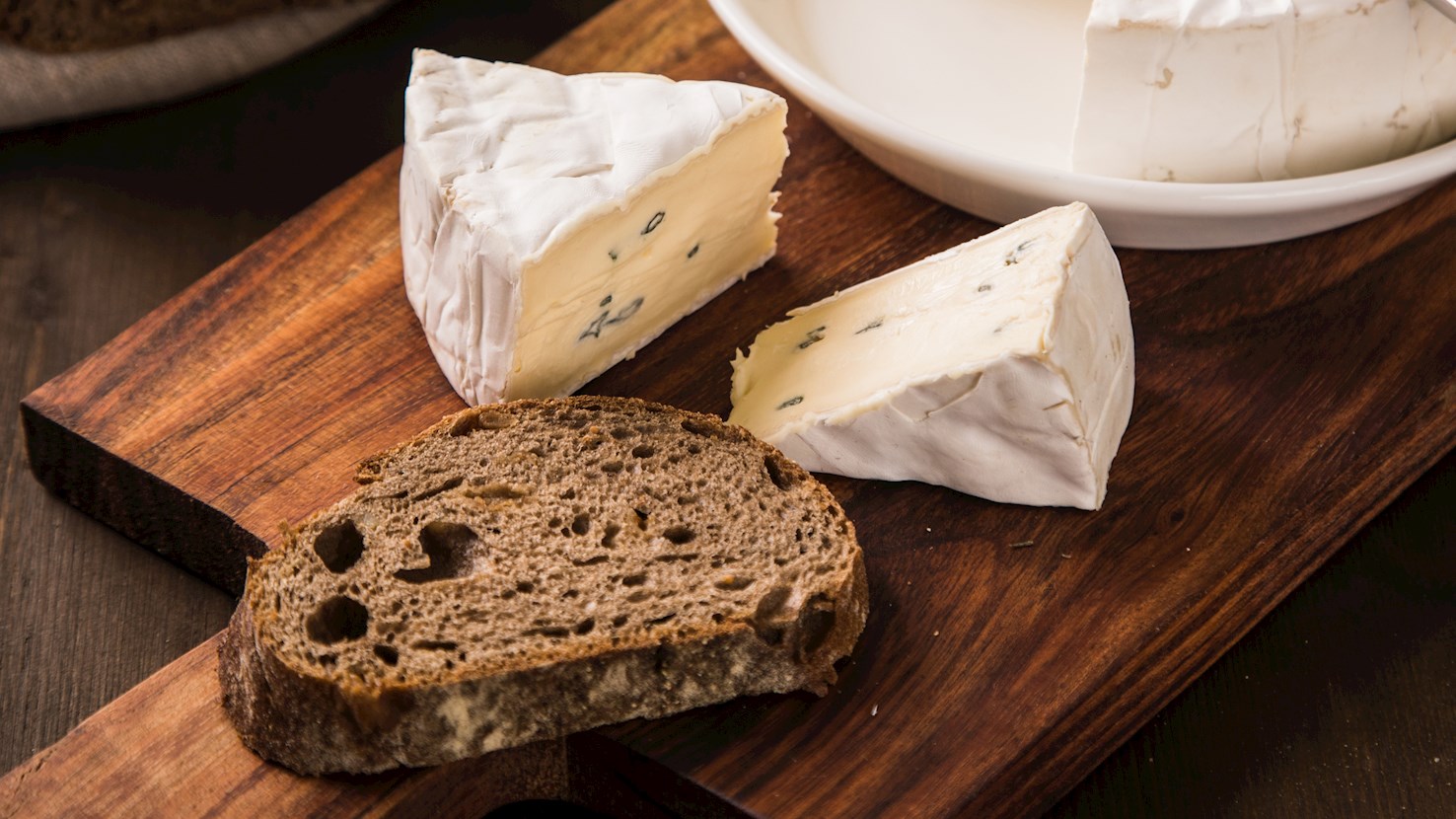
Saga

4 ·

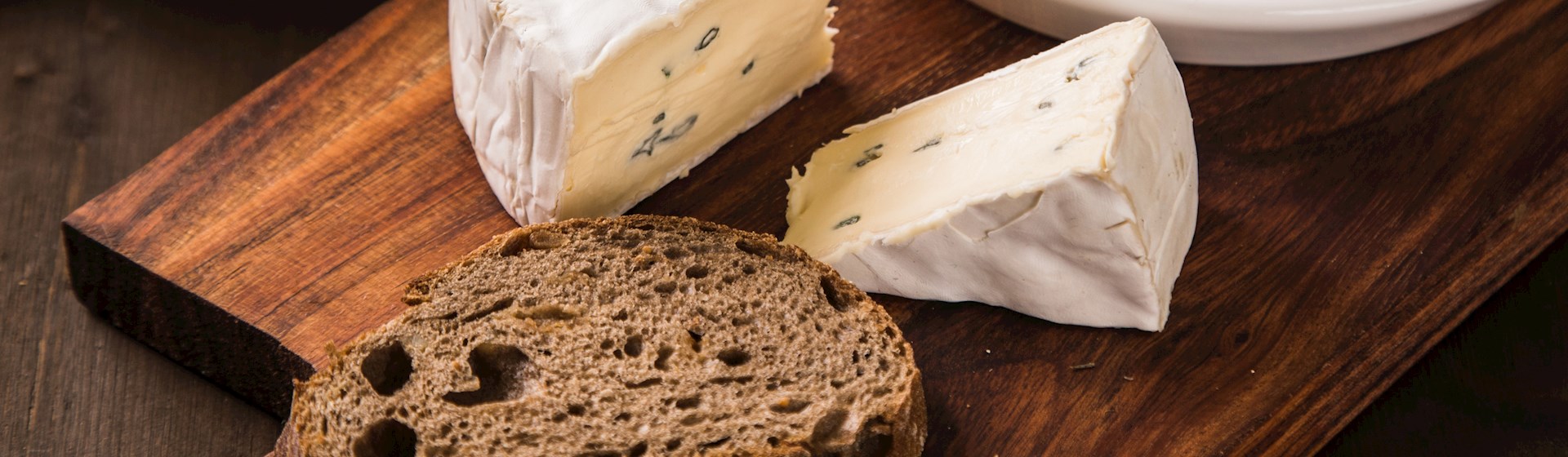
Saga is a combination of blue cheese and brie. The cheese originates from Denmark. It has a soft and creamy texture underneath its white mold. The aroma is very mild, just like the flavors of this unusual cheese. Saga is typically aged for at least 60 days. This cheese pairs well with fruits and wine, but it can also be crumbled in salads or served as a snack on a cracker.

03

Danablu

3.9 ·

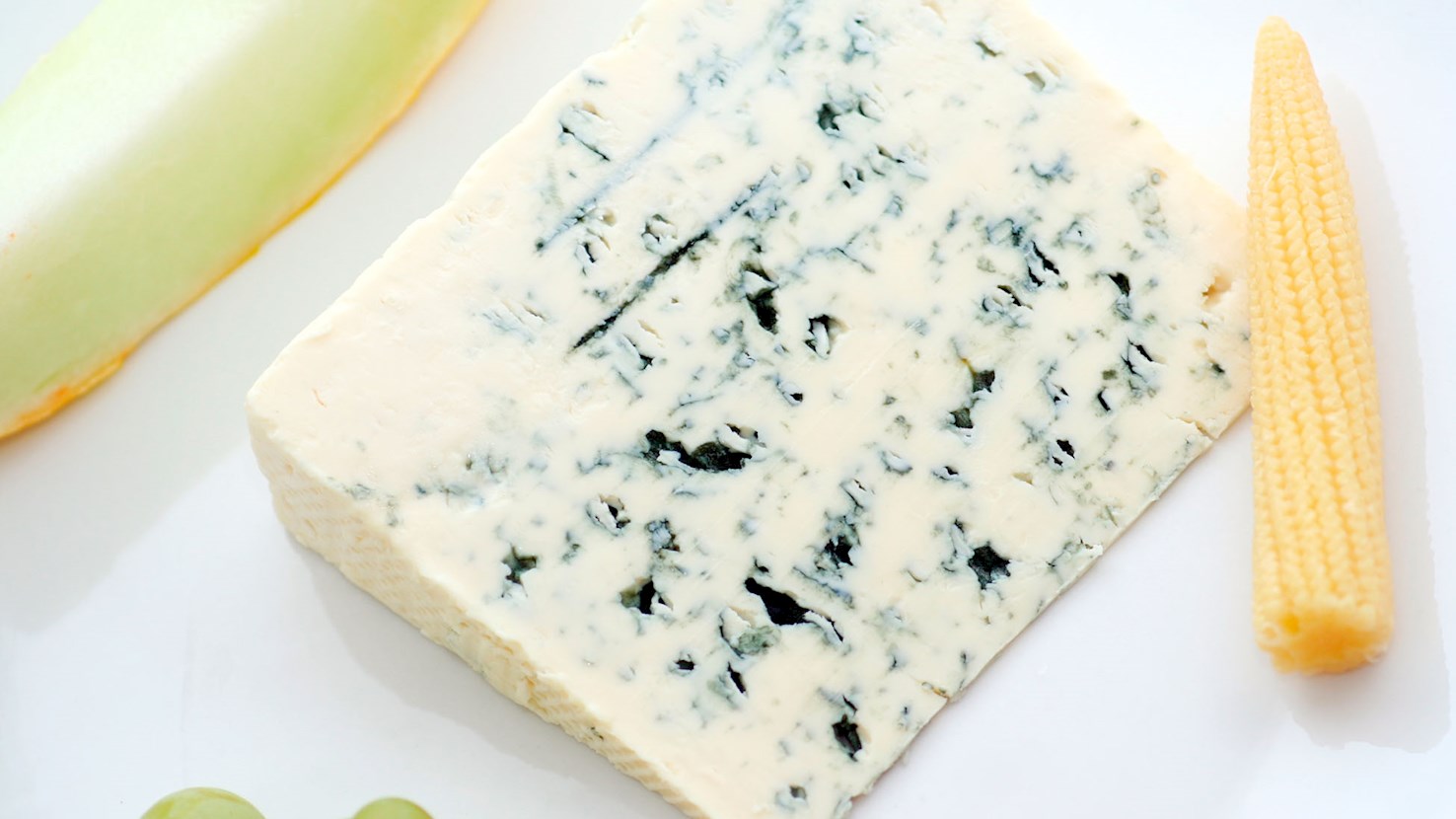
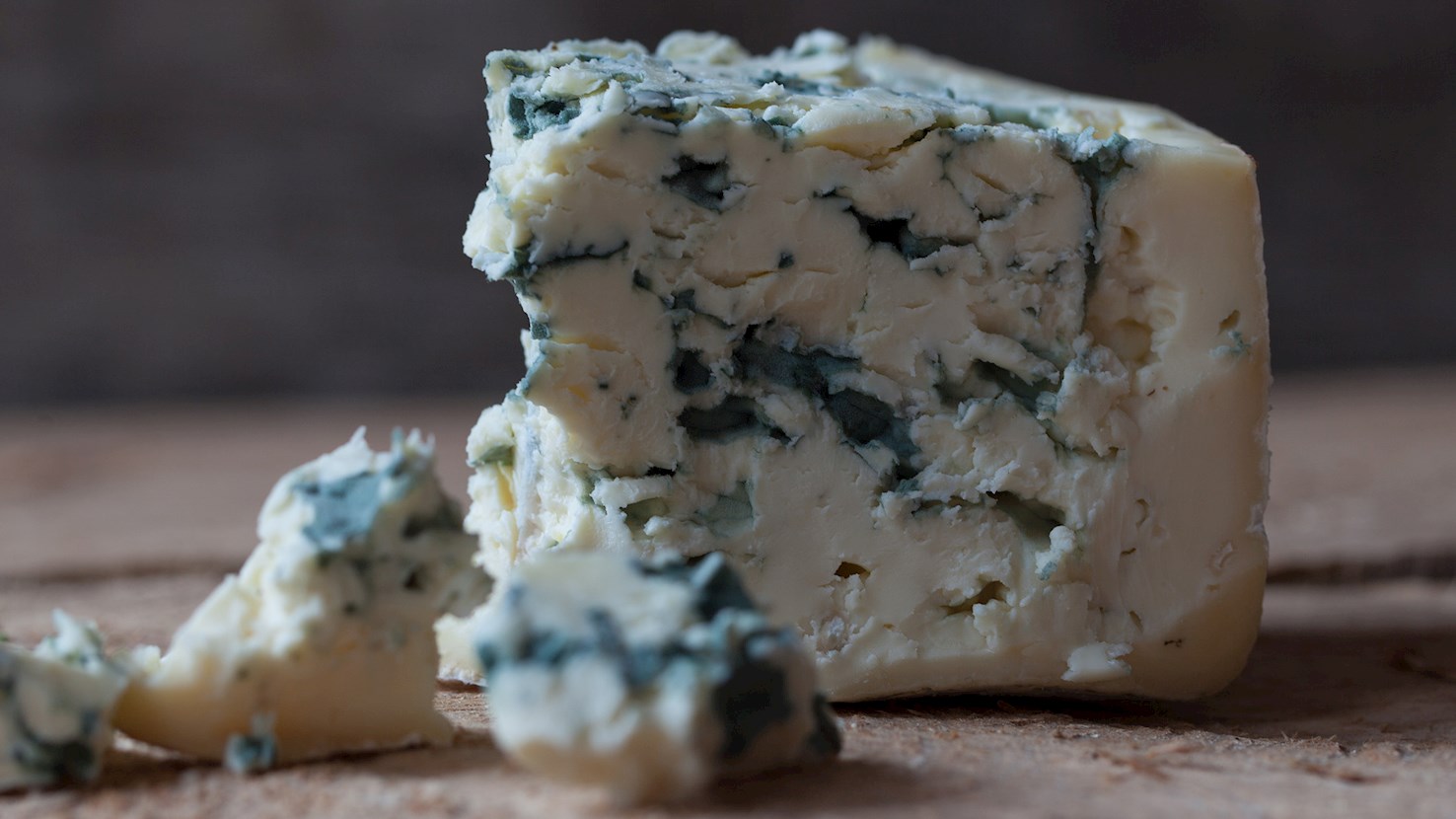
Danablu is a semi-soft blue cheese made from full-fat cow's milk in Denmark. While the milk is hardening, the curds are pricked with needles to develop the blue-gray mold which spreads evenly throughout the cheese. The cheeses mature for 5 to 6 weeks and develop a creamy, crumbly texture and a white or light yellow color. Its flavor is intense, sharp, salty and slightly bitter, while the aromas are pure and piquant. Although it does not develop a rind, it has a tight and firm outer layer. Danablu can be enjoyed in many ways, served on cheeseboards, on bread, as an ingredient in sauces, dressings and salads, grilled or paired with roasted almonds, sliced pears, walnuts, honey, or stout beer.

04

Bla Castello

3.9 ·

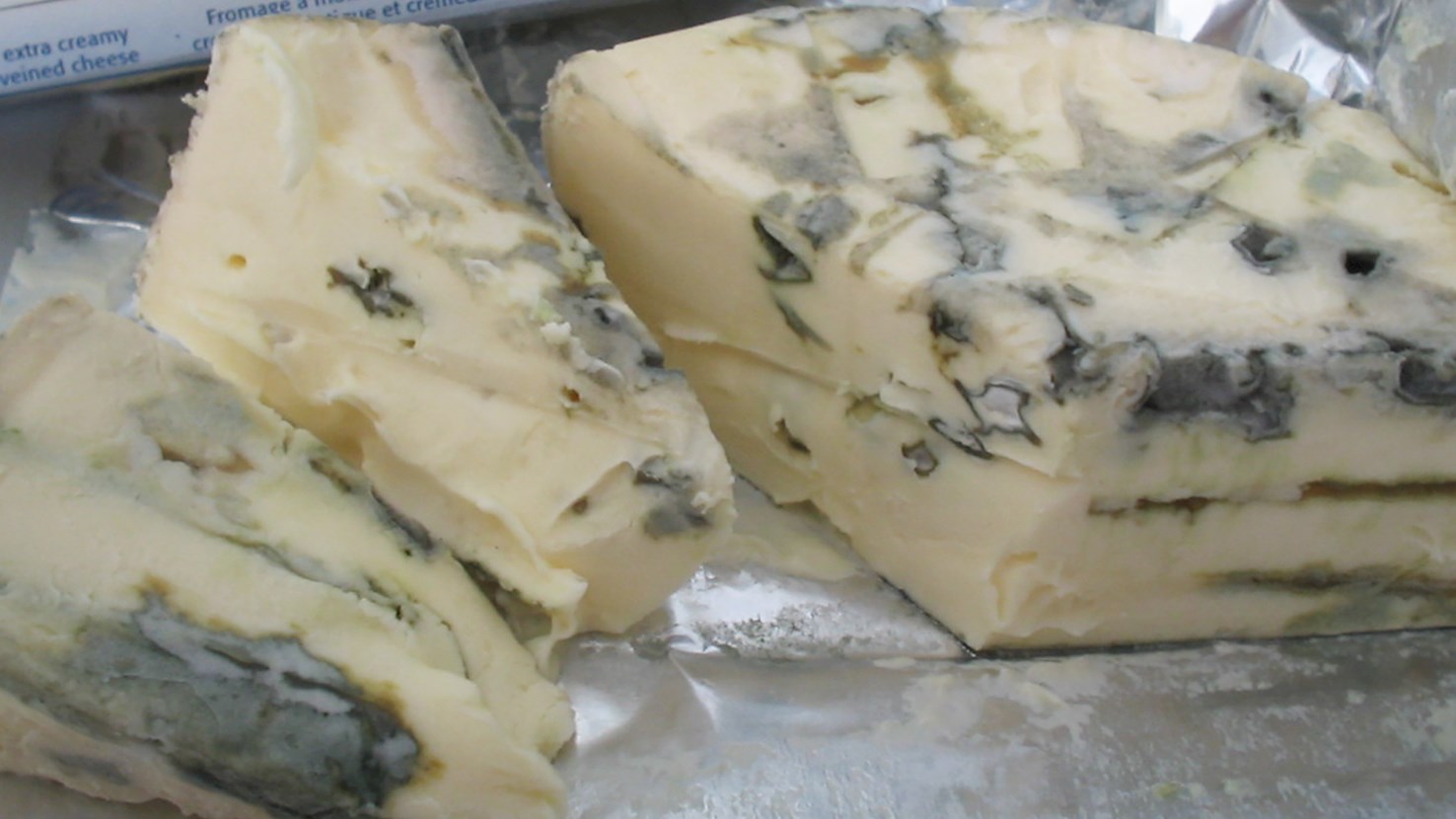
Bla Castello (also known as Blue Castello) is a traditional cheese made from cow's milk. It was developed in the 1960s to meet the demand for creamy and mild blue cheeses. This soft cheese has a rich, buttery, Brie-like texture underneath its unique rind that can develop a combination of blue-green and red molds. The aroma has hints of mushrooms, while the flavor is buttery, tangy, and mildly spicy due to blue veins in the body. The cheese ages from 8 to 10 weeks. It's recommended to serve it with Danish crispbread and Danish beer, but it's also often added to salads.

05

Vesterhavsost

3.8 ·

Vesterhavsost is a Danish semi-hard cheese made from pasteurized cow’s milk. It is sometimes called the Danish version of Gouda or North Sea cheese, referring to the fact that it is produced from the milk of West Jutlandic dairy cows and that it matures in the salty North Sea air for 26 weeks. As a result, it has a smooth, slightly sweet body with hints of saltiness and nuttiness. It is recommended to consume it thinly sliced on its own or use it as the key ingredient in grilled cheese sandwiches.

06

Danbo

3.6 ·

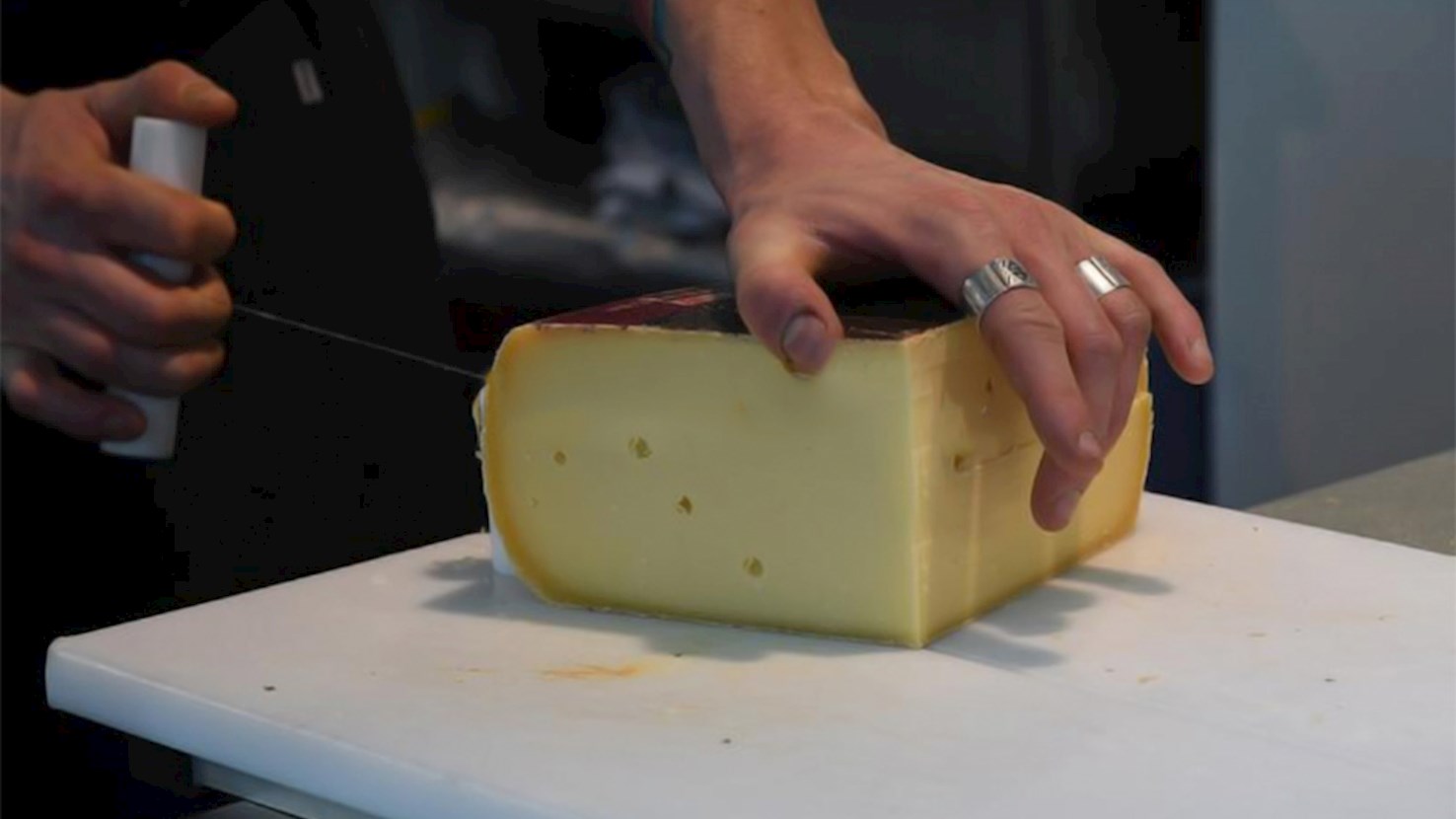
Danbo is a semi-hard, well-matured cheese made from milk of bovine origin produced in Denmark. It comes in two varieties: 30+ or 45+, relating to the minimum fat content in dry matter. On the exterior, it has a firm, smeared rind, while on the interior it is ivory to pale yellow, with a soft, pliable texture that slices easily. Its flavor is mild, sweet, nutty, aromatic and slightly acidic, but when it matures for 3 to 4 weeks, the aromas and flavors become more intense. There is also a different variety of Danbo with caraway seeds added in the process, and the cheese is then called King Christian. Danbo can be used for snacks, in sandwiches, or it can be grilled. It pairs well with dry white and velvety red wines.

07

Esrom

3.2 ·

Esrom is a semi-hard to hard drained cheese produced from cow's milk in Denmark. Depending on the minimum fat content (20+, 30+, 45+ and 60+), it is available in four varieties. Esrom is named after an abbey where monks first started making it in the 12th century, and it became popular after the recipe was rediscovered in the 1930s. Although it is quite mild when young, as it matures for 10 to 12 weeks it develops a pungent aroma. The rind is washed, hard, thin and greasy on the exterior, while on the interior Esrom is pale yellow with small holes dispersed throughout its body. The texture is supple, making it easily sliceable. The flavor is rich, aromatic and slightly acidic, ranging from mild to strong, so it goes especially well with bold red wines and strong beer, and it is also good on sandwiches due to its good melting properties.

08

Samsø

3.1 ·

Named after its place of origin, Samsø is a Danish semi-hard cheese made from pasteurized cow’s milk. The cheese was invented in the early 19th century. Its texture is supple and elastic, while the body is filled with irregular eyes. The flavors are gentle, nutty, sour, and sweet. Although it was produced in circular shape with waxy rind in the past, nowadays almost every Samsø is made rindless in rectangular blocks. The cheese melts well, making it ideal for gratins, pizza, or sandwiches.

09

Mycella

n/a ·

Mycella is a traditional blue cheese made from cow's milk. It is produced in the region of Bornholm. This rindless, semi-soft cheese has a mild, rich, and slightly salty flavor with occasional notes of cherry and smoke. It is easily recognizable by the blue-green mold that runs throughout the paste. After 4 months of aging, Mycella is ready to be consumed, and it's often used as a table cheese or added to various salads.

10

Fynbo

n/a ·

Fynbo is a semi-hard Danish cheese named after the island of Fyn. The cheese is made from cow’s milk. It has a natural rind and a creamy, smooth texture, while its flavor is best described as mild, reminiscent of buckwheat grain. After the maturation period, which lasts for several months, it can be consumed, and it is then typically used in salads or sliced in sandwiches.

11

Tybo

n/a ·
12

Molbo

n/a ·
13

Maribo

n/a ·
Read more
View all
View map
About this ranking

TasteAtlas food rankings are based on the ratings of the TasteAtlas audience, with a series of mechanisms that recognize real users and that ignore bot, nationalist or local patriotic ratings, and give additional value to the ratings of users that the system recognizes as knowledgeable. For the “Top 13 Danish Cheeses” list until June 24, 2026, 447 ratings were recorded, of which 381 were recognized by the system as legitimate. TasteAtlas Rankings should not be seen as the final global conclusion about food. Their purpose is to promote excellent local foods, instill pride in traditional dishes, and arouse curiosity about dishes you haven’t tried.

The initial list of top producers was compiled based on available reviews, awards, local recommendations, media and blog coverage, and consumer reviews. The list will be updated with ratings from TasteAtlas local ambassadors and TasteAtlas users.

Similar lists