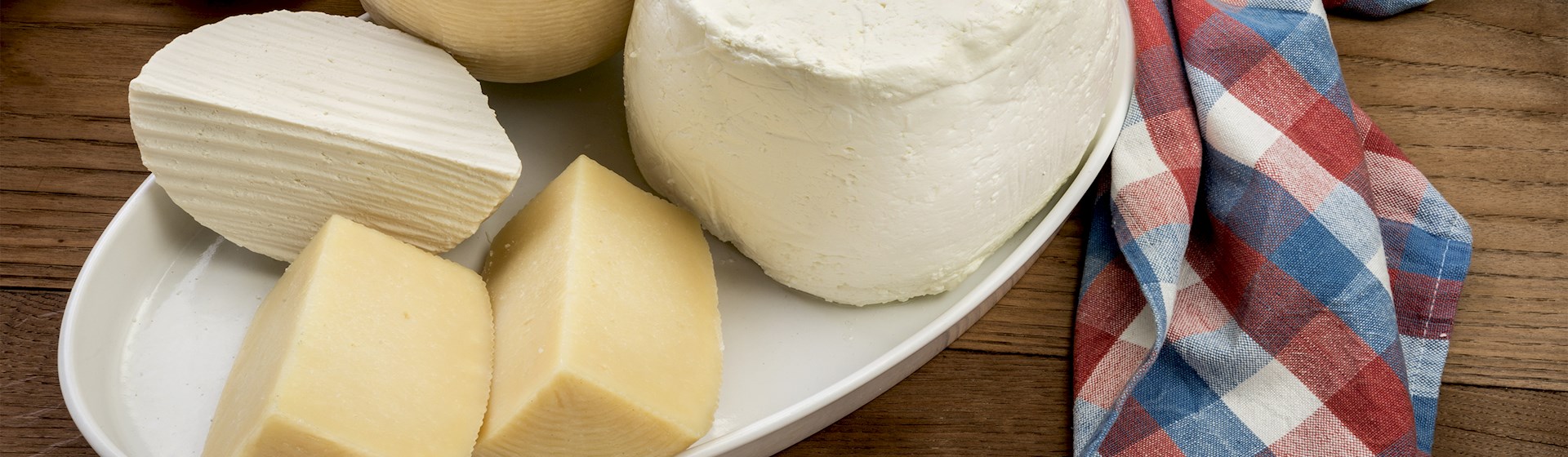
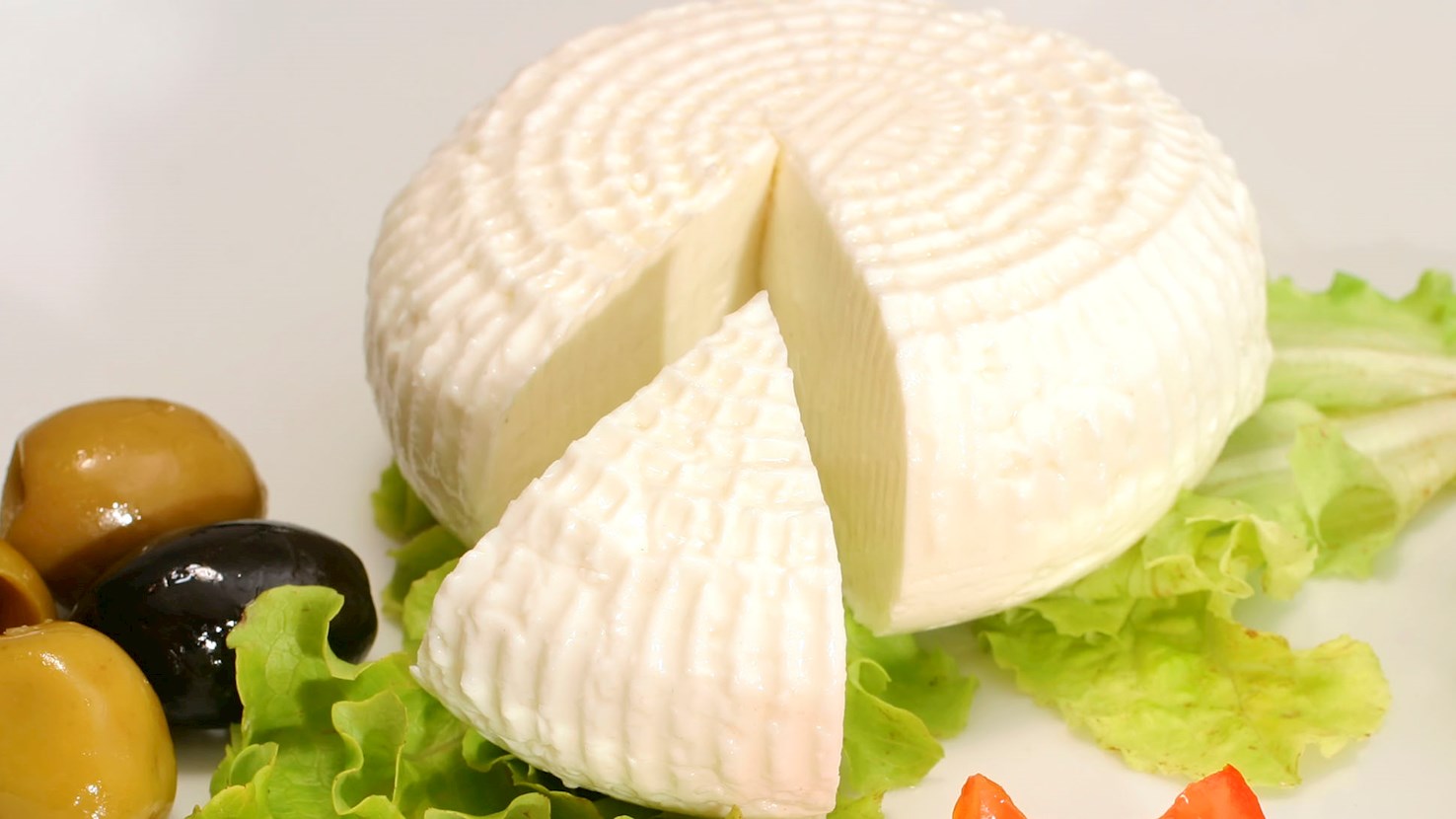
This white, soft, brined cheese is made from fresh sheep milk or a combination of sheep and goat milk taken from breeds that graze freely on wild grasses on the island of Lemnos in the northern Aegean Sea. The method of production is quite similar to that of traditional feta cheese, with one significant difference that also gave this cheese its name. According to the traditional method, the curd is put in a kalathaki ("small basket") for draining and organic acidification, during which time the cheese acquires its characteristic cylindrical shape. Later, the baskets are submerged in brine to mature for at least two months. While it is similar to feta in texture, Kalathaki Limnou has a milder, pleasant flavor. Its taste can be described as salty and slightly acidic. It is usually consumed as a table cheese served with fruit, but it can also be used in a variety of traditional Greek dishes, Greek salad, or as a substitute cheese for saganaki.
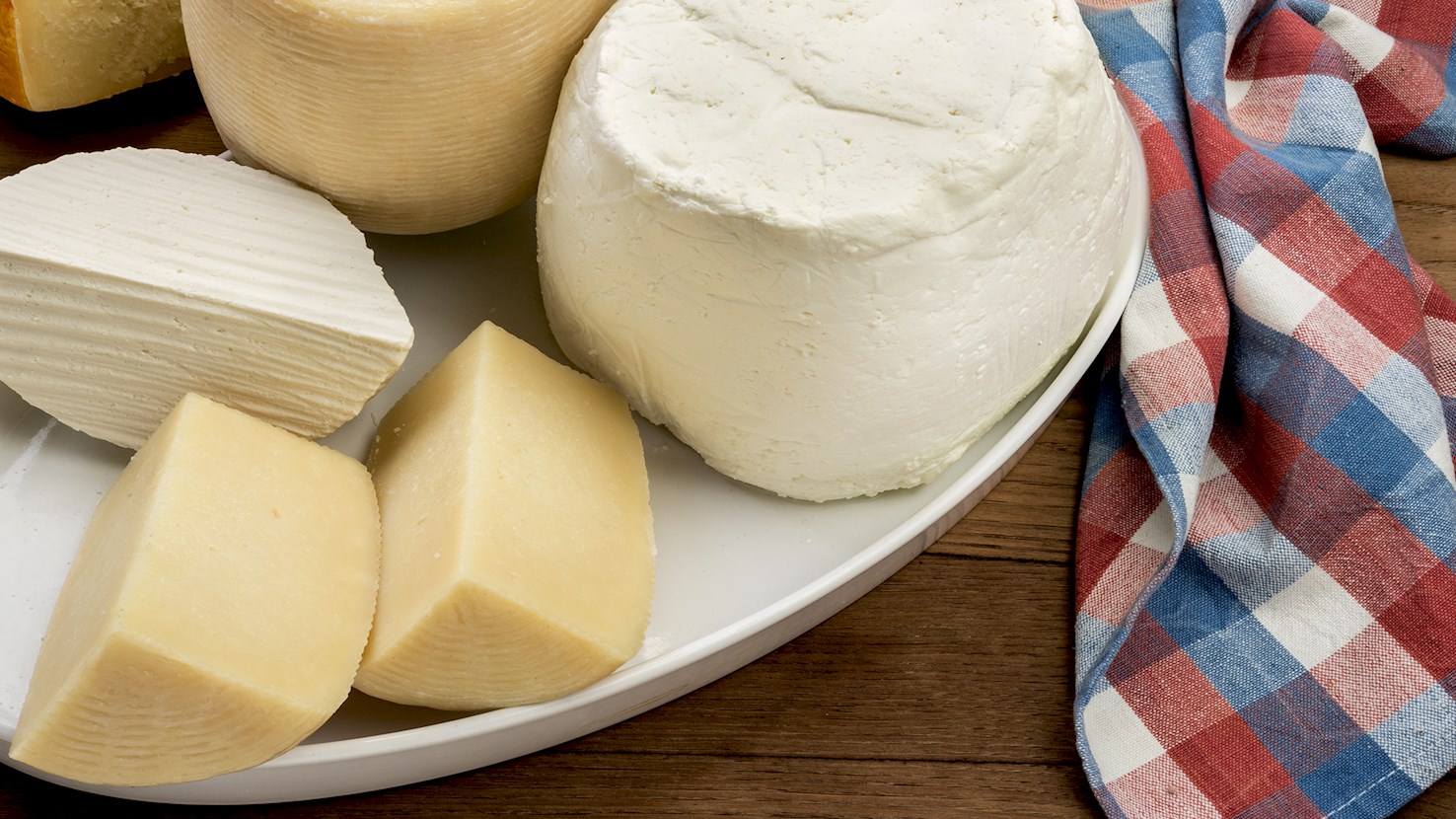
Ladotyri Mytilinis is a hard table cheese made from sheep's milk or sheep's and goat's milk, the amount of which should not exceed 30%. It is produced only on the island of Lesbos, in the Prefecture of Lesbos in the Northern Aegean Islands. It is made in special cylindrical moulds that provide the cheese with a characteristic shape. This pale yellow cheese is very salty and slightly spicy and exudes a distinctive fragrant aroma of sheep milk. After the maturation, the common practice is to preserve Ladotyri Mytilinis in olive oil or cover it with paraffin wax. In fact, Ladotyri even translates to 'the cheese preserved in oil'. This cheese is very famous in the area of its production, but in the whole of Greece, as well, although it is one of the rarest cheeses available on the market. It is usually enjoyed in various dishes and salads and paired with light, fruity wines.
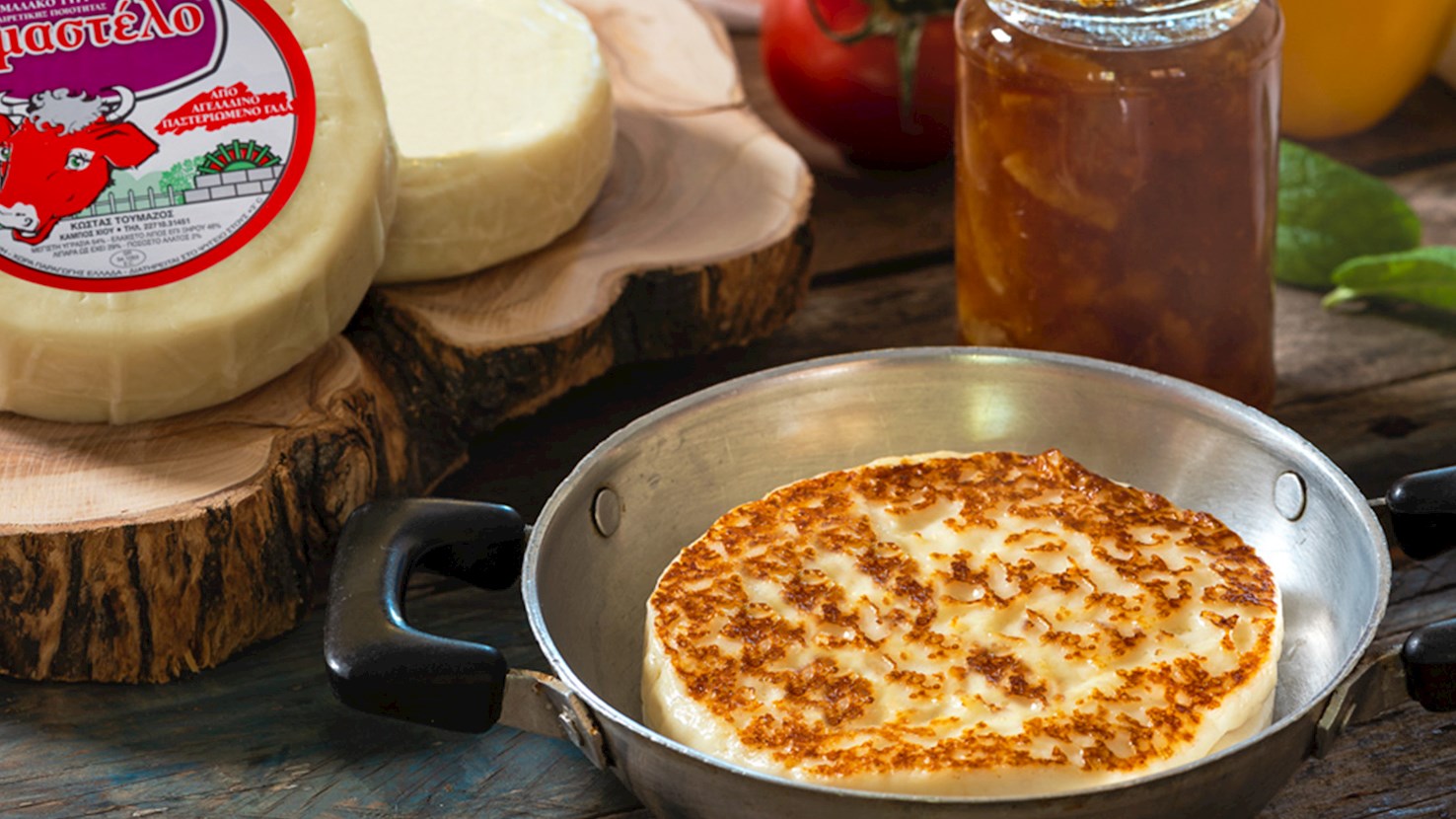
Mastelo refers to trademarked Greek cheeses produced exclusively in Chios. There are two types of Mastelo – one is made from Chian cow's milk, and the other one from goat's milk. The cow's milk version is white in color, with a milky aroma and a smooth texture. The flavors are slightly salty and milky. It has a high melting point, making it great for grilling. It's also especially suitable for saganaki fried cheese meze. The goat's milk variety is also white in color, with a soft and elastic texture and a salty flavor. It's often used instead of mozzarella in pizzas and pies, but it can also be used in sandwiches or as a stuffing in a variety of meat and vegetable dishes. It's recommended to pair it with Greek ouzo. The word mastelo denotes a wooden bucket that's used for the collection of milk.
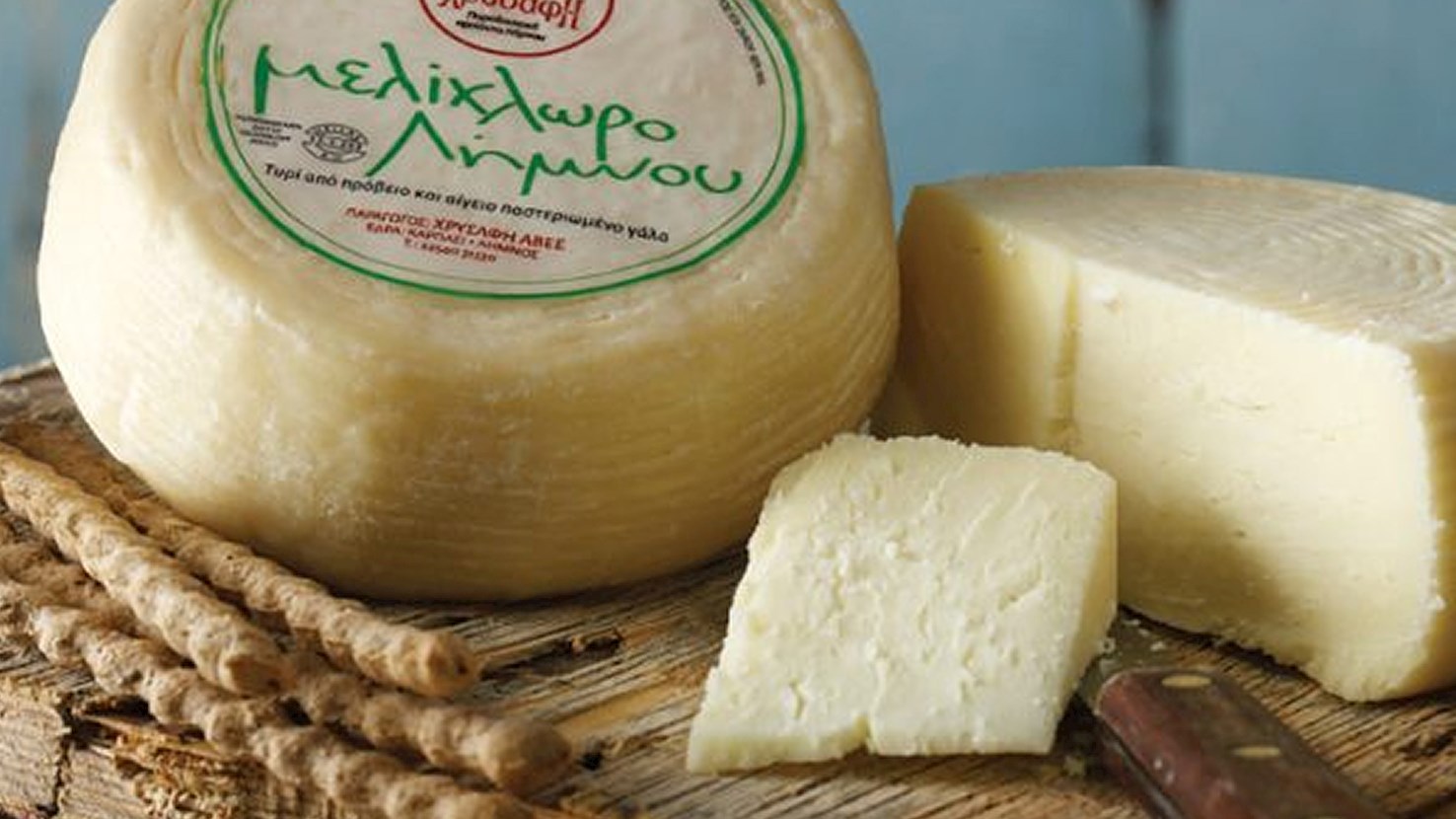
Melichloro is a traditional cheese produced on the island of Lemnos. The cheese is made from fresh sheep's and goat's milk. Its texture is hard, while the flavors are rich and complex, capturing the scent of herbs and wildflowers that grow on the island. Melichloro matures in dark and dry rooms, and it's drained at the end of spring, when humidity is as low as possible so that maximum drainage can be achieved. The result is a hard cheese that's ideal for grating over various dishes. It's recommended to serve Melichloro with thyme honey and walnut halves. Pair it with ouzo or tsipouro grape distillate.
Kathoura is a traditional cheese produced on the island of Ikaria by local farmers. The cheese is made mainly from fresh goat’s milk of local, free-range goats that graze on various wild aromatic herbs, plants, and bushes which are growing on the island’s mountains. According to the traditional method of production, the milk is cooked, mixed with salt, and it is then allowed to cool down slightly before it is combined with rennet. After separating the curd from the whey, the curd is strained through a thick cheesecloth until all the remaining whey has drained off. Kathoura is a white cheese that can be eaten fresh, right after it’s been drained, or it can be preserved in barrels or tins with brine after it’s been cut into thick slices and salted. Fresh kathoura is often compared to mozzarella due to its soft and spongy texture and mild aromas and flavors. A slightly spicy and salty flavor may also characterize some versions of the cheese, and as the cheese matures, it typically develops a more intense, savory-sour flavor and a harder texture. Also called kathouritsa (or small kathoura), the cheese is consumed daily either as an accompaniment to various local specialties, but it's also used as an ingredient in pies (kathouropita) or for stuffing vegetables. It is recommended to pair it with local figs, Icarian honey, and cured ham, serve it on slices of toast drizzled with honey on top, or enjoy it with a glass of local raki.
TasteAtlas food rankings are based on the ratings of the TasteAtlas audience, with a series of mechanisms that recognize real users and that ignore bot,
nationalist or local patriotic ratings, and give additional value to the ratings of users that the system recognizes as knowledgeable.
For the “Top 5 North Aegean Cheeses” list until June 10, 2026, 496 ratings were recorded, of which 177 were recognized by the system as legitimate.
TasteAtlas Rankings should not be seen as the final global conclusion about food. Their purpose is to promote excellent local foods,
instill pride in traditional dishes, and arouse curiosity about dishes you haven’t tried.