Top 5 Serbian Cheeses

Last updated on June 02, 2026

Best Serbian Cheeses
01

Kozji Sir - Gorski

4.1 ·
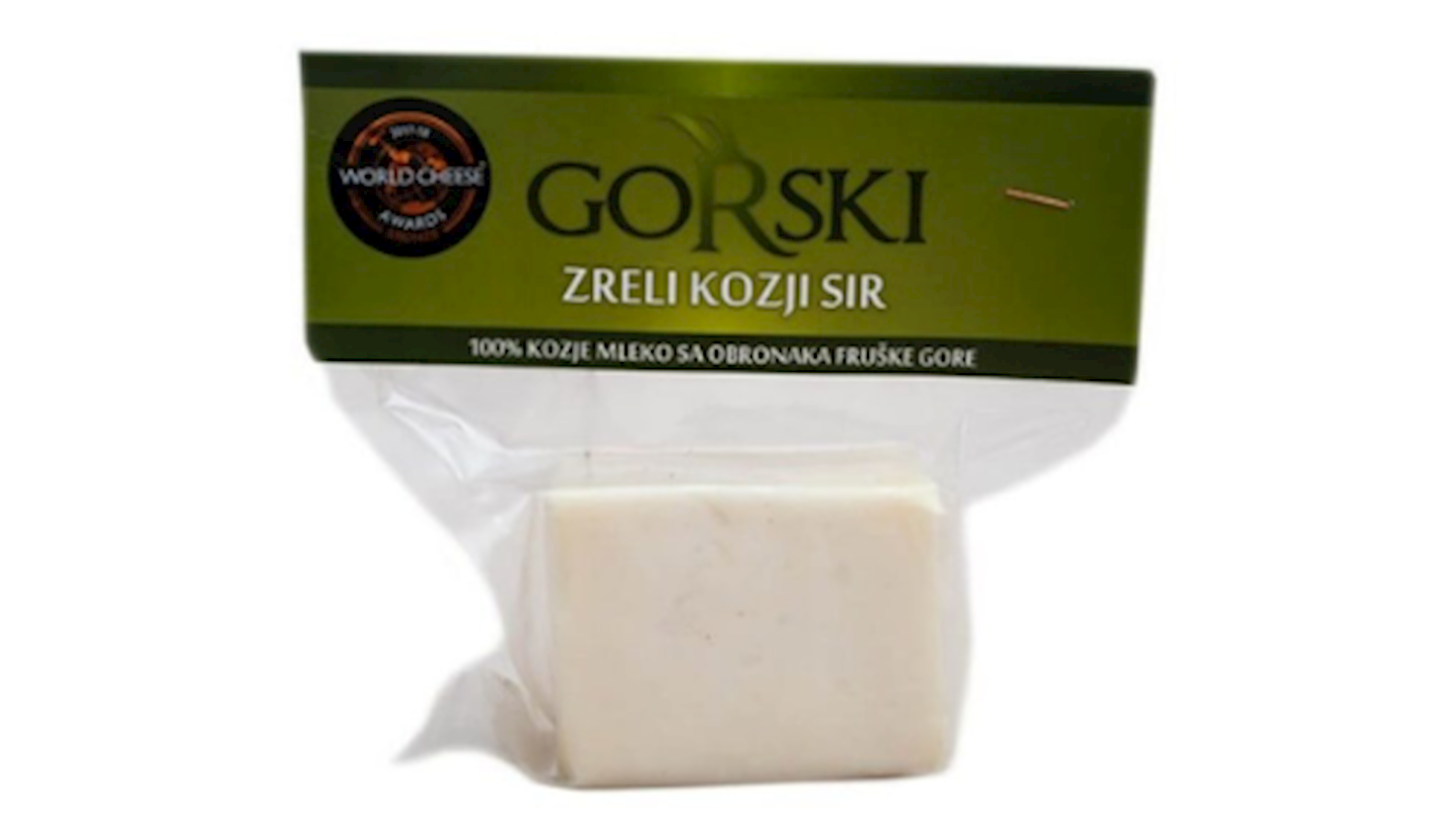
Kozji Sir - Gorski is a small family-run dairy located in the village of Jazak on the slopes of Fruška Gora, specializing exclusively in traditional goat-milk cheese. All products are made from 100% pure goat’s milk, without additives or preservatives, which gives the cheeses a clean, authentic character. The dairy operates according to modern hygiene standards and has been certified under ISO 22000 since 2019, ensuring full compliance with food safety requirements. Their assortment includes semi-hard and hard cheeses, both classic and those enriched with herbs such as rosemary, basil, oregano, wild garlic, as well as oak-aged variants and cheeses preserved in olive oil. One of their signature products is goat cheese in olive oil with herbs and olives, reflecting a creative combination of Mediterranean and local influences. Gorski Sir has earned recognition both locally and internationally, including awards at the World Cheese Awards in London, and its cheeses are distributed in major cities and used by restaurants and delicatessens that value authenticity and quality.
Awards
World Cheese Awards - Bronze (2018)

Best Serbian Cheese Types

01

Miročki sir

4.1 ·

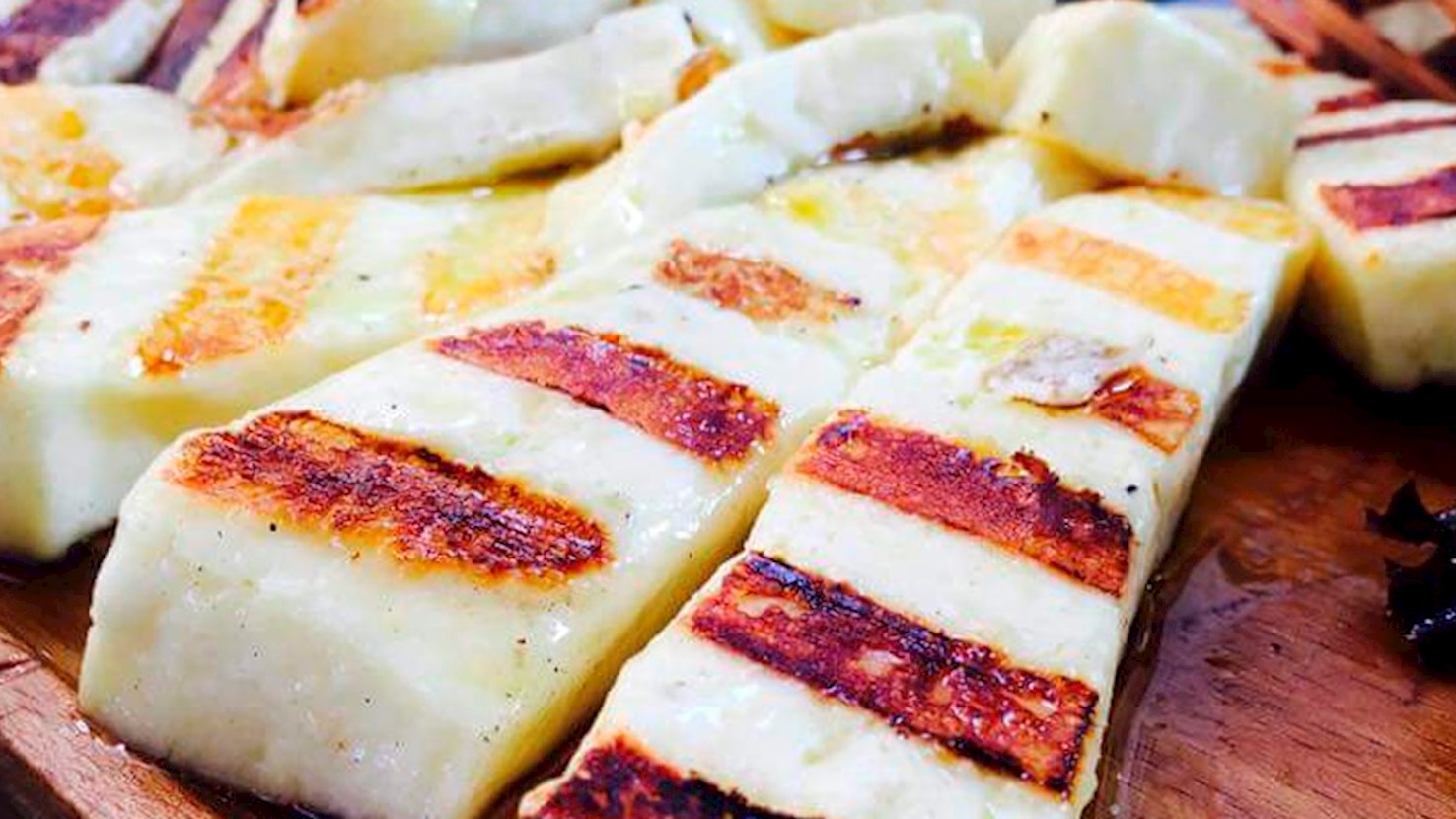
A close cousin to the popular halloumi, Miročki sir is a fresh, full-fat cheese made from cow's milk, although sheep's and goat's milk can also be added to the mixture. It has a semi-hard texture and a slightly sweet flavor. The cheese is shortly cooked in its own whey, and is then salted and left in brine for two days. In the past, fresh Miročki cheese has been treated as a delicacy and people used to put it on sticks and grill it over open flames. When grilled, the exterior becomes crunchy, while the interior remains soft, but not melted. Due to its fatty, intense flavor, it should be paired with cherry tomatoes, figs, pomegranate, honey, and slightly sweet, highly acidic white wines. For the best results, it is recommended to marinate the cheese in orange juice before grilling.

02

Zlatarski sir

3.9 ·

Zlatarski sir is a traditional cheese originating from the Zlatar mountain area. The cheese is made from raw cow's milk (or sometimes a mixture of cow's milk and sheep's milk). This rindless cheese has a semi-hard texture and it's usually cut into thick slices before consumption. The aroma is pleasant and floral, and the flavor is mild, slightly salty, and milky. The floral notes come from the milk because the cows graze on mountain pastures that have a unique and diverse flora. Zlatarski sir is usually left to age from 3 weeks for up to 2 months before consumption.

03

Sjenički sir

3.8 ·

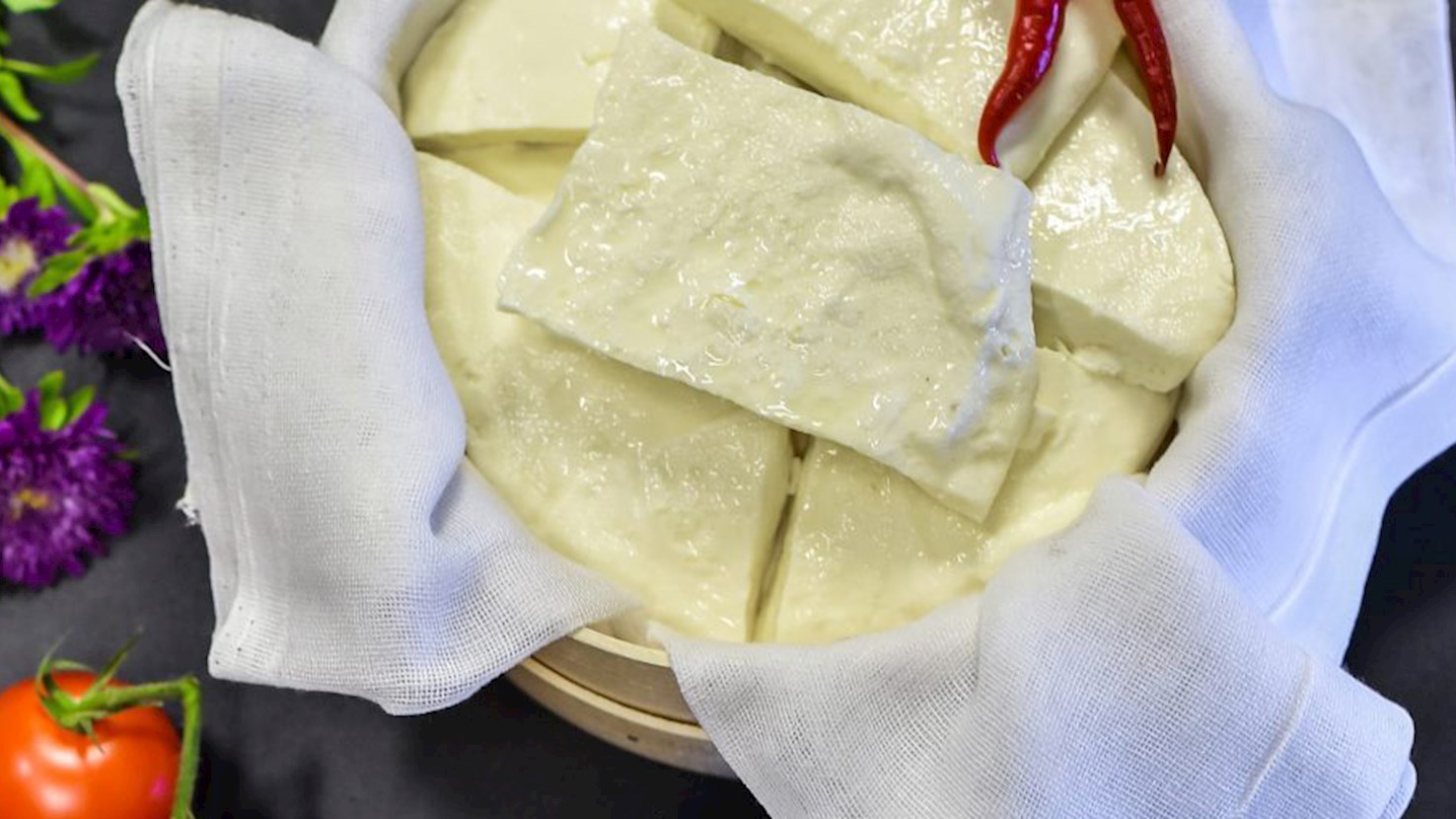
Sjenički sir is a soft, white, and brined cheese made with either sheep's or cow's milk produced in the Sjenica-Pester plateau in southwest Serbia. Even though there are two types of Sjenički sir, the production is the same whether speaking of sheep's milk cheese or cow's milk cheese. First, the raw fresh milk is mixed with rennet and left to curdle. Once the curd has formed, it is placed in cloths and weighed to separate the whey. Once the weighing, which takes 4 to 6 hours, is done, the curd is cut into slices and placed in, traditionally, a wooden barrel. The slices are arranged in layers, and a generous sprinkling of salt is applied to the bottom of the barrel and added between each layer of curd. Once stacked, the cheese is weighed with a hard object, either a stone or a wooden object, then left to ripen, while completely submerged in whey, anywhere from 20 to 60 days. Sjenički sir has been given the designation of geographic origin in Serbia and there's plans of including in on the list of UNESCO's Intangible Cultural Heritage. It is typically eaten as an appetizer, accompanied by cold cuts, but can be used in the preparation of various dishes as well.

04

Pirotski kačkavalj

3.8 ·

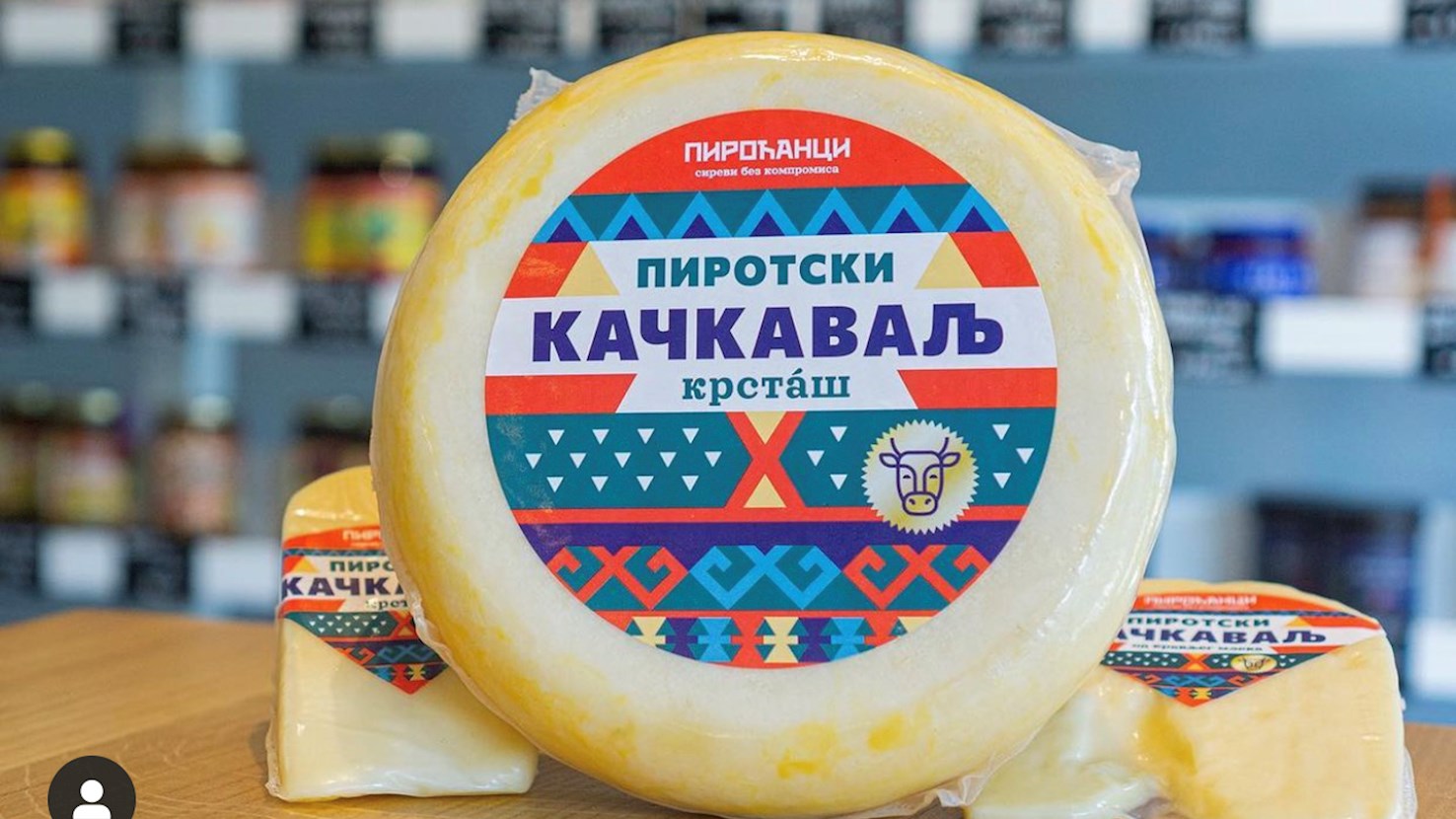
This Serbian spun cheese is one of the hallmark products of the entire Pirot region. It is a pleasantly tangy cheese characterized by its bright-yellow crust and smooth surface. The cheese was originally made from sheep milk since the area was well-known for the two indigenous breeds—pirotska pramenka and pirotska pramenka oplemenena—which freely grazed on the slopes of Stara Planina (Old Mountain). Following the changes in animal breeding, traditional cheese-making industry in Pirot has been slightly altered, and kačkavalj is nowadays produced from unpasteurized sheep's or cow's milk, or a combination of both. After milk processing and hand-stirring, the curd (baskija) is steamed in woven baskets. The cheese is then formed into a flattened-cylinder shape before it is left to ripen, preferably for three to six months. The entire production process is manually done by skillful cheese artisans who are trying to preserve traditional techniques that were originally passed down from the nomadic sheep breeders known as Crnovunci.

05

Pule

3.3 ·

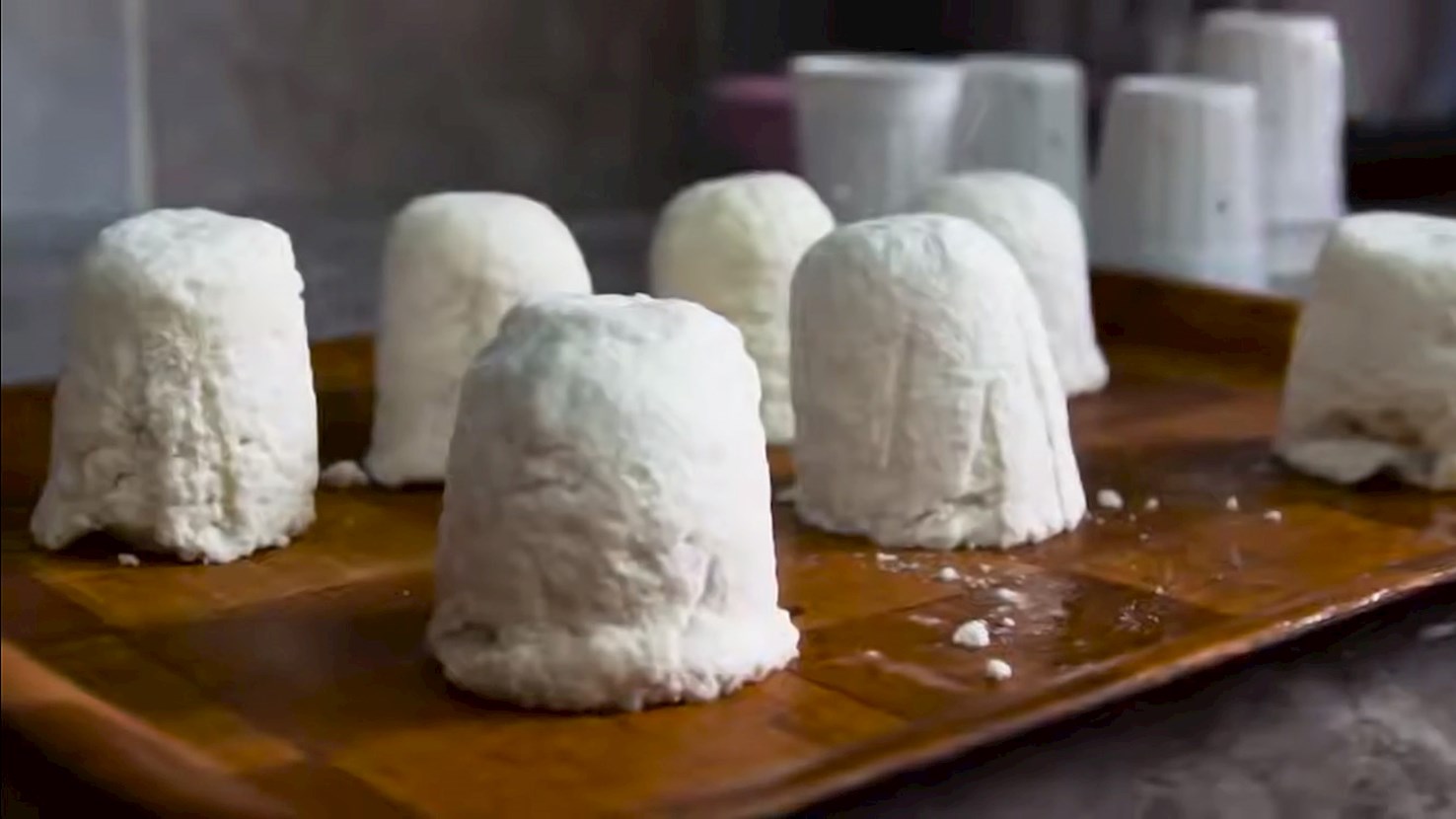
Pule is the world's most expensive cheese. Originating from Zasavica Nature Reserve in Serbia, the cheese is made with the milk coming from Balkan donkeys, making the product extremely unique and rare. It takes about 25 liters of donkey milk to produce just 1 kilogram of this crumbly white cheese, but a jenny (a female donkey) can only produce 0.2 liters of milk. Three times a day, these donkeys are milked by hand. The cheese has only 1% milk fat, and it also has anti-allergenic properties. It is usually sold at 1000 Euros per kilo, but Pule can even reach the price of 3, 4, or 5 thousand Euros per kilo.

Read more
View all
View map
About this ranking

TasteAtlas food rankings are based on the ratings of the TasteAtlas audience, with a series of mechanisms that recognize real users and that ignore bot, nationalist or local patriotic ratings, and give additional value to the ratings of users that the system recognizes as knowledgeable. For the “Top 5 Serbian Cheeses” list until June 02, 2026, 219 ratings were recorded, of which 90 were recognized by the system as legitimate. TasteAtlas Rankings should not be seen as the final global conclusion about food. Their purpose is to promote excellent local foods, instill pride in traditional dishes, and arouse curiosity about dishes you haven’t tried.

The initial list of top producers was compiled based on available reviews, awards, local recommendations, media and blog coverage, and consumer reviews. The list will be updated with ratings from TasteAtlas local ambassadors and TasteAtlas users.

Similar lists