M.B

Top 7 Slovenian Cheeses

Last updated on June 02, 2026

Best Slovenian Cheeses
02

Sirarna Pr'Prangarčk

4.3 ·
Sirarna Pr' Prangarčk is a family-owned dairy located in Brod, near Bohinjska Bistrica in Slovenia. It is well known for producing high-quality, traditional dairy products, including various types of cheese, butter, yogurt, and other dairy delicacies. Their products carry the "Izbrana kakovost Slovenije – kmečki" certification, guaranteeing their quality and authentic origin. In addition to dairy products, Sirarna Pr' Prangarčk also offers handcrafted artisan items, such as gift bags with hand-embroidered motifs and hand-embroidered tablecloths with crocheted lace.
03

Gartner Pr Odolneku

4.3 ·
Since 1999, the Gartner family has been dedicated to producing authentic Bohinj dairy products. They have established a small dairy facility where they process their home-produced milk into various specialties. These products are crafted with love and adhere to traditional methods, ensuring an authentic taste of the Bohinj region. During the summer months, the Gartner family resides on Planina v Lazu in the Bohinj Mountains, where they continue their cheese-making traditions. Visitors are welcome to hike to their mountain cottage, approximately a 1.5-hour walk from Planina Blato, to experience authentic alpine life and sample homemade products.

Best Slovenian Cheese Types

01

Bovški Sir

3.6 ·

Classified as a semi-hard cheese, Bovški sir is primarily made from sheep milk, the content of which shouldn't be less than 80%. As suggested by its name, this cheese comes from Bovec, a town, and municipality located in the Goriška region. Today, Bovški sir is produced only around the Valley of Loška Koritnica, Krnica, and on the Mangart mountain; the only areas in the Slovenian Alps where sheep farming is intended exclusively for milk production and cheese-making, and the home of Slovenia's native Bovška ovca, a breed of domestic sheep originating from the upper Soča valley. Bovec cheese comes in wheels weighing between 2.5 and 4.5 kilos. Its inside is quite dense, brittle but not crumbly, breaking cleanly and it is beige in color, with small, evenly distributed eyes and occasional cracks. The rind is firm, smooth and even, varying from beige to grey-brown. This Slovenian variety of sheep cheese is characterized by a distinctive and intense aroma with a slightly piquant taste.

02

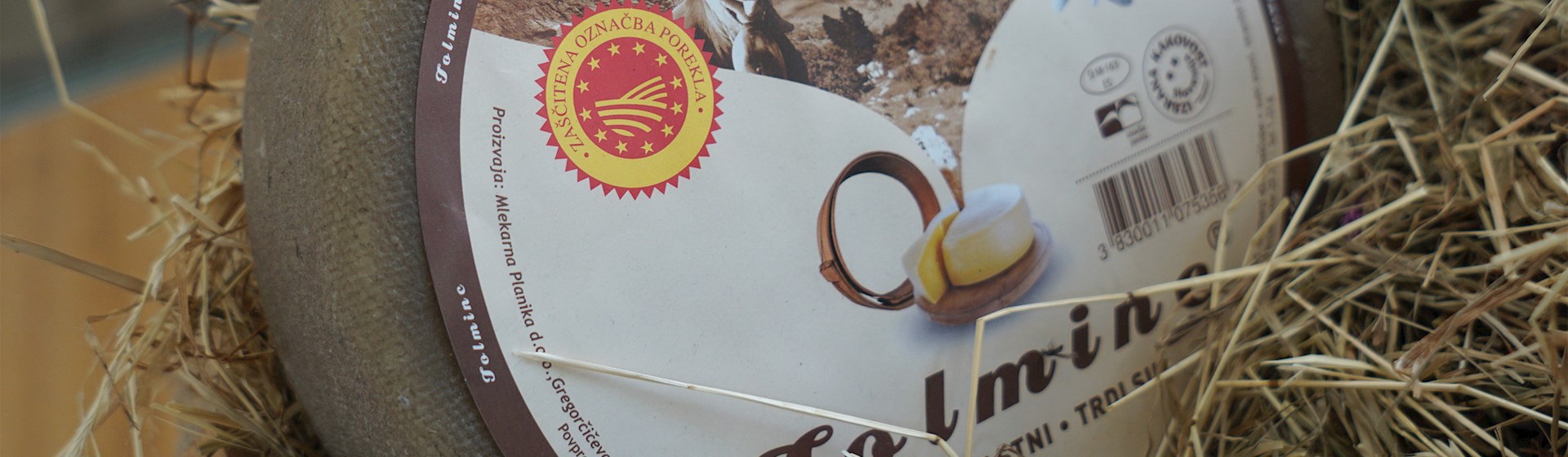
Tolminc

3.5 ·

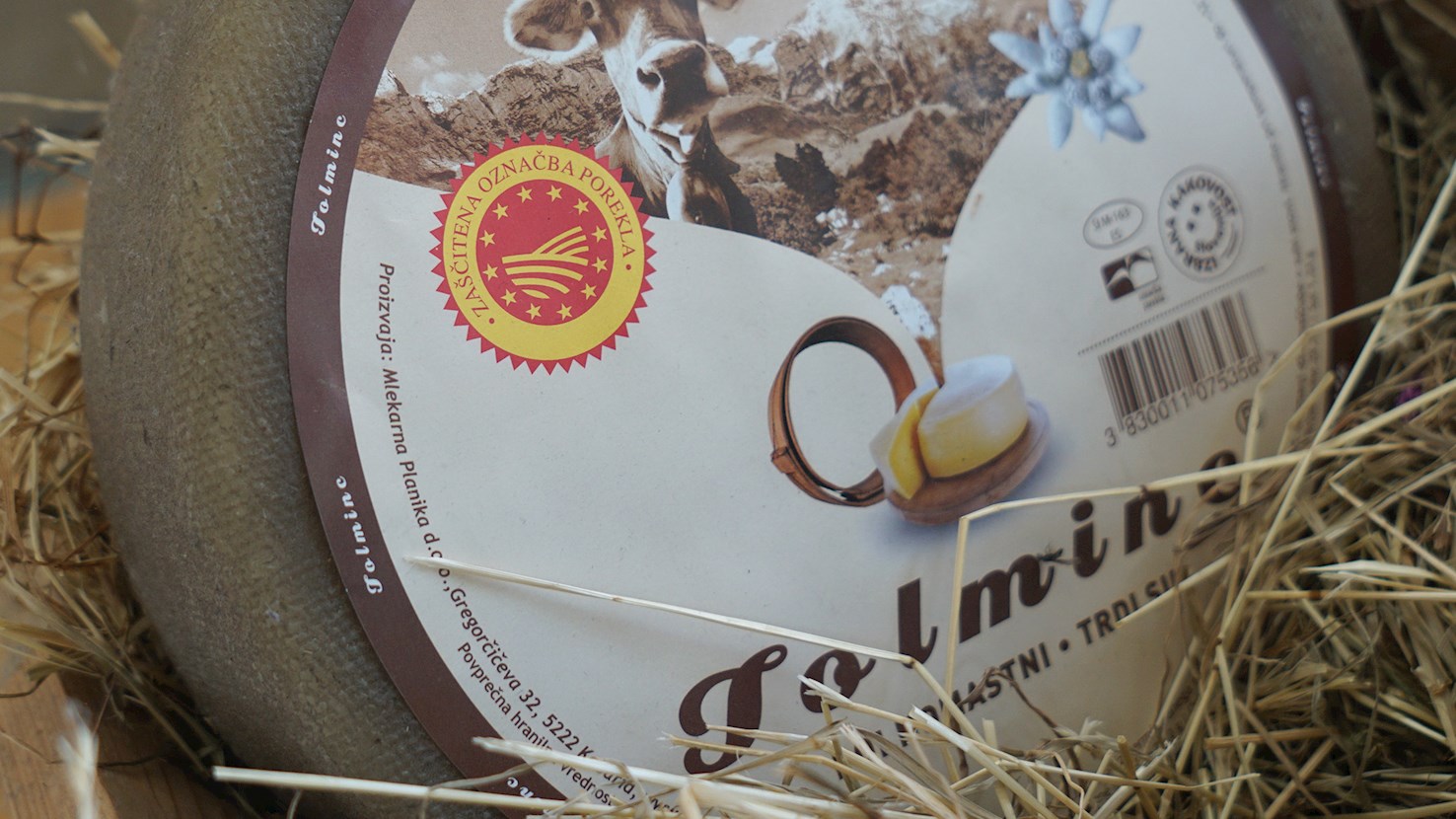
Known among locals as the 'King of Mountain Heaven', this Slovenian semi-hard cheese originates from the Goriška region, and is produced exclusively in the municipalities of Tolmin, Kobarid, and Bovec. It is made from whole or partly skimmed raw milk obtained only from cows pastured in the defined geographical area. At least 80% of the milk used for producing Tolminc cheese comes from a brown piebald cow breed called Cika, a smaller and lighter variety of Pinzgauer cattle, highly adapted to pasturing in mountains and highlands, and indigenous to the Upper Soča Valley where Tolminc is produced. Matured for at least 2 months, this cheese is packed in wheels weighing between 3.5 and 5 kilos. Awarded various prizes for excellence many years in a row, Tolminc can be described as a cheese of a pronounced earthy aroma and a sweet to slightly spicy flavor. For a nice twist, try pairing Tolminc cow cheese with homebaked bread smeared with some apple jam.

03

Nanoški Sir

n/a ·

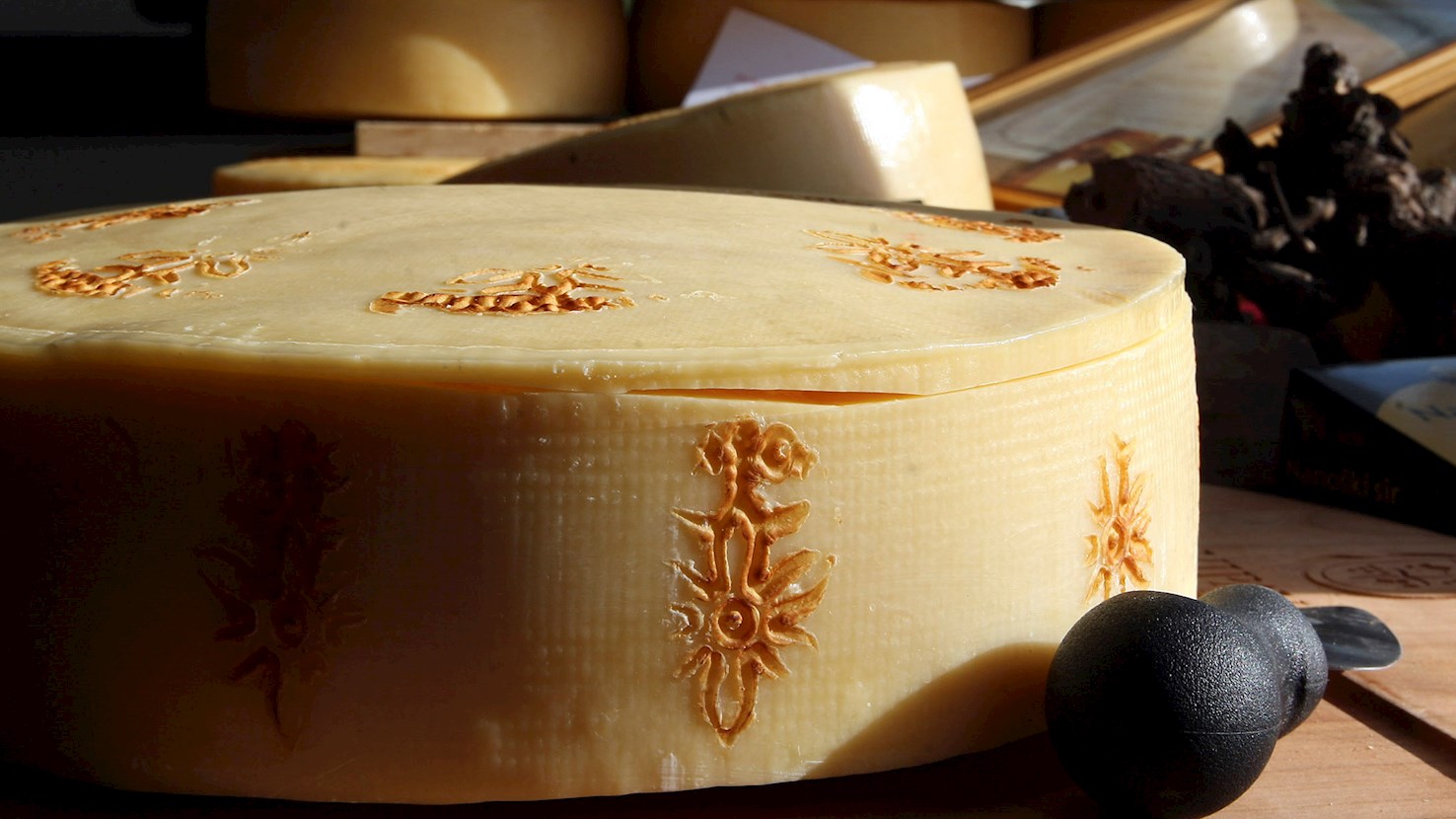
Known as the 'Slovenian cheese that tastes like the wind', Nanoški sir is a type of hard cheese made of cow milk from the animals pastured on slopes of the Nanos mountain. It takes about two months for the Nanos cheese to ripen, after which it acquires its pleasantly salty to slightly spicy taste, and quite an intense scent. As the cheese ages, its aroma and piquant flavor become even stronger. Easily distinguished by its peach colored rind, Nanos cheese comes in wheels weighing from 8 to 11 kilos. Also, the milk used for the production of Nanoški sir has to be obtained exclusively from Brown Swiss cows, which are pastured within the designated area of Nanos, Vipava Valley and the Karst plateau. While the unique flora of the region makes a significant difference when it comes to milk quality, the climate conditions together with strong Bora winds have a major influence on the maturing process and cheese quality.

04

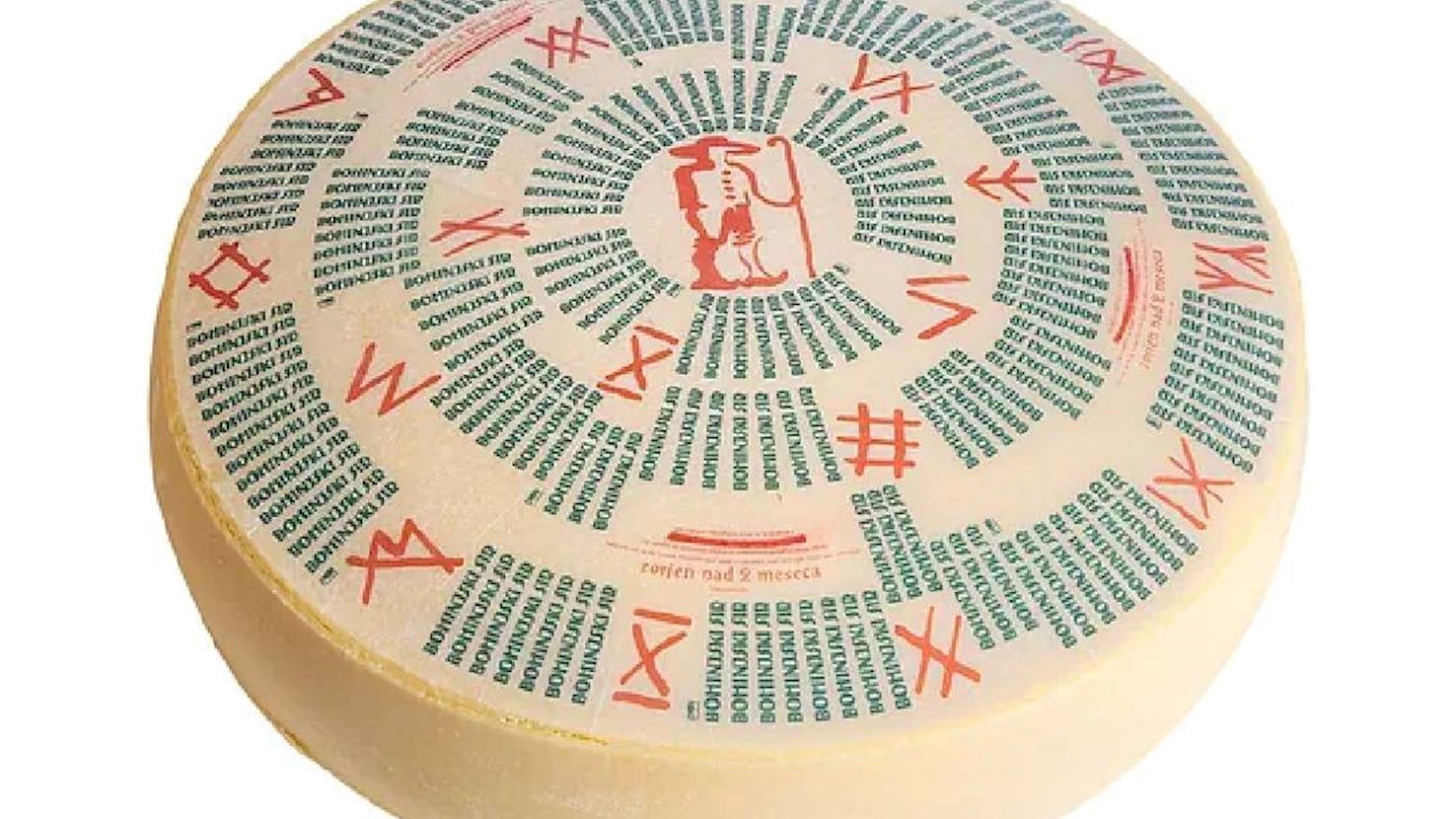
Bohinjski sir

n/a ·

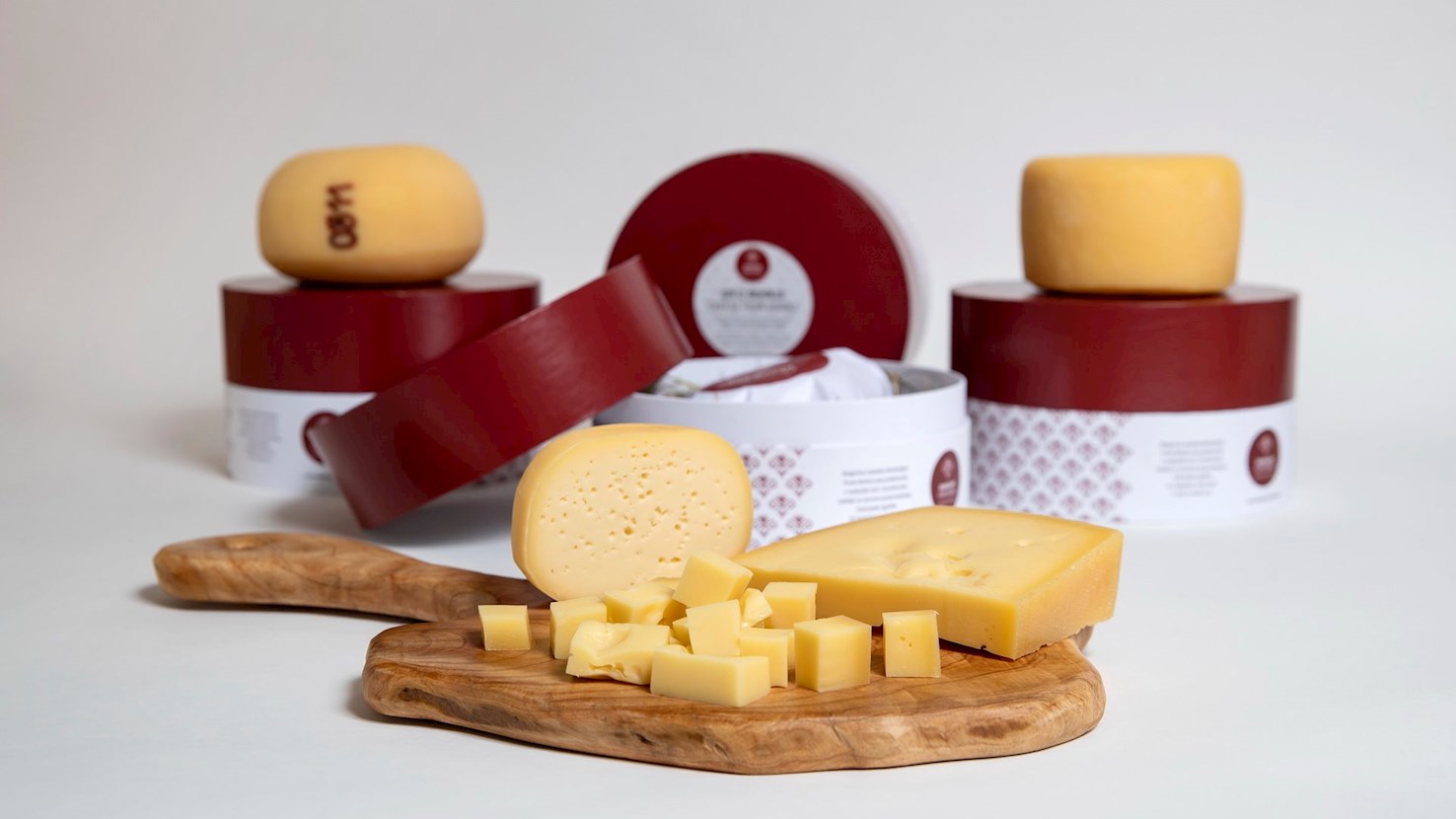
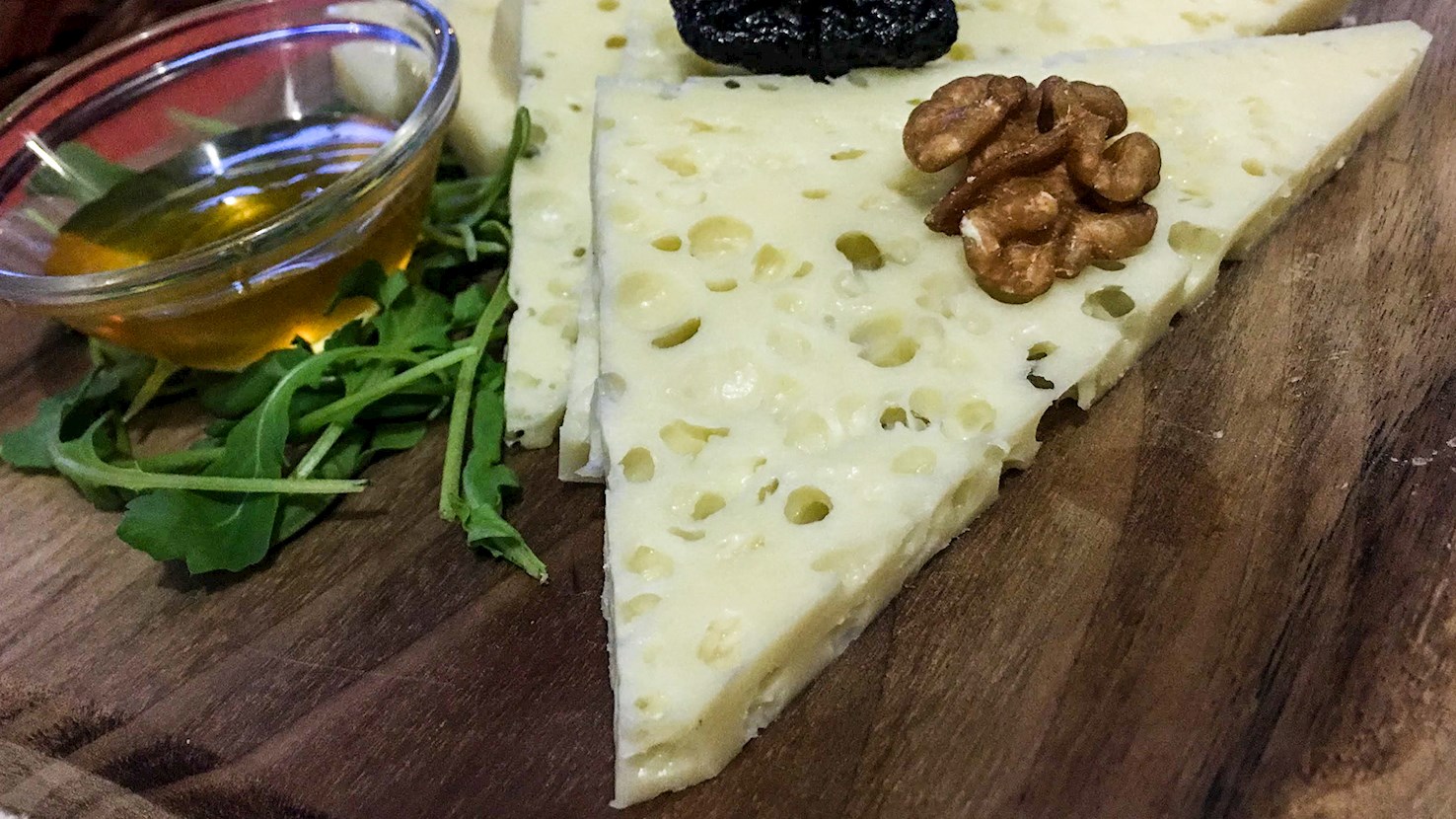
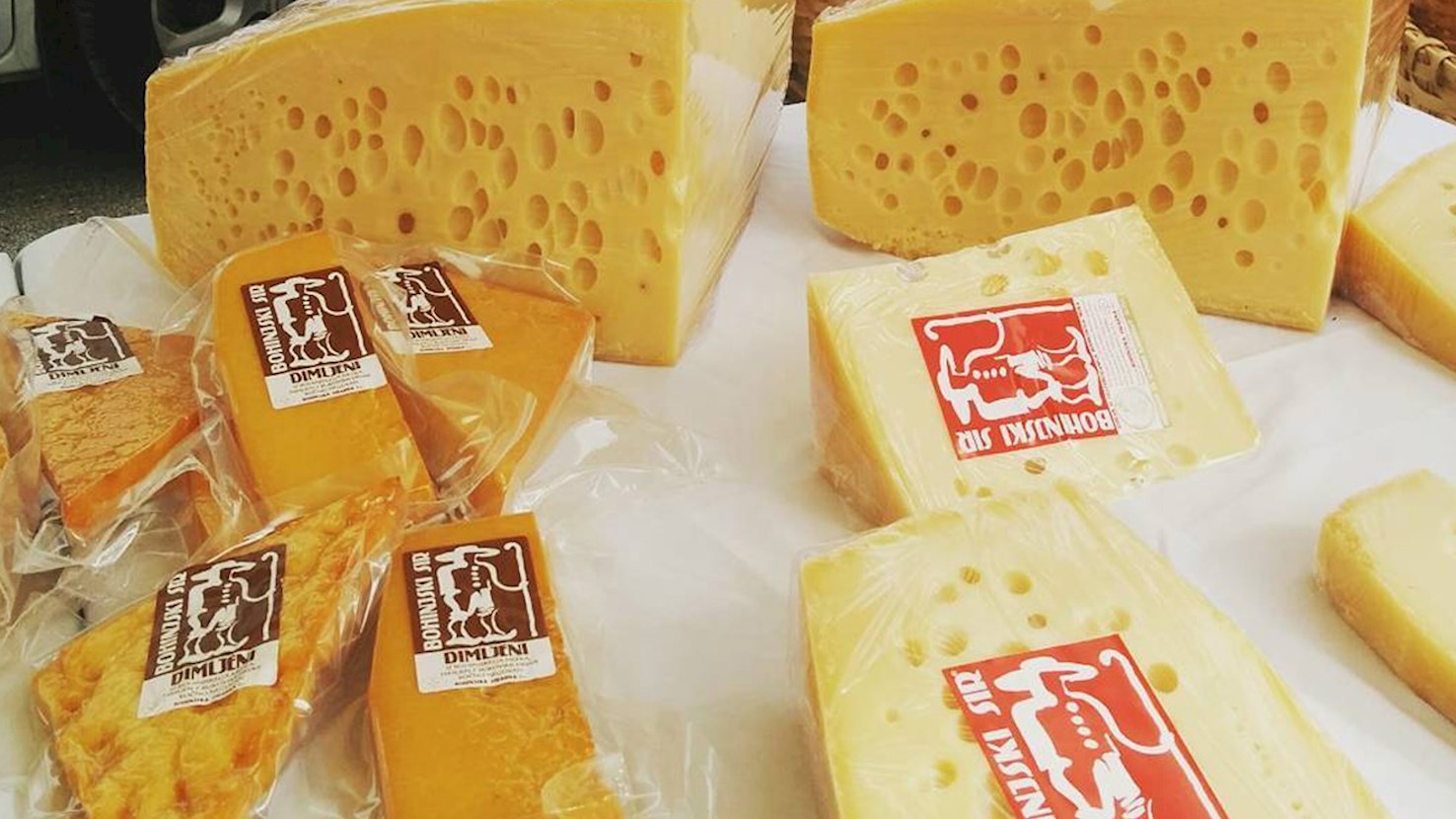
Bohinjski sir is a Slovenian emmentaler-style cheese originating from the Bohinj region. The cheese was first made in 1873 when a cheesemaker from Switzerland started to educate local shepherds about Swiss cheese production. Bohinjski sir is made from raw or thermized cow's milk. Underneath its firm and dry natural rind, the texture is hard and open with many large eyes dispersed throughout the body. The flavors are aromatic, mild, and nutty, but with prolonged maturation the cheese becomes even more aromatic and slightly piquant. In the past, the first stage of ripening was done on highland farms, and the cheese was then brought to valley dairies for prolonged ripening at higher temperatures, while the final stage of maturation was done in a cold place once again for further flavor development.

05

Mohant

n/a ·

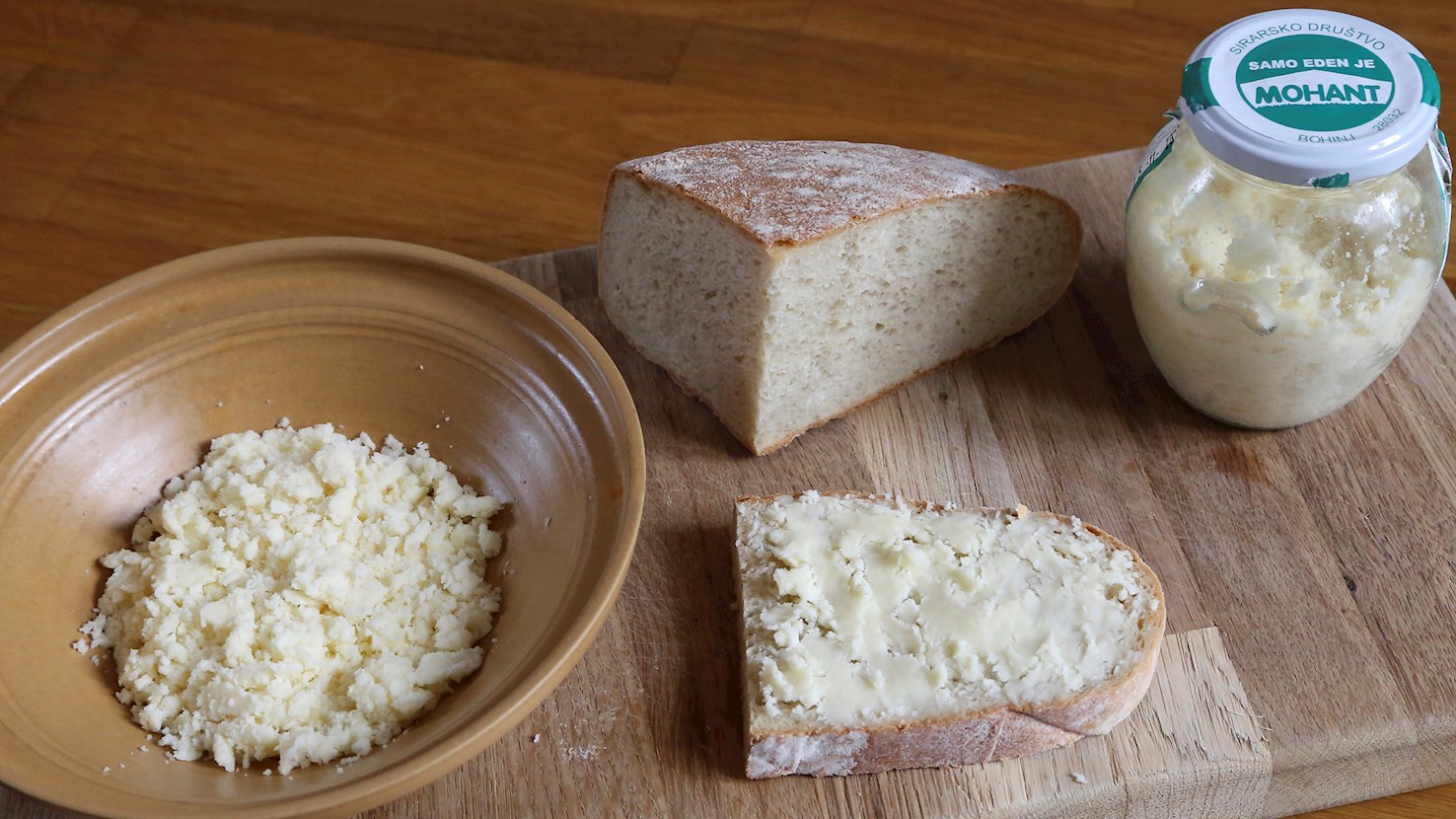
Classified as a semi-soft cheese of a white to pale yellowish or buttery beige color, Mohant is made from raw cow's milk. It's famous for a savory and quite tangy taste, slightly bitter, and a strong musty aroma, which makes it distinguishable from other cheeses produced across the country. The traditional method of producing Mohant in two phases, together with a specific process of ripening, has a great influence on its final flavor and lumpy texture. In summer, when the cheese naturally ripens faster and it takes only about six weeks to mature, Mohant is made from full-fat milk, while in winter skimmed milk is used instead, and it can take up to three months to ripen. This Slovenian cheese variety is traditionally made in the historical Goriška region of northwestern Slovenia, namely on farms and villages around the Bohinj basin in the Julian Alps. On the outskirts of Triglav National Park, Mohant is often enjoyed as a side to various dishes, but it's more commonly eaten with a spoon, served with boiled unskinned potatoes.

06

Solčavski sirnek

n/a ·

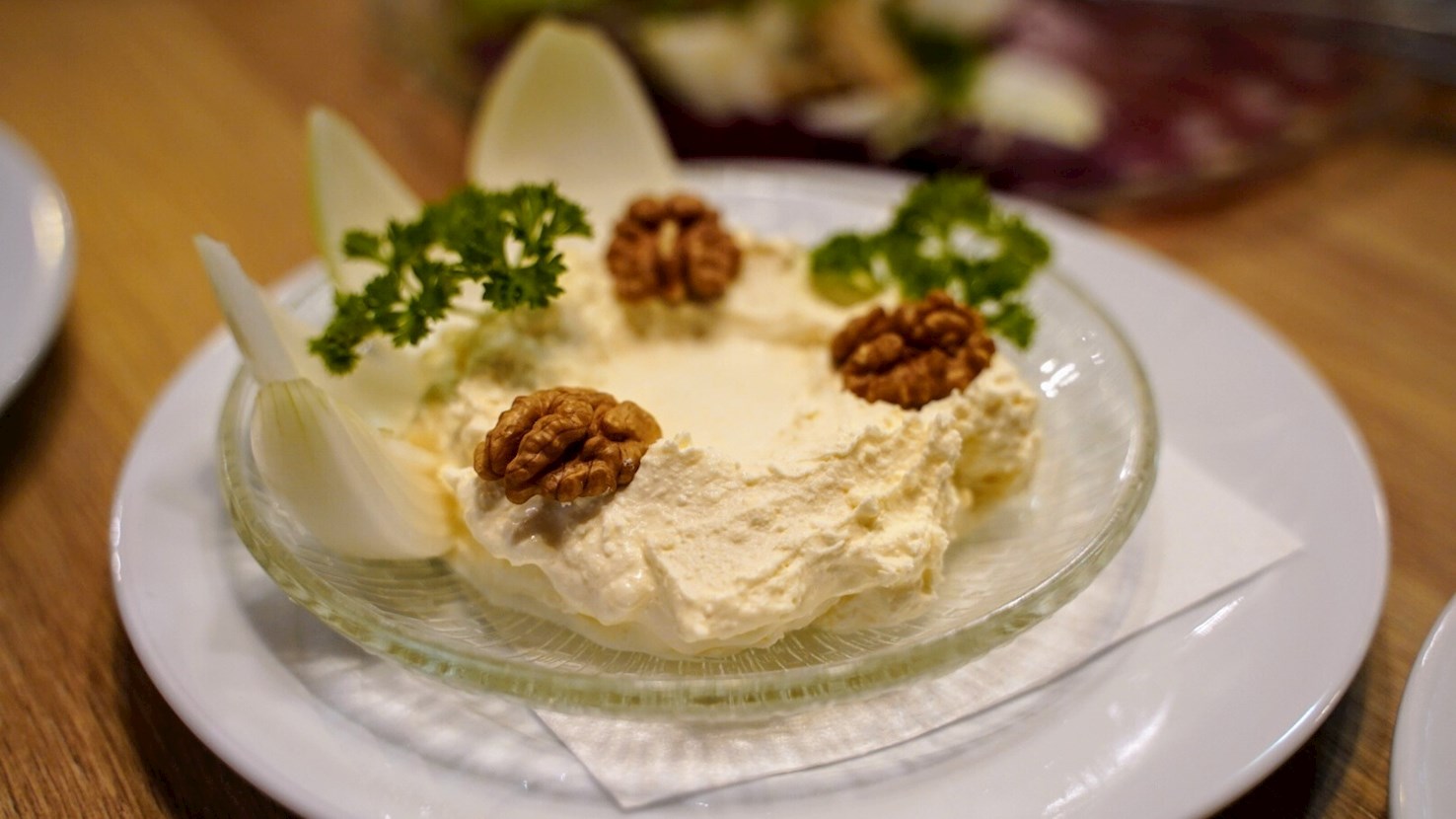
Solčavski sirnek is a traditional aged cheese originating from Solčava and the Upper Savinja valley. This mature and lightly salted cottage cheese is mixed with cumin and fresh cream before serving. The fresh curds made from skimmed milk are salted, mixed with cumin, and placed in a clean container. The curd is squeezed and covered with a clean cloth before it's left to mature for 14 to 21 days. Sometimes, the cheese is aged for up to 2 months or more. During the maturation process, solčavski sirnek is occasionally stirred and mixed with small amounts of fresh curd cheese. If properly matured, the cheese should be firm and not greasy, while the flavor should be slightly spicy. It's recommended to serve the cheese with cold cuts, apples, brown bread, honey, and plum conserves. A creamy soup called sirnica is also made from this cheese.

07

Trnič

n/a ·

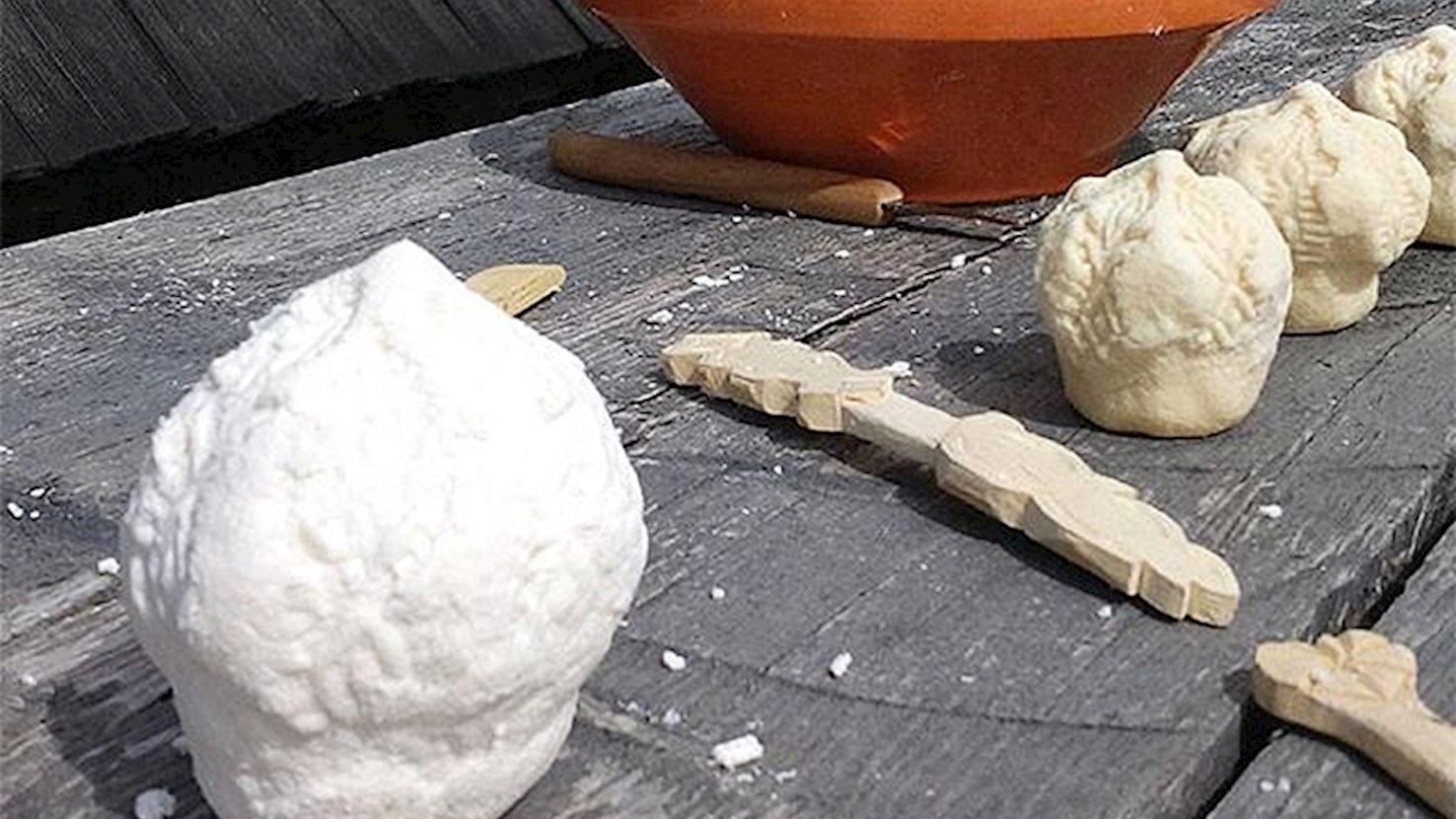
Trnič is a traditional cheese hailing from the Kamnik Alps. Initially, the herdsmen who were spending their summers in the mountains started making the cheese while longing for their loved ones down in the valley. This pear-shaped cheese also resembles a breast, and it's made from cow's milk, cream, and salt. The cheese is decorated with imprints, and it was traditionally presented in pairs – one for the herdsmen, and the other one for their love interest. After the cheese has been dried and stamped, it's smoked over an open fire. When young, it is delicate and mild in flavor, becoming sharper as it ages. This small cheese has a long shelf life, and it's recommended to grate it over risotto, pasta, soups, and salads.

Read more
View all
View map
About this ranking

TasteAtlas food rankings are based on the ratings of the TasteAtlas audience, with a series of mechanisms that recognize real users and that ignore bot, nationalist or local patriotic ratings, and give additional value to the ratings of users that the system recognizes as knowledgeable. For the “Top 7 Slovenian Cheeses” list until June 02, 2026, 60 ratings were recorded, of which 25 were recognized by the system as legitimate. TasteAtlas Rankings should not be seen as the final global conclusion about food. Their purpose is to promote excellent local foods, instill pride in traditional dishes, and arouse curiosity about dishes you haven’t tried.

The initial list of top producers was compiled based on available reviews, awards, local recommendations, media and blog coverage, and consumer reviews. The list will be updated with ratings from TasteAtlas local ambassadors and TasteAtlas users.

Similar lists