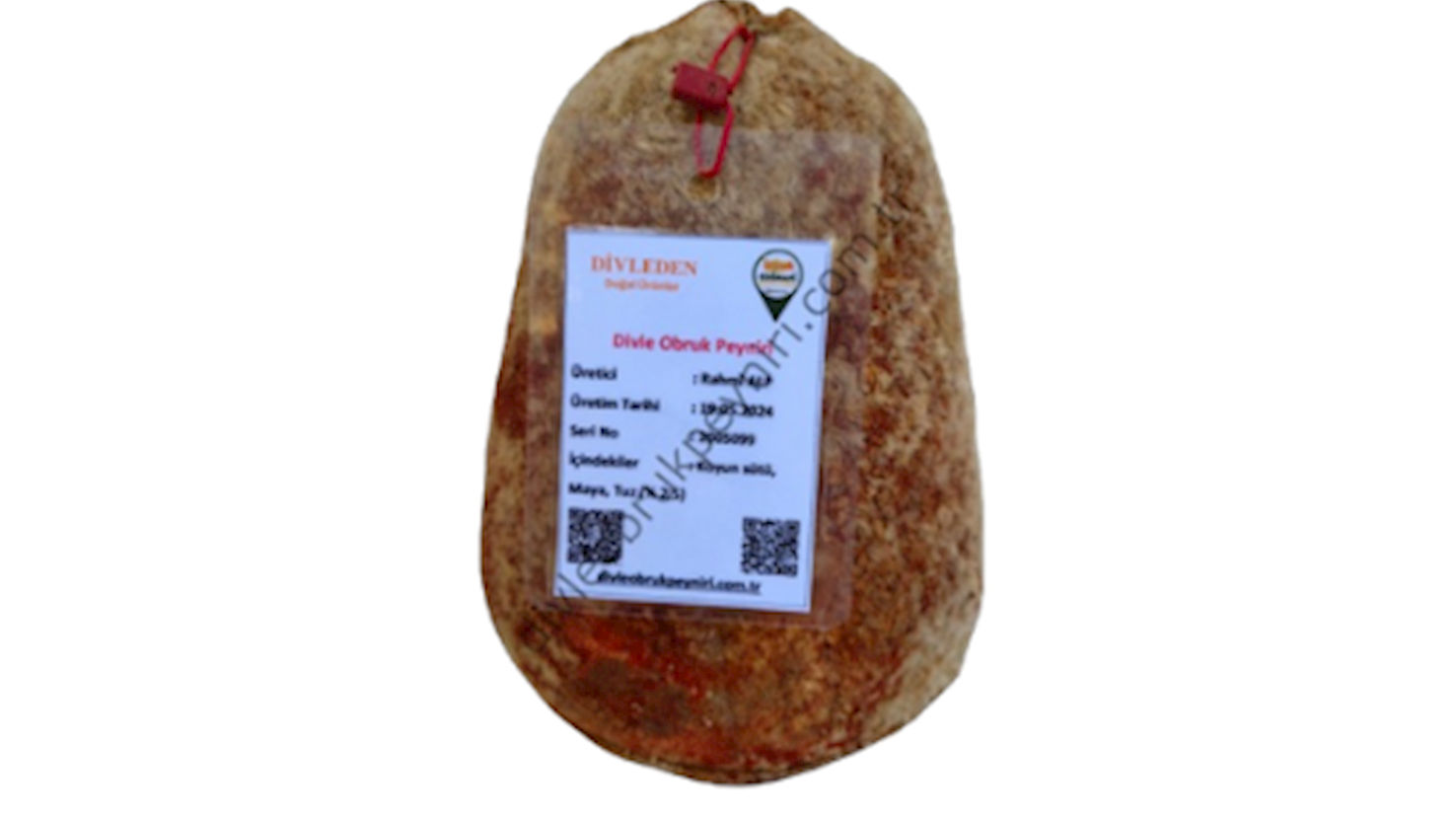
Divle Obruk Peyniri represents a small group of local producers from the village of Divle and the surrounding areas in Karaman, all of whom preserve the traditional method of making the namesake cheese and pass it down through generations. The production is artisanal and decentralized, yet unified by a strict geographic identity, the specific qualities of local sheep and goat milk, and the unique maturation conditions inside the natural obruk cave.
The brand is defined by authenticity, limited seasonal output, and a strong sense of terroir, as only cheese aged in this particular cave can bear the name Divle Obruk Peyniri. Producers follow shared standards: the use of raw milk, traditional leather tulums, and several months of cave aging, during which the cheese develops its distinctive red rind and powerful aroma shaped by the cave’s unique microbiological environment.
Despite its small-scale production, the brand holds a cult status in Türkiye and is increasingly recognized by international gourmet enthusiasts for its rarity, intense flavor, and a crafting technique found almost nowhere else.
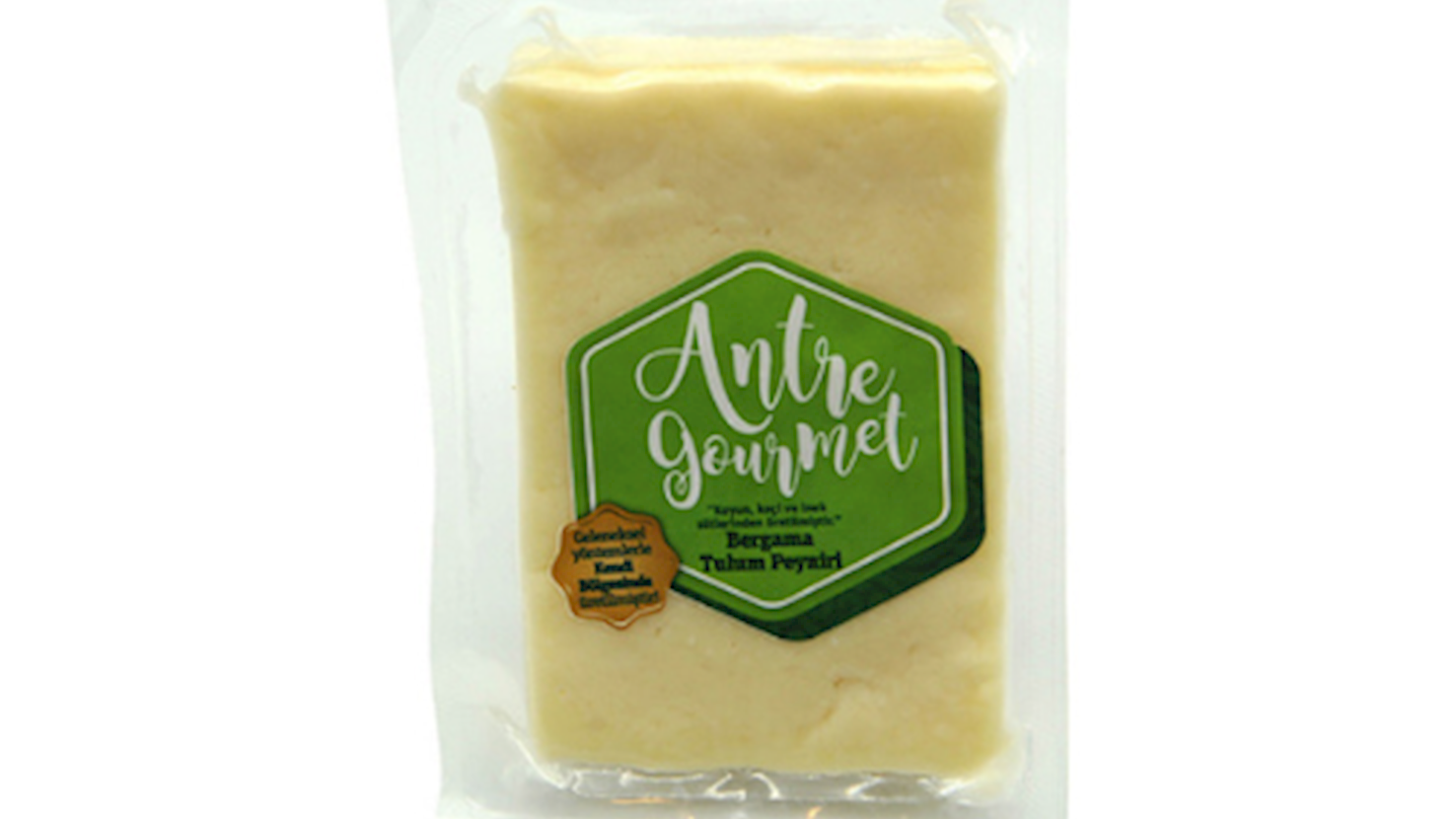
Antre Gourmet specializes in offering high-quality gourmet products, focusing on premium Turkish delicacies. The company provides a variety of fine foods, including cheeses, olives, and jams, carefully sourced and selected for their exceptional taste and freshness.
Known for a commitment to excellence, Antre Gourmet ensures that each product meets stringent quality standards. Their range caters to discerning customers who appreciate authentic flavors.
The company offers both traditional and modern food options, making them suitable for diverse culinary needs.
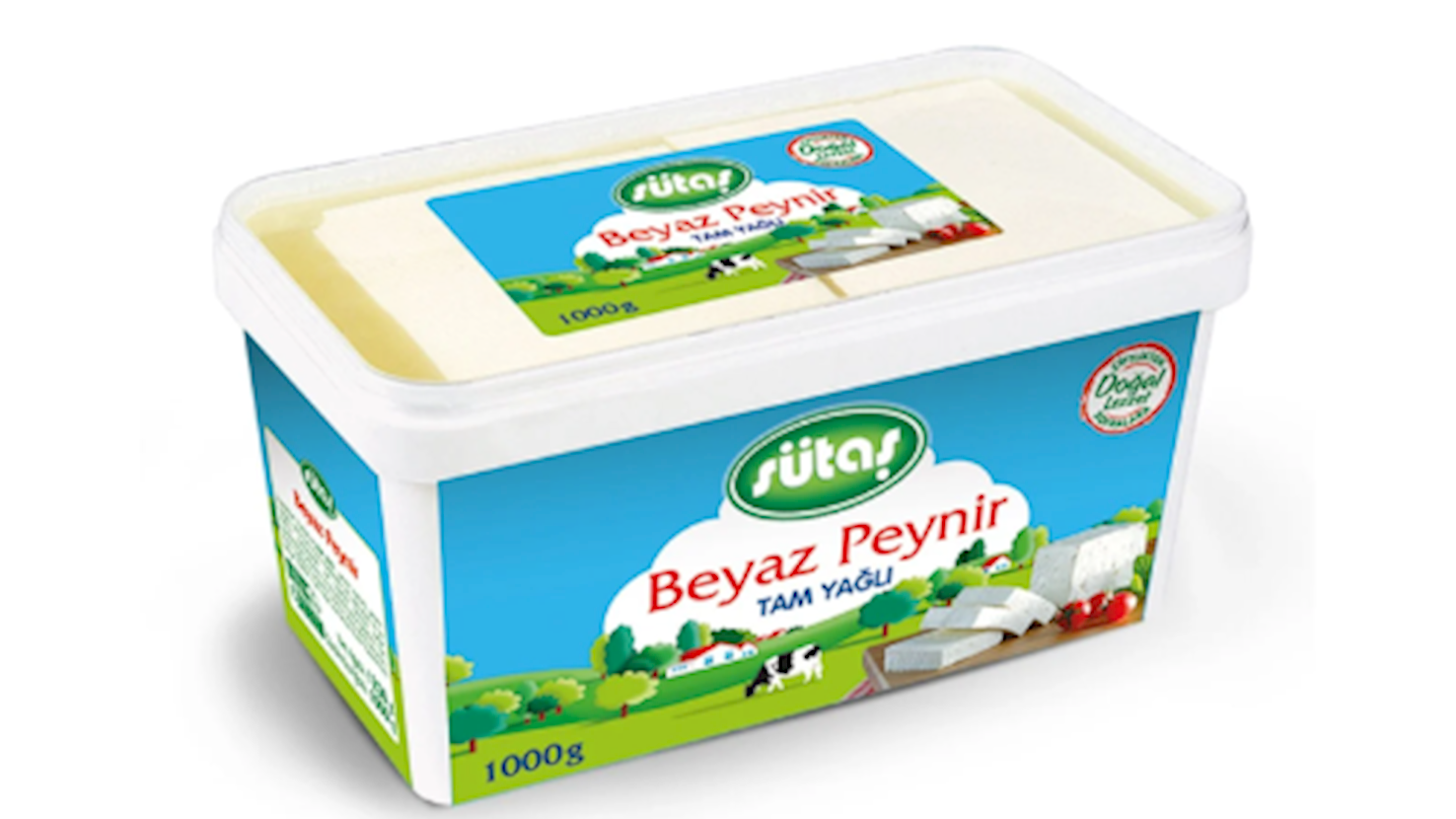
Sütaş is a leading Turkish dairy producer known for its high-quality milk and dairy products. With a focus on sustainability, innovation, and food safety, Sütaş offers a wide range of products, including milk, cheese, yogurt, and butter.
The company uses advanced technology while maintaining traditional values, ensuring freshness and taste. Sütaş has established itself as a trusted brand in Turkish households, providing wholesome and nutritious dairy options.
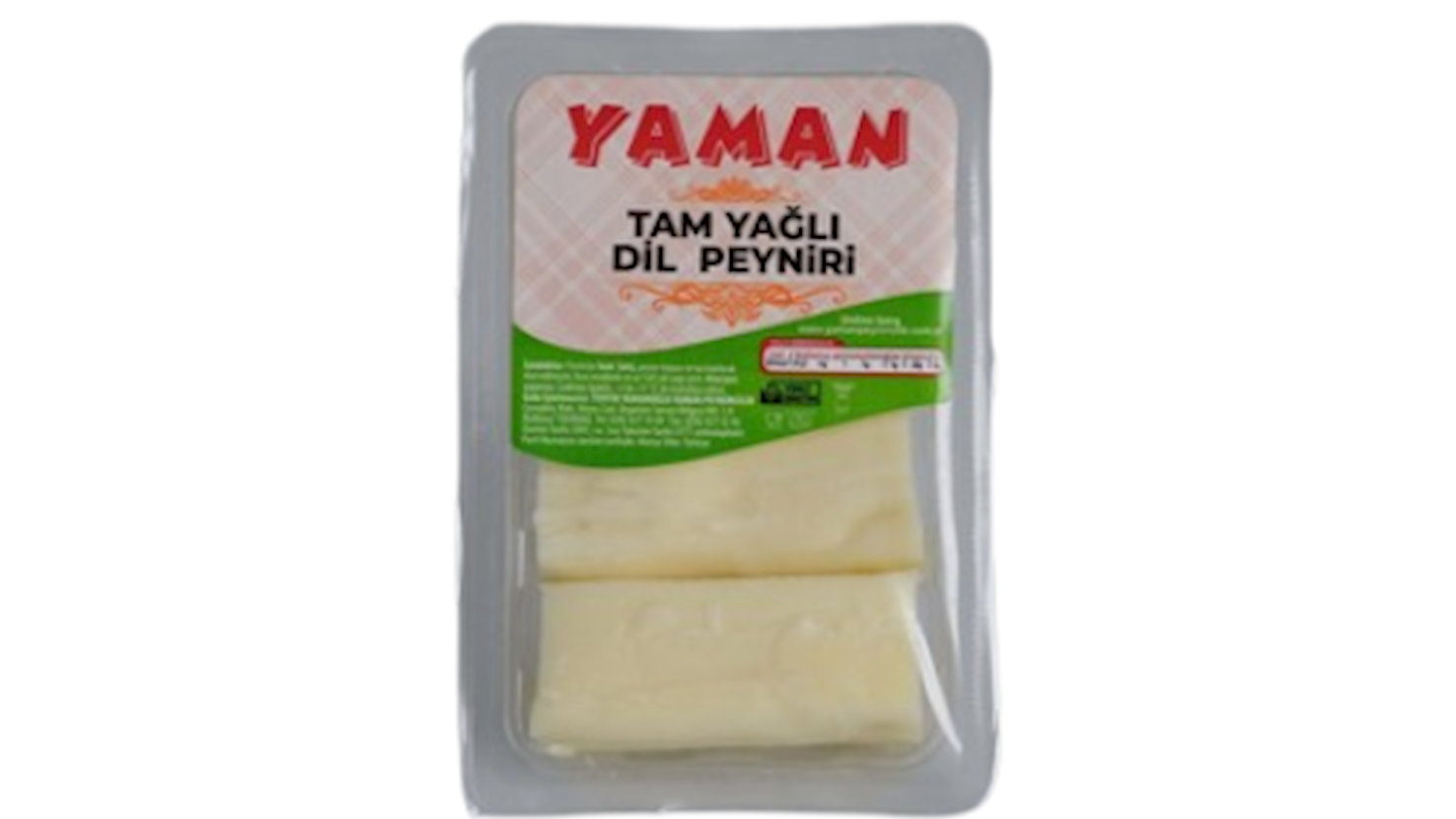
Yaman Peynircilik is a Turkish dairy producer specializing in high-quality cheese. With a focus on traditional methods and modern technology, the company ensures the production of fresh and delicious dairy products.
Yaman Peynircilik has earned a strong reputation for its commitment to excellence, maintaining rigorous quality standards in all stages of production. The company is dedicated to delivering authentic, flavorful cheeses to meet the needs of its customers.
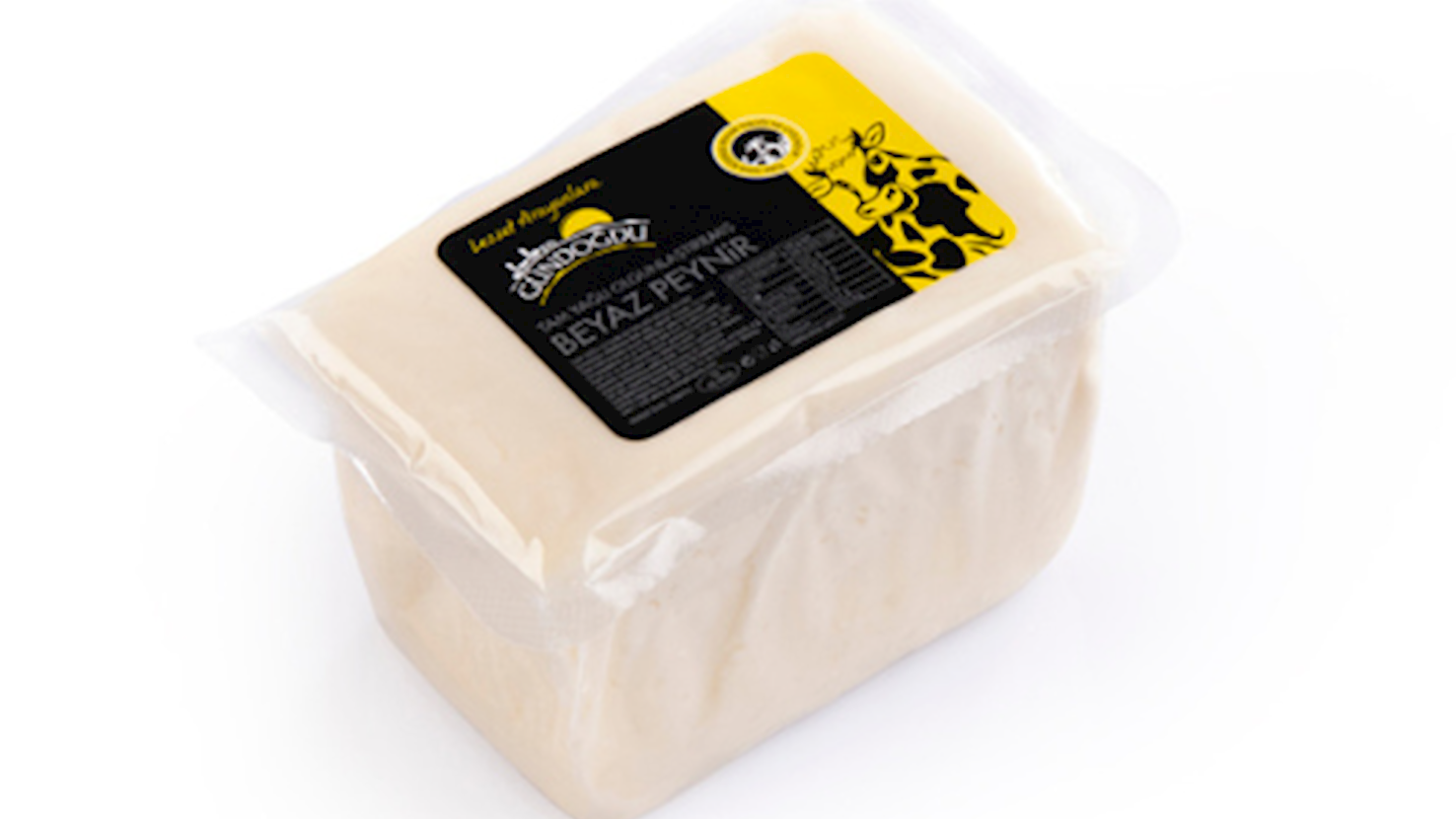
Gündoğdu is a Turkish food manufacturer specializing in dairy products, particularly cheese. They focus on producing a wide range of fresh and flavorful cheeses, such as Kasar, Tulum, and Mozzarella, using milk from local farms.
With decades of experience, they emphasize quality and natural ingredients in their production processes. Their products are known for their freshness, and they strive to maintain high standards in every stage, from milk collection to delivery.
The company also values innovation while preserving traditional flavors.
Tulum peyniri is a Turkish cheese made primarely from goat's milk. It is primarily produced in the country's mountainous regions. The cheese is white in color, has a creamy texture, and its flavors range from mild and slightly sweet to strong and somewhat bitter. It is recommended to serve it drizzled with olive oil and pair it with fruit, figs, olives, and fresh vegetables.
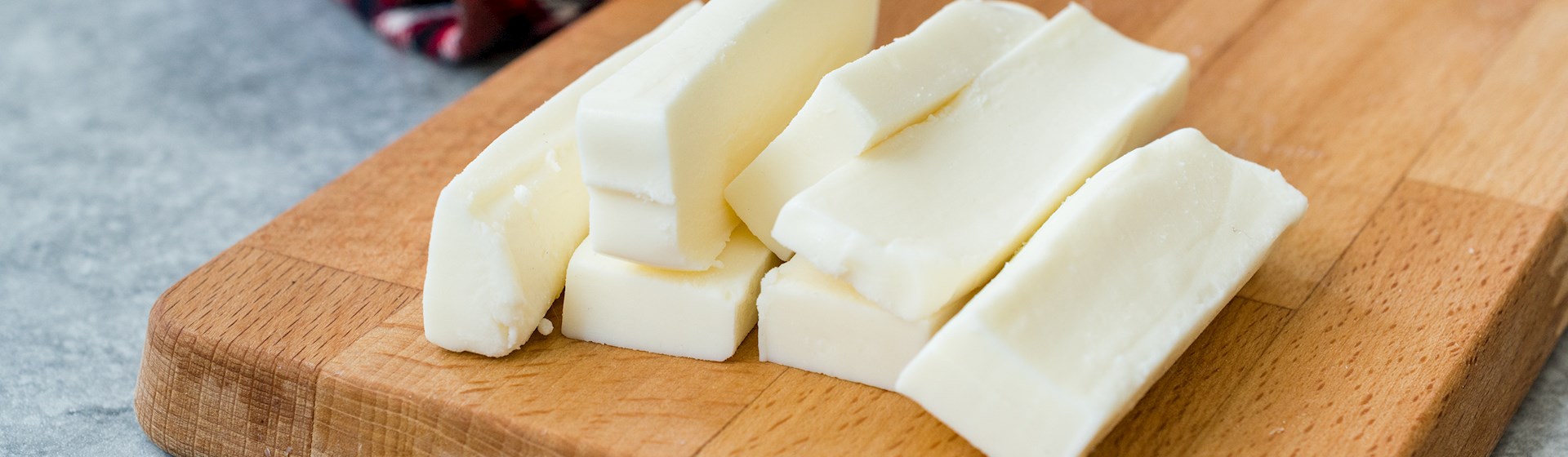
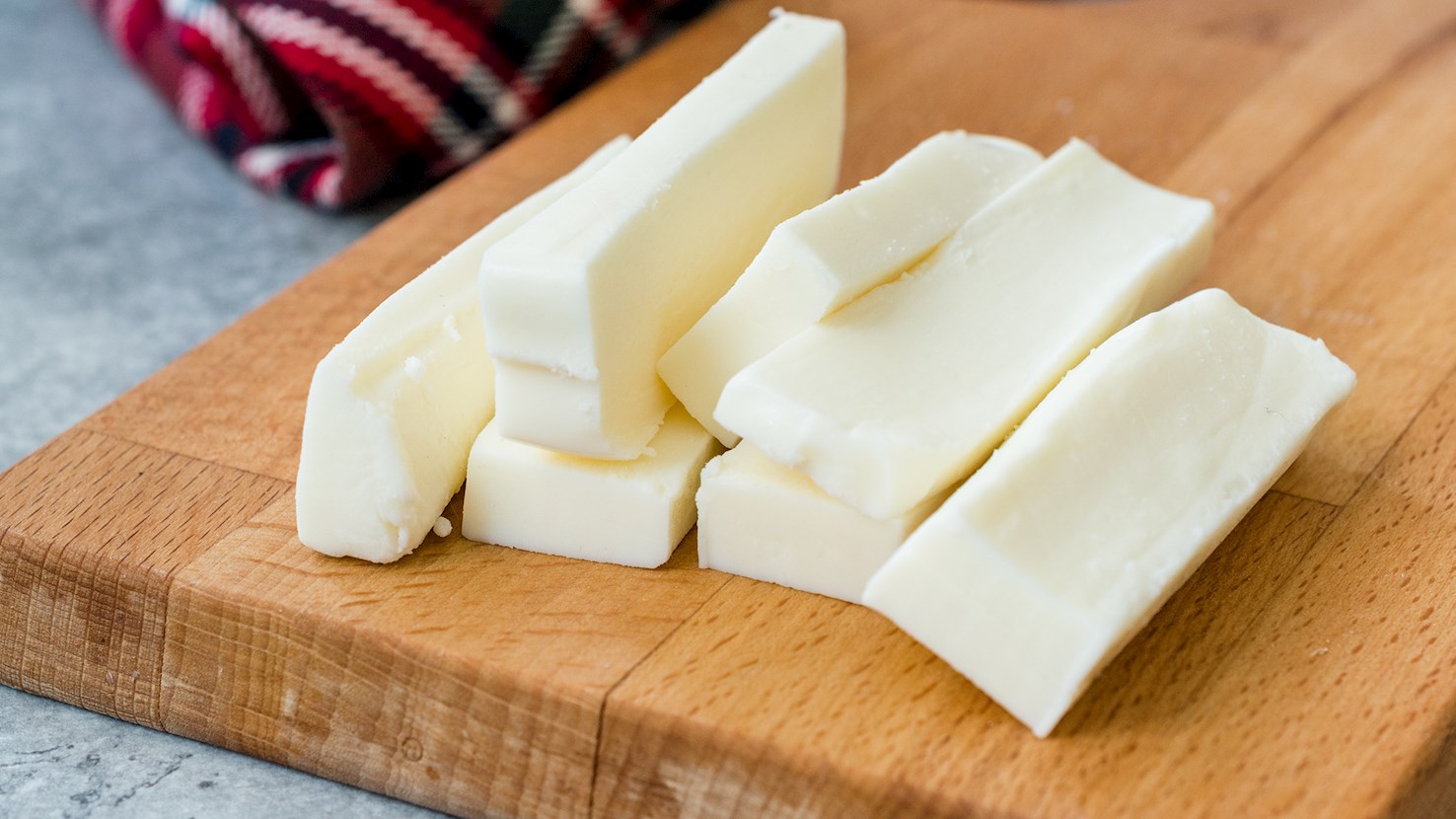
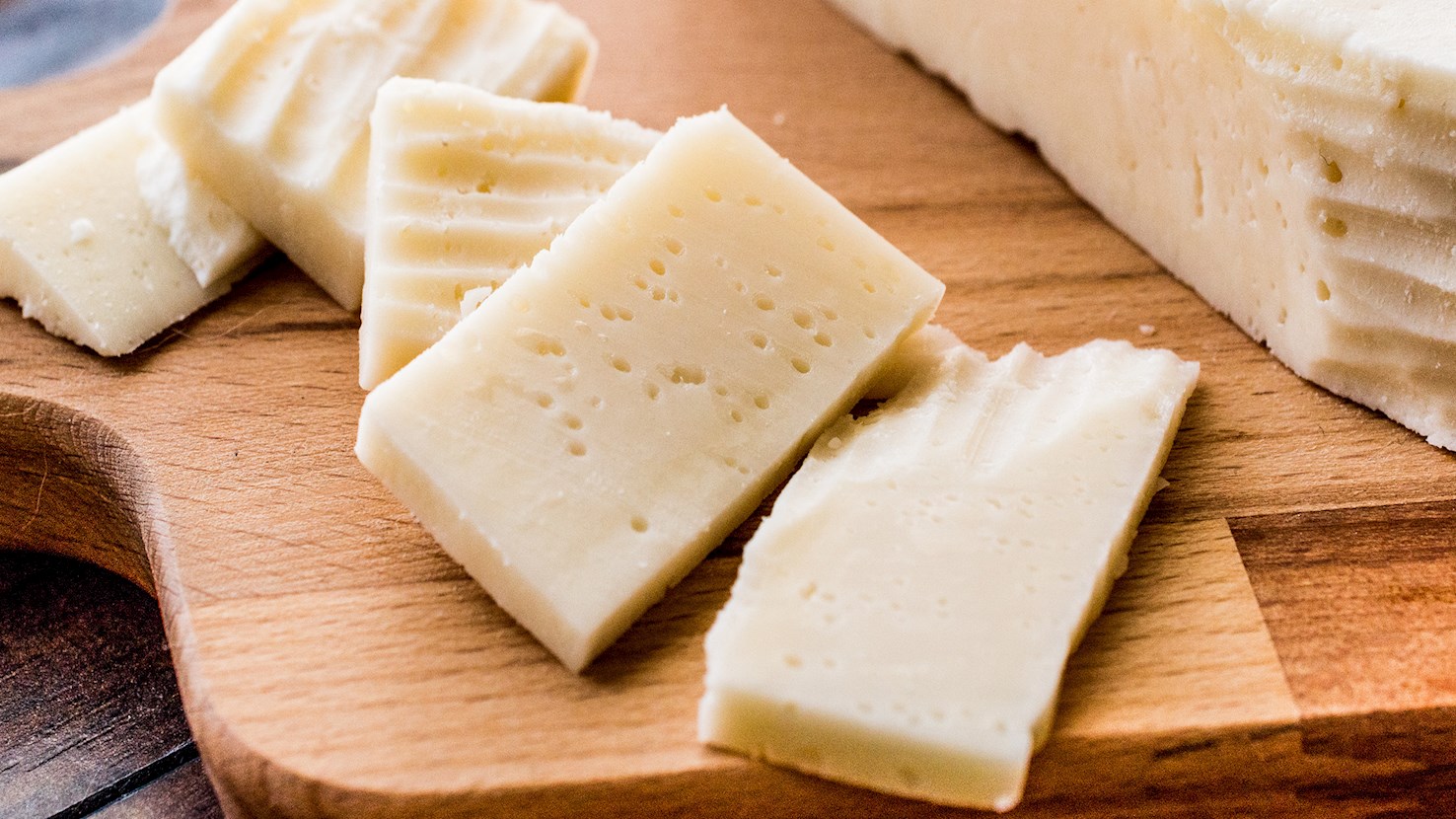
Dil is a traditional cheese made from cow's milk around the cities of Bilecik and Bursa. The cheese is fresh, white, and it has a stringy texture, similar to mozzarella. The texture becomes even more stringy when the cheese is melted, which is the reason why it's not often used on pizza in Türkiye (they usually use kasar cheese instead). The flavors are mild, milky, sweet, and slightly salty. Dil is typically sold in rectangular logs, but it can also be cut in chunks, when it looks similar to a tongue, which is actually the translation of dil (lit. tongue). Fresh dil is usually served for breakfast, and if it comes in a braided version, it's then called orgu (lit. braided) peyniri.
Mihaliç peyniri is a Turkish cheese produced in Bursa and Balıkesir. It is named Mihaliç because it originated in the town of Karacebey, which was originally named Mihaliç. In the past, it used to be made from raw sheep's milk, but nowadays it's made from cow's milk or a combination of goat, sheep, and cow's milk because sheep's milk is no longer produced in sufficient quantities. The cheese is stored in brine to harden and develop a firm, yet slightly elastic texture. Afterwards, it is salted and dried before being sold in slices or balls. When aged, its texture is crumbly, grainy, and open, while the flavors are intense and salty. Mihaliç can be used in place of parmesan cheese, and it is recommended to use it grated in baked dishes and various salads.
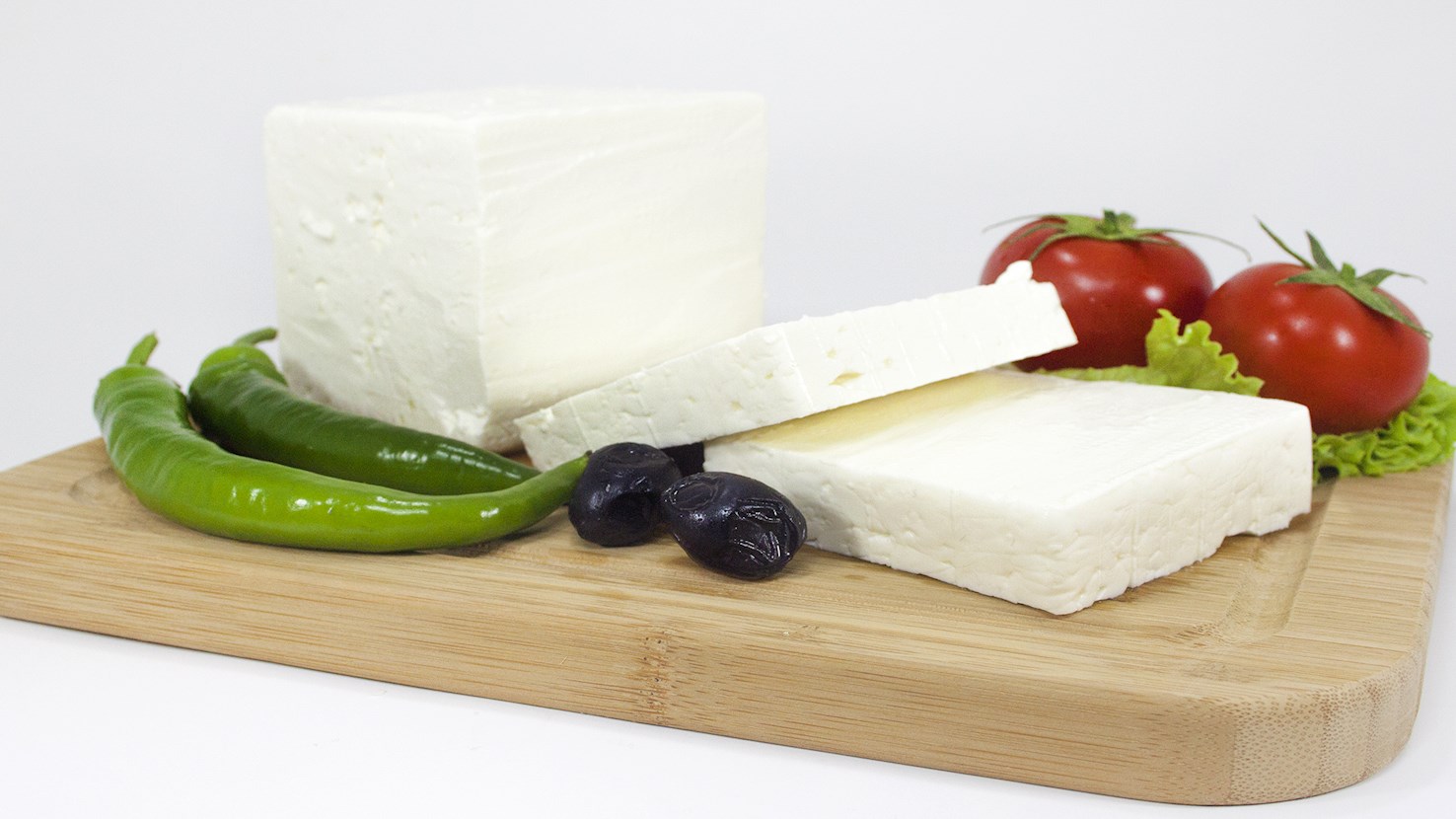
Beyaz peynir is a semi-soft Turkish cheese made from unpasteurized cow’s, sheep's, or goat’s milk. The cheese is pure white in color and does not have a rind. Similar to the Greek feta, beyaz peynir is usually stored in brine, often for more than six months. The flavor is tangy and the texture is crumbly. It is traditionally sold in slices or blocks, and can be used in pastries, salads, or a variety of Turkish dishes. The cheese is a breakfast staple in Turkey, and it is said that the best white cheeses come from the western provinces although beyaz peynir is produced throughout the country.
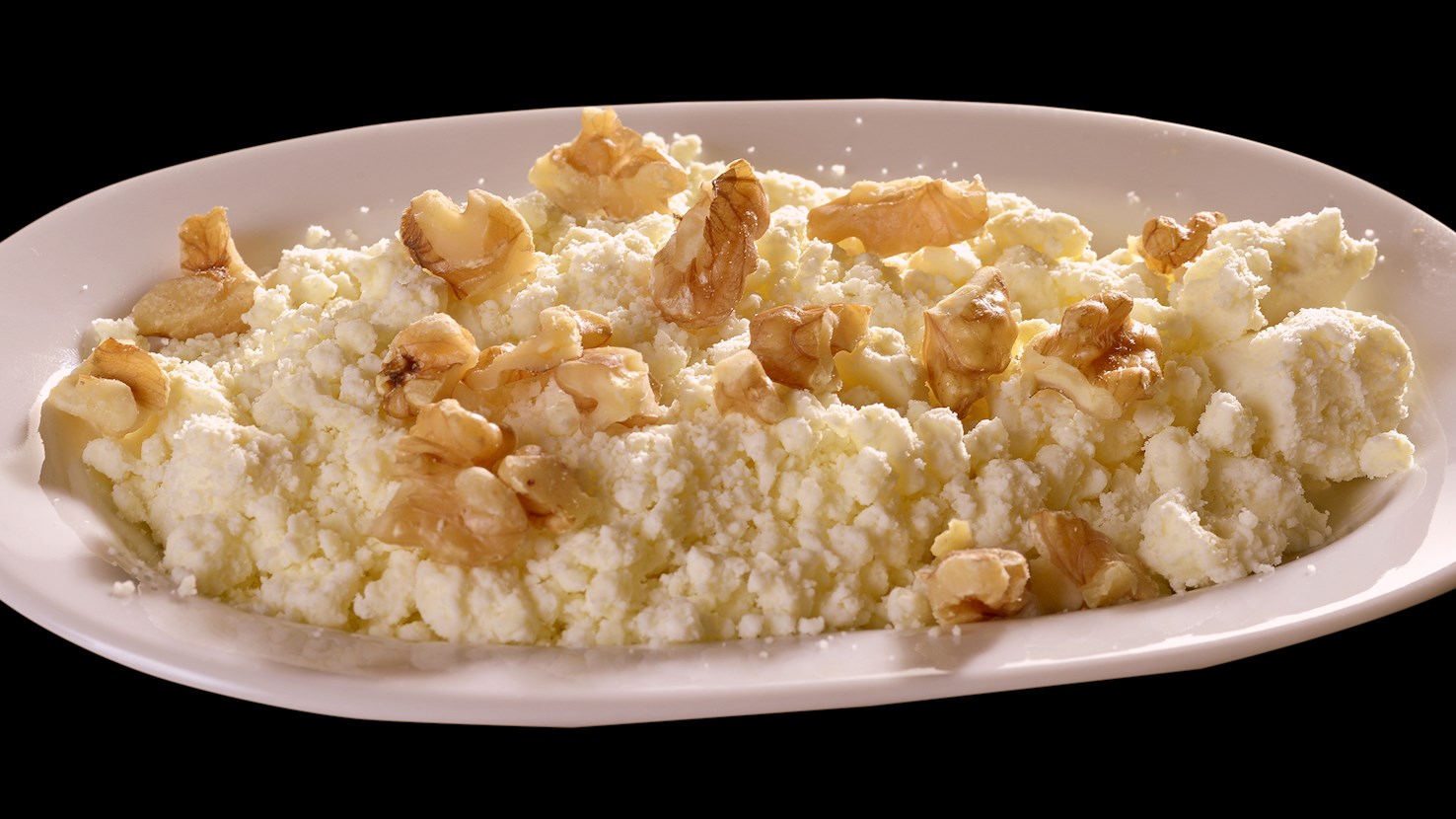
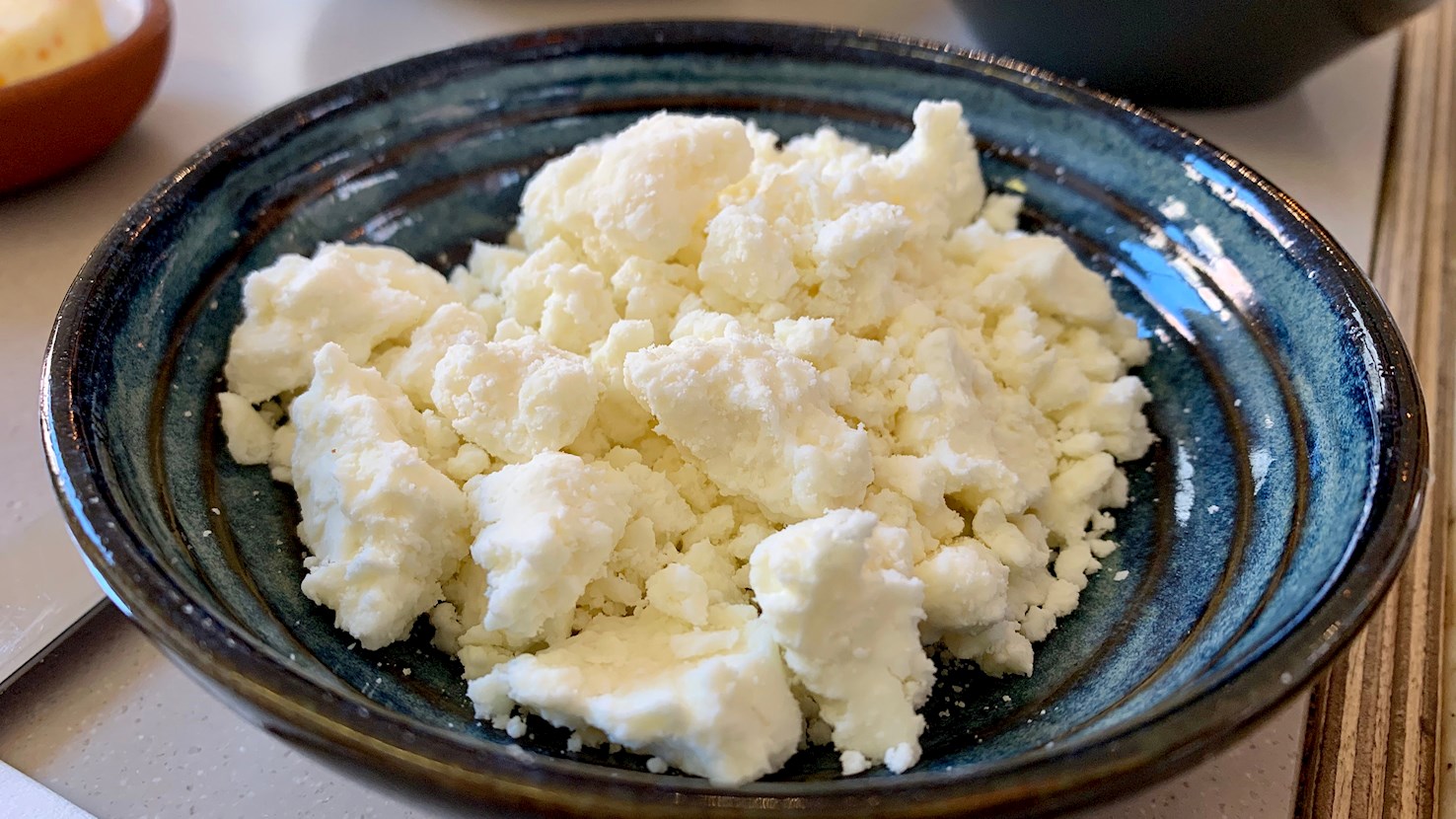
Lor is a Turkish white cheese made from leftovers that are strained out of milk curds. Its texture is very dry and crumbly, and doesn't change much when heated. Due to the fact that Lor has a high protein content, it's very popular with health-conscious people and bodybuilders. Although it's rarely eaten on its own, it can be served for breakfast after being mixed with spices and herbs. The cheese is usually used in börek or gözleme pancakes.
Hatay peyniri, also known as künefe peyniri, is a soft, rindless cheese usually made from raw cow's or goat's milk (sometimes even a combination of both), produced in the Hatay province of Türkiye. It is white or light yellow in color, has a creamy and stretchy texture, is unsalted, and has a mild taste. It is mostly used in the preparation of the authentic local dessert Antakya künefesi, but it can also be eaten on its own as a part of meze, added as a filling for börek, or topping for pasta, pides, and other dishes.
Ezine Peyniri is a full-fat white brined cheese from Çanakkale Province in northwestern Türkiye, made from a carefully defined mixture of sheep’s, goat’s, and cow’s milk and matured in brine for at least eight months. Its protected production area centers on the districts of Ezine, Bayramiç, and Ayvacık and also includes specified villages in Çan and the central district of Çanakkale, an area lying between the Kaz Mountains and the Aegean Sea. Unlike generic Turkish beyaz peynir, Ezine Peyniri is defined by both its place of production and its milk composition: depending on the season, the blend contains 35–45% sheep’s milk, at least 40% goat’s milk, and no more than 25% cow’s milk. The result is a rindless, white to pale-yellow cheese with a semi-hard to firm but non-brittle body, only a few small holes, and a flavor that combines saltiness and acidity with mild sweetness and creamy, cooked-milk aromas. Cheesemaking in this part of Çanakkale is closely connected with local sheep and goat husbandry and the seasonal availability of milk. The protected specification requires the milk to come from animals raised within the designated area, including Tahirova, Sakız, Dağlıç, and related sheep, Karakeçi goats, and Holstein cattle; the Turkish specification also permits Turkish Saanen goats. The animals graze for much of the year on local pastures influenced by the Kaz Mountains, where marjoram, oregano, sage, mint, lemon balm, thyme, and numerous other aromatic plants form part of the forage. The PDO documentation directly links this grazing environment to the character of the milk and, ultimately, the cheese. Milk collected from spring into summer is particularly important, when sheep and goats are producing milk and the pastures are at their most productive. Ezine Peyniri became formally protected in Türkiye in 2007, after an application submitted the previous year, and its geographical indication was later amended to define the production rules more precisely. In December 2023, the name was entered into the European Union register as a Protected Designation of Origin, making it the first Turkish cheese to obtain EU geographical-indication registration. Production begins by combining the three milks in the required proportions without skimming or adding water. Under the registered Turkish method, the milk is heated to 67°C for 30 minutes, cooled to 32–34°C, and coagulated with animal rennet derived from the abomasum of young ruminants. No starter culture is added, a feature specifically included in the PDO specification. Once the curd has formed, it is cut and left briefly so whey can separate, then transferred to cloth and pressed to remove additional liquid and consolidate the curd. The resulting cheese mass is cut into blocks and placed in brine made with sea salt. Only sea salt is permitted, partly because of the way it influences moisture loss and the structure of the cheese during maturation. After brining, the blocks are arranged in tins, sprinkled with dry salt, rested for several hours, covered with additional brine, sealed, and transferred to cold storage. They mature at 2–4°C for a minimum of eight months, during which proteins, fats, and lactose undergo the changes responsible for the cheese’s characteristic balance of tangy, salty, mildly sweet, buttery, and cooked-milk flavors. The long maturation is one of the main points separating genuine Ezine Peyniri from many young white brined cheeses. Although it retains a clean white-cheese appearance, it develops a fuller and more integrated flavor while remaining cohesive rather than crumbly. Goat milk contributes a noticeable freshness and aromatic character, sheep milk supplies richness and fat, and cow’s milk softens the overall profile; the exact balance shifts slightly with the season while remaining within the protected limits. The cheese has no rind because it spends its maturation period immersed in brine, and its small internal openings are acceptable but should remain few and fine rather than forming a heavily eyed structure. The PDO rules require every stage, from grazing and milk production through cheesemaking and maturation, to take place within the defined geographical area, so Ezine Peyniri refers to much more than a recipe that can be reproduced elsewhere. It is most commonly eaten as a table cheese, cut into slices or blocks and served at breakfast with bread, tomatoes, cucumbers, olives, eggs, and tea. Its firm but creamy texture also makes it suitable for meze plates, salads, sandwiches, and pastries, although mature examples are often served simply enough for their own flavor to remain evident. Fresh tomatoes and cucumbers provide acidity and moisture against its saltiness, while watermelon offers a particularly effective sweet contrast during summer. Bread, walnuts, peppers, and olives are equally natural partners. Black tea is the standard breakfast accompaniment, while rakı works well when the cheese appears as part of a meze table; dry white wines and light-bodied reds can also match its salt, acidity, and relatively rich milk flavor.
Erzurum küflü civil peyniri is a blue-moulded, cow's milk string cheese from Turkey, produced in the Erzurum province. The cheese’s origins lie in the high-plateau dairying region of Erzurum, where skimmed milk from cows grazed on herbaceous highland pastures was historically processed by local creamery artisans; over time the product developed into a protected geographical-indication (GI) cheese with defined methods of production and ageing. In its production skimmed cow’s milk is used, to which starter cultures and rennet are added and the temperature raised gradually until curd forms; the curd mass is then kneaded and stretched repeatedly, creating a fibrous string structure, and subsequently the cheese blocks are pressed and salted, then matured under conditions that allow spontaneous or inoculated blue-green mold (kef) to develop on the surface, forming the characteristic rind and contributing flavour; some versions are packed in brine or vacuum-sealed after mould development for storage and distribution. Variations include the fresh un-moulded “Civil” form, and the mould-ripened version called “Göğermiş” (moulded civil cheese) in which the cheese has been pressed further and allowed to develop the kef exterior; some producers now add flavour-enhancing steps such as light smoking or vacuum-packing to extend shelf-life. A distinctive feature of Erzurum küflü civil peyniri is its low-fat origin (since it’s made from skimmed milk), combined with the stringy fibrous internal structure and the external mould layer which is unusual among Turkish cheese-types; it's also a GI-registered product as of 2009, meaning its production zone and method are legally governed. The cheese is eaten typically as part of a Turkish breakfast or meze platter, served at room temperature or sliced thinly, and is often paired with fresh bread, black tea, or light raki; when used in cooking it is melted into börek or paired with roasted vegetables, and it also complements crisp white wines or light lager-style beers whose clean profile offsets the mould-ripened flavour.
TasteAtlas food rankings are based on the ratings of the TasteAtlas audience, with a series of mechanisms that recognize real users and that ignore bot,
nationalist or local patriotic ratings, and give additional value to the ratings of users that the system recognizes as knowledgeable.
TasteAtlas Rankings should not be seen as the final global conclusion about food. Their purpose is to promote excellent local foods,
instill pride in traditional dishes, and arouse curiosity about dishes you haven’t tried.
The initial list of top producers was compiled based on available reviews, awards, local recommendations, media and blog coverage, and consumer reviews.
The list will be updated with ratings from TasteAtlas local ambassadors and TasteAtlas users.






What People Say