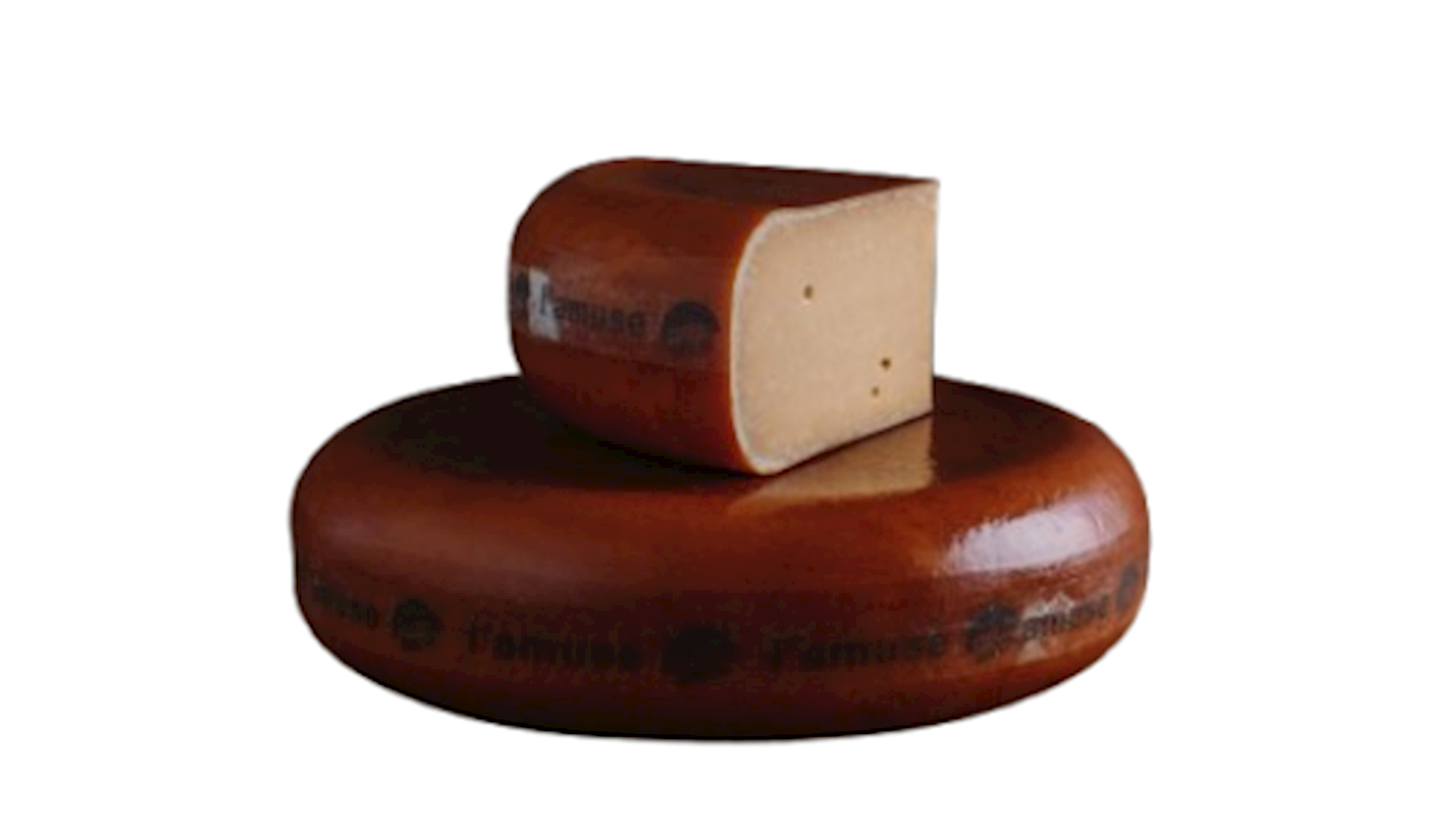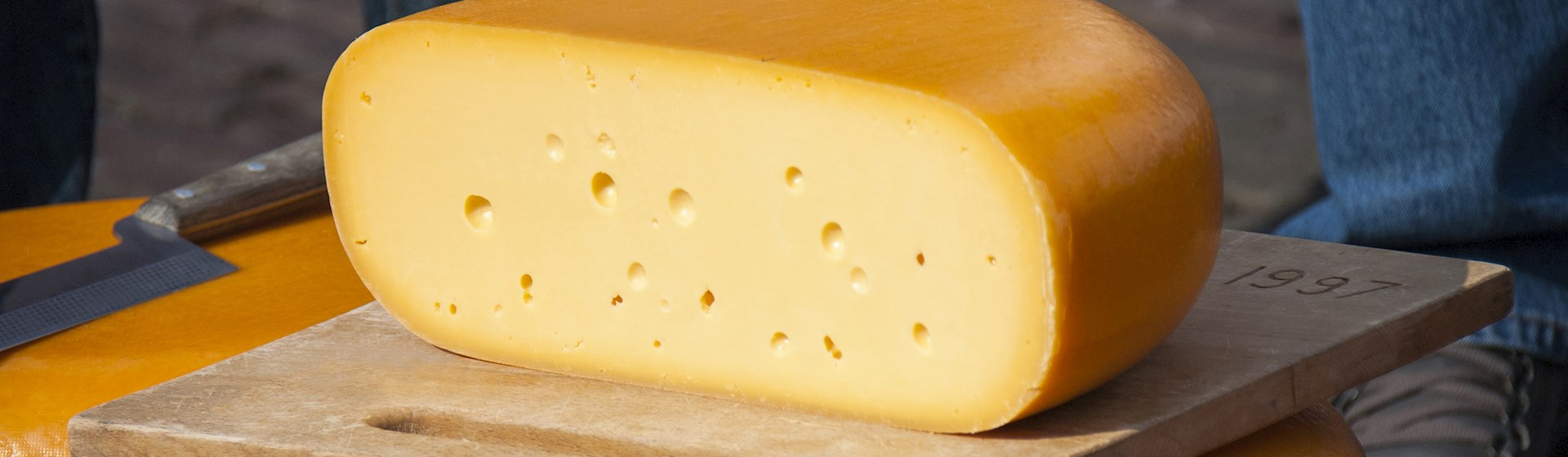
Fromagerie L'Amuse is a renowned and respected cheese shop based in the Netherlands, with locations in Amsterdam and IJmuiden. L'Amuse was founded in 1989 by Betty Koster, a top cheese expert, specialist, and educator. Over the years, L'Amuse has built a reputation as one of the leading destinations for fine cheeses in the Netherlands. The shop specializes in Dutch cheeses as well as carefully selected international varieties.
L'Amuse offers a wide range of cheeses, including both hard and soft cheeses, goat's and cow's milk cheeses, as well as some rare and exotic types. L'Amuse also offers professional cheese tastings, where participants can learn about different types of cheeses, their history, production methods, and how to pair them with wines and other accompaniments.
Fromagerie L'Amuse is not just a cheese shop but a true destination for cheese lovers of all kinds. With a passionate approach to quality, education, and innovation, L'Amuse has earned a reputation as one of the most important places in the Netherlands for cheese tasting and purchasing.
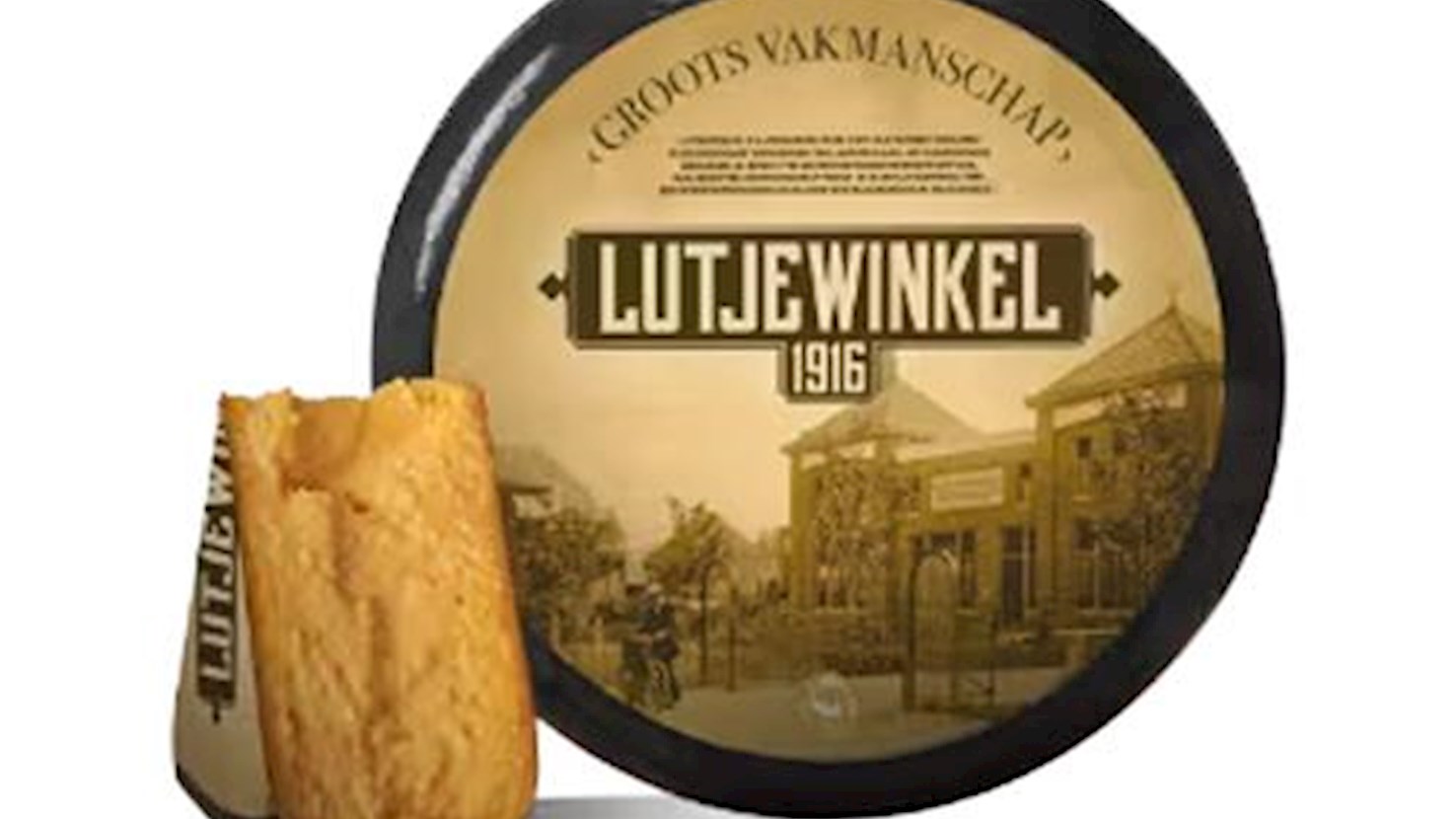
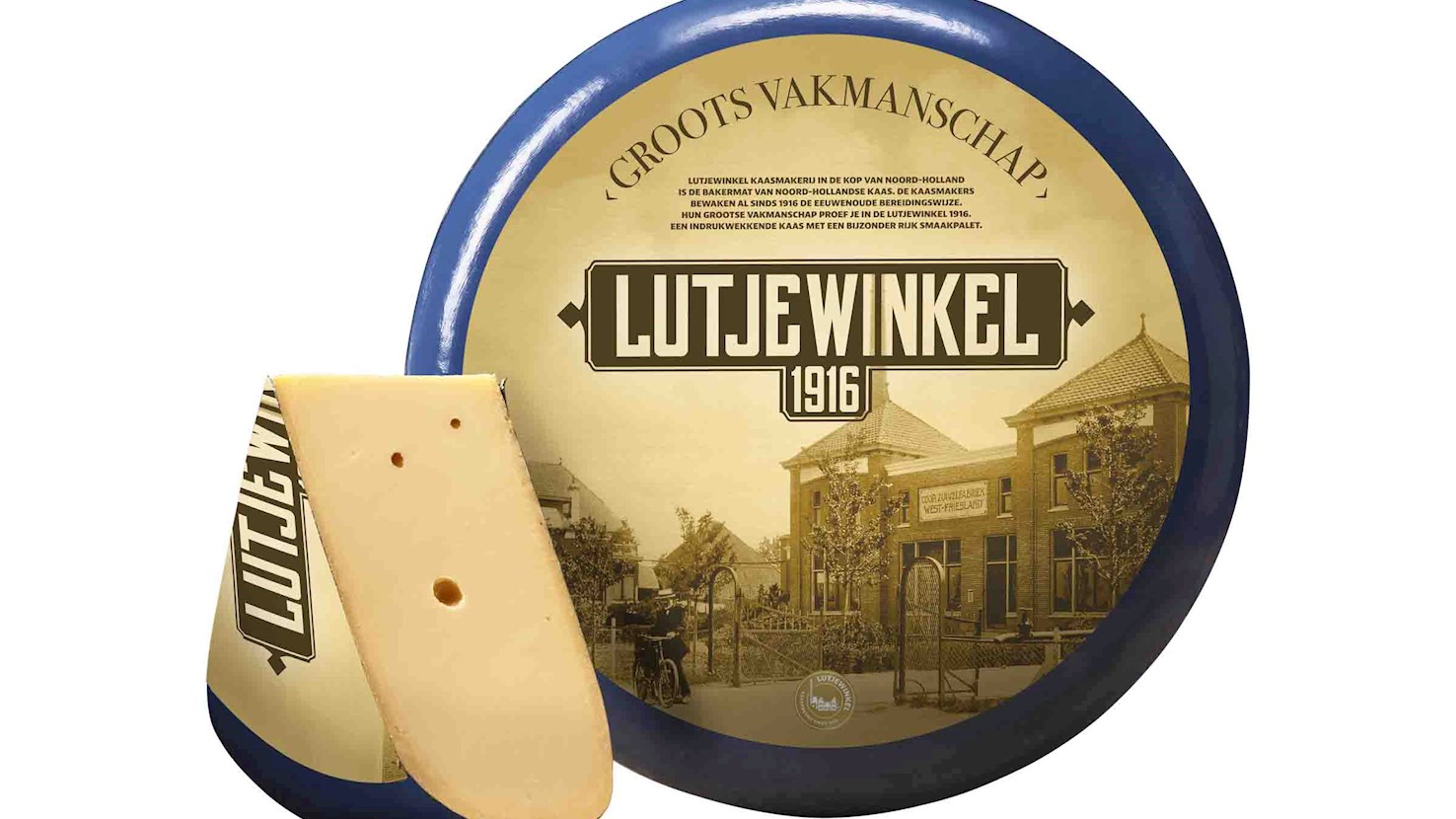
Lutjewinkel 1916 is a traditional Dutch regional cheese brand originating from the village of Lutjewinkel in North Holland, with roots dating back to 1916. It was established to preserve an authentic, locally grounded approach to Gouda-style cheesemaking based exclusively on pasture-grazed cow’s milk (weidemelk) from the surrounding polders. Rather than functioning as a single industrial producer, Lutjewinkel 1916 represents a shared identity and set of standards upheld by regional cheesemakers committed to a historic recipe and extended aging practices. The cheeses are produced in several maturity levels, from smooth and rounded to long-aged and robust, developing pronounced nutty, caramelized and savory notes over time. Prolonged maturation gives them a dense structure and a depth of flavor that clearly distinguishes them from standard Gouda. Today, Lutjewinkel 1916 stands as a marker of regional heritage and continuity in Dutch cheesemaking, emphasizing origin, craftsmanship and time as essential elements of quality.
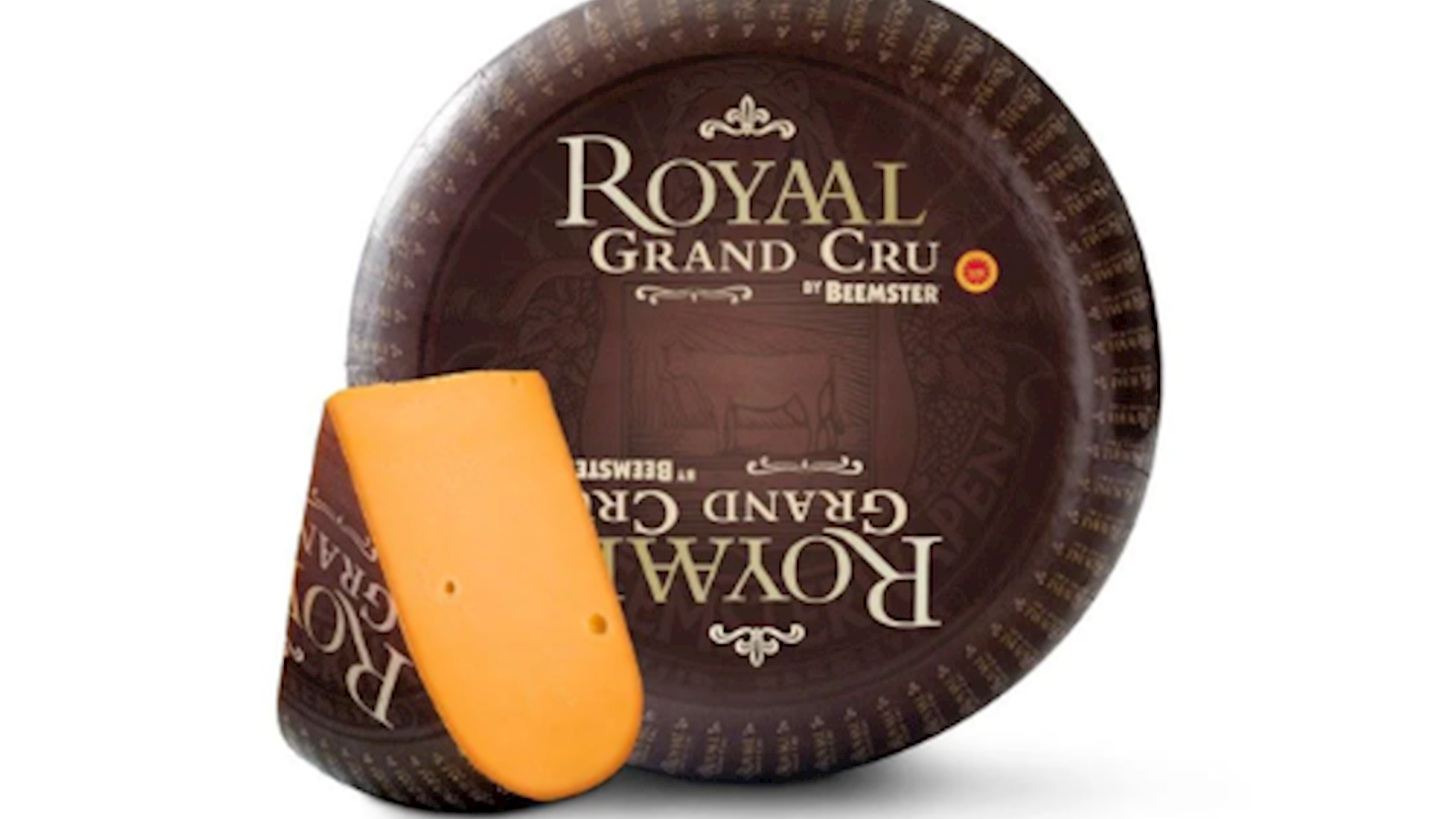
Beemster is a cheese producer based in the Netherlands, known for its premium Dutch cheeses that are made from milk sourced from local farms. The company, named after the polder Beemster in North Holland, was founded in 1901. Beemster cheeses are characterized by their rich flavors and creamy textures, achieved through traditional methods and aging processes. Their range includes varieties such as Gouda, aged Gouda, and flavored cheeses. The brand is committed to sustainable practices, including animal welfare and environmental protection.
Awards
World Cheese Awards - Super Gold
(2024)
World Championship Cheese Contest - Best of Class
(2024, 2022, 2020, 2016, 2014, 2012)
Van der Heiden Kaas is a cheese producer based in the Netherlands, specialized in the production and wholesale of various types of Dutch cheeses. The company is involved in both the domestic market and international exports, catering to a range of preferences and requirements. They focus on maintaining traditional cheese-making processes, ensuring a consistent quality in their cheese offerings.
Awards
World Cheese Awards - Super Gold
(2023, 2021)
World Cheese Awards - Gold
(2024, 2023, 2022, 2021)
Zijerveld is a Dutch company specializing in cheese production and distribution. The company focuses on a variety of traditional and specialty cheeses, catering to both domestic and international markets. Zijerveld also emphasizes sustainability in its business practices, aiming to balance economic, environmental, and social considerations.
Special recipes and production methods have been handed down from generation to generation by Dutch cheesemakers. This long tradition has led to the creation of the highest quality range of cheeses. With Holland Master you know that every moment will be a memorable one.
Awards
International Cheese Awards - Gold
(2022)
World Championship Cheese Contest - Best of Class
(2022, 2018, 2016)
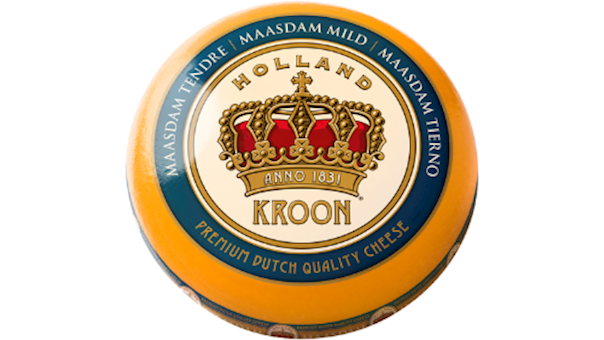
Vandersterre Groep International, based in the Netherlands, is a company involved in the packaging, marketing, and distribution of Dutch cheese both domestically and internationally. Established in the 1930s, Vandersterre has evolved into a company that handles a variety of cheese types, including specialty cheeses under its own brands. They also engage in private label packaging for other businesses. The company's product line features a range of cheeses, including traditional Gouda, Maasdam, and Edam.
Unilac Holland is a cheese producer based in Amersfoort, Netherlands. The company specializes in the export of Dutch cheese and other dairy products. Unilac Holland serves a global market, providing a variety of cheeses including Gouda, Edam, and Maasdam.
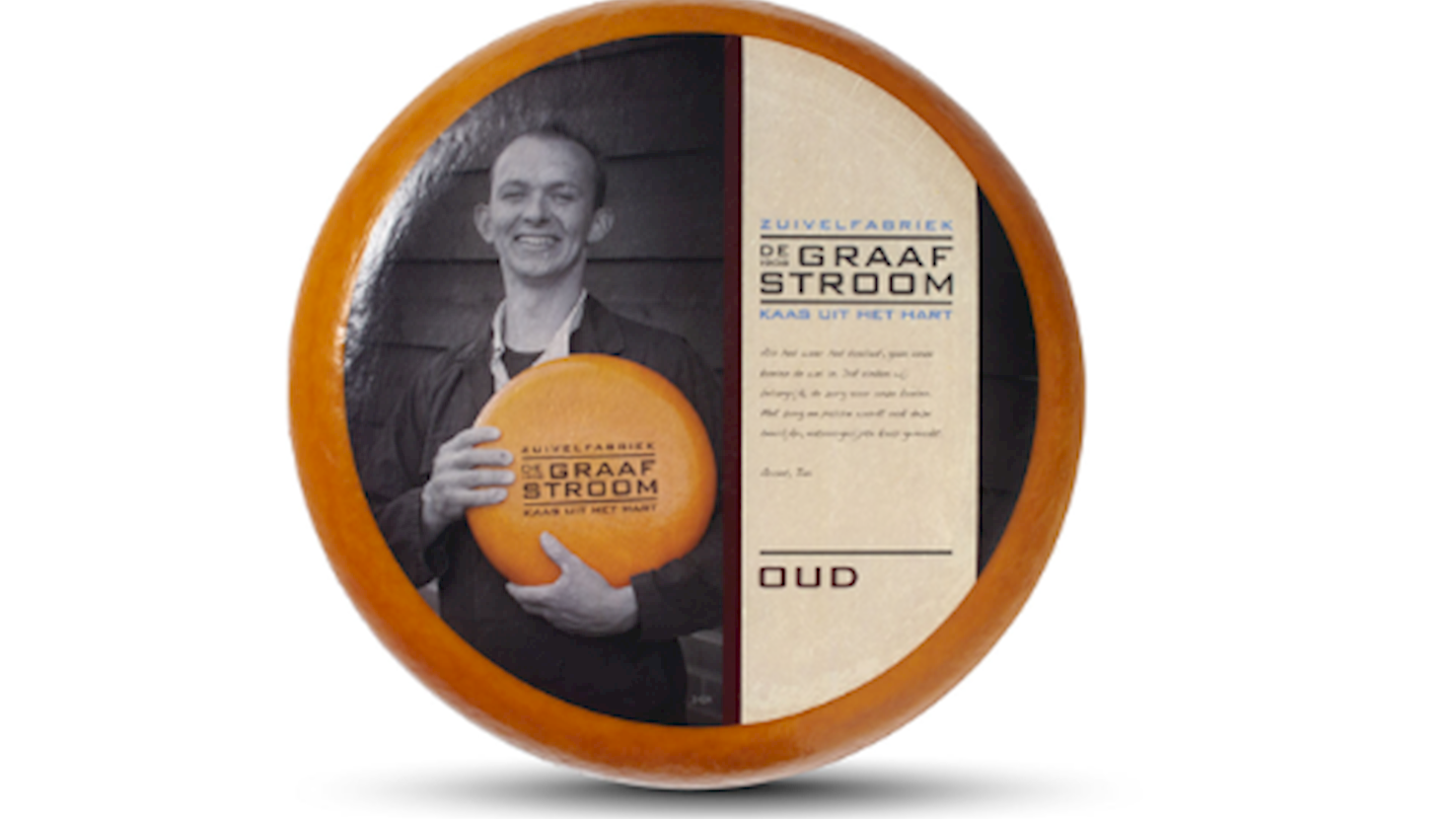
Zuivelfabriek De Graafstroom is a cheese producer located in Bleskensgraaf, Netherlands. It has been operational since 1908 and specializes in producing Dutch Gouda cheese. The company is a part of the DeltaMilk cooperative, which includes over 175 dairy farms, ensuring a steady supply of fresh milk. De Graafstroom distinguishes itself by using traditional methods combined with modern technology to craft its cheeses.
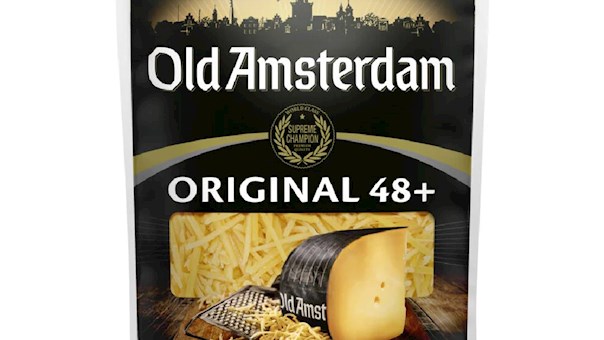
Awards
Global Cheese Awards - Best
(2024, 2023, 2021, 2019)
Global Cheese Awards - Champion
(2024, 2023, 2019)
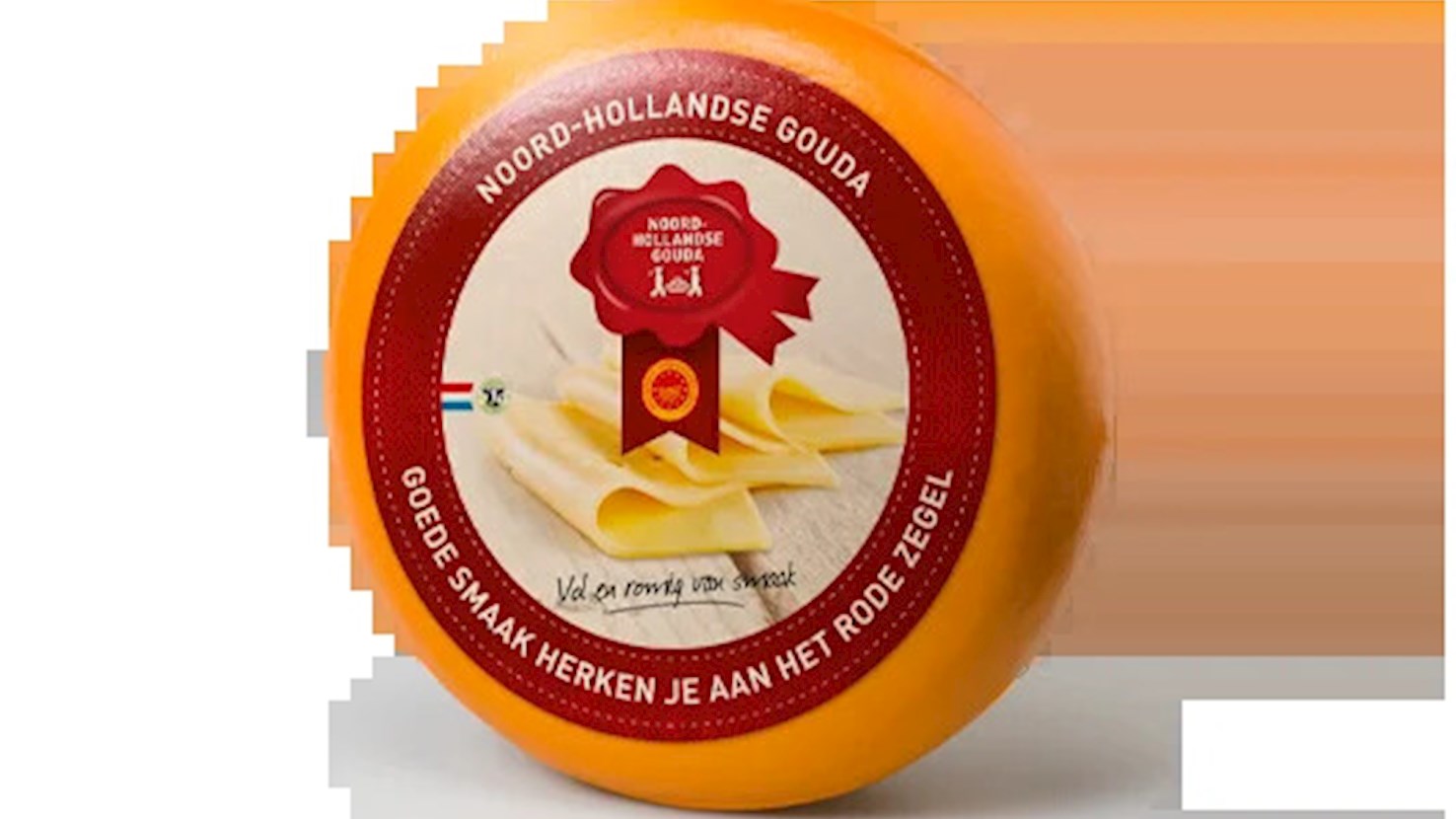
Noord-Hollandse Gouda is an aromatic and pleasant cheese that can be mild or intense, depending on its age. Its varieties include Graskaas, Jong, Jong belegen, Belegen, Extra belegen, Oud and Extra oud. The older the cheese variety, the stronger and saltier it gets. This type of Gouda cheese has a PDO status and is made from 100% North-Holland milk. It was originally made in the town of Gouda in South Holland, so its registered name 'North-Holland Gouda' may seem wrong. However, North Holland is the recognized pasture land in the Netherlands, and since the milk from those pastures is used in the process of making the cheese, the product is aptly named. Noord-Hollandse Gouda is made under factory conditions since 1900. It is characterized by its pleasant taste, specific consistency, and dry, smooth rind. It is notable for its sweetness and it is less salty than other Gouda cheeses because some of the milk sugars are removed early in the process to prevent excessive acid being produced by the bacteria. Young Gouda is soft, has a creamy quality and is easy to cut with a slicer, while the older Gouda varieties are harder and usually cut with a strong knife. There is also a special edition of the Noord-Hollandse Gouda, called 'baby Gouda', which is oval and smaller (weighing just a pound). It is usually coated with a layer of red wax and can be wrapped in cellophane.
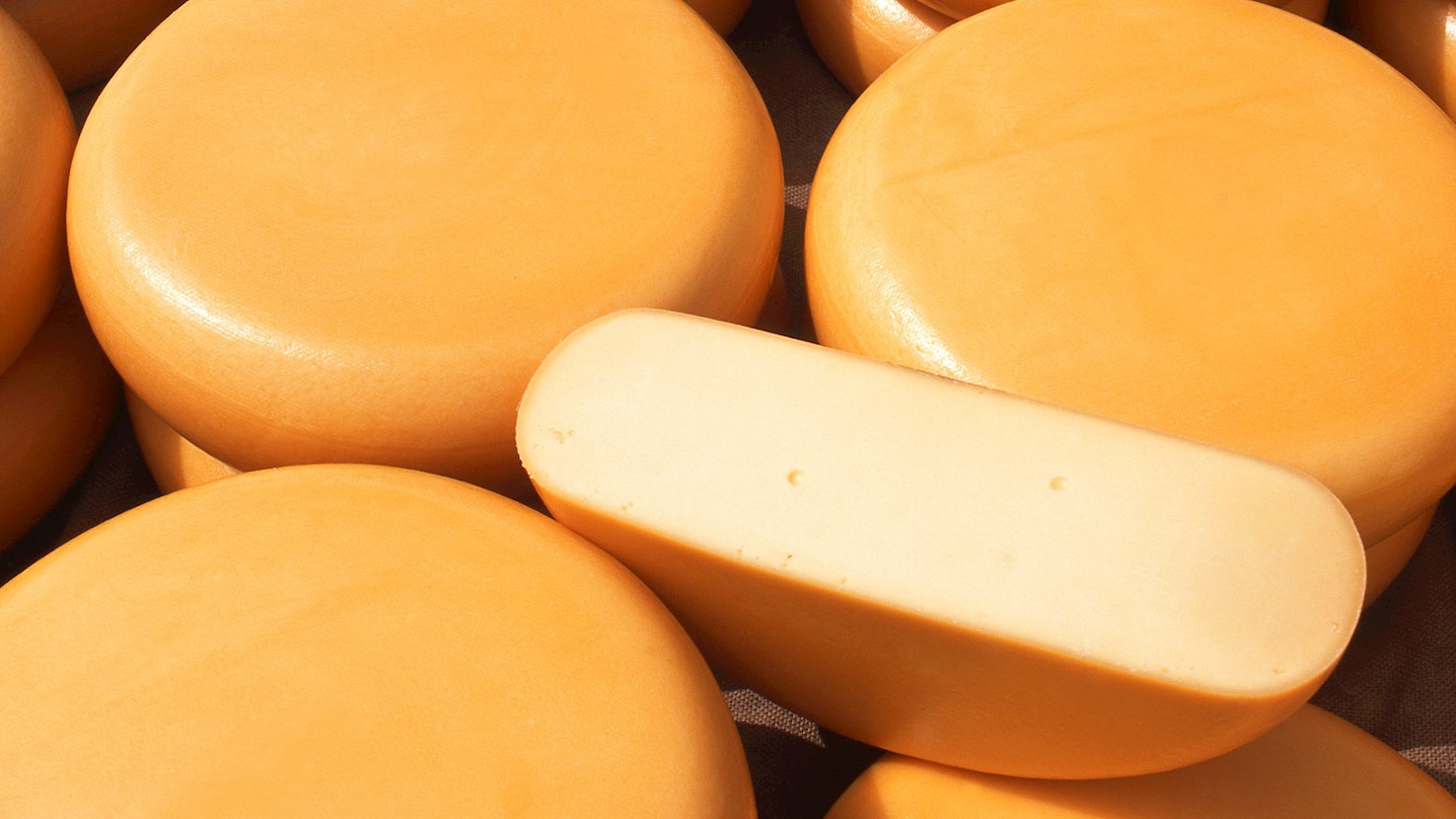
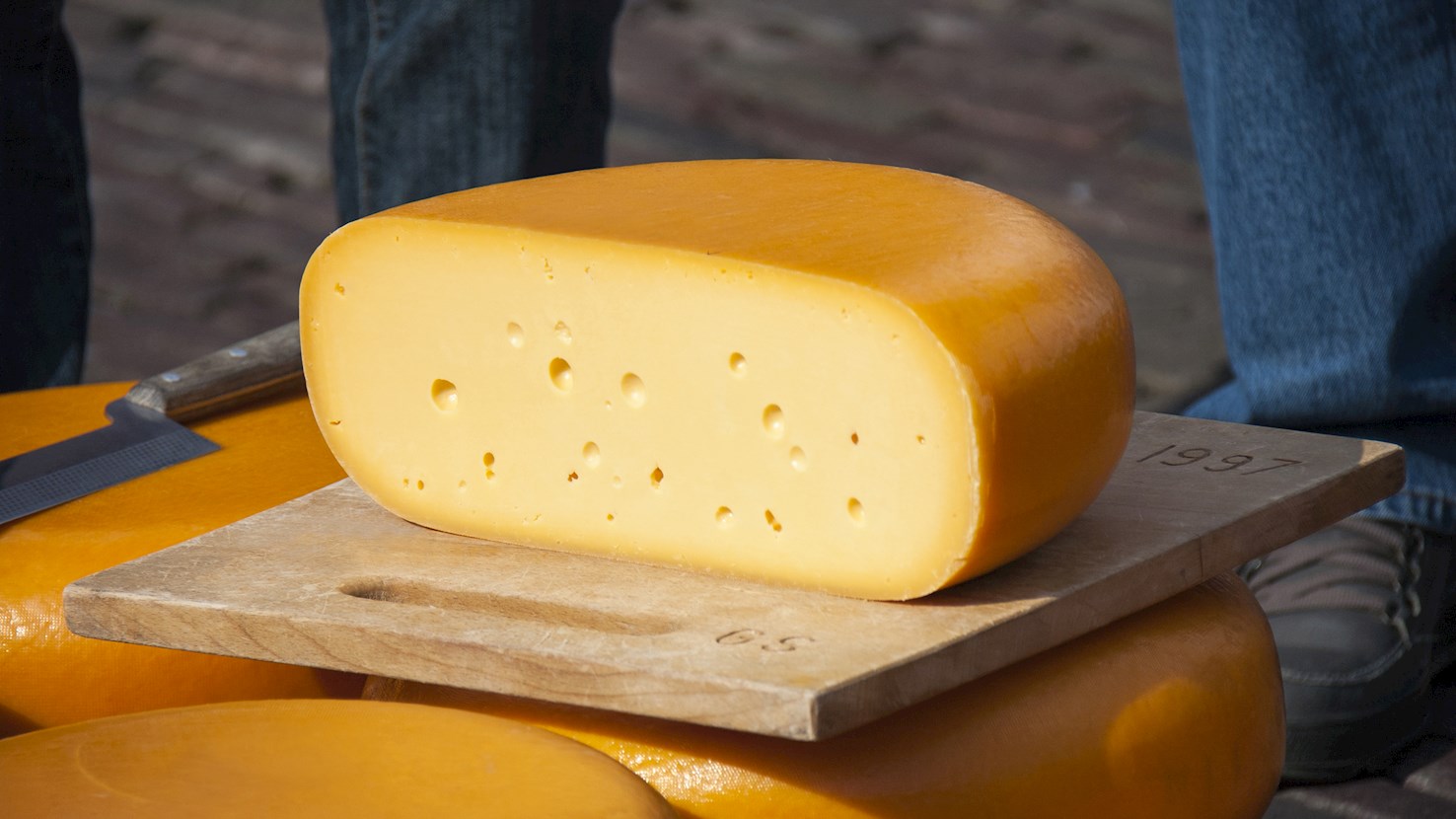
The Netherlands' most prominent export product and one of the world's most popular cheeses, Gouda, is a yellow to orange, creamy, and sweet cow's milk cheese. Because they are pressed into molds, Gouda cheeses usually have a characteristic flattened wheel shape, and many are instantly recognizable thanks to their yellow and red waxy, plastic-looking coating. Its texture ranges from semi-hard to hard, depending on aging time, and the taste also changes with aging. Therefore, Gouda cheeses are classified based on aging time. There are a total of six categories: young cheese (4 weeks), young matured (8–10 weeks), matured (16–18 weeks), extra matured (7–9 months), old cheese (10–12 months), and very old cheese (12 months and more). Young cheese tastes mild and a bit fudgy, but with time turns more and more sweet, nutty, and tangy. Now, because the taste of Gouda changes with time, many are prone to say the term Gouda more aptly describes a style of cheesemaking and not a type of cheese. Additionally, since the term gouda is not protected, it is also used to describe all kinds of cheese prepared in the traditional Dutch way, which means that cheese produced that way doesn't have to have Dutch origin. However, there are some Gouda cheeses that have been granted protection, namely Boerenkaas, Noord-Hollandse Gouda, and Gouda Holland. They all have a PGI status, which means they are produced exclusively in the Netherlands, with milk from Dutch cows. Gouda cheese was first mentioned in 1284, so it can be said that it really stood the test of time. Another interesting historical fact is that although they share the same name, this cheese was not named after the town Gouda because it was produced there but because it was sold there. During the Middle Ages, Gouda was the only city in the County of Holland to have the right to host a cheese market. Today, in the summer months, a traditional style cheese market is held each week in the city of Gouda as a way to attract tourists. Young Gouda is good for slicing and melting, typically used in sandwiches, salads, and snacks, the Dutch kapsalon being one example of the many dishes in which this cheese is used. Aged Gouda, on the other hand, is hard and more suitable for grating over pasta dishes, for example. However, both work well in charcuterie and can be served as part of a cheeseboard with various fruits, jams, and condiments. As far as drinks go, young Gouda goes well with Pinot Grigio and Chardonnay, for example, while classic pairings for aged Gouda are full-bodied reds Bourdoux and Cabernet Franc. Both kinds go well with beers, lighter beers go with young Gouda, and strong, malty ones go with aged Gouda.
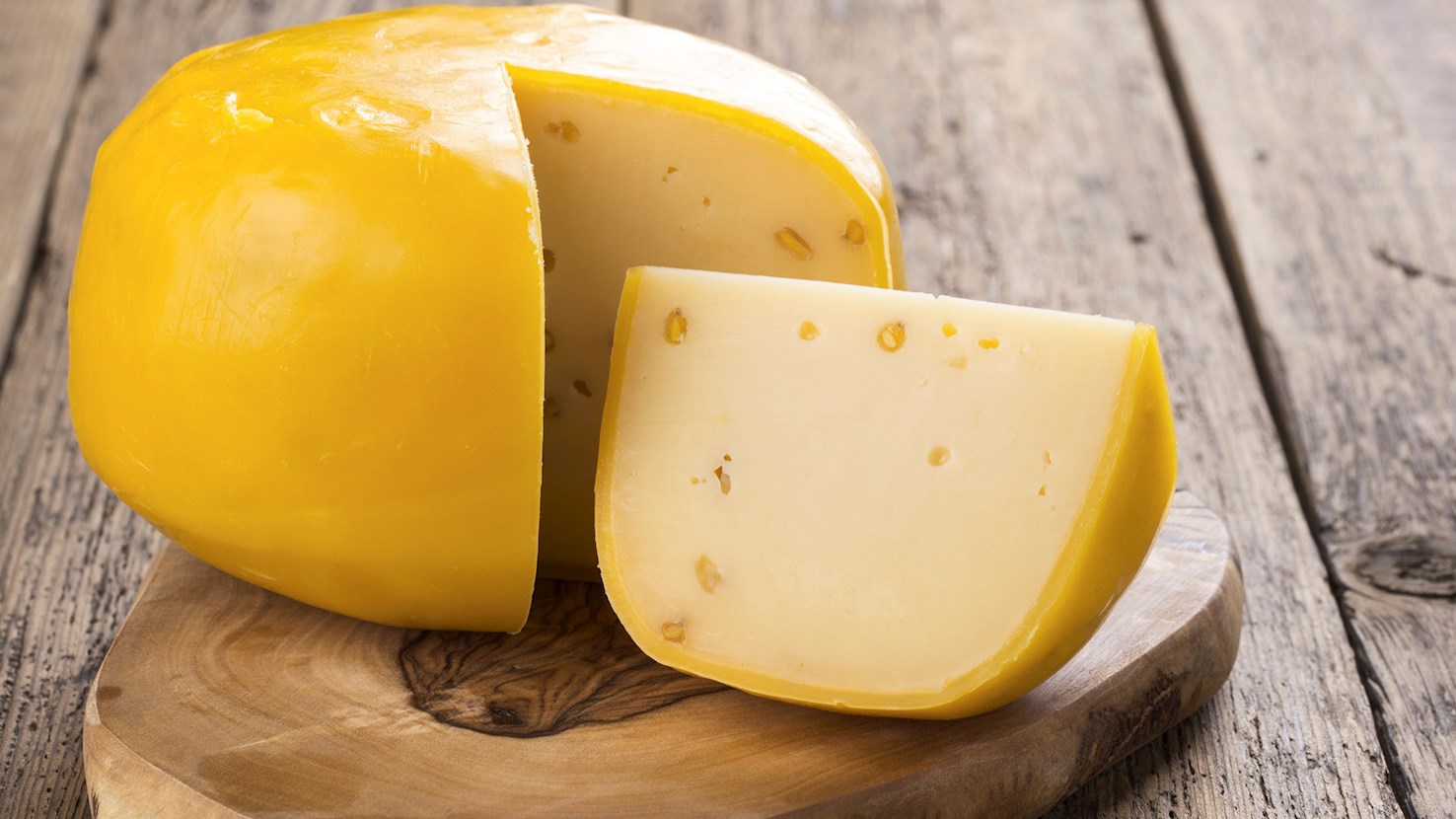
Gouda Holland is a semi-hard Dutch cheese that's produced exclusively from cows' milk from Dutch farms, and it's one of the most popular cheeses worldwide. The cheese is made in a flattened wheel shape and it's flavorful and aromatic (mild, fruity, sweet, butterscotch flavors), depending on the stage of maturity. Young Gouda has a sweet, fruity taste, and as it ages it becomes deep yellow and firmer, almost granular. Its flavor is complex; from fruity notes to hints of cocoa and groundnut, which leave a rich and smooth feel in the mouth. It is typically used sliced in sandwiches, or cut into cubes and eaten as a snack. Young Gouda is great for sandwiches, snacks, and salads. Aged Gouda goes really well with strong pale beers like Tripel, Dubbel or Trappist, while wine enthusiasts can pour themselves a glass of wine such as Pinot Noir or Barolo to accompany the cheese. The longer it is aged, the more of a caramel and butterscotch flavor and crunchy texture it gets. It holds a Protected Geographical Indications (PGI) status, meaning that the cheese is produced in Holland with traditional methods using the milk from Dutch cows. It contains a minimum of 48% fat content in dry matter.
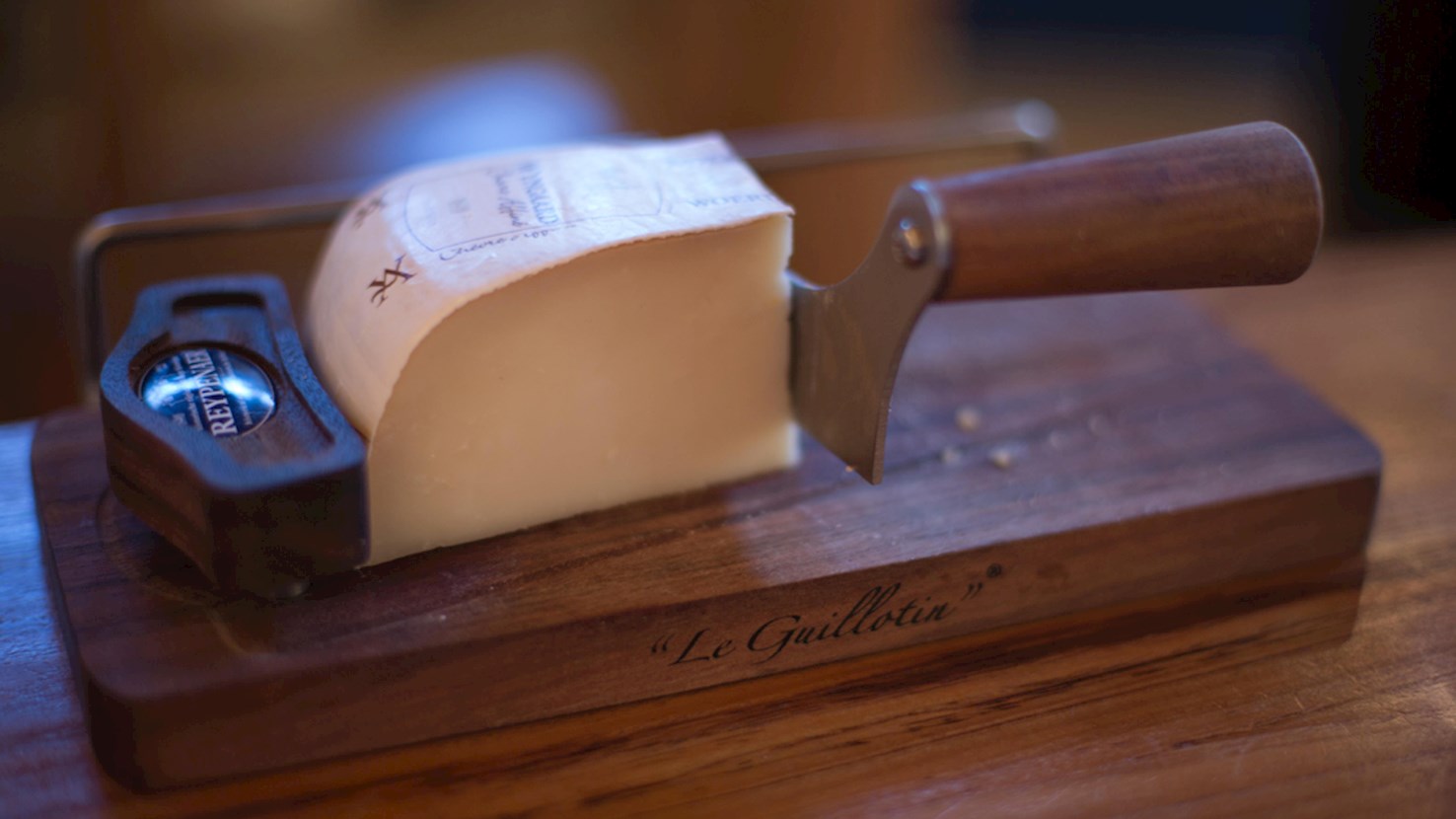
Reypenaer is a unique artisanal Dutch cheese that's a variety of Gouda, but taken through a few maturation stages. The cheese is made from cow's milk, and the aging takes place in controlled conditions in an old warehouse near the Oude Rijn river. The three varieties are: Reypenaer 1 year, with a soft creamy texture and flavors that are slightly creamy, fruity, salty, and nutty, Reypenaer VSOP, aged for 2 years, with a delicate crystalline texture, a strong, full flavor, and aromas of caramel, wood, hazelnut, and chocolate, and the third one is Reypenaer XO Reserve (ripened from 2 1/2 to 3 years), an exceptionally complex, deep-flavored cheese with mature crystalline texture and aromas of cognac, walnuts, butter, caramel, and grass.
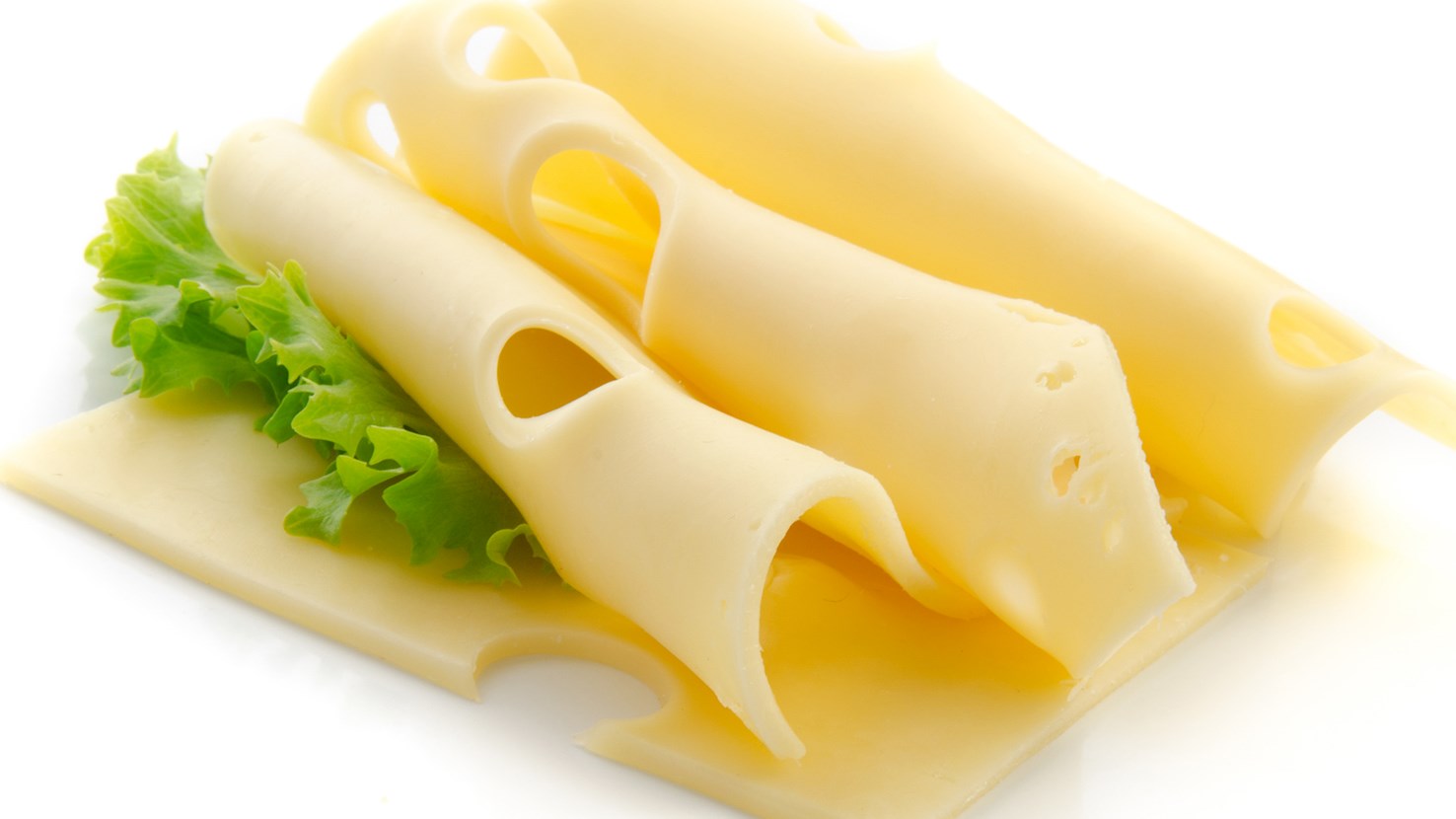
Leerdammer is a Dutch cheese made from cow's milk. It was invented by Cees Boterkooper and Bastiaan Baars in 1977 in Schoonrewoerd, but nowadays the production takes place in Leerdam, hence the name. The cheese has a smooth, springy, open, and creamy texture, while the flavors are mild, sweet, and nutty. It's often described as a cross between Gouda and Emmental. Leerdammer is traditionally aged from 3 to 12 months. It is recommended to use it in sandwiches, salads, and various cooked dishes.
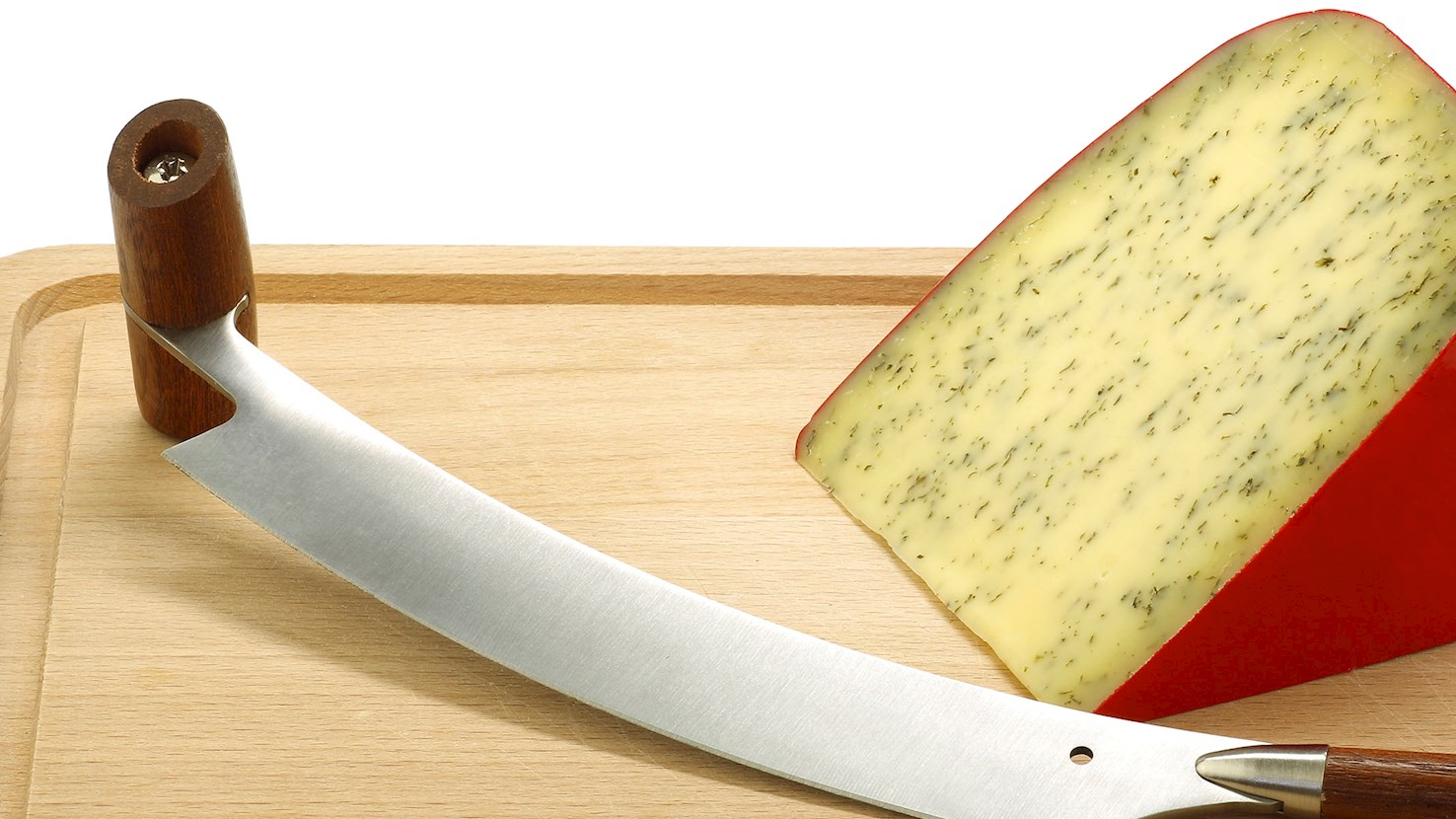
Also known as Boeren Leidenkaas, this traditional semi-hard farm cheese from the Gouda family is produced in the wider Leiden area of South Holland. One of the three most famous cheeses of Holland, Boeren-Leidse met Sleutels is infused with cumin seeds, and quite aromatic, while its flavor ranges from fruity to spicy. In the words of the jury at the Dutch Artisanal Contest 2010, where this cheese won the main award: 'The cheese has a taste that fills your mouth completely, is pleasantly piquant with lavender and ends with walnut with the bitterness of an almond'. It is matured for 3 to 24 months and becomes more suitable for grating as it ages. As a table cheese, it goes well with all drinks from beer to aromatic wines, while in the kitchen it adds a spicy note to salads, soups, and vegetable dishes.
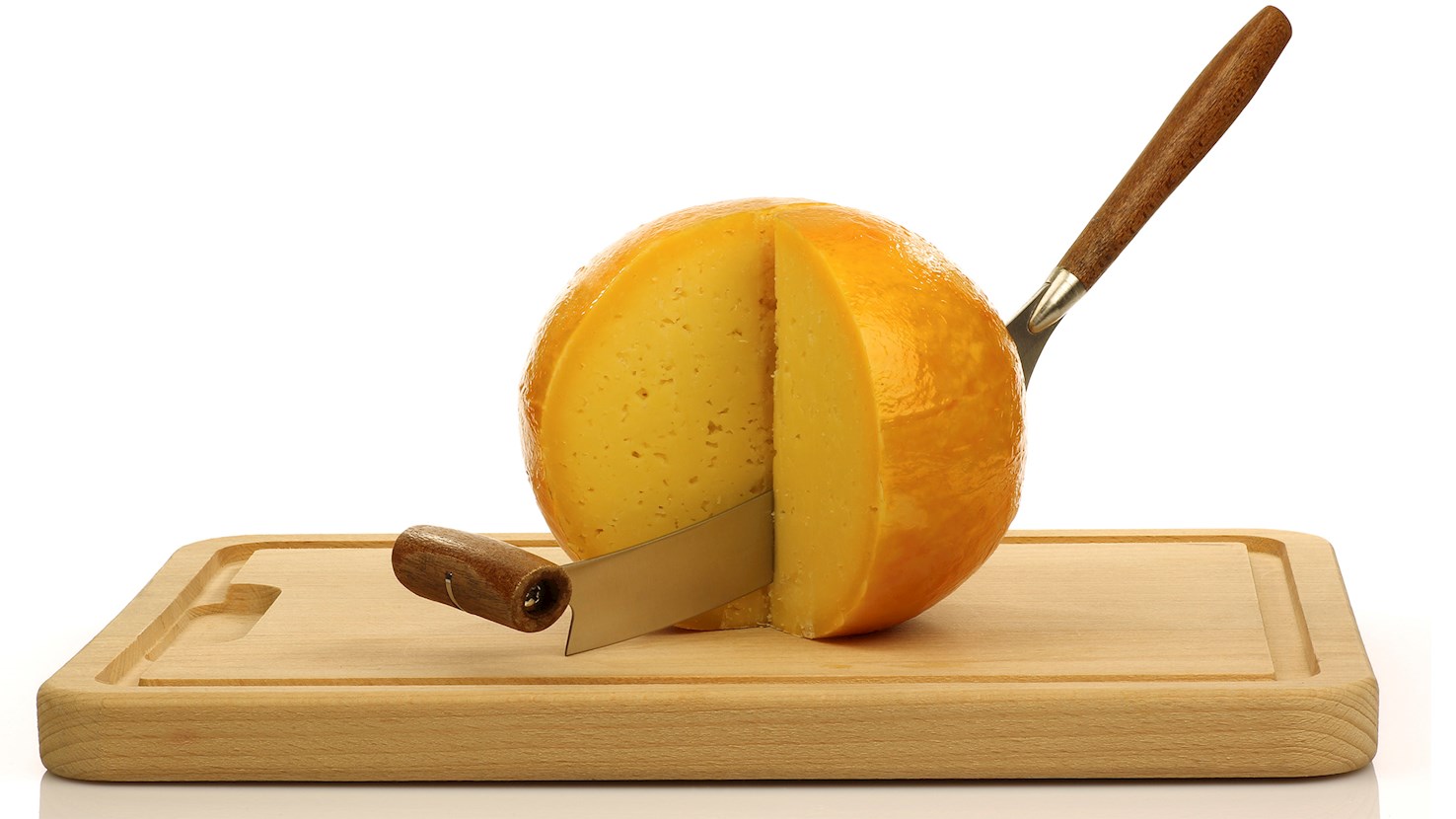
Noord-Hollandse Edammer is a soft, spherical cheese, with a flat top and bottom, made from cow's milk obtained exclusively from the pastures of North Holland, which gives it its unique taste. Its distinctive characteristics include a low salt content (its saltiness is significantly lower than that of other varieties of Edam cheese), high production quality, and a red, waxy outer coating. It comes from the town of Edam in North Holland, where it's prepared following the instructions from a traditional recipe and has a PDO certificate. As it ages, Noord-Hollandse Edammer becomes firmer. The cheese has been produced on farms since the Middle Ages, which is evident from the Edam cheese presses that are displayed in numerous museums in North Holland. The production of Edam later included areas around cities such as Amsterdam, Purmerend, Enkhuizen, Alkmaar, and Hoorn. Today, Edam cheese is largely produced in factories, where the quality of the product takes precedence over quantity. There are also Edam cheese markets, taking place every Wednesday from July 2 to August 20, where tourists can buy and taste various cheese delicacies.
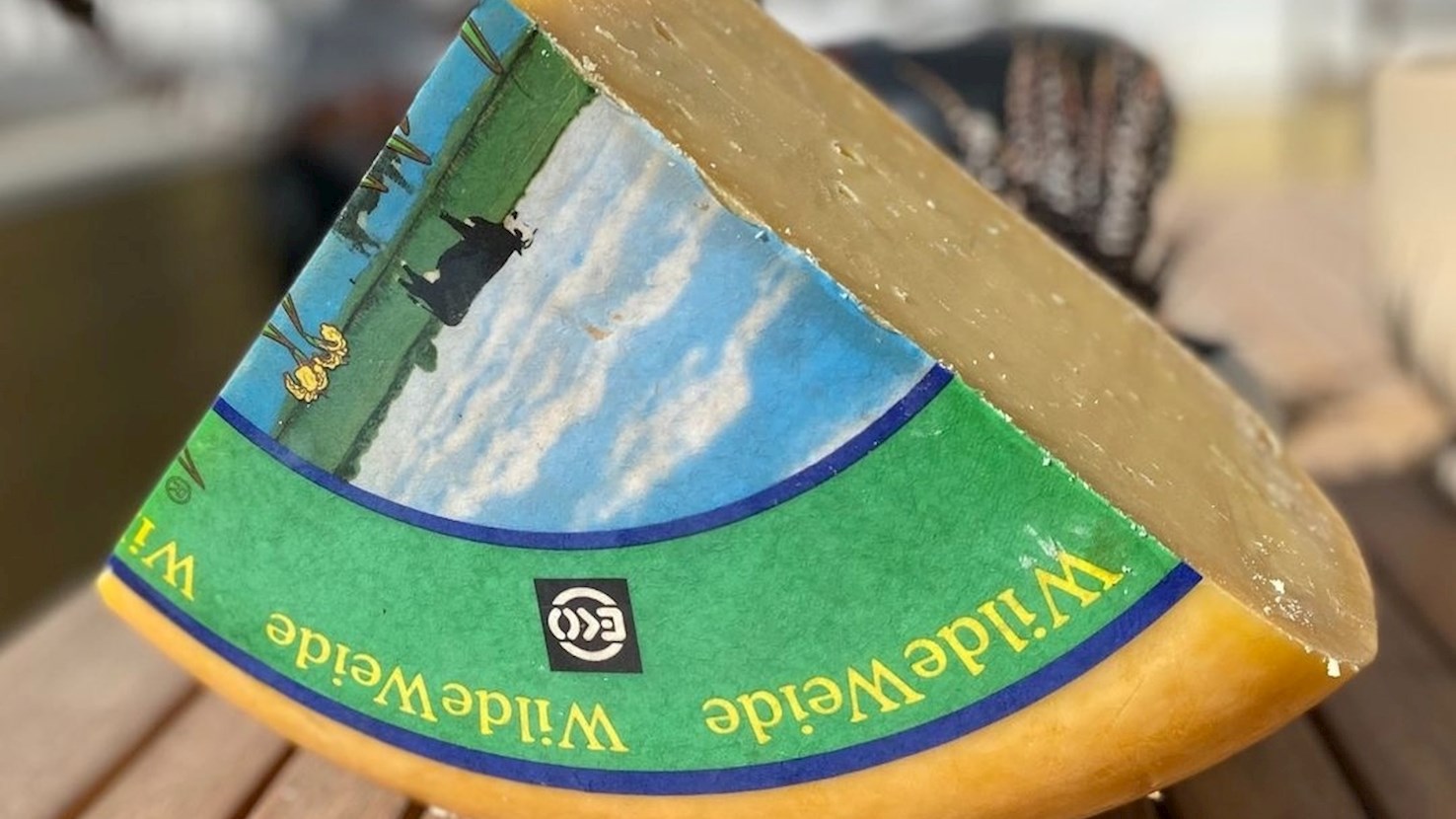
Wilde Weide is a Dutch farmhouse-style Gouda cheese produced in the area of Zwanburgerpolder by Jan and Roos van Schie. The cheese is made from raw cow's milk and matures for 15 months. Its texture is firm, crumbly, and flaky, and the paste is straw yellow in color, with a few eyes and amino acid crystals dispersed throughout it. The flavors are creamy, rich, sweet, and mildly sharp, with hints of butter, hazelnuts, and bourbon. It is recommended to pair Wilde Weide with Riesling and Gewurztraminer.
TasteAtlas food rankings are based on the ratings of the TasteAtlas audience, with a series of mechanisms that recognize real users and that ignore bot,
nationalist or local patriotic ratings, and give additional value to the ratings of users that the system recognizes as knowledgeable.
For the “Top 24 Western Dutch Cheeses” list until June 15, 2026, 1,217 ratings were recorded, of which 1,054 were recognized by the system as legitimate.
TasteAtlas Rankings should not be seen as the final global conclusion about food. Their purpose is to promote excellent local foods,
instill pride in traditional dishes, and arouse curiosity about dishes you haven’t tried.
The initial list of top producers was compiled based on available reviews, awards, local recommendations, media and blog coverage, and consumer reviews.
The list will be updated with ratings from TasteAtlas local ambassadors and TasteAtlas users.