shutterstock

Top 13 Italian Chestnuts

Last updated on June 24, 2026
01

Castagna Cuneo

n/a ·

This variety of chestnuts is cultivated in the numerous valleys surrounding the town of Cuneo, where origins of some of the oldest chestnut orchards can be traced back to the 16th century when the royal House of Savoy kept written annual harvest records about the quantity and characteristics of these prized nuts. Cuneo chestnuts are cultivated at a relatively low altitude of about 200 to 1000m above sea level, and they thrive best in a temperate subcontinental climate, growing in well-drained soil, rich in organic matter. The chestnuts of Cuneo are marketed in four varieties: Castagne Fresche (fresh), Essiccate (dried), Fiocchi di Castagna (chestnut flakes), and Farina di Castagna (chestnut flour). The ones intended for drying are traditionally desiccated in special masonry chambers, over constant low heat for about 30 days. Cuneo chestnuts are excellent even raw, however, when fresh they are most often boiled, roasted or used in various desserts and traditional Piedmont dishes.

02

Marrone di Serino

n/a ·

Marrone di Serino, or castagna di Serino is a variety of medium-large chestnut from Campania. The flesh is firm and crunchy with medium sweetness, and it is widely used in cooking. Boiled or roasted, marrone di Serino can be enjoyed on its own or used as an ingredient in the preparation of both savory and sweet dishes. Some of the local savory delicacies using these precious chestnuts are zuppa di marroni di Serino and caldarroste di marrone di Serino, while the most popular desserts include cakes and tarts such as crostata di marrone di Serino, crostata con crema di Marrone di Serino e cioccolato, or tronchetto al cioccolato con marrone di Serino. There is even a Sagra della Castagna della Serino, an annual chestnut festival dedicated to celebrating this delicacy.

03

Marrone di Roccadaspide

n/a ·

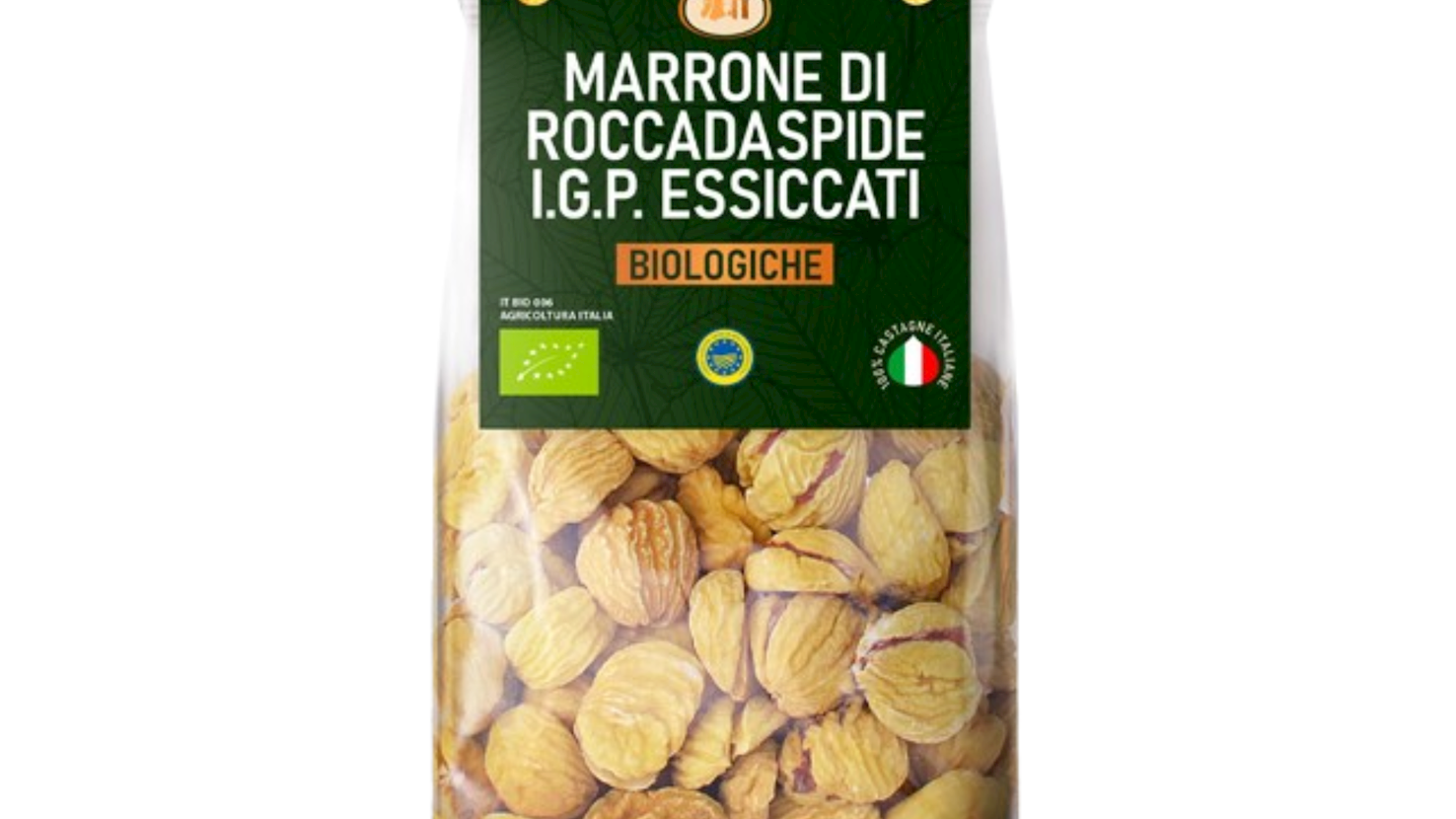
Named after a small town settled west from the Calore Lucano River, the chestnuts of Roccadaspide are fresh or dried fruits of the Anserta, Abate and Castagna Rossa cultivars grown in the province of Salerno, all of which are characterized by large size and a particularly sweet flavor due to their high glucose content. Roccadaspide chestnuts were once the main source of food for the local population, especially the chestnut flour which was used for making long-lasting breads. Today, they are more often enjoyed roasted, glazed, pureed, prepared as a side dish for game meat or used as an ingredient in a number of local desserts.

04

Marrone della Valle di Susa

n/a ·

Grown in the Piedmont's province of Turin, namely the fertile Susa Valley, Marrone della Valle di Susa refers to the chestnut variety characterized by a particular crunchy consistency of flesh, the sweet flavor and an indisputably unique aroma. Even though Susa Valley chestnuts were probably cultivated since the Roman era, most written records can be traced back to the Middle Ages when the most noted groves were the Castagneretum di Templeris which belonged to the Templars. Marrone della Valle di Susa is excellent roasted but it can also be used as an ingredient in many recipes, from hors d’oeuvres to desserts. Ballotte or boiled chestnuts are often served as a side dish; glazed chestnuts make for a delicious dessert, and Susa Valley chestnuts marinated in grappa are a delicacy not to be missed.

05

Marrone di San Zeno

n/a ·

Grown in the woods of Monte Baldo, a botanical haven of Alpine flora nestled between the Adige River and lake Garda in Veneto, Marrone di San Zeno is a sweet chestnut cultivar characterized by a particularly strong sweet flavor and a doughy texture. Rich in starch, the chestnuts of San Zeno have high energy and nutritional values. They are consumed either fresh, cooked, roasted or used for making bread, pasta and polenta as well as delicious desserts like Tronchetto, a chestnut and chocolate log cake. However, the most typical dish would be the hearty San Zeno chestnut soup, an Alpine take on the classic Venetian bean soup. Also, San Zeno chestnuts are the essential ingredient of Castanea, a strong, peculiar flavored chestnut beer.

06

Castagna di Montella

n/a ·

Named after a little town settled in the province of Avellino in Campania, the Montella chestnut has been growing in this area since the early Middle Ages. These versatile nuts of the Palummina and Verdole varieties are harvested in October and traditionally enjoyed during winter festivities, especially around Christmas when the famous Castagne del Prete are prepared. First, they are baked and smoked over a very low fire of chestnut wood for as long as a fortnight! Afterwards, they are roasted in ventilated ovens and lastly, soaked in water. Apart from Castagne del Prete, Montella chestnuts can be found dried (with or without their shells), prepared as Confettura di Castagne (chestnut jam) or even dried and ground as Farina di Castagne (chestnut flour).

07

Marroni del Monfenera

n/a ·

Traditionally grown in the Veneto's province of Treviso for centuries, Marroni del Monfenera refers to the chestnut variety characterized by their straw yellow to hazelnut-brown floury flesh and a very sweet flavor. For a simple treat, Monfenera chestnuts are excellent as Caldarroste - roasted and typically flavored with wine wine, but can also be used in preparing many different recipes, from first courses to desserts. When boiled and mashed, they are an ideal ingredient for making cakes and biscuits or even puddings and soufflés.

08

Marrone di Combai

n/a ·

Traditionally grown in the Veneto's province of Treviso for centuries, Marrone di Combai is a fresh chestnut characterized by floury yet crunchy white flesh, as well as a sugary and sweet flavor. Combai chestnuts can be consumed roasted, boiled or used to prepare various sauces and soups such as the traditional Mondoi, a chestnut consommé. Other popular dishes include chestnut stuffed turkey, veal loins with chestnuts in Cognac and pasta with chestnut, chicken and thyme ragù. Also, these forest fruits are widely used for confectionery, jams and desserts such as chestnut-cream Tiramisu and Montebianco cake.

09

Marrone di Castel del Rio

n/a ·

Grown in the province of Bologna for centuries, Marrone di Castel del Rio is one the most valuable chestnut varieties in Italy. They are harvested in fall but can also be preserved by simple fermentation methods after which they can be enjoyed for a longer time. Castel del Rio chestnuts have a particularly sweet, fragrant flavor which brings out all the aromas of the forest. They are used in a number of traditional dishes such as the Castagnaccio cake, Tagliatelle with chestnuts, pancetta and pecorino cheese or Mistocchine chestnut flour fritters.

10

Marrone di Caprese Michelangelo

n/a ·

Grown in the mountainous Tuscan province of Arezzo since the 9th century, Marrone di Caprese Michelangelo refers to raw or dried chestnuts characterized by a high starch content of its ivory-white flesh, and an intense aroma reminiscent of almonds and vanilla. The chestnuts of Caprese Michelangelo are excellent roasted or boiled, but they also make for a precious ingredient in many local recipes such as the famous Montebianco, a fantastic cake with layers of chestnut and coffee mousse sandwiched between almond meringue. For a well-rounded dessert experience, pair it with a glass of sweet, fragrant wine.

Read more
View all
View map
About this ranking

TasteAtlas food rankings are based on the ratings of the TasteAtlas audience, with a series of mechanisms that recognize real users and that ignore bot, nationalist or local patriotic ratings, and give additional value to the ratings of users that the system recognizes as knowledgeable. For the “Top 13 Italian Chestnuts” list until June 24, 2026, 29 ratings were recorded, of which 11 were recognized by the system as legitimate. TasteAtlas Rankings should not be seen as the final global conclusion about food. Their purpose is to promote excellent local foods, instill pride in traditional dishes, and arouse curiosity about dishes you haven’t tried.

Similar lists