



shutterstock

Top 6 Burgundian Chicken Dishes

Last updated on July 15, 2026
01

Coq au vin jaune

4.1 ·

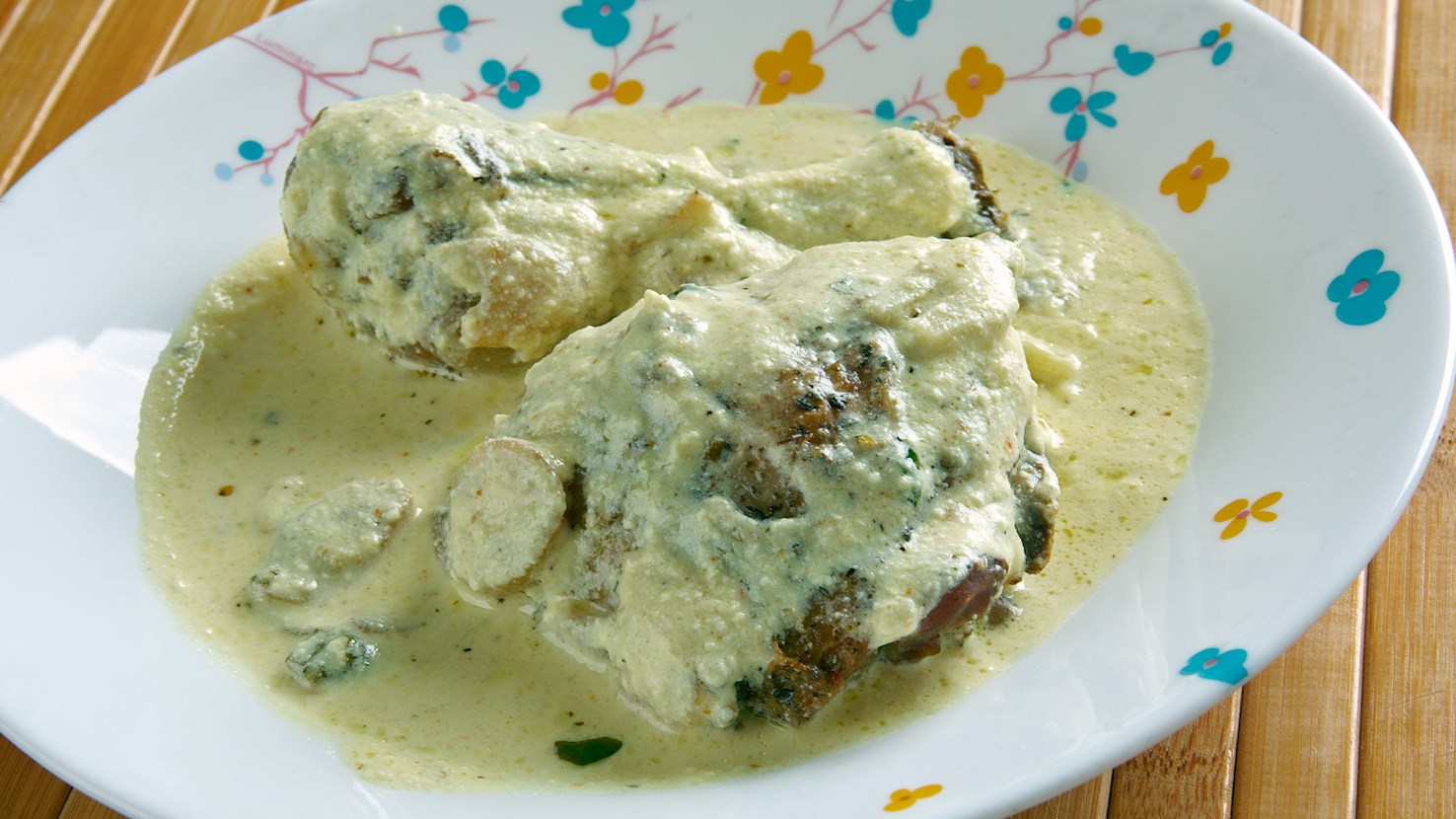
Along with coq au Riesling, coq au vin jaune is another variation on the classic coq au vin. Instead of red wine, coq au vin jaune incorporates yellow or white wine. The best vin jaune is found in the French region of Jura, but any yellow or white wine can be used instead of it. Light and sweet flavors and various colors make it a great summer dish, although the classic coq au vin is considered a typical winter dish. Morel mushrooms are commonly used in the preparation of coq au vin jaune, giving it a unique flavor and aroma. It is recommended to pair the dish with a glass of light white wine on the side.

02

Coq au vin

4.0 ·

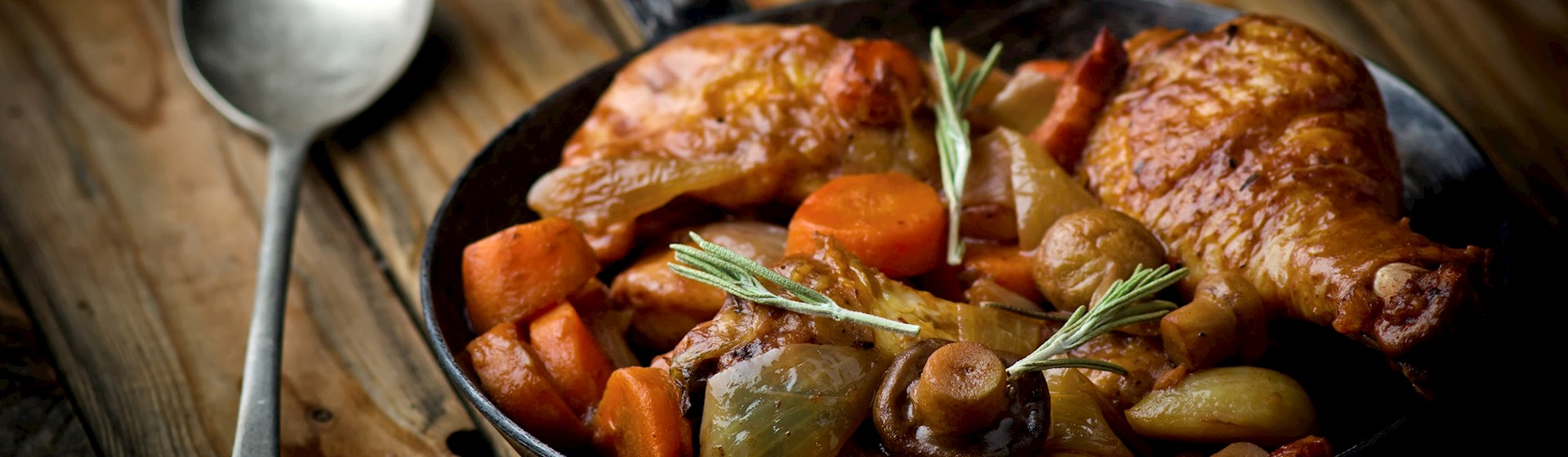
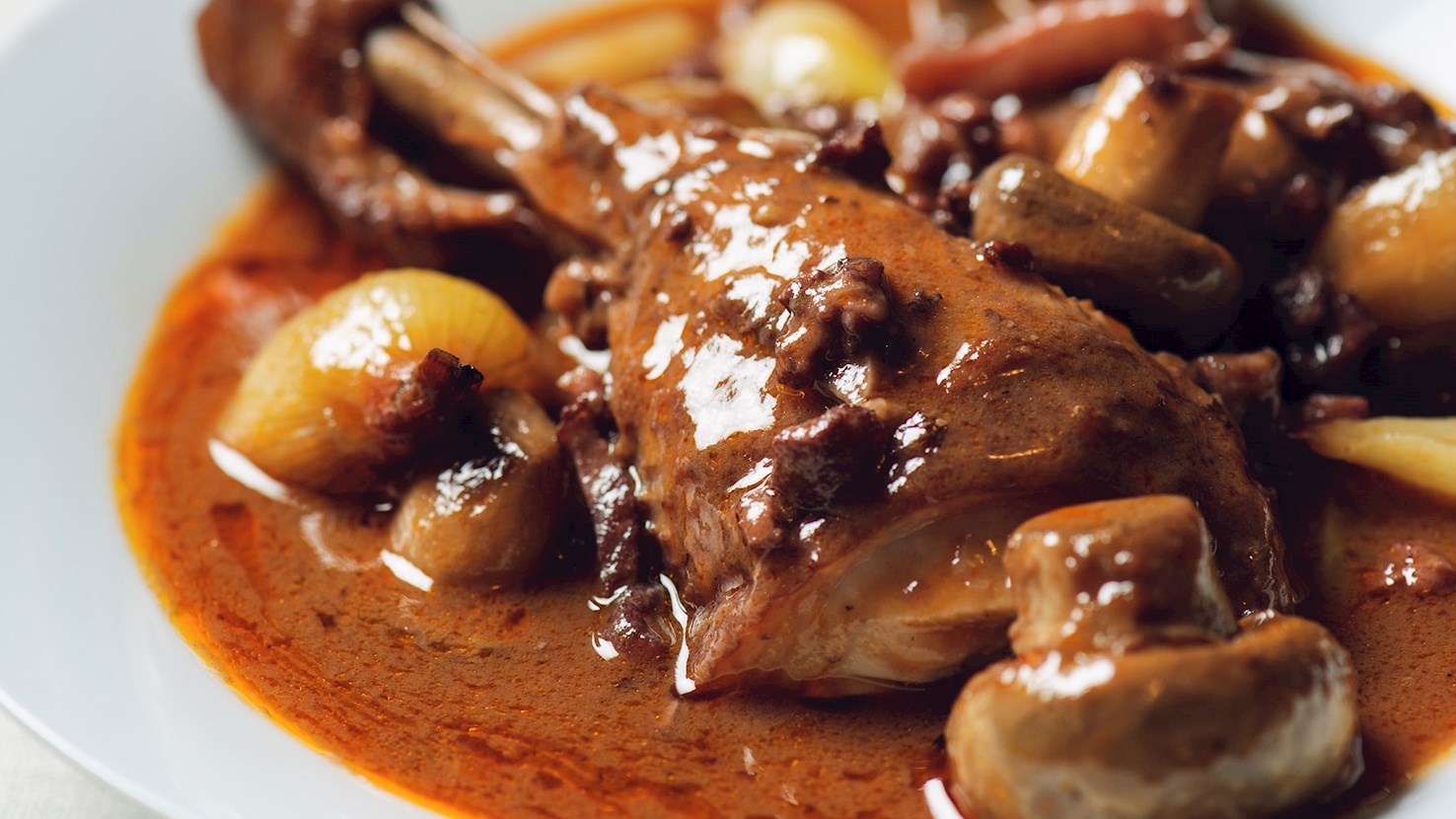
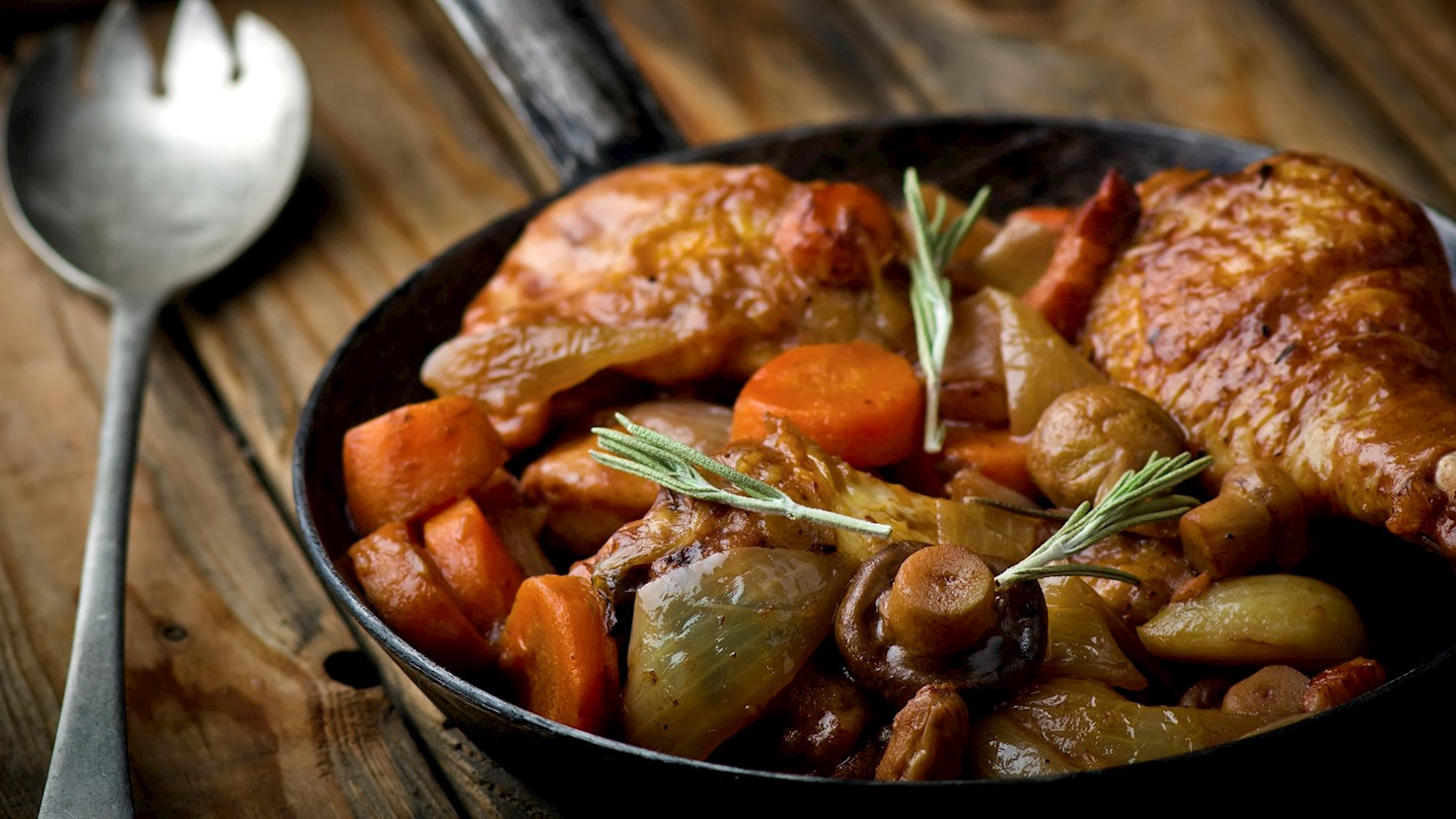
This classic peasant stew hails from the French region of Burgundy. This dish is the perfect showcase for the harmonious coexistence of its two main ingredients – coq, or rooster, and vin, or wine, in this case a bold, rustic red wine. The rooster is cut into sections and combined with rooster's blood, onions, carrots, garlic, thyme, bay leaves, parsley, mushrooms, salt, pepper, and a hefty dose of red wine. The ingredients are then slowly cooked over low heat until the meat becomes tender. One of the first documented recipes for coq au vin dates back to 1913, when the French natural philosopher and zoologist Mathurin Jacques Brisson stumbled upon the dish in the Chaîne des Puys region. Julia Child later popularized the recipe among English-speaking audiences on her TV program The French Chef. This simple "drunk chicken" dish is often accompanied by steamed or boiled parsley potatoes or buttered noodles.

03

Poulet Gaston Gerard (Gaston Gérard chicken)

n/a ·

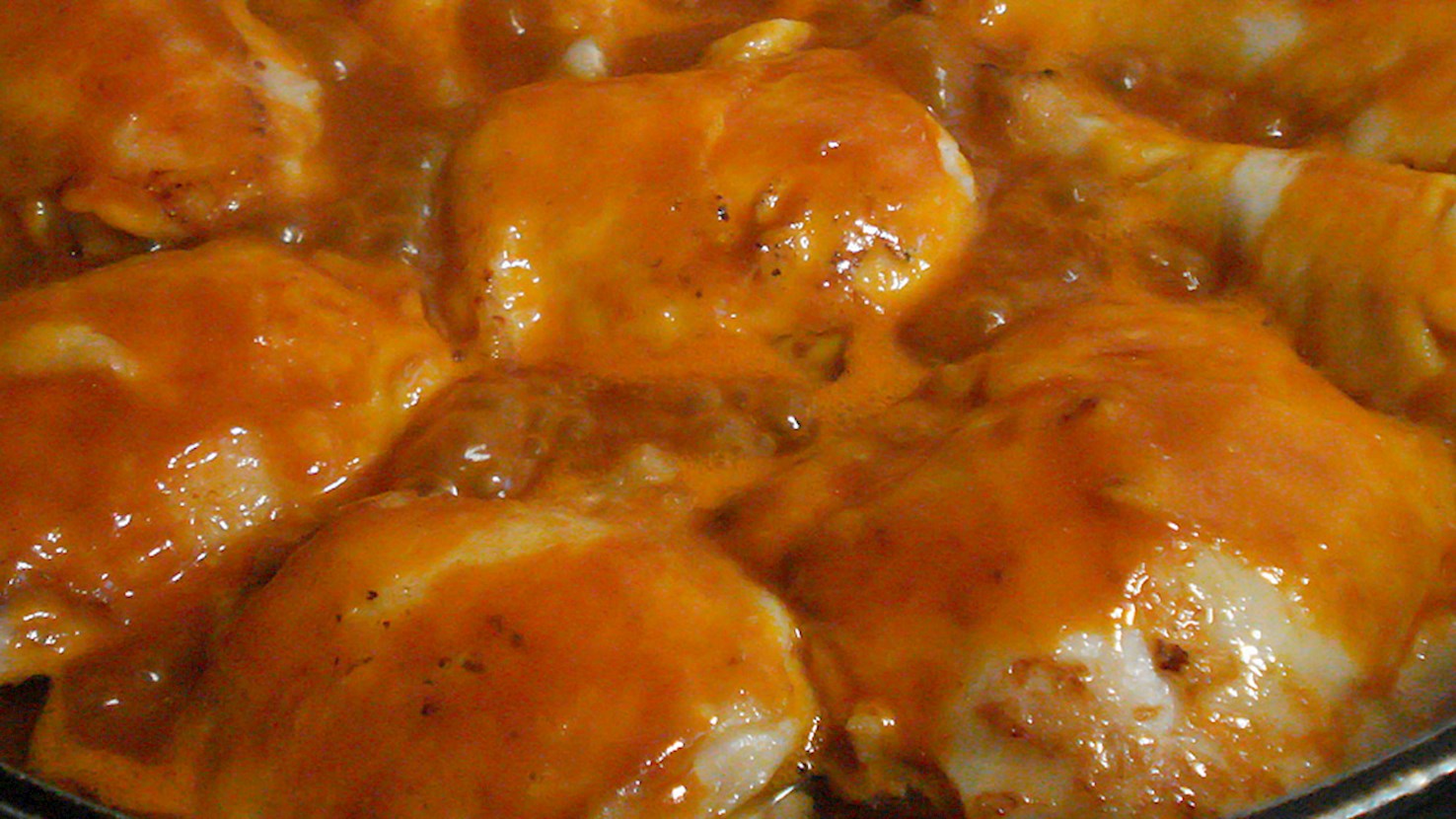
This classic Burgundian dish was created in 1930 by the wife of the Mayor of Dijon, Madame Gaston Gérard. She prepared it for Maurice Edmond Sailland, a celebrated food writer who was visiting at the time. Although there are numerous variations on the recipe, Dijon mustard is a key ingredient in all of them. The chicken (preferably of the Bresse variety) is sautéed in butter or oil, then combined with a sauce consisting of cooking juices, white Burgundy wine, heavy cream, grated cheese, and Dijon mustard. The dish should taste the best when paired with a glass of white wine on the side. It is believed that Madame Gaston Gérard accidentally dropped a jar of mustard into the pan, and added all of the other ingredients in it to mask the mustard flavor. However, the concoction pleased Sailland, and the rest is history.

04

Poulet à la Cancoillotte

n/a ·

Poulet à la Cancoillotte is a traditional chicken dish originating from the region of Haute-Saône. The dish is usually made with a combination of chicken, garlic, shallots, cognac, white mushrooms, chicken stock, heavy cream, Cancoillotte (runny cow's milk cheese), butter, olive oil, flour, salt, and pepper. The chicken is cut into pieces, seasoned with salt and pepper, dredged in flour, and browned in a mixture of olive oil and butter. It's then transferred to the oven for half an hour. Once done, the chicken is removed from the casserole and the shallots, garlic, and mushrooms are sautéed in the same fat. Cognac is added, ignited, and chicken stock is then added to the mixture and cooked down until the liquid is reduced by half. Heavy cream and Cancoillotte are added to the casserole, and the sauce is stirred until it becomes thick. The chicken pieces are returned to the sauce, shortly simmered, and the dish is then ready to be enjoyed, ideally with potato galettes on the side.

05

Poulet à la comtois

n/a ·

Poulet à la comtois is a traditional dish from the French region of Franche-Comté. It consists of chicken pieces (preferably of the Bresse variety) cooked in a sauce made with white wine from Jura, crème fraîche, and delicious Comté cheese. It is recommended to serve the dish with a glass of white Jura wine on the side.

06

Poularde aux morilles

n/a ·

Poularde aux morilles is the crown jewel of the Franche-Comté region, a specially fattened, tender hen slowly braised in a rich, heavy cream sauce, deeply infused with earthy morel mushrooms and oxidized local wine. The recipe demands two highly specific regional ingredients to achieve its signature decadence: poultry from the neighboring Bresse area—where hens are raised on a diet of milk and cereals to produce exceptionally moist, densely marbled meat—and wild morel mushrooms foraged directly from the damp floors of the Jura mountain forests. The sectioned bird is first seared in butter to render its natural fat and develop a golden skin, then temporarily removed from the heavy cast-iron pot. The remaining fat is used to sauté finely minced shallots and the prized morels, whose deeply pitted, honeycomb-like caps act as perfect natural sponges, soaking up the savory pan drippings. This intense, earthy base is then aggressively deglazed with vin jaune, a highly localized, sherry-like wine aged under a layer of yeast that imparts sharp, unforgettable notes of toasted walnuts and warm spices. Once the sharp alcohol cooks off, a generous pour of high-fat crème fraîche is folded into the pot, and the chicken is fully submerged back into the liquid. It is left to simmer gently until the meat becomes remarkably spoon-tender and the sauce reduces down into a thick, velvety, ivory-colored glaze. Deeply comforting and overwhelmingly rich, poularde aux morilles is traditionally served scorching hot, ladled generously over simple buttered egg noodles, roasted potatoes, or a crisp potato galette.

Read more
View all
View map
About this ranking

TasteAtlas food rankings are based on the ratings of the TasteAtlas audience, with a series of mechanisms that recognize real users and that ignore bot, nationalist or local patriotic ratings, and give additional value to the ratings of users that the system recognizes as knowledgeable. For the “Top 6 Burgundian Chicken Dishes” list until July 15, 2026, 299 ratings were recorded, of which 257 were recognized by the system as legitimate. TasteAtlas Rankings should not be seen as the final global conclusion about food. Their purpose is to promote excellent local foods, instill pride in traditional dishes, and arouse curiosity about dishes you haven’t tried.

Similar lists