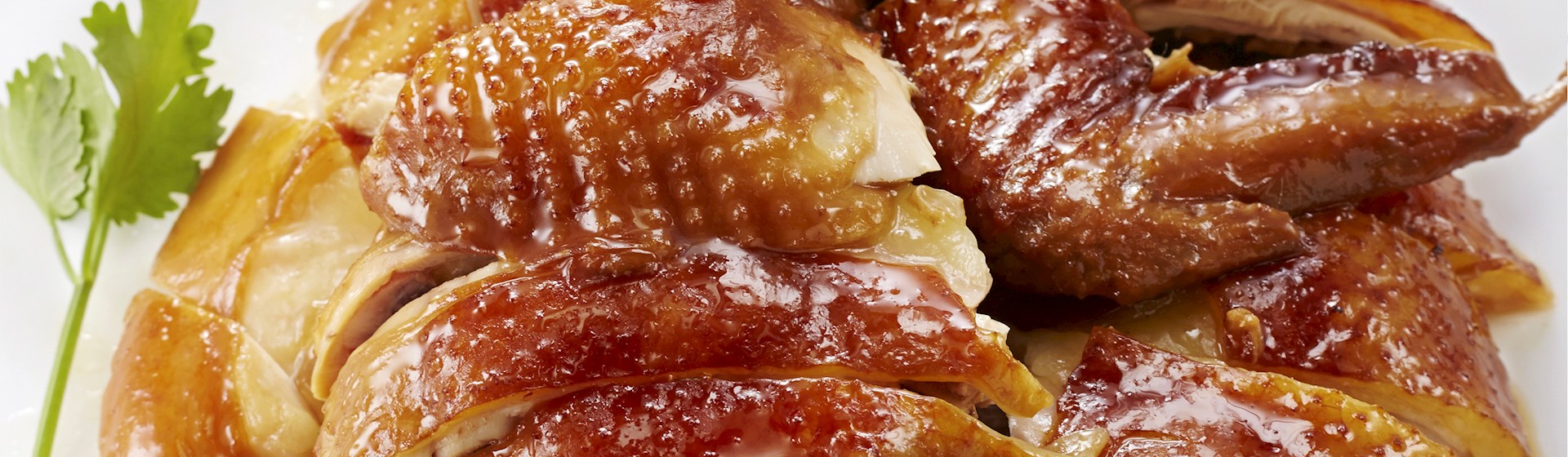
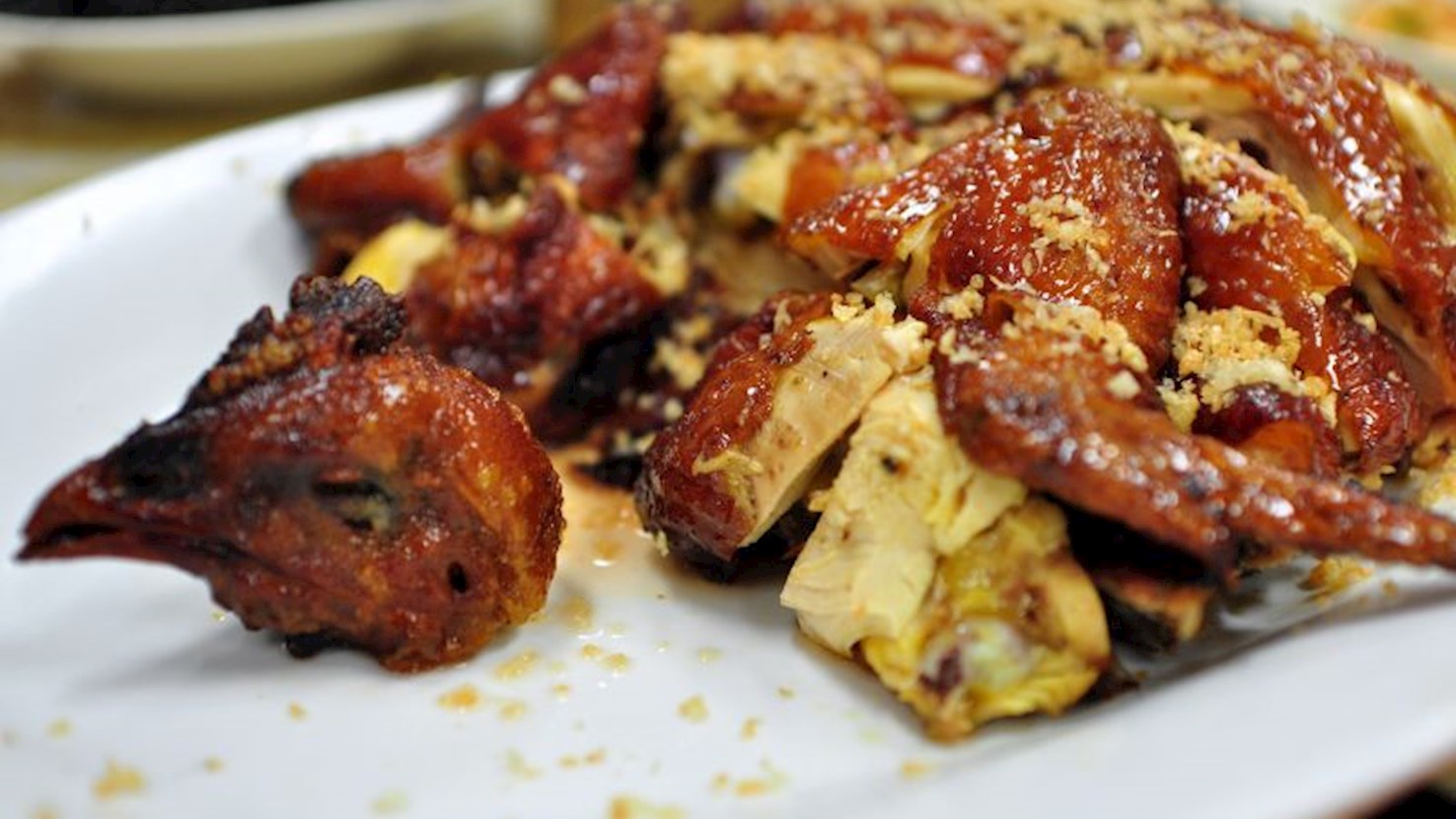
A traditional dish of the Cantonese cuisine, crispy fried chicken consists of chicken that is first steamed and dried, then deep-fried in a special way so that the skin remains extremely crunchy, and the meat underneath gets tender. The chicken is steamed with spices such as cinnamon, Sichuan pepper, ginger, anise, and nutmeg. Later, it usually gets drizzled over with a combination of sugar and vinegar, helping the skin achieve its typical crispiness in the process. According to tradition, crispy fried chicken is a dish that should be eaten at night, while it is also regularly consumed at most Chinese wedding feasts. It is usually accompanied by two side dishes: prawn crackers and pepper salt.
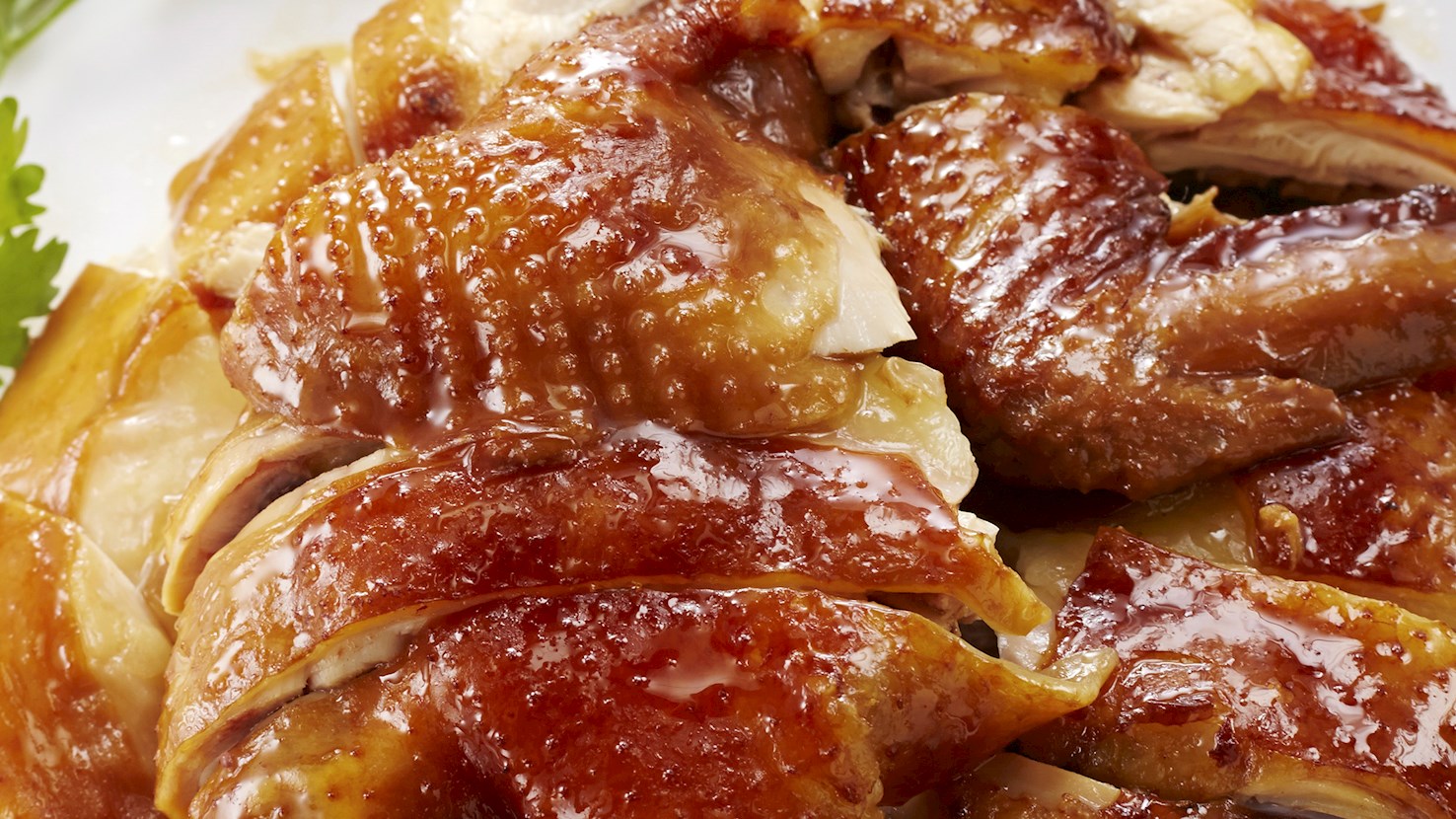
Soy sauce chicken is a traditional Cantonese dish and a classic example of red cooking technique, where meat is simmered in a soy sauce-based liquid along with various seasonings. It results in tender, succulent meat that falls off the bone. Although most cooks use chicken quarters for the dish, some like to use smaller pieces such as legs, drumsticks, and wings. Soy sauce chicken made with chicken quarters is also a traditional dish for the Chinese New Year. It is recommended to pair the chicken with side dishes such as rice or stir-fried lo mein noodles, while the typical accompaniment is a dipping sauce made with oil, ginger, chicken stock, onions, and salt.
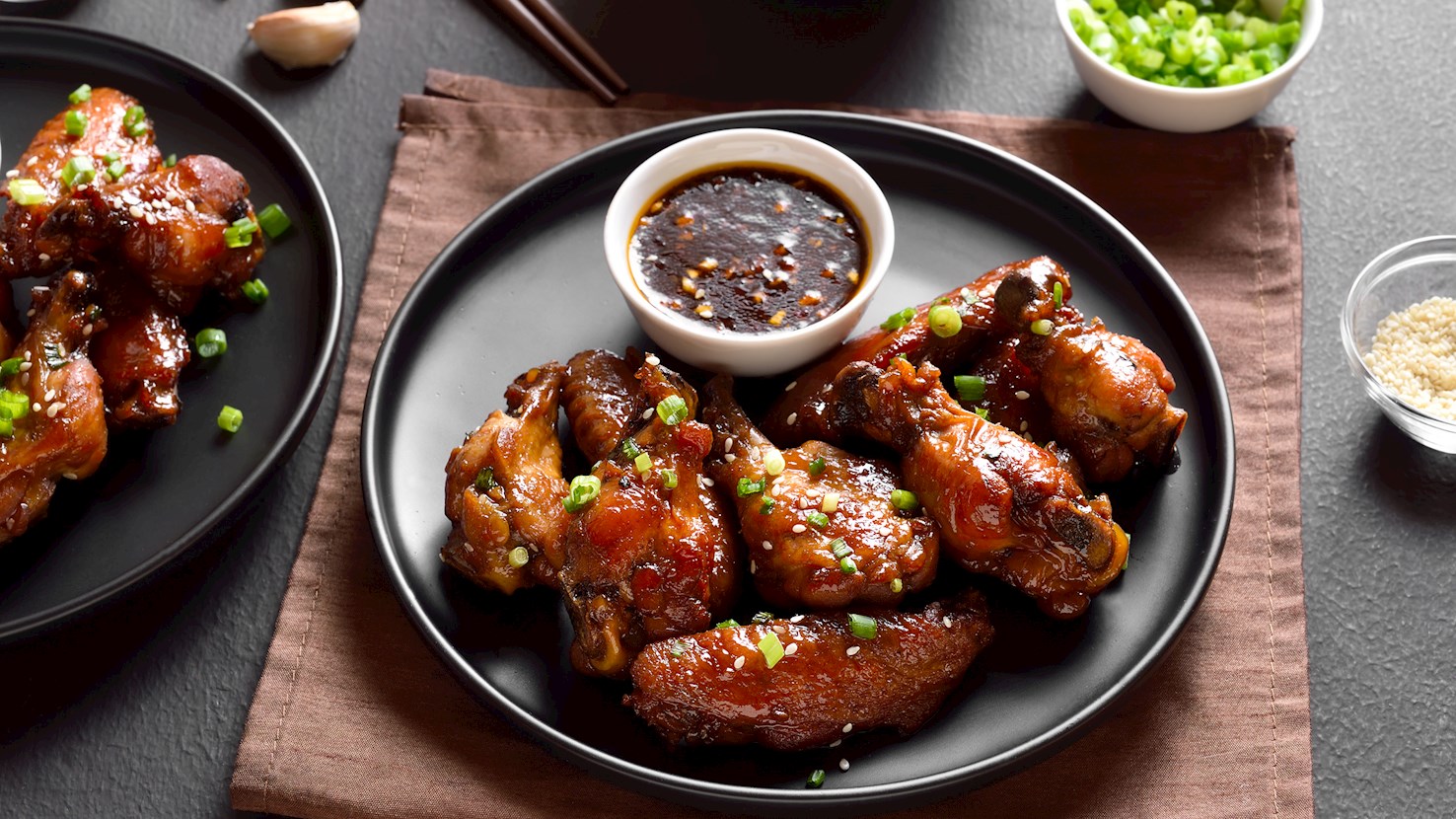
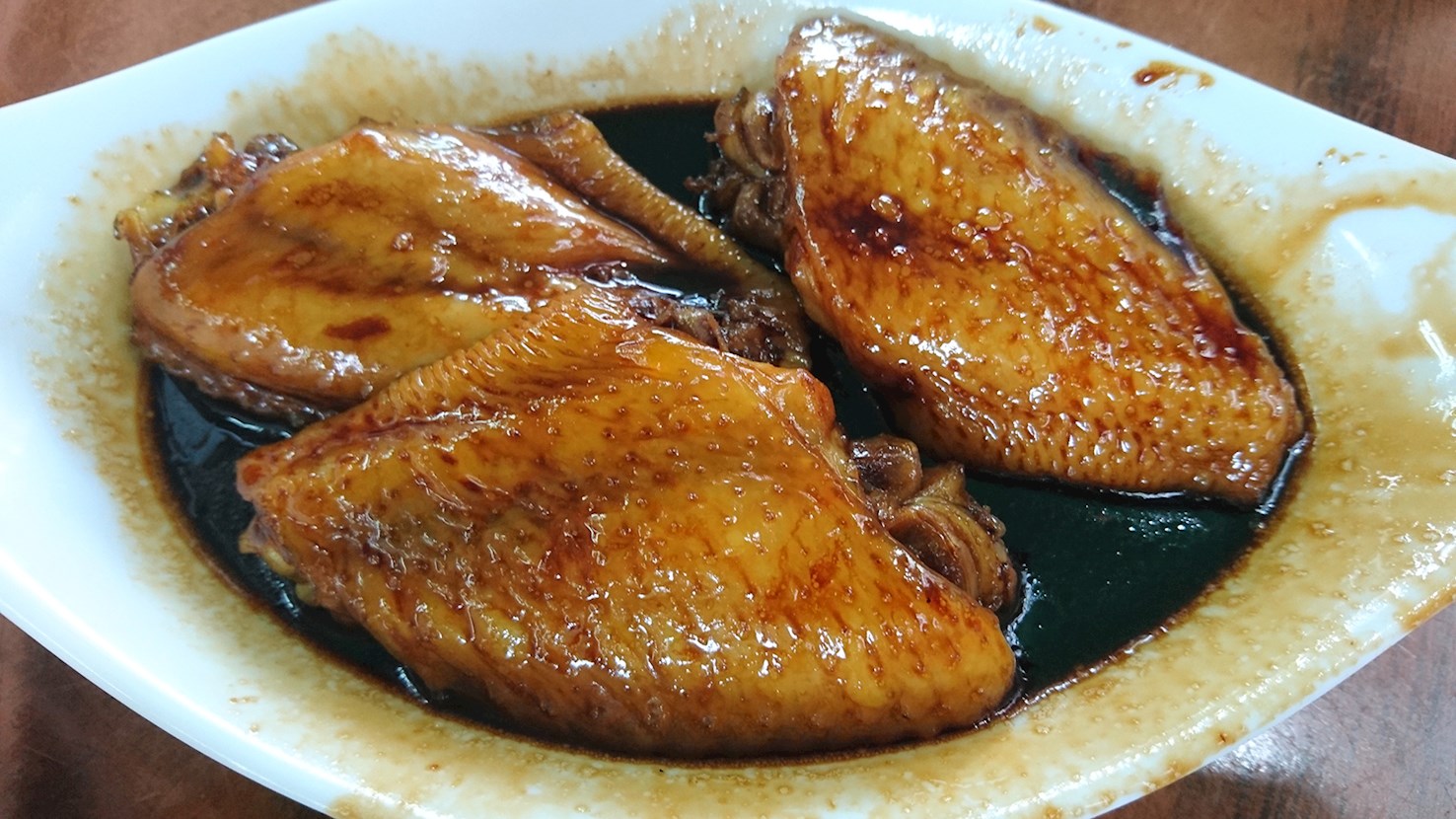
Mut jup mun gai yik is a traditional dish originating from Guangzhou. The dish is usually made with a combination of chicken wings, soy sauce, honey, peanut oil, Shaoxing wine or sherry, garlic, and ginger. The chicken wings are stir-fried in peanut oil in a wok over high heat until browned. A mixture of soy sauce, wine, garlic, ginger, and honey is added to the wok and the mixture is stirred until the wings are coated with the sauce. The dish is simmered over low heat until the wings are tender. Honey-soy braised chicken wings are typically served warm or at room temperature as an appetizer.
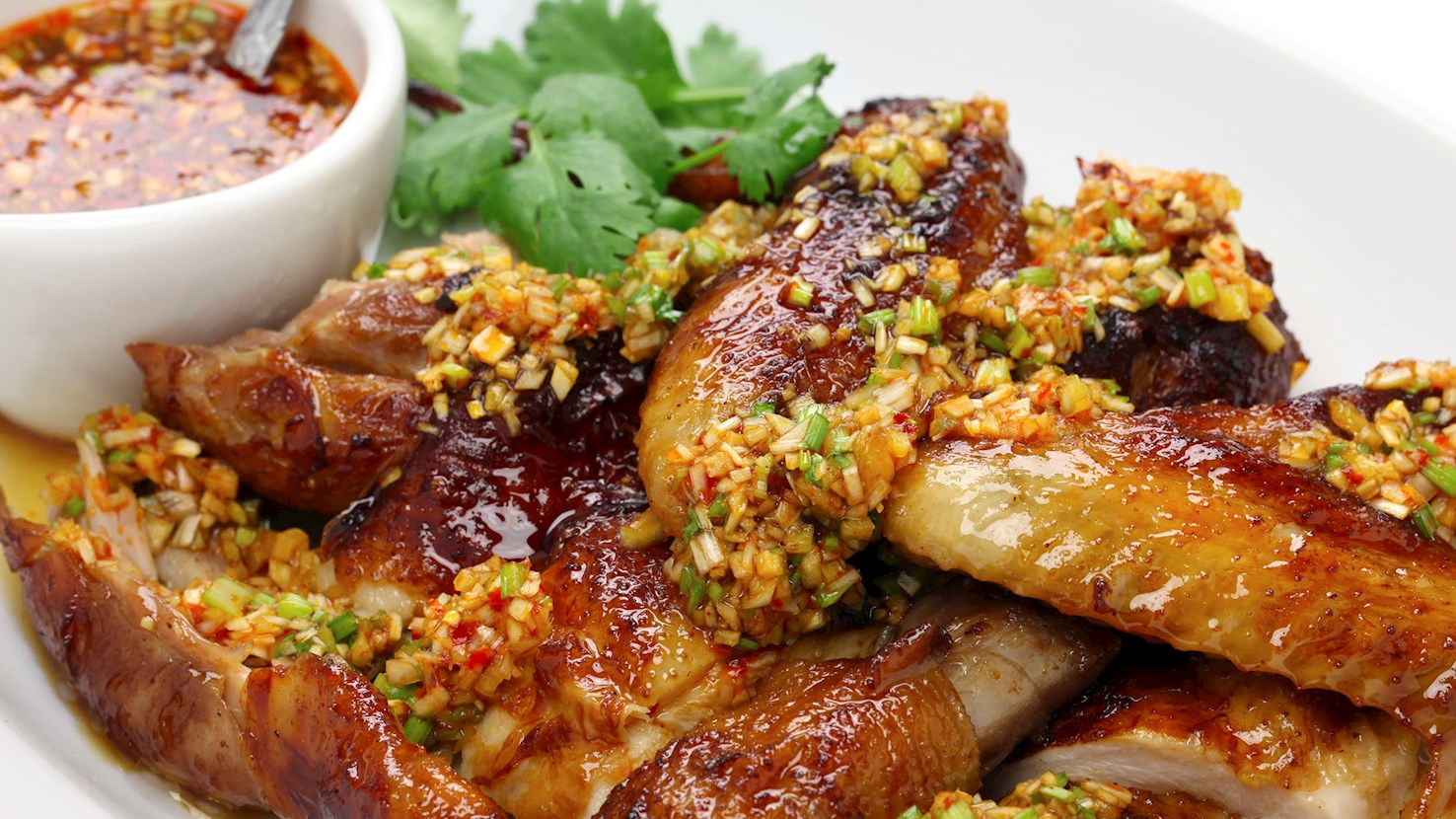
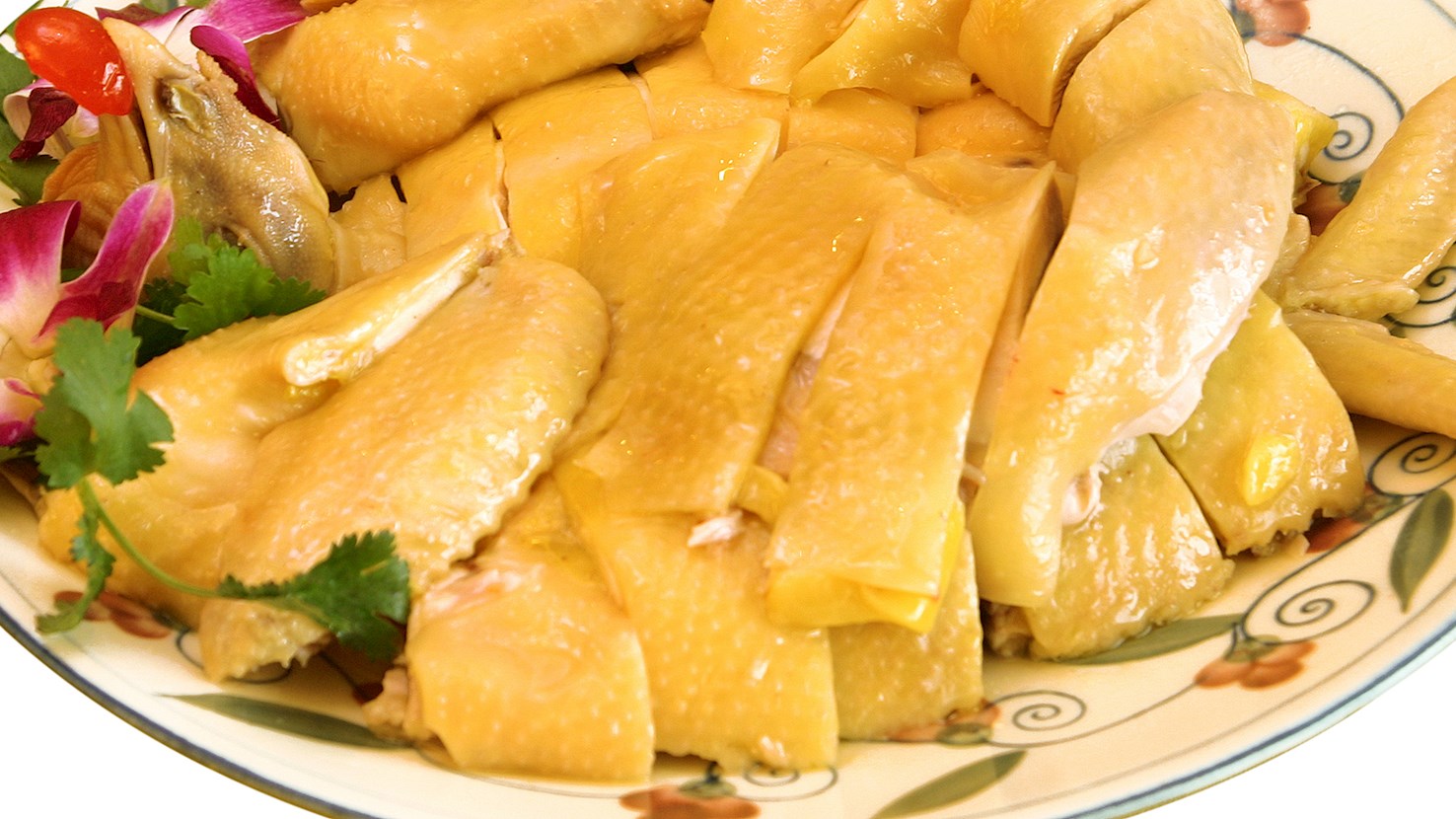
White cut chicken (also known as Cantonese poached chicken) is a beloved traditional dish consumed during Chinese festivals and holidays, and especially on Chinese New Year. The dish consists of salted chicken that is cooked in water with chopped green onions, ginger, cooking wine, Sichuan peppercorns, and sesame oil. When prepared, it is transferred to a bowl filled with ice water in order to chill. Once entirely chilled, the chicken is served whole or cut into large chunks, typically accompanied by ginger scallion sauce and chili sauce, used as dips. Traditionally, Chinese people poach and serve the whole chicken, with its head and feet attached. A delicious holiday meal, this dish pairs well with hot rice, oyster sauce, and soy sauce.
Swiss wings is a dish with origins disputed between Hong Kong and Guangzhou. The dish consists of chicken wings that are similar to soy-sauce chicken wings, only with a sweeter sauce. The wings are usually marinated in a combination of sugar, soy sauce, Chinese wine, and spices such as star anise, garlic, and ginger. The gleaming sauce clings to the chicken wings, which are poached, then slowly simmered in the sauce until it's reduced to a thick and glossy consistency.
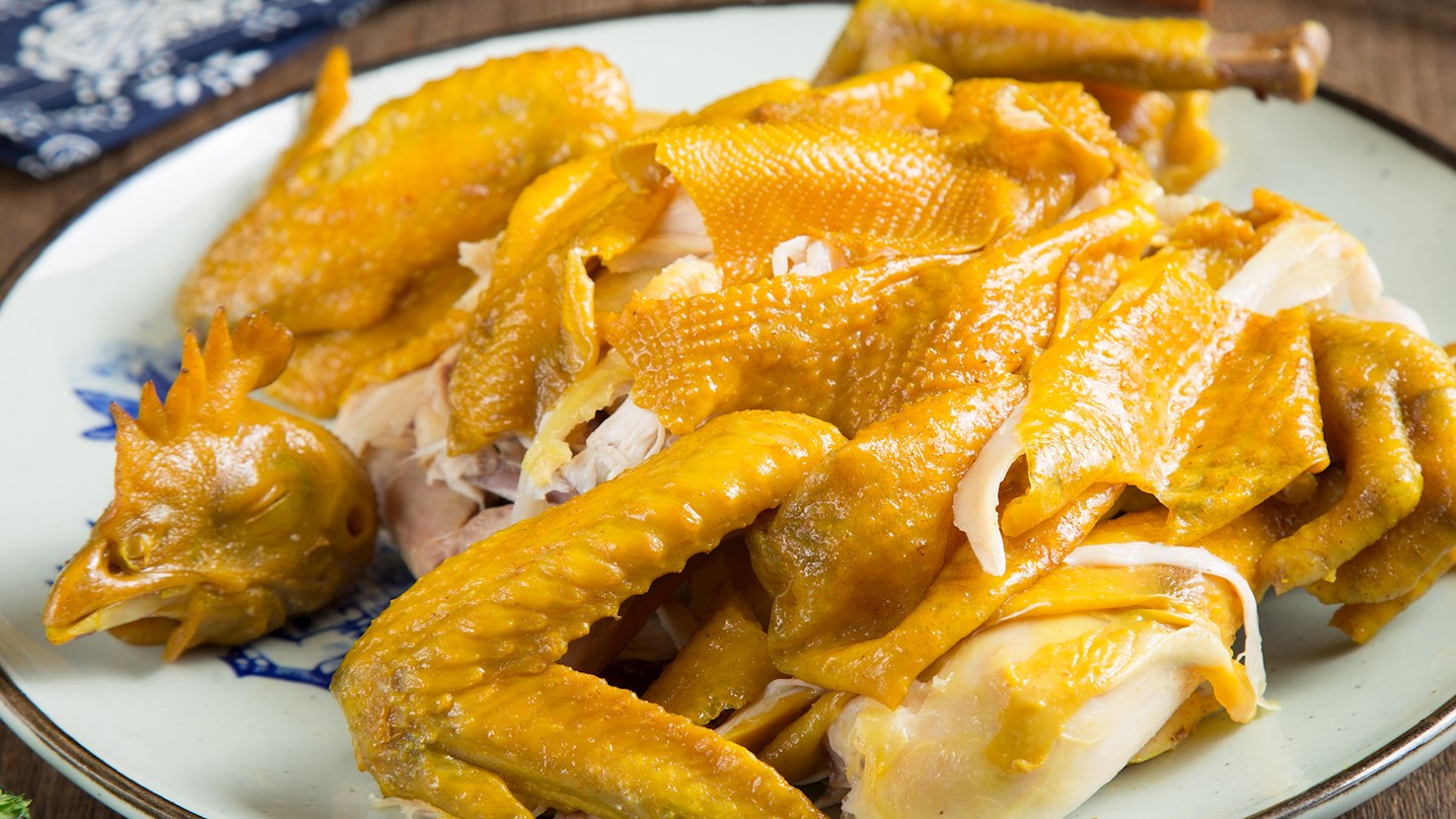
Yánjú jī is a Cantonese salt-baked chicken known for its deeply seasoned, aromatic flavor and tender texture achieved through a unique baking technique. It developed in the regional kitchens of southern China, where preserving and flavoring poultry with salt was an early culinary method, particularly valued in areas where resources were limited and food needed to be stored or transported. Over time, this evolved from a preservation technique into a refined cooking style, and the dish became a popular feature at family banquets, festive meals, and specialty restaurants across Guangdong and beyond. Preparation starts with a whole chicken, typically a free-range bird prized for its firm texture and pronounced flavor. The chicken is thoroughly rubbed with a mixture of salt and spices, which may include star anise, Sichuan peppercorns, ginger, and sand ginger powder, then wrapped tightly in parchment or lotus leaves. The wrapped bird is then buried in a large pot or wok filled with coarse salt, which is heated until it retains enough residual heat to cook the chicken slowly and evenly without direct contact with flames. This indirect baking method seals in the juices while imparting a subtle, mineral-rich flavor from the salt. When finished, the meat is tender, aromatic, and lightly seasoned throughout, with a delicately crisped skin. One distinctive aspect of yánjú jī is that the salt used for cooking can be reused many times, each cycle deepening its flavor profile. The method also eliminates the need for oil or water, highlighting the natural taste of the chicken itself. The dish is typically served chopped into small pieces with the bone still in, often accompanied by a simple dipping sauce of minced ginger, scallions, and warm chicken fat. It is commonly enjoyed as part of a larger Cantonese meal, especially during holidays, celebrations, or special family gatherings, and pairs well with plain rice, steamed vegetables, or light soups that balance its savory intensity.
Wind sand chicken is a classic dish from Hong Kong that actually originated in Guangdong. It’s usually made with a combination of chicken pieces, salt, white pepper, cornflour, plain flour, cumin, sugar, garlic, and eggs. The chicken pieces are marinated in a mixture of sugar, salt, white pepper, and eggs. After a while, they’re coated with a mixture of plain flour, cornflour, cumin, and salt and then fried in oil or baked in the oven. Once done, the dish is sprinkled with crispy fried garlic pieces. The name of the dish refers to its visual appearance, as cumin looks like the chicken has been dusted with sand.
TasteAtlas food rankings are based on the ratings of the TasteAtlas audience, with a series of mechanisms that recognize real users and that ignore bot,
nationalist or local patriotic ratings, and give additional value to the ratings of users that the system recognizes as knowledgeable.
TasteAtlas Rankings should not be seen as the final global conclusion about food. Their purpose is to promote excellent local foods,
instill pride in traditional dishes, and arouse curiosity about dishes you haven’t tried.



What People Say