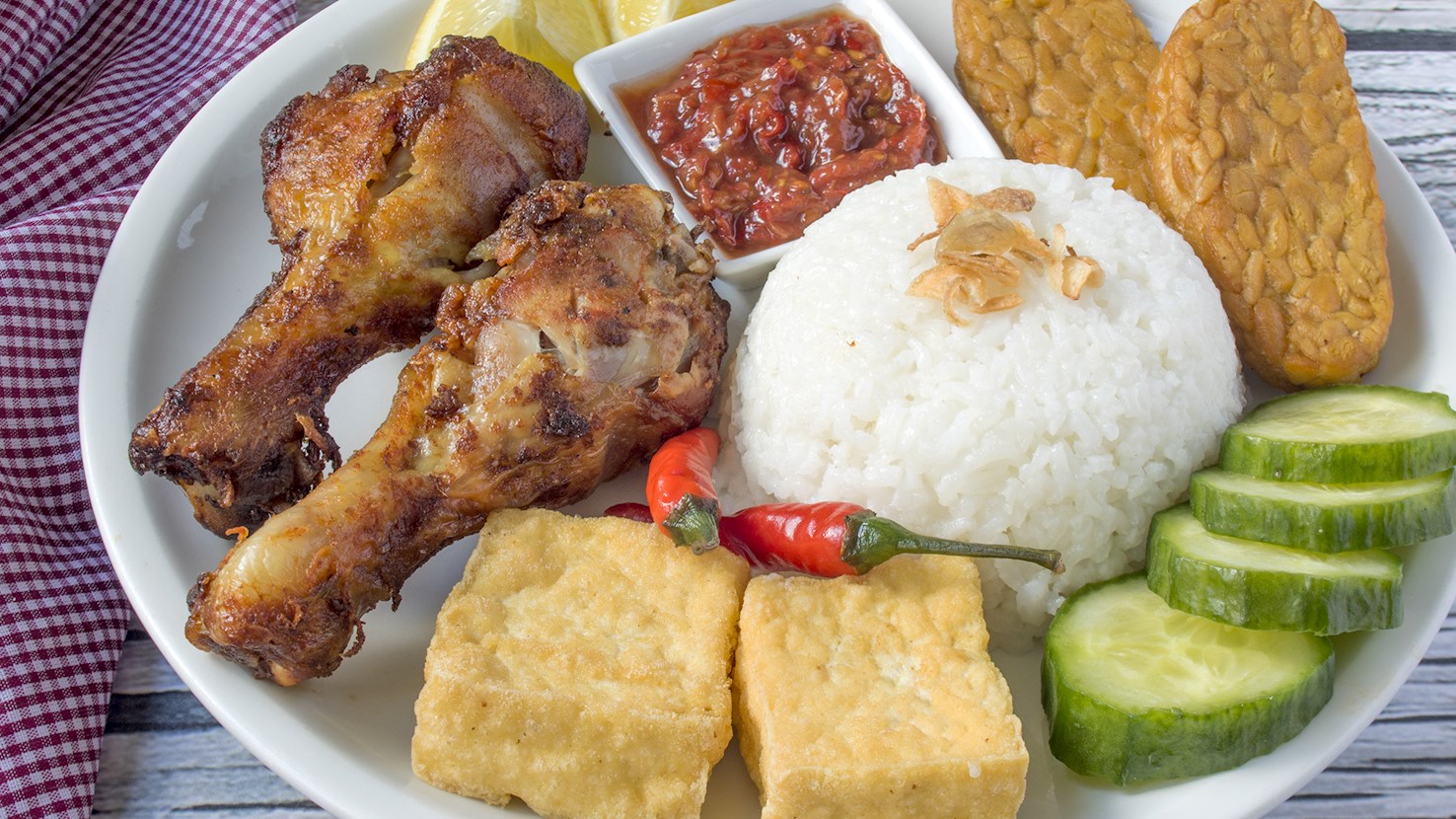
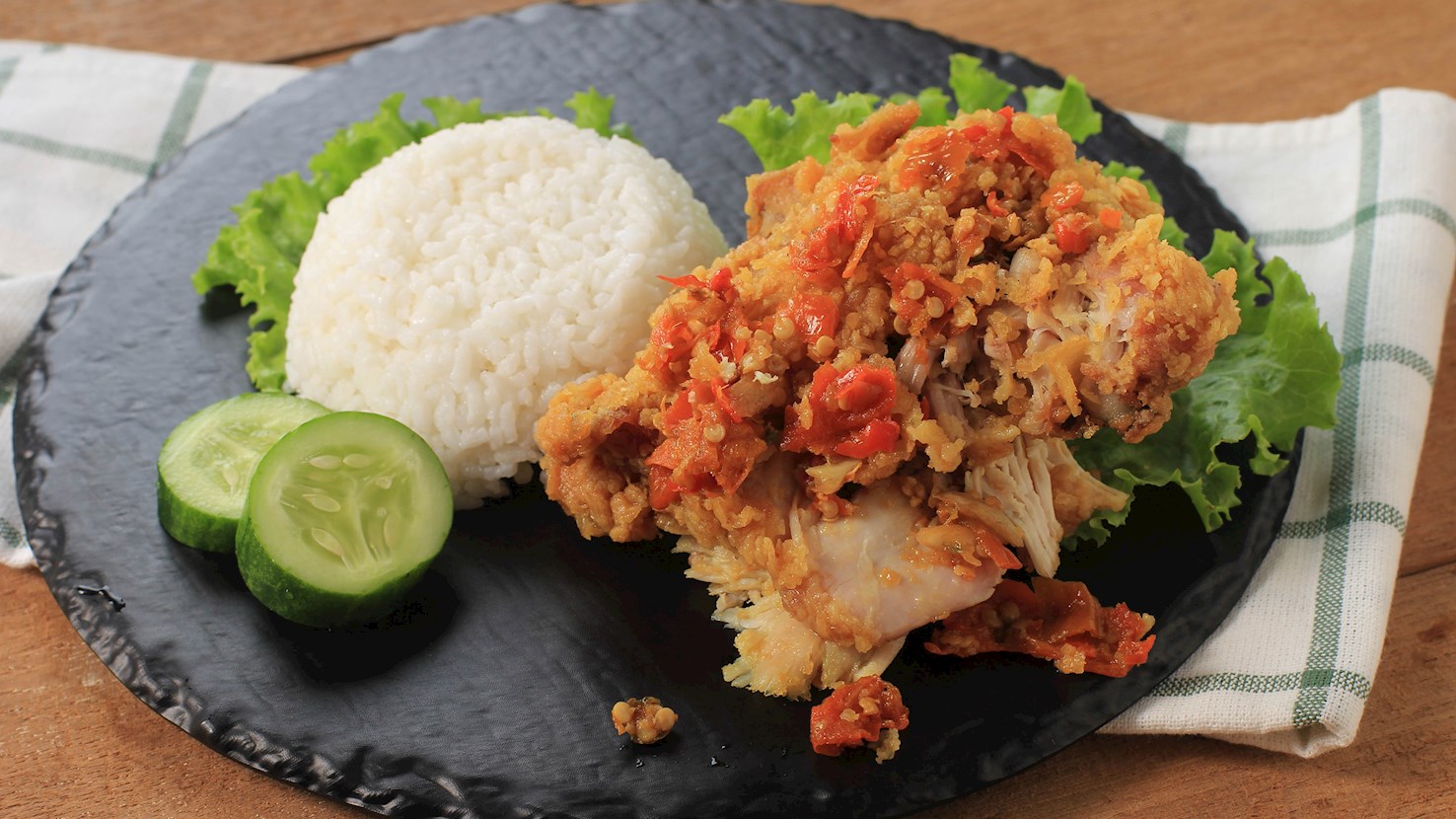
This Indonesian dish consists of pieces of fried chicken that are served coated in sambal, a popular chili paste. The word penyet from the name of this dish means to press or push, referring to the preparation method in which the chicken is pressed by a pestle in order to make the meat more tender. Some versions tenderize the chicken after frying, at the same time coating it with sambal. The dish is served with extra sambal on the side, usually accompanied by fresh vegetables, tempeh, tofu, and rice. Although it hails from East Java, ayam penyet is found throughout the country and is also popular in Singapore.
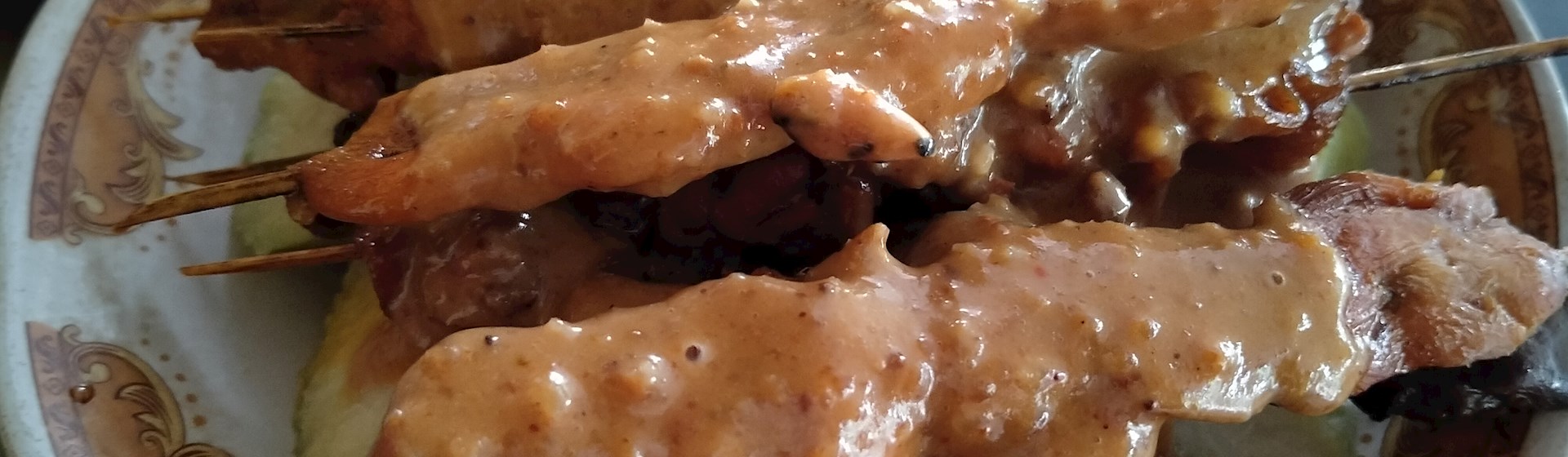
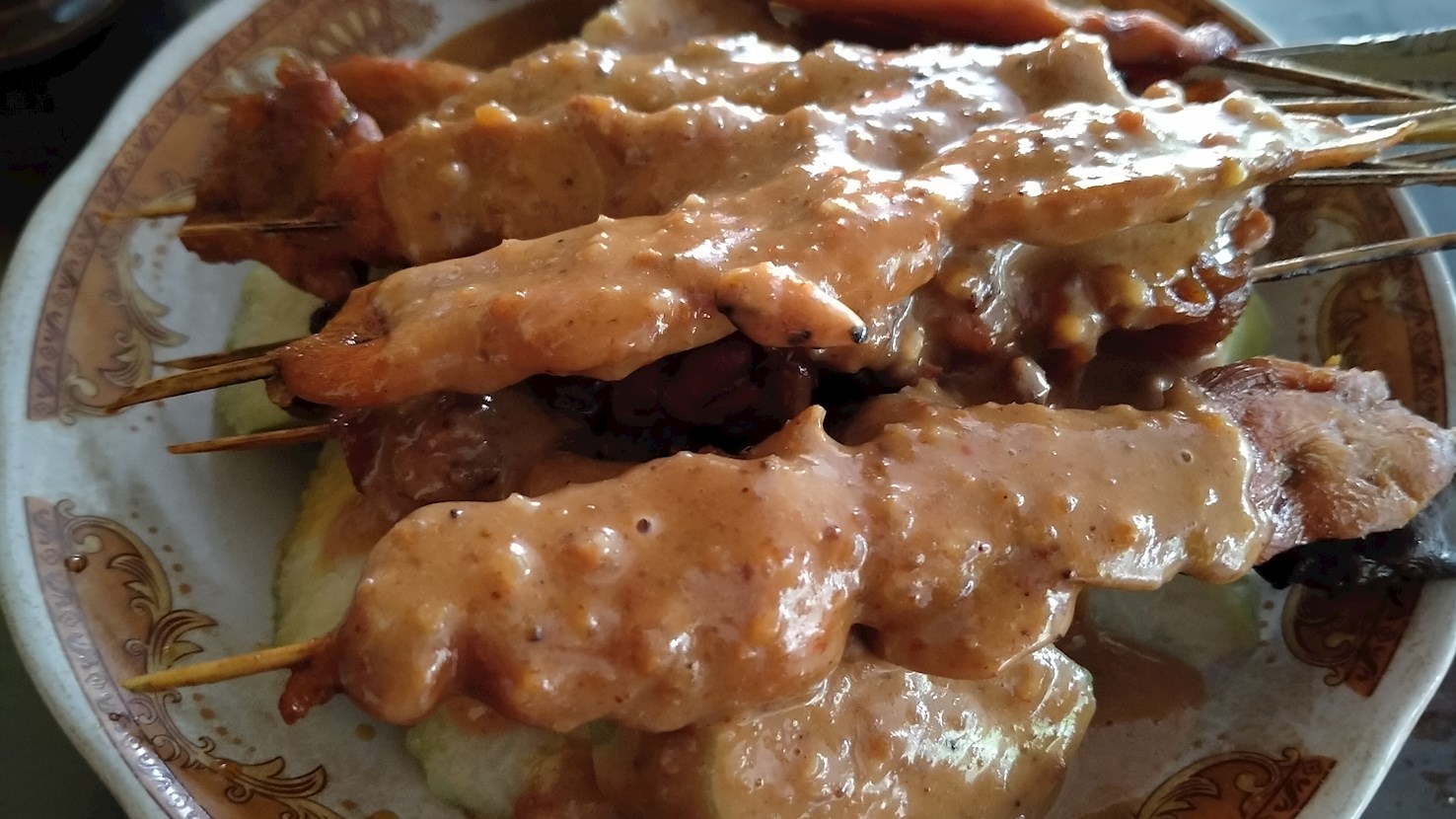
Sate Ponorogo is a regional satay dish originating from Ponorogo, a regency in East Java, Indonesia. It is a distinct variation of Indonesian chicken satay, known for its specific marination technique, longer and thinner meat slices, and rich peanut sauce that differs from the versions found in Central Java or Jakarta. The chicken is sliced in broad, flat pieces instead of cubes, allowing it to absorb the marinade more effectively and cook evenly on skewers. The preparation of sate Ponorogo begins with marinating chicken pieces in a mixture of shallots, garlic, coriander, candlenuts, turmeric, galangal, salt, and a generous amount of sweet soy sauce or palm sugar-based seasoning. The marinade is sometimes applied in two stages to allow deeper flavor absorption, often involving hours or even overnight soaking. Unlike other satay types where the meat is threaded onto skewers in smaller chunks, the pieces used for sate Ponorogo are cut lengthwise and arranged on bamboo skewers with more space between them, helping them cook faster and develop a slightly charred edge while staying tender. Grilling is done over charcoal, with repeated basting using a similar sweet-savory sauce derived from the marinade. The cooking process is closely monitored, and the skewers are turned regularly to ensure even grilling. The accompanying peanut sauce is smoother and slightly thinner compared to the Central Javanese variety, often mixed with sweet soy sauce and a small amount of chicken broth or leftover marinade for depth. It is served separately or poured over the satay along with sliced shallots, lime wedges, and fresh chili. Sate Ponorogo is commonly eaten with rice cakes known as lontong, or with steamed rice, and is typically served at specialized stalls or street vendors in Ponorogo, some of which have operated for generations. While variations of chicken satay exist throughout Indonesia, sate Ponorogo is notable for the prominence it gives to the marinade and the specific slicing and skewering method that define its appearance and texture. The dish has gained recognition beyond its region, with stalls in Surabaya, Jakarta, and even other provinces offering it under the same name, though the most sought-after versions remain those sold in the town of Ponorogo itself.
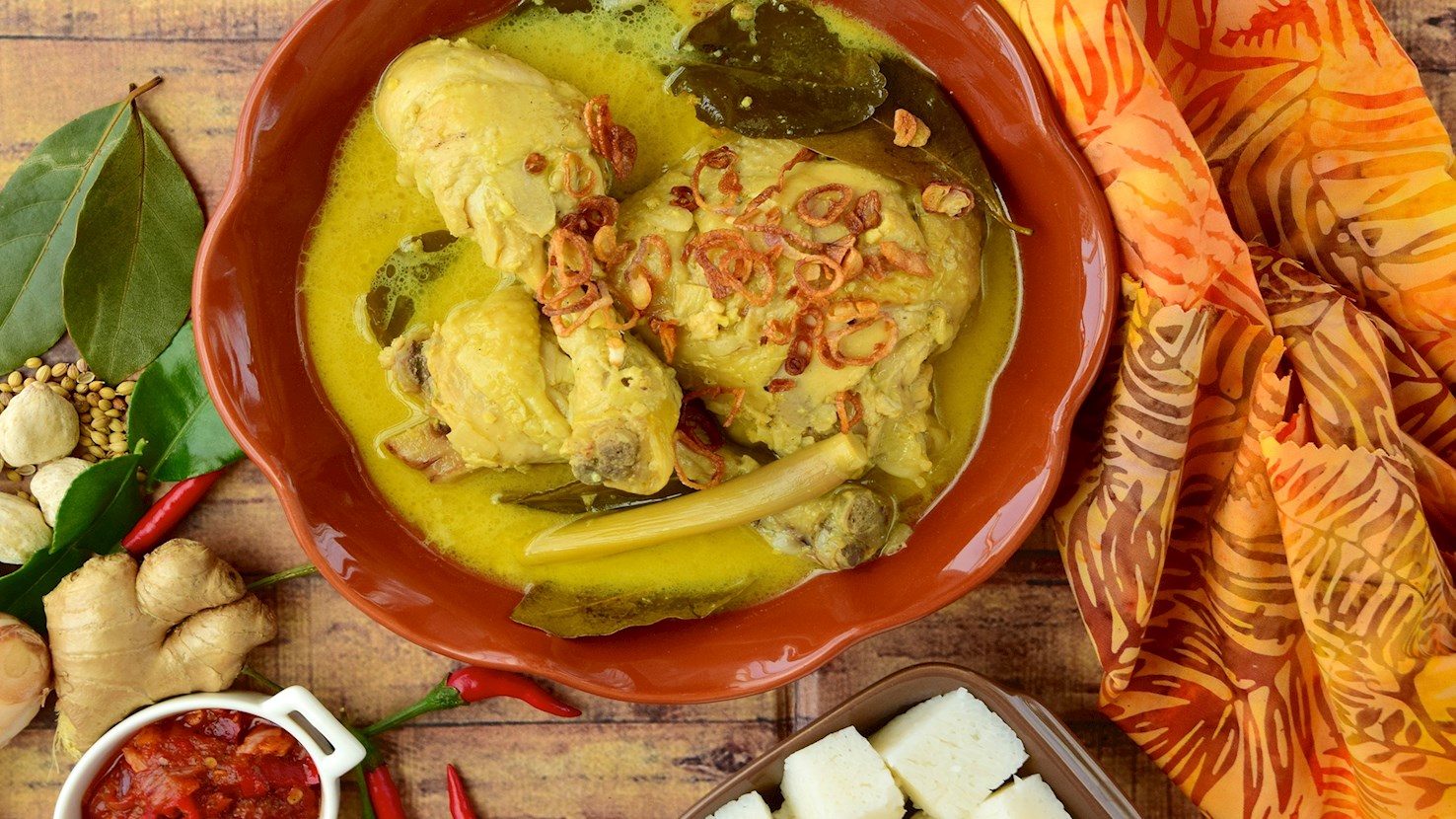
Indonesian chicken stew is based on an aromatic combination of coconut milk and numerous spices such as lemongrass, tamarind, cinnamon, galangal, palm sugar, coriander, garlic, and shallots. The dish is typically prepared with bone-in pieces such as thighs or drumsticks, or sometimes even a whole chicken that is cut into pieces. The dish is usually associated with Java and it belongs to a wider group of opor dishes that employ the coconut milk braising technique. Opor ayam is typically enjoyed at Eid al-Fitrat – a religious festival that celebrates the end of Ramadan. It is usually accompanied by rice, boiled eggs, or ketupat rice cakes.
Ayam geprek is a popular Indonesian fried chicken dish that combines the crispiness of battered fried chicken with the bold, fiery punch of raw sambal (chili sauce). The name comes from the Javanese word geprek, which means “to smash”—a reference to how the freshly fried chicken is crushed or pressed together with sambal, blending the crispy skin and tender meat with the chili’s heat and aroma. Originating in Central Java, ayam geprek rose to national fame in recent years, thanks to its simple yet addictive combination of textures and flavors. It begins with chicken pieces (often boneless breast or thigh) that are marinated, coated in spiced flour batter, and deep-fried until golden and crunchy, similar in style to American fried chicken. Immediately after frying, the chicken is placed in a mortar (cobek) and smashed together with freshly made sambal, typically consisting of bird’s eye chilies, garlic, salt, and a bit of oil—all ground coarsely by hand for a rustic, punchy taste. Though similar in appearance to dishes like ayam penyet, ayam geprek differs in that it uses battered and fried chicken, whereas ayam penyet is traditionally marinated and grilled or shallow-fried without batter. Ayam geprek is usually served with steamed rice, fresh vegetables (lalapan), fried tempeh or tofu, and sometimes accompanied by extras like melted cheese, salted egg sauce, or sambal matah in modern variations. The level of spiciness is often customized, making it a dish that appeals both to heat-seekers and those who prefer milder flavors. Today, ayam geprek has become a nationwide culinary phenomenon in Indonesia, spawning countless street food stalls and fast-casual restaurants offering variations on the original.
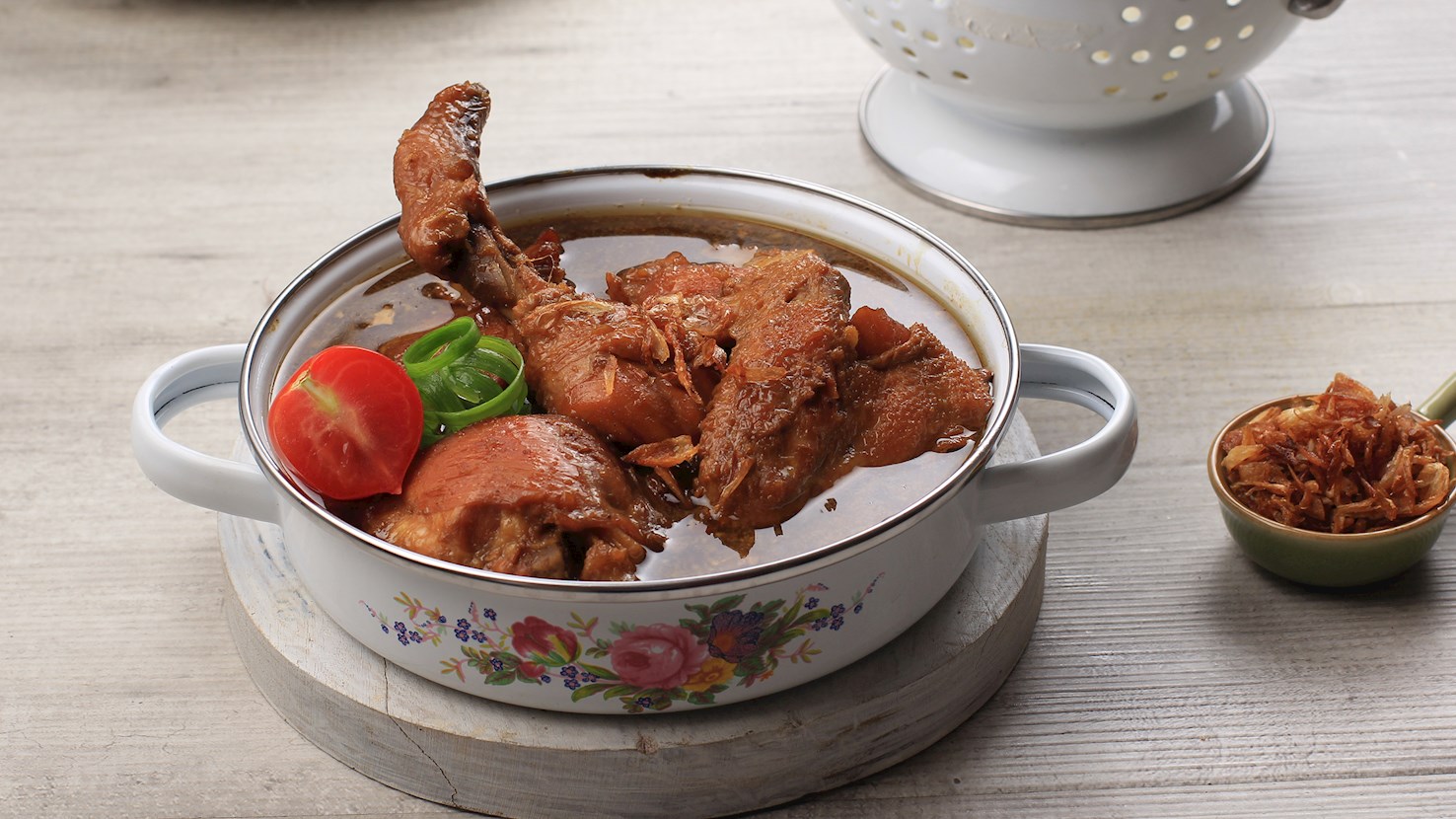
Semur ayam is a traditional Indonesian chicken stew that originates from Java, known for its rich, sweet-savory flavor and aromatic spices. Made by slowly braising chicken in a thick sauce of sweet kecap manis, garlic, shallots, nutmeg, cloves, and cinnamon, it is a comforting dish often served with rice during family meals and festive occasions. The name "semur" comes from the Dutch word "smoor," meaning to braise, reflecting the influence of colonial Dutch cuisine on Indonesian cooking. While its roots may lie in European-style stews, semur ayam has evolved into a distinctly Indonesian dish. The key difference is the use of local ingredients and flavor profiles, especially the sweet depth of kecap manis, a staple in Javanese kitchens. This sweet soy sauce gives the dish its signature dark color and mellow, caramelized taste. Semur ayam is most commonly prepared with bone-in chicken pieces, which are braised until tender and infused with the sauce. The dish may include additions like potatoes, tomatoes, or boiled eggs, depending on regional or family variations. Despite its complex flavor, semur ayam is straightforward to make, requiring time and patience more than advanced technique. In Javanese culture, sweet flavors are highly appreciated, and semur ayam is a perfect example of this preference. It is often enjoyed during celebrations such as Eid al-Fitr, or simply as part of a comforting home-cooked dinner.
Ayam bakar opor is a distinctive Javanese dish that blends the flavors of grilled chicken and opor-style coconut spices. The preparation starts with chicken pieces marinated in a rich mixture of ground shallots, garlic, coriander, galangal, turmeric, and candlenuts. After marination, the chicken is simmered in coconut milk along with lemongrass and makrut lime leaves, creating a fragrant sauce that infuses the meat with a delicate balance of savory and aromatic notes. Unlike regular opor ayam, which is usually served as a stew, ayam bakar opor continues with an additional step: the cooked chicken is removed from the sauce and grilled over hot coals until the surface is lightly charred and caramelized. The grilling process gives the chicken a smoky layer of flavor and a slightly crisp texture that contrasts with the tender meat inside. The remaining coconut sauce is reduced and sometimes brushed over the chicken while it grills to keep it moist and deepen the taste. Ayam bakar opor is usually served with steamed rice, fresh vegetables, and a small bowl of sambal for extra heat. In some regions, it appears on special menus for family gatherings or festive meals, but it is also sold in warungs that specialize in grilled dishes. The combination of slow simmering and final grilling makes this preparation unique among Indonesian chicken recipes, offering both the richness of coconut milk and the appealing aroma of open-fire cooking. Variations can be found across Java, where cooks might adjust the level of sweetness by adding palm sugar or enrich the coconut broth with extra spices such as cloves or cinnamon. Some versions use free-range chicken for a firmer texture, while others prefer younger chicken for tenderness. In urban centers, the dish has gained popularity in restaurants that showcase regional Indonesian cuisine, where it is often paired with other coconut-based dishes like opor tahu or sayur lodeh. While ayam bakar opor is less common internationally than simpler grilled chicken recipes, it has started to appear in Indonesian food festivals and culinary promotions abroad, introducing more people to the layered flavors and techniques that characterize Javanese cooking.
TasteAtlas food rankings are based on the ratings of the TasteAtlas audience, with a series of mechanisms that recognize real users and that ignore bot,
nationalist or local patriotic ratings, and give additional value to the ratings of users that the system recognizes as knowledgeable.
For the “Top 6 Javanese Chicken Dishes” list until June 15, 2026, 177 ratings were recorded, of which 122 were recognized by the system as legitimate.
TasteAtlas Rankings should not be seen as the final global conclusion about food. Their purpose is to promote excellent local foods,
instill pride in traditional dishes, and arouse curiosity about dishes you haven’t tried.