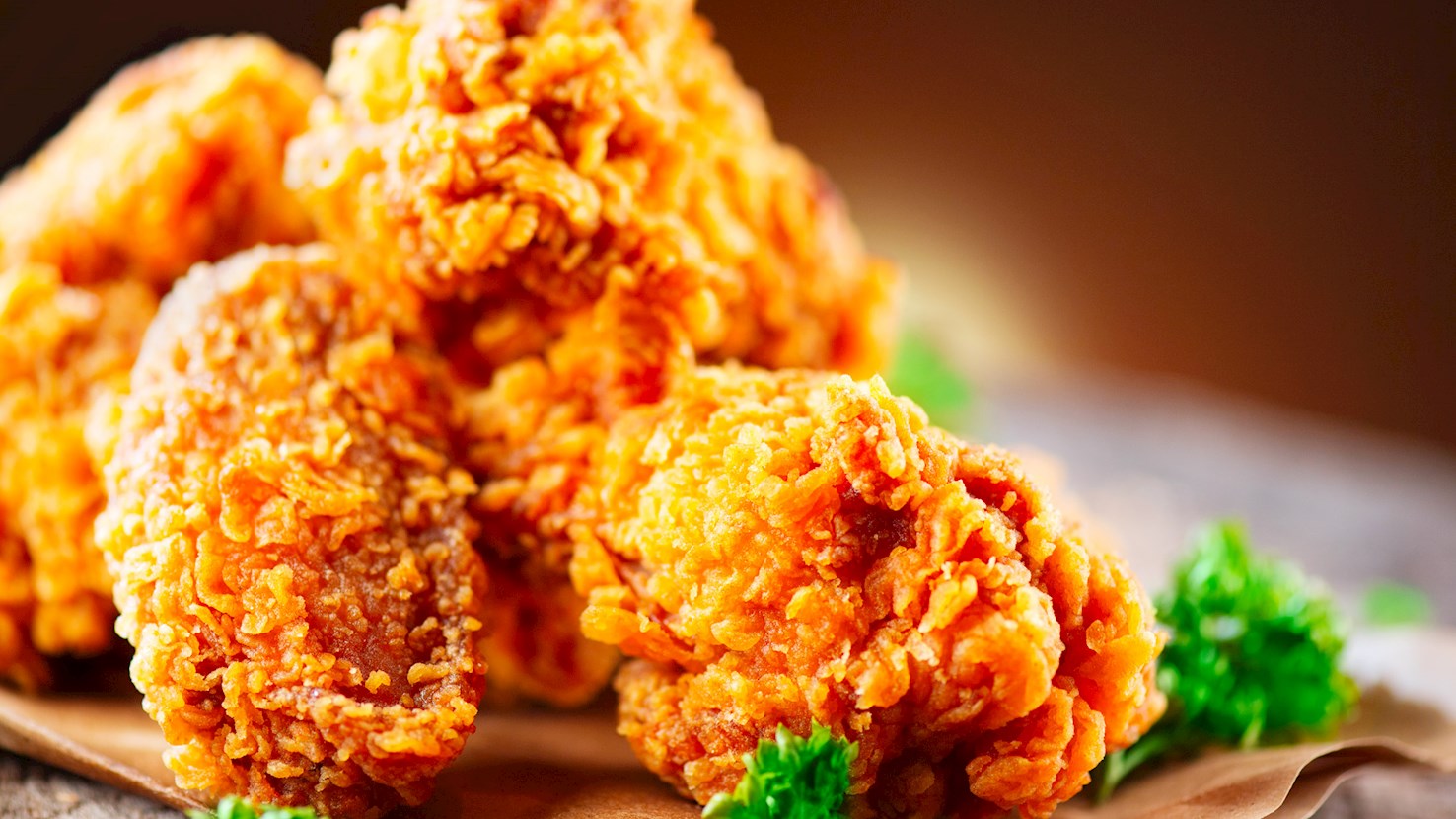
The most popular food of the Southern cuisine, fried chicken is the theme of many arguments where everyone involved seems to have a favorite, be it what their mothers used to make, a cult roadside eatery, or a bygone restaurant. However, it is universally agreed that the meat must be moist, succulent, and tender, coated with a crunchy, golden-brown crust. It all started during the colonization period, when Scottish immigrants settled in the South, bringing their fried chicken recipes along. The African slaves then introduced new seasonings and spices, and the dish quickly gained popularity. Typical seasonings include salt, pepper, and hot chiles, and the pieces of meat should be edible by hand so that the consumer can bite both the crust and the meat at the same time. The birds must be fresh and smaller in size, as the meat will be much more tender and the proportion of crust to meat will be perfectly balanced. Once the chicken parts are hot, crispy, and ready to be consumed, they are traditionally accompanied by buttered biscuits, Southern potato salad, mashed potatoes, or cream gravy on the side.
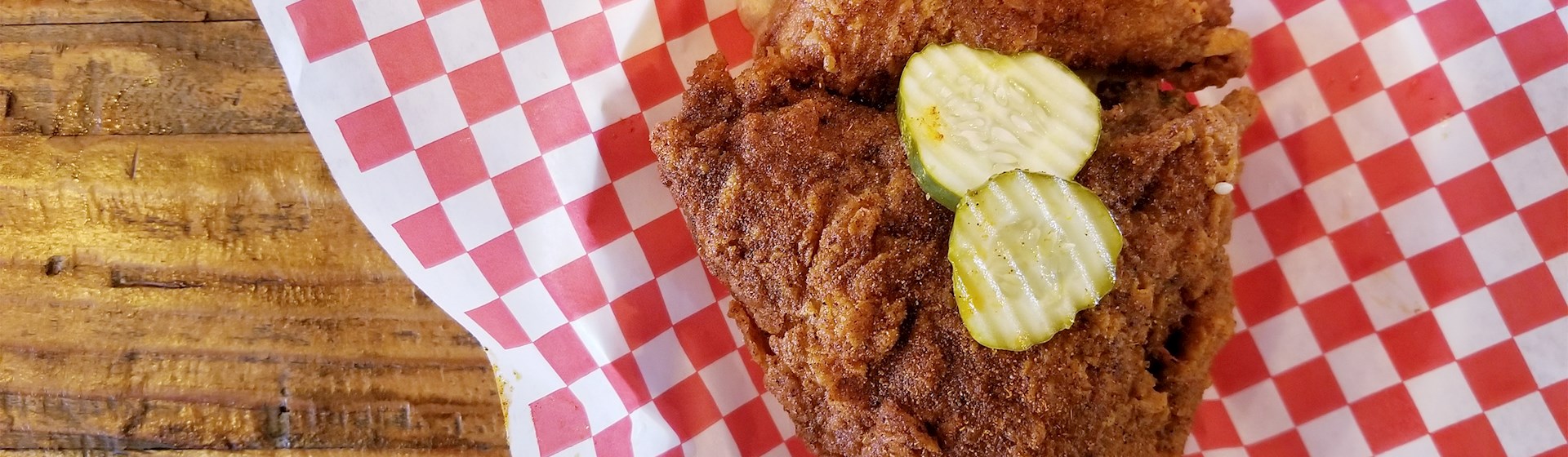
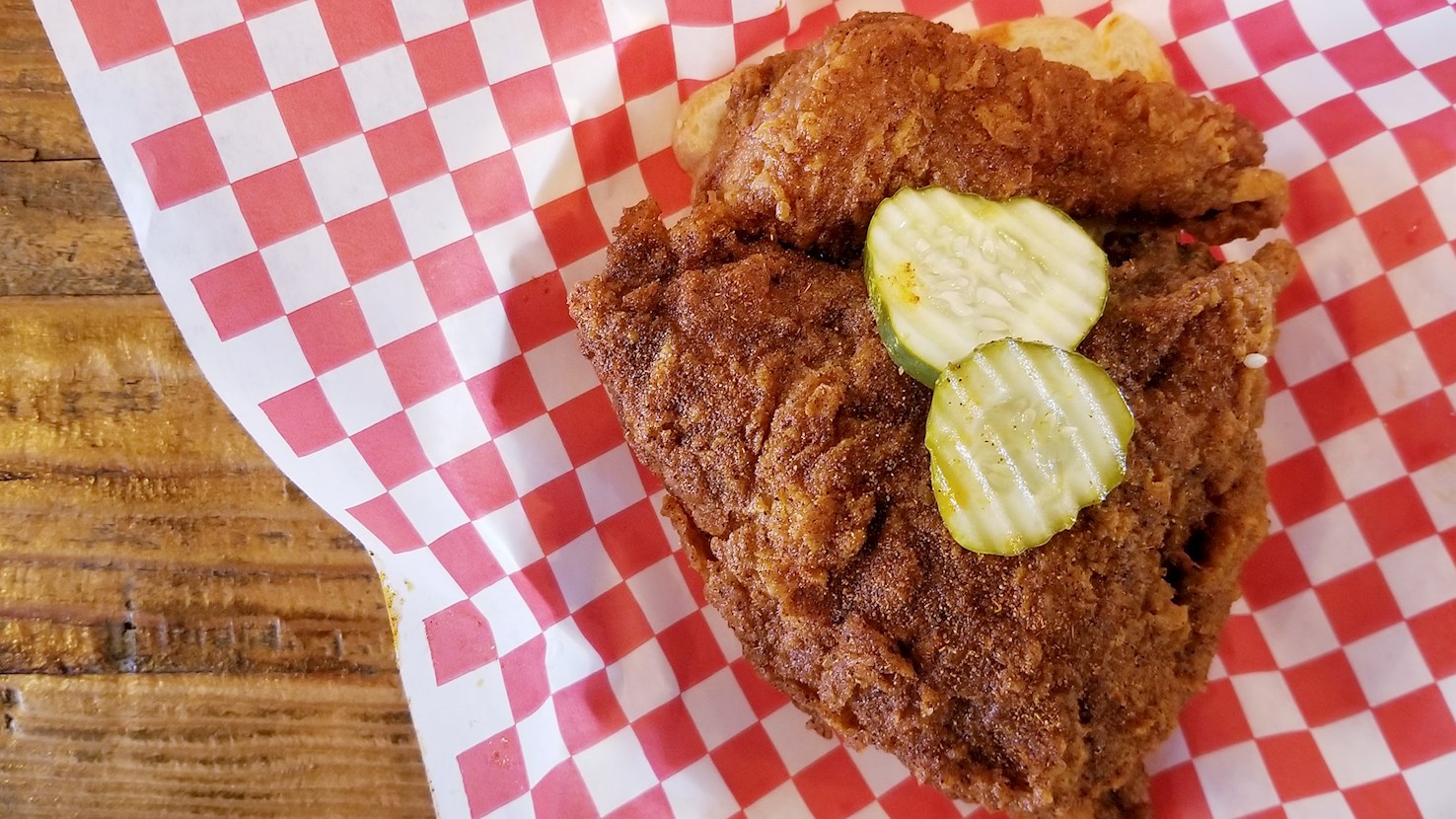
Hot chicken is a signature dish of Nashville, Tennessee, traditionally consisting of chicken parts that are fried in cayenne pepper paste until they develop a rusty red color. It is usually served on slices of white bread with sliced pickles or coleslaw on the side. The dish was invented in the 1930s by a man named Thornton Prince, who was a notorious womanizer. One of Prince's girlfriends was mad at him, so she made him chicken for breakfast and added the spiciest ingredients that she could find, in hopes that Prince will hate the dish, but her plan backfired and Prince loved it so much that he even took it to his brothers, who shared his positive emotions. The chicken dish has then been brought over to Prince's Hot Chicken Shack, a restaurant owned by the brothers. What began as an act of revenge is now considered a staple of late-night dining in Nashville, and the dish became so popular in recent years that it can also be found in Atlanta, New York, Chicago, Los Angeles, and Philadelphia.
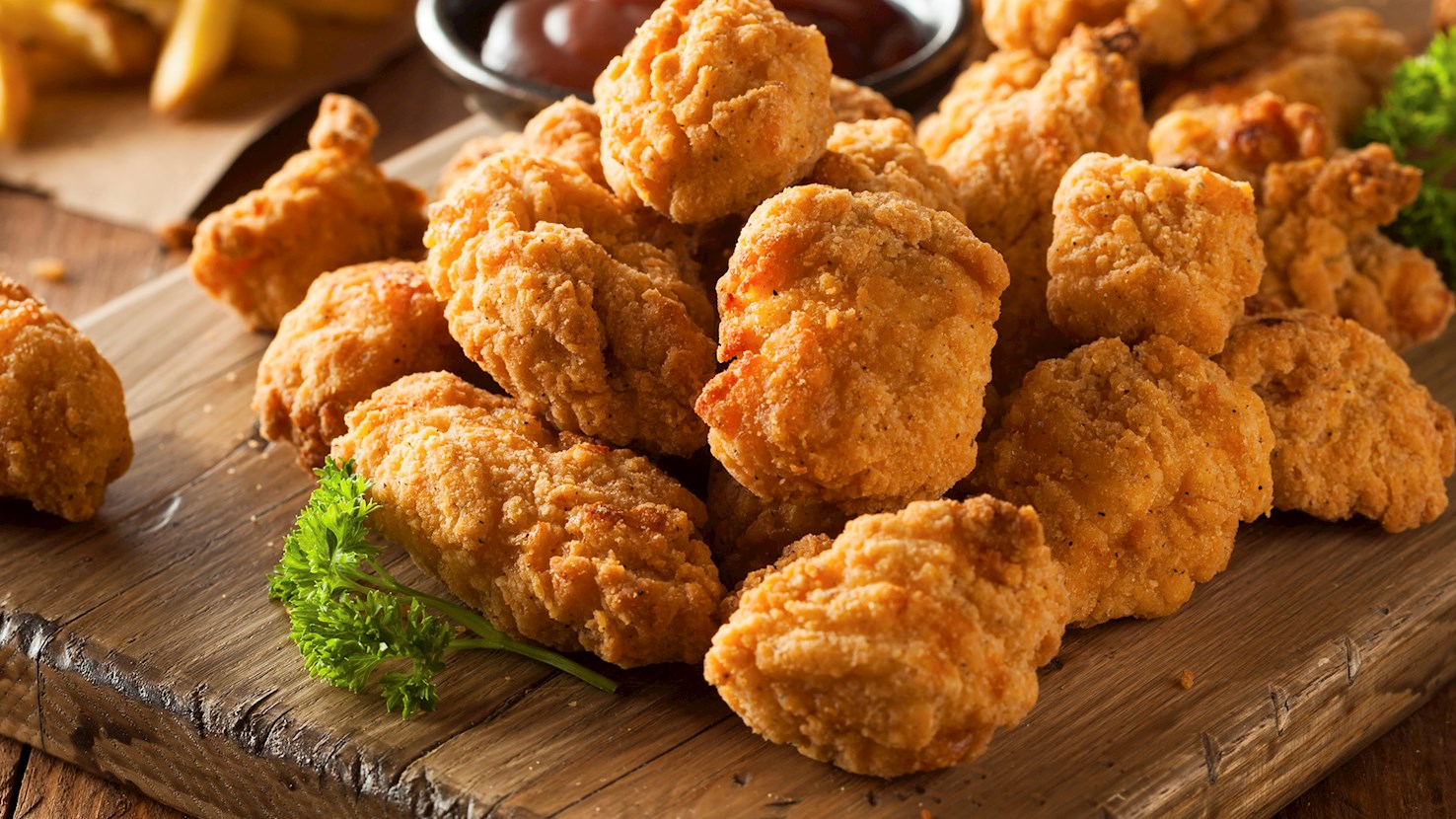
Popcorn chicken is a dish consisting of tiny, bite-sized pieces of chicken that have been breaded or battered and deep-fried. The name of the dish refers to the small pieces of chicken that are reminiscent of popcorn after they have been fried. The dish has been popular in the American South for centuries, since the small chicken pieces were easy to prepare and pack into lunchboxes. It is believed that the dish originated with slaves who often had to use every single bit of meat, so smaller pieces of chicken were usually fried together, and chicken bite dishes were born. In the early 1990s, a fast-food chain restaurant called KFC introduced popcorn chicken to their menus, and the dish remained a trademarked staple of KFC until today.
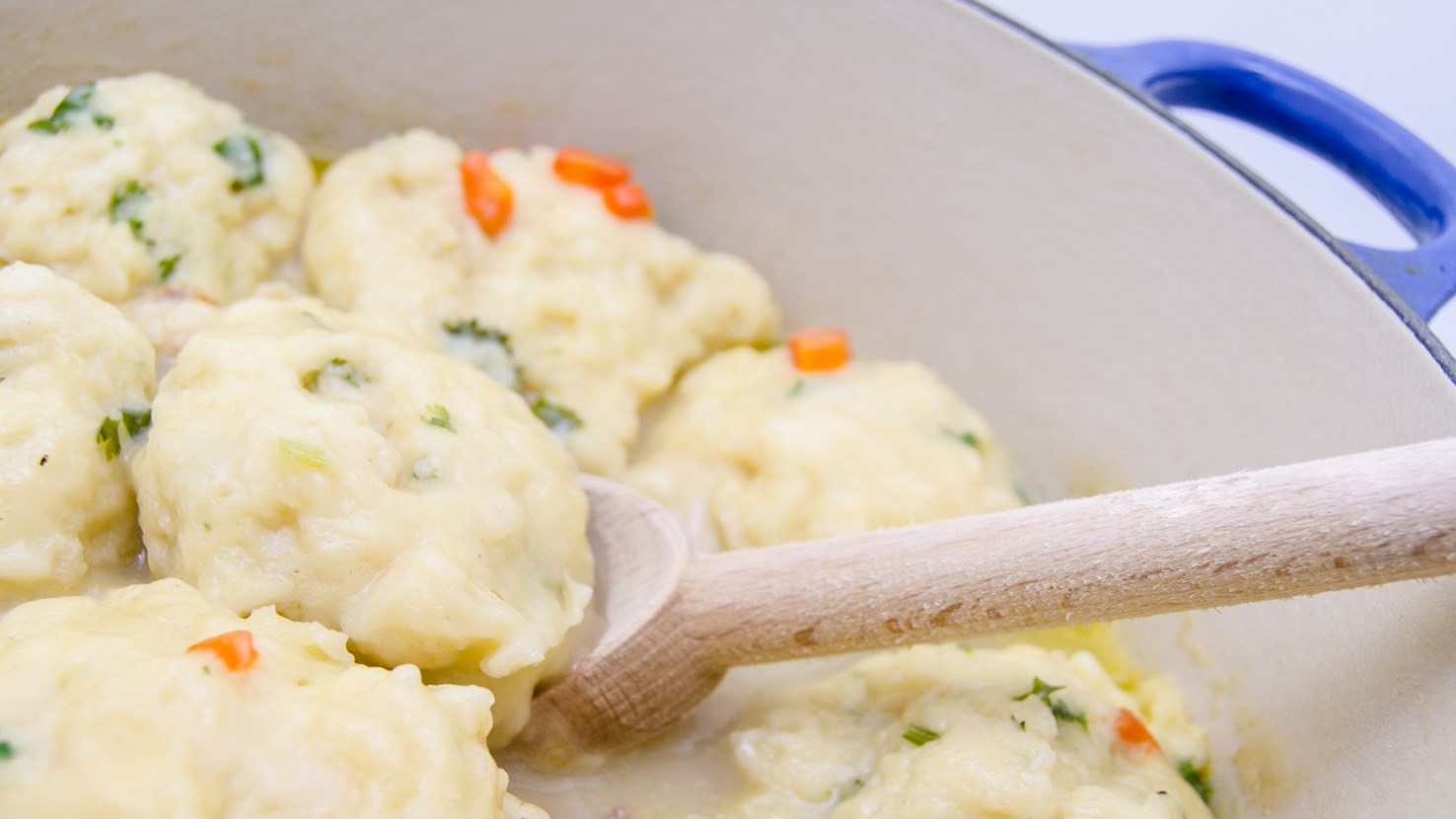
Chicken and dumplings is a thick, savory stew made with boiled chicken meat and soft pieces of dough cooked directly in a rich poultry broth. Its origins are firmly tied to the South and Midwest during the early to mid-19th century. Early printed recipes for similar boiled meat dumplings appeared in Mary Randolph’s 1824 cookbook The Virginia House-Wife, but the combination of stewed poultry and flour dumplings became especially widespread during the Great Depression of the 1930s. Farming families often used older, tough egg-laying hens that no longer produced eggs, simmering them for hours until the meat became tender. Large amounts of inexpensive flour and water were then used to stretch the valuable animal protein and feed large households on a strict budget. Preparation begins by placing a whole bone-in chicken in a large pot of water with chopped celery, white onions, and carrots. The pot simmers steadily for several hours, until the meat falls away from the bones and a rich yellow broth develops. The solid ingredients are removed, leaving only the seasoned liquid behind. The chicken meat is shredded by hand into bite-sized pieces and set aside, while the bones are discarded. The dumpling dough is made by cutting cold vegetable shortening, lard, or butter into all-purpose flour, then adding baking powder and mixing in whole milk or buttermilk until a cohesive dough forms. The way the dough is shaped strongly affects the final texture of the stew and creates clear regional differences. In the drop method, a wet, highly leavened batter is scooped with a spoon and dropped directly into the boiling broth. This creates fluffy, round dumplings that resemble soft, wet biscuits. In the rolled method, a stiffer dough is rolled out on a heavily floured surface and sliced into flat, wide squares or thick strips. When these flat pieces enter the hot broth, the extra surface flour dissolves into the liquid, thickening it into a dense, opaque gravy. Small ingredient changes can easily shift the basic flavor and texture. A prominent Appalachian version replaces wheat flour with coarse cornmeal, producing denser, grittier dumplings that absorb broth without falling apart. Some modern kitchens add heavy cream or evaporated milk in the final minutes of cooking, creating a richer, whiter sauce. Another common adjustment is to add frozen green peas or diced sweet carrots back into the strained broth along with the shredded chicken, bringing color and mild vegetable sweetness. The shredded poultry is returned to the thickened broth just long enough to heat through. The steaming stew is then served directly from the stove in deep, wide bowls. A heavy dusting of freshly cracked black pepper usually covers the surface. Because of its rich fats and heavy starches, chicken and dumplings function as a complete main course.
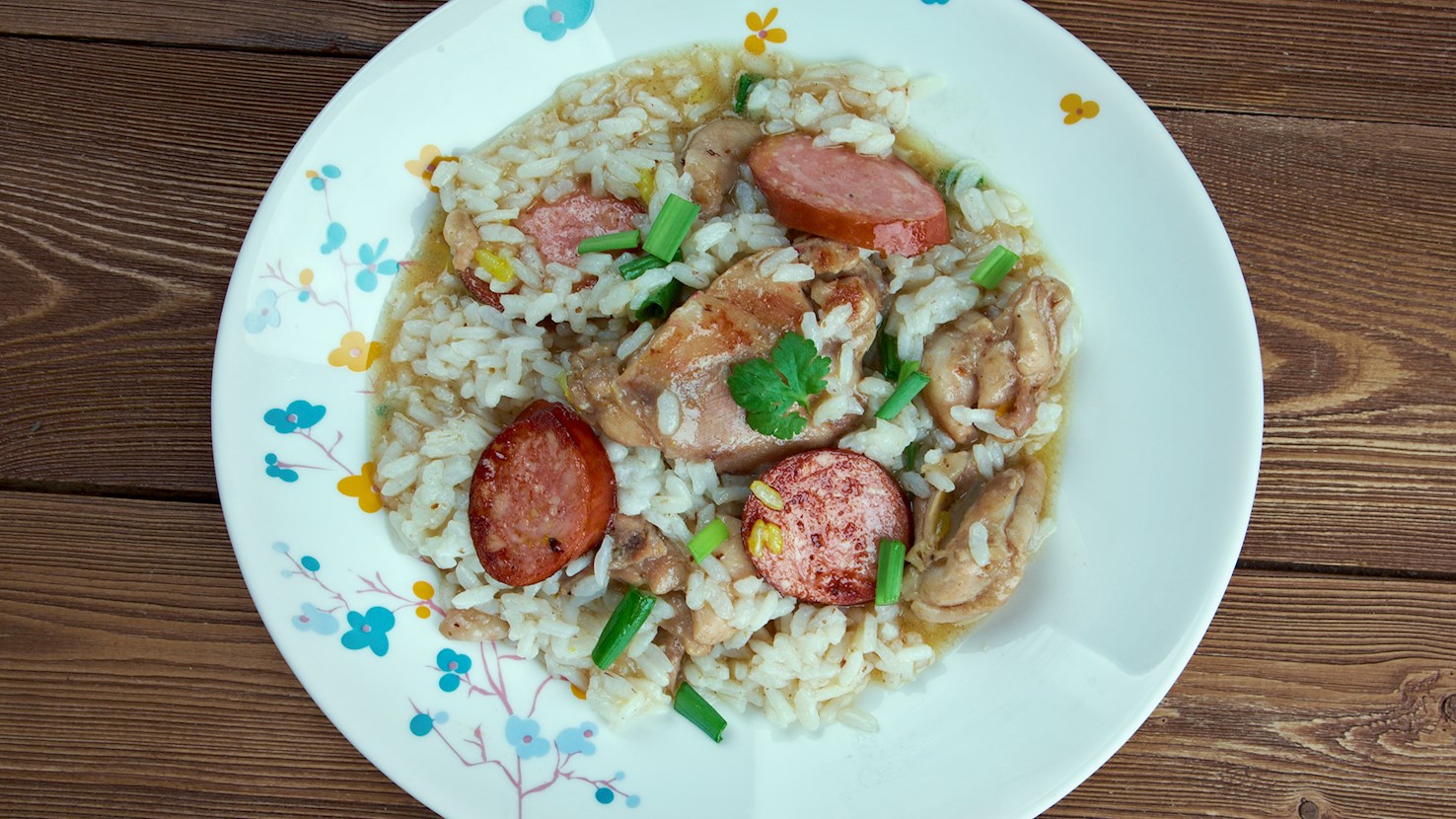
Chicken bog is a traditional dish originating from South Carolina. Although there are numerous variations on the dish, its three staples include chicken, sausage, and rice. A traditional recipe from the Loris Chamber of Commerce lists the following ingredients: water, salt, onions, chicken, long-grain white rice, smoked sausage, chicken bouillon, and Italian-style seasonings. The name of the dish is believed to come from its wetness, but some claim that it might come from the bogginess of the region of its origin. In Loris, chicken bog has been prepared at the Loris Bog-Off Festival since 1979. The dish is ideal for large gatherings with family and friends.
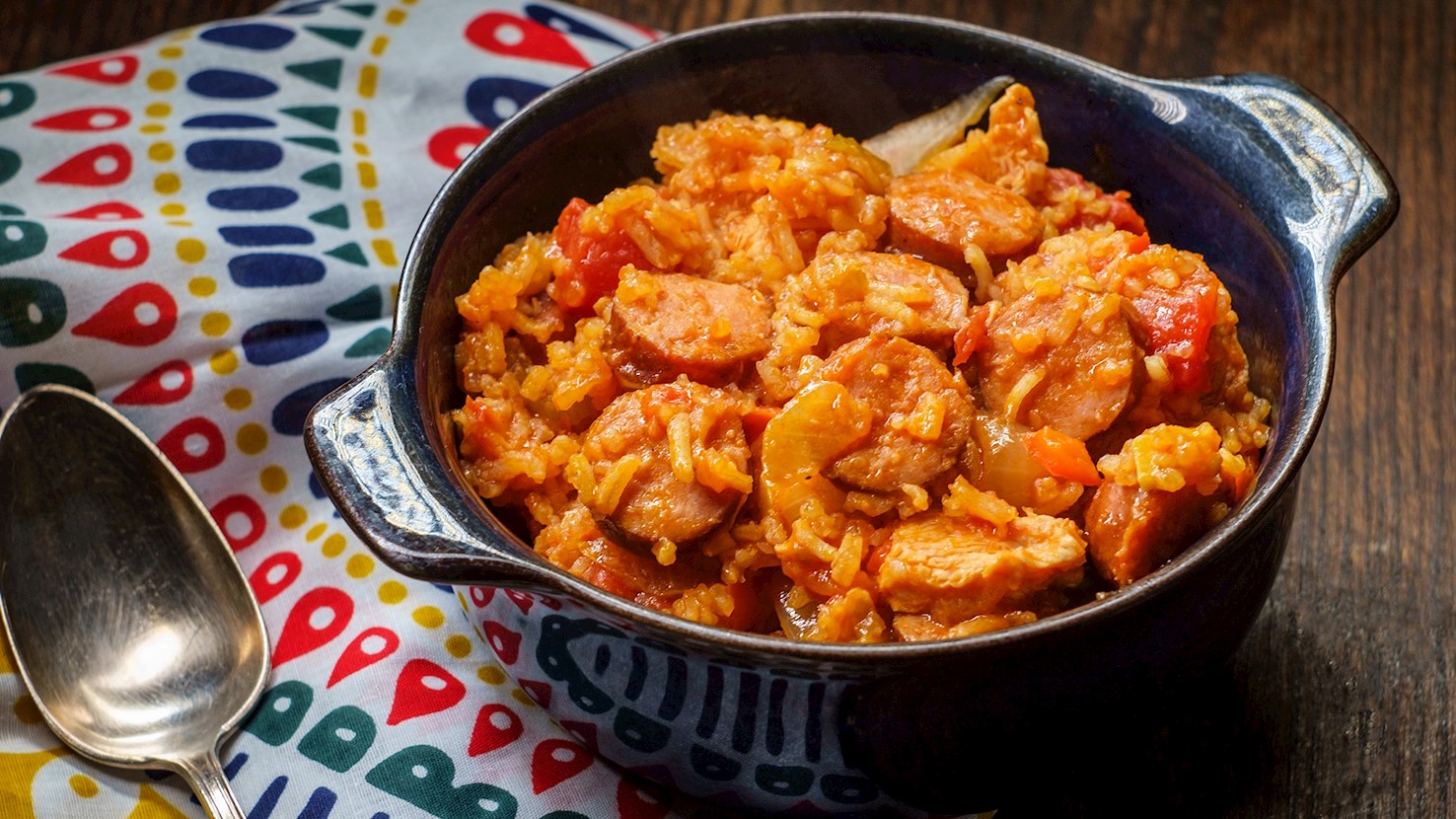
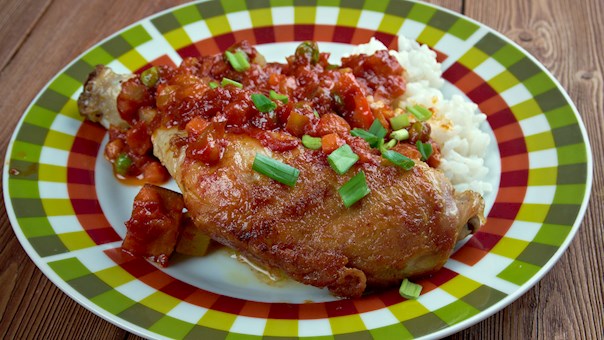
Chicken sauce piquante is an American dish originating from Louisiana. It consists of chicken doused in a spicy gravy. Typical ingredients used in its preparation include flour, chicken, oil, onions, celery, bell peppers, tomatoes, jalapeños, garlic, chicken stock, and Tabasco sauce. The chicken is often seasoned with a combination of black and white pepper, thyme, garlic powder, and onion powder. It is fried and then simmered in the spicy gravy until tender. Chicken sauce piquante is said to taste the best when served over white rice.
Creole baked chicken is a traditional dish originating from Louisiana. It's made with a combination of chicken breasts, drumsticks, or both. The meat is seasoned with paprika, cayenne pepper, garlic powder, lemon juice, salt, and pepper. After they've been marinated, the chicken pieces are mixed with butter and baked in the oven. After some time, the meat is broiled until the meat becomes nice and crispy. The dish is usually served accompanied by rice and okra.
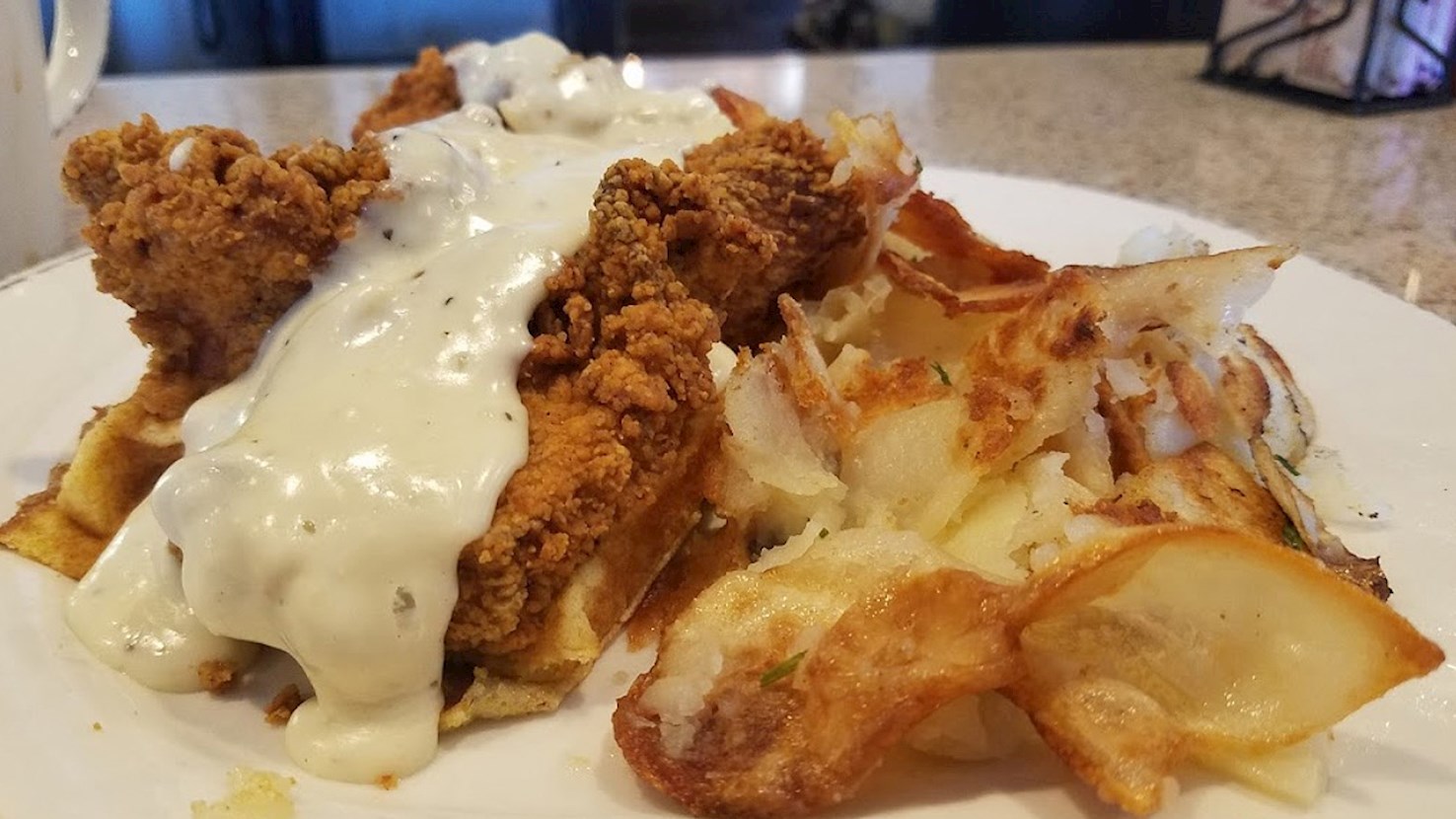
Chicken Maryland is a historic fried chicken dish from Maryland. In its classic form, it consists of chicken pieces lightly coated in flour, pan-fried in a shallow layer of fat, and served with a cream gravy made from the flavorful drippings left in the pan. The exact inventor is unknown, but Maryland-style fried chicken was established by the late 19th century, with named recipes appearing in print by the 1880s. By the end of the century, it was already recognized as a distinctive regional way of cooking fried chicken. The defining feature of the American version is its cooking method, not a thick batter or breadcrumb crust. A whole chicken is usually divided into serving pieces, seasoned, and coated with flour; some recipes first dip the chicken in milk before flouring it. The pieces are fried in a heavy skillet with lard, shortening, butter, or another cooking fat. After the exterior browns, the pan is covered for part of the cooking time. This traps steam and helps the bone-in chicken cook through while remaining moist, producing a texture somewhere between conventional fried chicken and a covered skillet fry. The lid is removed toward the end so that the coating can regain some crispness. Cast iron is particularly well suited to the method because it holds heat evenly, but it is not essential. Buttermilk marinades, thick batters, and heavily seasoned breadcrumb coatings belong mainly to later adaptations rather than the basic Maryland technique. After the chicken is removed, the drippings in the skillet are used to make the characteristic gravy. Flour is stirred into the remaining fat, followed by milk, cream, or a combination of the two. The mixture is cooked until it forms a smooth, pale gravy flavored by the browned flour and chicken drippings. Depending on the recipe, the gravy can be poured directly over the chicken or served around it. It is generally lighter in color than ordinary brown meat gravy and is one of the elements that most clearly separates Maryland fried chicken from many other American fried chicken styles. Corn fritters became one of its best-known accompaniments, while biscuits, corn, potatoes, sweet potatoes, and other vegetables also appear with the dish. No rule required serving the original dish exclusively with corn fritters and biscuits. During the early 20th century, Chicken à la Maryland moved beyond Maryland and entered international hotel and restaurant cooking. It was sufficiently well known by 1912 to appear as Chicken à la Maryland on the first-class luncheon menu of RMS Titanic on April 14, 1912, the final day of the ship's voyage. The surviving menu confirms the name of the dish, although it does not record exactly how the Titanic's kitchen prepared or garnished it. Its appearance on the menu therefore shows Chicken Maryland's international reputation at the time. Still, it does not establish that the Titanic version included bananas, bacon, cream gravy, or any other particular garnish. Auguste Escoffier later codified an elaborate French restaurant interpretation in Ma Cuisine, published in 1934. His version differed considerably from the simpler Maryland skillet dish. The chicken was coated with flour, egg, and breadcrumbs, then cooked in butter to form a more substantial crust. It was accompanied by corn fritters, potato croquettes, bacon, and bananas cooked in butter, with a cream-based sauce flavored with horseradish. This combination helped establish the banana as one of the most recognizable features of Chicken Maryland outside the United States, even though fried banana was not a defining ingredient of the original Maryland fried chicken. The sweet fruit, bacon, breadcrumbed chicken, and rich sauce transformed a regional American fried chicken into the more elaborate Chicken à la Maryland found in European hotel cooking. This international version developed several further variations. In Britain, particularly in older hotel cooking and some Chinese takeaway menus, Chicken Maryland came to mean breaded or battered fried chicken served with bacon, chips, and a fried banana or banana fritter; pineapple sometimes replaces or accompanies the banana. In Australia, the name developed an additional meaning: a “chicken Maryland” can refer to a whole chicken leg consisting of the thigh and drumstick. The same cut also became the basis of a once-popular Australian restaurant and pub meal served with crumbed or fried chicken, banana or pineapple, and chips. In Argentina and neighboring parts of South America, suprema de pollo Maryland developed into another distinct version, generally consisting of a breaded chicken breast served with fried banana, bacon, creamed corn, peas, and fried potatoes. These dishes share a name and ultimately descend from the international Chicken Maryland tradition, but they should not be treated as components of the original Maryland recipe. Pineapple is therefore a later international substitution rather than a defining ingredient, and the same is true of the very thick breadcrumb coating found in many modern versions. The American form is generally simpler: bone-in chicken is flour-coated, shallow-fried in a covered skillet, and served with cream gravy. The international chicken à la Maryland is more elaborate, commonly using breadcrumbed chicken together with contrasting savory and sweet garnishes such as bacon, corn fritters, and fried banana. Both versions can legitimately be called Chicken Maryland, but they represent different stages in the history of the dish rather than interchangeable recipes. Chicken Maryland is normally served hot as a substantial main course and eaten with a knife and fork, particularly when bone-in chicken and gravy are involved. It is not specifically an evening meal and can be served for either lunch or dinner. Its American character comes from the contrast between browned, flour-coated chicken and smooth cream gravy, while the internationally famous version adds a much more unusual combination of crisp breading, salty bacon, sweet fried fruit, corn fritters, and rich sauce. What began as a Maryland method of skillet-frying chicken ultimately became an international restaurant dish whose name now describes several considerably different preparations around the world.
Chicken Creole is a traditional dish originating from the Southern states. The dish is made with a combination of chicken breasts, onions, green peppers, celery, tomatoes, chicken broth, tomato paste, pepper, salt, garlic, rice, and herbs such as oregano, thyme, marjoram, and basil. The meat is sautéed with the onions, peppers, and celery, then simmered with the tomatoes, broth, tomato paste, and seasonings. Once done, the dish is garnished with parsley and served over white rice. Chicken Creole is often accompanied by Tabasco sauce, bread, or a fresh salad on the side.
Alabama white wings is a traditional dish originating from Alabama. The dish consists of barbecued chicken wings and a white barbecue sauce. The tangy sauce is based on mayonnaise and additional ingredients such as apple cider vinegar, garlic powder, cayenne, salt, white pepper, horseradish, and honey. The wings are typically dry-rubbed with a mixture of salt, sugar, paprika, onion powder white pepper, cayenne, garlic powder, and chili powder before they're grilled to perfection. They're served immediately, with the white dipping sauce on the side or poured over the wings.
TasteAtlas food rankings are based on the ratings of the TasteAtlas audience, with a series of mechanisms that recognize real users and that ignore bot,
nationalist or local patriotic ratings, and give additional value to the ratings of users that the system recognizes as knowledgeable.
For the “Top 12 Southern American Chicken Dishes” list until October 15, 2026, 1,694 ratings were recorded, of which 1,537 were recognized by the system as legitimate.
TasteAtlas Rankings should not be seen as the final global conclusion about food. Their purpose is to promote excellent local foods,
instill pride in traditional dishes, and arouse curiosity about dishes you haven’t tried.





What People Say