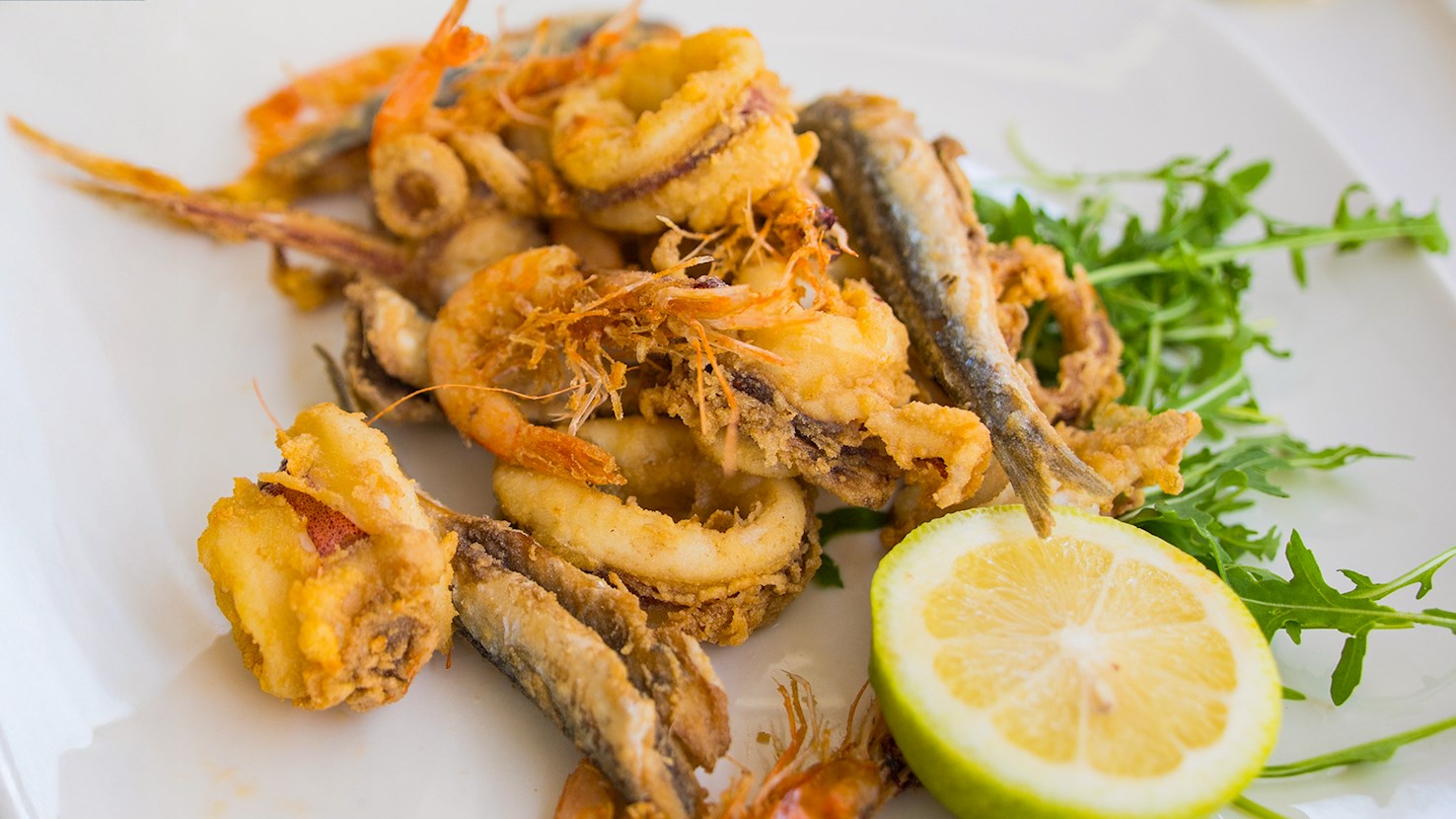
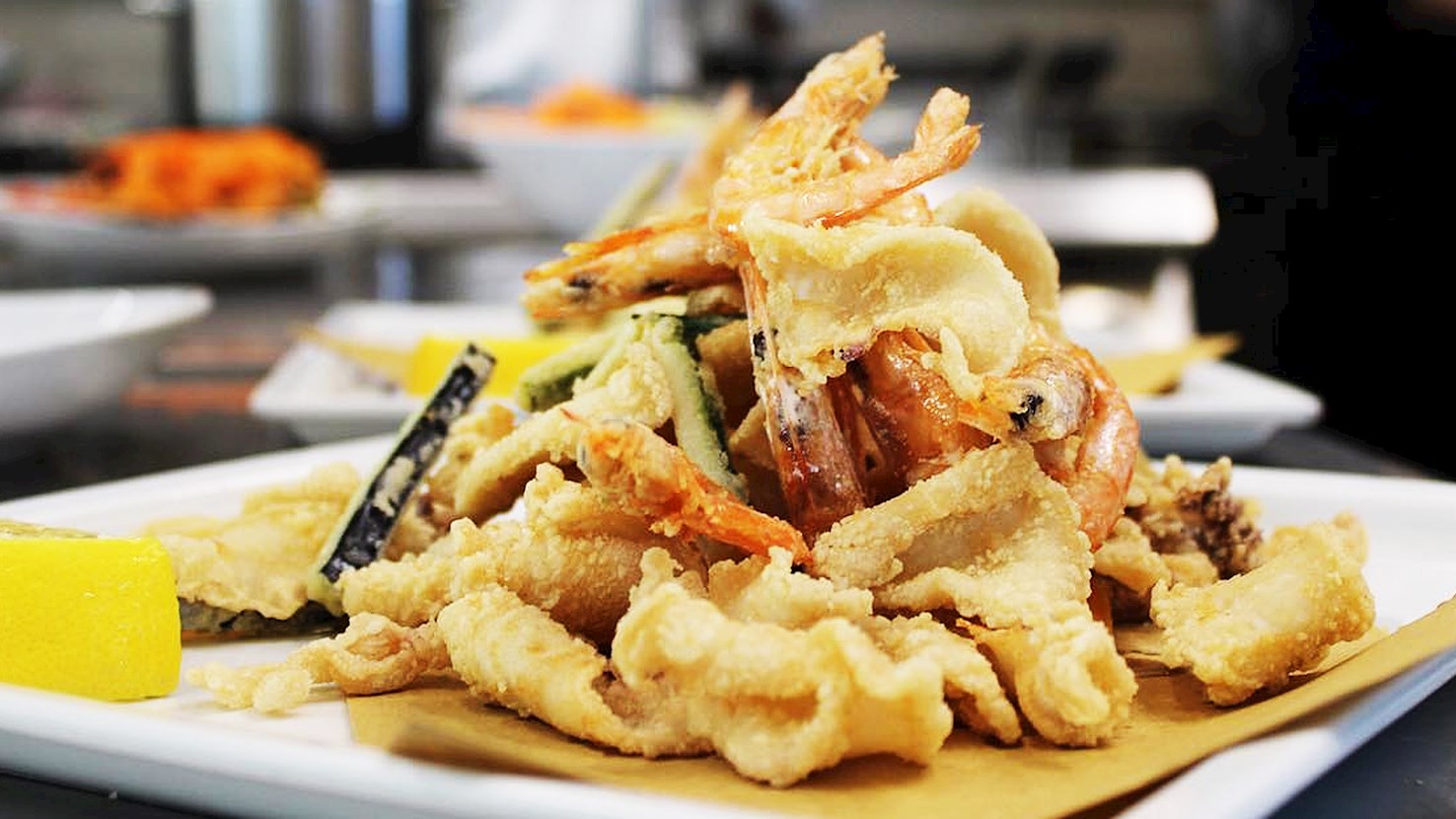
Assorted fried seafood known as fritto misto di pesce is hugely popular in Campania, but it is also found all over Italy. However, fritto misto is one of those dishes that differs widely across the country. Along the Italian seaside, it will always include crustaceans and mollusks, typically shrimp and squid, and often paranza, which is a collective name for very small whole fish such as fresh anchovies, sardines, baby mackerel, or mullet. Depending on the region, fritto misto is sometimes batter-fried, but the simplest method of preparing it is lightly coating the food in flour and quickly deep-frying it in hot oil until it forms a nice golden brown crust.
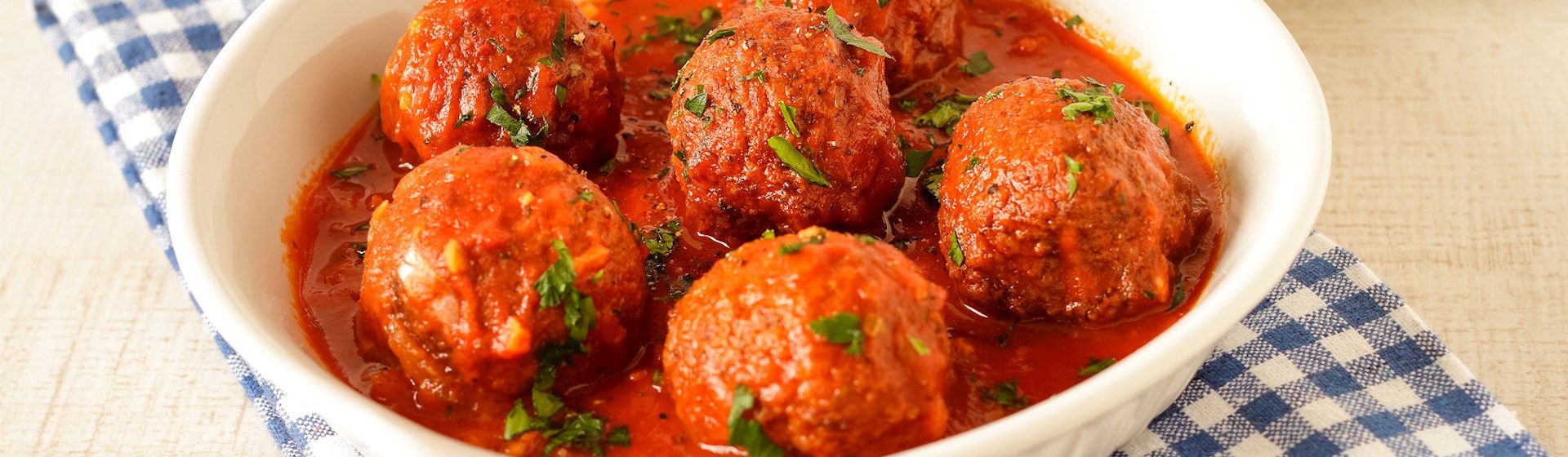
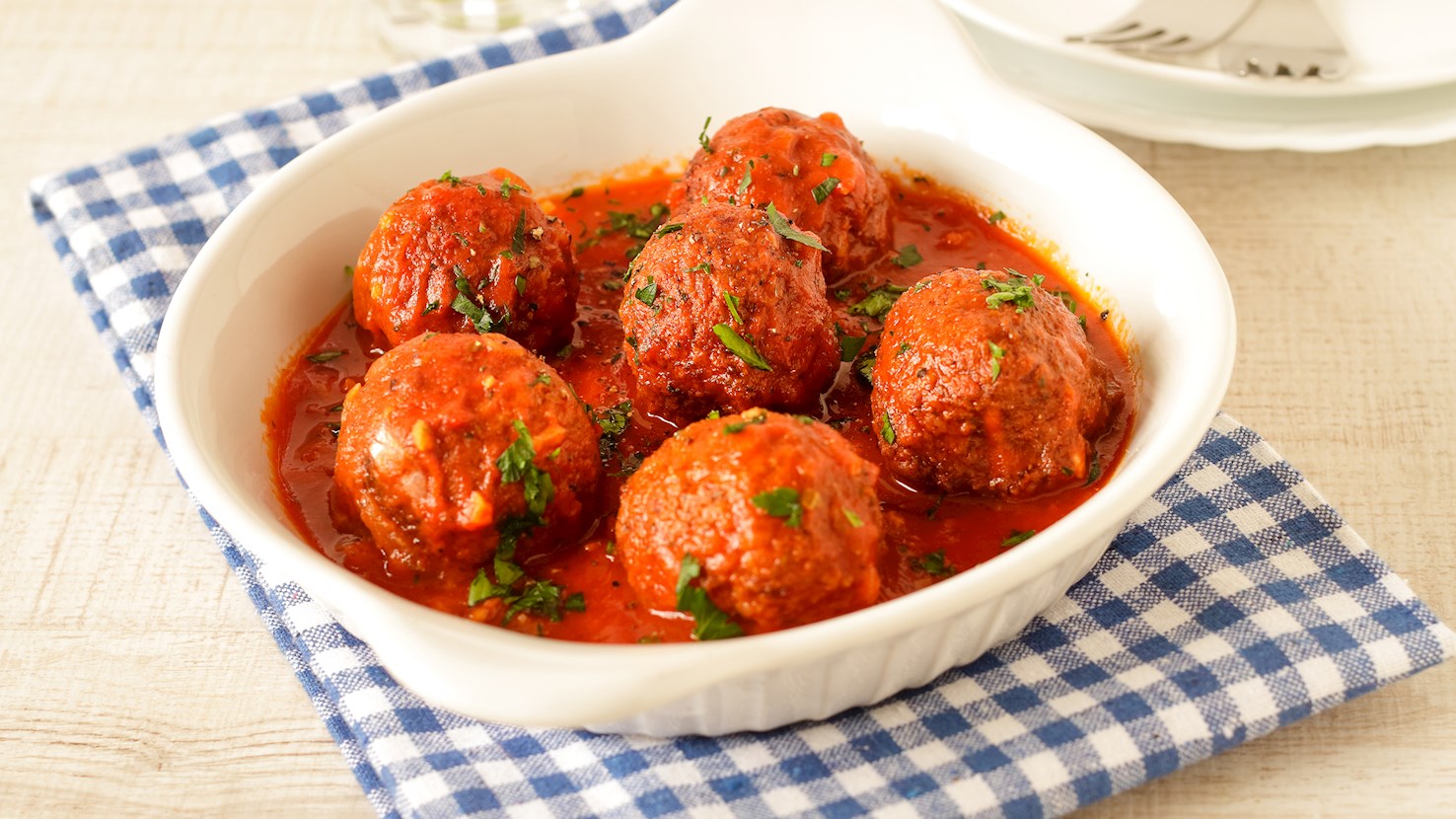
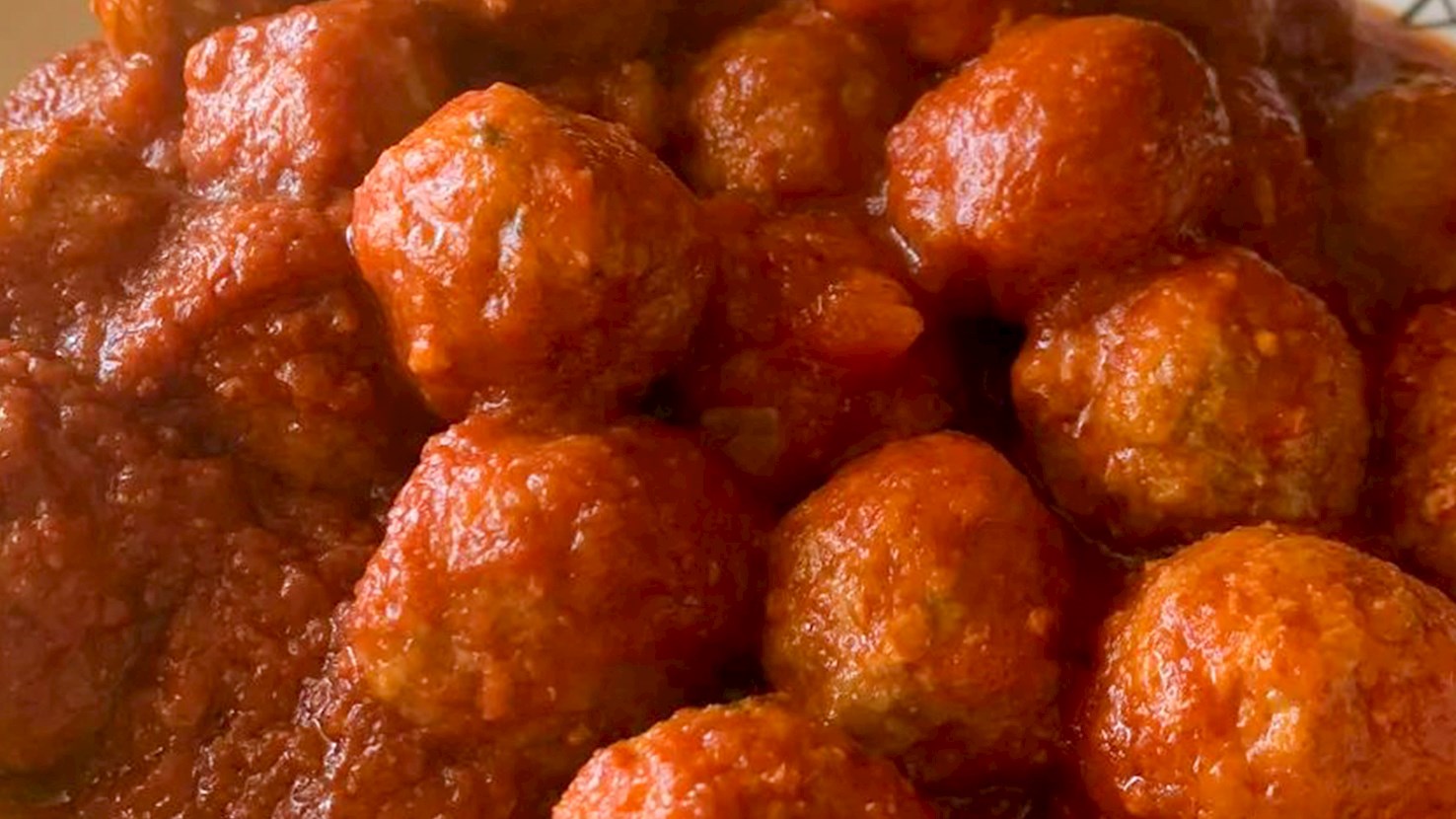
Polpette al sugo is a traditional dish consisting of meatballs in sauce. Although there are numerous recipes, the meatballs are usually made with a combination of ground meat (beef or veal), eggs, bread soaked in milk, Parmigiano-Reggiano cheese, parsley, salt, and pepper. Once shaped, the meatballs are browned in a pan and then cooked in a sauce consisting of onions, olive oil, tomatoes, and seasonings. The dish is covered with a lid and cooked over low heat until the sauce thickens and the meatballs are fully cooked. Polpette al sugo are often sprinkled with chopped parsley before serving. In Italy, it is considered unaccaptable to pair them with pasta or potatoes, but it's recommended to accompany the dish with polenta on the side.
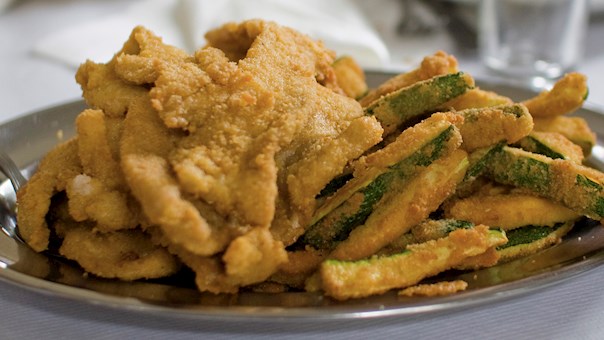
Fritto misto is one of those dishes that differs widely across the country. Along the Italian seaside, it will always include crustaceans and mollusks, typically shrimp and squid, and often paranza, which is a collective name for very small whole fish such as fresh anchovies, sardines, baby mackerel, or mullet. In northern parts of the country, particularly in Piedmont, fritto misto is mostly made with vegetables and, depending on the season, includes semolina, veal brain, brochettes of cheese and prosciutto, sometimes even apples and amaretti biscuits. In the Marche region, every frittura mista includes the famous olive ascolane, green olives stuffed with finely minced meat, often accompanied by fried semolina, squash blossoms and lamb chops; while in the Neapolitan area fritto misto is prepared with no fish other than a few anchovies, crumbed fried mozzarella, and various seasonal vegetables such as cauliflower and artichokes in winter, eggplant and zucchini in summer. Moreover, the Naples-style frittura will sometimes also include sweetbreads, brains and liver with some vegetables and local specialties such as the deep-fried ravioli called panzarotti and Sicilian arancini, fried rice balls. The fritto misto alla Fiorentina contains no fish or fruit, but lambs' brains, crumbed lamb cutlets, rabbit legs, batter-dipped and deep-fried cauliflower florets, whole artichokes, zucchini batons, chicken thighs, and animelle or sweetbreads instead of the aforementioned ingredients. Also depending on the region, fritto misto is sometimes batter-fried, but the simplest method of preparing it is lightly coating the food in flour and quickly deep-frying it in hot oil until it forms a nice golden brown crust.
Polpette is a word denoting Italian meatballs, traditionally consisting of ground beef or veal (and sometimes pork) that is shaped into small balls. These meatballs are usually enriched with a wide variety of ingredients such as parsley, eggs, garlic, and sometimes even mortadella or Parmigiano Reggiano. Although some might think that polpette are served with pasta, that is mostly an American thing, and Italian polpette are typically consumed on their own as a snack, appetizer, or finger food that is especially beloved by children of all ages.
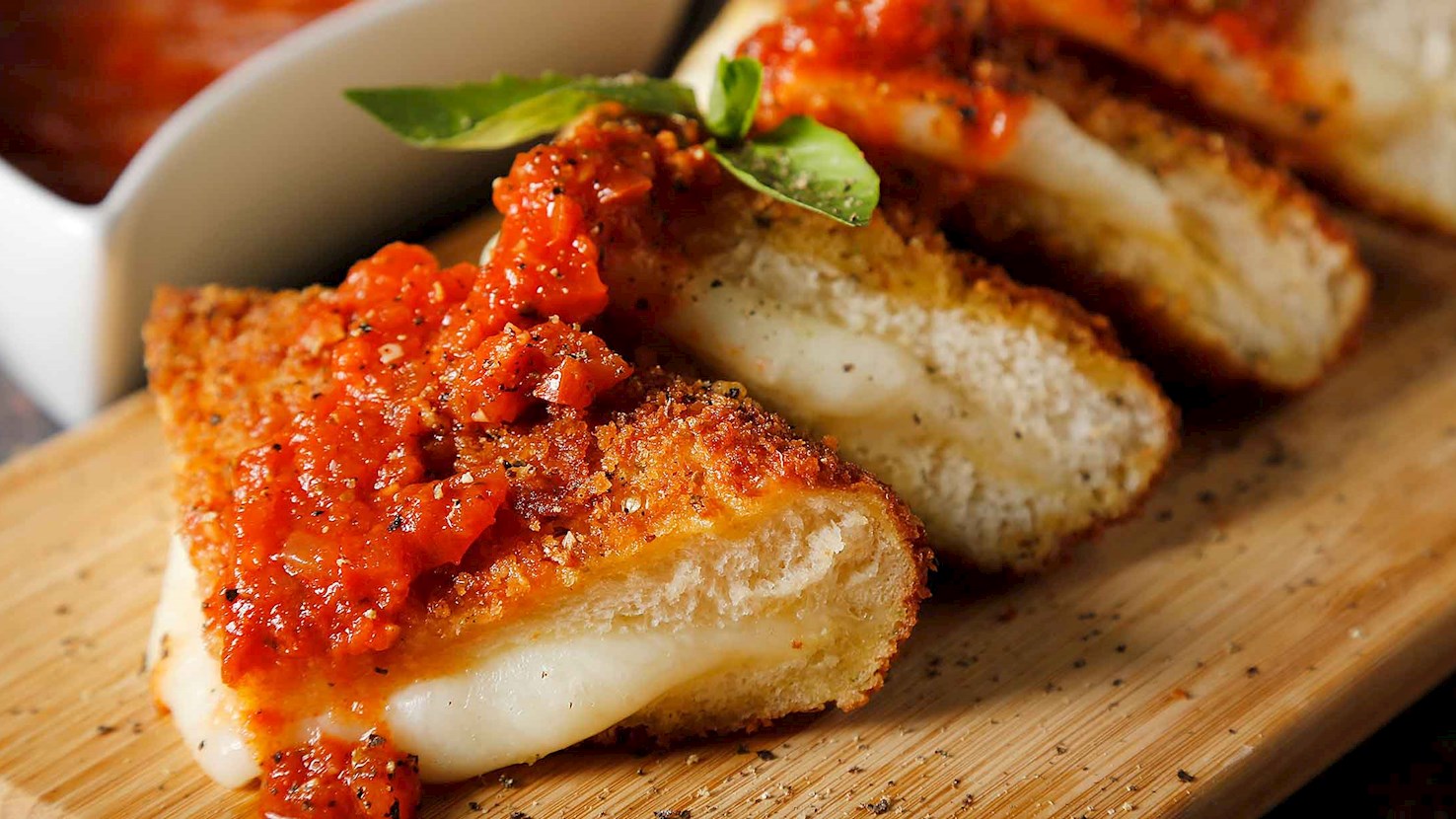
Mozzarella in carrozza (lit. mozzarella in a carriage) is an Italian fried sandwich that's especially popular in Campania, although it's eaten in various parts of Italy. The sandwich is made with crustless, slightly stale bread, mozzarella cheese (ideally di bufala variety), flour, milk, and beaten eggs. Apart from this version, there's also a version with added anchovies. Once assembled, the sandwiches are dipped in flour and cold water (so that the cheese doesn't leak out), then in the beaten eggs, and they're finally fried until nicely browned and crisp on the exterior. This sandwich was invented by housewives in Southern Italy who wanted to make use of leftover mozzarella and stale bread. Nowadays, its popularity has crossed borders, so it's even popular in a few eateries in New York City.
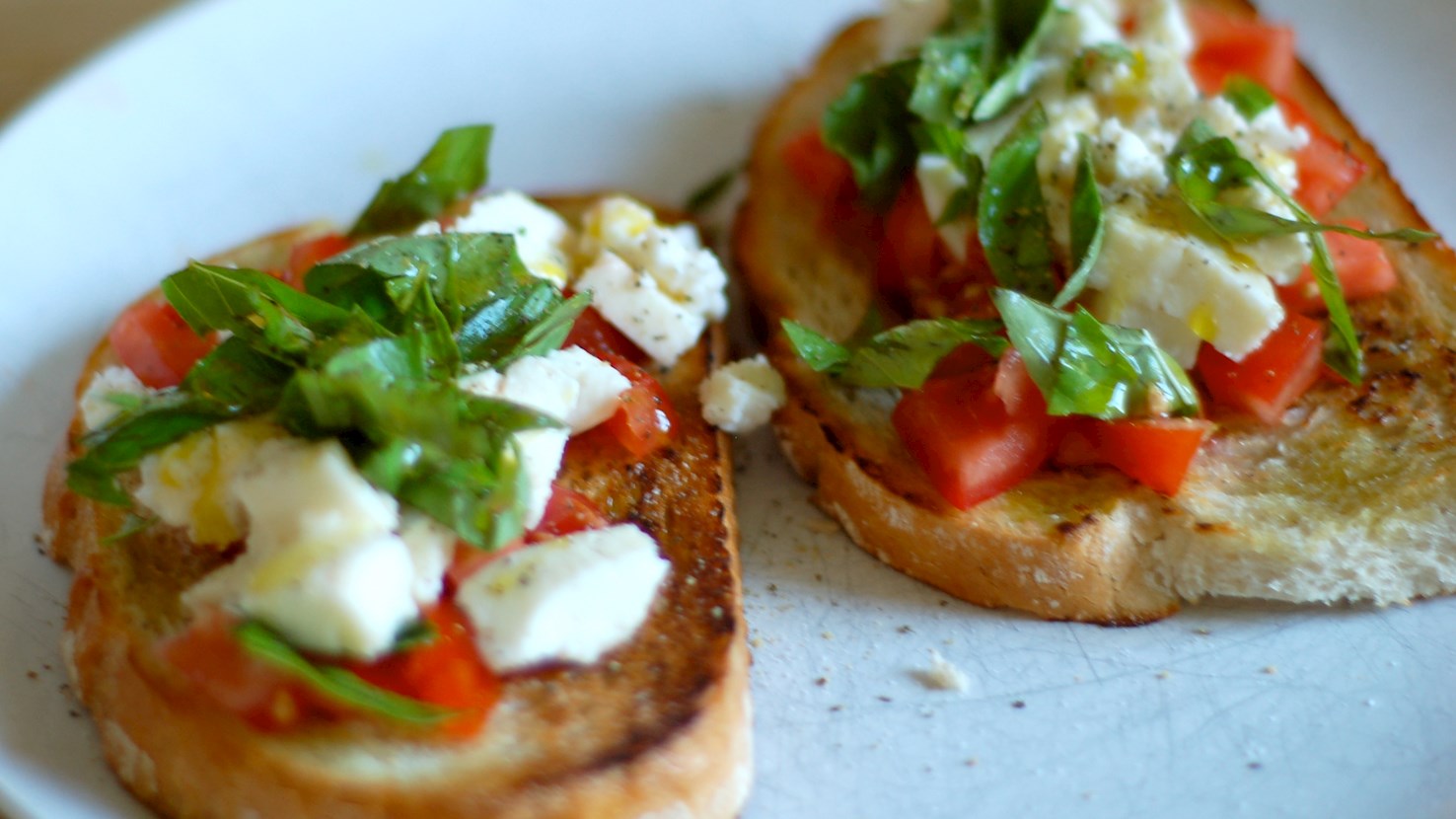
Bruschetta alla caprese is a traditional type of bruschetta originating from the island of Capri, hence the name. This tasty appetizer consists of bread, cherry tomatoes, basil leaves, mozzarella cheese, olive oil, garlic, and salt. The bread is sliced, toasted, rubbed with garlic, and topped with pieces of mozzarella, cherry tomatoes, basil, and a drizzle of olive oil. A pinch of salt is added before serving in order to elevate the flavors, and the bruschetta is ready to be enjoyed.
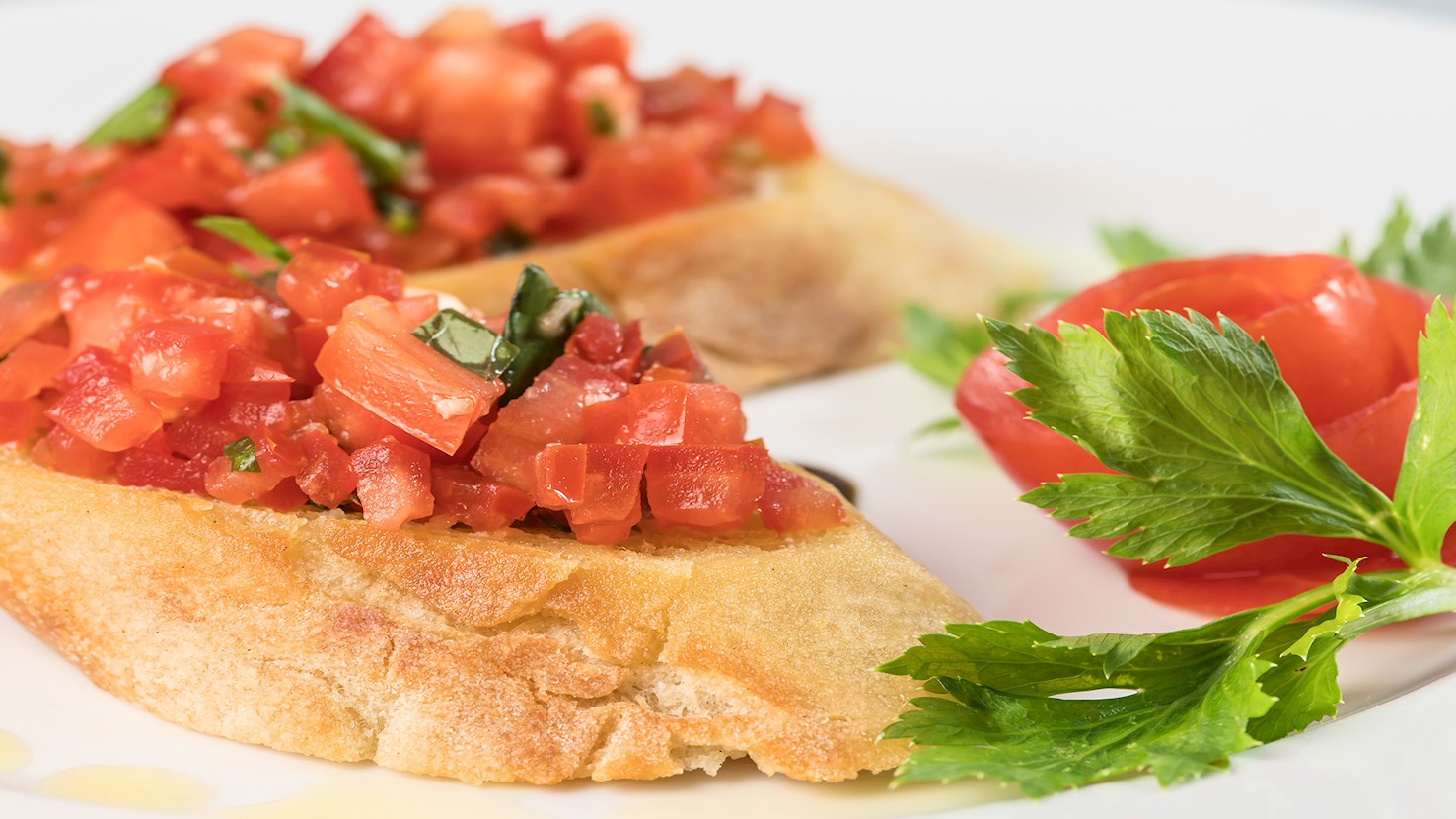
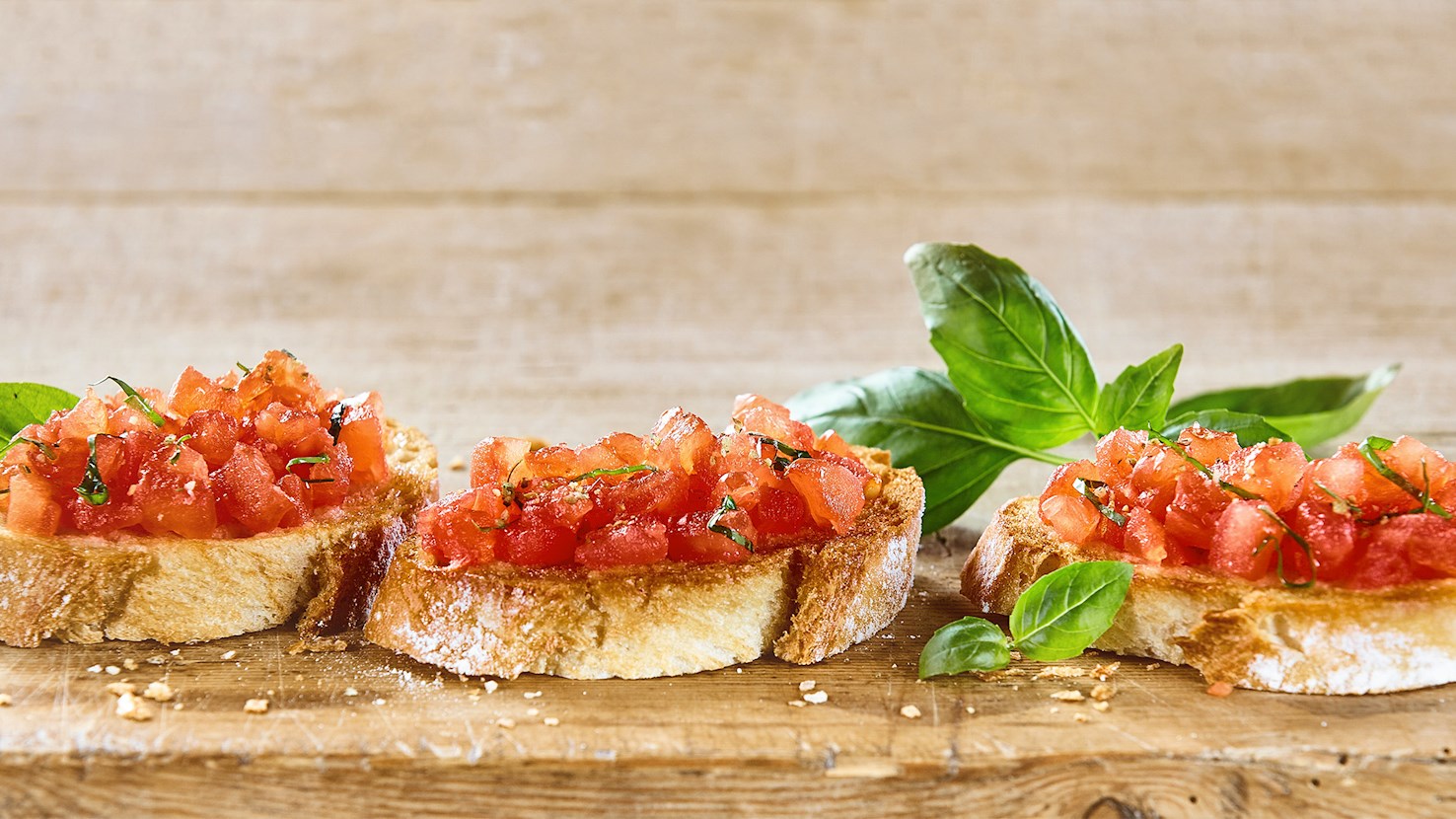
Bruschetta al pomodoro is a popular Italian appetizer consisting of sliced, toasted bread that is rubbed with garlic and topped with finely chopped tomatoes. Although there are numerous variations, the appetizer is usually finished with a drizzle of high-quality olive oil, a sprinkle of sea salt, and fresh basil leaves. The final result is a simple, elegant, yet flavorful finger food that is especially popular at celebrations, festivities, and parties.
Bruschetta alla romana is a traditional bruschetta variety originating from Rome. Although there are variations, it's made with a combination of bread, cherry tomatoes, garlic, olive oil, capers, salt, and pepper in its classic form. The capers are rinsed in water and coarsely chopped. The tomatoes are chopped, mixed with the capers, olive oil, salt, and pepper, and the mixture is then spooned over toasted slices of bread that have been rubbed with garlic. If desired, feel free to add black olives, oregano, and basil to the bruschetta mixture for extra flavors and textures.
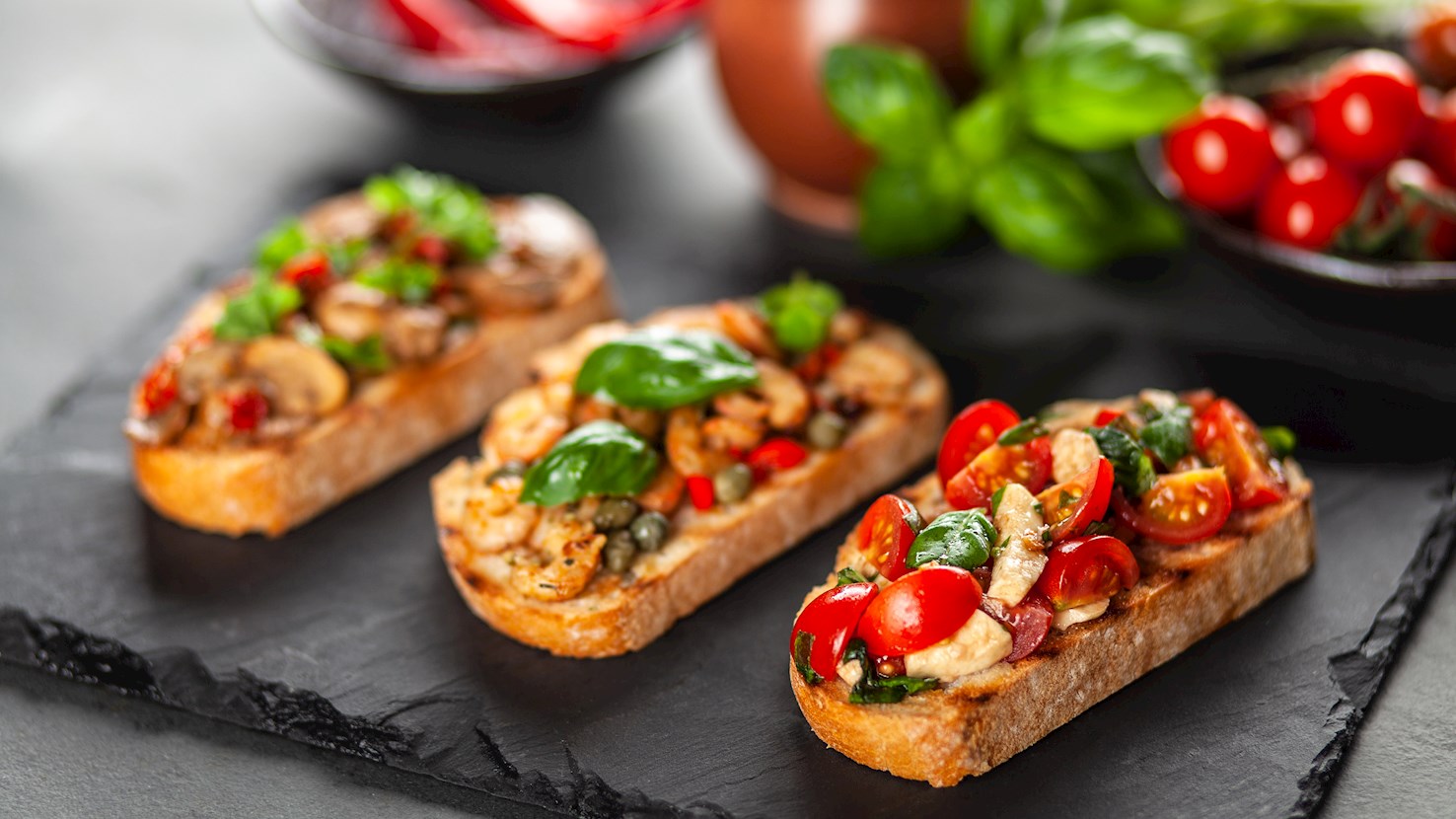
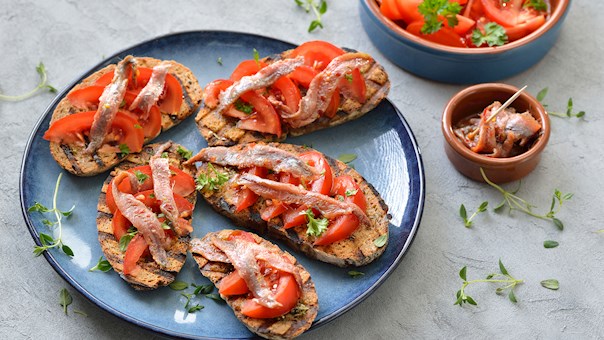
Bruschetta is a traditional appetizer that's nowadays popular throughout the world. In its simplest form known as fettunta, this classic appetizer consists of a grilled slice of bread rubbed with garlic and drizzled with extra virgin olive oil. According to Marcella Hazan, a cookery writer and one of the foremost authorities on Italian cuisine, the history of bruschetta dates back to ancient Rome – its name stems from the old Latin bruscare (meaning “to roast over coals”). Once merely a snack of Italian farmers and olive pickers, the versatile bruschetta has grown into one of the most delicious antipasti Italian cuisine has to offer. Nowadays, bruschetta comes in virtually infinite varieties: spread with bell pepper, mushroom, eggplant, or zucchini pâtés, and topped with small chunks of eggplant, figs, scamorza cheese, mozzarella, or even anchovies, prosciutto, or various types of salami. However, even though it might seem that there isn’t much to this simple grilled bread appetizer, the secret to a perfect bruschetta is in its simplicity.
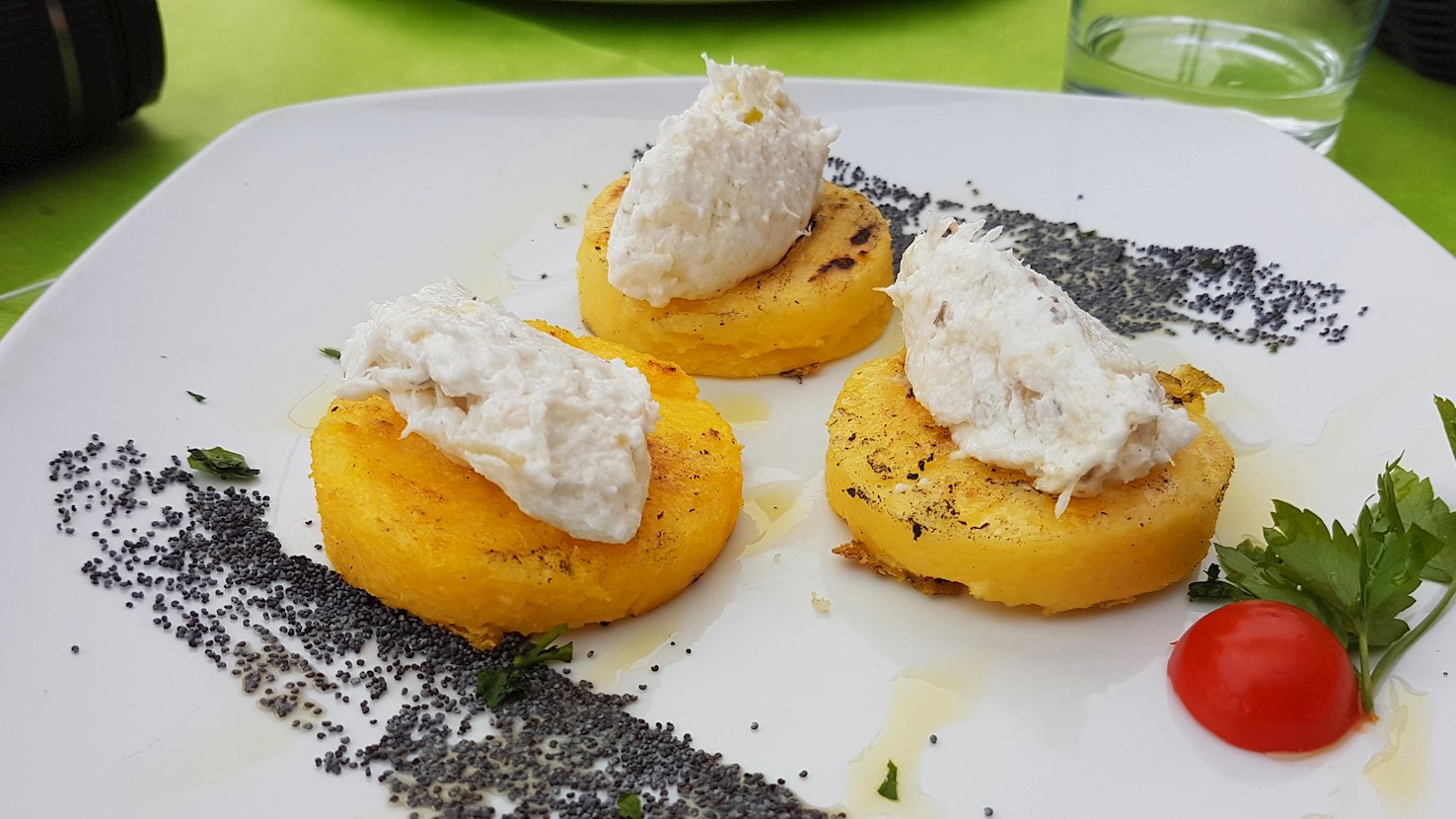
This traditional Italian dish is usually associated with the Veneto region. It consists of salted cod that is primarily boiled in a mixture of water and milk. It is then thoroughly deboned, and finally mashed until it reaches a creamy but firm consistency. At the final stage, the fish is usually enriched with olive oil, garlic, and optionally parsley. The dish is considered to be a true delicacy that is light, packed with flavor and can vary from chunky to creamy in texture. It is usually served accompanied by grilled pieces of polenta or toasted, crispy bread.
TasteAtlas food rankings are based on the ratings of the TasteAtlas audience, with a series of mechanisms that recognize real users and that ignore bot,
nationalist or local patriotic ratings, and give additional value to the ratings of users that the system recognizes as knowledgeable.
For the “30 Cicchetti Varieties Ranked From the Best To the Worst” list until September 17, 2026, 804,807 ratings were recorded, of which 527,136 were recognized by the system as legitimate.
TasteAtlas Rankings should not be seen as the final global conclusion about food. Their purpose is to promote excellent local foods,
instill pride in traditional dishes, and arouse curiosity about dishes you haven’t tried.




What People Say