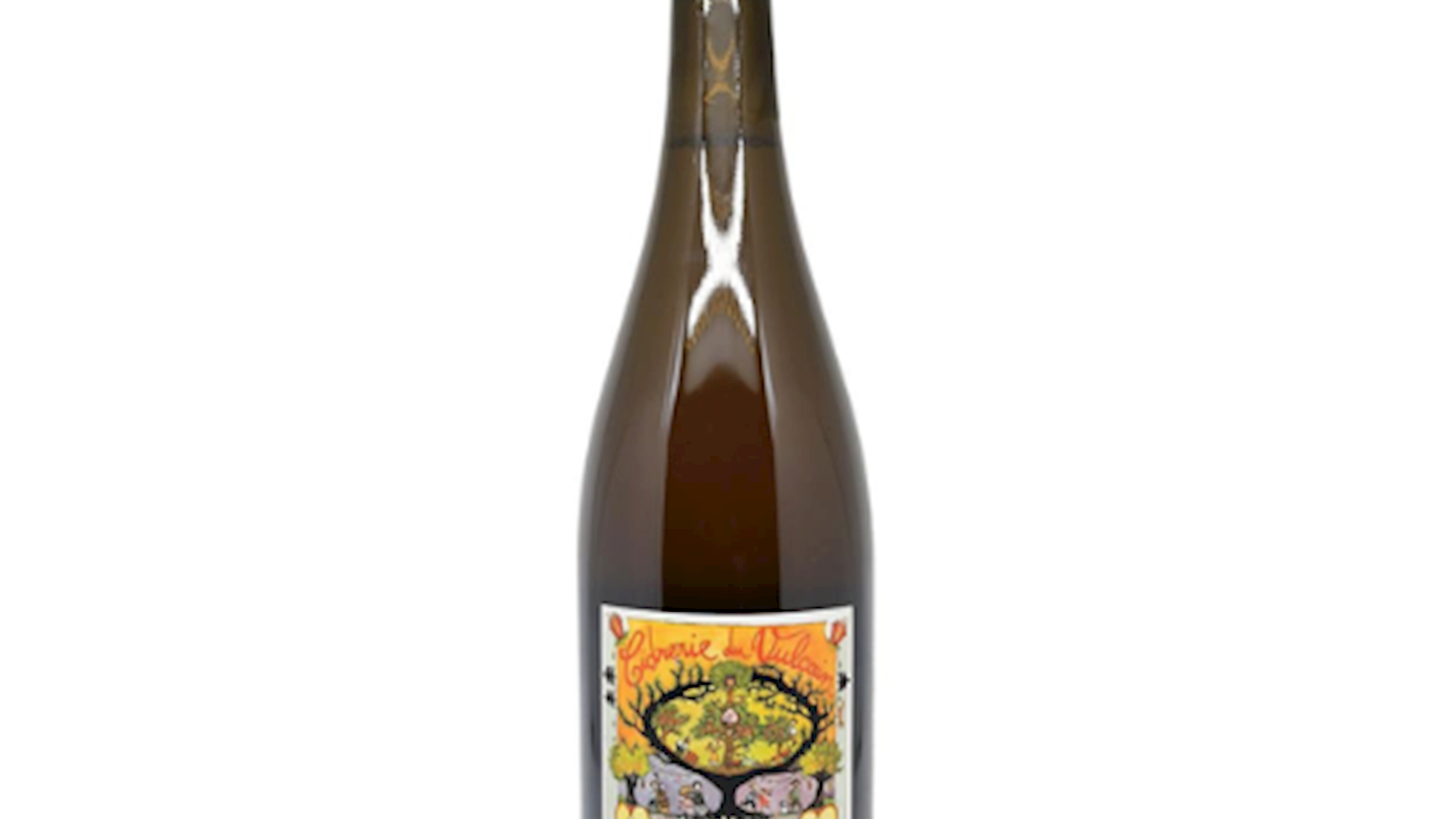
Cidrerie du Vulcain, led by Jacques Perritaz, is now based in Normandy, in the village of Juvigny-Val-d’Andaine. In 2022, Perritaz purchased a farm, securing his own orchards and production space, thereby strengthening the foundation of his work. The fruit he uses comes from old apple, pear, and quince trees, often abandoned or forgotten varieties that he rediscovers and revives. Fermentation takes place spontaneously with indigenous yeasts in stainless steel or lined tanks, and he often employs the ancestral method, bottling before fermentation is complete. This process results in natural carbonation and an authentic character, without disgorging or additional processing. His work reflects a fusion of Swiss experience, gained in Fribourg working with old orchards, and the rich traditions of Normandy as a historic center of cider and perry. In this way, Perritaz has developed a distinctive style rooted in minimal intervention and authenticity. Today, Cidrerie du Vulcain stands as an example of a producer that successfully combines tradition, terroir, and innovation, preserving rare varieties and creating drinks that captivate with their natural purity and sense of origin.
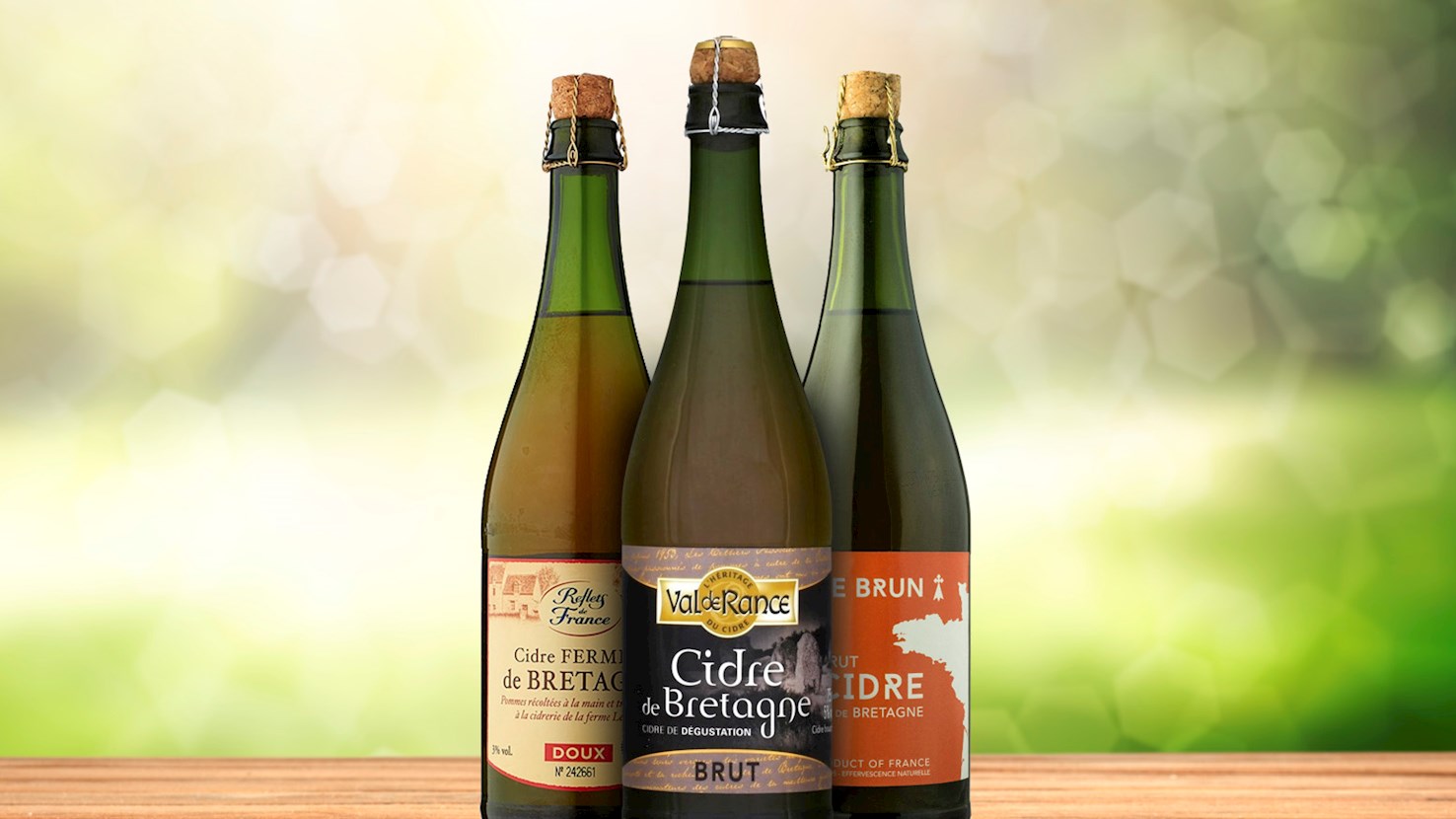
Cidre de Bretagne are ciders produced in the Brittany region in France, clear or muddy alcoholic beverages made by the fermentation process, with a foamy head and fine bubbles throughout the body. The ciders vary in color from yellow to brown, according to their geographical positions, so ciders from Ille-et-Vilaine, which are more acidic, have a lighter color, and ciders from Finistére have a darker color because of the bitter apples from the area. Britanny ciders have a rich, rustic, fruity, flowery and bold flavor, and develop spicier flavors as they mature. When in Brittany, do not be alarmed when you order a cider and get it served in a cup instead of a glass, it is a traditional oddly-shaped tea cup, with or without handles, used to drink the local ciders.
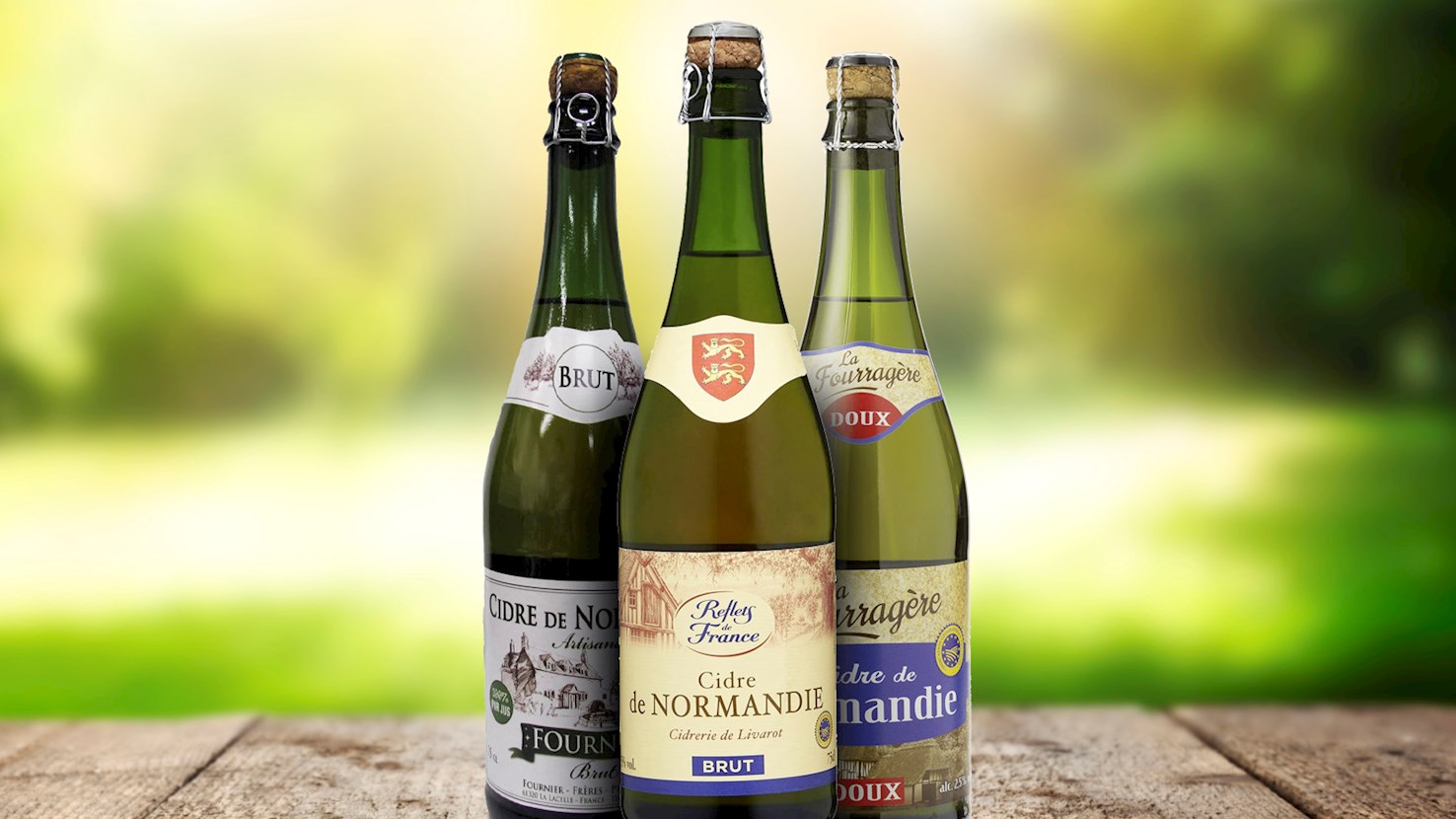
Cidre de Normandie is a cider, clear or muddled alcoholic beverage made through the process of fermentation in the French region of Normandy. Ciders from Normandy are light yellow to dark orange, with a foamy head and fine bubbles throughout their liquid body. The flavors are intense and rich - fruit, flowery and sweet, with a plethora of undertones reminiscent of apple, citrus fruit, peach, apricots, aniseed, lime, rose, cocoa, caramel and honey. The apples used in the process are sweet or bittersweet varieties, with the addition of perry pears to make the Normandy cider characteristically more acidic. Due to the slow and long fermentation, a deeper, sweeter flavor is produced, making the cider a great drink at the end of a big meal.
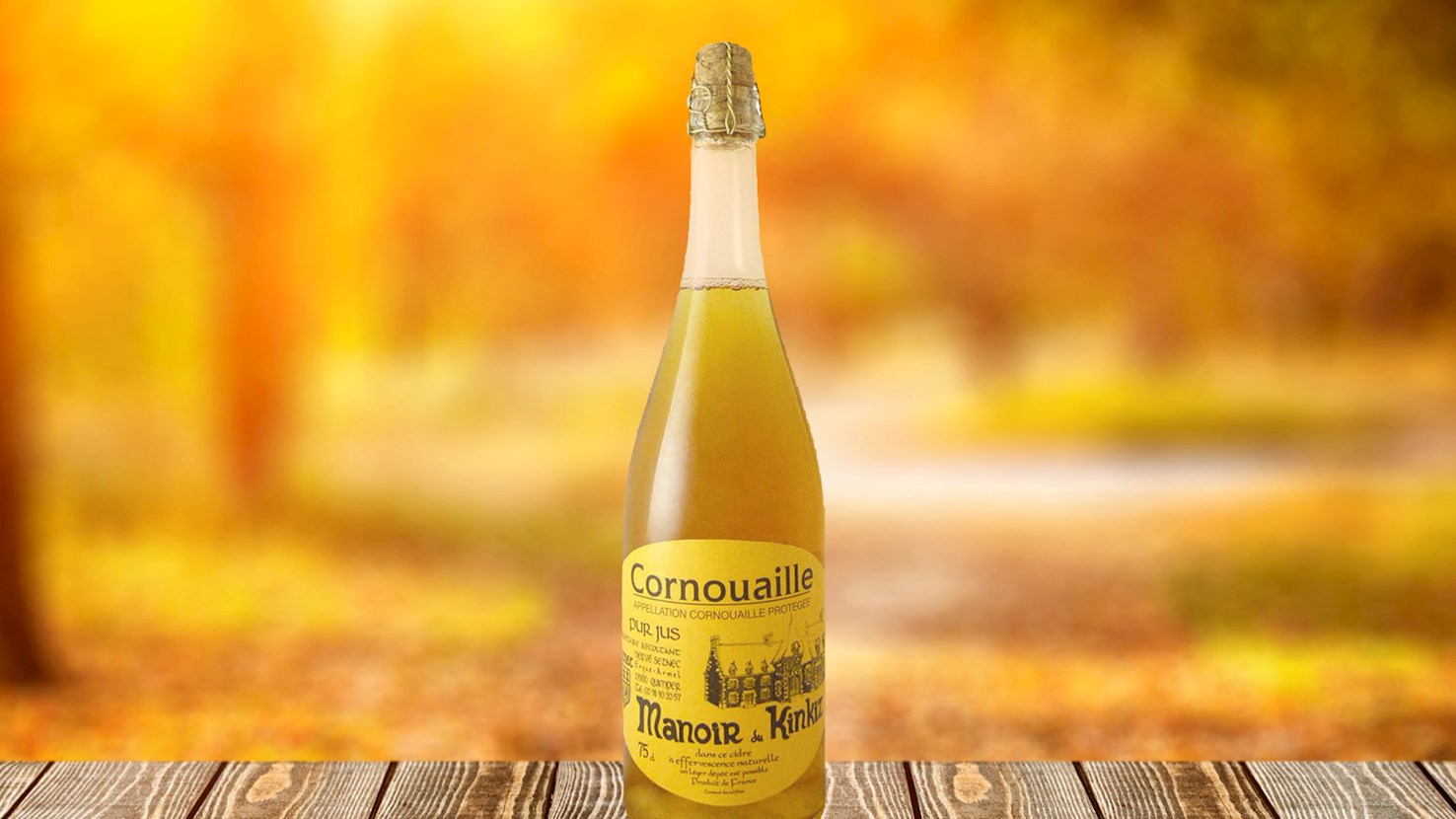
Cornouaille is a traditionally made cider produced since the 14th century from cider apples that have been grown in the region of Bretagne in France since the 6th century. During the production process, the apples are crushed or grated and the juice is fermented, and no water, sweeteners or carbonation can be added to the final product. Since the apples have a high content of natural sugar and tannin, the cider is unique for its reddish-brown orange color and a bittersweet aroma of orange peel and fresh apples with a mild acidity, leaving a nice, dry feeling on the palate.
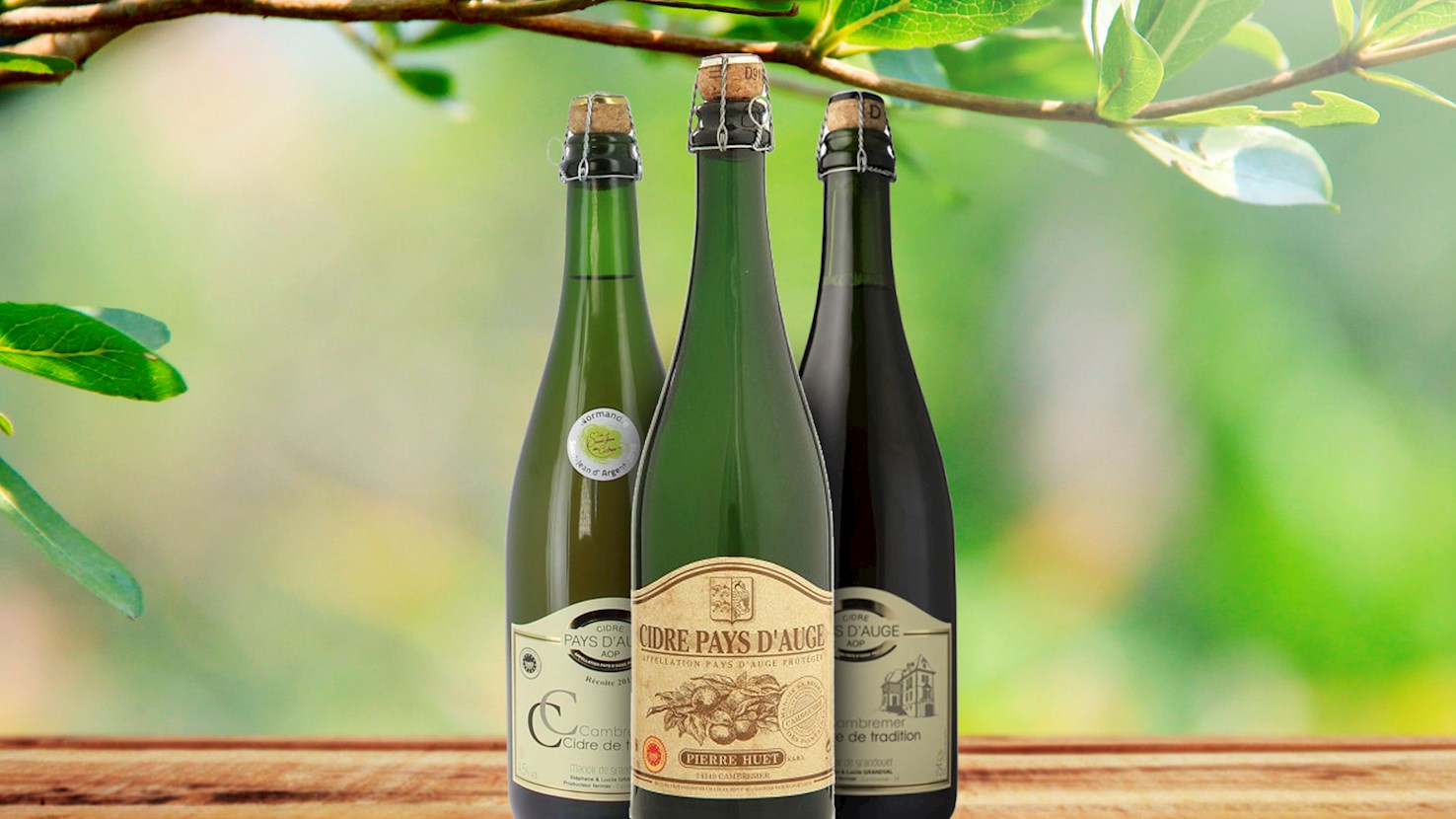
Pays d'Auge Cambremer is a cider made by the process of fermentation of a traditional variety of apples in the French regions of Lower and Upper Normandy. The Cambremer area is in the middle of the Pays d'Auge. The fermentation of the chopped or grated apples is a slow process, and the final product is an unsweetened, unpasteurized and natural cider with a fruity flavor and an amber color. It has a perfect balance of acidity and sweetness and has been renowned for its quality since the time of King Henry IV when his doctor mentioned the unique cider in his writings. It still holds a very high reputation in France and is sold in glass bottles of different shapes and sizes that are suitable for the internal pressure resistance caused by the final stage of fermentation. Locally, it is enjoyed after a hearty meal and goes especially well with seafood or poultry dishes.
Poiré de Domfront is an elegant, naturally sparkling perry (pear cider) exclusively crafted in the Domfront region of Orne. Showcasing a pale straw-gold hue and delicate, persistent bubbles, this low-alcohol beverage is celebrated for its lively acidity, subtle sweetness, and an aromatic bouquet brimming with fresh pear and floral notes. Its origins are deeply rooted in the region's ancient, high-stem pear orchards, where local producers gradually developed a refined style entirely distinct from the area's robust apple ciders—a unique heritage formally recognized with an official geographic designation in the late 20th century. The production process is meticulous: designated perry pears are hand-harvested at peak ripeness, crushed, and cold-fermented over several months. This unhurried method allows the liquid to clarify naturally and develop its own carbonation in the bottle, strictly avoiding any artificially injected gas. While the final profile can range from dry to gently sweet based on the specific fruit blend and fermentation time, appellation laws require a dominant proportion of local Domfront pears to guarantee the drink's signature aromatic finesse. Best served chilled, this refreshing beverage is a sophisticated choice for an aperitif or a table companion, pairing beautifully with delicate foods like shellfish, fresh cheeses, savory crêpes, and light desserts without overpowering them.
Cidre du Pays d’Auge is an apple cider from France produced within the legally defined Pays d’Auge area. It is a naturally sparkling beverage with a pale gold to amber color, moderate alcohol, fine bubbles and a balance of fruit sweetness, acidity and gentle tannin derived from cider apples, offering a fresh mouthfeel and aromas that range from ripe apple and pear to subtle floral and earthy notes. Cider making in this area developed as apple orchards expanded after viticulture declined in northern France, and by the Middle Ages fermented apple drinks were firmly established as a daily beverage, with the Pays d’Auge becoming known over time for careful orchard management and controlled fermentation that distinguished its cider from more rustic farmhouse versions. Production begins with the cultivation of cider apple orchards composed of bitter, bittersweet, sweet and acidic varieties, harvested in autumn and milled to extract juice that is slowly fermented at low temperatures, often over several months, allowing natural clarification and the development of fine carbonation before bottling. The cider matures in tanks or bottles until its flavors integrate, with no forced carbonation, resulting in a beverage that reflects both apple selection and fermentation pace. Variations include dry, semi-dry and sweet styles depending on the balance of apple types and fermentation duration, as well as still and more effervescent expressions, while a defining element of Cidre du Pays d’Auge is the strict use of apples grown within the designated area and the emphasis on slow fermentation that preserves aromatic complexity. It is consumed in homes, bistros and restaurants, served chilled as a table drink, used in cooking with poultry, pork or sauces, and paired naturally with dishes such as crepes, cheeses, seafood or apple-based desserts where its acidity and fruit character complement the food without overpowering it.
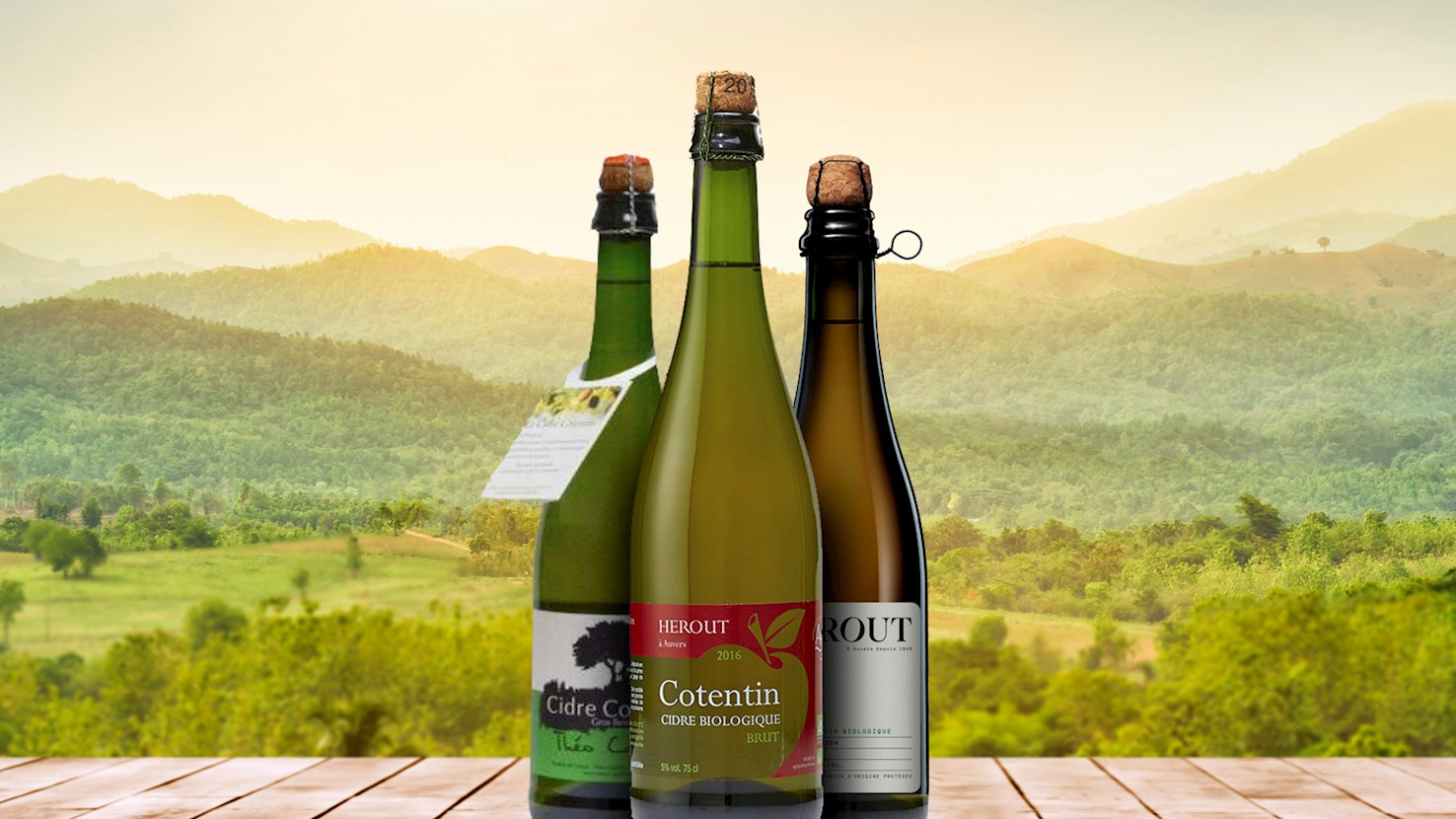
This unpasteurized sparkling cider is produced in the northern half of the department of La Manche, and it is predominantly made from the fruit juice of bitter and bittersweet apple varieties. The cider has a fine sparkle and ranges from straw yellow to orange-yellow. It is characterized by a good balance of freshness and subtle acidity, while it typically displays aromas of dried grass and butter. Cidre Cotentin ciders range from 3,5% to 5,5% ABV, and the varieties marked as extra brut tend to have a more pronounced bitterness and slightly firmer tannic structure.
TasteAtlas food rankings are based on the ratings of the TasteAtlas audience, with a series of mechanisms that recognize real users and that ignore bot,
nationalist or local patriotic ratings, and give additional value to the ratings of users that the system recognizes as knowledgeable.
For the “Top 7 French Ciders” list until June 03, 2026, 127 ratings were recorded, of which 118 were recognized by the system as legitimate.
TasteAtlas Rankings should not be seen as the final global conclusion about food. Their purpose is to promote excellent local foods,
instill pride in traditional dishes, and arouse curiosity about dishes you haven’t tried.
The initial list of top producers was compiled based on available reviews, awards, local recommendations, media and blog coverage, and consumer reviews.
The list will be updated with ratings from TasteAtlas local ambassadors and TasteAtlas users.