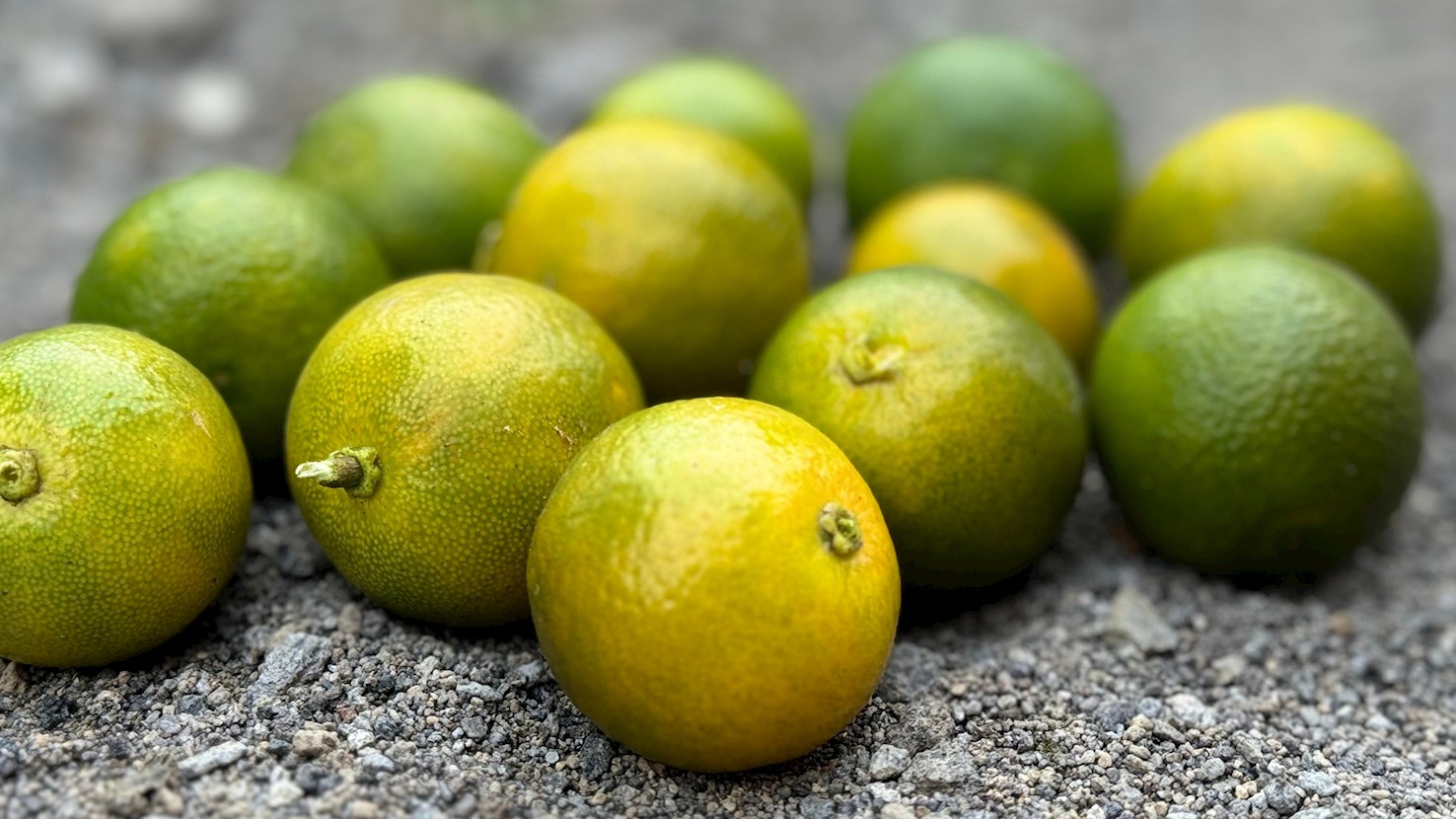
Calamansi (lat. Citrus × microcarpa) is a small citrus fruit hybrid native to the Philippines and widely used across Southeast Asia. The fruit is spherical, typically about 20 to 25 millimeters in diameter, and has a green to golden yellow color when ripe. Despite its small size, calamansi packs a flavorful punch and is highly aromatic. The taste of calamansi is a unique blend of sweet and sour, similar to a cross between a lime and a mandarin orange, making it versatile in both culinary and beverage applications. It is commonly used as a seasoning, adding a vibrant citrusy flavor to dishes, as well as in marinades to tenderize meats. Calamansi juice is also popular as a beverage, either consumed on its own as a refreshing drink, mixed with water and sugar, or used in cocktails and other drinks for its distinctive tangy flavor. Additionally, calamansi is used in various sauces, condiments, and even in baking.
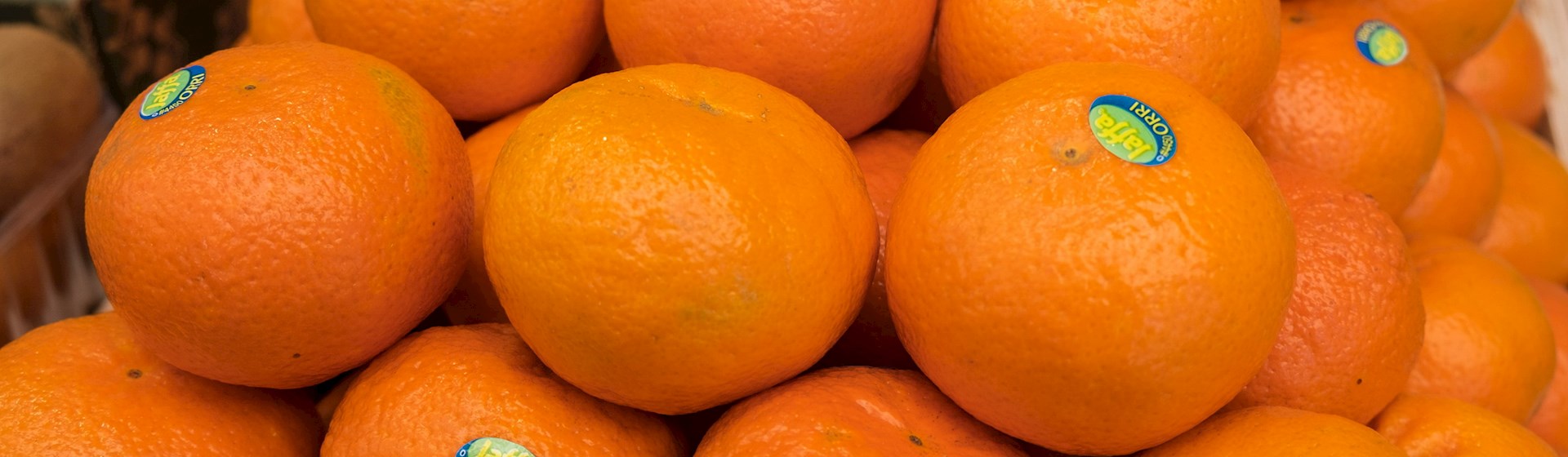
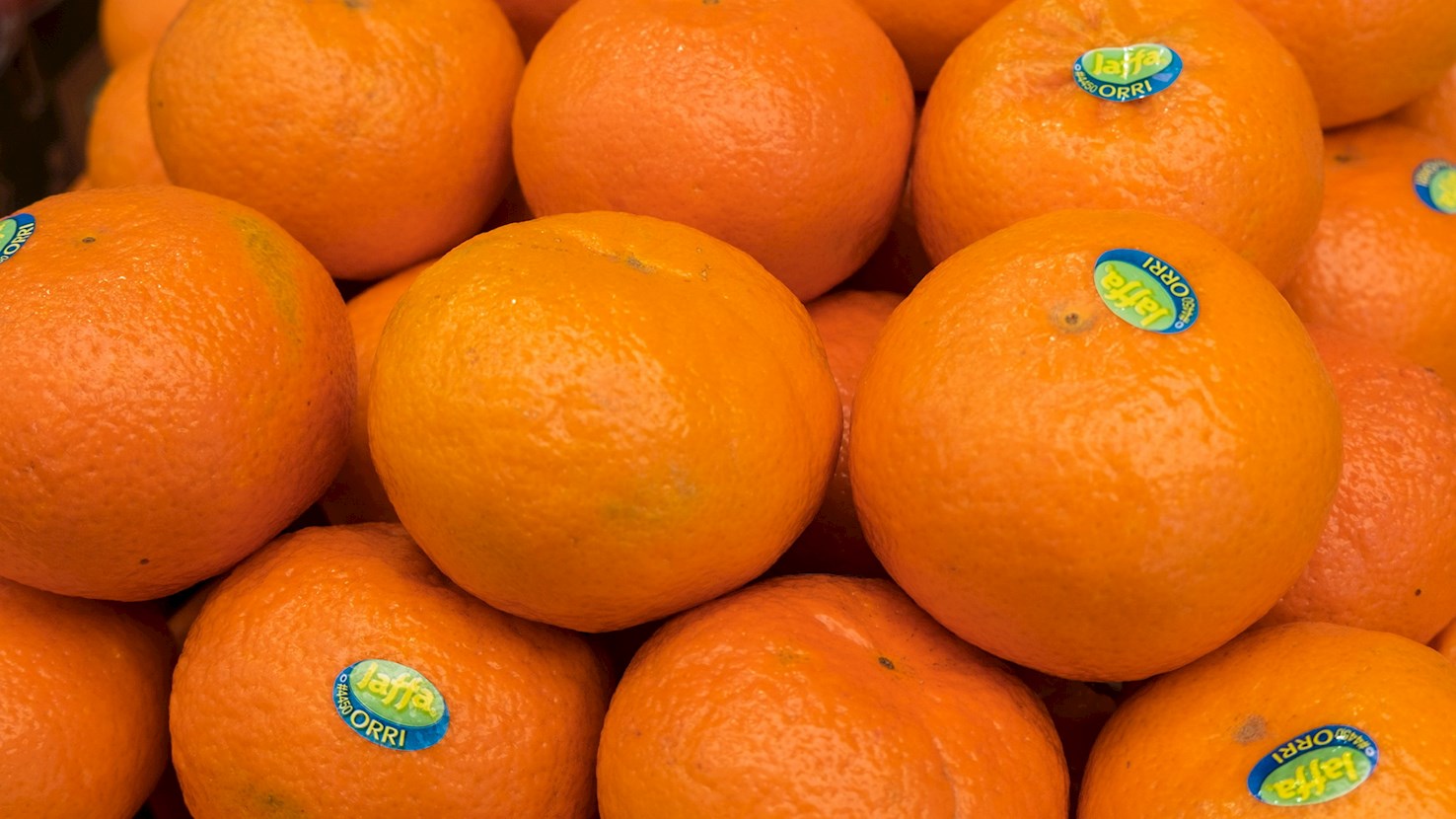
Originally developed by Arab farmers, Jaffa orange is an Israeli orange variety grown in the Middle East and the Mediterranean. The orange is believed to have been developed through a mutation of the baladi orange variety back in the mid-19th century near Jaffa (now a part of Tel Aviv), an ancient Palestinian port city that soon became the main center of production and export of the fruit, thereby lending it its name. Also known as shamouti orange or Jaffa shamouti orange, the fruit is oval-shaped with a thick skin that surrounds the sweet and moderately juicy flesh. This orange contains only a few seeds and is highly appreciated for its tough, yet easy-to-peel skin which gives the fruit its long shelf life. Although it’s nowadays associated with Israel, the production and export of Jaffa oranges actually predate the country’s creation, and they used to be the pride of Palestine. The oranges are typically enjoyed fresh or used in various sweet or savory dishes, and they’re not usually used for juice production because of their low juice content.
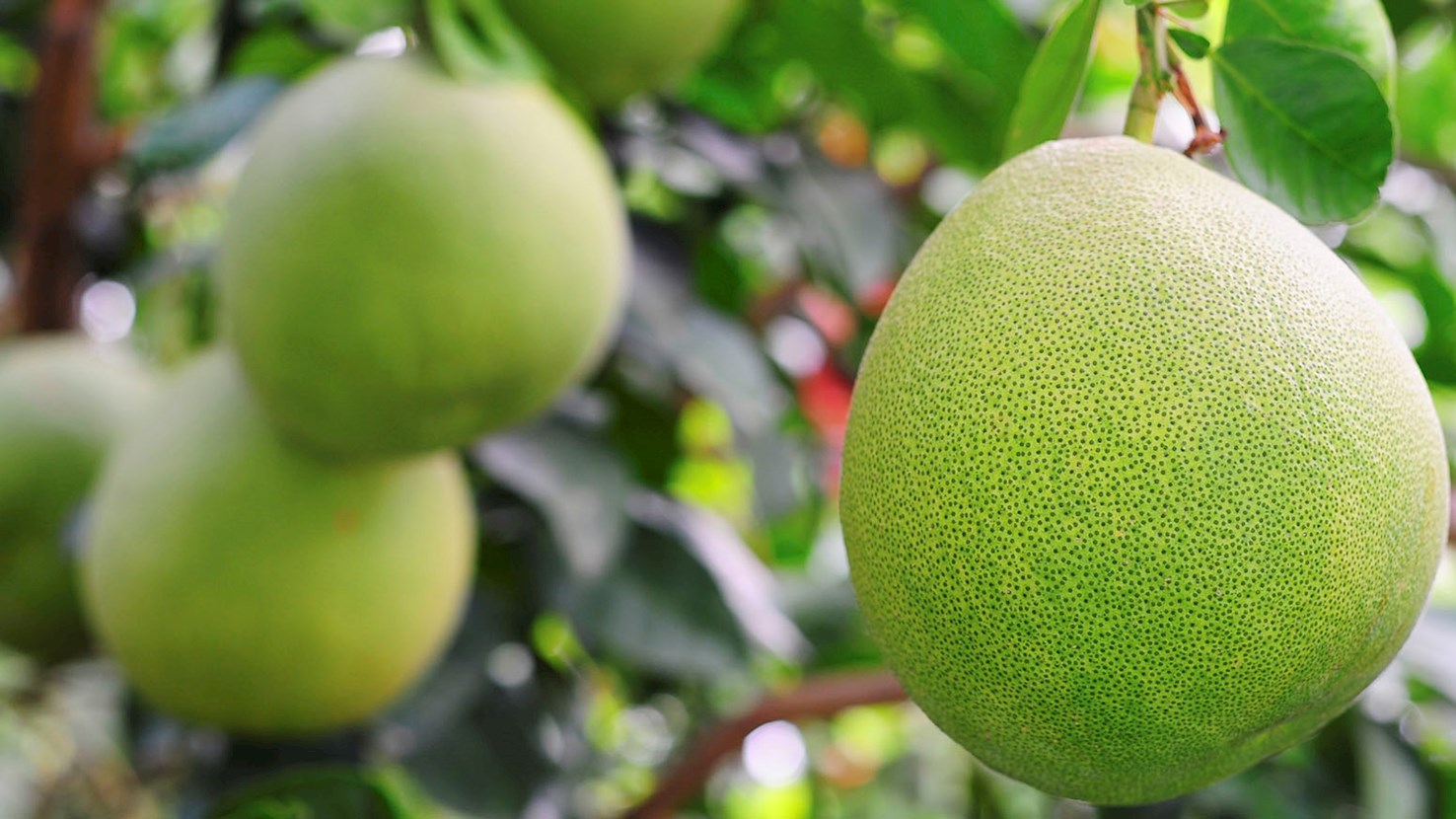
Guanxi Mi You is a pomelo of the Citrus grandis variety, produced in the paddy fields, hills and plains of the 16 towns and villages in Pinghe County in China, where the high amount of sunshine and sunny days contribute to the accumulation of vitamins, acids and sugar in the fruit, accentuating the fruit's unique sweet-and-sour taste. On the exterior, pomelo has an inverted oval shape and delicate, thin and smooth skin that is bright orange in colour. On the interior, the flesh is tender and crisp in texture, very juice and the taste is deliciously sweet and slightly reminiscent of vinegar. Due to a long history of planting pomelo trees in the region and strict quality production process, the pomelo fruit develops its unique characteristics and is often paired with mint, lime, chilli and shellfish in salads.
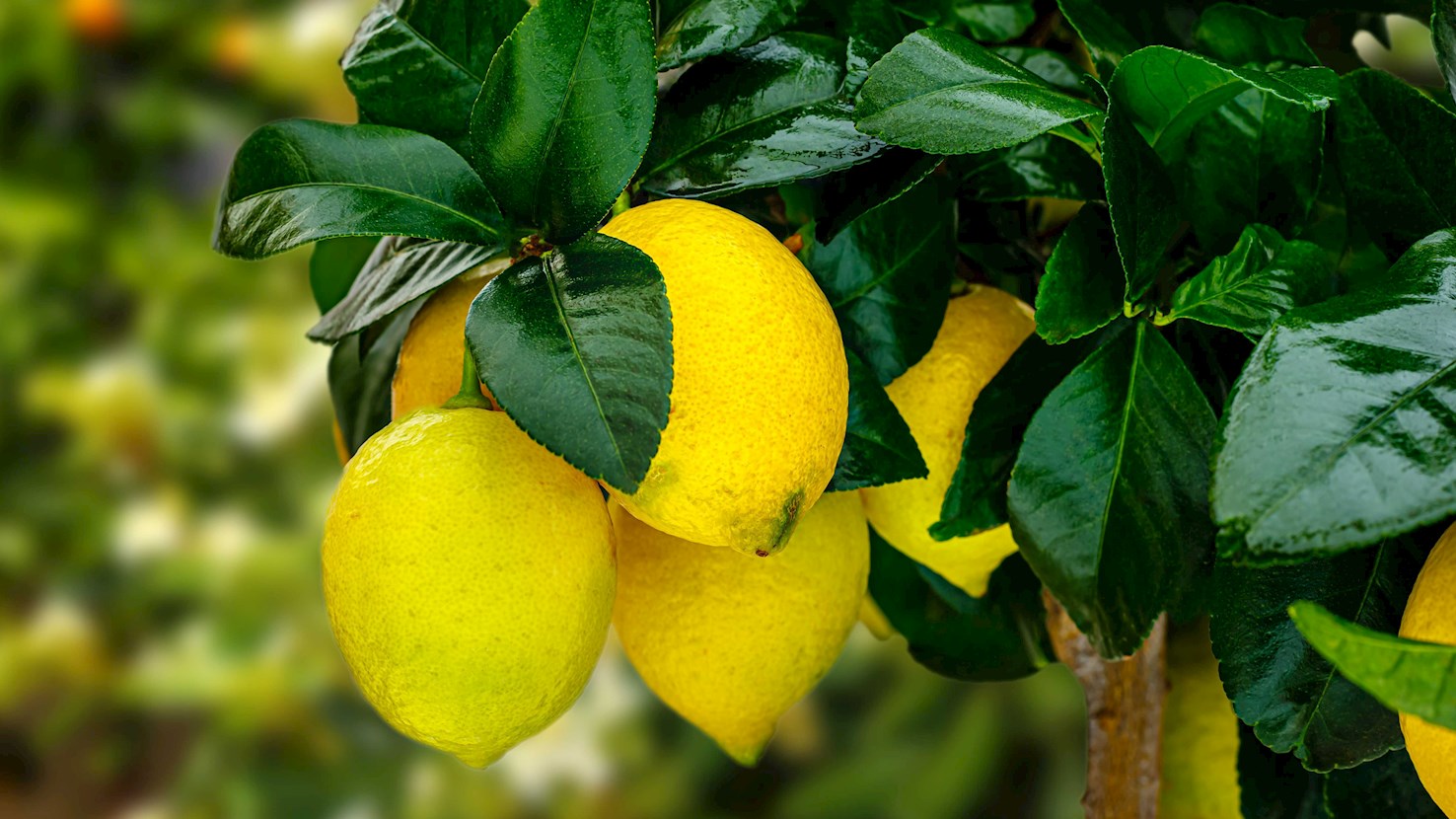
Meyer lemons are a type of citrus fruit native to China, a cross between a citron (an "original" lemon) and a mandarin/pomelo hybrid. They were introduced to the United States in the early 20th century by a man named Frank Nicholas Meyer, after whom they are named. Compared to the common lemon (citrus limon), Meyer lemons are smaller and more round, with a deep yellow to orange skin and dark yellow pulp. They have thinner, smoother skin and are less acidic, which makes them sweeter than their more tart counterparts. Meyer lemons have a unique aroma that is often described as a spicy bergamot fragrance. They are highly prized by cooks and bakers because of their slightly sweet and intensely citrusy flavor. Meyer lemons can be used in a wide variety of dishes, including desserts, cocktails, and savory recipes, where they can often replace regular lemons to add a different taste profile. It's important to note that Meyer lemons are more delicate and perish faster than common lemon and have a shorter growing season.
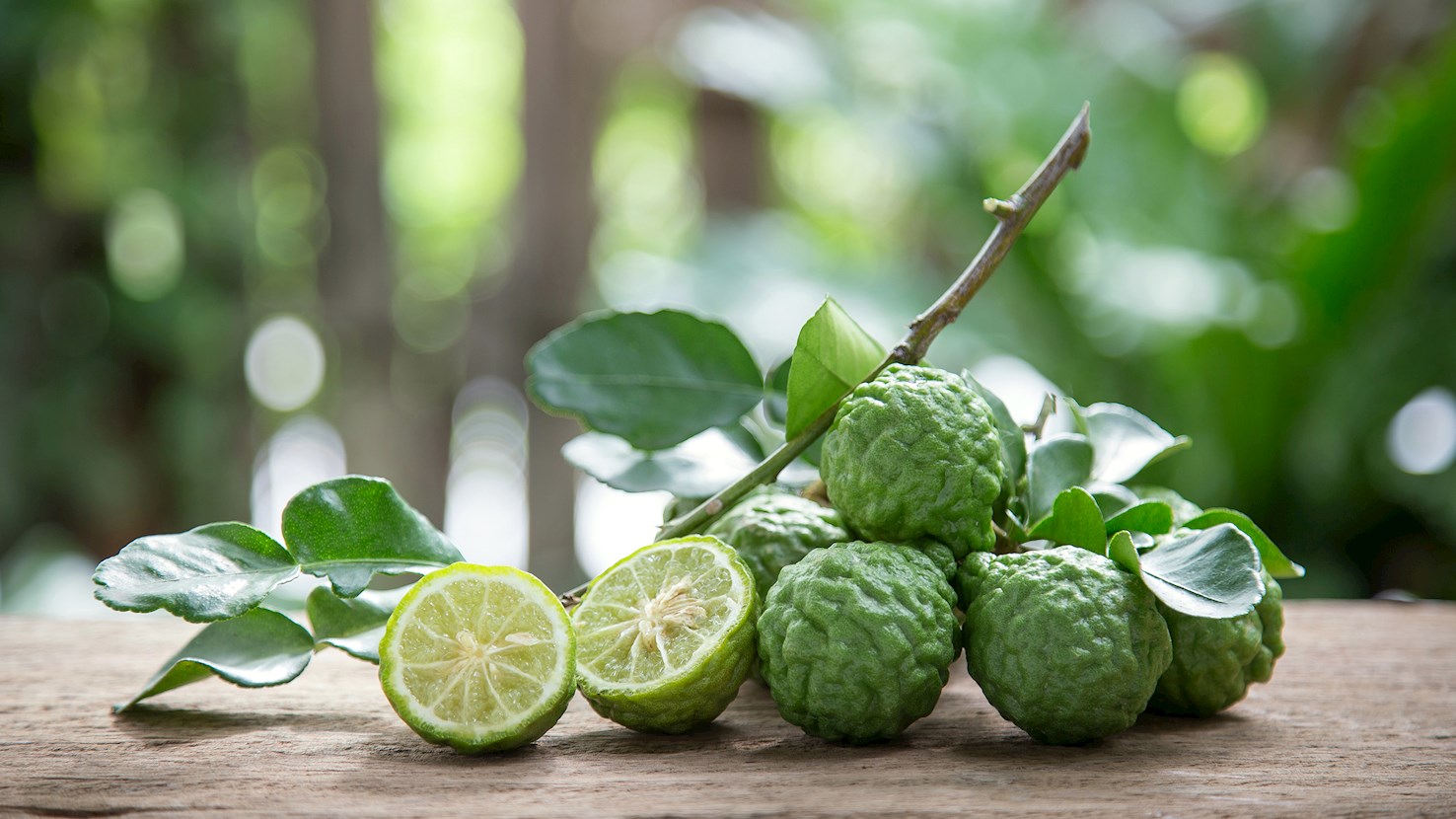
Makrut lime is an evergreen shrub that’s native to Southeast Asia. The fruits are green when unripe, turning yellow when ripe. The rind is warty, rough, and thick, while the pulp is very acidic and juicy with a few whitish seeds. The sour juice is often used in desserts, ice cream, beverages, and some seafood dishes. Makrut lime leaves are very aromatic and used as a spice that adds flavor to savory and spicy stir-fries, curries, and tom yum soup. The rind contains aromatic oil which is used to flavor rum and liqueurs.
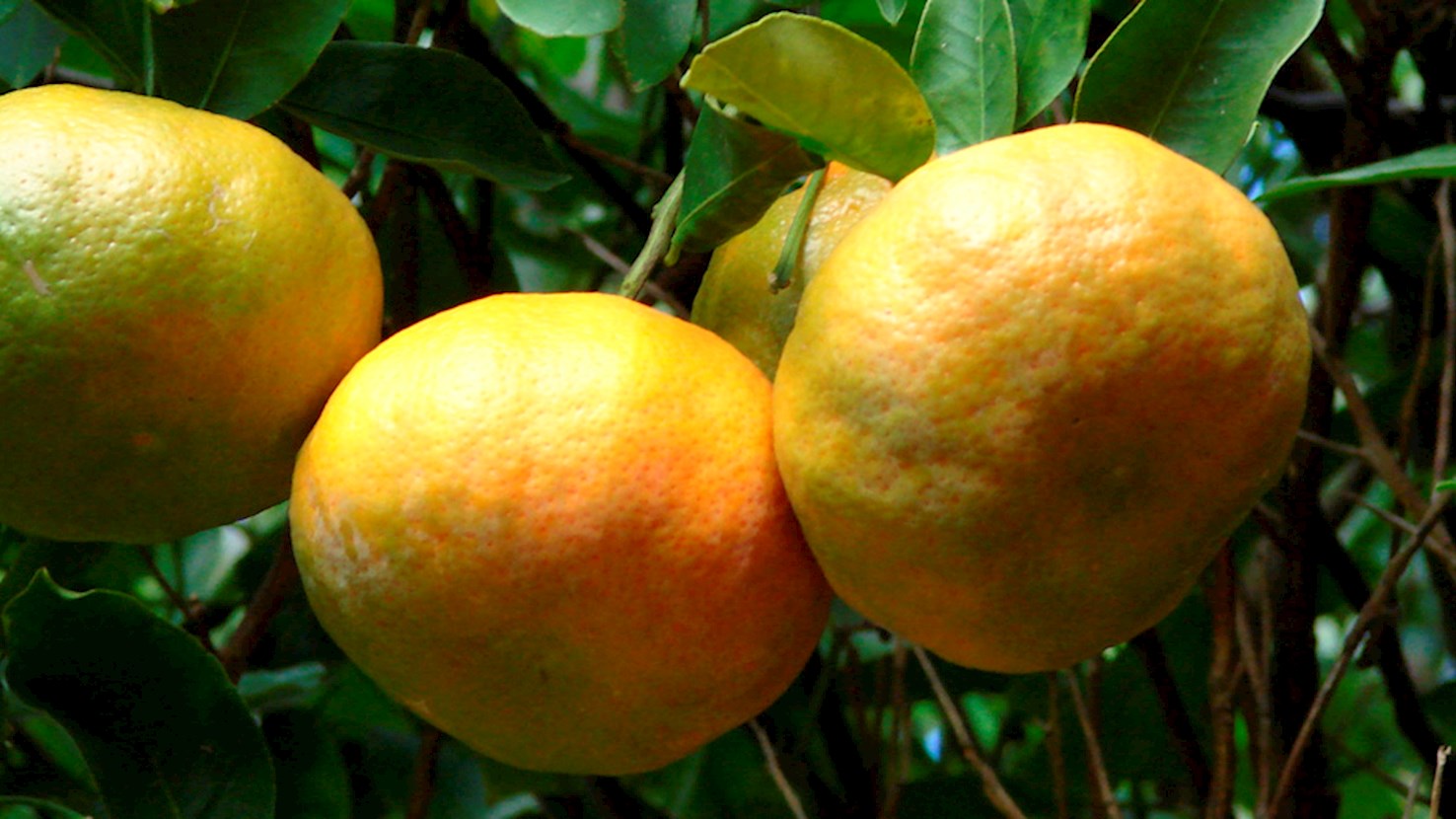
Khasi mandarin (Citrus reticulata) is a unique fruit cultivated in the Indian state of Meghalaya. The trees grow on steep slopes in chalky soil and in very hot climate. The villages, however, are located at the bottom of these steep valleys, so the villagers must carry the baskets filled with Khasi mandarins on foot across 5,000 to 10,000 stone steps, depending on the location of the trees. The mandarins are somewhat larger than a tennis ball. They are bright orange in color, quite hard to peel, while on the inside, there is a sweet, aromatic juice. The fruits are traditionally harvested between November and February, and the villagers use a woven bamboo tool for collecting the mandarins, allowing them to gently pick the fruit without any damage. The villagers also use their own saplings – once the mandarin seeds germinate, the saplings grow together for about 4 years, and are then transplanted while keeping a regulated distance between them. The trees follow a specific direction – for example, if most branches are facing east during the germination period, the same direction must be followed during plantation, otherwise the trees might not bear fruits, or they can even rot. Interestingly, according to a local belief, Khasi mandarin possesses the ability to calm angry people, so it is often given as a present to make up for past offenses.
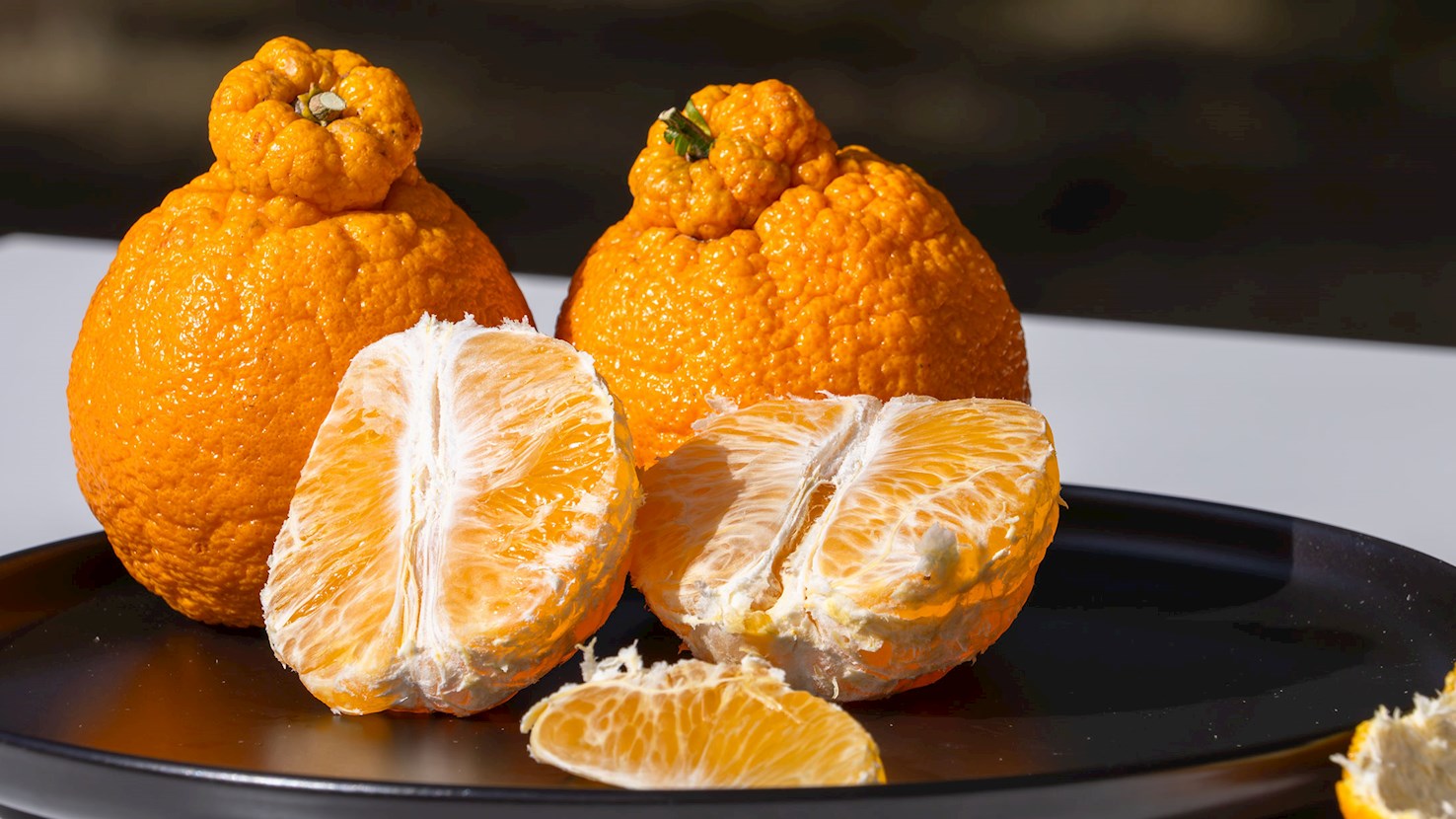
Dekopon is a large seedless citrus fruit with a distinctive raised bump at the stem end, prized for its intense sweetness, low acidity, easy-peeling skin, and juicy segmented flesh. It was developed in 1972 in Japan as a hybrid of Kiyomi tangor and Ponkan mandarin, and its unusual shape is part of what makes it instantly recognizable: the fruit is round and slightly flattened, but the top rises into a knob-like neck that gives dekopon its name. In Japan, the name is strongly associated with fruit that meets specific quality standards, while the same citrus is also known more generally as shiranui when it does not meet those standards. This distinction matters because dekopon is not just a casual label for any bumpy mandarin; it suggests a fruit selected for sweetness, appearance, and eating quality. The peel is usually thick and slightly rough, but it comes away easily, which makes dekopon feel almost like a large mandarin rather than a difficult orange. Inside, the segments are plump, tender, and juicy, with a rich orange color and very little bitterness. Its flavor is one of the main reasons it became so popular: sweet, fragrant, rounded, and clean, with enough citrus brightness to stay fresh but without the sharp sourness found in many oranges or tangerines. A good dekopon tastes concentrated rather than watery, with notes that can suggest mandarin, orange blossom, honey, and tropical fruit. Because it is usually seedless and easy to divide into sections, it is mostly eaten fresh, peeled by hand, and served as a table fruit, snack, or dessert. The fruit is commonly grown with attention to ripeness and post-harvest conditioning, since its flavor improves when the acidity softens and the sugars become more balanced. This period of resting helps turn a good citrus into the mellow, low-acid fruit for which Dekopon is known. In markets, the best examples should feel heavy for their size, with a bright orange rind, a clean citrus fragrance, and skin that is neither dried out nor overly soft. The raised top should be present, but the fruit’s real quality is measured in flavor: juicy flesh, high sweetness, gentle acidity, and a smooth finish. Although dekopon is most often eaten plain, it can also be used in dishes where its sweetness and aroma are allowed to remain clear. The segments work well in fruit salads, green salads, yogurt, custards, cakes, sorbets, and light desserts, while the juice can be used in drinks, dressings, sauces, and citrus-based marinades. Still, cooking is rarely the best use for a fruit of this quality. Heat can flatten its fragrance and waste the fresh juiciness that makes it special. Its natural partners are simple ingredients such as cream, mild cheese, bitter greens, seafood, herbs, chocolate, nuts, and sparkling drinks. Like many premium citrus fruits, dekopon is best appreciated when served simply, slightly chilled, or at room temperature, so its perfume and sweetness are easy to notice. Outside Japan, dekopon has gained recognition under various market names, including sumo citrus in the United States, where its oversized shape and prominent top have made it memorable.
Meiwa kumquat (lat. Citrus crassifolia) is a small, round citrus fruit native to China. It belongs to the genus Fortunella and is primarily distinguished from other kumquat varieties by its spherical shape and its notably sweeter pulp. The fruit reached Japan during the Edo period, specifically arriving from China on a merchant ship in the year 1860, which led to its widespread cultivation and eventual introduction to the Western world by the early 20th century. Botanically, the Meiwa kumquat is often considered a natural hybrid between the Nagami and Marumi varieties, though it is treated as a distinct species in many agricultural classifications. Preparation of the Meiwa kumquat involves minimal processing as the entire fruit, including the thick, orange rind and the inner segments, is edible. Unlike the elongated Nagami variety, which has a very tart interior, the Meiwa possesses a much milder acidity and a thicker, fleshier skin that contains a high concentration of essential oils and sugars. Serving the fruit typically involves eating it fresh and whole, which allows the consumer to experience the simultaneous release of sweet oils from the zest and the slightly tangy juice from the pulp. A specific physical characteristic of the Meiwa is that it is often nearly seedless or contains significantly fewer seeds than its oblong counterparts. The fruit is also less prone to the juiciness of typical citrus, possessing a denser, more substantial texture that holds its shape when sliced. Meiwa kumquats are eaten primarily as a fresh dessert fruit or a snack in East Asia and specialized citrus-growing regions like Florida and California. They are frequently used in the preparation of candied fruits and whole-fruit syrups because their round shape and sweet pulp respond well to sugar saturation. In culinary applications, they are often paired with mild cheeses like chèvre or ricotta to balance their bright citrus notes. For beverage pairings, they are used to garnish sparkling wines and dry ciders, or muddled into gin-based cocktails where the sweetness of the rind complements the juniper botanicals.
Nagami kumquat (lat. Citrus margarita), is an oval-shaped citrus fruit characterized by an edible sweet rind and a tart inner pulp. It belongs to the Fortunella genus and is a primary variety of kumquat cultivated for commercial and domestic use. The species is native to southern China, where records of its cultivation and consumption date back to the 12th century. It was introduced to Europe in 1846 by Robert Fortune, a collector for the Royal Horticultural Society, and subsequently reached North America in the late 19th century. The fruit grows on a slow-growing evergreen shrub that is highly cold-hardy, capable of surviving temperatures as low as -10°C, which is a significant physiological trait compared to most other citrus species. Preparation of the Nagami kumquat typically involves washing the exterior thoroughly, as the fruit is consumed in its entirety, including the skin. Unlike most citrus fruits where the peel is discarded due to bitterness, the rind of the Nagami contains the majority of the fruit's sugar content, while the juice and flesh provide a sharp acidity. This inversion of the usual citrus flavor profile means that rolling the fruit between the fingers before consumption can help release essential oils and mix the sweet and sour components. Serving methods vary from eating the fruit raw as a whole snack to slicing it thinly for inclusion in salads or as a garnish. A specific physical property of the Nagami is its elongated, prolate shape, which distinguishes it from the round Marumi kumquat. The fruit contains a small number of seeds, which are technically edible but often removed when the fruit is sliced. Nagami kumquats are eaten globally, appearing in markets during the winter months when they are in peak season. They are frequently utilized in the production of marmalades, candied preserves, and chutneys because the high pectin content in the rind facilitates the gelling process. In culinary applications, they are often paired with fatty proteins like duck or pork to provide an acidic contrast. For beverage pairings, Nagami kumquats are macerated in clear spirits such as gin or vodka to create infused liquors, or sliced into iced black tea and sparkling water to contribute both sweetness and astringency.
Kintamani orange refers to a specific variety of tangor that originates from the Kintamani region in Bali. This region is well-known for its volcanic soil and favorable climate conditions, which are ideal for cultivating citrus fruits, including this distinctive type of citrus fruit. Kintamani oranges are celebrated for their unique flavor profile, which balances sweetness with a slight tanginess, and they are known for their juicy and aromatic qualities. They tend to have a thinner skin compared to other orange varieties, making them relatively easy to peel. The fruit's freshness and distinctive taste make it highly sought after in local and international markets. In addition to being consumed fresh, Kintamani oranges are often used in culinary applications, including desserts, beverages, and salads, where their unique flavor can be highlighted.
TasteAtlas food rankings are based on the ratings of the TasteAtlas audience, with a series of mechanisms that recognize real users and that ignore bot,
nationalist or local patriotic ratings, and give additional value to the ratings of users that the system recognizes as knowledgeable.
For the “Top 10 Asian Citrus Fruits” list until July 22, 2026, 118 ratings were recorded, of which 100 were recognized by the system as legitimate.
TasteAtlas Rankings should not be seen as the final global conclusion about food. Their purpose is to promote excellent local foods,
instill pride in traditional dishes, and arouse curiosity about dishes you haven’t tried.