

dreamstime

Top 4 Western European Clementines

Last updated on June 10, 2026
01

Clémentine de Corse

4 ·

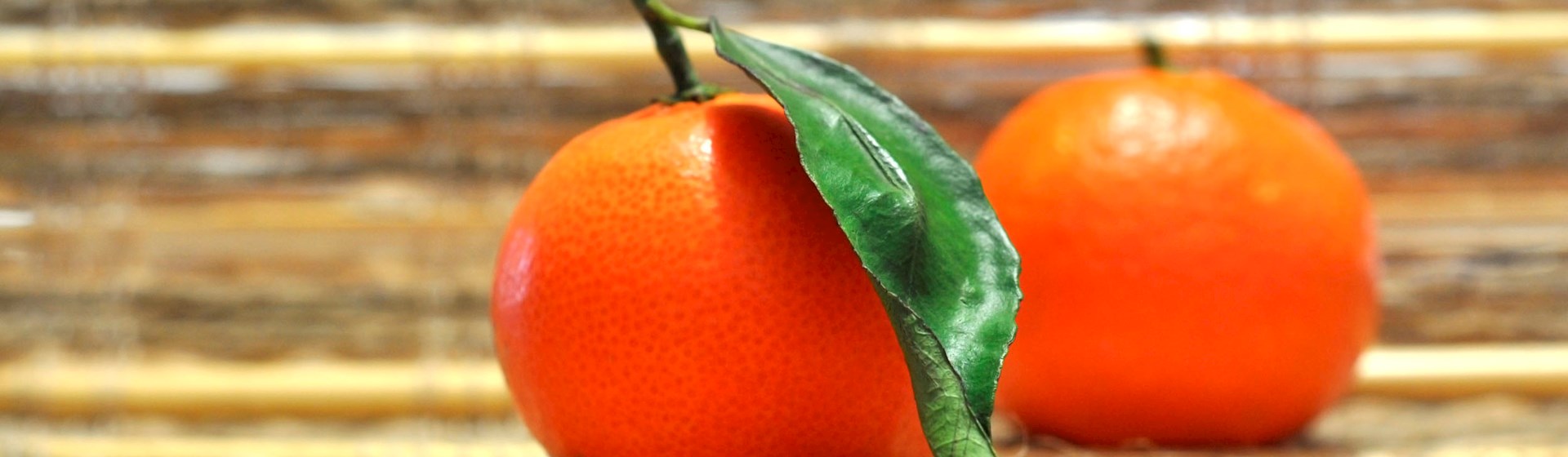
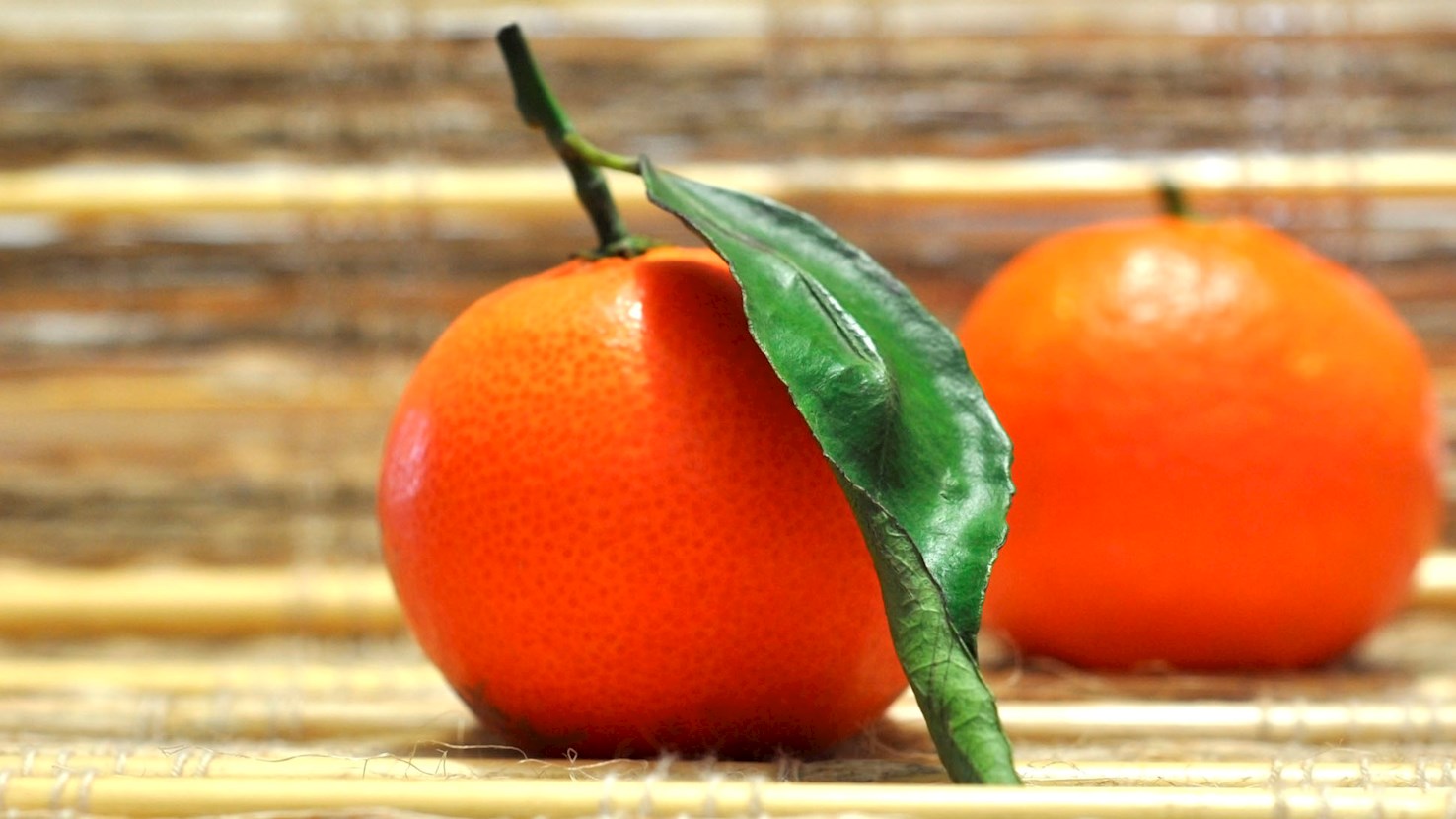
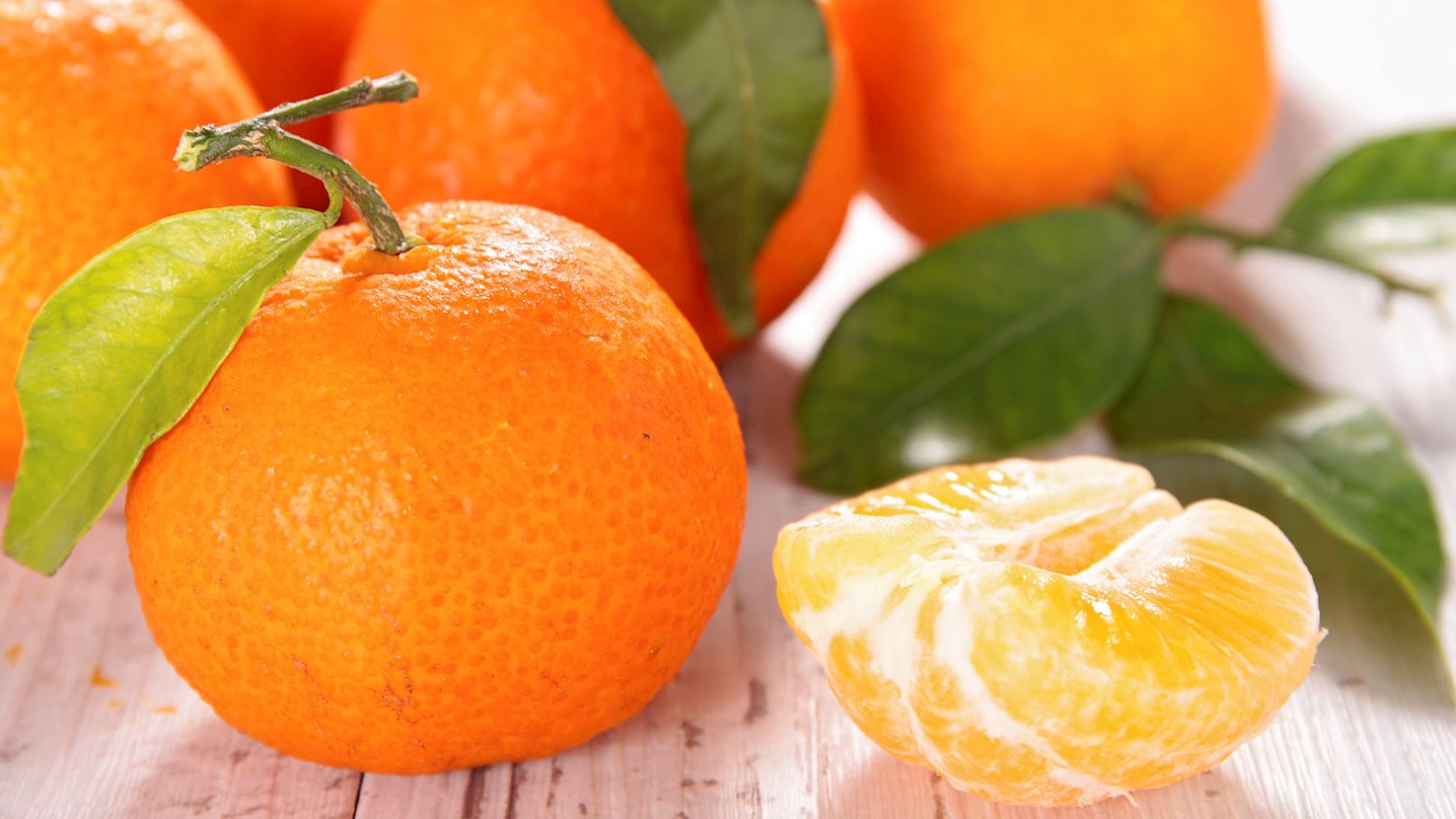
The only clementine produced in France, Clémentine de Corse fruits are tiny, delicate, juicy, tangy and rich in vitamins. They are traditionally grown on the French island of Corsica, with its acidic, light soil and the maritime climate with the presence of mountains nearby. Their skin is smooth, shiny and thin, and its color is a fiery shade of orange (the orange pigmentation comes from the cold). The fruit is hand-picked and sold fresh, which is visually identifiable by its thin green leaves still attached to the clementine. It is best to eat them within five days, on their own or made into sauces, jams or fruit salads.

02

Clementine di Calabria

3.7 ·

Grown just off the coast of Ionian and Tyrrhenian sea, more precisely in Sybaris, the largest Calabrian plain nestled between the rivers of Crati and Coscile, and on the neighboring Gioia Tauro Plateau, the flavorful Calabrian clementines are the only Italian early-ripening variety, available from the beginning of October. They are seedless, slightly flattened in shape and have a dark orange colored peel and a particularly juicy and aromatic flesh. Clementine di Calabria are widely used in the preparation of sorbets, juices and syrups, liqueurs, jams and preserves, fruit salads, creams, flans or mousses and for a real decadent treat, they can be enjoyed candied and chocolate-coated! Also, in modern Italian cuisine, this fruit often adds flavor to savory dishes such as Tagliolini alle Clementine.

03

Clementine del Golfo di Taranto

n/a ·

The smallest members of the mandarin family first introduced to the region of Apulia in the 18th century, these fragrant clementines are grown off the coast of Taranto where they flourish in the warm, sunny Mediterranean climate. Clementine del Golfo dì Taranto refers to the fruits of the following cultivars: Comune, Fedele, Precoce di Massacra (Spinoso) and Grosso Puglia. Grown without cross-pollination, Taranto clementines are seedless and easily distinguished by a slightly flattened shape, deep orange-colored skin, an intense and long-lasting aroma and a particularly sweet flavor. These refreshing and juicy clementines have a high content of vitamin C and, when not enjoyed fresh, they are used to prepare juices, syrups, sorbets, and marmalades.

04

Clementinas de las Tierras del Ebro

n/a ·

Clementines de les Terres de l'Ebre are clementines grown in the Catalan Baix Ebre and Montsià areas in the Province of Tarragona. The weather in these areas provides the optimal conditions for growing many types of fruit, especially citruses such as clementines. Clementines cultivated in this area are tastier and sweeter than those produced elsewhere. The peel is thinner than that of other clementines, and each fruit is inspected to ensure it has no blemishes. Clementines de les Terres de l'Ebre are bright deep orange in color and very fragrant. Exceptional natural conditions combined with the dedication and competency of the workers ensure a product of unique properties that is highly valued throughout Spain.

Read more
View all
View map
About this ranking

TasteAtlas food rankings are based on the ratings of the TasteAtlas audience, with a series of mechanisms that recognize real users and that ignore bot, nationalist or local patriotic ratings, and give additional value to the ratings of users that the system recognizes as knowledgeable. For the “Top 4 Western European Clementines ” list until June 10, 2026, 40 ratings were recorded, of which 27 were recognized by the system as legitimate. TasteAtlas Rankings should not be seen as the final global conclusion about food. Their purpose is to promote excellent local foods, instill pride in traditional dishes, and arouse curiosity about dishes you haven’t tried.

Similar lists