





shutterstock

Top 10 Brazilian Cocktails

Last updated on June 15, 2026
01

Caipirinha

4.1 ·

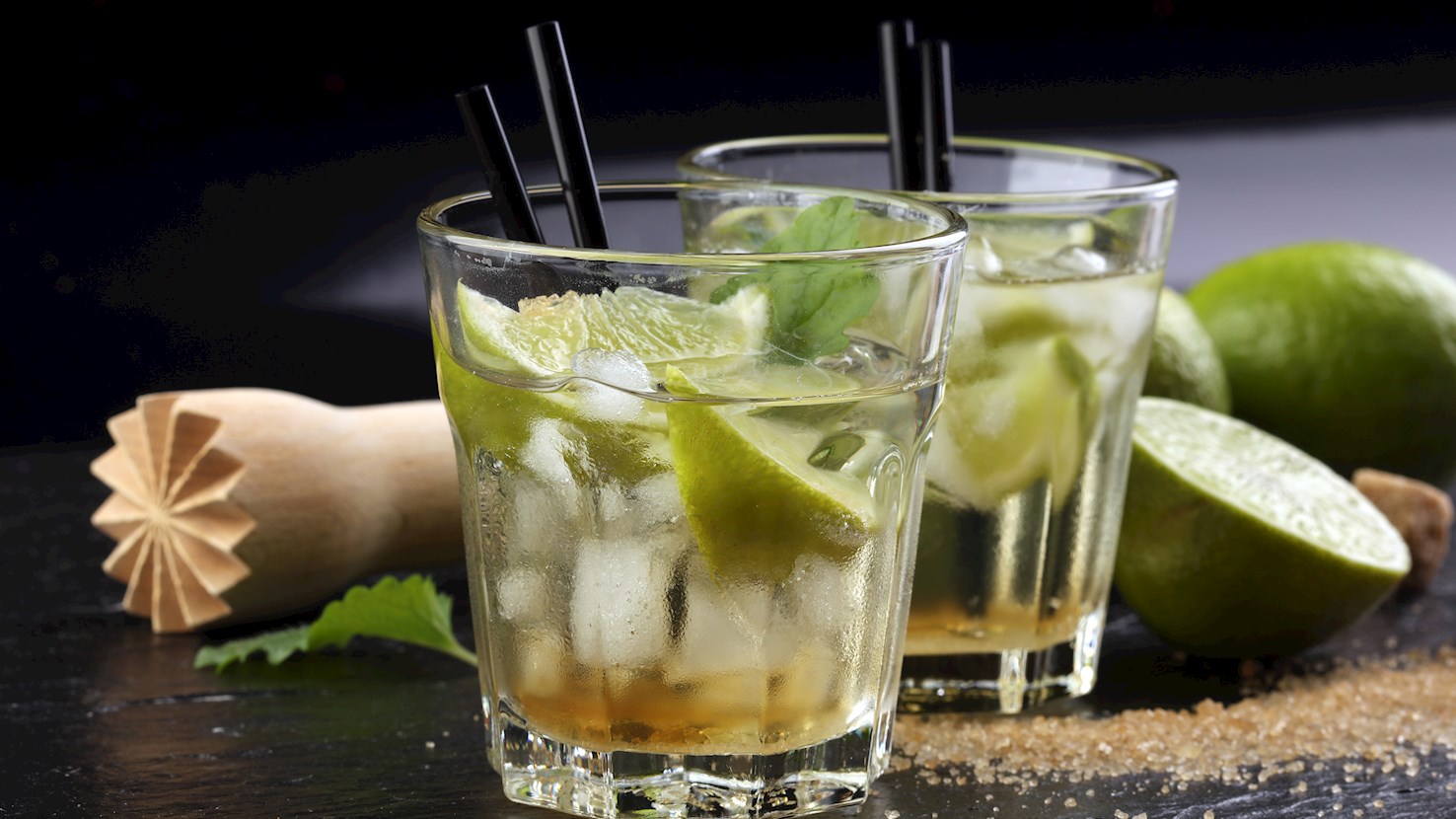
A Brazilian national cocktail called Caipirinha is made with cachaça, sugar, and lime. Cachaça is the most common distilled alcoholic drink in Brazil, and it can be consumed by itself or used as a base for a number of mixed beverages. This refreshing cocktail is simple to prepare: sugar and lime that has been cut into quarters should be gently muddled together with a wooden spoon before adding cachaça and ice. The traditional way to make Caipirinha is in a single large jar that can be shared amongst people, but it can also be served in an old-fashioned glass with a lime wedge garnish.

02

Batida

4 ·

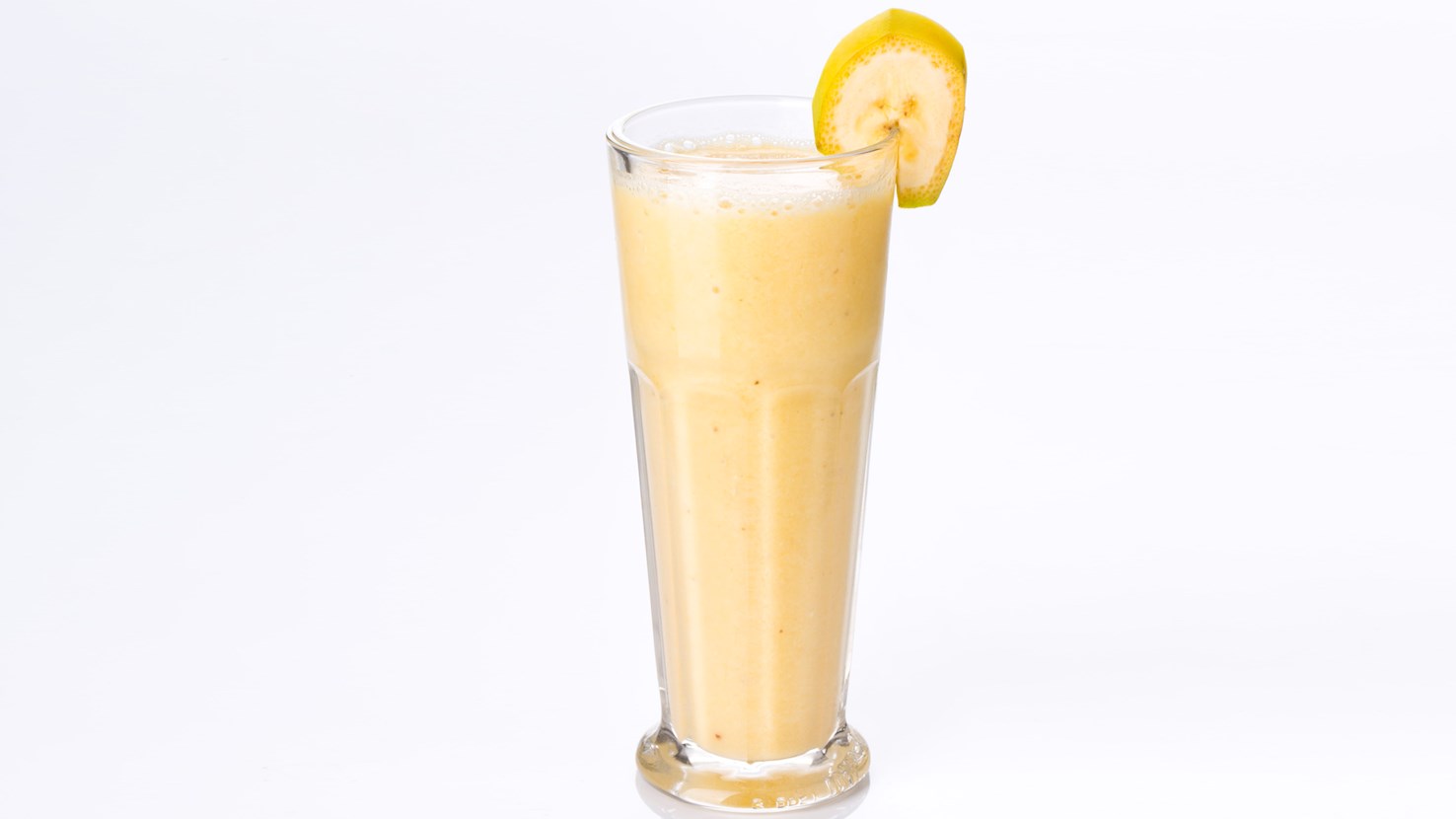
The sweet, refreshing Batida (lit. shaken) is a Brazilian cocktail that's most commonly made with a combination of cachaça, sugar, and either fruit juice or coconut milk. To prepare it, all ingredients are blended or vigorously shaken with ice, then poured into a tall, chilled glass. The most popular fruit juices used in Batida can be made from lemon, passion fruit, mango, or pineapple, among others. Batida is traditionally served with feijoada, the national dish of Brazil. It is rarely found at hotel bars or restaurants, since Batidas are typically sold from barracas – mobile bars located on or near the beach.

03

Caipiroska

3.8 ·

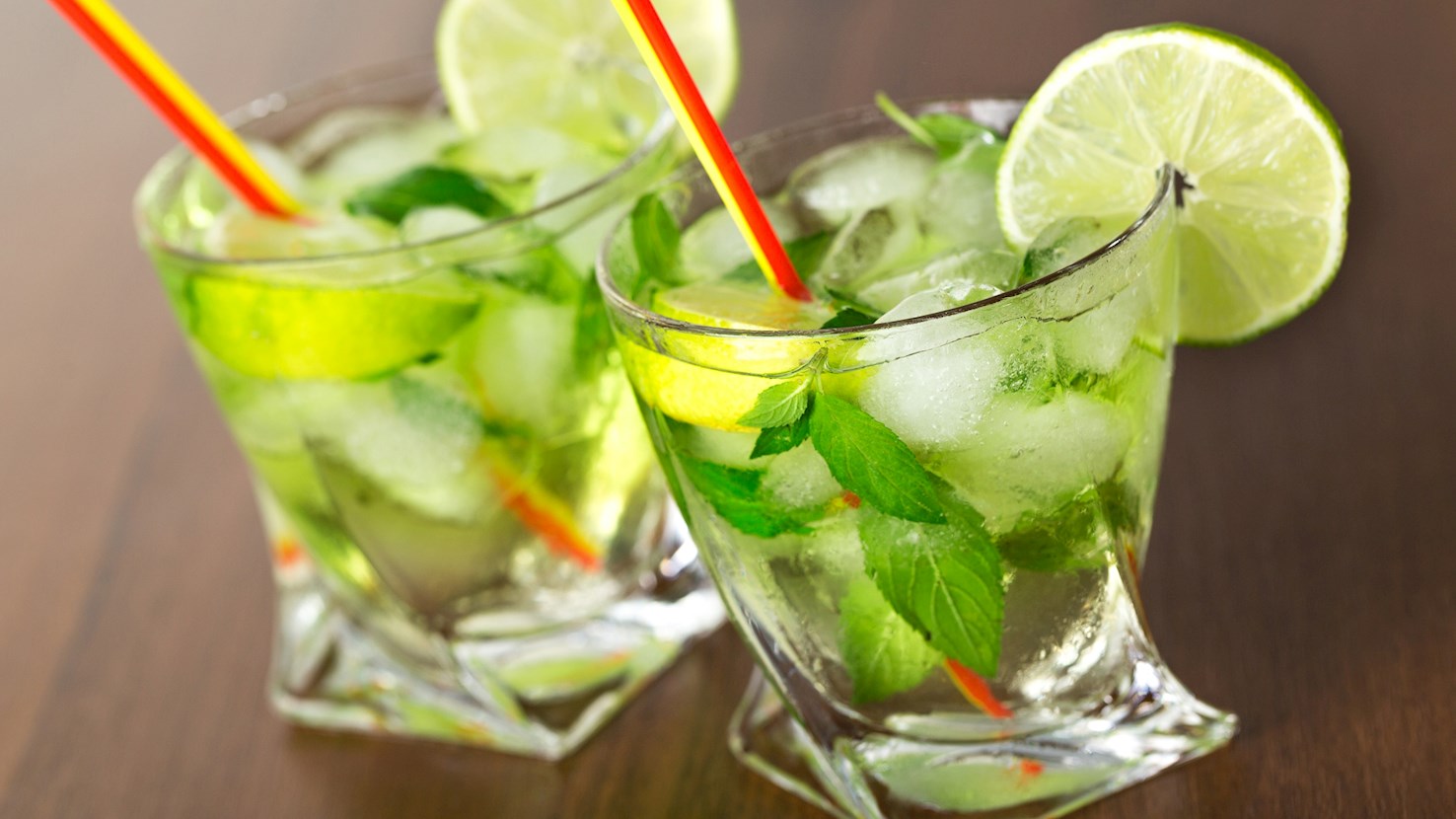
Caipiroska is a cocktail that is quite similar to Caipirinha, but consists of lime, brown sugar, and vodka instead of Brazilian cachaça. This refreshing, citrusy cocktail is a trendy beverage in Brazil, Argentina, Uruguay, and Paraguay, where it is often referred to as Caipivodka or Caipirodka. Both Caipirinha and Caipiroska share the same preparation process: lime wedges and sugar are muddled together before alcohol (in this case, vodka) is added to the combination. A traditional way to serve Caipiroska is in an old-fashioned or highball glass filled with ice and with a lime wedge garnish.

04

Quentão

3.7 ·

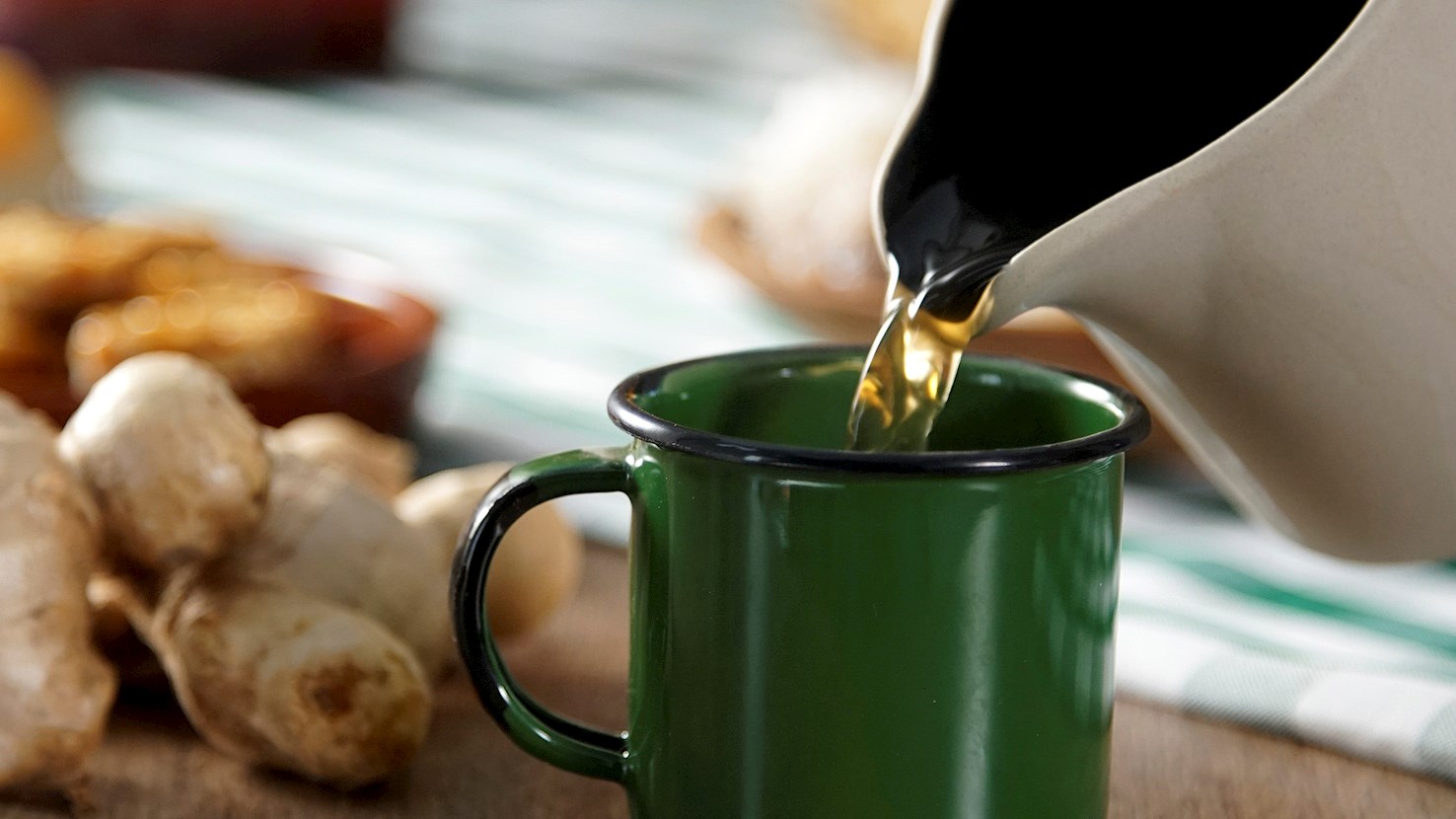
Quentão is a traditional cocktail made with fresh ginger, red apples, sugar, cloves, cinnamon, water, and cachaça. To prepare it, ginger, apples, and sugar are first caramelized, then combined with cloves and cinnamon. Cachaça and water are then added to the combination and the whole thing is boiled slowly, and much of the alcohol evaporates during this process. The cocktail is then typically served in earthenware or ceramic mugs which are garnished with orange or lemon slices or peel. Quentão is especially popular in the south of Brazil during winter and during celebrations such as Festas Juninas. In the far south of Brazil, cachaça is often replaced with red wine, and the result is a beverage similar to mulled wine. When translated, quentão means big hot one or very hot.

05

Caju Amigo

3.5 ·

Caju Amigo (lit. Friendly Cashew) is a Brazilian shooter made with a combination of cachaça and cashew juice. In order to prepare it, both ingredients are simply mixed in a shot glass without ice. Cachaça is often served with a cashew slice on the side, which should be chewed without swallowing, followed by a shot of cachaça so that the spirit and the cashew slice are swallowed at the same time.

06

Rabo-de-Galo

3.3 ·

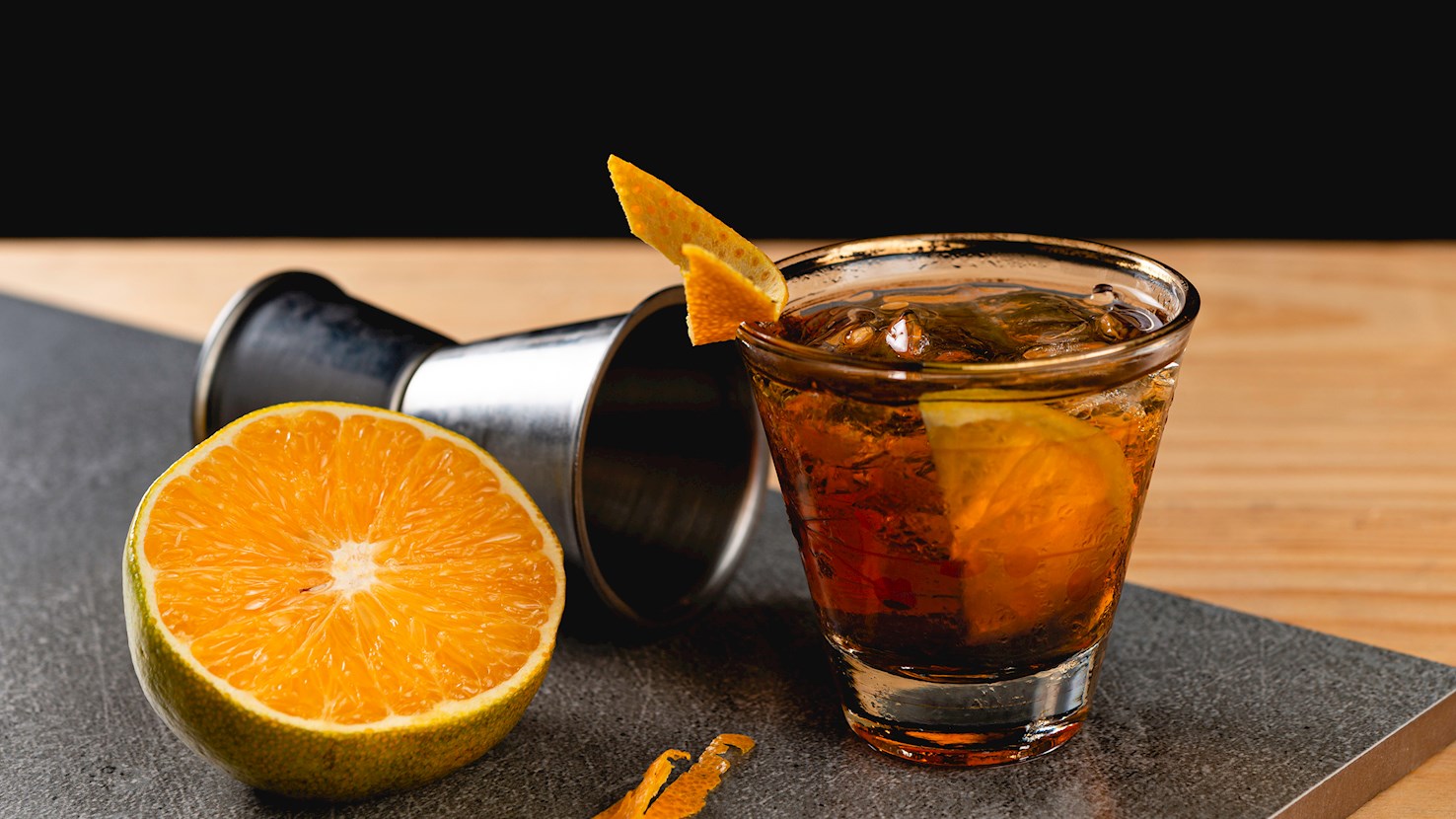
Rabo-de-Galo is a popular Brazilian cocktail made with a combination of cachaça and either sweet vermouth or Cynar (a bitter liqueur), or both sweet vermouth and Cynar, depending on the recipe. In order to prepare it, the ingredients are stirred with ice, then strained into a cocktail glass which can be garnished with an orange peel, if desired. When translated, the name of this drink means rooster’s tail, or simply - cocktail. Nowadays, Rabo-de-Galo is being rescued by Brazilian bartenders who are lobbying to include it on the IBA (International Bartenders Association) list of cocktails.

07

Sakerinha

2.9 ·

Sakerinha is a variation of the famous Brazilian cocktail, the Caipirinha, but instead of using the traditional cachaça (a Brazilian spirit made from sugarcane), it uses sake (Japanese rice wine). The basic ingredients of a Sakerinha are sake, lime and sugar. To make a Sakerinha, lime wedges and sugar are muddled together in a glass. Then, ice and sake are added, and the mixture is stirred well. The drink can be garnished with a slice of lime or other fruits for added flavor and presentation.

08

Bombeirinho

2.4 ·

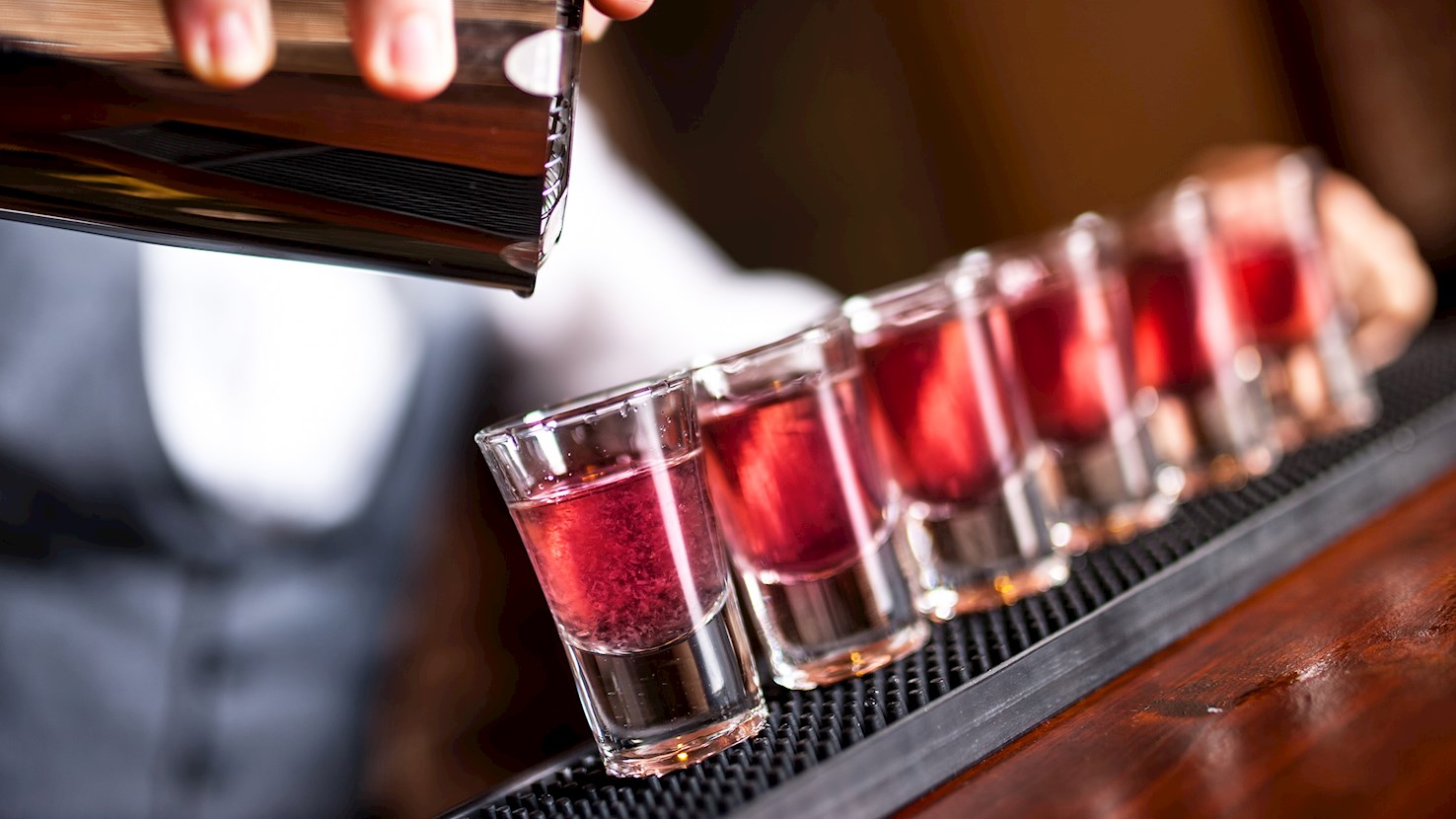
Bombeirinho is a Brazilian cocktail that is usually taken as a shot. In its basic form, the drink combines cachaça (Brazilian sugarcane spirit) and redcurrant syrup. To make the drink, a shot of cachaça is topped with a splash of syrup. Another popular variation consists of cachaça, redcurrant syrup, lime juice, and lemon juice. To prepare it, the ingredients are shaken or mixed with ice, and the combination is then strained into an ice-filled glass. Bombeirinho translates as fireman. The name probably originated as a reference to the red color of the drink that resembles firefighters' uniforms.

09

Leite de Onça

n/a ·

Leite de Onça (lit. Jaguar Milk) is a sweet and creamy Brazilian cocktail with a thick and smooth texture. It is made with a combination of cachaça, crème de cacao, and milk. In order to prepare it, all ingredients are typically blended, poured into a glass or a mug, then garnished with chocolate sprinkles or cinnamon, if desired. This cocktail is especially popular during Festa Junina.

10

Macunaíma

n/a ·

Macunaíma is a Brasilian cachaça-based cocktail. Along with cachaça as the signature Brazilian spirit, the cocktail combines lime juice, simple syrup, and Fernet, the Italian-style bitter amaro that became very popular in Brazil. Among the Fernet group, Fernet Branca is the most popular brand. Macunaíma is prepared by adding all the ingredients to a shaker filled with ice. The mix is then strained into an old-fashioned glass with no ice. This cocktail hails from São Paulo. It was created by Arnaldo Hirai at the Boca de Ouro bar.

Read more
View all
View map
About this ranking

TasteAtlas food rankings are based on the ratings of the TasteAtlas audience, with a series of mechanisms that recognize real users and that ignore bot, nationalist or local patriotic ratings, and give additional value to the ratings of users that the system recognizes as knowledgeable. For the “Top 10 Brazilian Cocktails” list until June 15, 2026, 702 ratings were recorded, of which 561 were recognized by the system as legitimate. TasteAtlas Rankings should not be seen as the final global conclusion about food. Their purpose is to promote excellent local foods, instill pride in traditional dishes, and arouse curiosity about dishes you haven’t tried.

Similar lists