


shutterstock

Top 17 Cuban Cocktails

Last updated on July 01, 2026
01

Mojito

4.2 ·

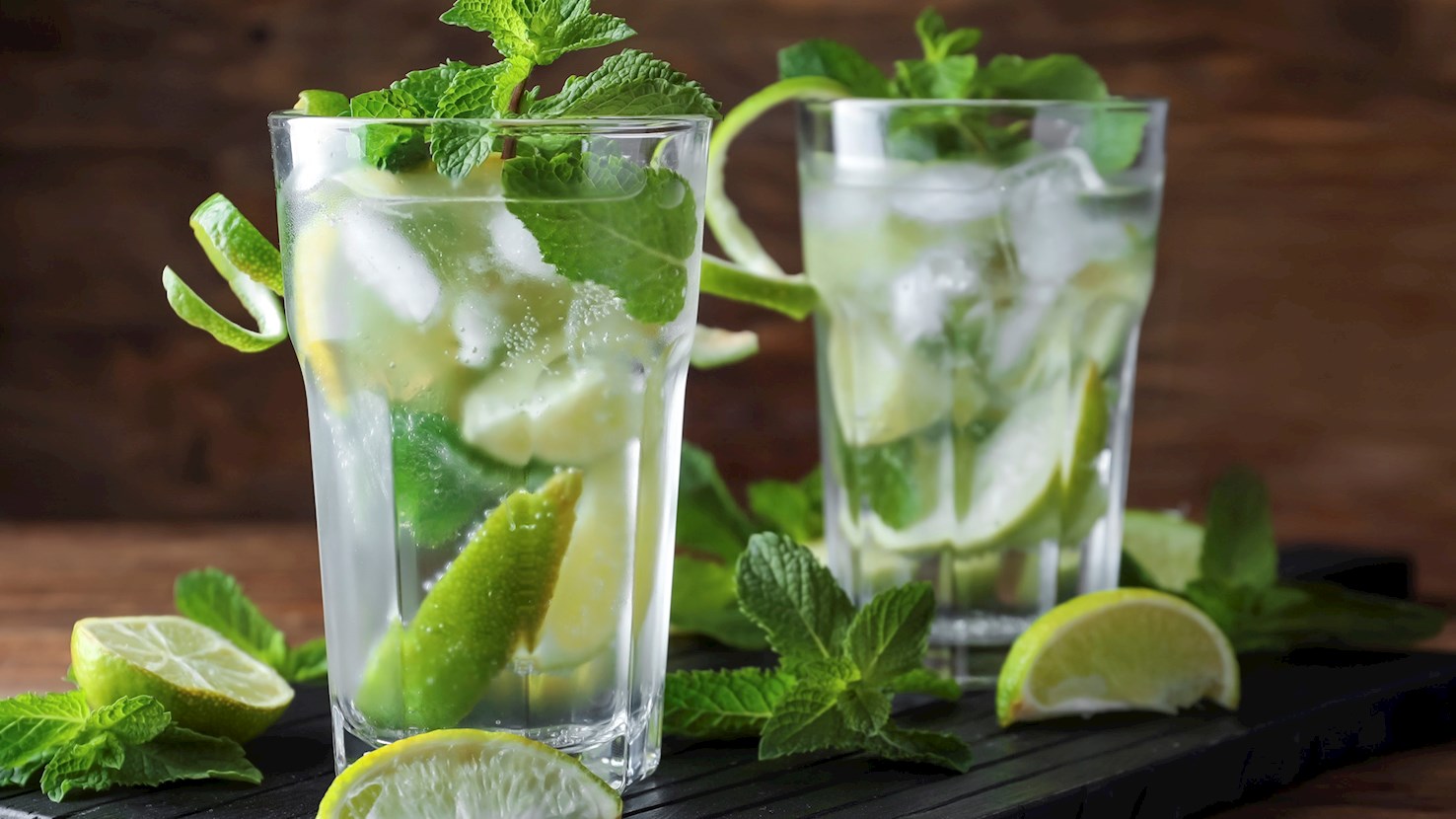
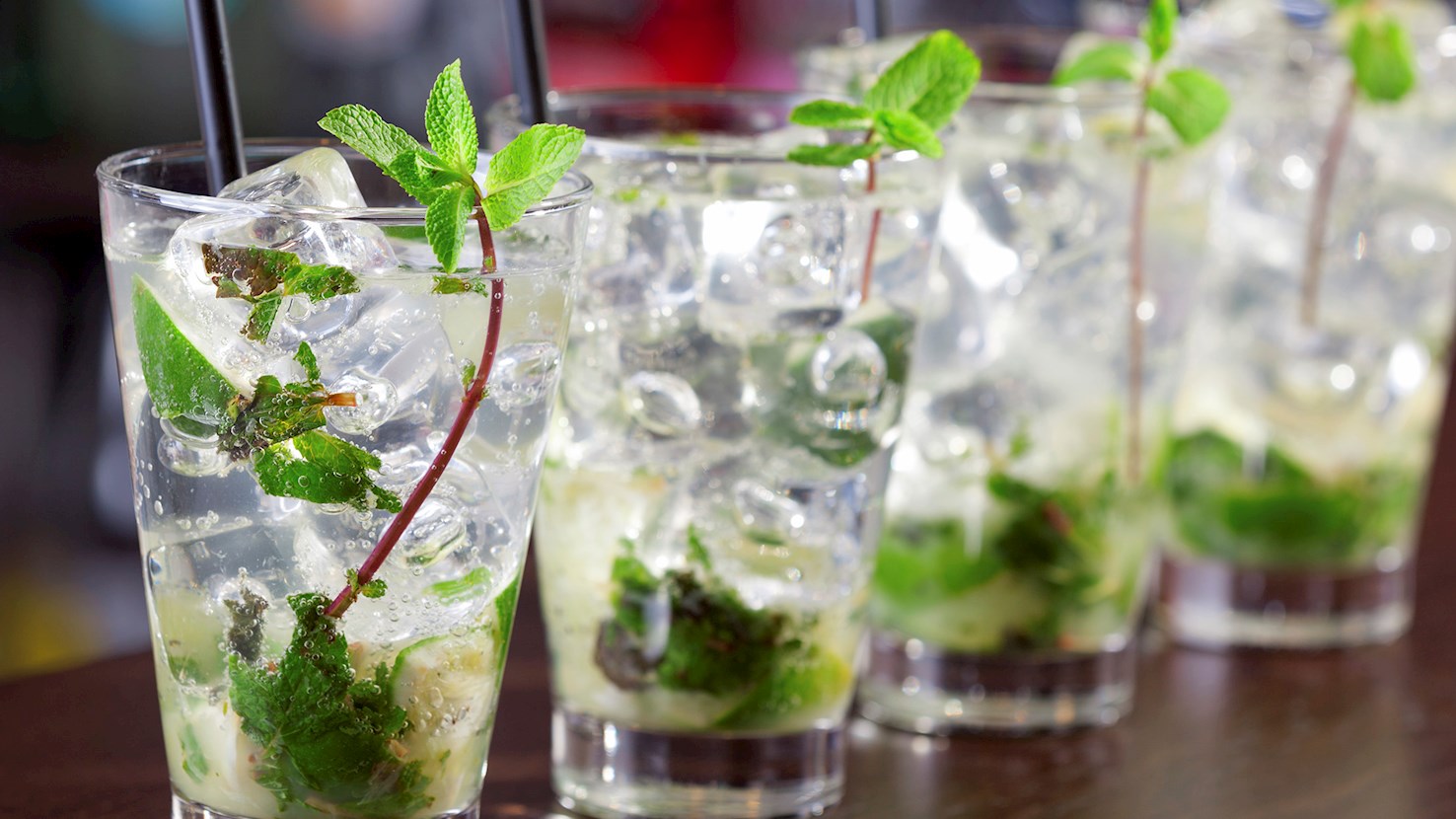
Sugary, refreshing, and herbaceous, Mojito is a traditional cocktail based on rum as the key ingredient. It has a relatively low alcohol content (about 10%). Although Havana is considered its birthplace, the origin of this simple cocktail is still disputed. The original Cuban cocktail recipe includes white rum, sugar, lime juice, soda water, and spearmint yerba buena that grows on the island, but almost every mint variety can be used in the mix if yerba buena is not available. The components of the cocktail are added in a particular order: sugar and lime juice are gently mashed before mint and rum are added to the combination; the cocktail is then briefly stirred and topped with ice and sparkling soda water. Mojito is usually served in a glass garnished with lime wedges and mint leaves. It is considered one of the most popular summer cocktails, which gained worldwide popularity when it was presented as the favorite drink of Ernest Hemingway. There are several versions of Mojito, and many bars in Havana use Angostura bitters or add lemons instead of lime to cut Mojito's sweetness. The so-called Rose Mojito contains rose-flavored spirit Lanique, while a Mojito made without alcohol is called Virgin Mojito or Nojito.

02

Frozen Daiquiri

4.2 ·

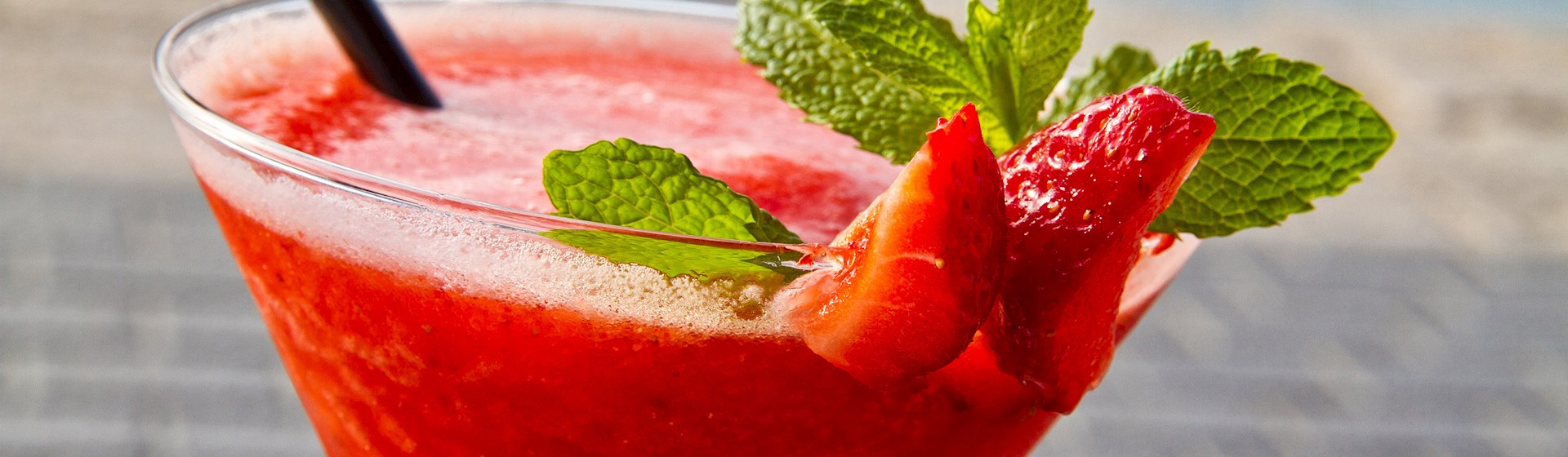
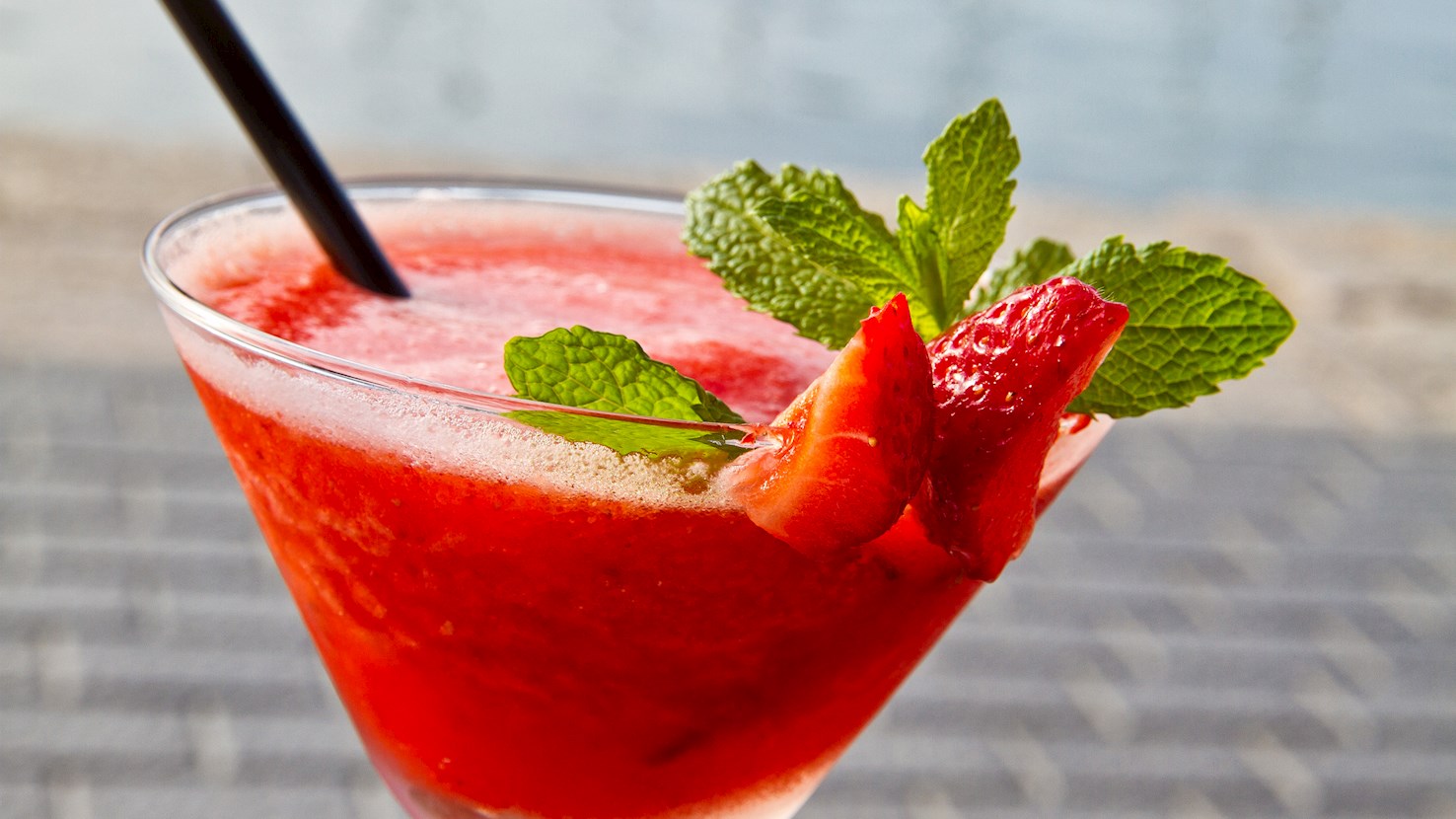
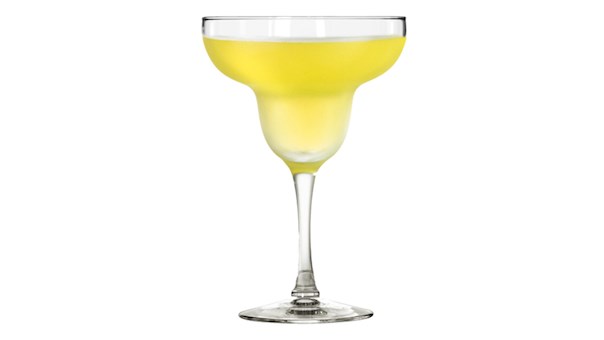
Frozen daiquiri is a variation of a classic shaken daiquiri, which typically incorporates rum, fresh lime juice, and sugar. This frozen version is mostly blended and usually includes pulverized ice and frozen fruit to mix, creating a sweet slurry with a texture similar to a slushie. Frozen daiquiris probably first appeared at the legendary El Floridita in Havana, sometime around the time of Prohibition. They were initially made with crushed ice and electric blenders, but their popularity skyrocketed in the second half of the 20th century after the invention of commercial machines. Banana and strawberry daiquiris were probably the most famous derivations at the time. Through the years, the drink went through many transformations that sometimes significantly differ from the original. They went to include sugar-packed syrups and artificial flavorings, earing frozen daiquiri somewhat of a bad rep. Frozen daiquiri is especially popular in Louisiana, and most local bars specializing in frozen daiquiris have several machines that dispense various daiquiri flavors.

03

Daiquiri

4.0 ·

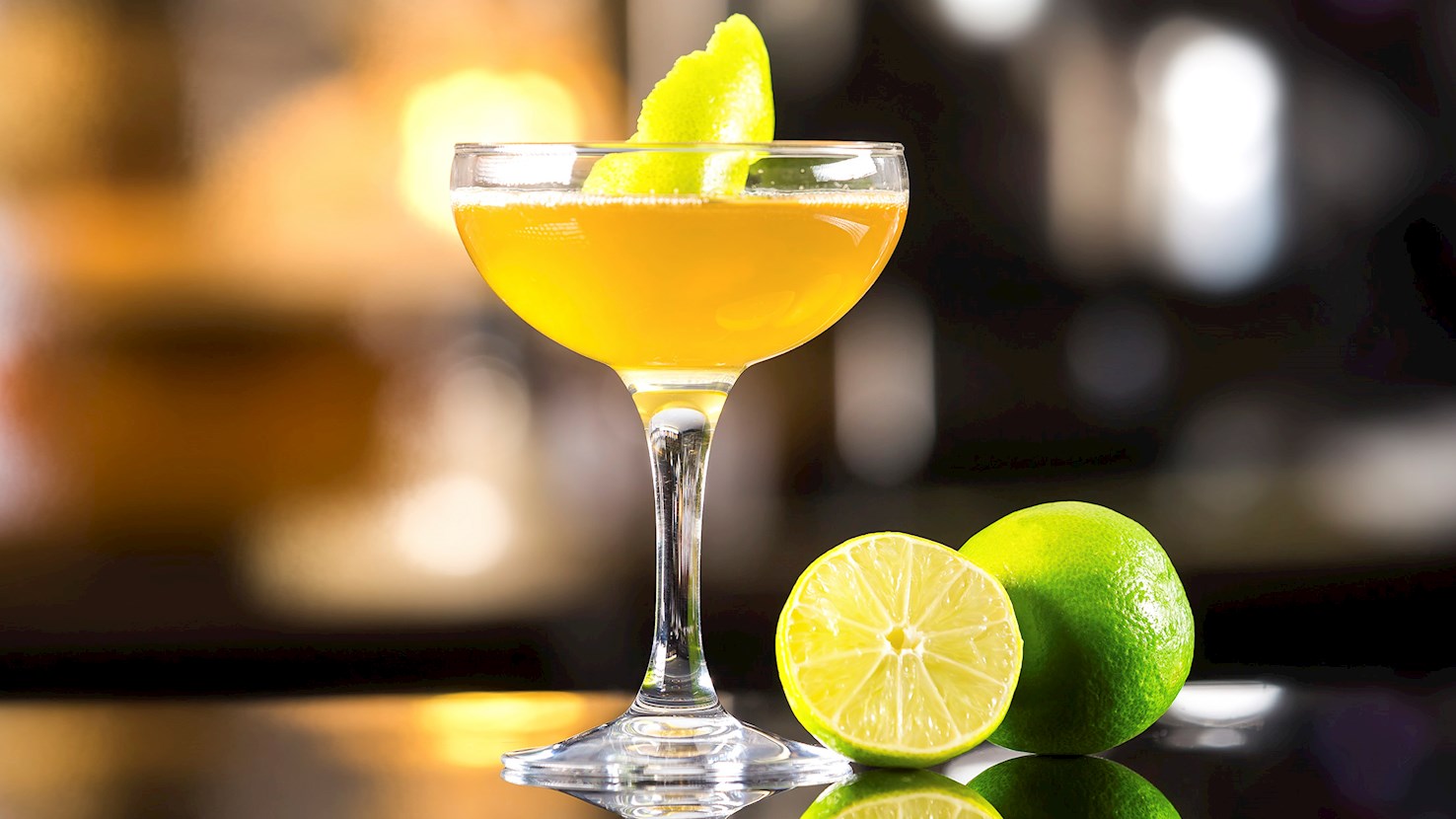
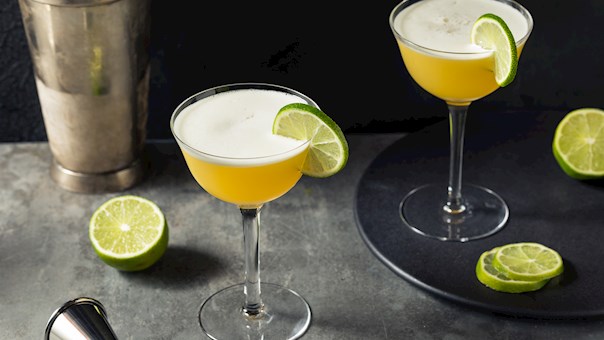
Daiquiri is a group of cocktails prepared with rum, fresh lime juice, and sugar as the key ingredients. Supposedly, it was invented in the late 19th century by Jennings Cox, an American mining engineer who was staying in Cuba during the Spanish-American War. The cocktail was named after the beach and an iron mine near Santiago de Cuba. The drink was probably introduced to high-class New Yorkers in 1902 by a US congressman who purchased the Santiago iron mines, but it gained fame during World War II when trade and travel relations with Latin America opened up due to Roosevelt’s Good Neighbor policy, so Latin America became fashionable. It is quite simple to prepare a good Daiquiri: all ingredients are shaken with ice, and then poured into a chilled glass garnished with a lime wheel. Variations of the classic Daiquiri include Banana Daiquiri, Avocado Daiquiri, and Hemingway Daiquiri or Papa Doble, a slightly bitter cocktail made without sugar, but with the addition of maraschino liqueur and grapefruit juice, named after the famous writer who loved it. There is also the Frozen Daiquiri, a variety with finely pulverized ice and a texture similar to that of a smoothie.

04

Cuba Libre

4.0 ·

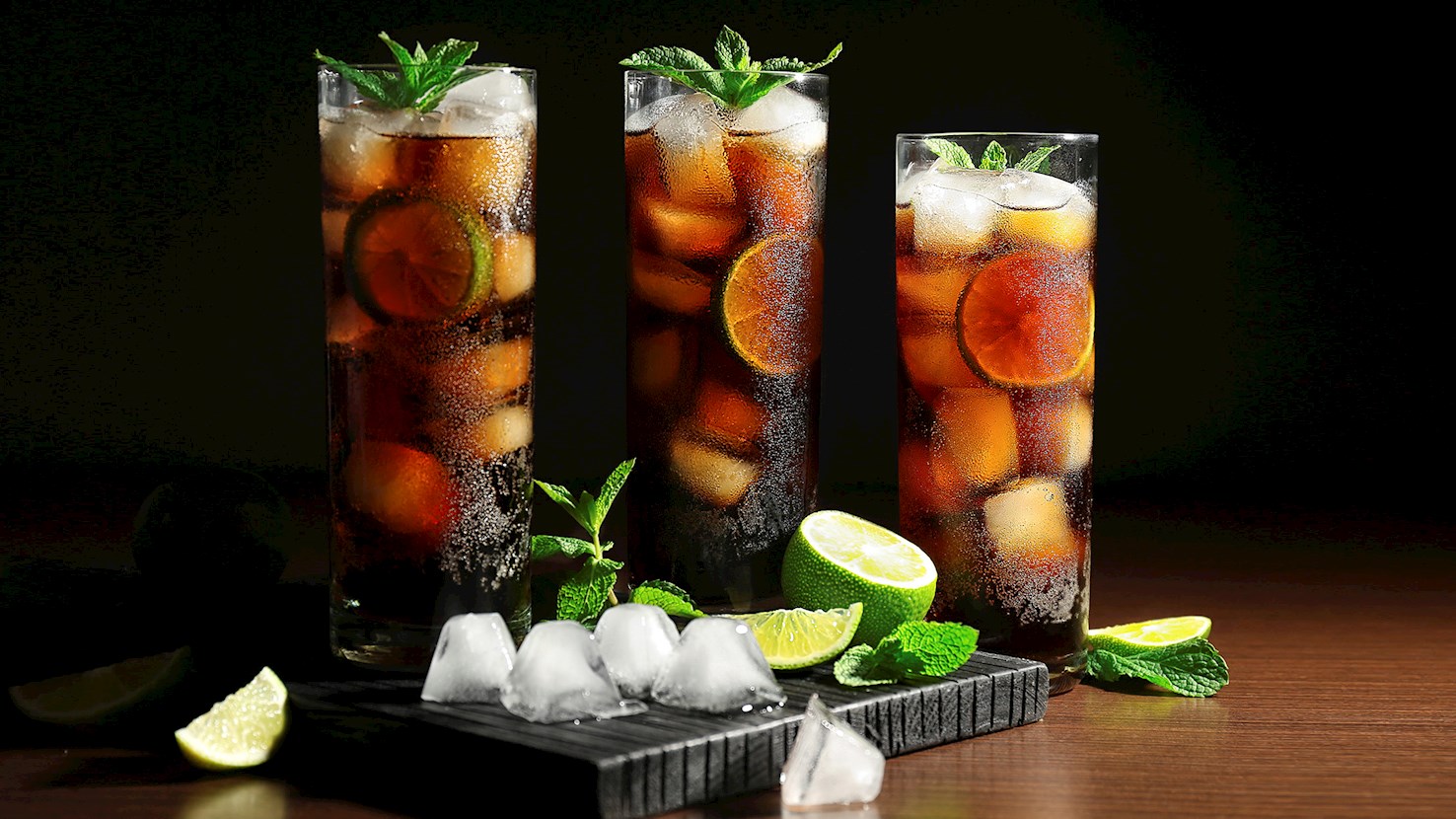
Cuba Libre is a Cuban cocktail based on rum, with the addition of cola and lime. In Spanish, its name means Free Cuba, and although the exact origin of this cocktail is still a mystery, it was probably first mixed in Havana in August 1900, after the Spanish-American war, when Coca-Cola was available in Cuba. In the past, the cocktail was viewed as exotic, but nowadays it is popular throughout the world, and it is often referred to as Rum and Coke. A common way to serve it is on the rocks with a lime wheel, but some variations (such as Rum and Coke) exclude the lime wheel or substitute white rum with golden or dark rum.

05

Cojito

3.5 ·

Cojito is essentially a Mojito with a twist. This cocktail consists of white rum, lime juice, sparkling soda water, and coconut-flavored rum, hence the capital C in the name. The coconut rum gives a unique tropical flavor to the mix, making Cojito a perfect summer drink. Lime juice is first mashed with mint, followed by rum that is topped with crushed ice and sparkling water. Cojito is typically served in a highball glass, garnished with a mint sprig and a lime wheel. If desired, put some coconut on the rim of the glass, and if you don't have any coconut-flavored rum, feel free to use a combination of coconut milk and regular rum instead.

06

Hemingway Special

3.5 ·

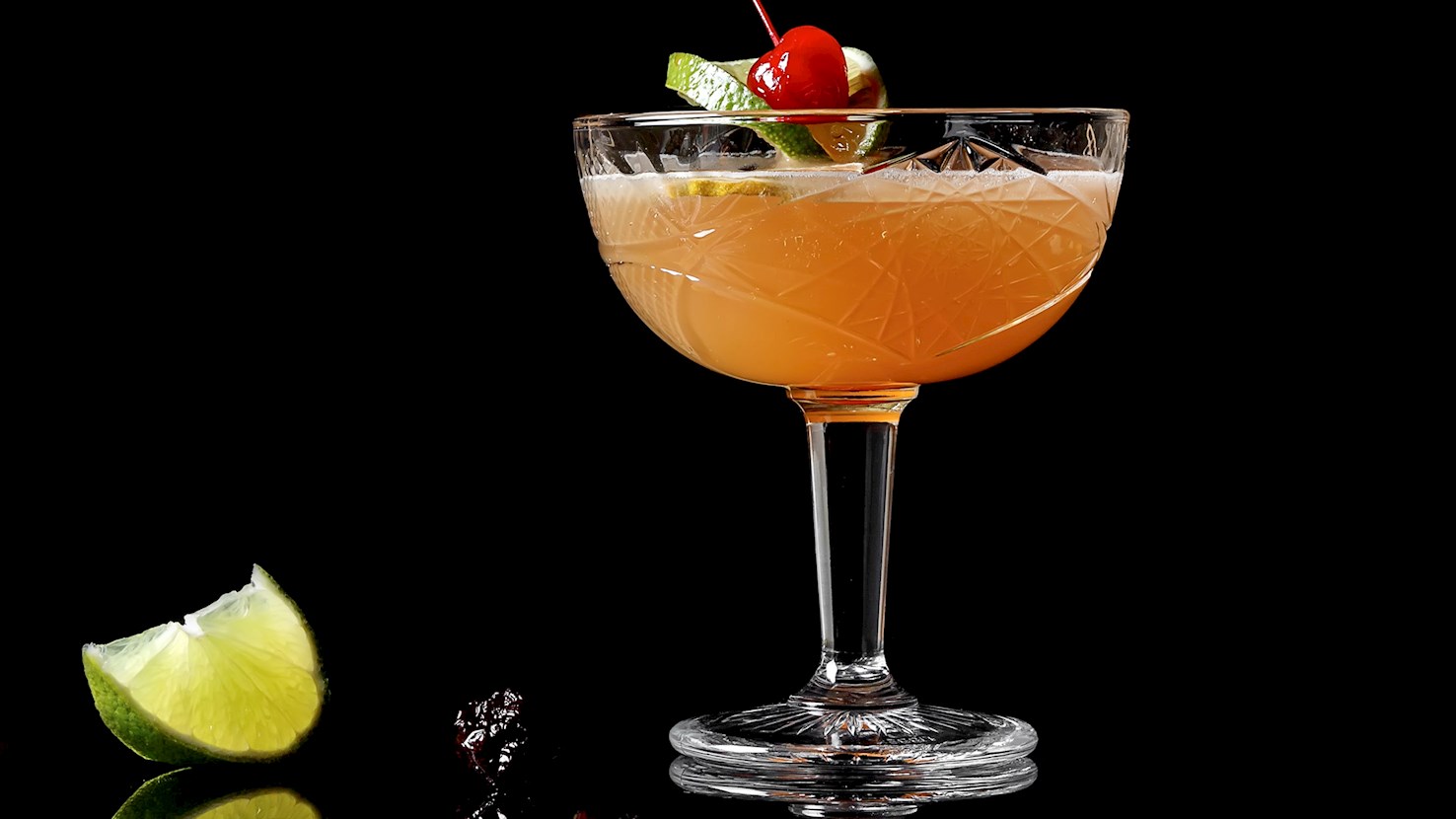
Hemingway Special is a Cuban cocktail made with a combination of white rum, maraschino, grapefruit juice, and fresh lime juice. To prepare it, all ingredients are shaken with ice, then strained into a double cocktail glass. This Daiquiri variety was one of the favorite cocktails of Ernest Hemingway, who used to regularly order it at El Floridita bar in Havana, hence the name of the drink.

07

Bacardi

3.3 ·

Bacardi is a classic cocktail that originated in Cuba at the beginning of the 20th century. It contains rum, freshly squeezed lime juice, rich sugar syrup, and grenadine syrup, which adds a perfect amount of sweetness to the cocktail. Prior to the addition of grenadine syrup in the combination (which is a modern version with American origins), the cocktail was considered to be a cousin of Daiquiri. However, according to the New York Supreme Court ruling from 1936, the combination must contain Bacardi Superior Rum to be a true Bacardi cocktail. Typically, the cocktail has to be shaken and served straight up in a standard cocktail glass with a lime wheel garnish.

08

Culto a la Vida

3.3 ·

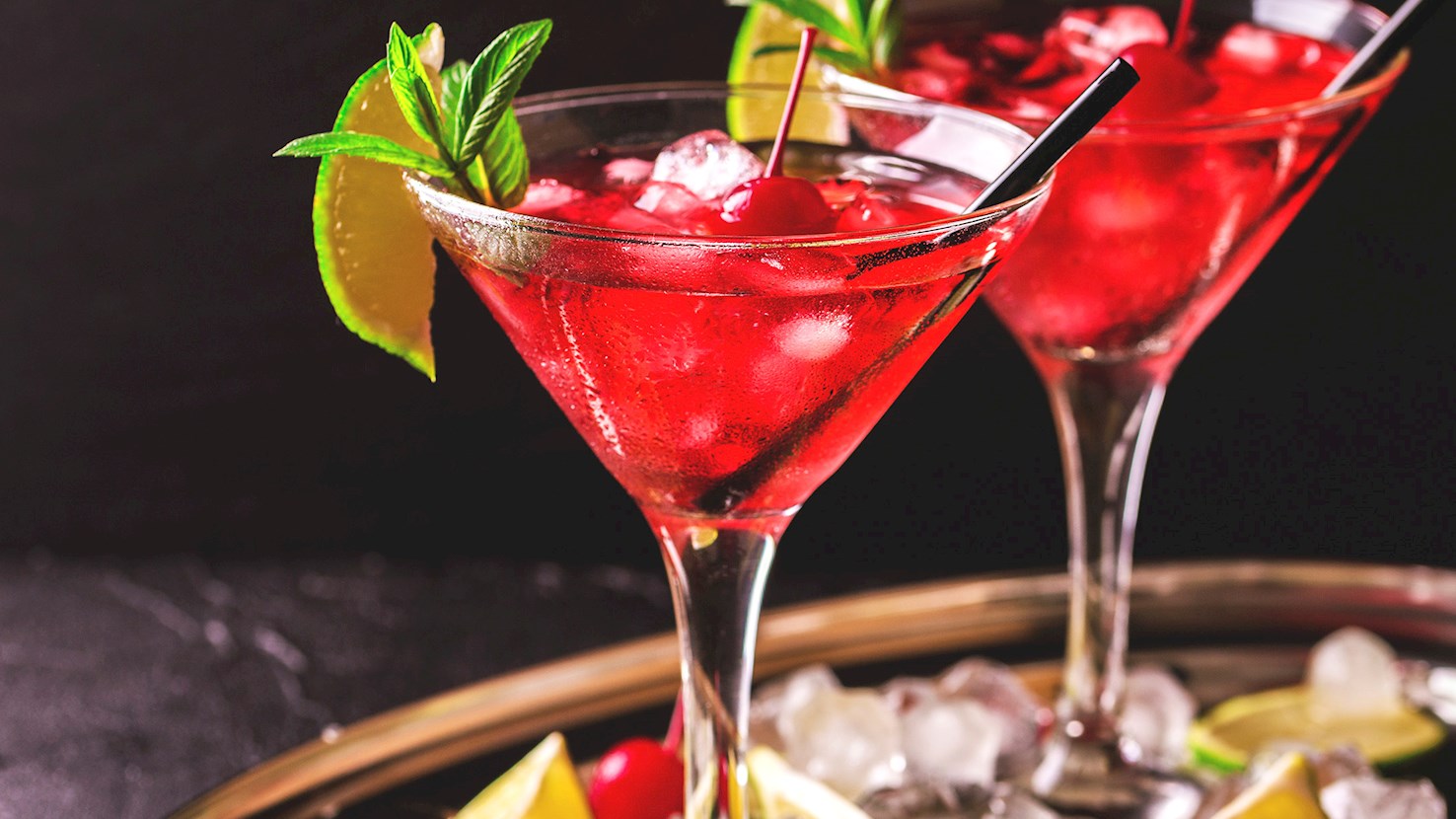
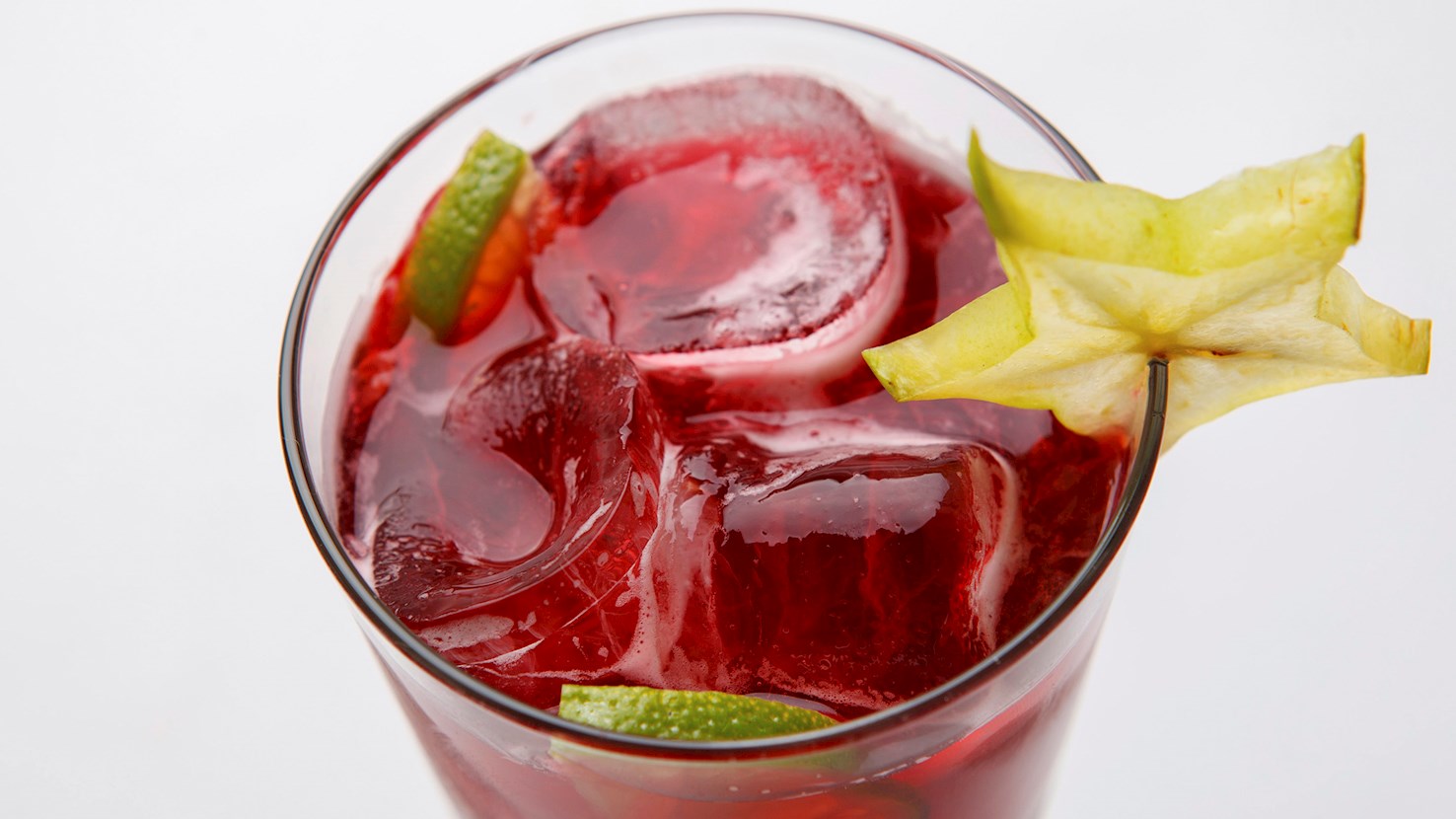
Originating from Havana, Culto a la Vida is a classic Cuban cocktail consisting of dark rum, cranberry juice, lime juice, and sugar. It is important to use dark rum instead of dry white rum because it is aged for a longer period of time, which improves the cocktail's flavors. Culto a la Vida (lit. Cult of Life) is typically made by blending and stirring the ingredients in a shaker before serving it on the rocks in a long drink glass with a lime wedge garnish.

09

Canchánchara

3.1 ·

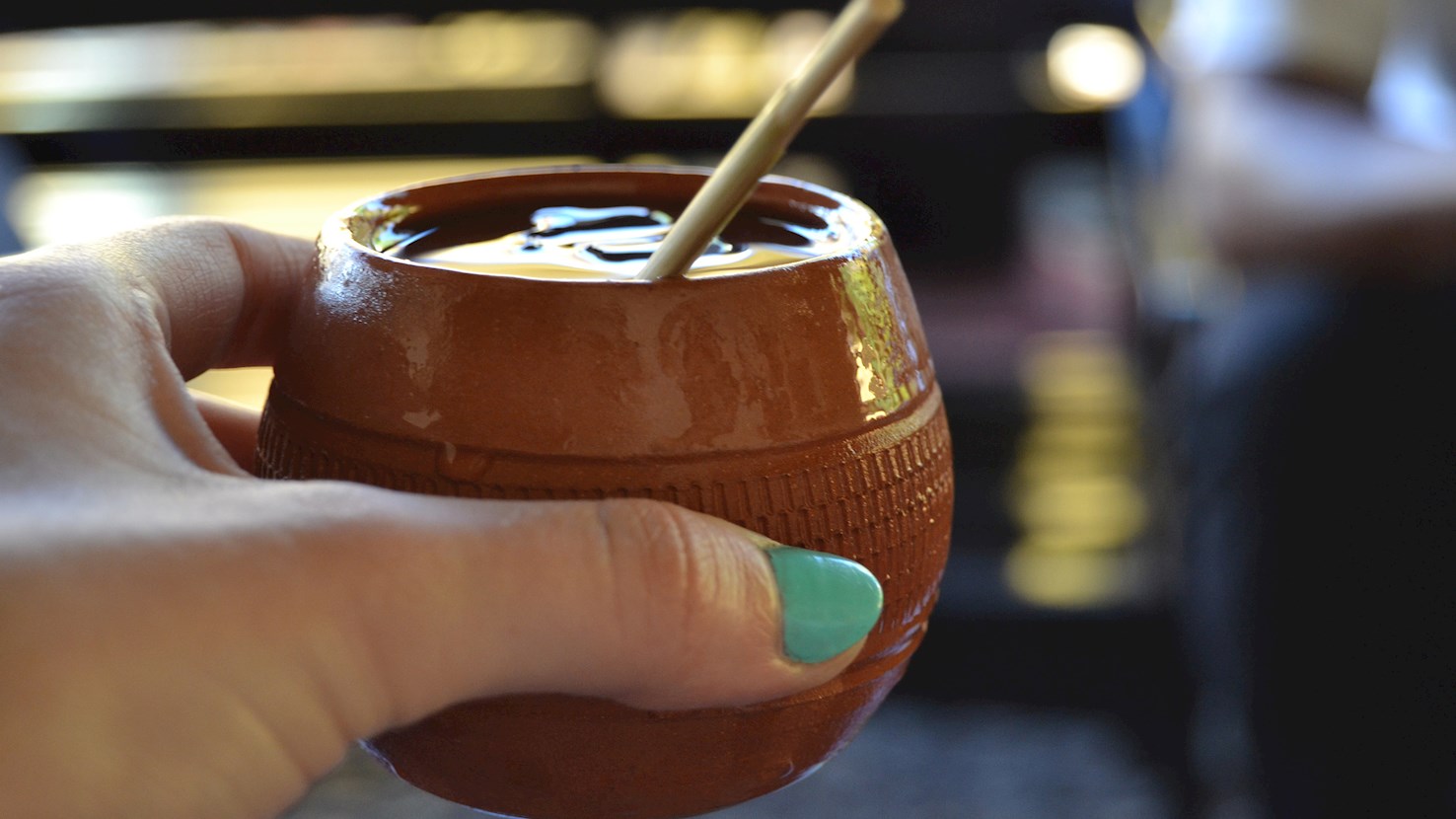
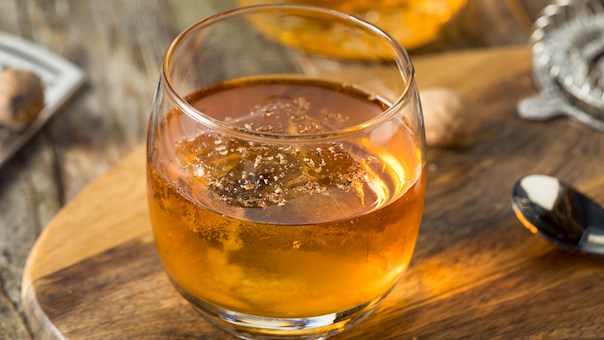
Canchánchara is often cited as the first Cuban cocktail and a predecessor to Daiquiri. It combines aguardiente de caña (cachaça)—the locally produced strong spirit made from sugar cane—lime juice and honey. The ingredients are shaken with ice, and the mix is strained into an ice-filled glass. Nowadays, most variations make honey syrup and use rum instead of aguardiente, while some recipes suggest mixing instead of shaking. It is believed that Canchánchara originated in the 1870s and that it was initially prepared by Cuban revolutionaries. The origin of its name remains unexplained, but the cocktail is mainly associated with Trinidad. It probably originated as a convenient mixed drink that used common, available ingredients. Although it is traditionally mixed in clay jugs called jícaras, modern versions are mostly served in old-fashioned glasses garnished with a lime wedge.

10

Havana Cooler

n/a ·

Havana Cooler is a refreshing Cuban cocktail made with a combination of rum, ginger ale, and mint leaves. In order to prepare it, rum and mint leaves are added into an ice-filled old-fashioned glass, then topped with ginger ale. If ginger ale is not available, it is recommended to substitute it with lemon-lime soda.

12

El Presidente

n/a ·
13

Bumbo

n/a ·
15

Barracuda

n/a ·
16

Avocado Daiquiri

n/a ·
Read more
View all
View map
About this ranking

TasteAtlas food rankings are based on the ratings of the TasteAtlas audience, with a series of mechanisms that recognize real users and that ignore bot, nationalist or local patriotic ratings, and give additional value to the ratings of users that the system recognizes as knowledgeable. For the “Top 17 Cuban Cocktails” list until July 01, 2026, 994 ratings were recorded, of which 842 were recognized by the system as legitimate. TasteAtlas Rankings should not be seen as the final global conclusion about food. Their purpose is to promote excellent local foods, instill pride in traditional dishes, and arouse curiosity about dishes you haven’t tried.

Similar lists