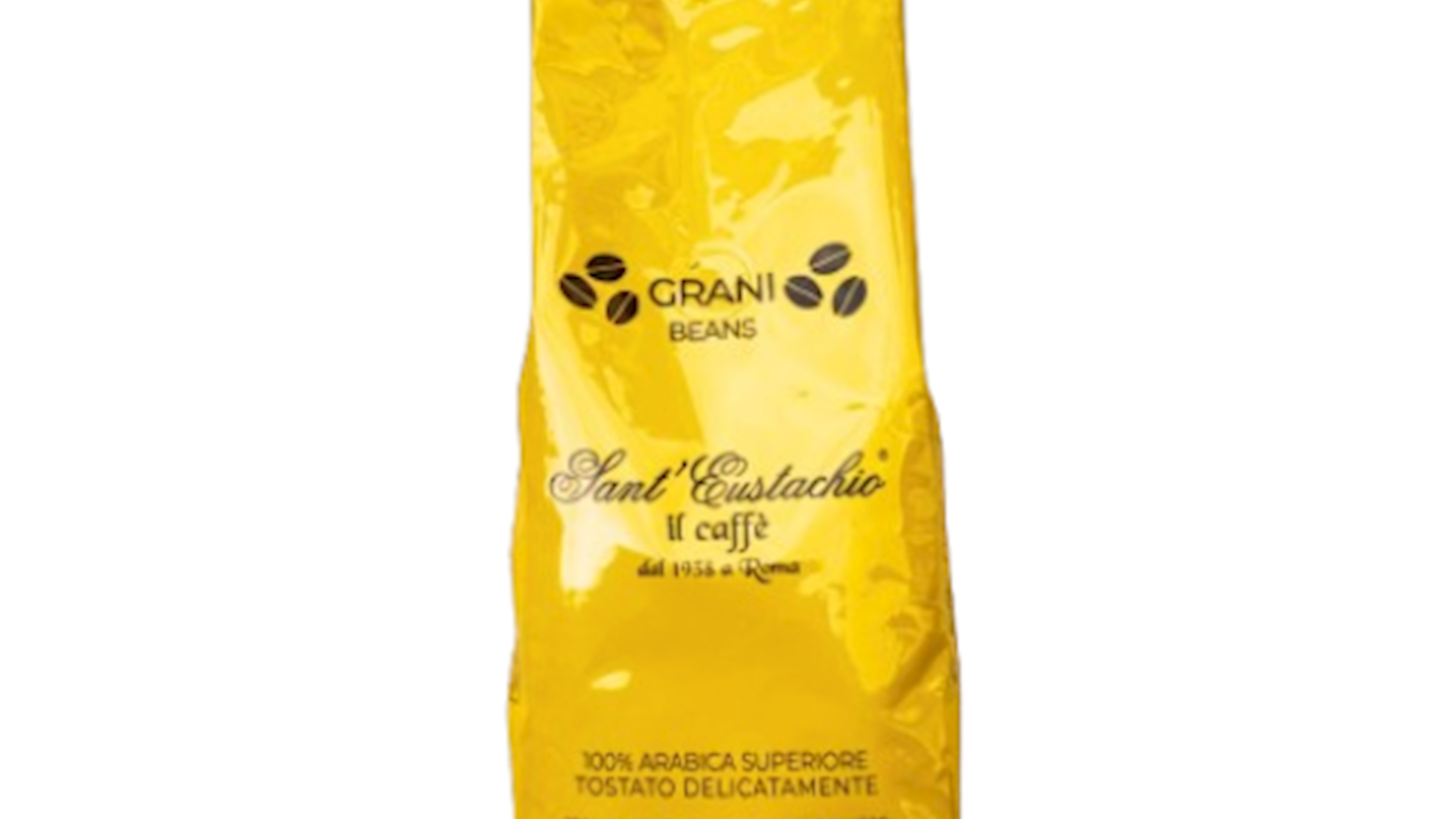
Sant’Eustachio Il Caffè is an iconic Roman coffee bar founded in 1938, located on Piazza Sant’Eustachio, just steps from the Pantheon, and widely regarded as a landmark of Italy’s espresso culture. From the outset, the brand has built its identity around in-house coffee selection and roasting, using blends composed exclusively of 100% Arabica beans. A defining feature of Sant’Eustachio Il Caffè is its traditional roasting approach, carried out with meticulous control to preserve balance, aroma, and natural sweetness. The espresso is known for its dense, persistent crema and rounded flavor profile, often enjoyed without added sugar. Despite its small, understated interior, the café has retained a strong local character and functions as a daily ritual space for Romans as well as a reference point for coffee-focused visitors. The atmosphere emphasizes function and consistency rather than spectacle, reflecting a deeply rooted bar culture. Beyond on-site service, the brand has developed a range of packaged coffees, available as whole beans, ground coffee, and capsules. These products extend the café’s signature profile to the international market. Sant’Eustachio Il Caffè stands today as a synthesis of heritage, technical expertise, and long-term quality focus.
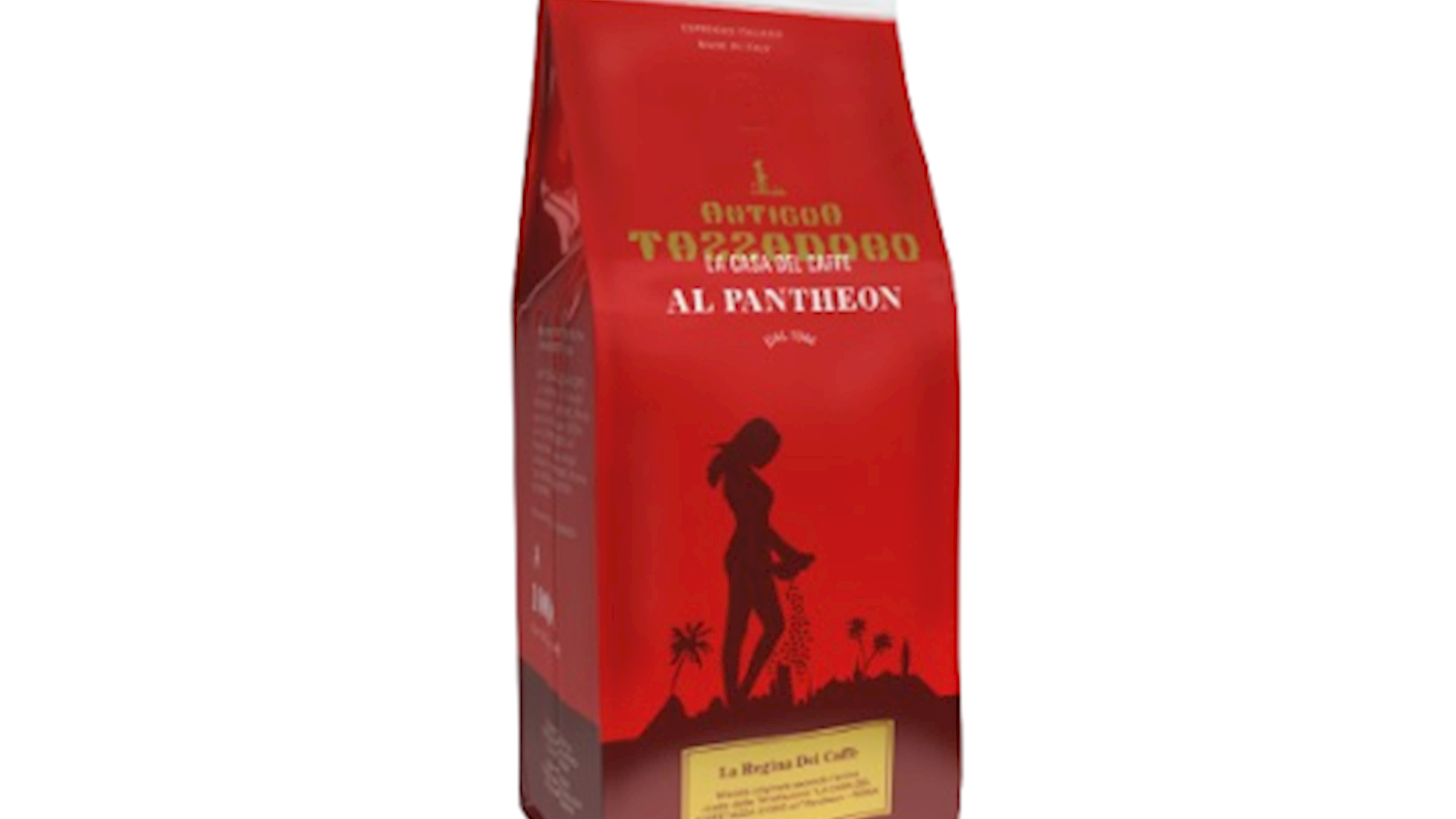
Antigua Tazzadoro is an Italian coffee brand rooted in the tradition of La Casa del Caffè al Pantheon, established in 1944 near the Pantheon in Rome. The brand reflects a classic Roman roasting style, typically darker in profile, designed to deliver intensity, structure, and a persistent finish. Its blends are based primarily on carefully selected Arabica beans, often complemented by a small percentage of Robusta to enhance body and crema in espresso extraction. The sensory profile is defined by notes of dark chocolate, toasted nuts, and caramelized sweetness, supported by a controlled bitterness that remains balanced rather than harsh. The signature blend, “La Regina dei Caffè”, has become closely associated with the house style and represents a benchmark for traditional central Italian espresso. Antigua Tazzadoro offers whole bean and ground formats tailored for espresso machines, moka pots, and filter brewing. Production emphasizes craftsmanship and consistency rather than large-scale industrial output. The packaging combines classical visual cues with a strong Roman identity, reinforcing its heritage positioning. While deeply connected to Rome’s coffee culture, the brand is also distributed internationally through specialty retailers and online channels. Overall, Antigua Tazzadoro represents continuity in Italian espresso tradition, with a clear focus on recognizable flavor structure and roasting precision.
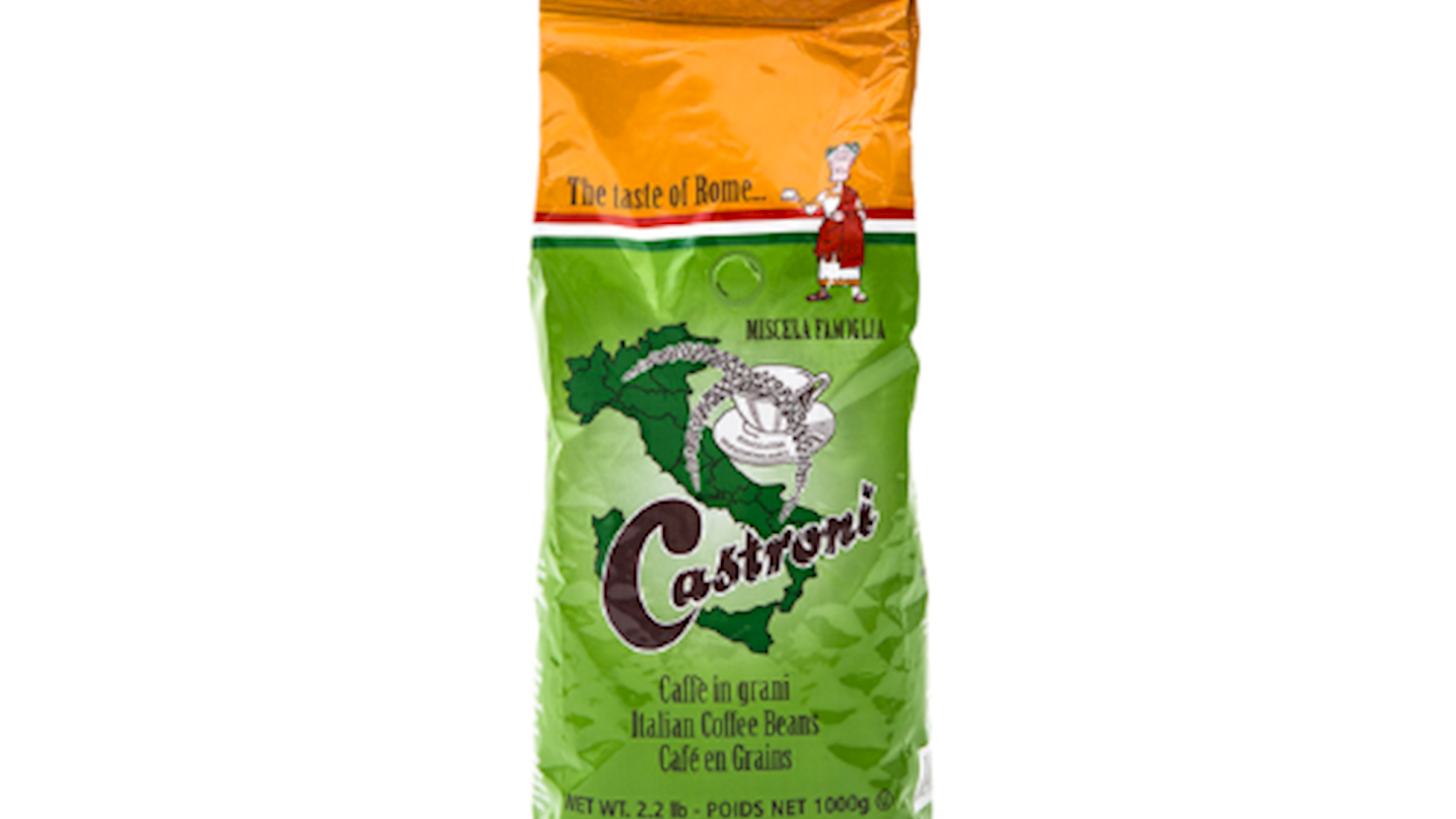
Caffè Castroni is a long-established Roman coffee and gourmet institution founded in 1932, known for combining in-house roasted coffee with a wide-ranging selection of international and Italian delicacies. What began as a small coffee-roasting business evolved into a network of café-bars and specialty food stores across Rome, maintaining a strong link between everyday espresso culture and curated gastronomy. Castroni’s coffee offering is rooted in classic Italian profiles, with blends designed for balance, structure, and consistency, suitable both for bar service and home preparation. The café spaces are functional and lively, reflecting the Roman habit of drinking espresso quickly at the counter, often alongside a simple breakfast pastry. Beyond coffee, Castroni is distinguished by its shelves filled with teas, spices, chocolates, pasta, oils, wines, and hard-to-find imported products, positioning it as a reference point for curious cooks and food professionals alike. The brand does not focus on spectacle or experimental roasting, but on reliability and breadth of choice. Caffè Castroni represents a pragmatic, everyday expression of Roman food culture, where coffee acts as an entry point into a broader gastronomic world.
TasteAtlas food rankings are based on the ratings of the TasteAtlas audience, with a series of mechanisms that recognize real users and that ignore bot,
nationalist or local patriotic ratings, and give additional value to the ratings of users that the system recognizes as knowledgeable.
For the “Top 3 Lazian Coffee Beans” list until June 10, 2026, 0 ratings were recorded, of which 0 were recognized by the system as legitimate.
TasteAtlas Rankings should not be seen as the final global conclusion about food. Their purpose is to promote excellent local foods,
instill pride in traditional dishes, and arouse curiosity about dishes you haven’t tried.
The initial list of top producers was compiled based on available reviews, awards, local recommendations, media and blog coverage, and consumer reviews.
The list will be updated with ratings from TasteAtlas local ambassadors and TasteAtlas users.