Top 5 Spanish Coffees

Last updated on July 29, 2026

Best Spanish Coffees
01

Cafés El Magnífico

4.5 ·

Cafés El Magnífico is a renowned Spanish specialty coffee roaster based in Barcelona, with roots tracing back to a family coffee business established in 1919 and the Cafés El Magnífico brand founded in 1962. Over the decades, the company has built a strong reputation for its commitment to quality, traceability, and excellence in coffee sourcing and roasting.

Led by Salvador Sans, a respected figure in the specialty coffee industry, Cafés El Magnífico has played an important role in introducing Spanish consumers to single-origin coffees and a deeper appreciation of coffee provenance. The company carefully selects green coffee beans from some of the world's most respected coffee-growing regions, including Ethiopia, Colombia, Panama, Guatemala, and Nicaragua.

Each coffee is roasted with a tailored profile designed to highlight the unique characteristics of its origin, variety, and processing method. In addition to roasting and retailing coffee, the company actively promotes coffee education through tastings, workshops, and training initiatives.

Today, Cafés El Magnífico is recognized as one of Spain’s leading specialty coffee roasters, combining more than a century of family experience with a modern focus on craftsmanship, sustainability, and transparency.

02

Cafés Guilis

4.4 ·

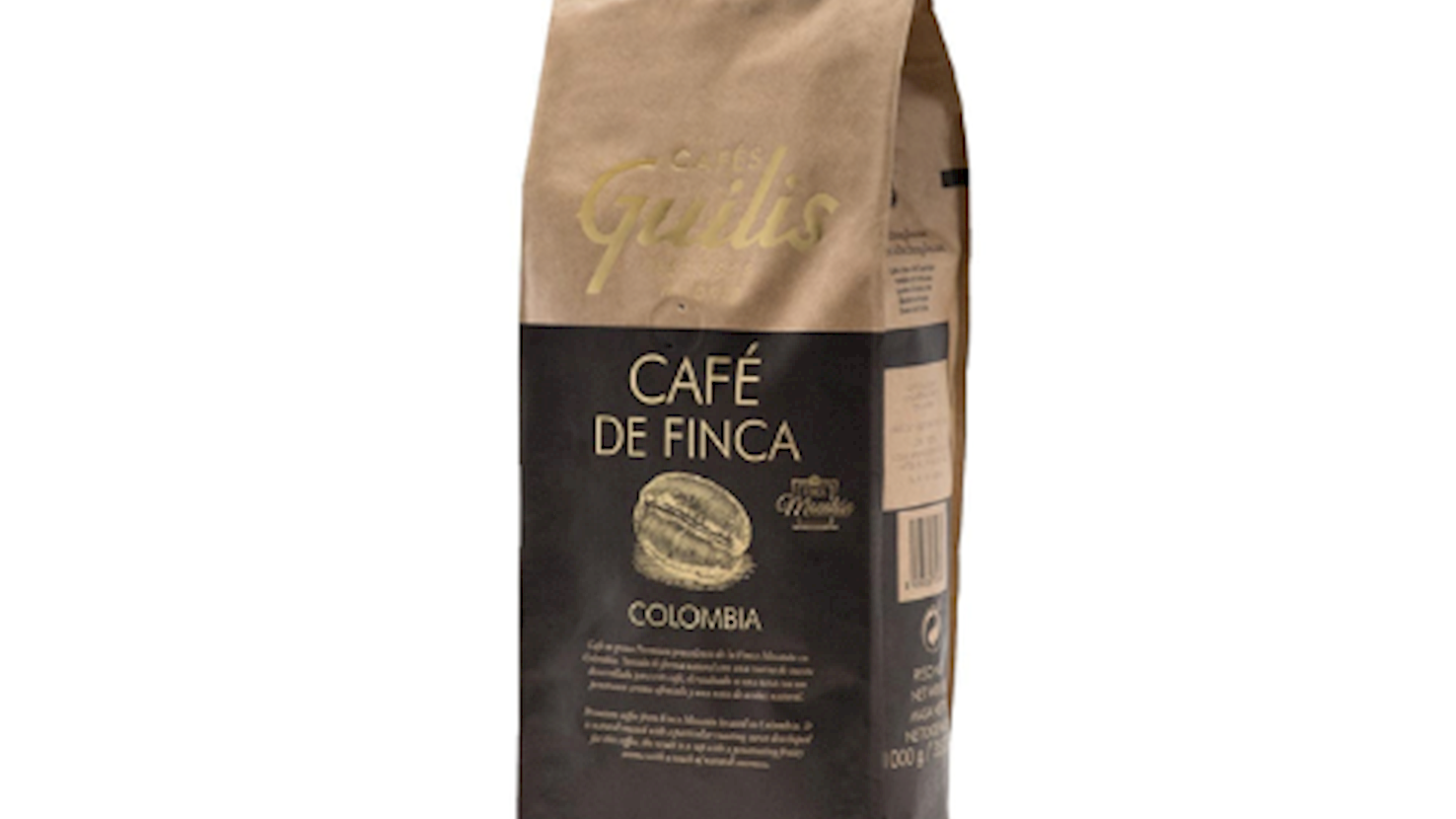
Cafés Guilis is a Spanish coffee roaster founded in 1928 in the Madrid region of Spain. With nearly a century of experience, the company specializes in sourcing and roasting coffee for both the hospitality sector and retail distribution.

Green beans are carefully selected from origins such as Brazil, Colombia, Kenya, and India, then roasted in their own facilities to ensure consistency and freshness. The portfolio includes 100% Arabica blends, more intense espresso blends, single-origin coffees, and capsule formats adapted to modern brewing systems.

Flavor profiles are typically balanced, featuring notes of dark chocolate and roasted nuts with moderate body and controlled acidity. Cafés Guilis operates under international food safety and quality certifications, reflecting a structured and standardized production approach.

The brand combines long-standing roasting expertise with contemporary market demands, maintaining the identity of a traditional Madrid-based roaster focused on reliability and consistent cup quality.

03

Cafés La Mexicana

4.3 ·

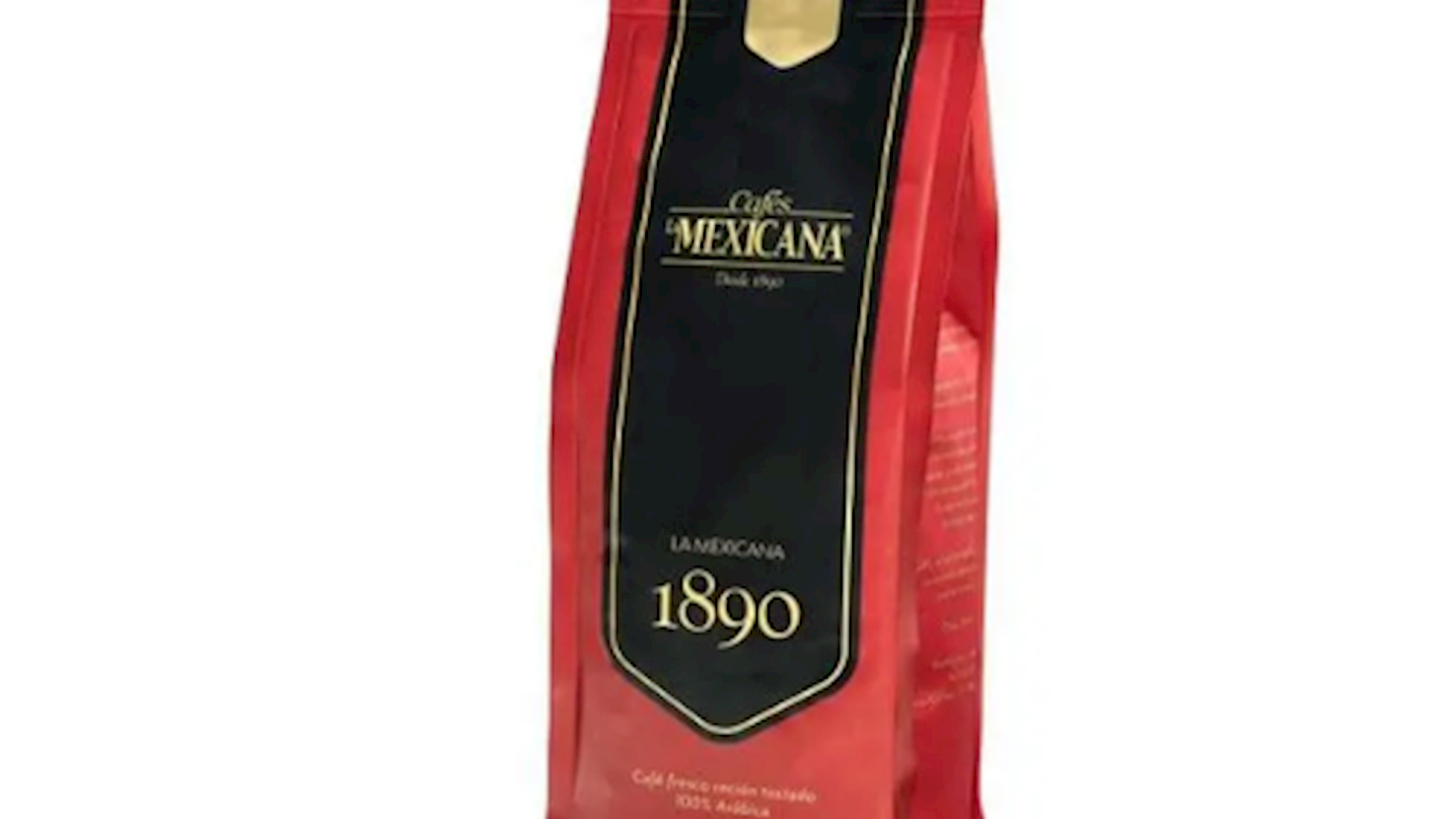
Cafés La Mexicana is a historic coffee roaster and specialty retail chain founded in 1890 in Madrid. From its beginnings, the company has focused on freshly roasted 100% Arabica coffee, emphasizing quality control and aromatic precision.

It is particularly known for the distinctive aroma of freshly roasted beans associated with its traditional shops, especially the historic Preciados location. The portfolio includes classic blends, signature selections such as “1890” and single-origin coffees sourced from Latin America and Africa.

Flavor profiles range from chocolatey and nutty characteristics typical of many Latin American origins to brighter, fruit-forward and floral notes found in African varieties. Roasting is carried out in Madrid, allowing the brand to maintain freshness and adapt profiles for different brewing methods, including espresso and filter preparation.

Today, Cafés La Mexicana combines long-standing family tradition with modern distribution, preserving its identity as a local roaster with more than a century of continuity.

04

Café Saula

4.3 ·

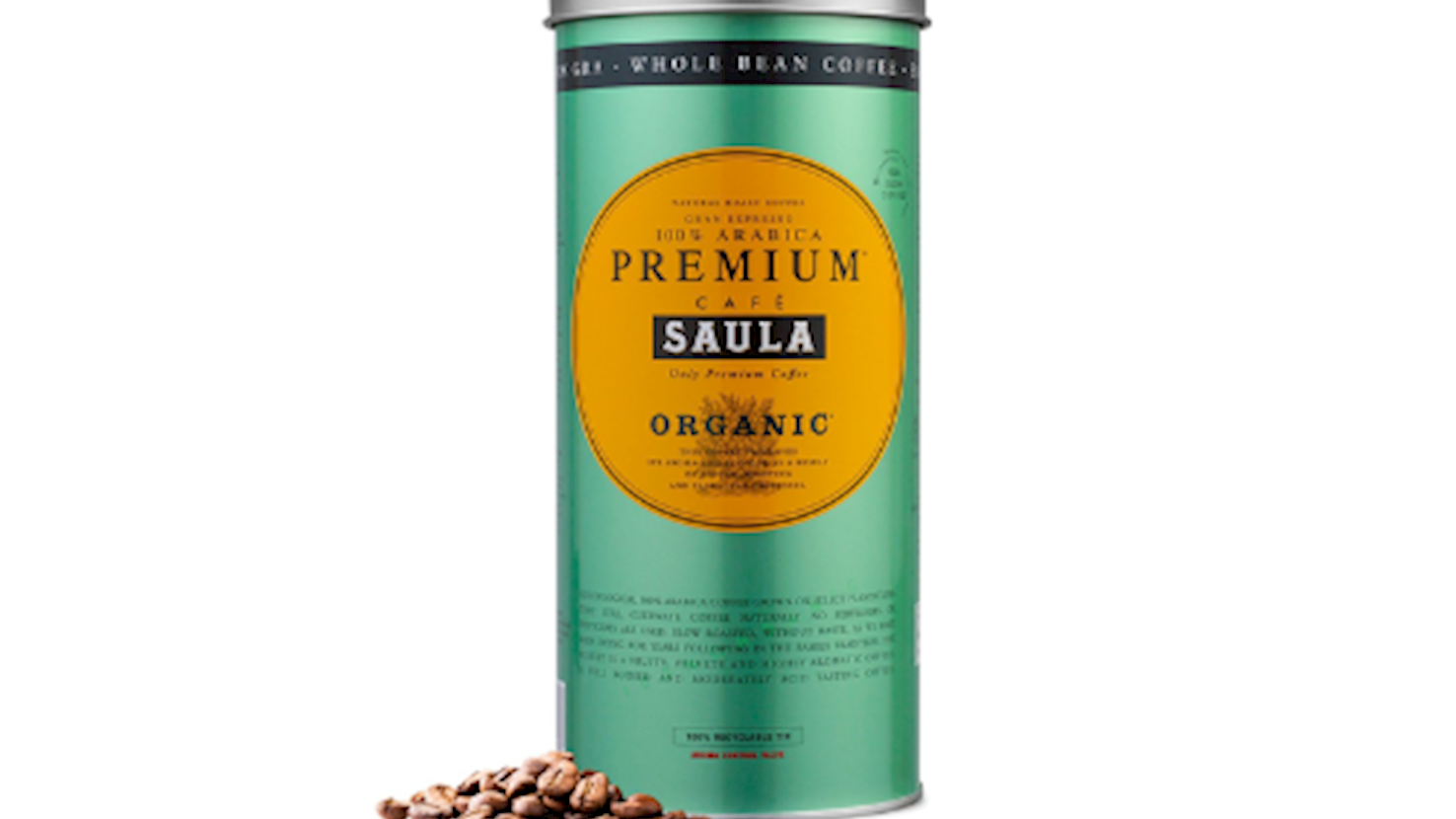
Café Saula is a family-owned coffee roaster based in Barcelona, founded in 1950, with a clear focus on selecting 100% Arabica beans and applying controlled, slow roasting in small batches. From its beginnings, the brand has prioritized quality and consistency in its espresso profile, primarily serving the hospitality sector while also expanding into retail.

Beans are sourced from carefully selected plantations, and roasting parameters are adjusted to preserve balance between aroma, body, and acidity. In the cup, its blends typically show notes of cocoa, roasted nuts, and mild caramel sweetness, supported by medium body and stable crema in espresso preparation.

The portfolio includes classic espresso blends, organic options, and selected origin coffees from specific regions. Café Saula represents continuity of family expertise in coffee roasting, combining traditional methods with modern quality standards.

Best Spanish Coffee Types

01

Cortado

4.0 ·

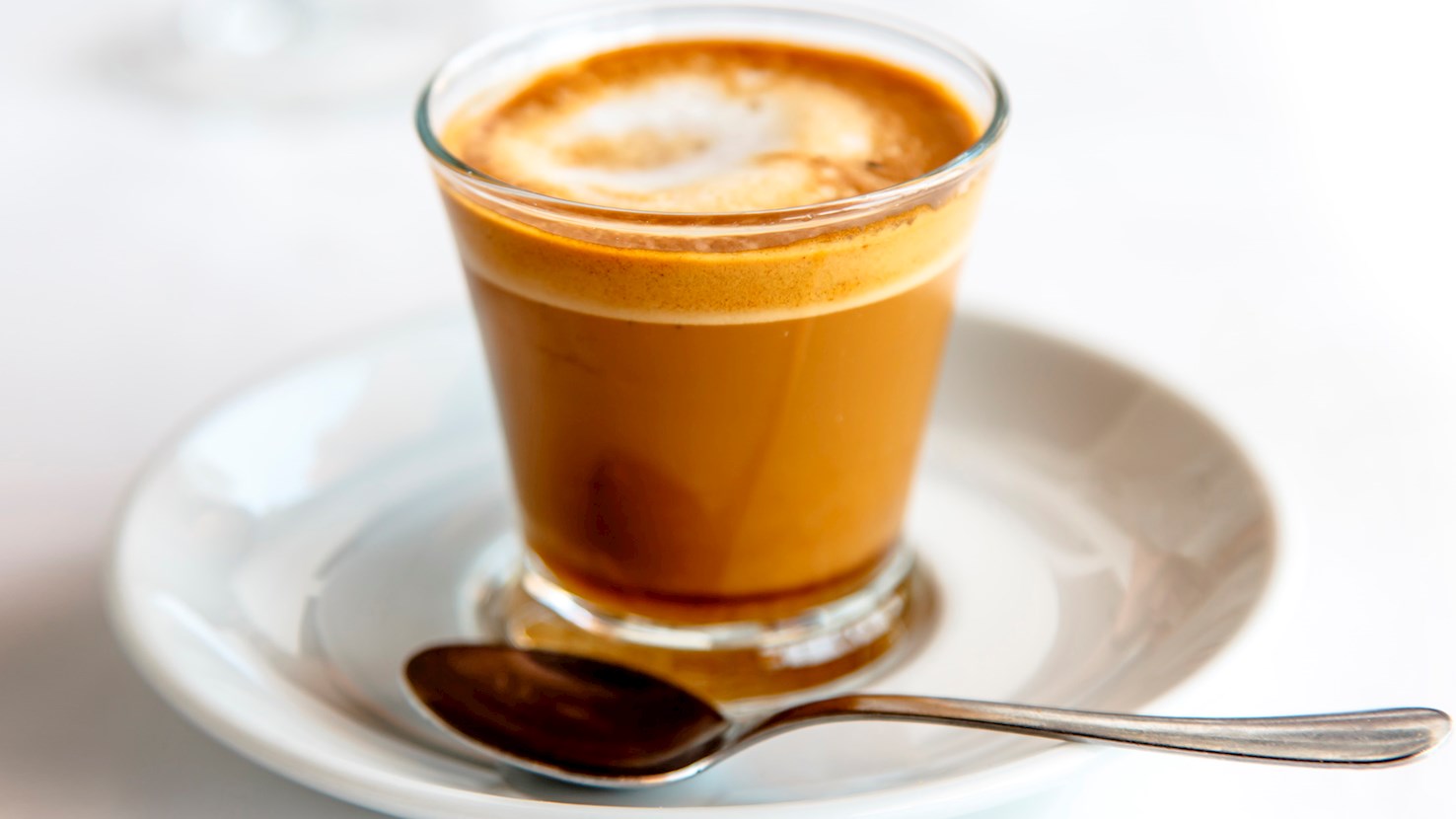
Cortado is a Spanish beverage made by pouring a small amount of espresso in a small glass cup, then cutting it with an equal amount of steamed milk in order to neutralize the bitterness. The name comes from the Spanish word cortar, meaning to cut, which refers to the preparation process. The ratio of espresso to milk gives a unique flavor where the robustness of the coffee comes through, while the finish is velvety due to steamed milk. Cortado is typically consumed in coffee bars as it is not intended to be taken on the go.

02

Café bombón

4.0 ·

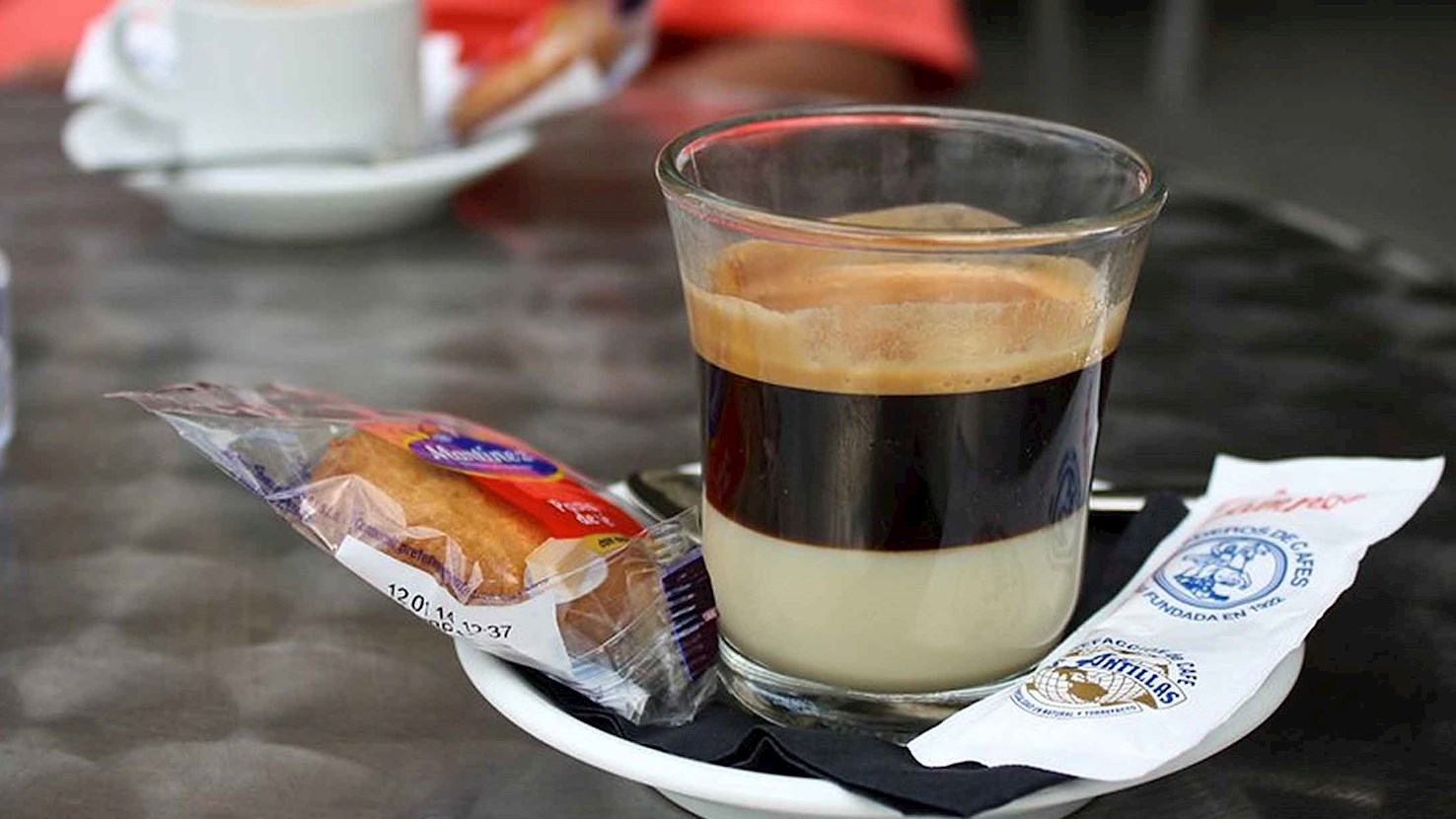
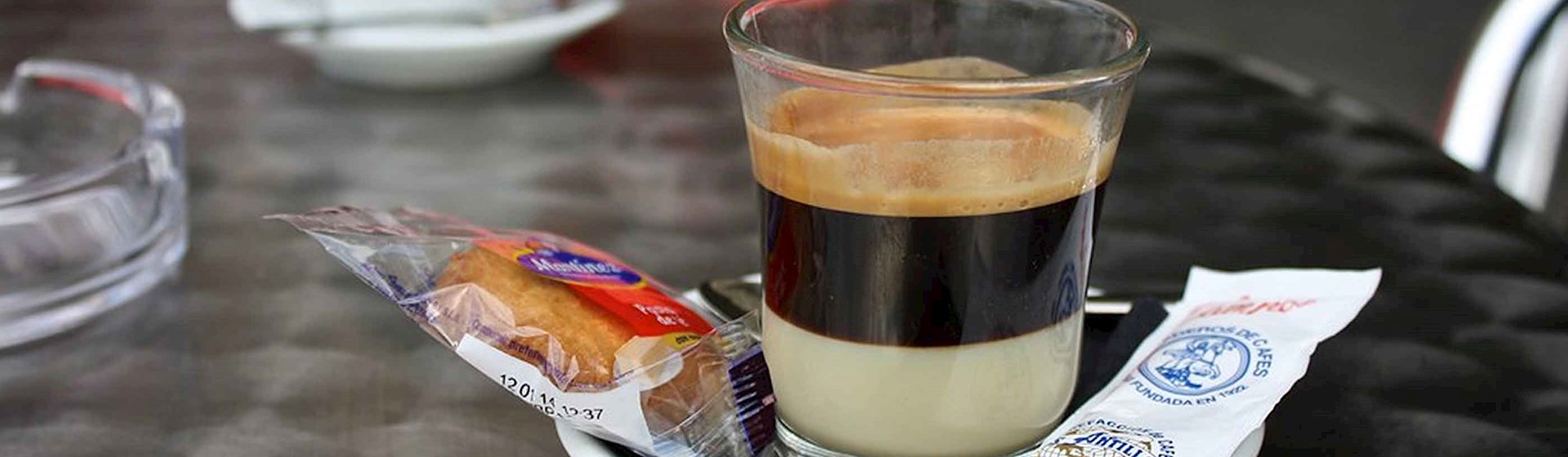
Bombón coffee is a Valencian specialty that combines coffee and condensed milk. The drink is usually made with espresso, and it is assembled by pouring condensed milk first and then topping it with espresso. Because there is a difference in density, the beverages do not mix, and bombón is usually served in a tumbler glass so the layers would be visible. Optionally, condensed milk can be swapped with creamy liqueurs such as Baileys. The drink is usually prepared with equal amounts of both beverages.

03

Café con miel

3.5 ·

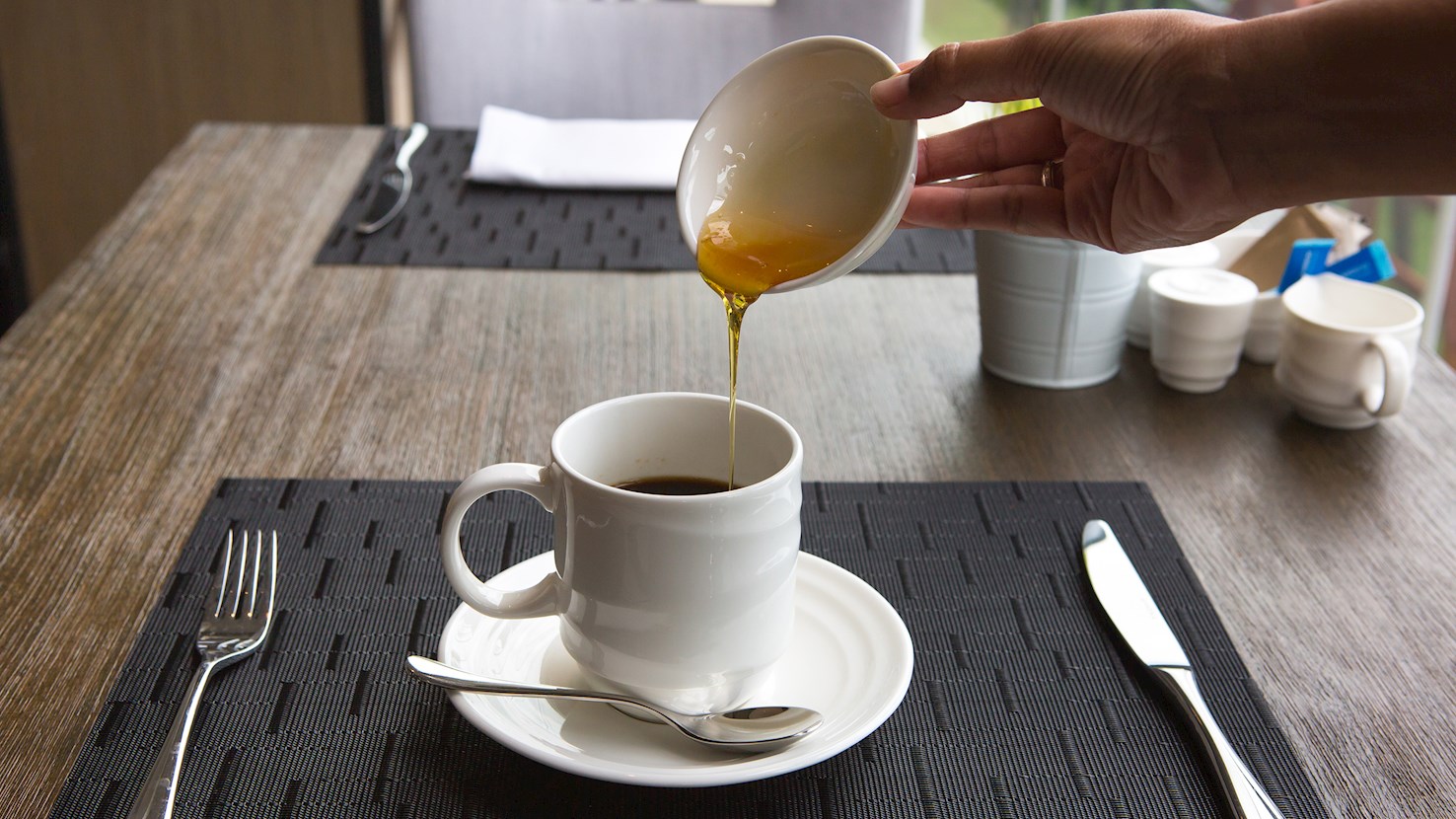
Café con miel is a coffee variety that originated in Spain. The drink consists of honey (miel), a shot of espresso, and steamed milk. The ingredients are layered, and the frothy milk foam is sometimes dusted with cinnamon. Honey is used a sweetener, so sugar is usually avoided. Sometimes, spices such as ginger, cinnamon, cardamom, or vanilla can also be added. The drink should be stirred until the honey is completely dissolved.

04

Café del tiempo

3.5 ·

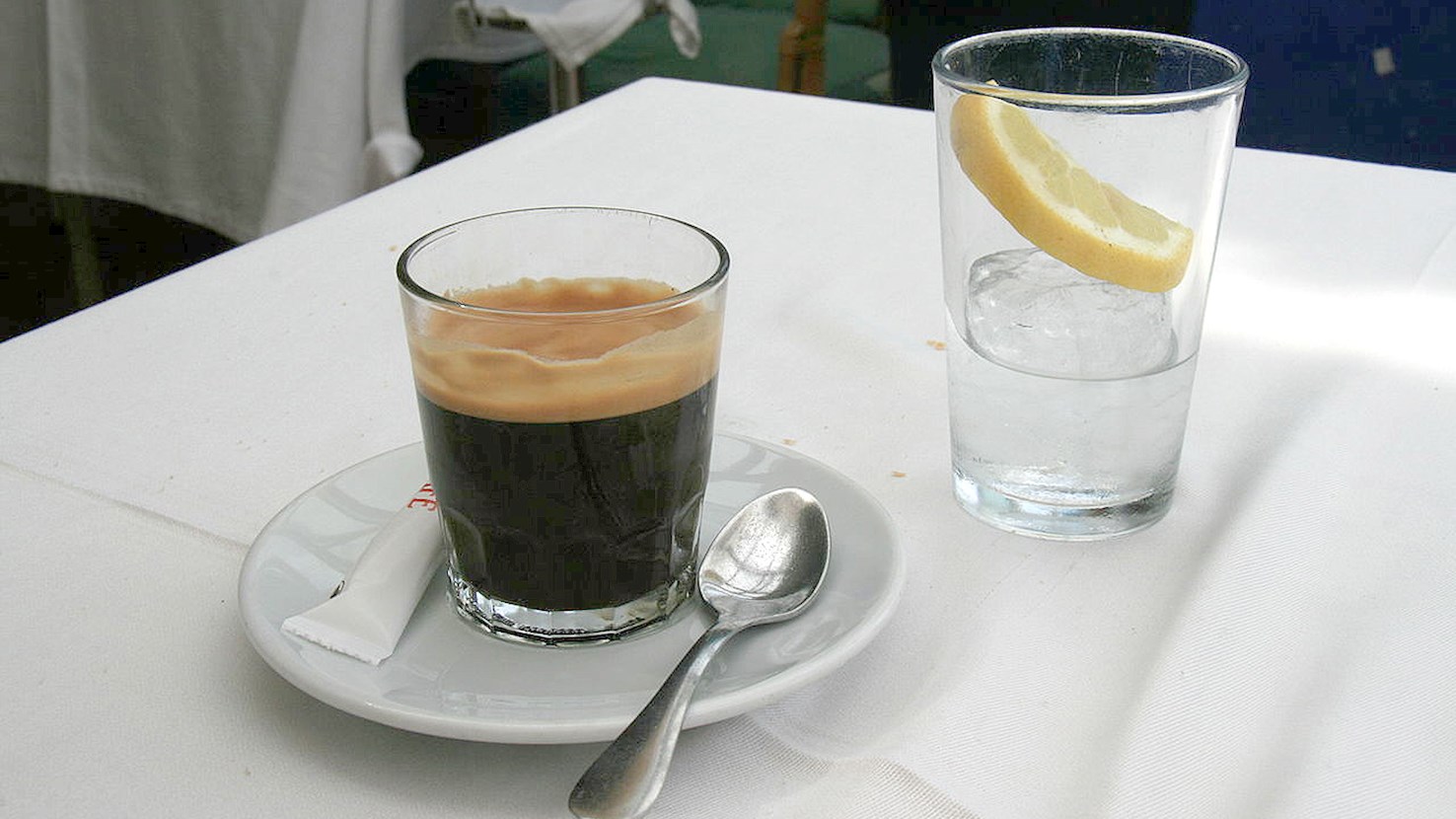
Roughly translated as weather coffee, café del tiempo is a variety of Spanish ice coffee. It consists of a cup of coffee that is served with a glass that is filled with ice cubes and occasionally a slice of lemon. The guest then sweetness the coffee according to taste before pouring it over ice. This coffee is mainly prepared with plain espresso or espresso that is topped with steamed milk—in Spain, this combination is usually referred to as cortado. However, varieties may include café con leche, carajillo (a combination of Licor 43 and coffee), or café bombón (made with equal proportions of condensed milk and coffee). Because it cools down the coffee to room temperature, café del tiempo is primarily enjoyed as a refreshing option during summer or spring. It is primarily associated with Valencia, but similar iced variations can be found in other parts of Spain, though it is sometimes known as café con hielo.

05

Blanco y negro

n/a ·

Blanco y negro (white and black) is a Spanish specialty drink made with coffee and ice cream. The basic variation consists of an espresso that is mixed with ice and poured in a glass. Optionally, coffee can be blended with ice, or frozen and then blended without additional ice. The drink is then topped with a dollop of ice cream or with a spoonful of cream or leche merengada (meringue milk). Although ice cream flavors can vary, it should be made with white-colored varieties, such as vanilla, so that the drink would stay true to its name. Blanco y negro is typically served as a sweet and refreshing summer dessert.

Read more
View all
View map
About this ranking

TasteAtlas food rankings are based on the ratings of the TasteAtlas audience, with a series of mechanisms that recognize real users and that ignore bot, nationalist or local patriotic ratings, and give additional value to the ratings of users that the system recognizes as knowledgeable. For the “Top 5 Spanish Coffees” list until July 29, 2026, 288 ratings were recorded, of which 225 were recognized by the system as legitimate. TasteAtlas Rankings should not be seen as the final global conclusion about food. Their purpose is to promote excellent local foods, instill pride in traditional dishes, and arouse curiosity about dishes you haven’t tried.

The initial list of top producers was compiled based on available reviews, awards, local recommendations, media and blog coverage, and consumer reviews. The list will be updated with ratings from TasteAtlas local ambassadors and TasteAtlas users.

Similar lists