



Top 5 Cold Soups
in East Asia

Last updated on May 16, 2026
01

Naengmyeon

3.9 ·

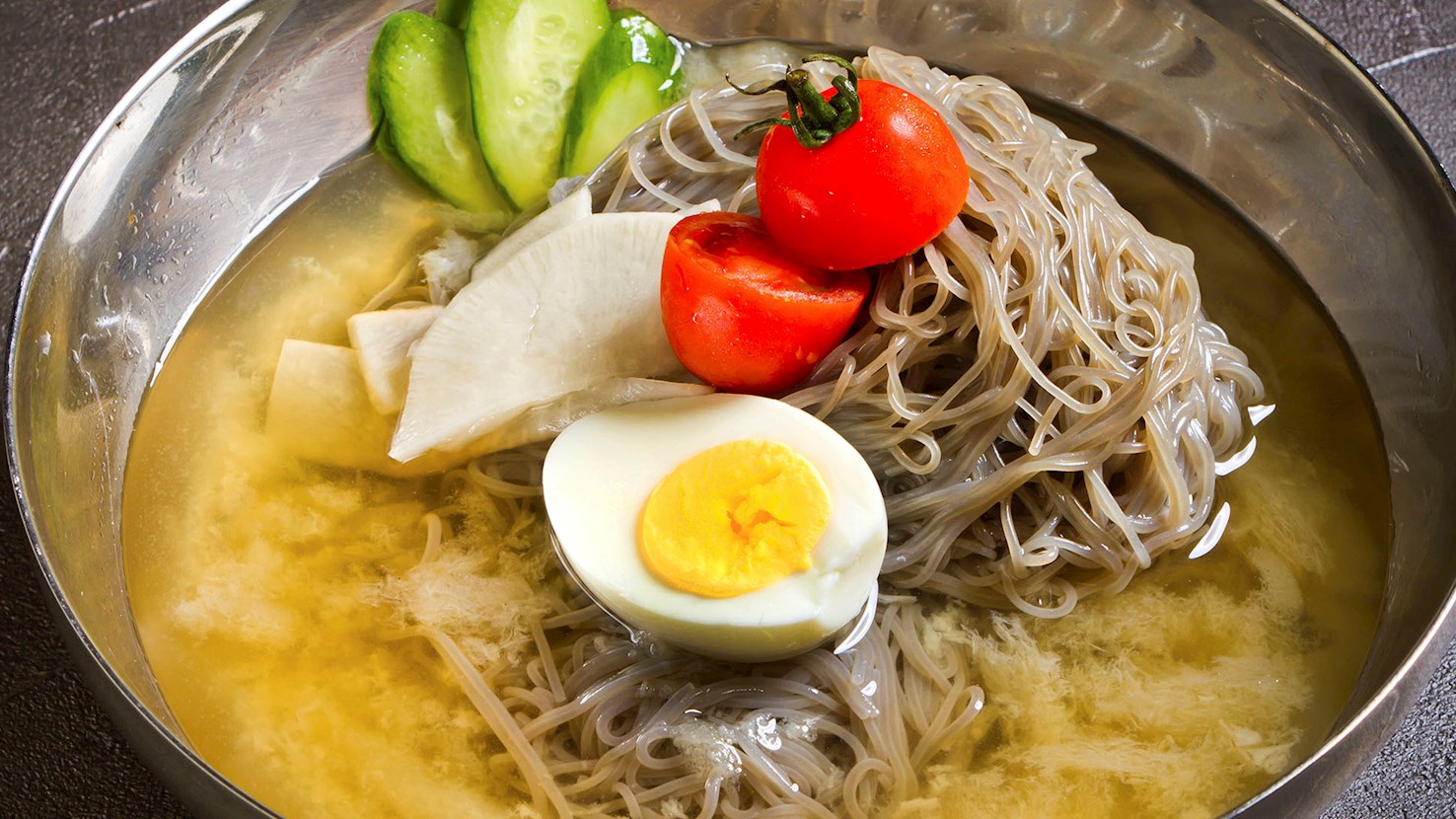
It is enough to read this combination of ingredients to make a gourmet salivate: buckwheat and starch noodles placed into a cool beef broth accompanied by pickled radish, slices of hard-boiled eggs, and Korean pear, all of the ingredients seasoned with mustard and vinegar. That's naengmyeon, a cold noodle soup and a favorite summertime treat in Korea. In the past, the dish was typically consumed during winter with radish kimchi, obtained from the pots buried in the yard where kimchi was left to ferment. Buckwheat noodles originate from North Korea, since it was the main production center of buckwheat, but after the Korean War, the dish became popular throughout the country and was consumed regardless of the season. According to local customs (and a bit of superstition), these long noodles should be consumed without cutting, as they are a symbol of good health and longevity. More than just a flavorful dish, naengmyeon is a cultural and gastronomical bridge between two divided Korean countries.

02

Kongguksu

3.8 ·

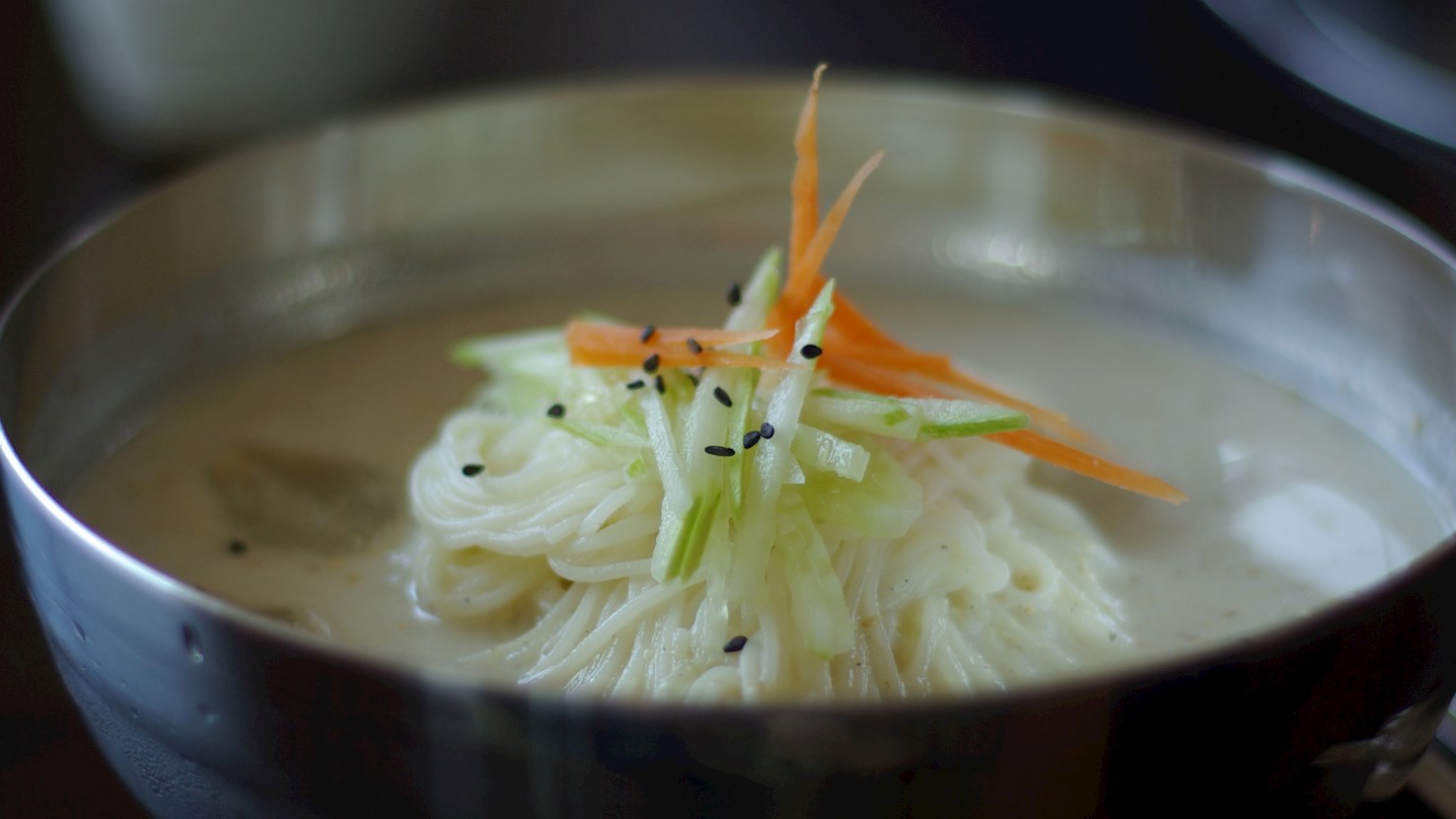
Kongguksu is a Korean summer classic that combines noodles and a cold, soy milk broth. Traditionally, the broth is made from scratch by cooking and puréeing soybeans, occasionally with the addition of sesame seeds or different nuts. The dish is usually prepared with somyeon noodles, and it is finished off with the addition of different toppings such as finely sliced cucumbers or tomatoes. Occasionally, ice cubes can be added to chill the soup.

03

Pyongyang naengmyeon

3.6 ·

As the name suggests, Pyongyang naengmyeon is a version of a traditional North Korean noodle dish called naengmyeon or raengmyeon that is typical of Pyongyang. It usually consists of a combination of buckwheat noodles, thin strips of cucumbers, Korean pears, vegetable kimchi (often radish kimchi), and thinly sliced beef, chicken, or pork served in a cold, tangy broth (either meat broth, dongchimi broth, or a mixture of both) with ice chunks in it. This specialty is traditionally enjoyed chilled in a large metal bowl, and it is typically finished with slices of hard-boiled egg and cold beef on top. Typical condiments added to the dish before consumption include spicy mustard, vinegar, and sugar. In North Korea, it is customary to eat the long buckwheat noodles without cutting them as they are symbolically associated with longevity and good health. This custom isn’t usually practiced in restaurants because it's more convenient to consume the noodles after they've been cut. In South Korea, the broth for this specialty is made exclusively with beef, while the addition of sugar is not typical.

04

Naengguk

2.7 ·

Naengguk is a common name for a group of South Korean cold soups that are usually consumed during summer. It is believed that there is no better refreshment than a bowl of cold naengguk on a hot summer day. The soups are typically divided into two main categories: for the first one, cold water is combined with vinegar and ingredients such as cucumbers, spring onions, garlic, wakame, or nori seaweed. The second category of naengguk is reserved for soups that benefit health, such as the ones made with sesame, soybeans, or chicken. Naengguk first appeared in the 12th century in a poem written by Yi Gyu-bo, where it was referred to as soup with sunchae and was praised for its refreshing, clear flavor.

05

Miyeok-oi-naengguk (Cold Seaweed-Cucumber Soup)

n/a ·

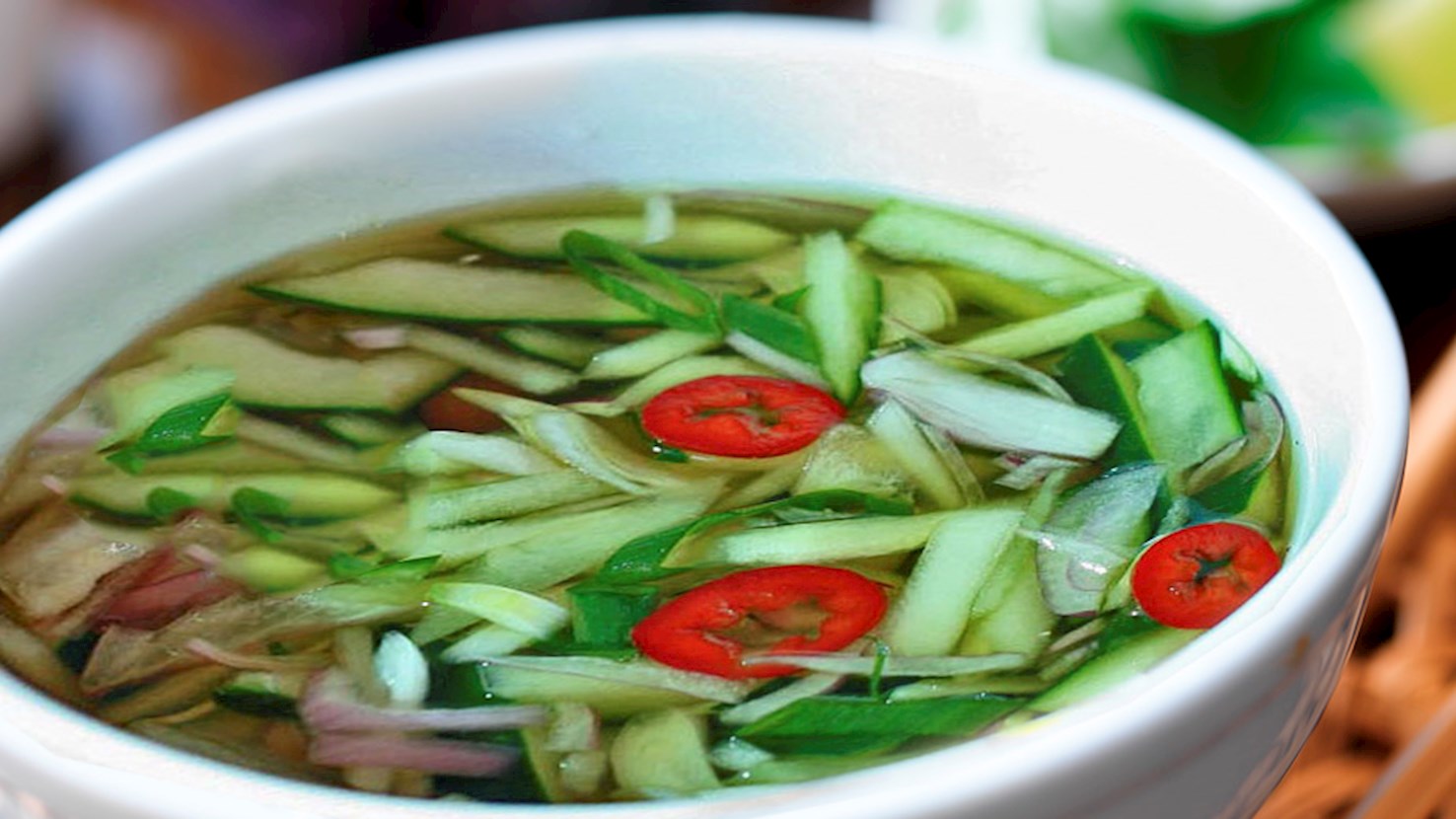
Miyeok-oi-naengguk is a traditional cold soup originating from South Korea. The soup is usually made with a combination of wakame, hot peppers, onions, garlic, scallions, cucumbers, cherry tomatoes, sesame seeds, sugar, salt, and white vinegar. The wakame seaweed is soaked and blanched until green. It's then drained and cut into smaller pieces. The sugar is mixed with salt, hot peppers, vinegar, onions, scallions, garlic, and cold water. The mixture is stirred, ice cubes are added to it, and everything is stirred before it's mixed with the seaweed and cucumber matchsticks. The soup is garnished with halved cherry tomatoes, sprinkled with sesame seeds, and served ice cold. Miyeok-oi-naengguk is especially popular on hot summer days.

About this ranking

TasteAtlas food rankings are based on the ratings of the TasteAtlas audience, with a series of mechanisms that recognize real users and that ignore bot, nationalist or local patriotic ratings, and give additional value to the ratings of users that the system recognizes as knowledgeable. For the “Top 5 Cold Soups in East Asia” list until May 16, 2026, 106 ratings were recorded, of which 91 were recognized by the system as legitimate. TasteAtlas Rankings should not be seen as the final global conclusion about food. Their purpose is to promote excellent local foods, instill pride in traditional dishes, and arouse curiosity about dishes you haven’t tried.

Similar lists