Paul and Mike is a chocolate brand operated by Synthite Industries, based in Kerala, India. They are known for producing fine flavor chocolate with cocoa beans sourced from their own farms as well as from other regions of India. Paul And Mike focus on bean-to-bar chocolate, controlling every step of the process from fermentation to packaging to ensure the quality of their product. They also experiment with unique infusions and flavors in their chocolate bars, such as sitaphal (custard apple) and jamun (Indian blackberry).
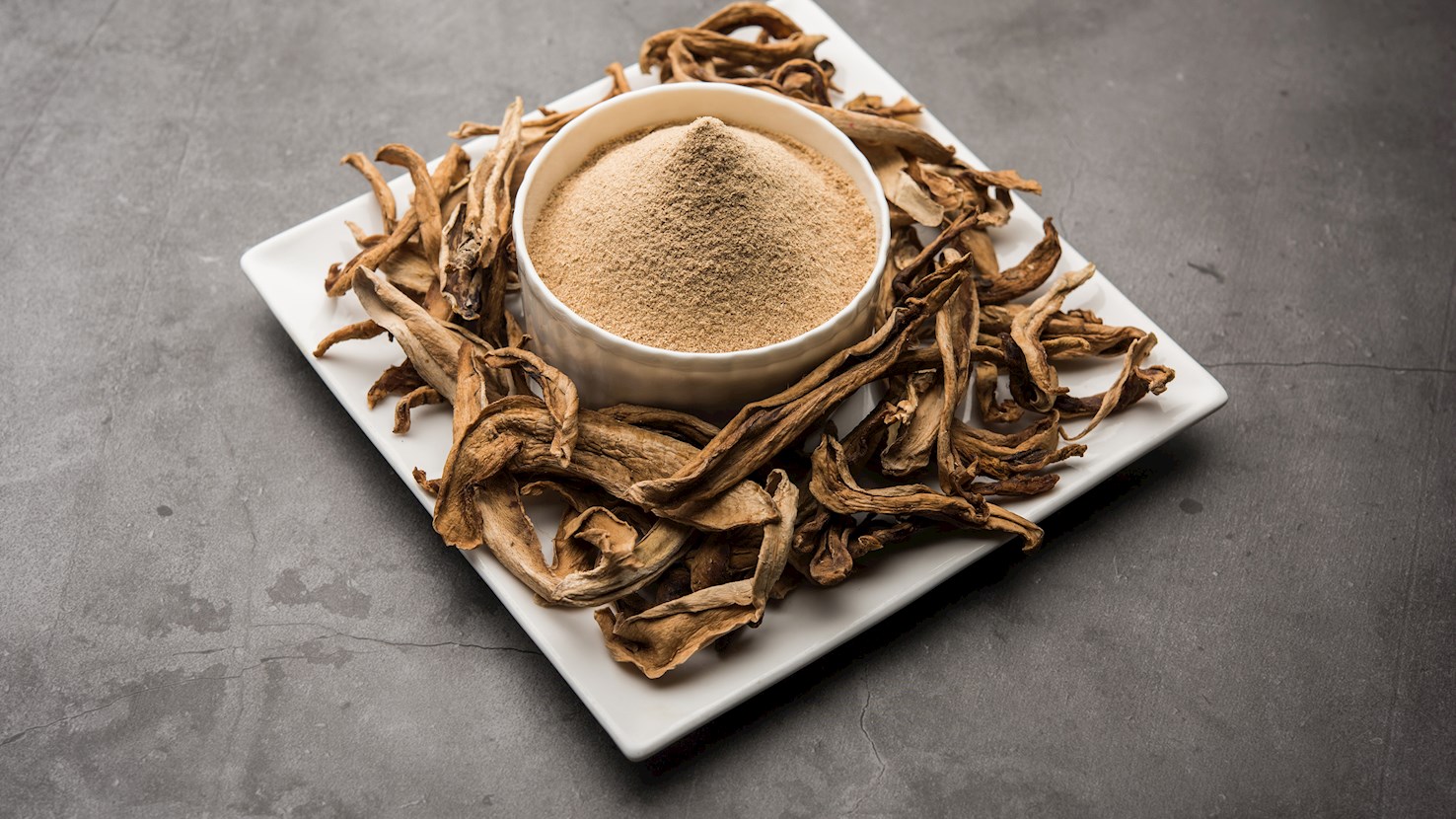
Amchur is a spice and condiment originating from India, but it's also often used in Pakistan. It's made from unripe mangoes that have been sliced, dried in the sun, then ground into a powder. The resulting powder has an intense aroma and tangy flavor. It adds a nice level of acidity to a vast number of vegetarian dishes, especially in Northern India, where it's used in the same way as lemon juice or vinegar are used in other parts of the world. It's recommended to add amchur to curries, dals, pickles, and chutneys due to its fruity and tangy flavors. Meat is also an option – try using amchur in a marinade to tenderize poultry or fish.
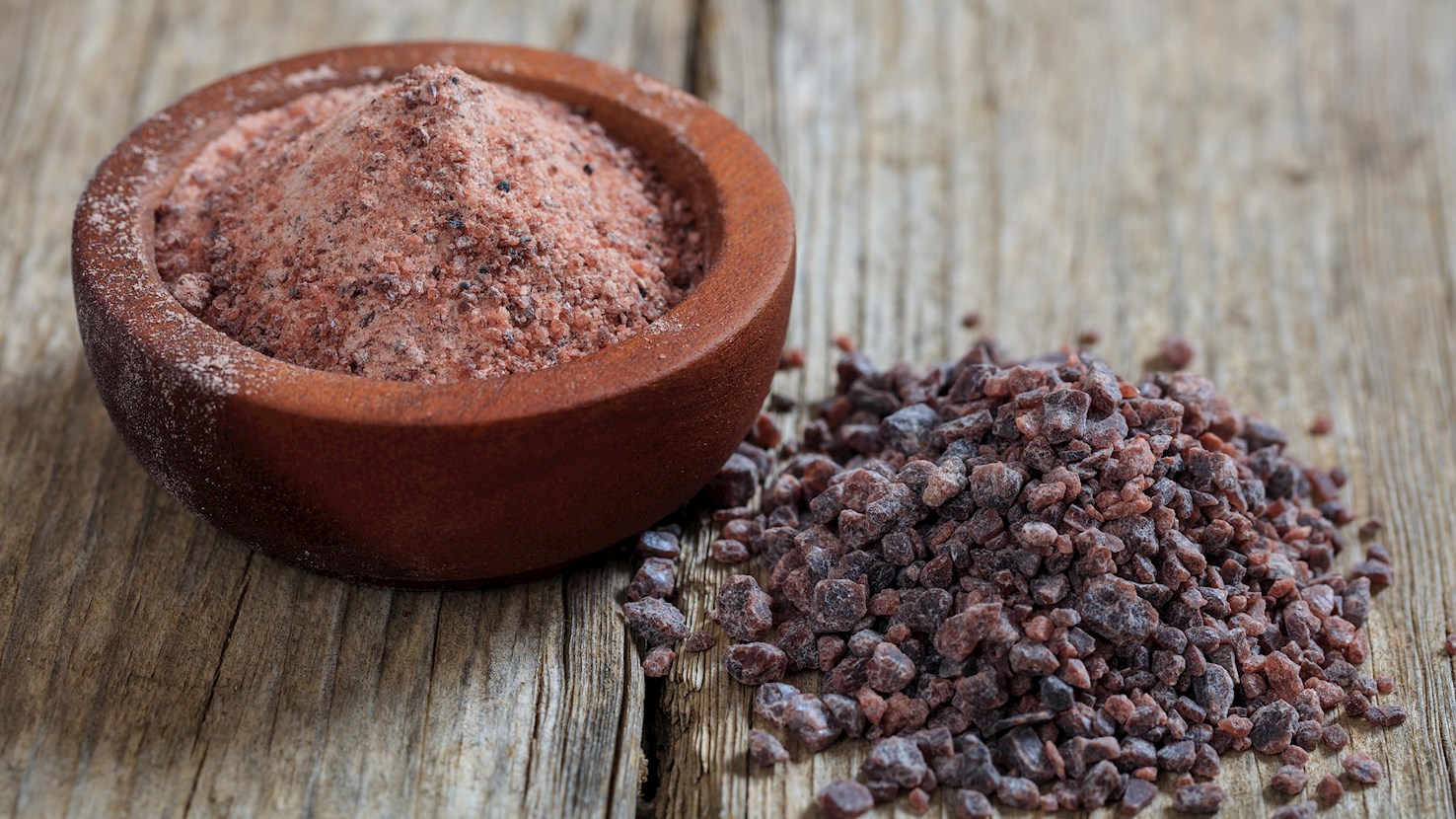
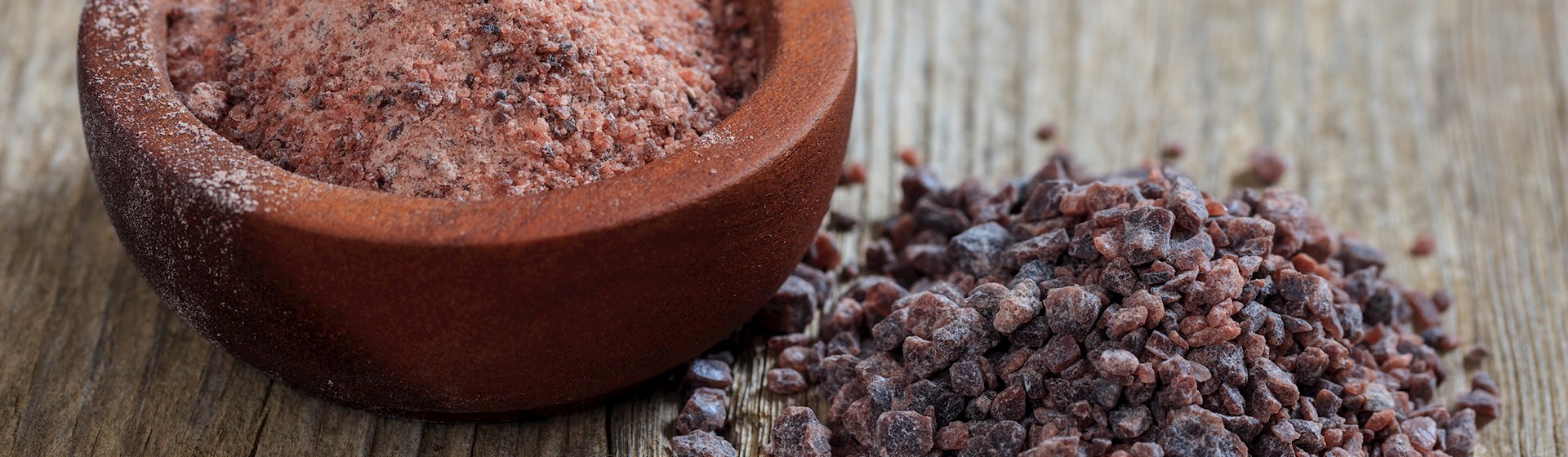
Kala namak is volcanic rock salt originating from the Himalayan region, mostly from the mines in Northern India and Pakistan. It starts as Himalayan pink salt, and it's then heated to very high temperatures and mixed with herbs and spices such as amla (Indian gooseberry) seeds and haritaki fruit seeds. Both the seeds' sulfur and trace impurities of iron, sulfides, sulfates, and magnesium contribute to the unique color, aroma, and flavor of kala namak. The color isn't actually black – it's a very dark red when added to food or light pink when ground. The aroma is often compared to rotten eggs, but only when added to food. At first, the aroma is pungent, but it quickly disappears. However, it's sometimes added to eggless dishes to give them flavors reminiscent of real eggs. Kala namak is also an integral part of the famous Indian spice blend called chaat masala, which is used with a variety of snacks and added to many dishes. Himalayan black salt is considered a cooling spice, and many add it to beverages and fruit salads during the summer.
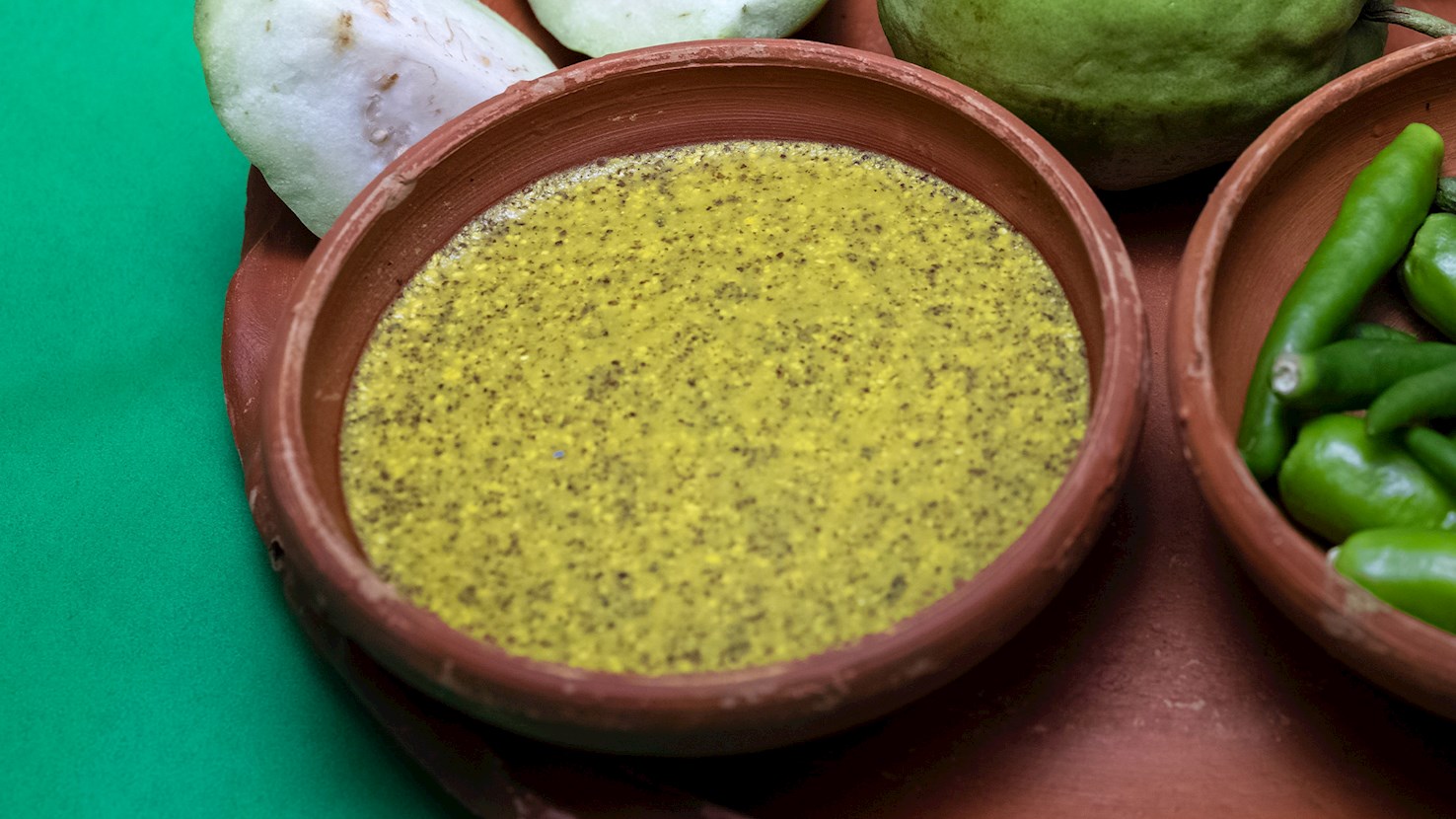
Kasundi is a pungent mustard sauce originating from the Bengal region of India and Bangladesh. It is known for its sharp, spicy flavor and thick, paste-like consistency, which distinguishes it from many other mustard condiments. Kasundi is made primarily from mustard seeds, but its preparation includes a complex blend of spices and ingredients that contribute to its depth and intensity. This condiment plays an important role in Bengali cuisine, where it is used both as a seasoning and a dipping sauce. The development of kasundi can be traced back to the rich culinary traditions of Bengal, where mustard has long been a staple ingredient due to the region’s favorable conditions for mustard cultivation. Kasundi evolved as a way to harness the full potential of mustard seeds, combining them with spices such as turmeric, fenugreek, chili, and garlic to create a sauce that is bold and multifaceted. It reflects the Bengali preference for flavors that are vibrant and assertive, often complementing the region’s abundant fish and vegetable dishes. Preparation of kasundi involves soaking and grinding mustard seeds into a paste, which is then tempered with mustard oil and an array of spices including green and red chilies, turmeric, nigella seeds, and sometimes vinegar or lemon juice for acidity. The process is lengthy and involves careful control of fermentation and seasoning to achieve a balance between heat, tanginess, and aromatic complexity. The final product is a deep yellow-orange paste that can range from moderately spicy to intensely hot, depending on the recipe. Kasundi is traditionally served alongside a variety of Bengali dishes such as fried fish, vegetables, and snacks like puchka or samosas. It is also used as a marinade or added to curries to enhance their flavor. Beyond Bengal, kasundi has gained recognition in other parts of India and among diaspora communities worldwide, appreciated for its unique flavor profile and versatility.
TasteAtlas food rankings are based on the ratings of the TasteAtlas audience, with a series of mechanisms that recognize real users and that ignore bot,
nationalist or local patriotic ratings, and give additional value to the ratings of users that the system recognizes as knowledgeable.
For the “Top 3 Indian Condiments” list until June 10, 2026, 44 ratings were recorded, of which 34 were recognized by the system as legitimate.
TasteAtlas Rankings should not be seen as the final global conclusion about food. Their purpose is to promote excellent local foods,
instill pride in traditional dishes, and arouse curiosity about dishes you haven’t tried.
The initial list of top producers was compiled based on available reviews, awards, local recommendations, media and blog coverage, and consumer reviews.
The list will be updated with ratings from TasteAtlas local ambassadors and TasteAtlas users.