shutterstock

Top 13 Indonesian Condiments

Last updated on June 02, 2026

Best Indonesian Condiments
01

Javara

4.9 ·
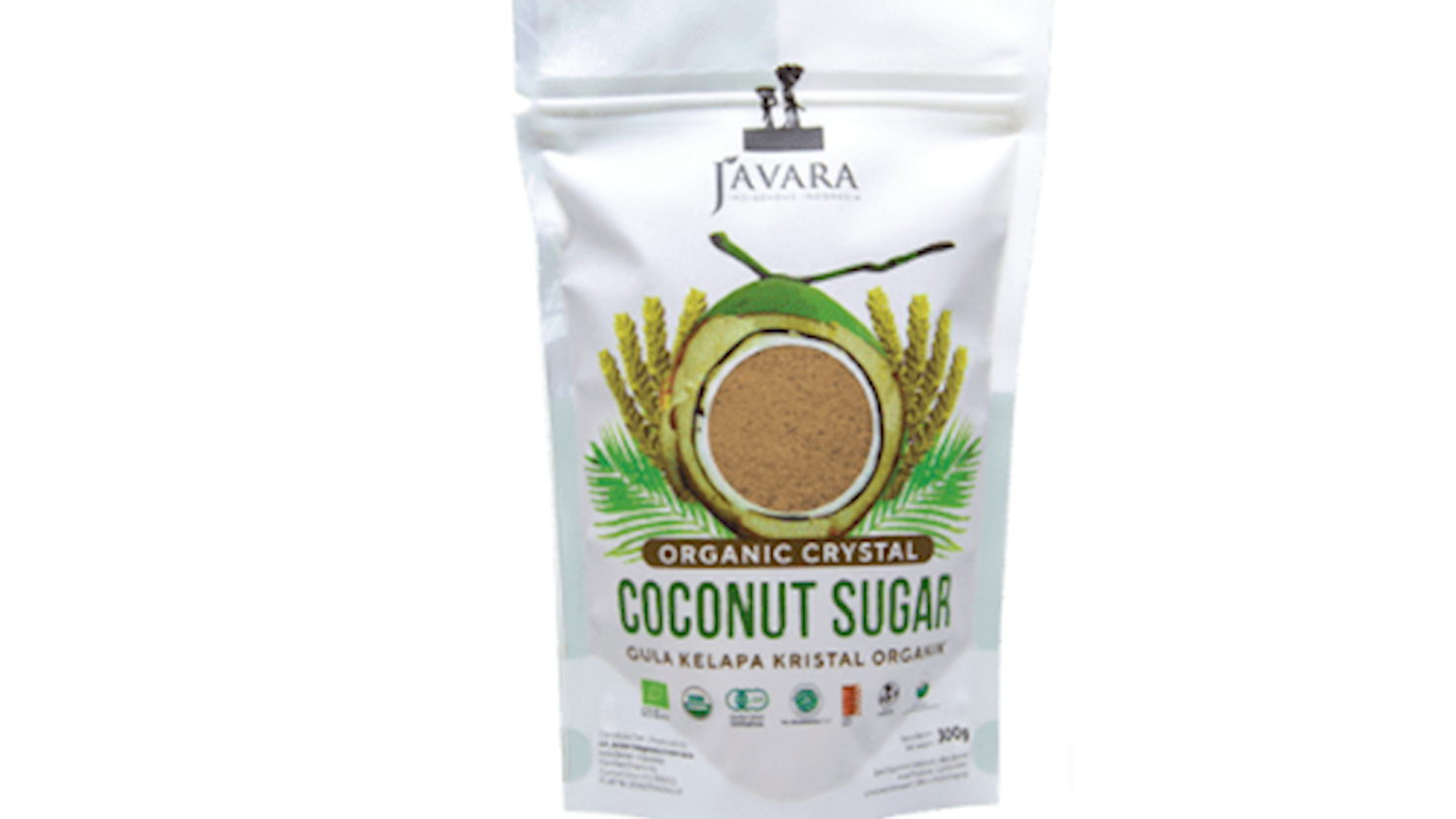
Javara is an Indonesian brand and social enterprise dedicated to preserving the country’s vast culinary biodiversity by bringing traditional, locally sourced foods to contemporary markets. The company works directly with thousands of small farmers, foragers, and artisans across the archipelago, offering products such as heirloom rice varieties, native grains, spices, coconut-based ingredients, natural sweeteners, herbal powders, and artisanal salts. Their approach emphasizes the protection of rare and indigenous food traditions while ensuring full traceability and sustainable production practices. Founded in 2008 by Helianti Hilman, Javara was created to empower rural communities and improve market access for small-scale producers. Today, the brand integrates training programs, entrepreneurship support, and ethical supply chains, positioning itself as a leading advocate of Indonesia’s food heritage and a bridge between traditional wisdom and modern culinary culture.
02

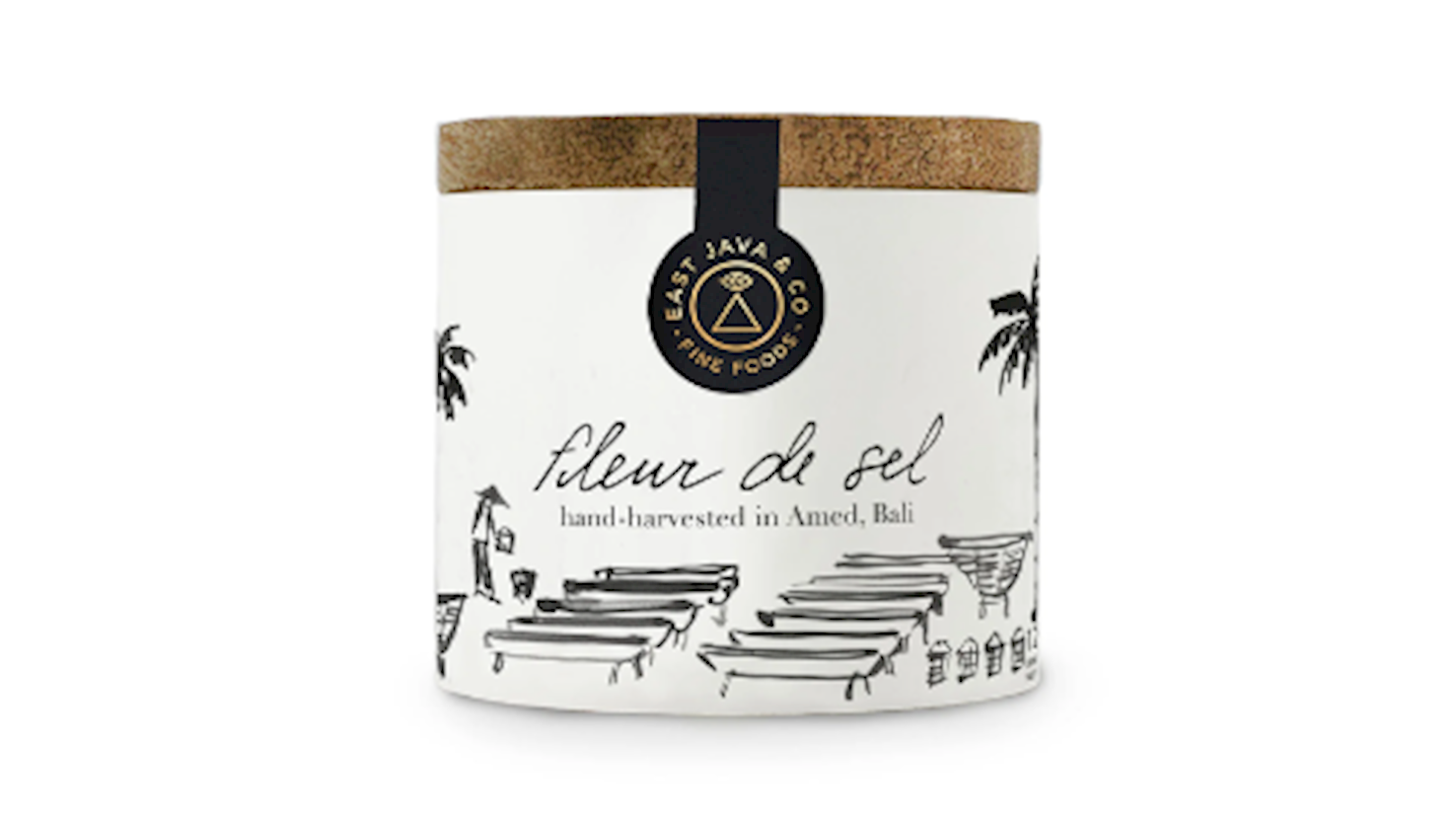
East Java

4.8 ·
East Java is an Indonesian brand dedicated to producing natural, organically grown foods with a clear focus on origin, ingredient purity, and artisanal processing methods. Their range includes spices, honey, teas, grains, salts, jams, and other products sourced from specific regions across the archipelago, following a strict “single origin” philosophy. The brand works closely with small producers who rely on sustainable agricultural practices and manual techniques, preserving authentic flavors while avoiding unnecessary industrial processing. East Java aims for every product to reflect its terroir - whether it’s aromatic spices from East Java, honey from tropical plantations, or fine sea salt from Indonesia’s coastal areas. Their commitment to quality, transparency, and ethical collaboration with local farmers makes these products a representative example of modern Indonesian gastronomy that seamlessly blends tradition, sustainability, and traceable provenance.
Awards
Great Taste Awards - 1 Star (2017)
03

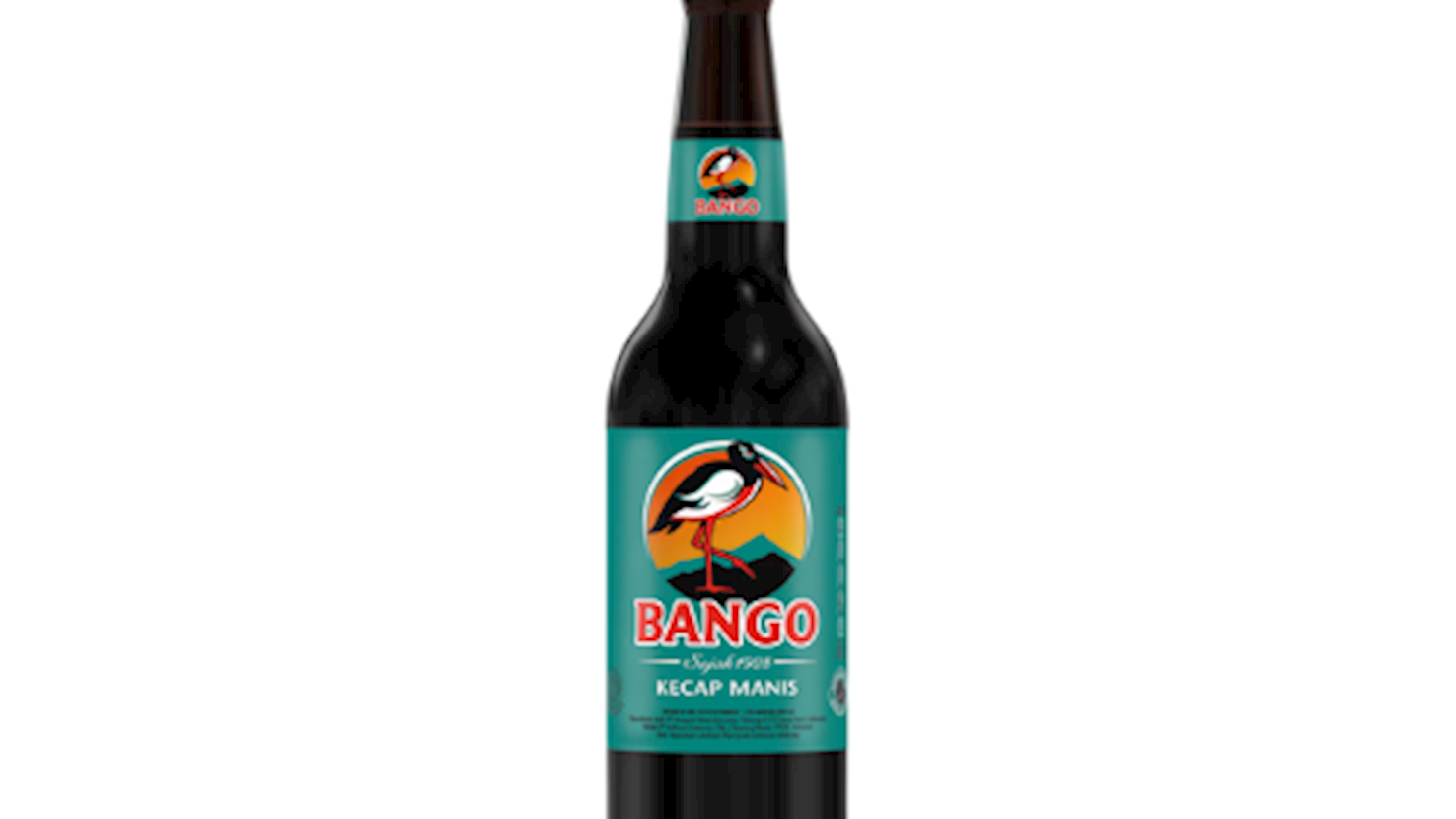
Bango

4.8 ·
Bango is one of Indonesia’s most iconic brands of kecap manis, the thick, sweet soy sauce that has been a staple of the country’s cuisine since 1928. It is made from just a few natural ingredients - mallika black soybeans, water, salt, and palm sugar - without artificial colors, flavor enhancers, or additives, which contributes to its clean, balanced flavor. The sauce is known for its syrupy texture, rich caramel notes, and pronounced umami profile, making it essential in marinades, stir-fries, grilled dishes, and a wide range of traditional Indonesian recipes. Now owned by Unilever Indonesia, Bango benefits from modern production standards and nationwide distribution while maintaining its original simplicity and character. For many, it represents the true taste of Indonesian cooking and remains a foundational ingredient in countless dishes.
04

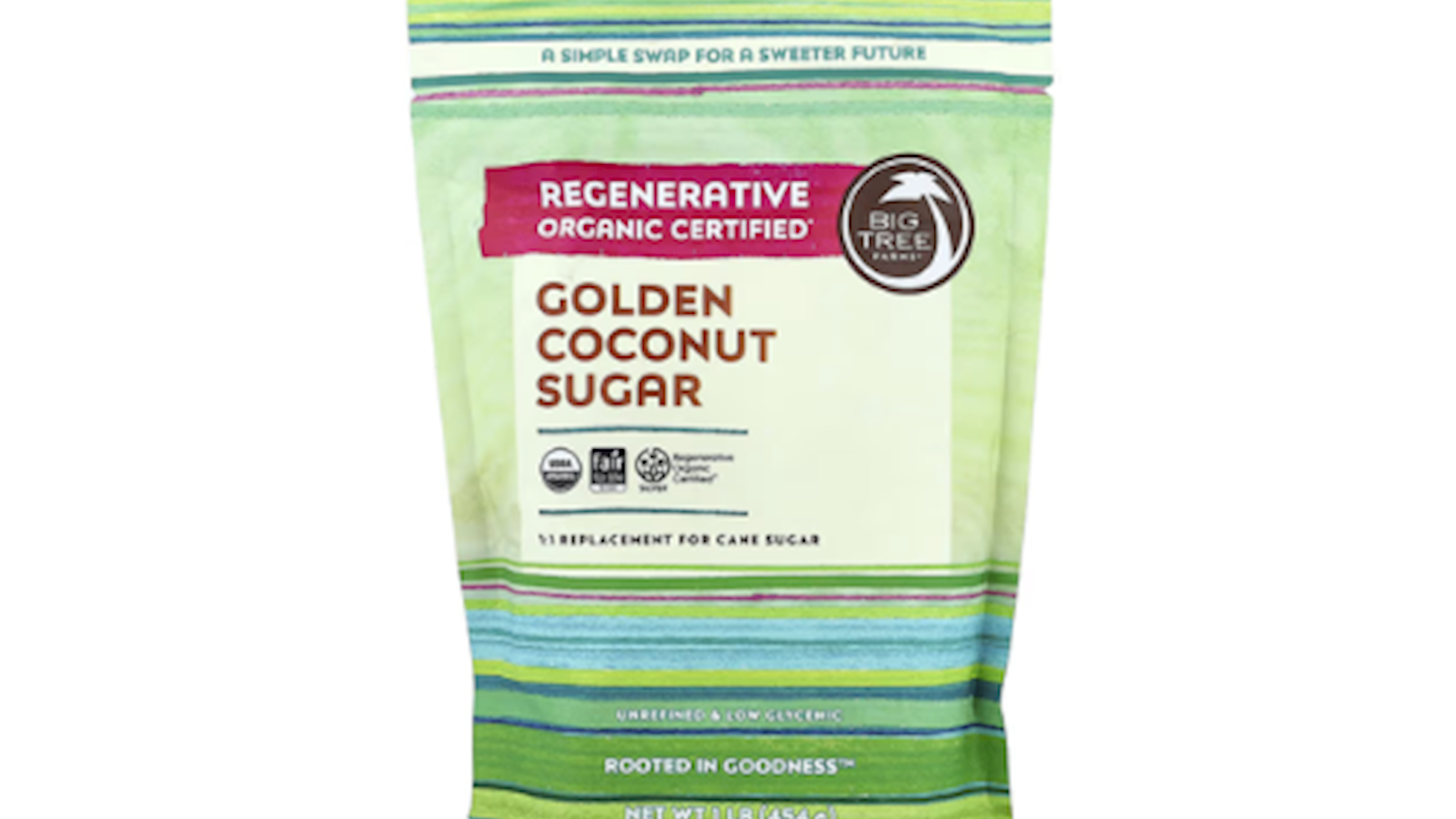
Big Tree Farms

4.8 ·
Big Tree Farms is an Indonesian brand built on principles of sustainability, ethical trade, and organic cultivation, best known for its coconut nectar–based products such as coconut sugar, syrup, and natural sweeteners. The company works with tens of thousands of small farmers across the archipelago, ensuring a transparent supply chain and fair purchasing practices that directly support local communities. Its assortment includes organic sweeteners, coco aminos, marinades, and other products inspired by traditional Indonesian cuisine. Big Tree Farms is recognized as one of the leading producers of coconut-based ingredients globally, with a mission to blend authentic local techniques with modern market demands while promoting regenerative agriculture and a responsible approach toward nature and community.
05

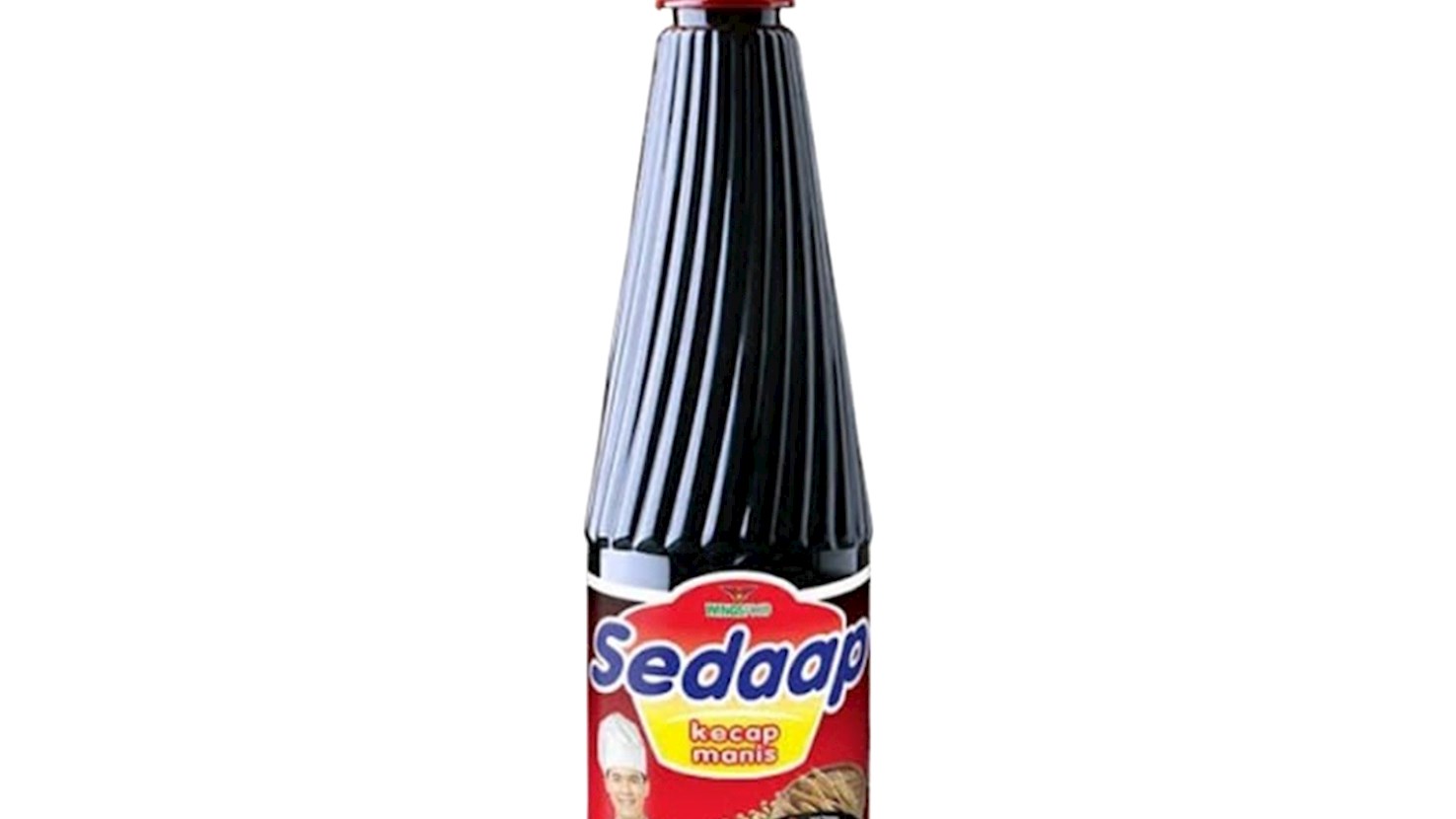
Sedaap

4.3 ·
Sedaap is a premium soy sauce brand crafted with care to deliver rich, authentic flavors. Known for its blend of quality ingredients and traditional Indonesian recipes, Sedaap is a versatile condiment perfect for enhancing a wide range of dishes. From stir-fries and marinades to dipping sauces, it brings a harmonious balance of sweetness and savory notes, making it a favorite choice for home cooks and culinary enthusiasts alike. Discover the essence of true Indonesian taste with Sedaap.
06

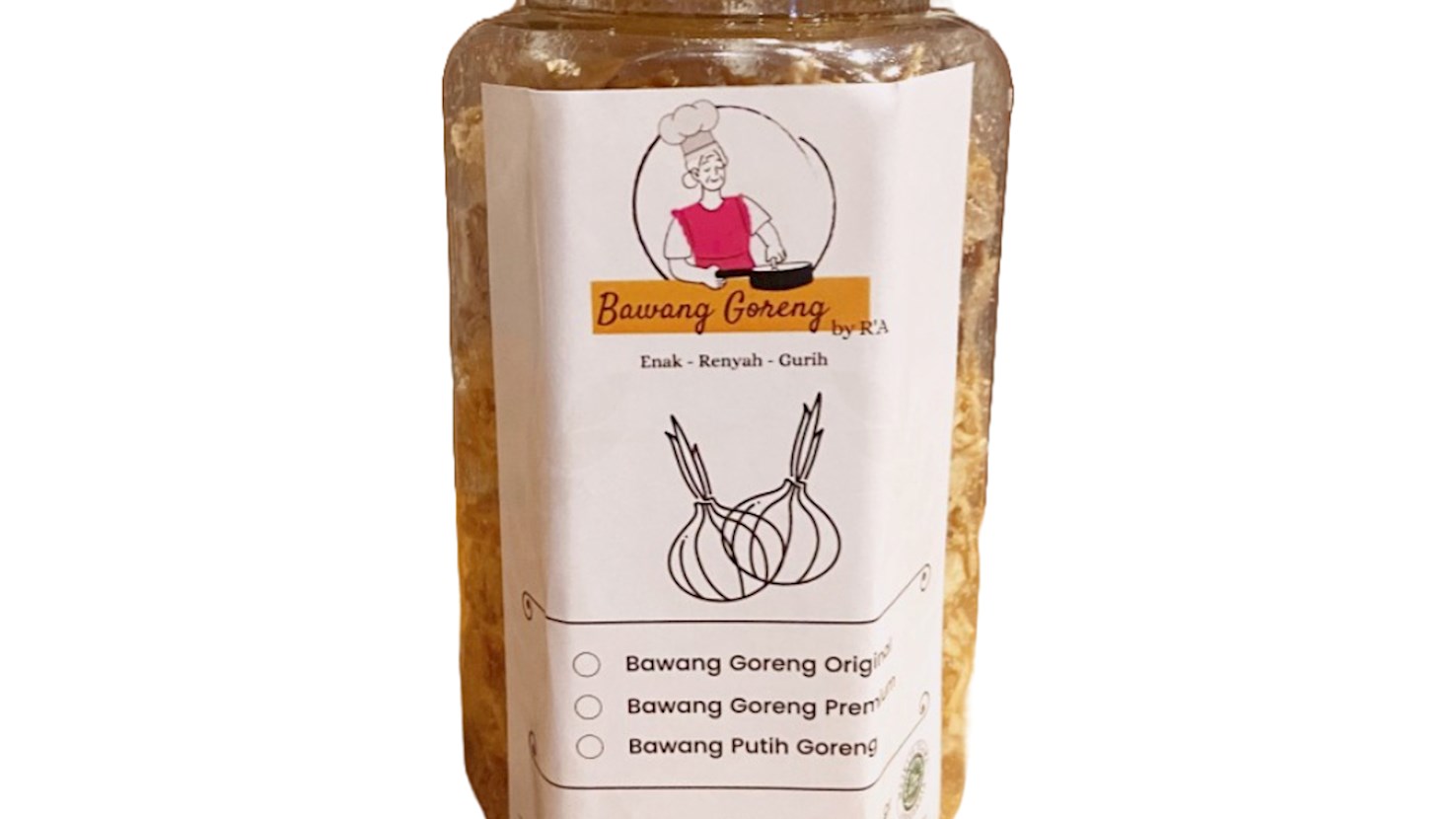
Bawang Goreng by R'A

4.3 ·
Bawang Goreng by R'A is a popular Indonesian snack made from crispy fried shallots. Known for its savory, slightly sweet flavor, this product is crafted from high-quality shallots that are thinly sliced and fried to perfection. Bawang Goreng by R'A is often used as a garnish or topping for various Indonesian dishes, such as nasi goreng (fried rice), soto (soup), or gado-gado (vegetable salad). It adds a delicious crunch and rich flavor to any meal. The product is widely appreciated for its authentic taste and the premium quality of the shallots used.
07

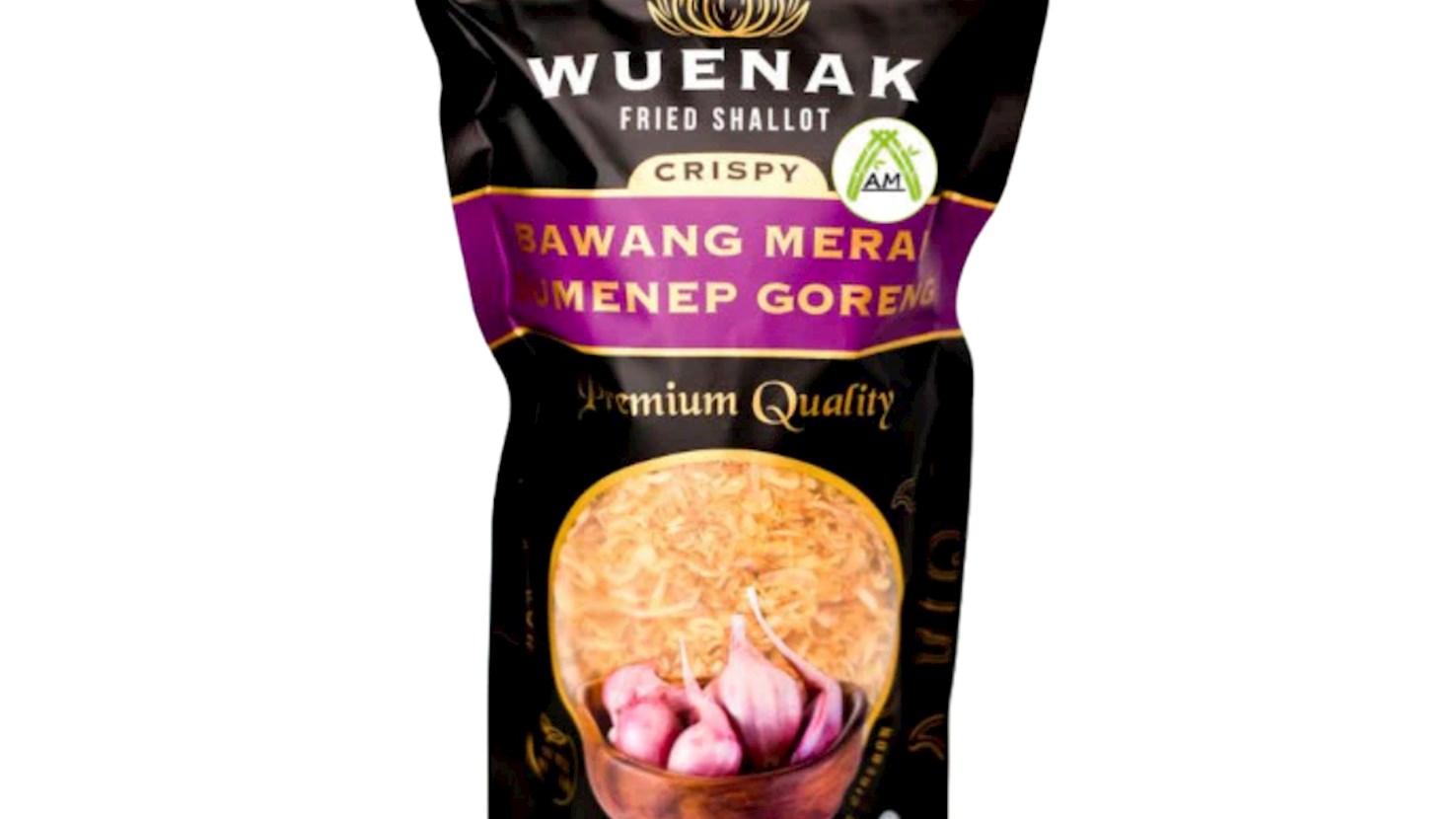
Bawang Goreng Wuenak

4.3 ·
Bawang Goreng Wuenak is a delicious Indonesian snack made from crispy fried shallots. The shallots are thinly sliced and fried to a golden-brown crisp, creating a savory and slightly sweet flavor. Known for its crunchy texture and rich aroma, Bawang Goreng Wuenak is commonly used as a garnish for traditional Indonesian dishes like nasi goreng (fried rice), soto (soup), and gado-gado (vegetable salad). Its authentic taste and high-quality ingredients make it a favorite snack and flavor enhancer in Indonesian cuisine.
08

UD Anugrah Jaya

4.1 ·
UD Anugrah Jaya is an Indonesian company, typically involved in the production or distribution of food products, such as snacks, sauces, or seasonings. While the specific products and services may vary, companies with similar names often focus on high-quality food ingredients and local specialties that cater to both domestic and international markets. UD Anugrah Jaya may operate in various sectors, including the food industry, by offering products that meet consumer demands for authentic flavors and traditional recipes.
09

Indofood

3.5 ·
Indofood is one of Indonesia's largest and most prominent food companies, specializing in a wide range of products including instant noodles, snacks, dairy, beverages, and packaged foods. Established in 1968, it has become a household name, with its flagship product being the iconic Indomie instant noodles. Indofood has a strong presence both in Indonesia and internationally, known for its high-quality food offerings and innovative production techniques.

Best Indonesian Condiment Types
01

Bawang goreng

4.6 ·

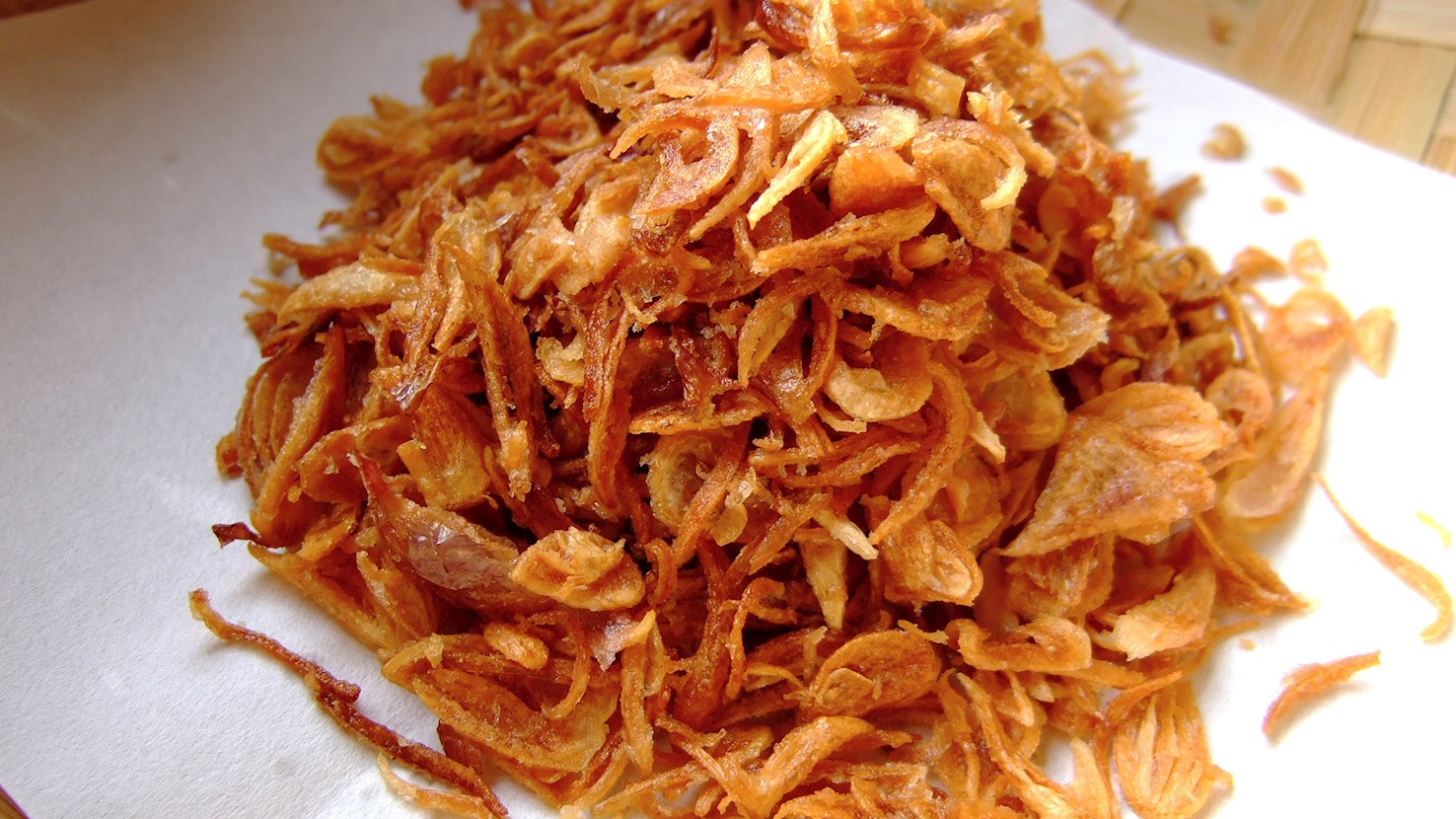
Bawang goreng is a traditional condiment. It's made by deep-frying thinly sliced shallots in oil until the shallots become crisp and golden. The flavor is described as bitter and savory. Once prepared, this condiment is usually stored in airtight jars for later use. It's sprinkled over various Indonesian dishes such as nasi goreng, chicken satay, bakso, semur, and sop buntut. Bawang goreng can be bought at most Indonesian supermarkets and grocery stores.

02

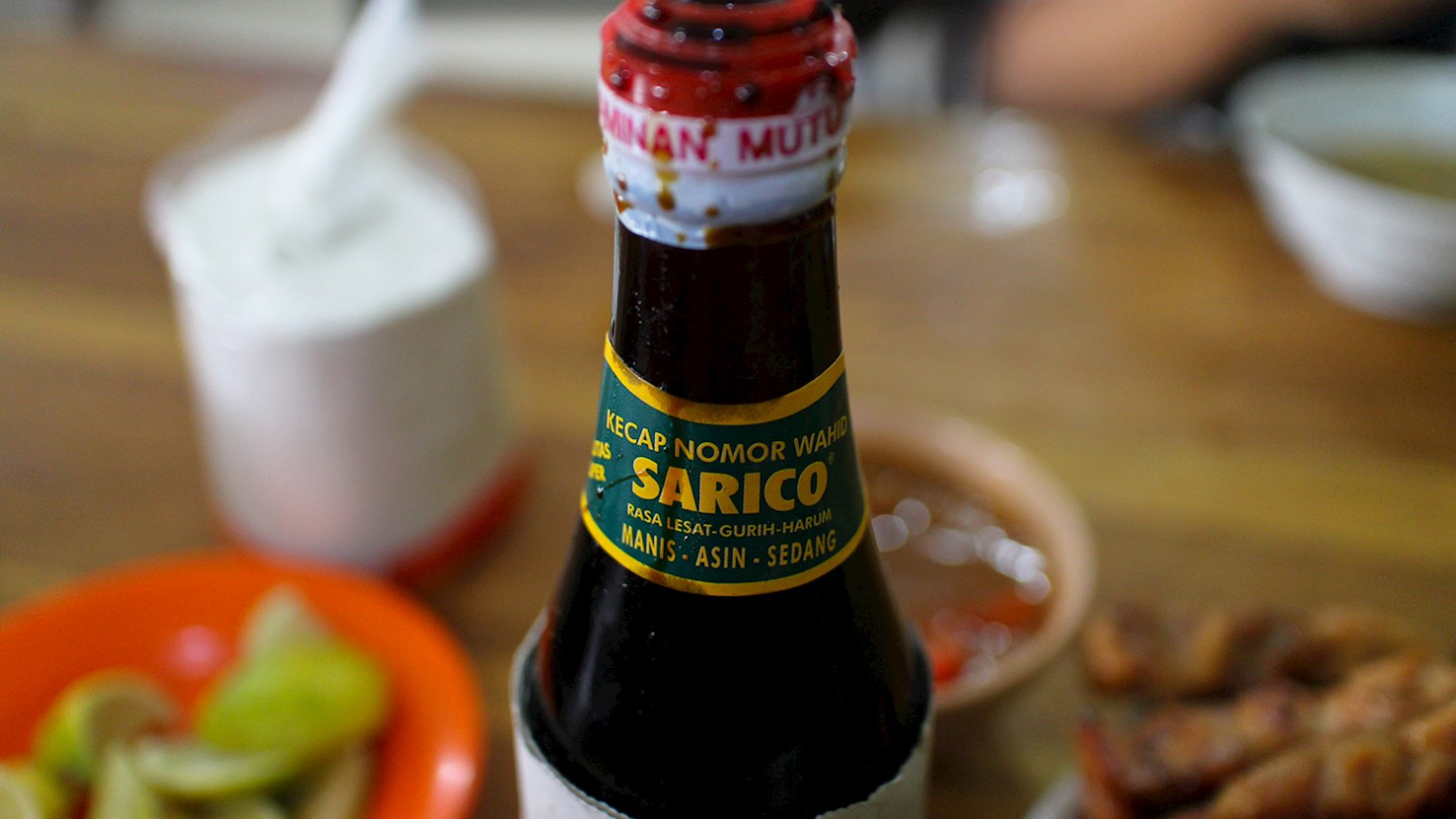
Kecap manis (Sweet soy sauce)

4.1 ·

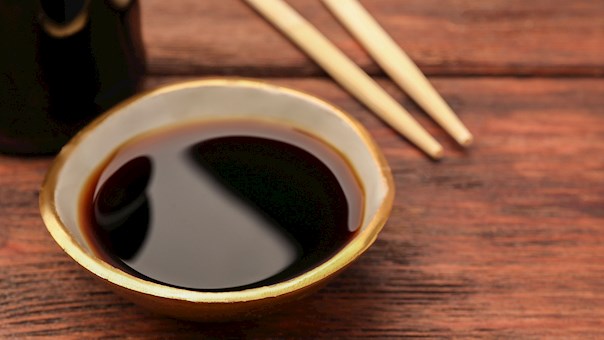
Kecap manis is a sweetened, syrupy soy sauce originating from the island of Java in Indonesia, distinguished by its high sugar content and viscous texture. The development of this condiment occurred following the introduction of soy sauce by Chinese immigrants to the Indonesian archipelago, where the local abundance of palm sugar led to the adaptation of the savory original into a sweet variant suited to the regional palate. By the mid-19th century, commercial production was established in cities like Tangerang and Kudus, utilizing specific local ingredients that deviated from continental Asian soy sauce formulas. Preparation begins with the standard fermentation of black soybeans and roasted grain in a brine solution using Aspergillus molds to create a savory base known as kecap asin. This liquid is then boiled with a high ratio of gula jawa, or coconut palm sugar, often reaching up to 50 percent of the final volume, which creates a thick, molasses-like consistency through caramelization and moisture reduction. During the boiling phase, aromatics such as star anise, galangal, lemongrass, and cloves are frequently added to the mixture to infuse it with botanical volatile oils. A specific property of kecap manis is its ability to act simultaneously as a seasoning and a glaze due to the high density of complex sugars which undergo the Maillard reaction rapidly when exposed to high heat. It is served as a fundamental base for marinades, a finishing glaze for grilled meats, and a table condiment. The sauce is consumed daily throughout Southeast Asia, forming the core flavor profile of national dishes such as nasi goreng and mie goreng, and is often served alongside sate as a dipping sauce combined with bird's eye chilies and shallots. Food pairings involve savory and spicy proteins like grilled chicken or lamb, where the sweetness of the sauce mitigates the heat of capsicum, and fermented soy products like tempeh. Beverage pairings include jasmine tea, which provides a floral astringency to cut through the sugar density, or refreshing citrus-based drinks like es jeruk to balance the deep, earthy umami of the caramelized soy.

03

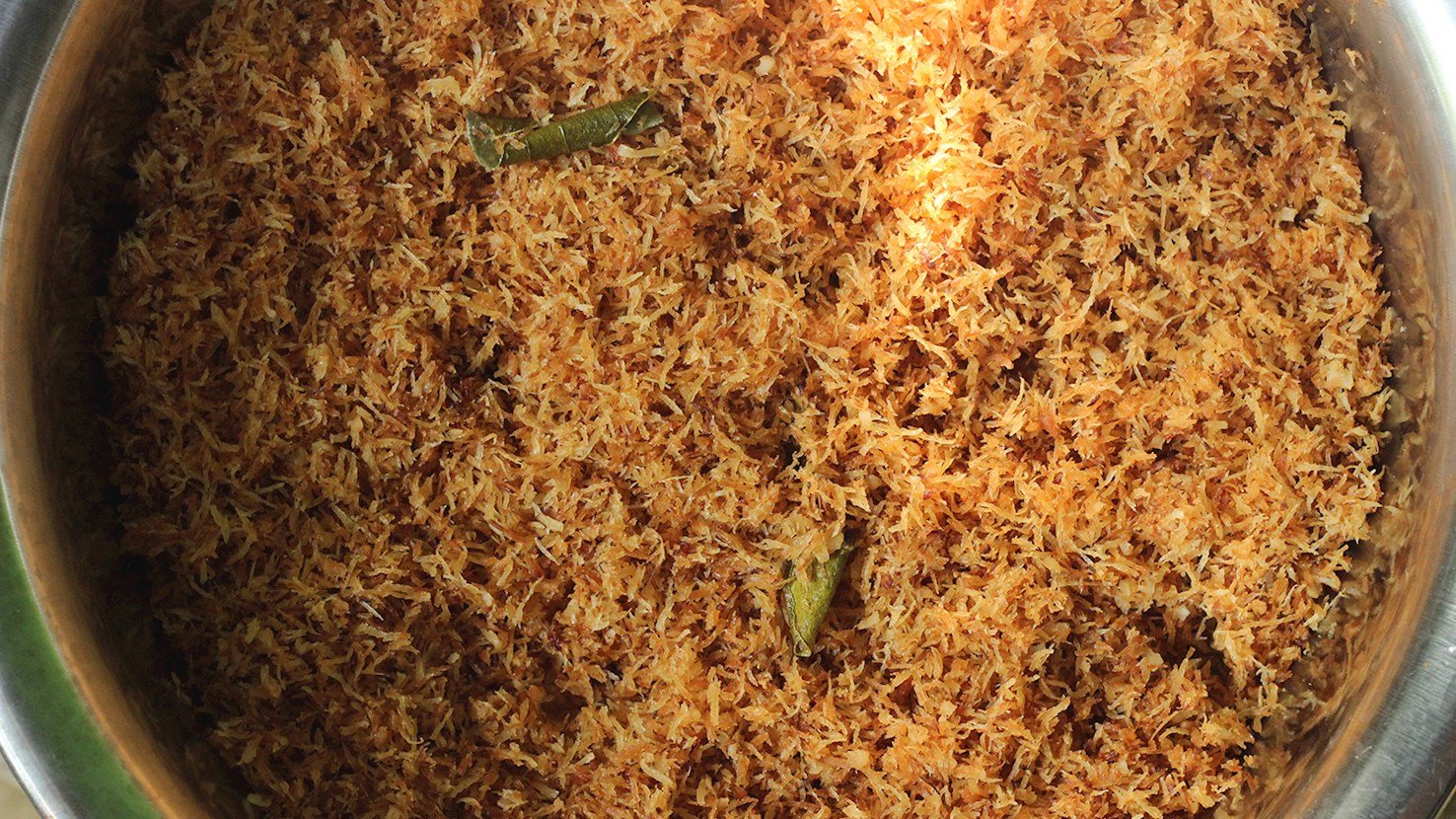
Serundeng

3.8 ·

Serundeng is an Indonesian condiment made from sautéed grated coconut, commonly found in Javanese and Sundanese cuisine, and used to enhance the flavor and texture of a variety of savory dishes. Originating from Java, where coconut-based ingredients play a central role in the culinary landscape, serundeng is both a flavorful garnish and a versatile side dish. It is typically made by slow-toasting fresh grated coconut in a pan along with a rich blend of spices such as garlic, shallots, galangal, coriander, turmeric, and makrut lime leaves, often with a touch of palm sugar for balance. The result is a fragrant, golden-brown mixture that is dry, slightly crisp, and deeply aromatic. Serundeng is usually served with rice and meat dishes, especially beef rendang, fried chicken, or grilled meats, where it adds a warm, nutty flavor and a satisfying contrast in texture. In some regional variations, it includes fried peanuts or shredded meat, turning it into a heartier accompaniment rather than just a topping. The seasoning can be adjusted to lean sweeter, spicier, or more savory, depending on local preference and the main dishes it complements. Despite its humble appearance, serundeng requires patience and attention, as the coconut must be stirred constantly during cooking to ensure even browning and prevent burning. In Indonesian households, serundeng is often made in batches and kept in airtight containers to be used over several meals, much like a spiced dry relish.

04

Cuka cabe

n/a ·

Cuka cabe is a chili vinegar condiment commonly found in Indonesian cuisine, particularly in dishes from Jakarta and other urban regions of Java. It consists of whole or chopped bird’s eye chilies soaked in clear vinegar, sometimes with added sugar, garlic, or salt, depending on the variation. The resulting liquid is sharp, spicy, and aromatic, used primarily to enhance noodle dishes such as mie kangkung, bakmi, or meatball soups like bakso. It offers a controlled way to add acidity and heat without introducing oil or altering the core broth or sauce of a dish. The origins of cuka cabe are closely tied to the influence of Chinese-Indonesian cooking, where vinegar and pickled chilies are often used as flavor enhancers. In the Indonesian adaptation, the condiment has become a staple at noodle stalls and home kitchens, appreciated for its ability to cut through the richness of gravies or broth. It is especially prominent in Betawi cuisine, where dishes like mie kangkung, soto mie, and sop iga are routinely paired with this vinegar to allow diners to customize the taste according to preference. Preparation of cuka cabe is simple and relies on a few ingredients. Fresh red or green bird’s eye chilies are the most common choice due to their small size and intense heat. They are usually soaked in either plain white vinegar or palm vinegar. In some recipes, a small amount of sugar is added to balance the sharpness, or crushed garlic is included to lend depth. The chilies may be pierced or sliced to infuse the liquid more quickly, and the mixture is left to rest for several hours or overnight before use. The resulting condiment is stored in a bottle or jar and can last for several weeks when kept refrigerated. The use of cuka cabe is typically personal and optional. It is placed on tables alongside other condiments such as soy sauce, sambal, and fried shallots. A few spoonfuls of the vinegar can brighten the flavor of an otherwise rich or salty dish, while the chilies themselves can be eaten whole for an added burst of heat. Because it contains no oil, it is especially suited for clear soups and dishes where a clean, acidic contrast is desired.

05

Gula Jawa

n/a ·

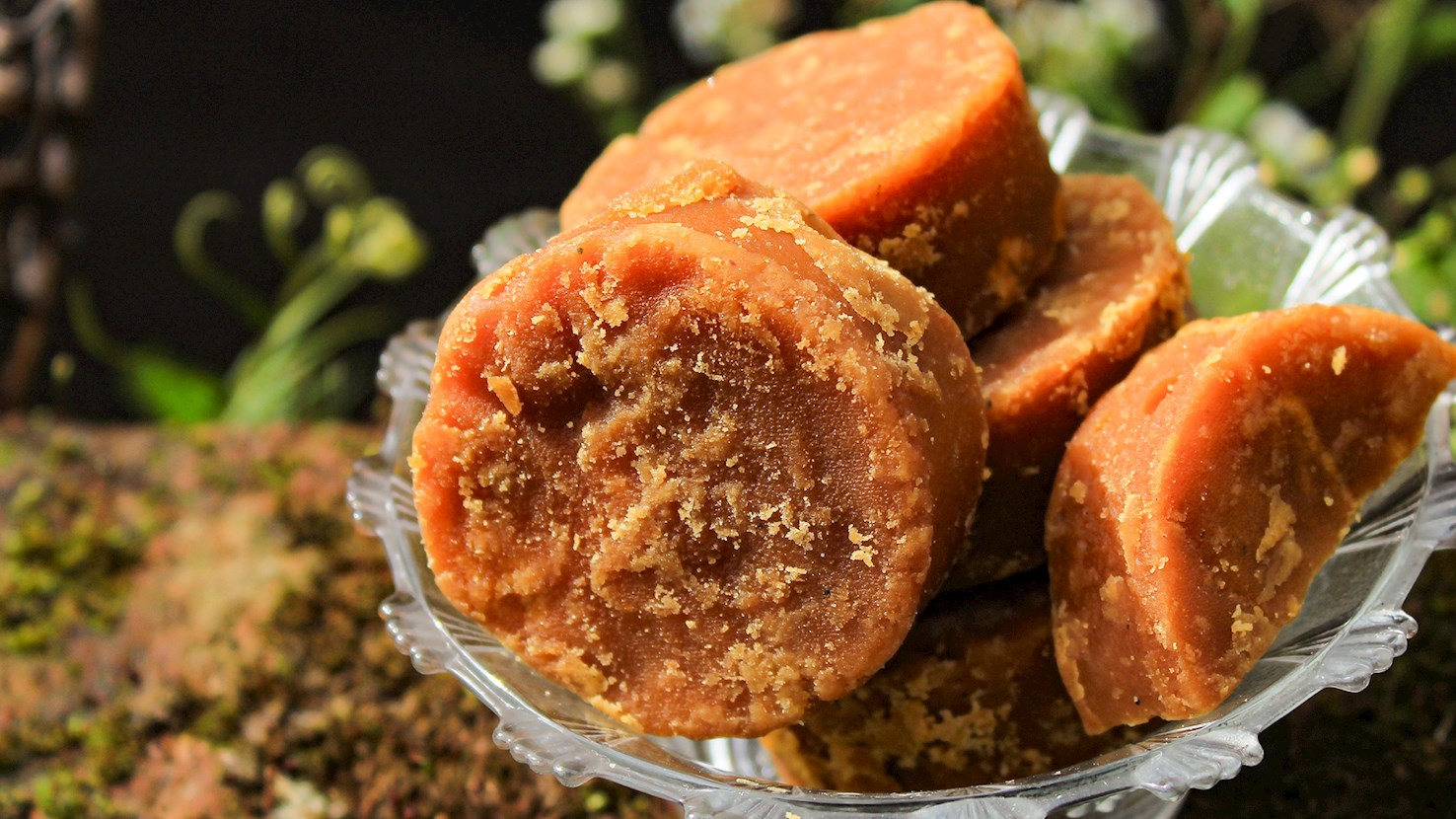
Gula Jawa is a traditional Indonesian palm sugar, most commonly made from the sap of coconut palm trees, and it’s widely used across Java, hence the name, which literally means "Javanese sugar." Though it is often confused with gula aren (sugar palm sugar), gula Jawa usually refers to palm sugar derived from coconut sap (lat. Cocos nucifera), giving it a slightly different taste and texture. The sap is collected by tapping the flower buds of the coconut palm, then boiled until it thickens and solidifies. The resulting sugar is typically formed into round blocks, discs, or cylinders. Gula Jawa has a light to medium brown color, a mildly sweet and toffee-like flavor, and a smooth, mellow aroma, making it highly versatile in both sweet and savory Indonesian dishes. It’s a key ingredient in classics like semur (sweet soy-braised dishes), opor ayam, satay sauces, klepon, and cendol. Compared to gula aren, which has a darker, smokier, and more complex flavor, gula Jawa is generally lighter and more delicate. In some regions or markets, the terms gula Jawa and gula kelapa (coconut sugar) may be used interchangeably, since both are usually made from coconut sap. However, in Javanese cooking, gula Jawa often implies a specific regional style and form, tied closely to Java’s culinary identity.

06

Gula aren

n/a ·

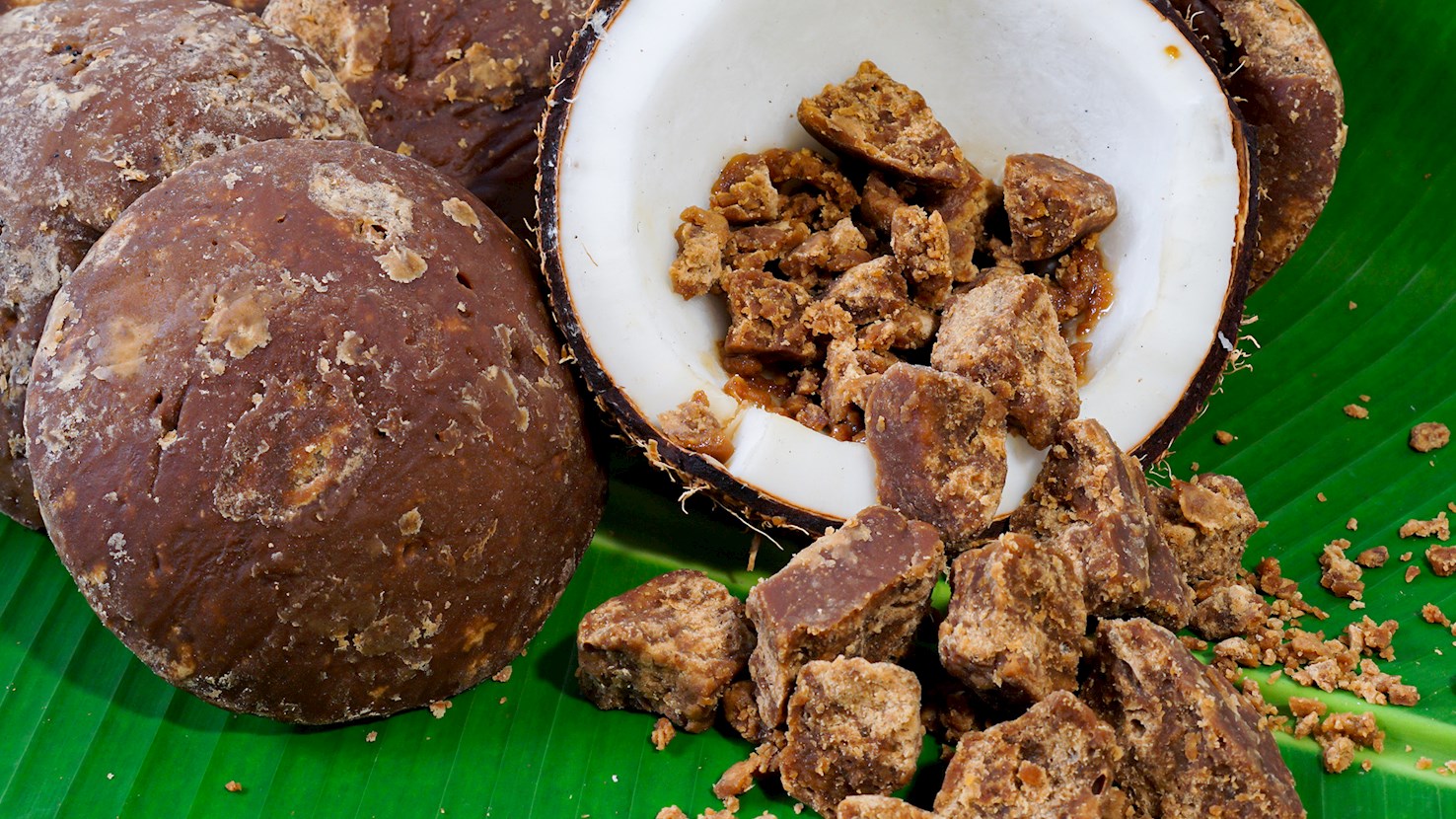
Gula aren is a traditional Indonesian sweetener made from the sap of the aren palm tree (lat. Arenga pinnata), also known as the sugar palm. It is a type of palm sugar, but it stands out for its rich, smoky, and deeply caramelized flavor, often considered more intense and earthy than other varieties like coconut sugar or Thai palm sugar. To make gula aren, farmers climb the sugar palms to tap the sweet sap from the flower stalks. This sap is then boiled down slowly over a wood fire until it thickens and darkens into a syrup or solidifies into blocks, cones, or discs. The process is labor-intensive and deeply traditional, often passed down through generations in rural parts of Java and Sumatra. Gula aren has a dark brown color, slightly sticky texture, and complex flavor profile that includes notes of molasses, coffee, smoke, and burnt sugar. It is widely used in Indonesian desserts and drinks such as bajigur, cendol, kolak, and serabi, and is sometimes eaten on its own or used as a glaze. Unlike refined sugar, gula aren retains more of its natural minerals and is considered less processed, although it is still very sweet. Its flavor is irreplaceable in many Indonesian recipes, and while similar products exist, like coconut sugar (gula kelapa) or gula Jawa, gula aren has a distinct identity rooted in its tree source and artisanal production.

07

Kecap ikan

n/a ·

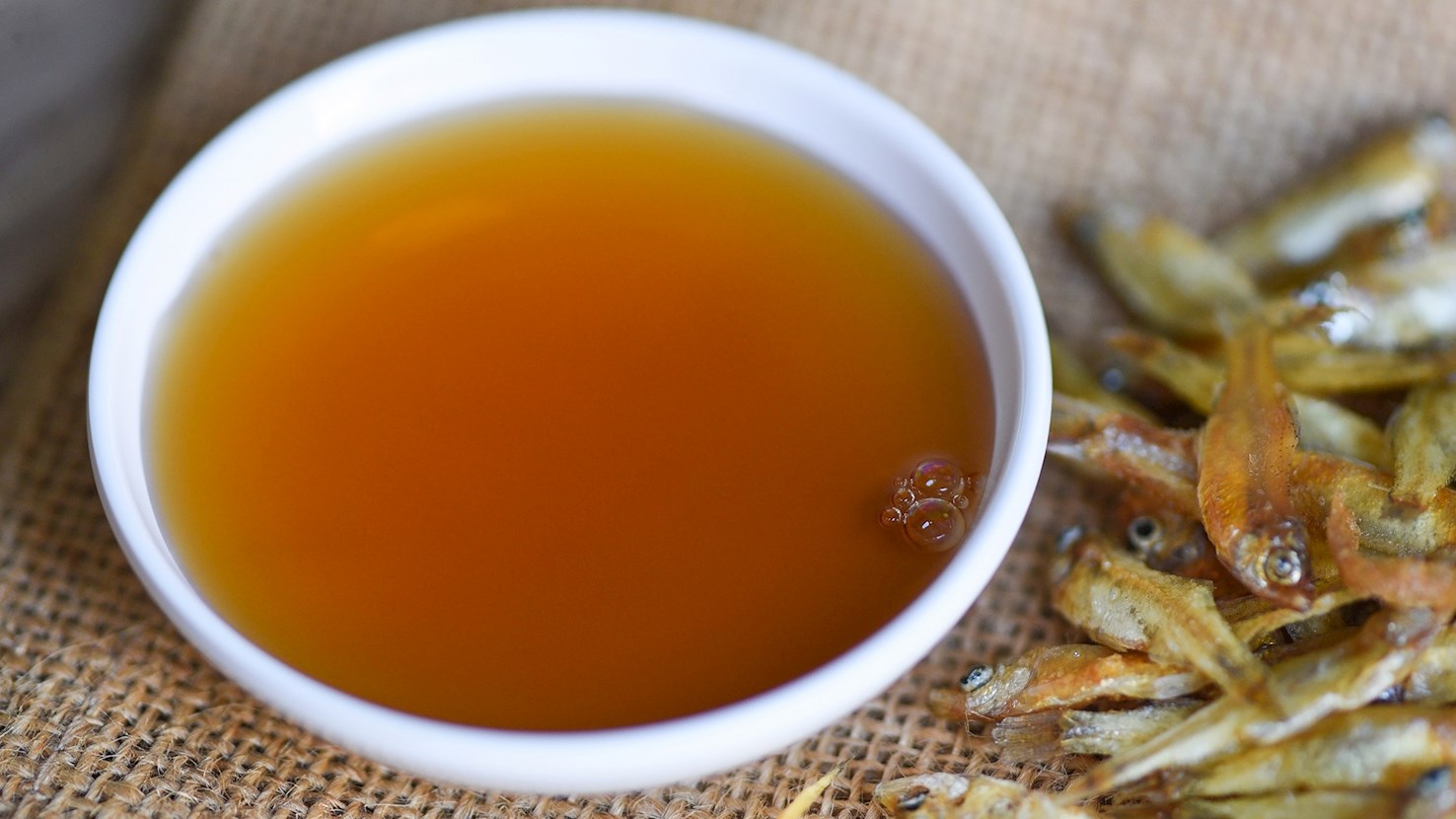
Kecap ikan is Indonesia's version of fish sauce, a salty and umami-rich condiment made from fermented fish and salt. It is less commonly used in Indonesian cuisine compared to kecap manis (sweet soy sauce) or terasi (shrimp paste) but is still found in certain coastal and seafood-based dishes. The process of making kecap ikan involves small fish, such as anchovies or mackerel, being mixed with salt and left to ferment for several months, usually between six to twelve months, in large wooden barrels or clay pots. During fermentation, the natural enzymes break down the fish, releasing liquid that is later filtered and bottled as fish sauce. The resulting product is a thin, amber-colored liquid with a strong aroma and deep umami flavor. Kecap ikan is mostly used in seafood dishes, soups, and sambal to enhance their savory taste. It is more commonly found in coastal areas like Bali, Manado, and Sumatra, where seafood is a staple. While Indonesia produces its own fish sauce, Thai and Vietnamese fish sauces are often used as substitutes due to their wider availability.

08

Garam Amed Bali

n/a ·

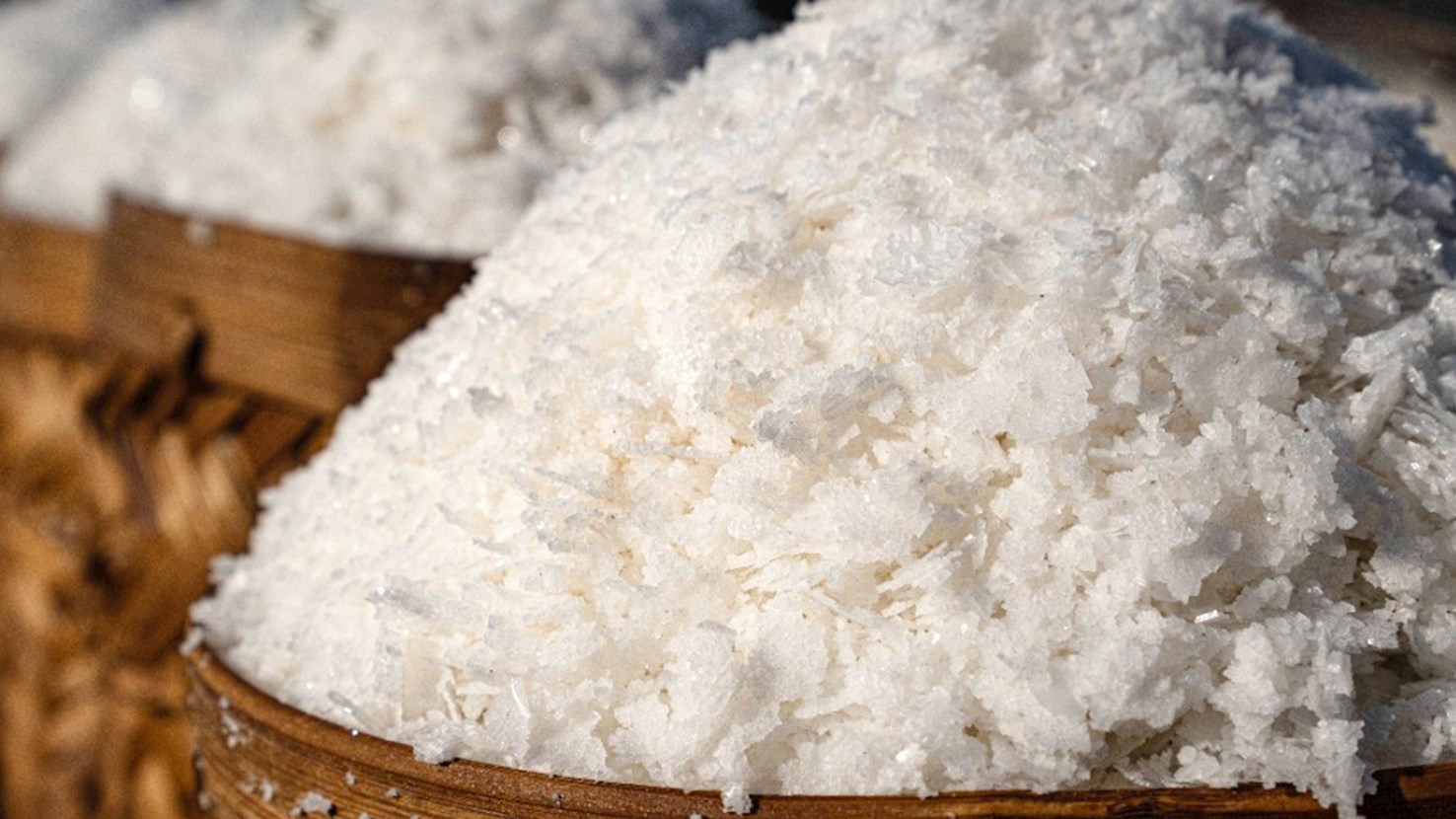
Garam Amed Bali is hand-harvested, unrefined, and free from additives sea salt from Amed on the Indonesian island of Bali. Garam Amed Bali consists of cube and tetragonal-shaped crystals and is white, shiny, and savory with a unique old wood fragrance. It is unrefined, unwashed, and additive-free, characterized by a crunchy and crispy texture. Bunga Garam Amed Bali features light and fine salt flakes that dissolve easily, ideal for use as table salt. Both salts have a strong saltiness without bitterness and share a similar mineral composition, including high sodium chloride content and trace minerals like copper and magnesium.

09

Tauco

n/a ·

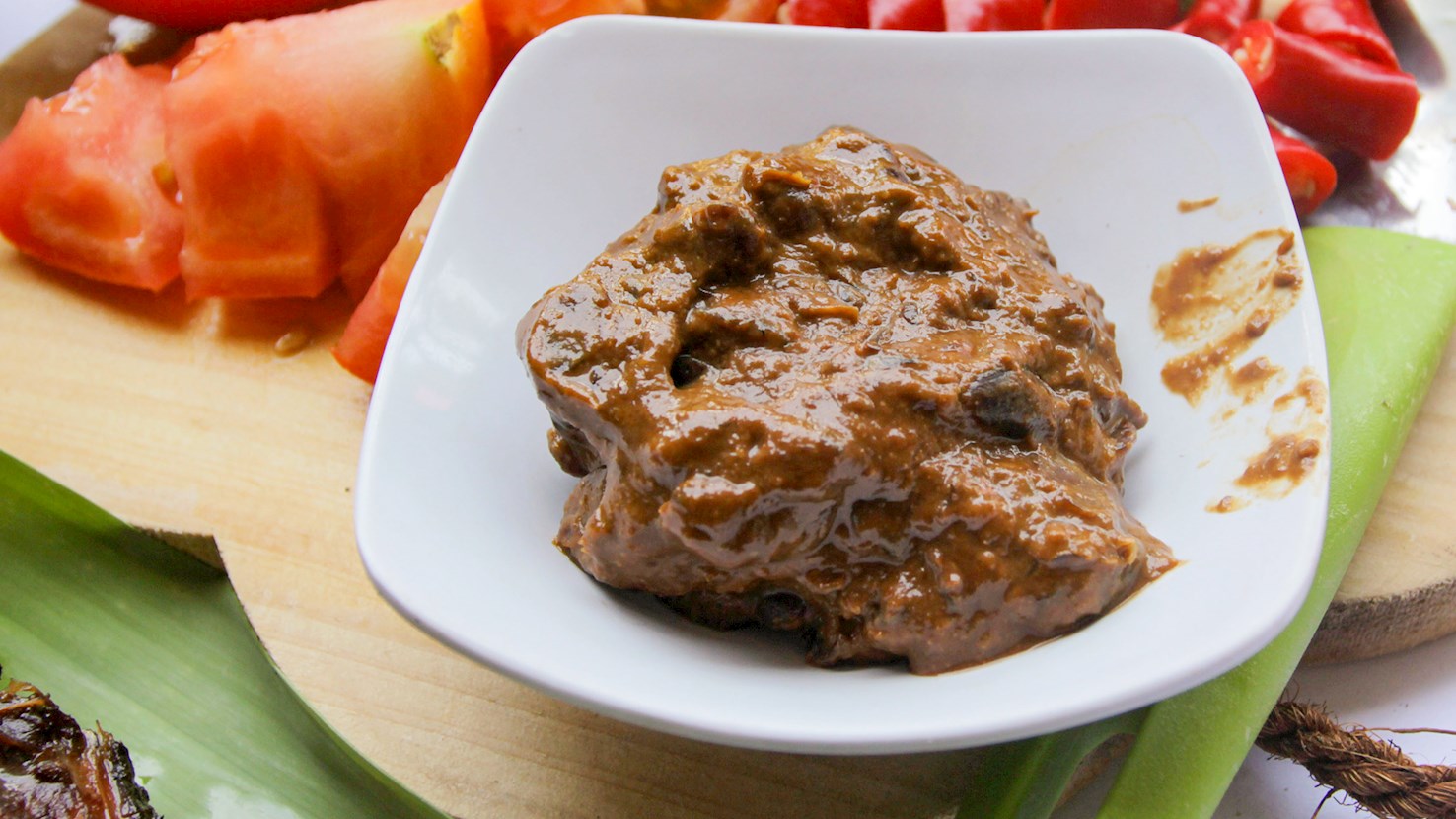
Tauco or Taucu is a fermented soybean paste deeply rooted in the culinary traditions of Indonesia and Malaysia, with strong influences from Chinese Hokkien immigrants. It is particularly popular in regions such as West Java (notably among the Sundanese) and Makassar in South Sulawesi, where it plays an essential role in signature dishes like Coto Makassar and tumis tauco (tauco stir-fry). Tauco is made from yellow soybeans that are boiled, inoculated with a natural mold (typically Aspergillus species), and left to ferment for several days. The fermented beans are then mixed with a salt solution and aged further (often in large clay or ceramic jars exposed to sunlight) allowing the complex biochemical transformation that gives tauco its pungent aroma and savory, almost meaty flavor. The result is a chunky, golden-brown paste or sauce with a deeply umami taste, balancing saltiness with faint sweetness and a touch of bitterness. Unlike smooth East Asian counterparts like Japanese miso or Korean doenjang, tauco tends to retain whole or half-crushed soybeans, giving it a more rustic and robust texture. It's highly aromatic, and while its smell can be quite strong when raw, cooking mellows it and brings out its depth. In cooking, tauco is used to flavor a wide range of dishes: it can be sautéed with garlic, chilies, and tomatoes to make sambal tauco; added to stews for richness and umami; or used as a seasoning base for vegetables, tofu, tempeh, beef, or seafood. In Sundanese and Peranakan kitchens, it is often paired with tamarind, lime, or palm sugar to balance its intensity. Tauco is available commercially in jars or bottles, but some families still make their own, especially in rural or traditional settings. Because of its intense flavor, it’s used sparingly—just a spoonful can transform a simple stir-fry into something deeply savory and satisfying.

10

Kecap asin

n/a ·

Kecap asin is a salty, thin-bodied fermented soy sauce, specifically developed as the savory counterpart to the country's sweet soy varieties. The emergence of this condiment is linked to the migration of Hokkien settlers to the Indonesian archipelago, who brought the fundamental techniques of soybean brine fermentation that were later localized using regional raw materials. While similar in function to Chinese light soy sauce, its specific development in Java and Sumatra was influenced by the availability of black soybeans and the specific microbial environment of the tropical maritime climate. Preparation begins with the cleaning and boiling of soybeans, which are then inoculated with a fungal starter culture, typically Aspergillus oryzae, to initiate a solid-state fermentation process known as moromi. The resulting mixture is submerged in a high-concentration saltwater brine and aged in large vats for several months, during which time the complex proteins are hydrolyzed into savory amino acids and peptides. Once the fermentation reaches the desired chemical profile, the liquid is extracted, filtered, and pasteurized without the addition of the palm sugar characteristic of kecap manis. A specific property of kecap asin is its relatively high sodium content and low viscosity, which allows it to function as a direct salt substitute that also provides a deep umami base. A unique technical aspect of the Indonesian salty soy sauce is the frequent use of black soybeans, which results in a slightly different phenolic and antioxidant profile compared to the yellow soybean sauces of East Asia. The condiment is served as a foundational seasoning in cooking and as a table side dip, often modified with sliced bird's eye chilies or lime juice. It is eaten as a critical component in Indonesian-Chinese fusion dishes such as bakmi (wheat noodles), cap cay (stir-fried vegetables), and various seafood preparations where it enhances the natural salinity of the ingredients. Food pairings include lean proteins like steamed fish and white poultry, as well as neutral-flavored starches that absorb the thin liquid efficiently. Beverage pairings involve crisp, acidic drinks such as iced calamansi juice or unsweetened jasmine tea, which help to balance the high salt concentration of the fermented soy on the palate.

Read more
View all
View map
About this ranking

TasteAtlas food rankings are based on the ratings of the TasteAtlas audience, with a series of mechanisms that recognize real users and that ignore bot, nationalist or local patriotic ratings, and give additional value to the ratings of users that the system recognizes as knowledgeable. For the “Top 13 Indonesian Condiments” list until June 02, 2026, 264 ratings were recorded, of which 176 were recognized by the system as legitimate. TasteAtlas Rankings should not be seen as the final global conclusion about food. Their purpose is to promote excellent local foods, instill pride in traditional dishes, and arouse curiosity about dishes you haven’t tried.

The initial list of top producers was compiled based on available reviews, awards, local recommendations, media and blog coverage, and consumer reviews. The list will be updated with ratings from TasteAtlas local ambassadors and TasteAtlas users.

Similar lists