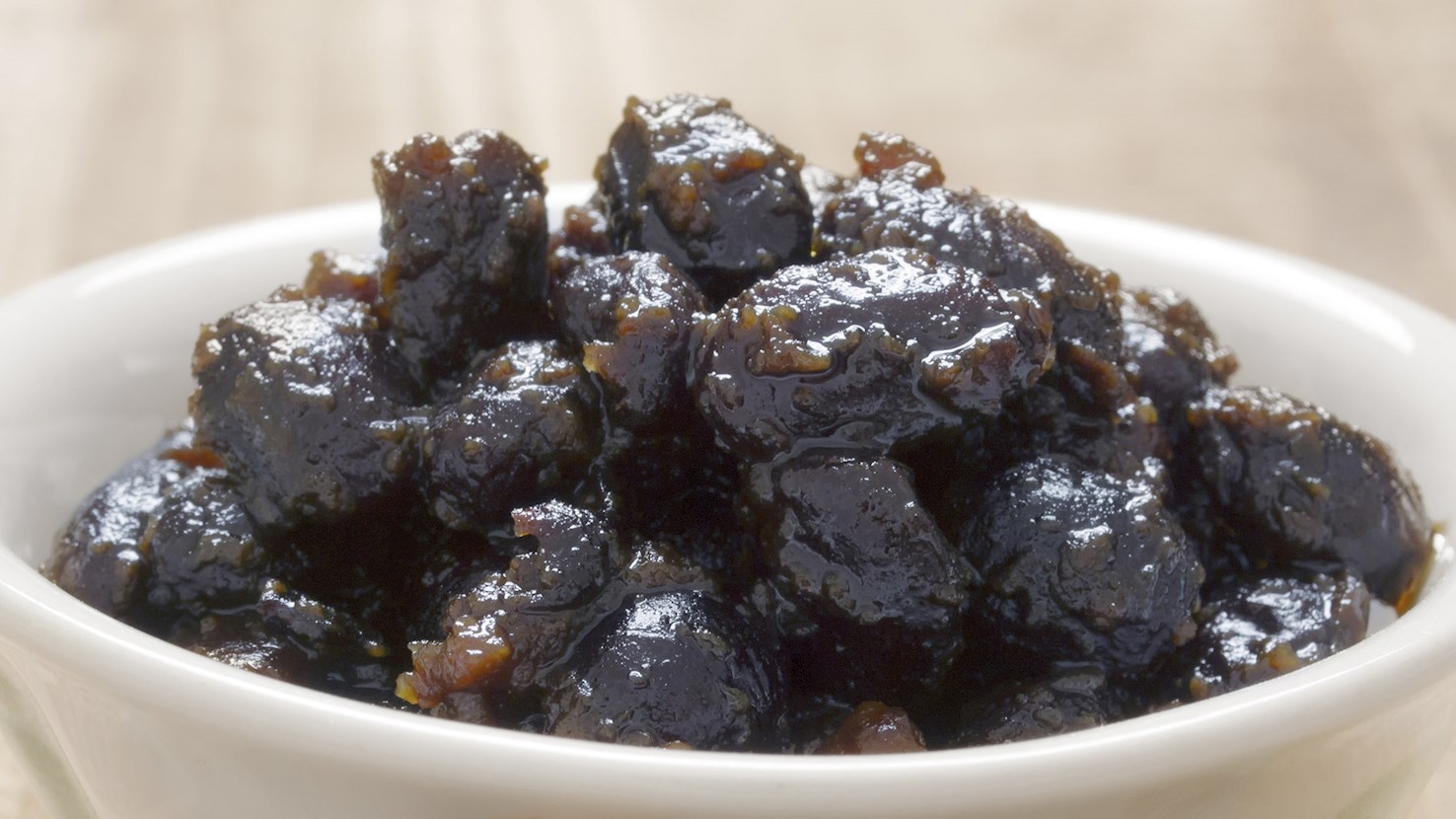
Also known as Chinese fermented black beans, douchi is an indispensable part of Chinese cuisine. The black soybeans are heavily salted and fermented, resulting in an extremely salty ingredient with a robust and pungent flavor. They are rarely eaten plain and are usually used in classic Chinese dishes as a condiment or a seasoning. Since their taste resembles a mix of soy and fish sauce, they are often added to provide a unique flavor to Chinese culinary classics. In the cooking process, they develop a slightly sweet taste, which is a perfect match for stir-fry dishes, rice, and various Chinese sauces. They are also common in meat dishes and classic Chinese soups, in which they enhance the freshness of other ingredients and provide a sharp background flavor. It is believed that douchi has been used in Chinese cuisine for centuries, with the earliest written mention dating back to 173 BC. There are also numerous products created with this unusual ingredient, the most famous of them being black bean sauce, which is also one of the key ingredients in classic Chinese cuisine. Nowadays, packed douchi can be found in stores and supermarkets across China and in many international supermarkets around the world.
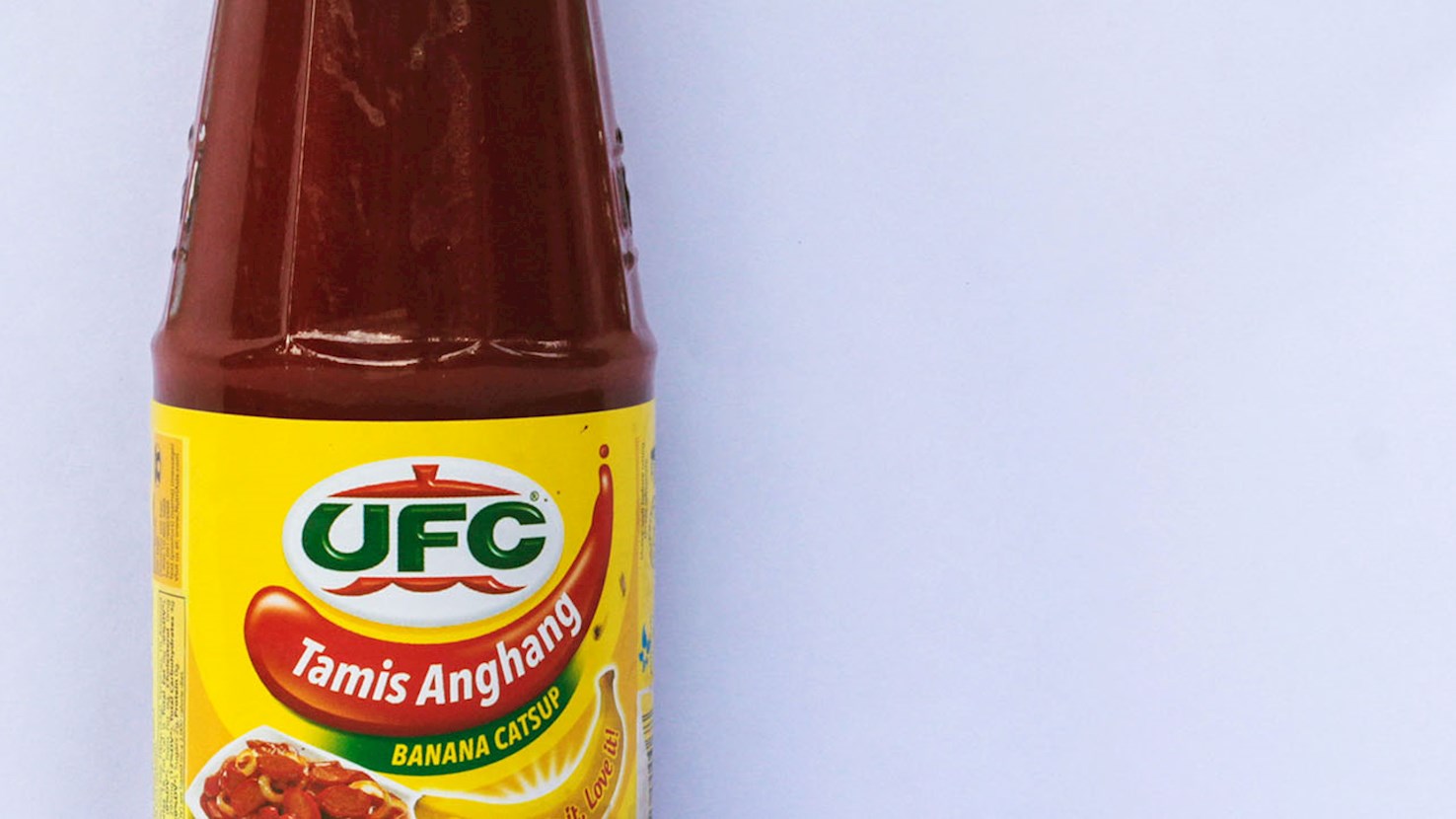
Banana ketchup is a popular condiment originating from the Philippines. Some say that it was derived from tomato ketchup, while others claim that it's an evolution of banana sauce. It's made with a combination of mashed bananas, vinegar, sugar, and various spices. During World War II, due to the fact that there was a lack of tomatoes and an abundance of bananas, this condiment was created to use with dishes such as hot dogs, french fries, omelets, hamburgers, and barbecued pork or chicken. Banana ketchup is rarely used in meals as an ingredient, with the exception of Filipino spaghetti, consisting of spaghetti, banana ketchup, and sliced hot dogs.
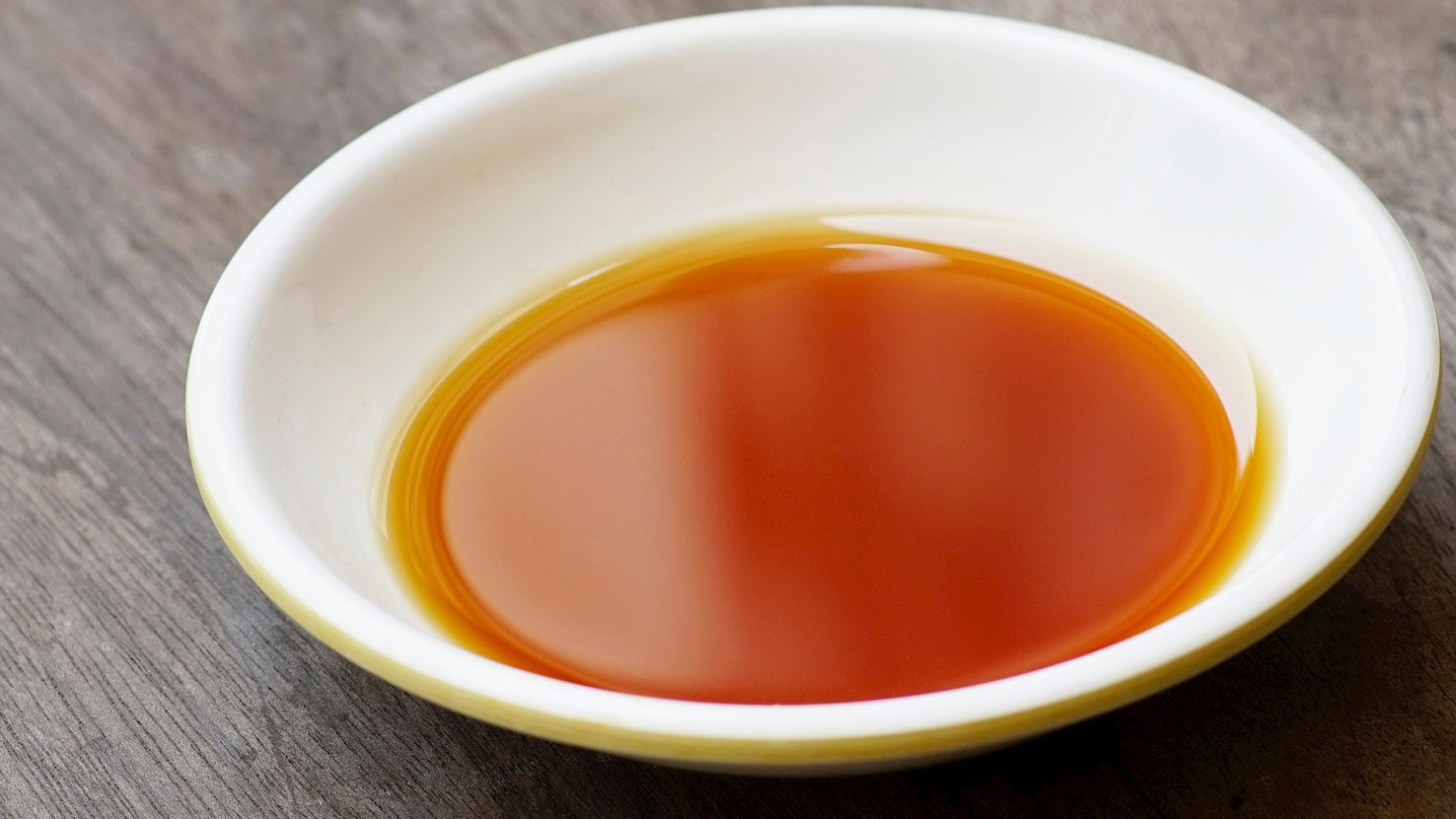
Patis is a traditional fish sauce, widely used in Philippine cuisine as a seasoning or condiment. It is made by fermenting fish and salt together, resulting in a clear, amber-colored liquid that imparts a distinct umami flavor to dishes. The process of making patis involves allowing the fish mixture to ferment for several months, during which the fish breaks down, and the liquid that forms is then strained and bottled. Patis is used to enhance the taste of many Filipino dishes, including soups, stews, and marinades, adding depth and a salty, savory flavor profile. It's comparable to other fish sauces used in Southeast Asian cooking, such as Thai nam pla and Vietnamese nuoc mam, though each has its unique taste characteristics. Given its strong flavor, patis is typically used in moderation, often as a dipping sauce mixed with calamansi juice (a type of citrus) and chili, or added during the cooking process to season dishes.
Asín tibuok is a rare and traditional Filipino artisanal sea salt produced by the Boholano people. The appearance of asín tibuok is quite unique, often compared to a dinosaur egg due to its shape and texture. The method used for its preservation and creation dates back to before the Spanish Colonization of the Philippines over 500 years ago. The seawater is filtered through ashes, which gives it a distinctive flavor profile that is sharp, earthy, and has mild smoky undertones. Asinderos, or the group of salt makers, recognize that the asín tibuok is ready when the clay pot used in the production cracks to reveal the round bottom of the salt, which at this point, has solidified and filled the pot. It can then be broken into chunks and grated over food. The salt is known to turn pinkish in color due to the intense heat during its production process, but it turns white when washed with water. Its texture is described as smooth, with small granules.
Toyò is a Filipino fermented soy sauce, characterized by its salty profile and deep brown color. The development of this condiment is linked to the historical trade routes between Fujianese merchants and the Philippine archipelago, where the Chinese shèng chóu was adapted to local environmental conditions and taste preferences. Over several centuries, Filipino producers shifted toward a production method that emphasizes a higher salt concentration and a more pronounced savory intensity to suit the tropical climate and the local diet. Preparation typically involves a two-stage fermentation process beginning with the koji phase, where soybeans and wheat flour are inoculated with Aspergillus oryzae. This is followed by the brine fermentation phase, where the mixture is submerged in a high-density salt solution and aged in large vats. In the Philippines, a specific characteristic of many commercial toyò varieties is the addition of caramel color and occasionally clouding agents to achieve a specific opacity and a flavor that is more aggressive than its continental counterparts. One unique technical aspect of Filipino soy sauce production is the common use of hydrolyzed vegetable protein (HVP) in many mass-market brands, which accelerates production time while maintaining a high nitrogen content. Toyò is served as a foundational cooking ingredient and a primary table condiment, often placed in small saucers known as sawsawan. It is eaten most notably in the national dish adobo, where it is combined with vinegar, garlic, and peppercorns to braise meats, and as a dipping sauce for grilled fish or citrus-marinated meats. Common food pairings include calamansi (Philippine lime) and bird's eye chilies, which provide acidity and heat to balance the high sodium content of the sauce. For beverage pairings, the intense salinity of toyò-based dishes is often countered by cold lagers or sweet, refreshing drinks like sago't gulaman and coconut water, which help neutralize the palate after the consumption of savory-heavy Filipino cuisine.
Ilocano asin is a type of sea salt that originates from the pure seawaters of Pangasinan in the Philippines. It is a moist, naturally white sea salt that offers bright, clean, and crisp flavors and is enhanced by the presence of underlying minerals, which contribute to a complex and well-balanced taste. The salt's texture is a unique combination of granular (sal gris) and flake (fleur de sel) crystals, providing a distinct texture that melts quickly on the palate, giving an instantaneous taste. The salt crystals from Pangasinan are hand-harvested and are known for their lush, almost billowy quality, which is likened to an exaggerated version of fleur de sel. Ilocano asin is versatile in its culinary uses and can be used for grilling, roasting, and finishing, helping to enhance the flavor of both sweet and savory foods.
TasteAtlas food rankings are based on the ratings of the TasteAtlas audience, with a series of mechanisms that recognize real users and that ignore bot,
nationalist or local patriotic ratings, and give additional value to the ratings of users that the system recognizes as knowledgeable.
For the “Top 6 Filipino Condiments” list until July 22, 2026, 87 ratings were recorded, of which 72 were recognized by the system as legitimate.
TasteAtlas Rankings should not be seen as the final global conclusion about food. Their purpose is to promote excellent local foods,
instill pride in traditional dishes, and arouse curiosity about dishes you haven’t tried.