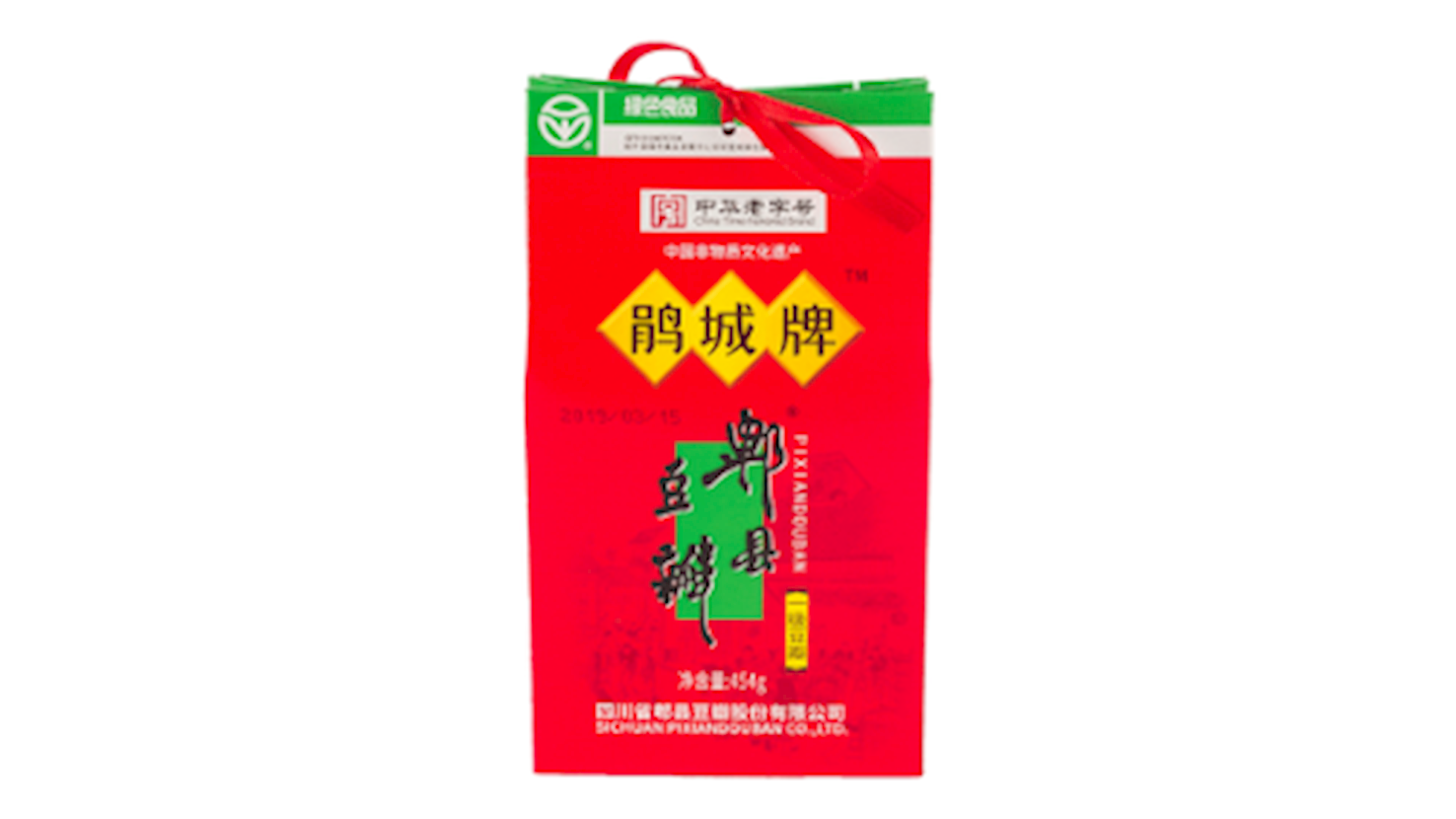
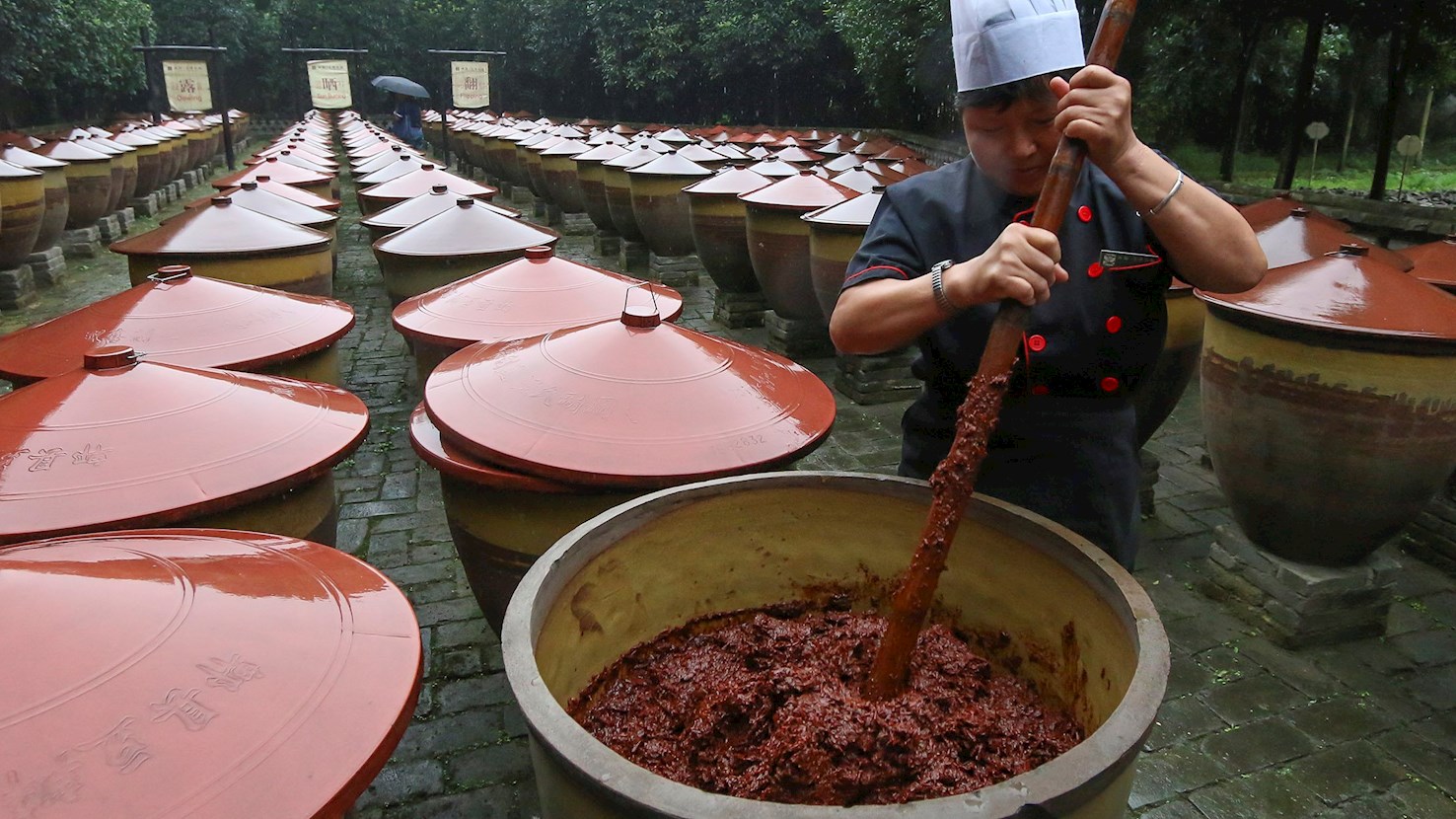
Sichuan Pixian Douban is a historic brand from Pidu District (formerly Pixian) in Sichuan Province, known for producing traditional doubanjiang made from fermented fava beans and chili peppers. Its production dates back to the 17th century, giving the brand an exceptional heritage and a strong connection to the local climate and microbial environment that shape the fermentation process. The core of their method involves long, natural sun-fermentation, the use of the local Erjingtiao chili variety, and aging in clay vessels, resulting in a deeply layered, umami-rich flavor profile. The brand holds a protected geographical indication, ensuring that the paste originates directly from Pixian and follows traditional, region-specific techniques. It is recognized for its thick texture, visible bean-and-chili structure, and a distinctive aroma that cannot be reproduced through industrial shortcuts. Because of its authenticity, Pixian douban is considered the benchmark for Sichuan cuisine and the foundation of classics such as Mapo tofu and twice-cooked pork. Despite partial modernization of the industry, the brand continues to uphold original methods that preserve the unique character of natural fermentation. This combination of tradition, terroir, and craftsmanship makes Sichuan Pixian Douban one of China’s most respected and influential producers of doubanjiang.
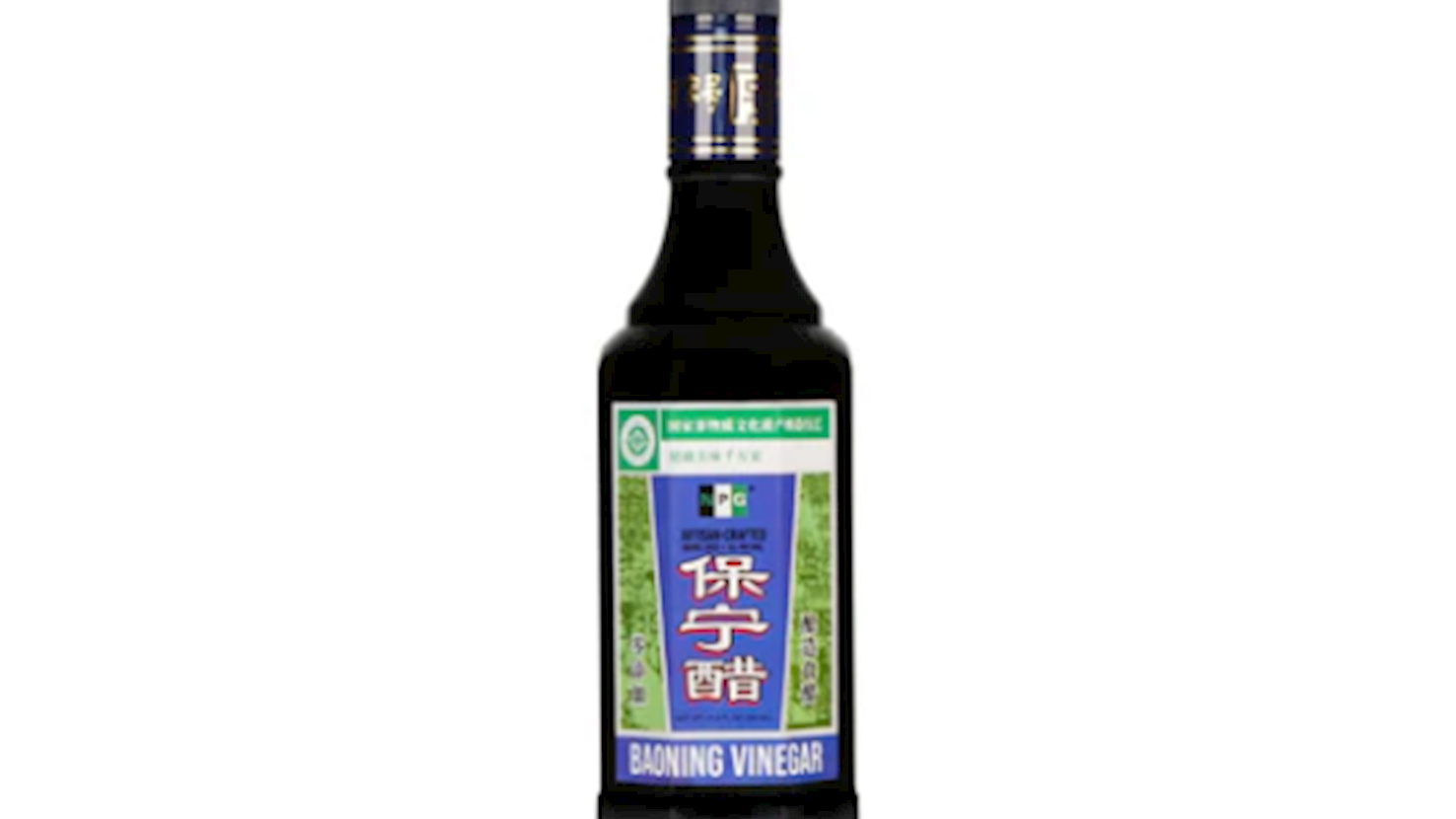
Sichuan Baoningcu is a traditional vinegar producer from Sichuan Province, known for its long history and preserved fermentation methods rooted in local artisanal practices. Production relies on slow, natural fermentation in clay vessels, using high-quality grains and region-specific water, which give the vinegar its characteristic aroma, gentle acidity, and layered flavor. Their range includes classic and long-aged vinegars, organic varieties, and specialty lines designed for both professional kitchens and everyday home cooking. Today, Baoningcu is regarded as one of the key representatives of authentic Sichuan vinegar craftsmanship, with products widely used in traditional Chinese cuisine as well as in international gastronomy that values pronounced, naturally fermented character.
Traditionally, Sichuan's doubanjiang is a paste made from fermented broad beans, salt, chilis, and sometimes wheat flour. The ingredients are mixed and then placed in large clay pots to mature for at least a year while being daily hand-stirred. Depending on the maturation time, spanning from one to eight years, the paste will differ in color, texture, and flavor, ranging from bright red to a dark reddish-brown color. Mature doubanjiang will also have a much spicier and saltier flavor. The sauce which is often dubbed the soul of Sichuan cuisine is an important element in various dishes, most notably mapo doufu and twice-cooked pork. Asian cuisine has various fermented bean pastes made from soy beans, all of which are commonly titled as doubanjiang but only the bean paste prepared in Sichuan province is the authentic version. This bean paste has two subvarieties; one made with red oil, which is brighter and milder, and the other one produced in the town of Pixian, which is darker and with a more pungent taste.
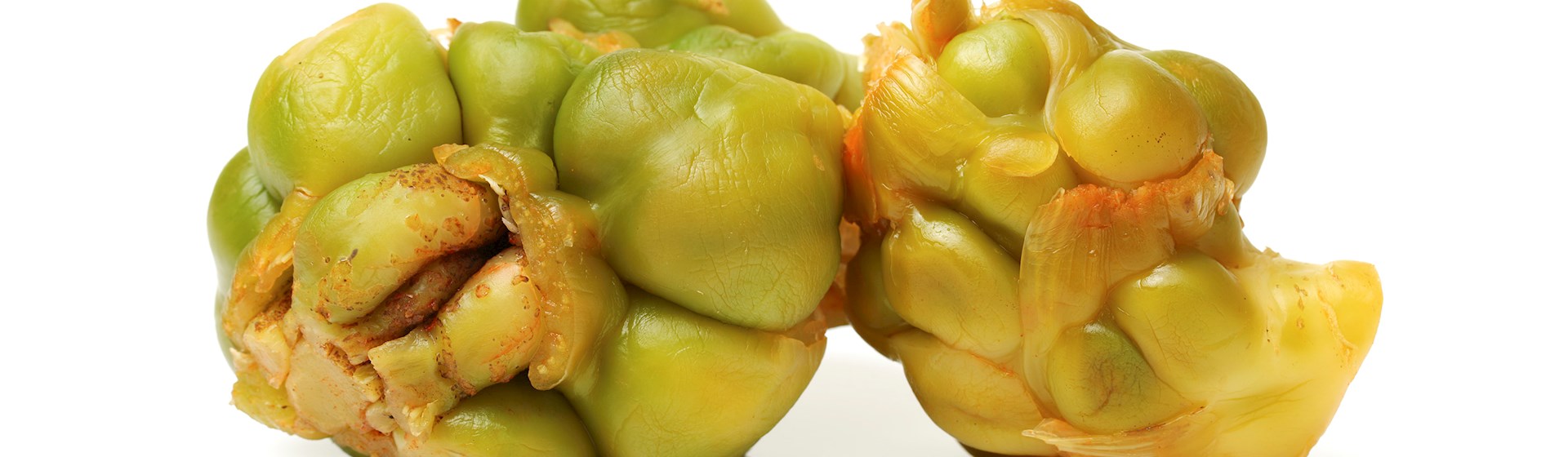
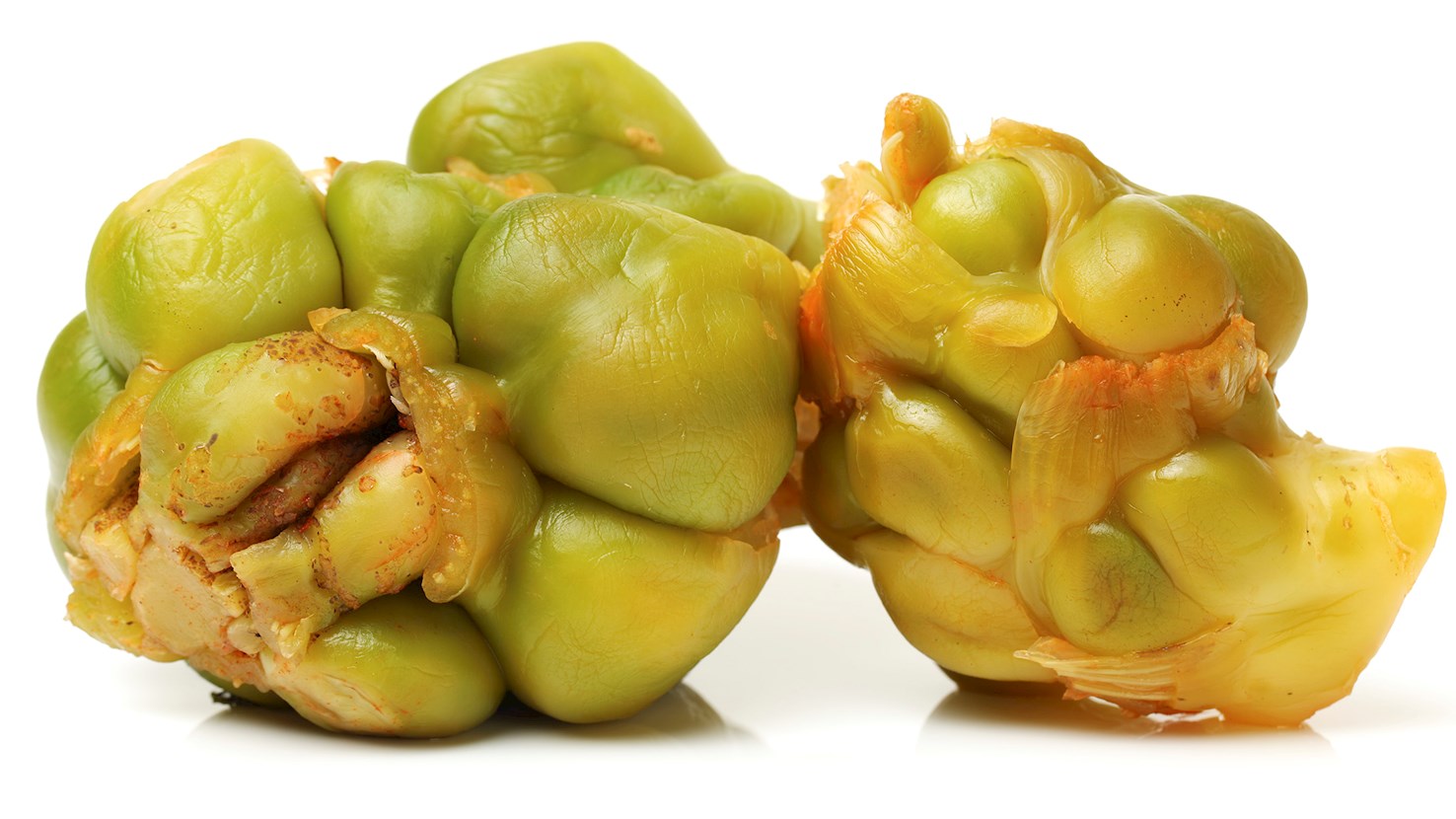
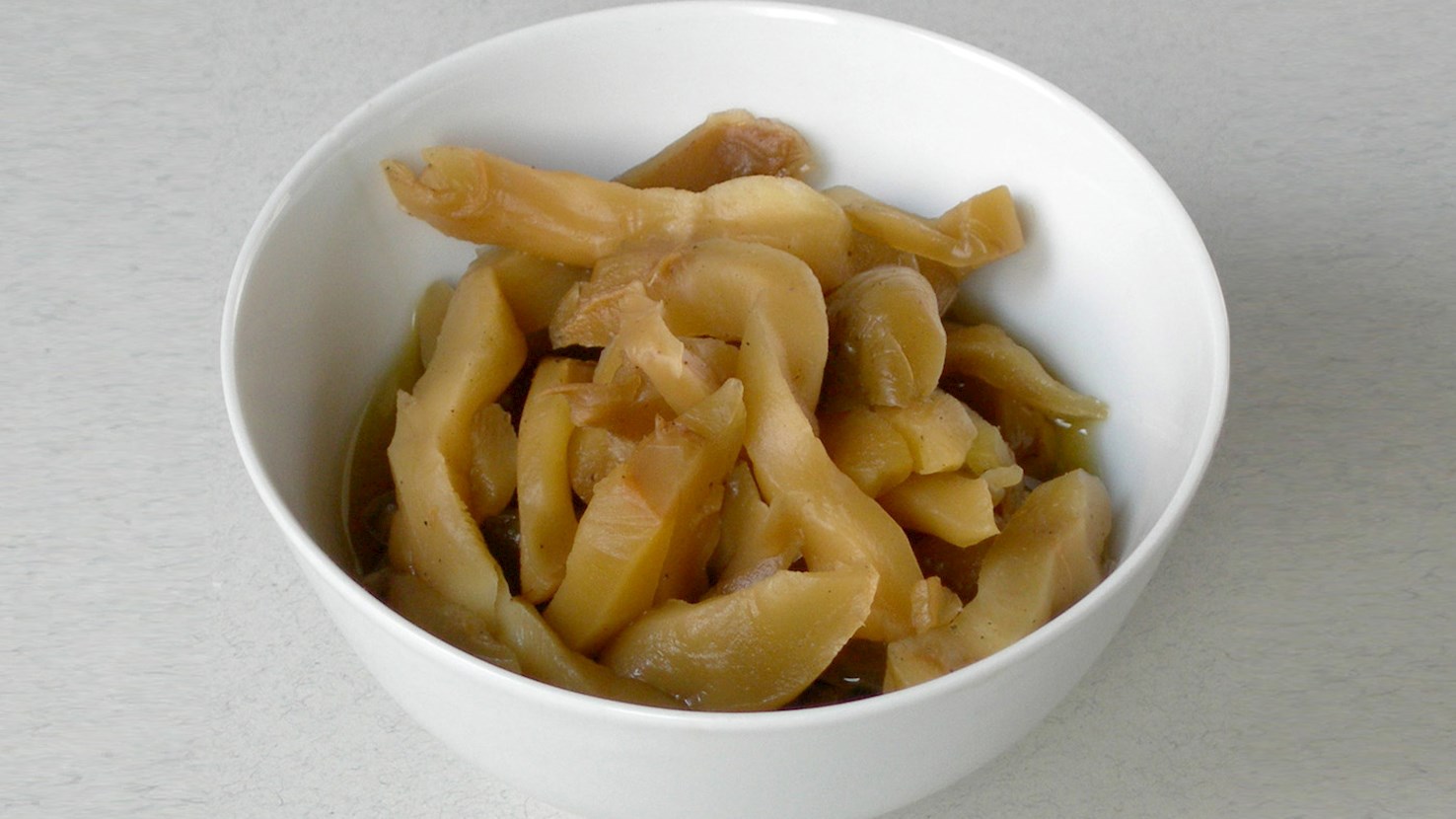
Zha cai is pickled stem of mustard cabbage from Sichuan. The stems are traditionally rubbed with salt and pressed in order to release excessive moisture. Later on, they get rubbed with spicy, red chili paste and are left to ferment in large earthenware vessels. Zha cai can be used in a number of dishes and is usually braised, cooked, stir-fried, placed in soups, or consumed on its own as a pickle. The pickle is rich in umami and adds a flavorful savoriness to foods. It has a crisp, firm texture and a unique, sweet, spicy, and salty flavor. Many people like to consume it with rice and fried eggs or as a garnish on top of numerous noodle soups.
Suìmǐ yácài is a finely chopped preserved mustard stem from Yibin in Sichuan, widely used as a seasoning and topping in local cuisine. It is made from the stems of a specific variety of mustard green that are fermented, flavored, and aged to develop a deeply savory taste and complex aroma. The product’s name, which translates to “crushed rice sprout vegetable,” refers to its texture, chopped so finely that the pieces resemble grains of rice. Its role in Sichuan cooking is foundational, as it brings concentrated umami, subtle sweetness, and aromatic depth to a variety of dishes without dominating them. The roots of suìmǐ yácài are closely tied to the development of Yibin’s preserved vegetable industry, which grew from household preservation methods used to store vegetables for use throughout the year. Fermenting mustard stems was an effective way to preserve the harvest in a humid climate, and over time, Yibin gained a reputation for producing some of the most aromatic and well-balanced pickled vegetables in the region. The technique was refined and commercialized, and the finely minced version emerged as a convenient format particularly suited for restaurant kitchens and street vendors, who valued its ability to integrate seamlessly into sauces and toppings. Preparation begins with mustard stems that are cleaned, salted, and left to ferment in earthenware containers, allowing lactic acid bacteria to develop and transform the vegetable’s flavor. Once fermented, the stems are drained, chopped into a fine, rice-like consistency, and then seasoned with soy sauce, sugar, and spices before undergoing a second aging process to intensify their taste and aroma. The resulting product is dark brown, slightly sticky, and intensely fragrant, with a balance of salty, sweet, and earthy notes. Suìmǐ yácài is rarely eaten on its own but is used as a flavor enhancer in many dishes. It is perhaps most famous for its role in dàn dàn miàn, where it adds depth to the sauce and balances the heat of chili oil and the nuttiness of sesame paste. It also appears in stir-fried minced pork, steamed buns, noodle soups, and rice toppings, where its fine texture allows it to distribute evenly throughout a dish. Its concentrated flavor means that only a small amount is needed to have a noticeable impact, and its versatility makes it a staple in both home and restaurant kitchens across Sichuan. It complements bold spices, chili oil, and soy-based sauces especially well, enhancing the complexity of dishes without overpowering them.
Yacai is a traditional ingredient originating from Yibin in Sichuan. This pickled vegetable is made from the upper stems of mustard plant. The mustard greens are harvested in the 9th lunar month. The leaves are discarded, the stems are sliced into strips, and the strips are dried, then mixed with salt and fermented from 3 to 6 months in sealed containers. They are then boiled with brown sugar and hung to dry again. Sichuan pepper, star anise, and other spices are added, and the mustard greens are fermented for another 3 to 6 months befor consumption. Yibin yacai is often used in stir-fries with vegetables and meat, and it's a crucial ingredient in dishes such as ganban sijidou (dry-fried green beans) and dan dan noodles.
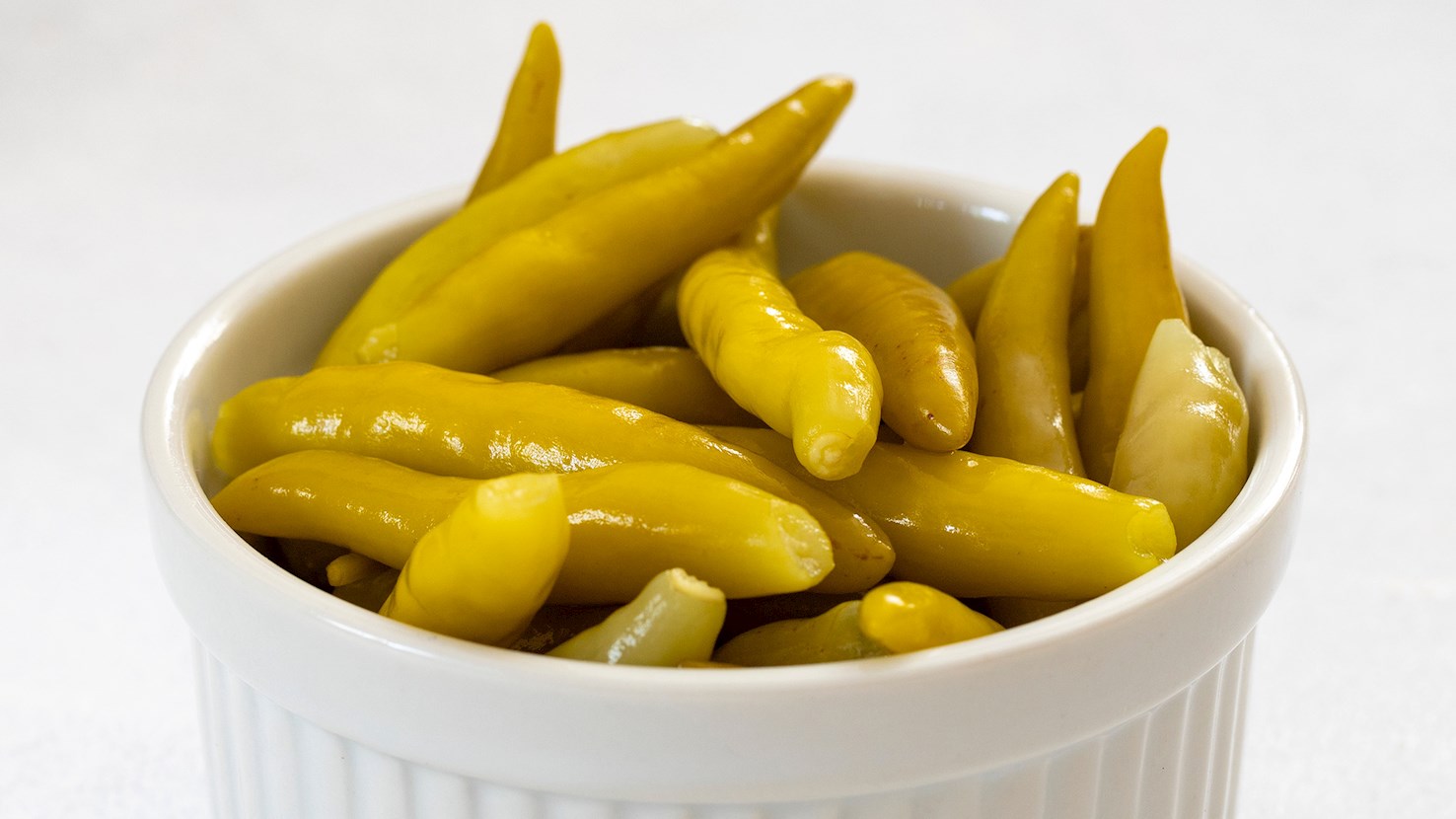
Paojiao is a Chinese term that literally translates to "pickled pepper." It refers to chili peppers that have been pickled, usually in a brine of salt, water, and sometimes other ingredients. Paojiao is a popular condiment and ingredient in various Chinese dishes, especially in the cuisine of Sichuan province, which is known for its bold flavors and spicy heat. Paojiao can be used in a variety of dishes to add spiciness and a tangy flavor, such as in stir-fries, stews, and braises. Additionally, pickled chili paste or sauces may be derived from these pickled chilies.
Bǎoníng cù is a type of vinegar originating from Langzhong (formally Baoning), a historic town in Sichuan province known for producing rich, aromatic black vinegar with a deep, layered flavor profile. It is an essential condiment in Sichuan cooking, valued for its balance of acidity, sweetness, and umami, which enhances everything from dipping sauces to braised dishes. Its roots reach back several centuries to a period when vinegar was both a culinary and medicinal staple in Chinese households. The fertile lands and favorable climate around Baoning provided ideal conditions for grain cultivation, which, combined with local fermentation knowledge, led to the development of a distinct style of vinegar production. Over time, Baoning’s vinegar gained recognition for its depth and complexity, setting it apart from other regional vinegars in China such as Shanxi’s sharper black vinegar or Zhenjiang’s lighter, more delicate version. The process of making bǎoníng cù is slow and carefully controlled. It begins with grains such as wheat, barley, or bran, which are steamed, cooled, and inoculated with starter cultures. The mixture is then combined with water and left to ferment, a process that may involve multiple stages over several months. The vinegar is aged in clay or ceramic vessels that allow controlled exposure to air, which encourages the development of complex flavors. During aging, the vinegar darkens to a deep mahogany color and acquires its signature balance of tangy acidity, subtle sweetness, and savory undertones. This careful fermentation and maturation process is what gives bǎoníng cù its distinctive character. In the kitchen, it is remarkably versatile. It can be used as a dipping sauce for dumplings and noodles, added to stir-fries and braised meats to brighten and balance rich flavors, or incorporated into marinades and salad dressings. Its depth also makes it suitable for finishing sauces, where a small splash can elevate the overall taste of a dish. One feature that distinguishes bǎoníng cù is its pronounced aroma, a result of extended fermentation and aging, which contributes not only to flavor but also to the sensory experience of a meal. It often appears on Sichuan tables alongside soy sauce, chili oil, and garlic as part of a standard condiment set, and it pairs particularly well with dishes that are spicy, oily, or savory, helping to cut through richness and bring balance. Beyond Sichuan, it has also found use in modern Chinese cooking and fusion cuisine, where its complexity enhances both classic and contemporary preparations.
Yíbīn yácài is pickled mustard greens from Yibin in Sichuan province, known for its deep umami flavor and aromatic complexity. It is made from the stems of mustard greens that are finely chopped, salted, fermented, and seasoned, resulting in a condiment that is both savory and slightly sweet with a distinctive fragrance. Its place in Sichuan cuisine is significant, and it is often used as a flavor enhancer rather than a standalone dish, contributing depth and character to a wide range of recipes. The origins of yíbīn yácài date back centuries, rooted in the preservation techniques developed by local communities who relied on fermentation to store vegetables for use throughout the year. In the warm, humid climate of Sichuan, pickling and fermenting vegetables not only extended their shelf life but also created new layers of taste that became integral to the region’s cooking. Yibin’s mustard greens, grown in fertile river valleys, were particularly well-suited to this process, and the city gradually became associated with the production of high-quality yácài. Over time, it became more than just a method of storage, as it evolved into a key seasoning valued by home cooks and chefs alike. The preparation of yíbīn yácài is a patient, multi-step process. Mustard green stems are harvested, cleaned, and chopped into fine pieces, then salted and left to ferment naturally in large clay containers. This stage allows beneficial bacteria to develop and transform the vegetable’s texture and flavor. After fermentation, the mixture is combined with seasonings such as soy sauce, sugar, and sometimes spices before being aged further to deepen its taste. The finished product is dark brown, aromatic, and slightly sticky, with a complex flavor that balances salty, sweet, and earthy notes. It is rarely eaten on its own but plays an essential role in cooking. It can be stir-fried with minced pork, used as a topping for noodles, folded into rice dishes, or added to tofu and vegetable preparations for depth. One aspect that sets yíbīn yácài apart from other pickled vegetables is its fine texture and intensely concentrated flavor, which allows it to be used almost like a seasoning or spice. It contributes a savory backbone to dishes without overwhelming them and pairs particularly well with chili oil, garlic, and soy-based sauces, which complement its richness. In Sichuan households and restaurants, it is a pantry staple, found in everything from quick stir-fries to complex noodle soups. It is most famously used in dishes such as dan dan noodles, where its salty-sweet punch is essential to the overall flavor balance, and it is often served alongside steamed rice or congee, where its concentrated taste enhances simple foods.
TasteAtlas food rankings are based on the ratings of the TasteAtlas audience, with a series of mechanisms that recognize real users and that ignore bot,
nationalist or local patriotic ratings, and give additional value to the ratings of users that the system recognizes as knowledgeable.
For the “Top 7 Sichuan Condiments” list until June 02, 2026, 78 ratings were recorded, of which 72 were recognized by the system as legitimate.
TasteAtlas Rankings should not be seen as the final global conclusion about food. Their purpose is to promote excellent local foods,
instill pride in traditional dishes, and arouse curiosity about dishes you haven’t tried.
The initial list of top producers was compiled based on available reviews, awards, local recommendations, media and blog coverage, and consumer reviews.
The list will be updated with ratings from TasteAtlas local ambassadors and TasteAtlas users.