shutterstock

Top 11 Southeastern European Condiments

Last updated on June 02, 2026

Best Southeastern European Condiments
01

Neolea

4.7 ·
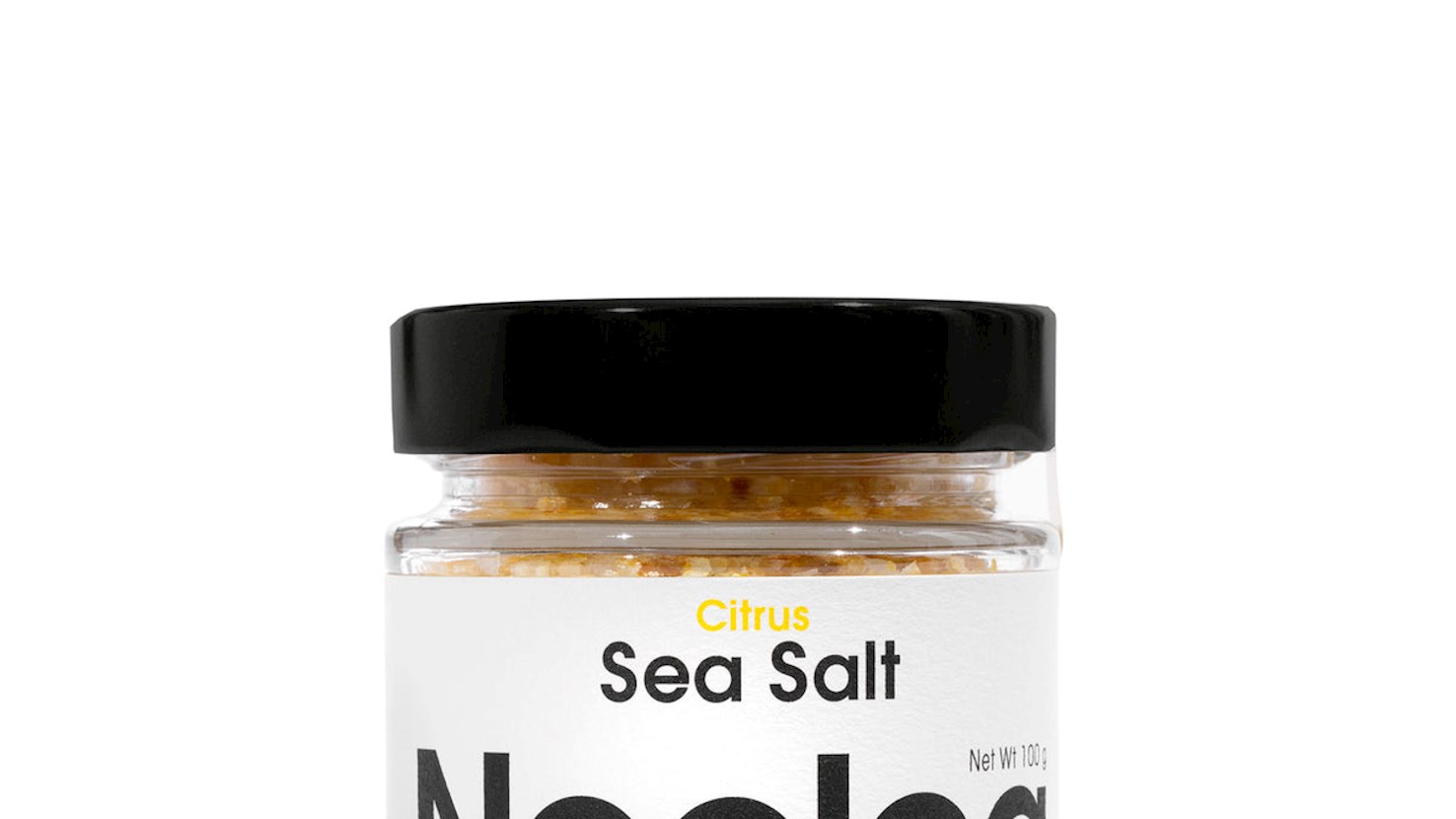
Neolea is a salt producer based on the island of Corfu, Greece. The company specializes in producing sea salt that is harvested from the Ionian Sea. Neolea's products are known for their purity and high mineral content. The company also offers other gourmet food products, including olive oils.
Awards
Great Taste Awards - 3 Stars (2024)
EVO IOOC - Gold Medal (2020)
02

Medbest

4.5 ·
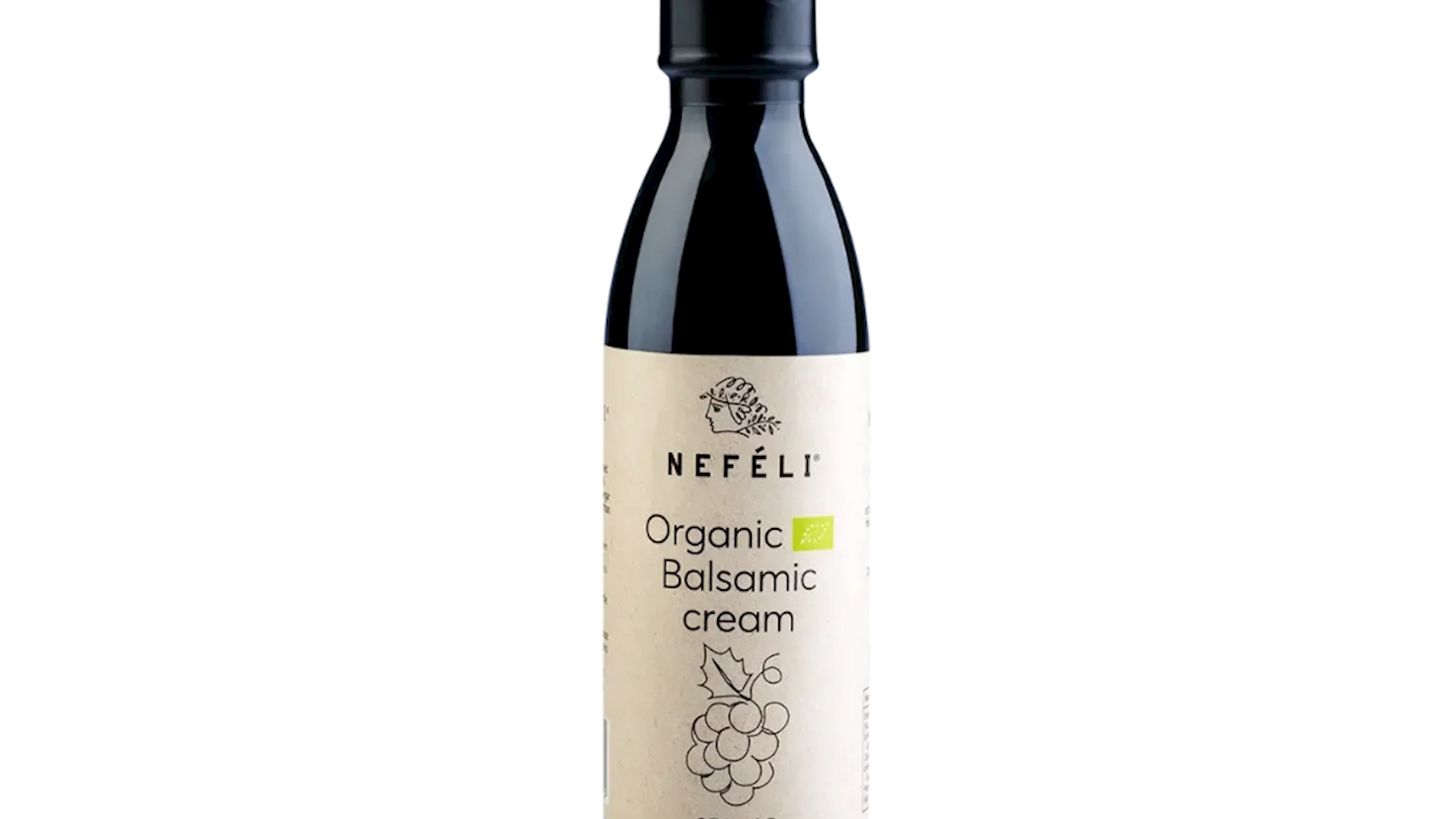
Medbest is a renowned Greek company specialized in the production and export of high-quality Mediterranean food products. Headquartered in Athens, Medbest has become one of the leading exporters of authentic Greek food, with a presence in more than 30 countries worldwide. The company stands out for its rich product portfolio, which blends traditional recipes, carefully selected raw materials, and modern packaging technologies. Its business philosophy is rooted in preserving Greece’s culinary heritage by offering products that reflect the Mediterranean way of life - full of flavor, aroma, and nutritional value. Medbest is best known for its brand Nefeli, which includes a wide range of products recognized for their exceptional quality, authentic formulations, and use of pure, natural ingredients. The Nefeli line features olives, olive oil, gourmet spreads, honey, balsamic creams, and other carefully crafted specialties that embody the genuine character of Greek cuisine. All products are manufactured under strict quality control standards, with a strong emphasis on freshness, safety, and nutritional integrity. Thanks to its commitment to excellence and dedication to tradition, Medbest products can be found in gourmet shops, supermarkets, and restaurants around the globe that value true Mediterranean flavor.
Awards
Dubai International Taste Awards - Platinum (2024)
Dubai International Taste Awards - Gold (2024)
03

Salt Odyssey

4.5 ·
Awards
Great Taste Awards - 3 Stars (2024)
Great Taste Awards - 2 Stars (2024, 2023, 2022)
04

Aegean Herbs

4.5 ·
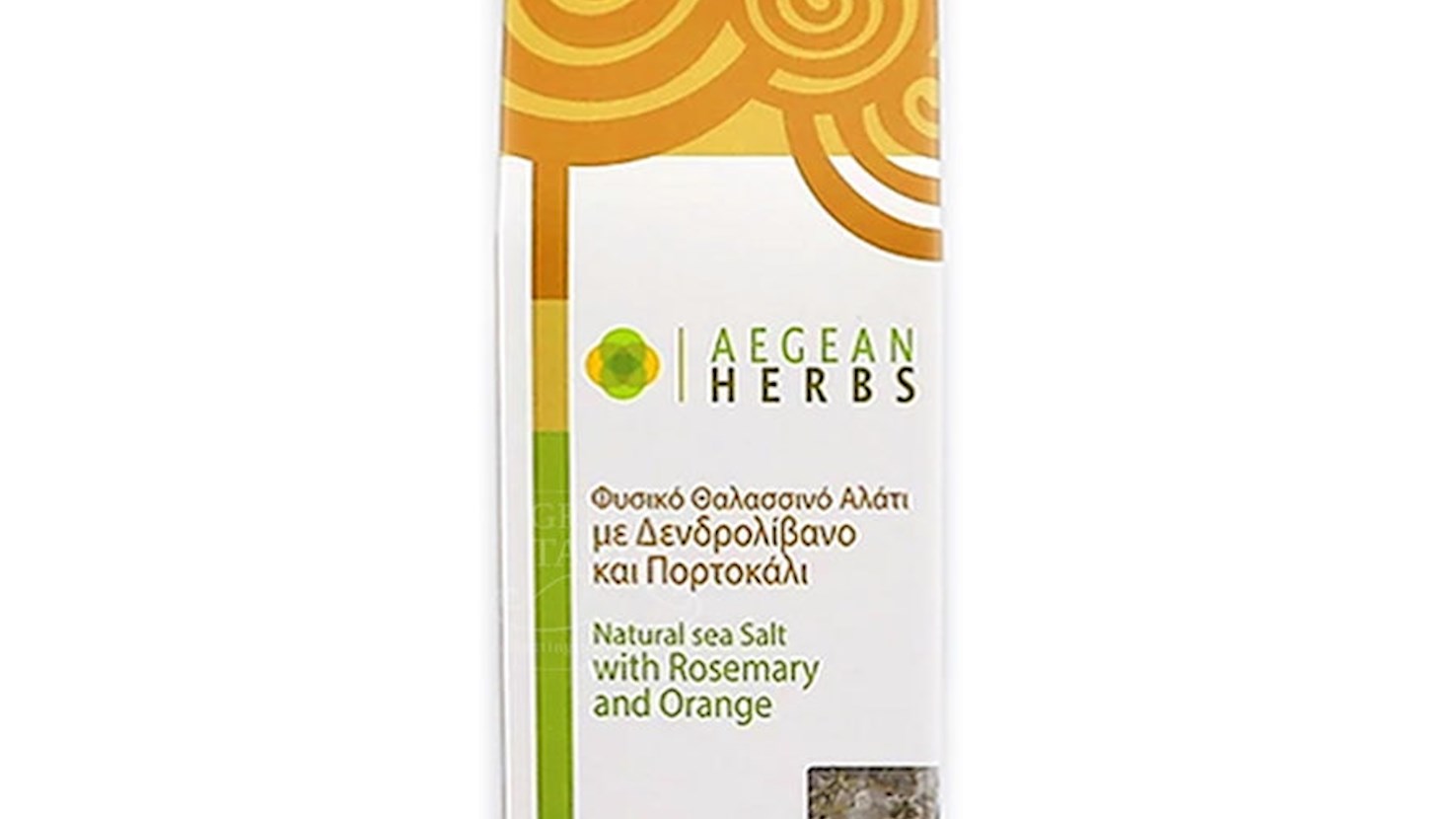
Aegean Herbs is a Greek producer specializing in the cultivation and processing of organic herbs and spices. The company focuses on sustainability and environmental responsibility, utilizing natural farming methods. Aegean Herbs offers a variety of products, including oregano, thyme, sage, and mint, which are harvested and processed to retain their natural aroma and flavor. The company operates in the region of the Aegean Sea, benefiting from the area's ideal climatic conditions for herb cultivation. Their products are exported to various international markets.
Awards
Great Taste Awards - 2 Stars (2023)
05

Fani I. Roussou

4.5 ·
Awards
Great Taste Awards - 2 Stars (2024, 2023, 2022)

Best Southeastern European Condiment Types

01

Lyutenitsa

4.3 ·

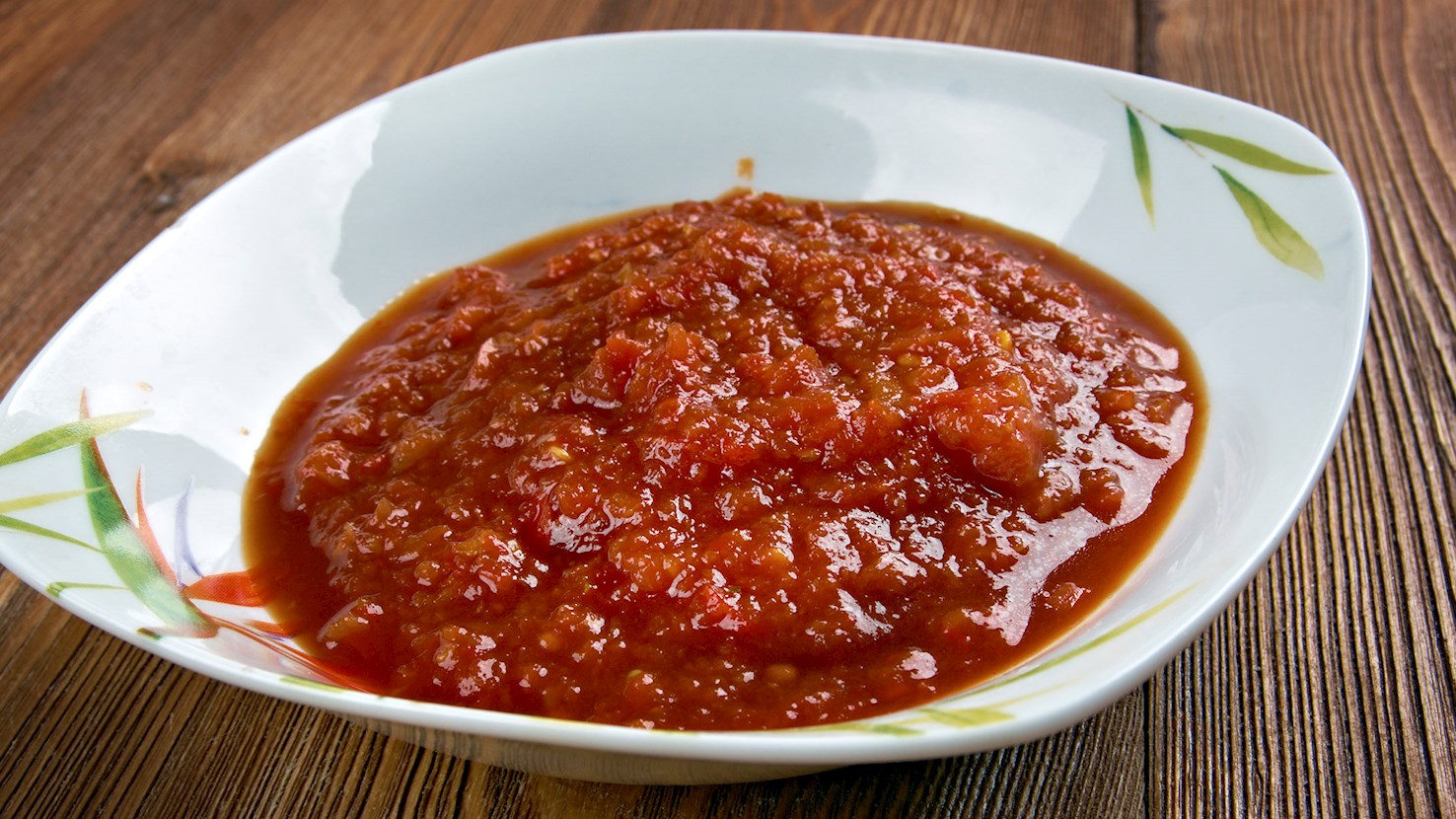
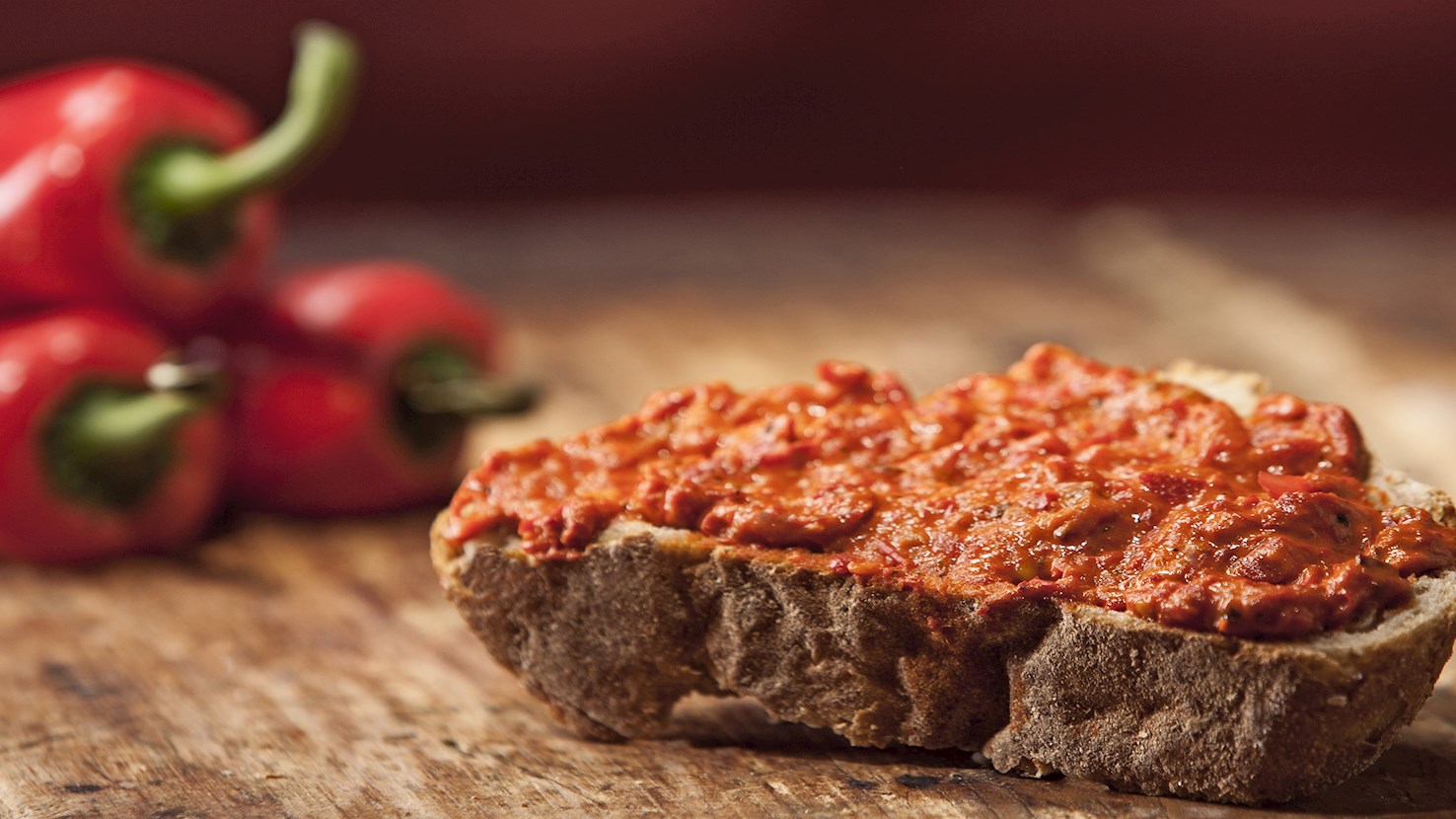
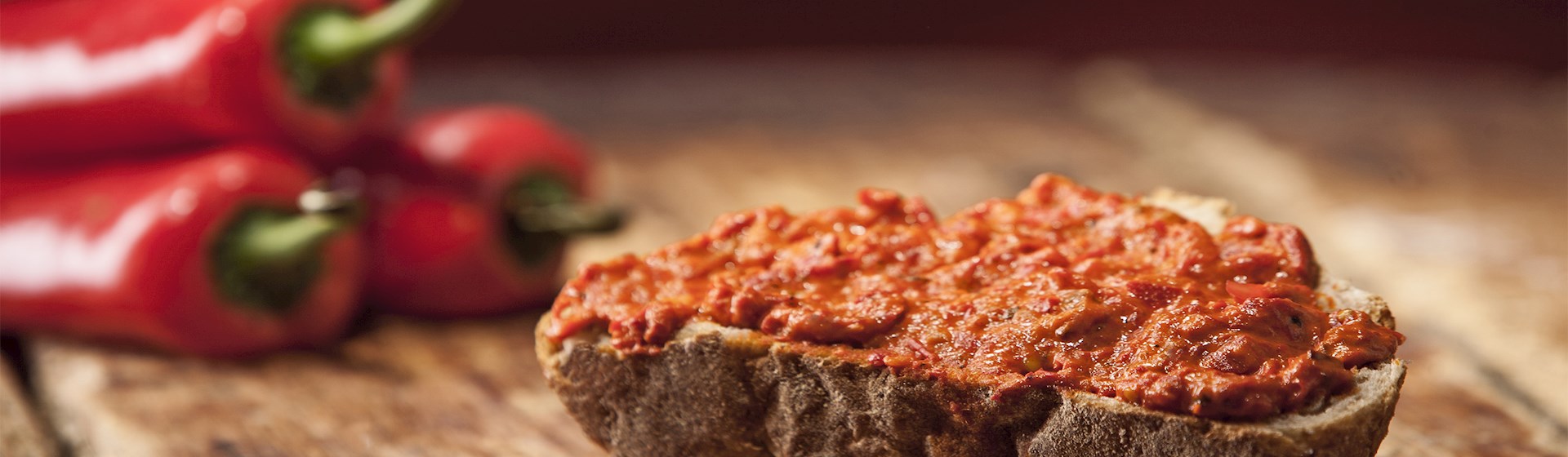
A jar of lutenica or lyutenitsa is one of the essential food items in almost every Bulgarian and North Macedonian household. This famous relish, which lies somewhere between a spread and a chutney, is, at its basic, made with red bull horn peppers, tomatoes, salt, sugar, pepper, and oil. Cumin is also often added. Variations do exist, and you will often find recipes that include eggplant, carrots, garlic, and even parsley and hot peppers. Lyutenitsa is traditionally consumed as a spread, accompanied by bread, crackers, or toast. It is also commonly served on the side with meat dishes, especially grilled meat and meatballs. Depending on the region and personal preference, the ingredients, thickness, and level of spiciness might slightly vary. Lyutenitsa and other similar spreads are often found across the Balkans; however, the relish has been regarded as an authentic Bulgarian product. Even though it is hard to trace when it originally appeared in the country, the mass production of this national favorite started in the 1950s. Today it can be bought in stores and is commonly served in most traditional restaurants. However, the homemade variety, prepared in late summer, when the vegetables are at their peak, is still considered the ultimate version.

02

Ajvar

4.3 ·

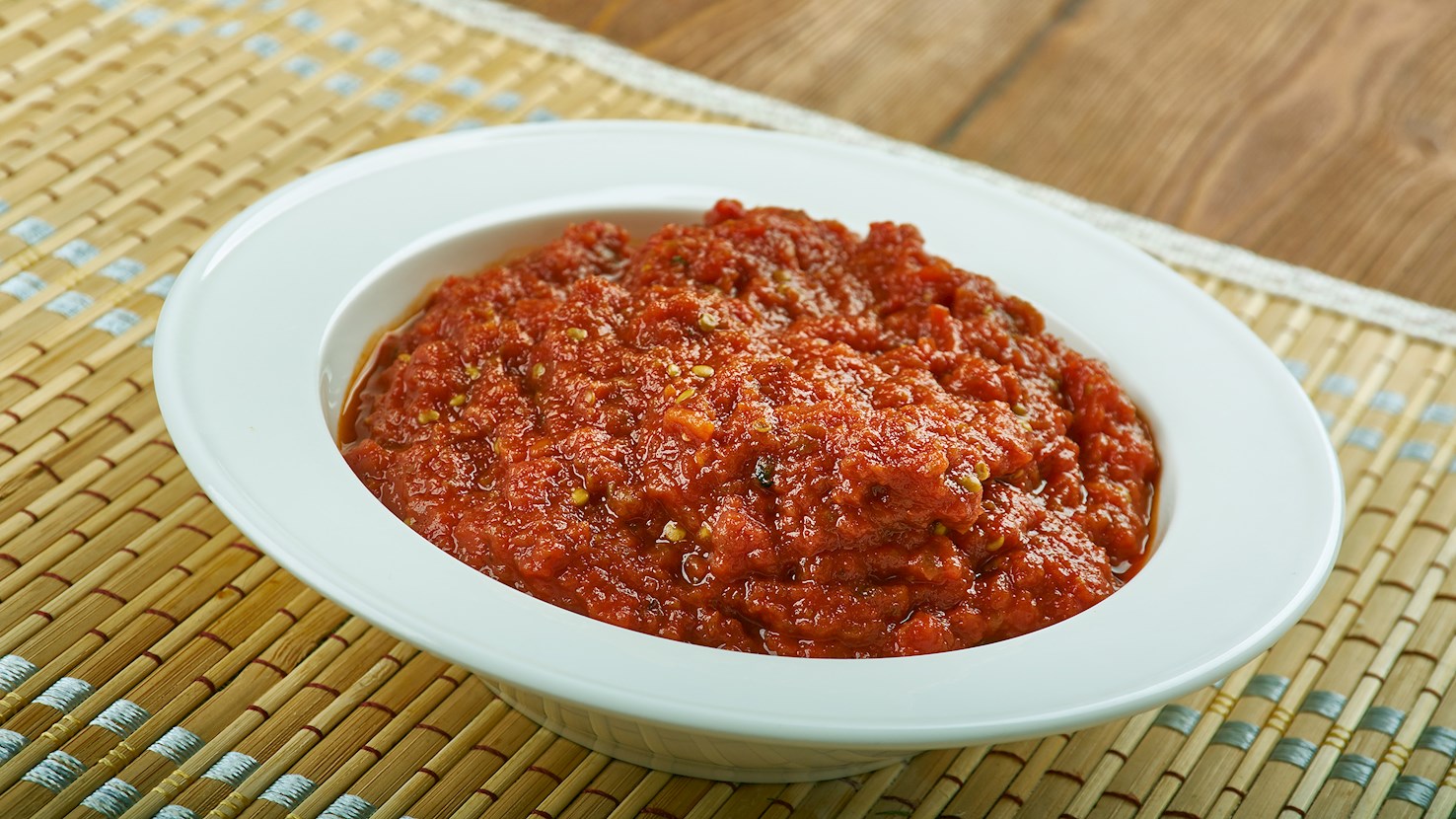
This traditional peppers-and-eggplant relish is one of the most popular condiments all over the Balkans and Eastern Europe. The most prized type of ajvar is often the Macedonian one, made only with red peppers. Though its origins are often disputed, the name ajvar is said to stem from the Turkish word havyar, meaning caviar. In the past, Serbia was especially known for its production of caviar from farmed Black Sea beluga (sturgeon), and was one of the major world exporters. Later on, after facing a fall in production of real caviar, the Serbians instead supposedly started offering the so-called "red ajvar" or vegetable caviar—hence the name. Ajvar is made with red bull horn pepper, hot pepper, eggplant, and garlic; all in variable amounts, depending on personal taste. Before being mashed together into a chunky paste, the vegetables are typically roasted over a wood fire which imparts a pleasing smokiness to this sweet but tangy relish, making it the perfect accompaniment to grilled meats.

03

Leskovački domaći ajvar

4.2 ·

Leskovački domaći ajvar is a traditional condiment, spread, or relish called ajvar, originating from the Leskovac area. The ajvar is produced exclusively from local red pepper varieties such as domaća kanija, kurtovska kapija, and palanačko čudo. The peppers are roasted over an open flame and they are cleaned, minced, dried, and fried slowly and by hand. The flavor is pleasant and peppery as this ajvar shouldn't contain any parts of seeds nor the dark and charred parts of skin that comes off during the roasting process. This prized relish is made in two varieties – mild and hot.

04

Pinđur

4.2 ·

Pinđur is a traditional condiment originating from the cuisine of Balkan and countries such as North Macedonia, Serbia, Bulgaria, Croatia, Albania, and Bosnia and Herzegovina. It's made with a combination of roasted red bell peppers, tomatoes, eggplants, garlic, oil, and salt. Pinđur is served as a relish or spread, and it's very similar to ajvar, but the flavors of pinđur are somewhat milder. Regarding the texture, pinđur is slightly thinner than ajvar. Traditionally, this relish is prepared by mashing the ingredients in a wooden bowl.

05

Marinated feta

4.1 ·

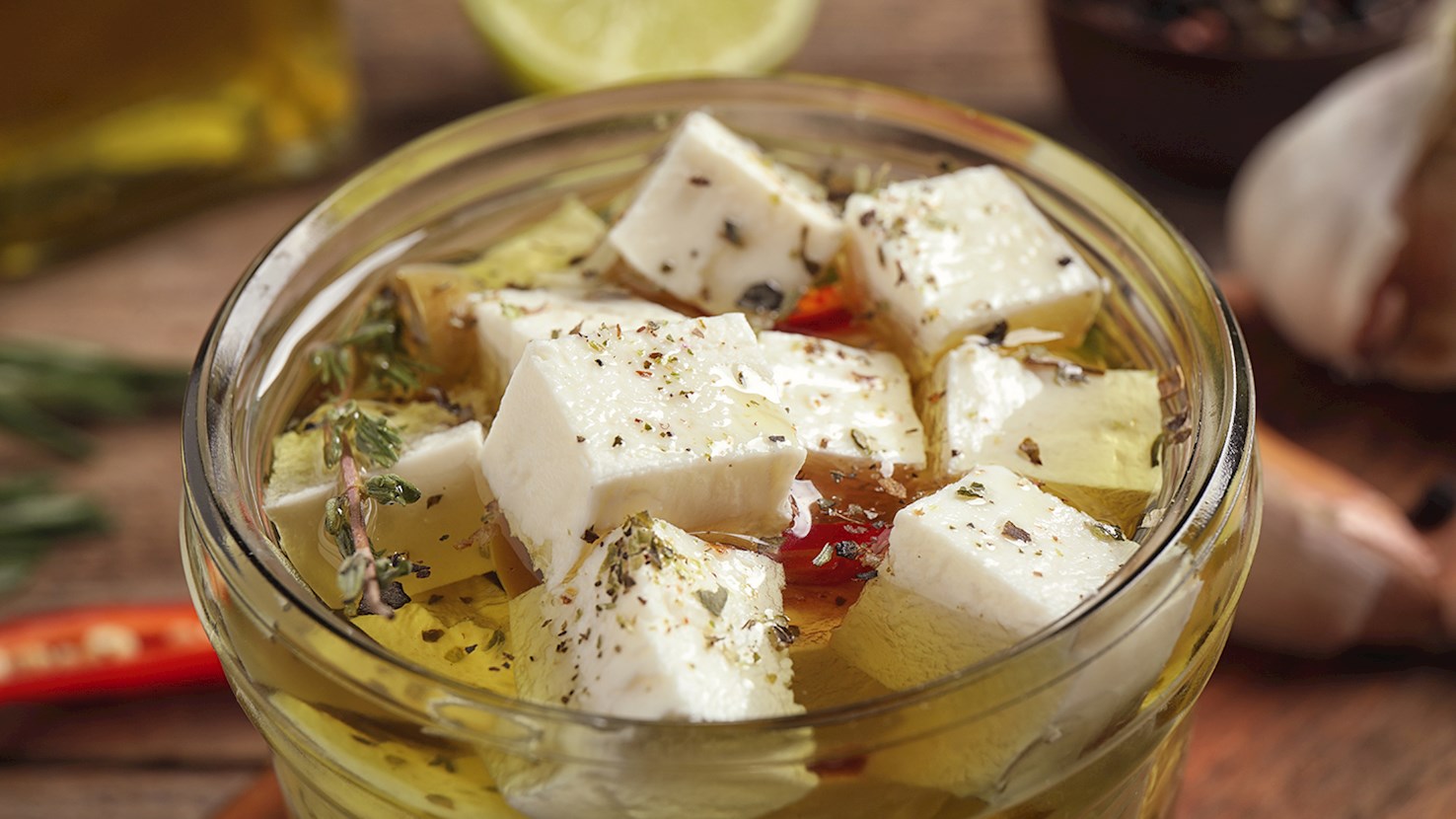
Marinated feta is a prepared food product that’s often used as an appetizer or a condiment. Although there are many variations, the Greek feta cheese is cut into cubes or chunks, and it is then stacked in a jar with ingredients such as olive oil, lemon juice, chili peppers or flakes, and herbs and aromatics such as rosemary, thyme, mint, oregano, or bay leaves. Once the cheese is completely covered with the olive oil, the jar is closed and it can be left to sit at room temperature for 24 hours, or up to 2 weeks in the refrigerator. The feta chunks can be used in salads, enjoyed on their own or with other meze as an appetizer, or scattered over pizza and pasta. If traditional Greek feta is unavailable, cooks in Europe and the Middle East often use their own version of feta-style white cheese.

06

Zacuscă

4 ·

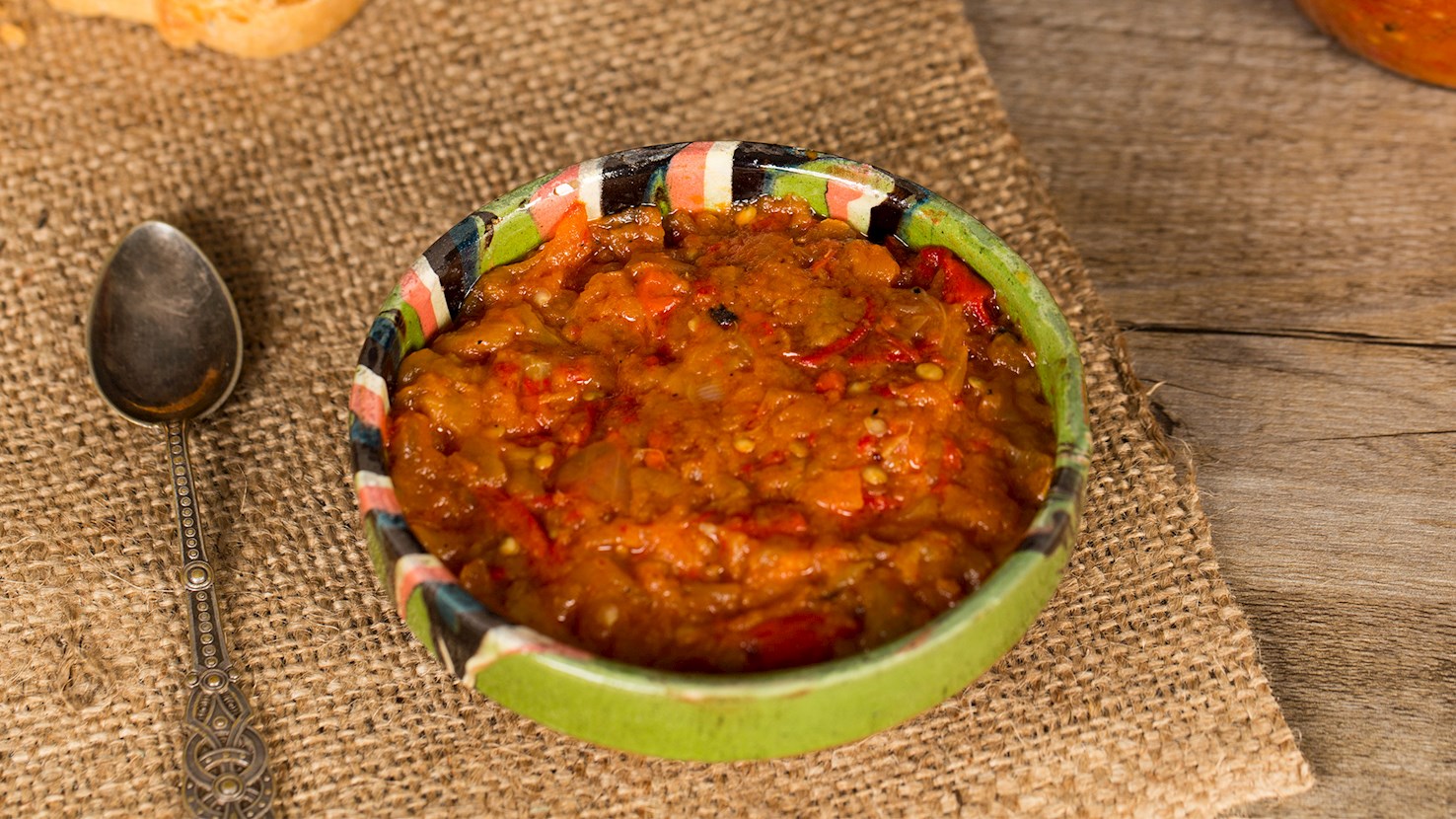
Zacuscă is a Romanian vegetable spread usually consisting of roasted eggplants, red peppers, tomato paste, and onions, seasoned with salt, pepper, and bay leaves. In some cases, beans, mushrooms, or even fish will be used instead of eggplants. It is similar to other eggplant-based relishes in the Balkan area, such as ljutenica, ajvar, pinđur, or kyopolou. A well-liked home-cooked dish, it is traditionally made in large batches after the autumn harvest and kept in tightly sealed mason jars in order to be preserved for longer periods of time. However, after being opened, it should be eaten in a few days. Zacuscă is most commonly served on bread as an appetizer.

07

Malidzano

3.7 ·

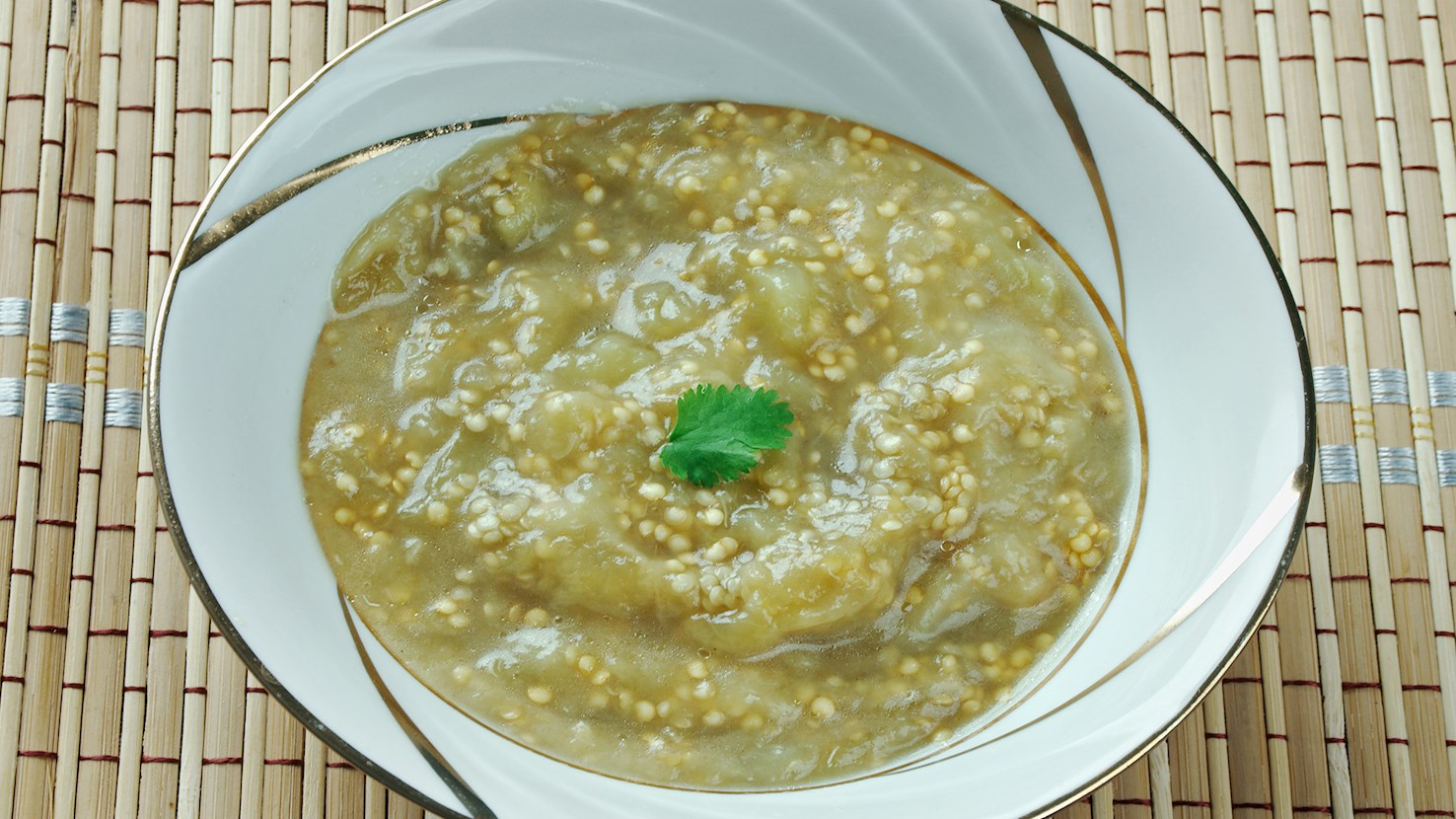
Malidzano is a flavorful North Macedonian spread made with eggplants, red peppers, and flavorings such as salt, pepper, and garlic. Walnuts and crumbled white cheese are often added to the spread for extra flavor. The name malidzano is derived from the Italian word melanzane, meaning eggplant. The spread is traditionally served as an appetizer, paired with crusty bread on the side.

08

Soumada

3.4 ·

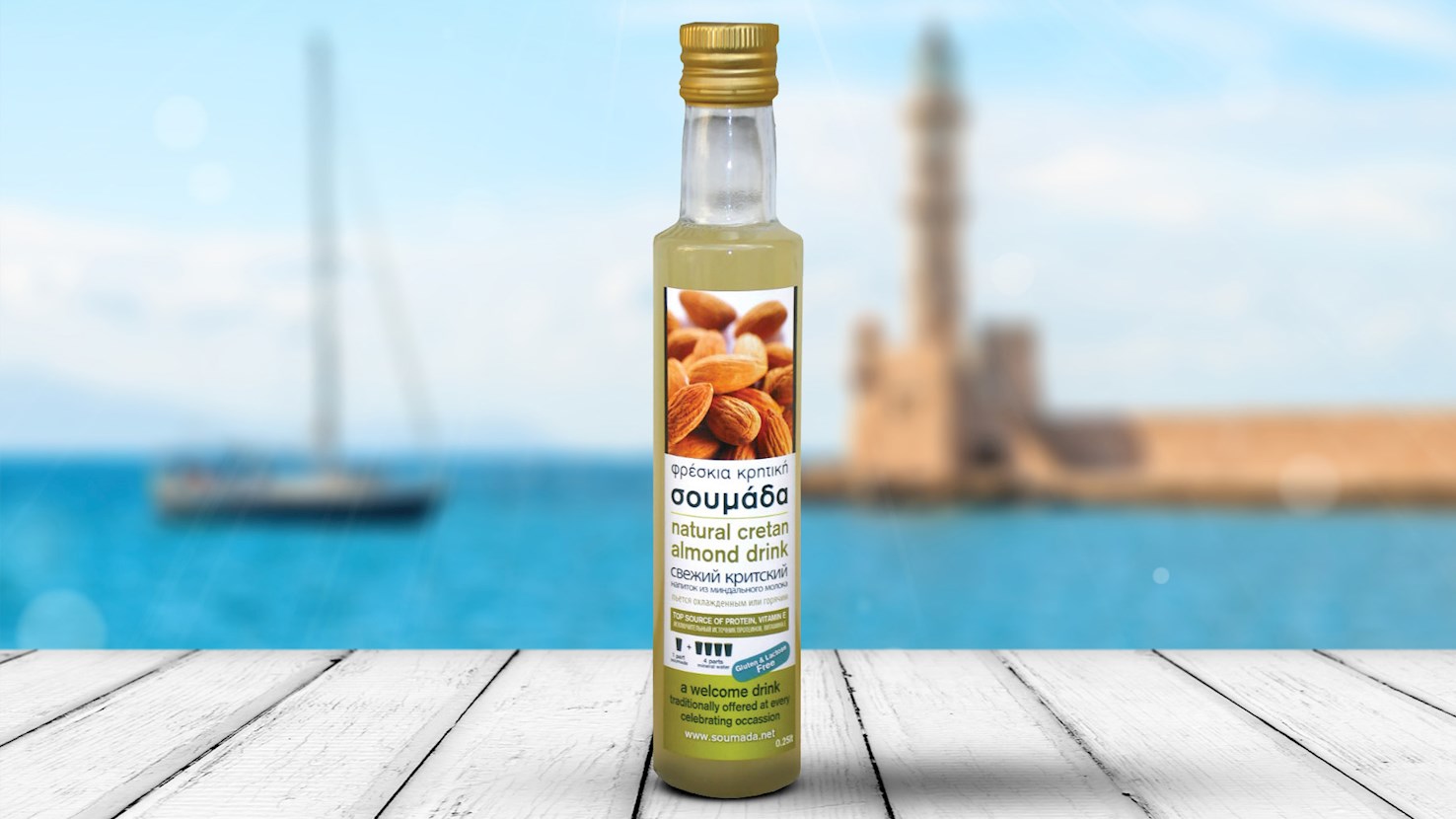
Soumada is a non-alcoholic, syrupy, almond-based beverage that is produced on the island of Crete. It is made with a mixture of fresh, locally-grown almonds, sugar, and water, which is simmered in sugar syrup to create this signature Cretan drink. Traditionally, people used a mortar and pestle to pound the almonds, although nowadays this laborious process is usually simplified by using a food processor instead. The almond syrup is often enhanced with bitter almond essence or almond extract, cinnamon sticks, cloves, or orange peel for added flavor. Distinguished by a cloudy white color, a unique aroma, and a sweet and slightly bitter almond flavor, the syrup is typically kept in airtight glass bottles. On Crete, this syrup is a staple beverage at weddings and engagements, while people on the islands of Nisyros and Chios often offer it to guests as a warm welcome. Soumada can be enjoyed as a refreshing summer drink when combined with cold water or club soda and ice, or as a soothing, warm beverage in winter, either mixed with boiling water or added to a cup of herbal tea (a combination known as soumada chai).

09

Jabukov pekmez

n/a ·

Jabukov pekmez is a traditional Bosnian apple syrup made by cooking down a cloudy apple juice known as "šira." The juice, extracted by crushing and pressing apples, is slowly simmered over low heat until it thickens into a viscous, dark brown syrup with a sweet and distinctive flavor. In Bosnian traditional medicine, jabukov pekmez has long been valued for its health benefits. It is used to treat anemia, boost the immune system, prevent dry coughs, and aid digestion. Due to its high energy content, it is especially recommended for children, athletes, and students during periods of increased physical and mental activity. Rich in polyphenols and possessing strong antioxidant properties, jabukov pekmez also helps prevent disease and aids recovery. Culinarily, jabukov pekmez is versatile. It is used in making traditional Bosnian sweets like hurmašice, gurabije, and halvuša and is often enjoyed on its own or mixed with kajmak as a daily treat. It can also be paired with nuts and dried fruits as a nutritious addition to the diet. Jabukov pekmez is an authentic Bosnian product, particularly associated with the northeastern region of Bosnia and Herzegovina. Its combination of natural ingredients offers both a delicious taste and notable health benefits.

10

Petimezi (Greek grape molasses)

n/a ·

Petimezi is a traditional Greek grape molasses made by boiling down freshly pressed grape must until it thickens into a dark, syrupy liquid. Used since antiquity, it has a rich, fruity, caramel-like flavor and serves as a natural sweetener. The preparation begins with ripe grapes, which are crushed to extract juice. To neutralize acidity, wood ash is traditionally added before straining. The must is then boiled over medium heat, with impurities skimmed off, until it reaches a thick consistency. After cooling and a final straining, it is stored in sterilized bottles. Naturally packed with antioxidants and minerals, petimezi is drizzled over yogurt, pancakes, and cheese, used in baking, sauces, and marinades, or diluted with water for a refreshing drink, making it a staple in both traditional and modern Greek cuisine.

Read more
View all
View map
About this ranking

TasteAtlas food rankings are based on the ratings of the TasteAtlas audience, with a series of mechanisms that recognize real users and that ignore bot, nationalist or local patriotic ratings, and give additional value to the ratings of users that the system recognizes as knowledgeable. For the “Top 11 Southeastern European Condiments” list until June 02, 2026, 1,185 ratings were recorded, of which 632 were recognized by the system as legitimate. TasteAtlas Rankings should not be seen as the final global conclusion about food. Their purpose is to promote excellent local foods, instill pride in traditional dishes, and arouse curiosity about dishes you haven’t tried.

The initial list of top producers was compiled based on available reviews, awards, local recommendations, media and blog coverage, and consumer reviews. The list will be updated with ratings from TasteAtlas local ambassadors and TasteAtlas users.

Similar lists