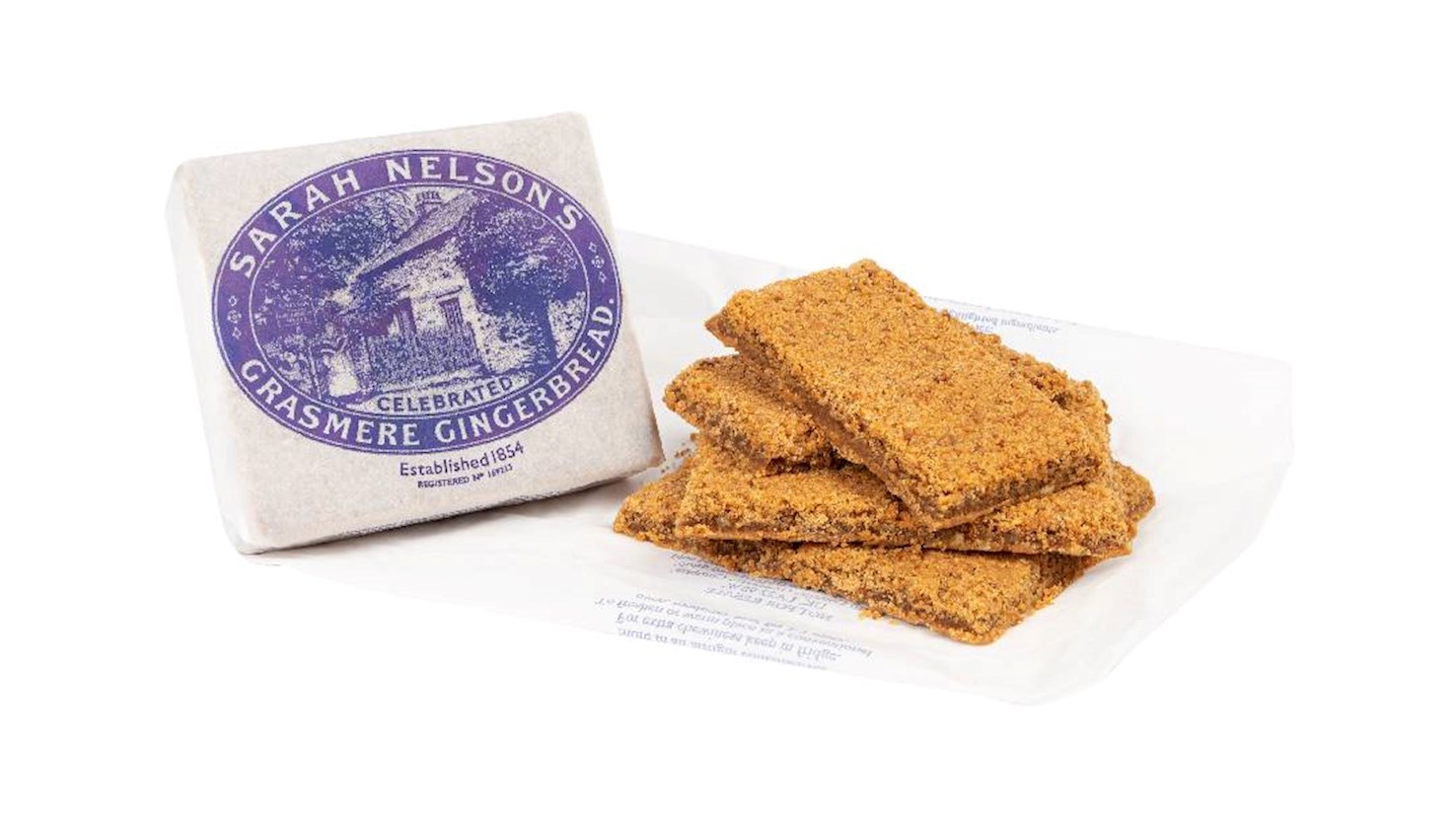
Sarah Nelson’s Grasmere Gingerbread is a traditional producer based in Grasmere in the Lake District, with origins dating back to 1854. The business began when Sarah Nelson started baking gingerbread in her home, Church Cottage, which remains the only production and retail location today. The company operates on a small scale, without expansion into multiple sites, maintaining a highly localized identity. Production is carried out in small batches using largely manual methods, ensuring consistency and control over quality. The recipe has remained closely guarded and largely unchanged, reflecting a strong focus on continuity. The product itself is the central focus, with no significant diversification into other categories. This specialization allows the producer to maintain a clear and recognizable identity. The gingerbread is closely linked to the Lake District, both culturally and gastronomically. It is widely regarded as a regional specialty rather than a mass-market product. The combination of limited production, historical continuity, and strong geographical connection defines its position on the market.
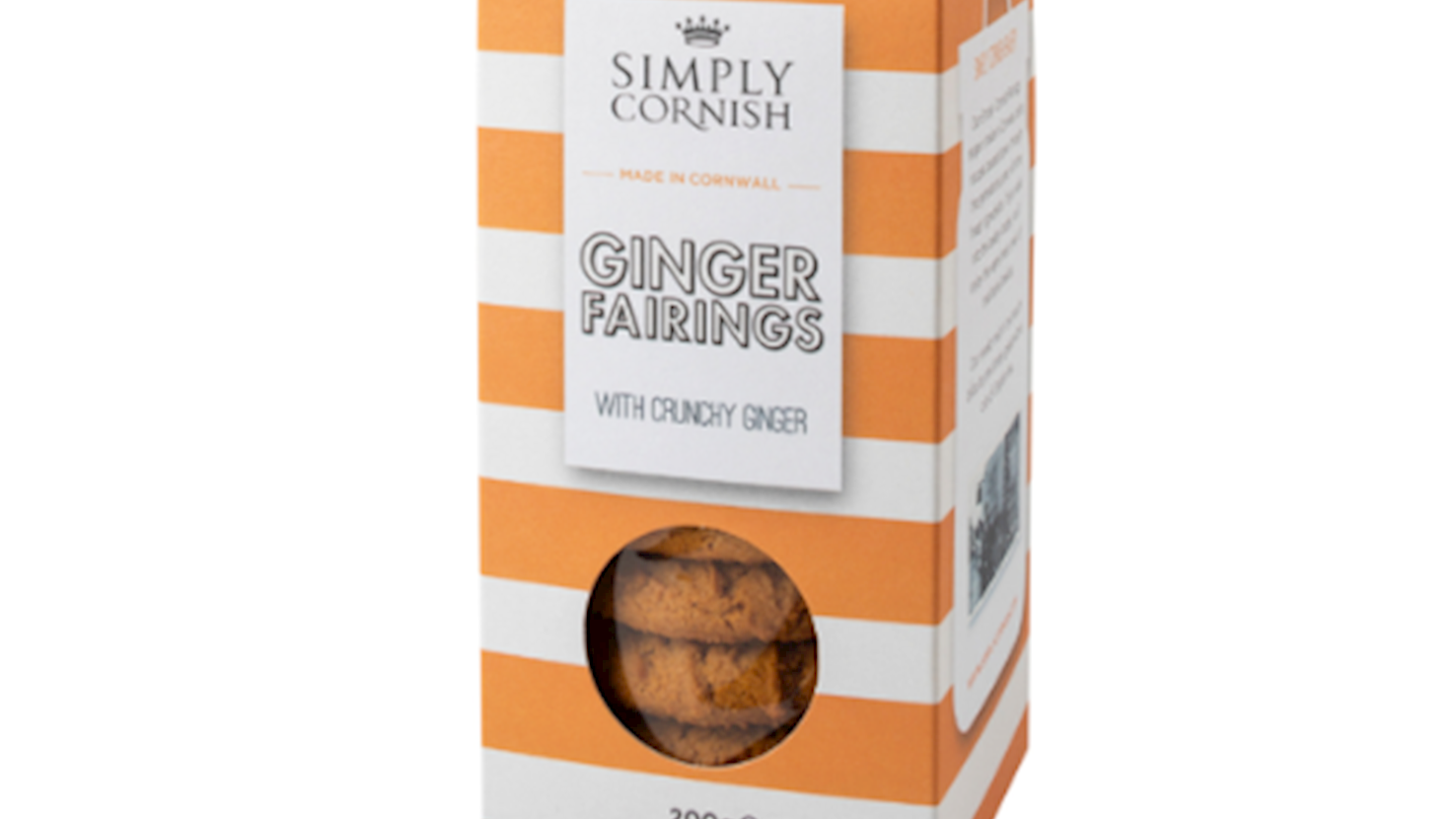
Furniss of Cornwall is a traditional biscuit producer based in Cornwall, with origins dating back to 1886 when John Cooper Furniss opened a tea room in Truro. From the beginning, the business focused on freshly baked goods, particularly gingerbread and spiced biscuits known as Cornish Fairings, which quickly became popular across the region. Their commitment to quality ingredients and consistent baking methods allowed the brand to expand beyond local markets by the end of the 19th century. Today, Furniss remains the only licensed producer of Original Cornish Fairings, reinforcing its strong link to regional heritage and authenticity. Over time, the company has maintained its identity by preserving traditional recipes while gradually expanding its range to include shortbread, oat biscuits, and more contemporary variations. The products are characterized by simple formulations and a balanced flavor profile, especially in their ginger-based biscuits, which remain central to the portfolio. Although the company has undergone ownership changes and operational shifts, including integration into larger food groups, production continues in Cornwall, preserving the connection to its place of origin. Furniss stands as a representative example of a heritage brand that successfully combines scaled production with a distinct regional identity rooted in British baking tradition.
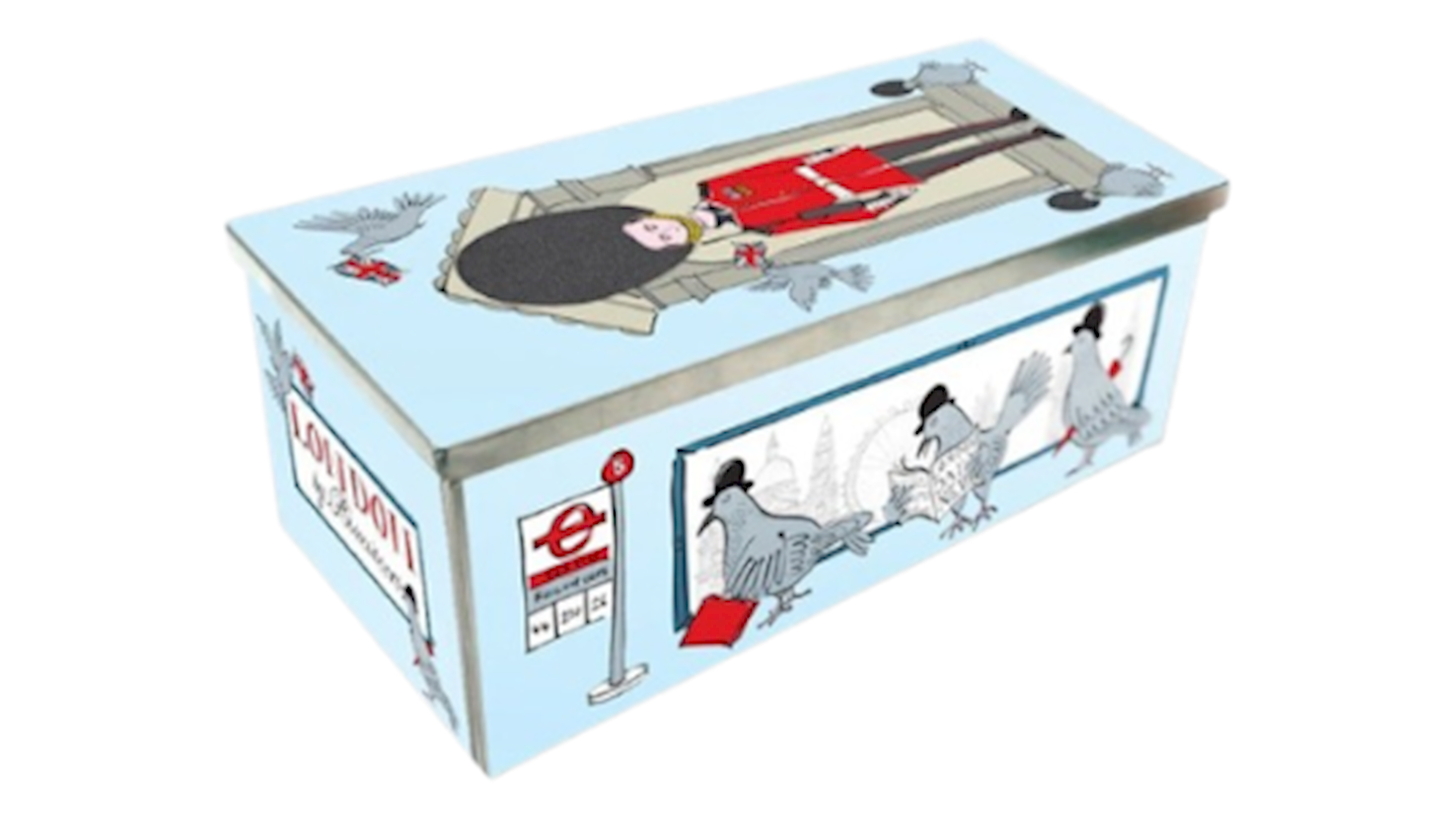
Biscuiteers is a British producer of luxury hand-iced biscuits founded in London in 2007 by Harriet Hastings and Stevie Congdon. The brand was created with the idea of offering an original alternative to traditional gifts through carefully decorated biscuits that combine confectionery craftsmanship, design, and personalization. Biscuiteers is widely regarded as a pioneer of the premium hand-iced biscuit concept in the United Kingdom and has become one of the most recognizable brands in this category. All biscuits are handmade and individually decorated at the company’s production facility in London, where a team of skilled decorators ices each piece by hand. The brand is known for its collections inspired by holidays, fashion, art, literature, and special occasions, as well as for its personalized gifting options. In addition to its online store, Biscuiteers operates popular Icing Cafés in London, where visitors can take part in biscuit decorating workshops. Its products are frequently chosen for corporate gifts, special events, and collaborations with luxury brands and hotels. Through its commitment to craftsmanship, high-quality ingredients, and distinctive design, Biscuiteers has established a strong reputation in the premium gifting and artisanal confectionery market.
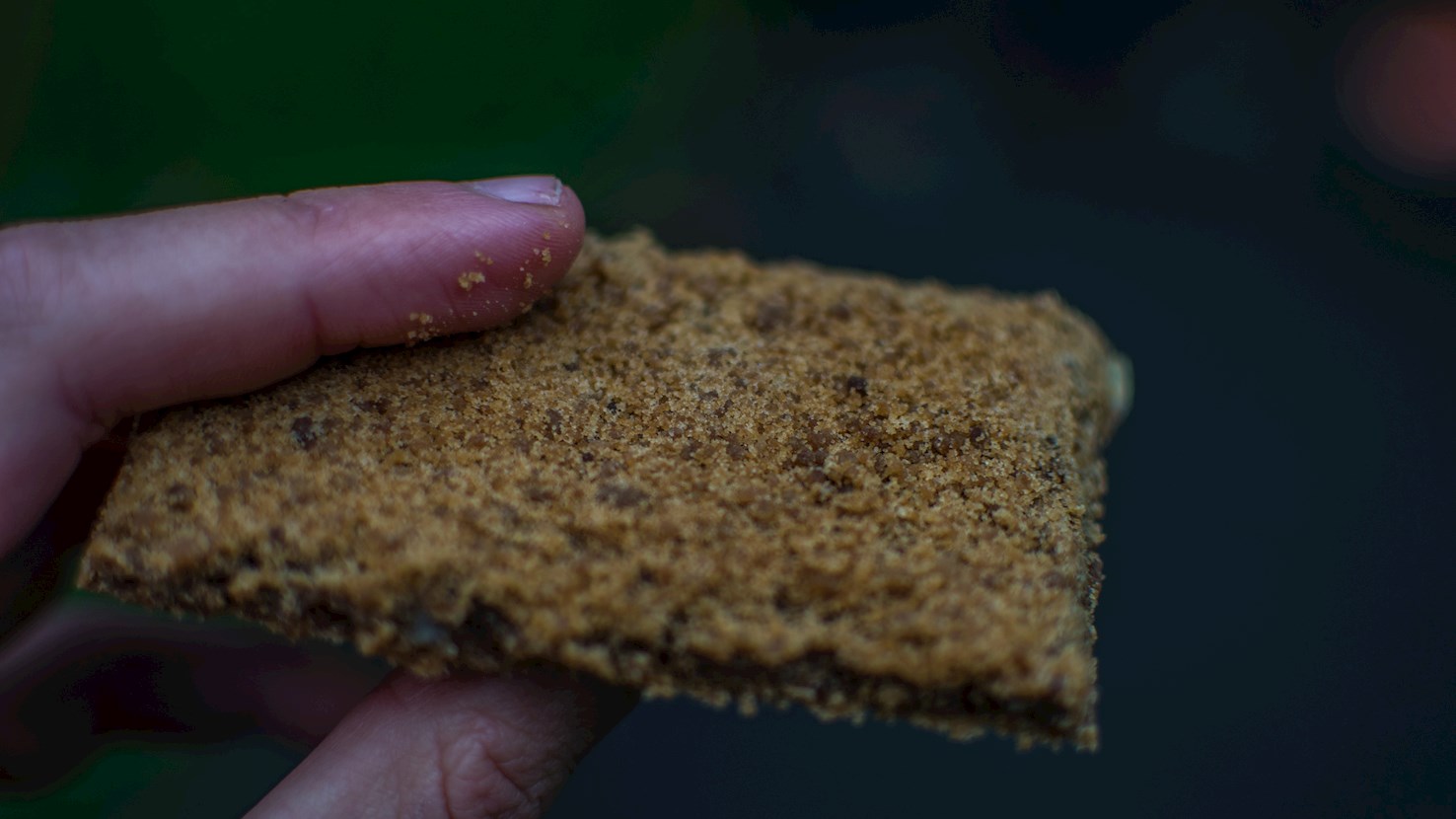
Grasmere gingerbread is a traditional biscuit originating from Cumbria. This thin and chewy cookie (although some say it's more like a cake than a biscuit) is the best-known gingerbread in the country, and it dates back to 1854, when Sarah Nelson started to bake the gingerbread in her little cottage. This unique chewy gingerbread is nowadays freshly baked each day according to a secret recipe. However, it’s believed that the cookies are made with a mixture of flour, brown sugar, ground ginger and nutmeg, baking soda, sea salt, and butter. Grasmere gingerbread also makes for a great gift, as the biscuits are sold wrapped in parchment and can be bought at the Grasmere Gingerbread Shop, located in the heart of the village.
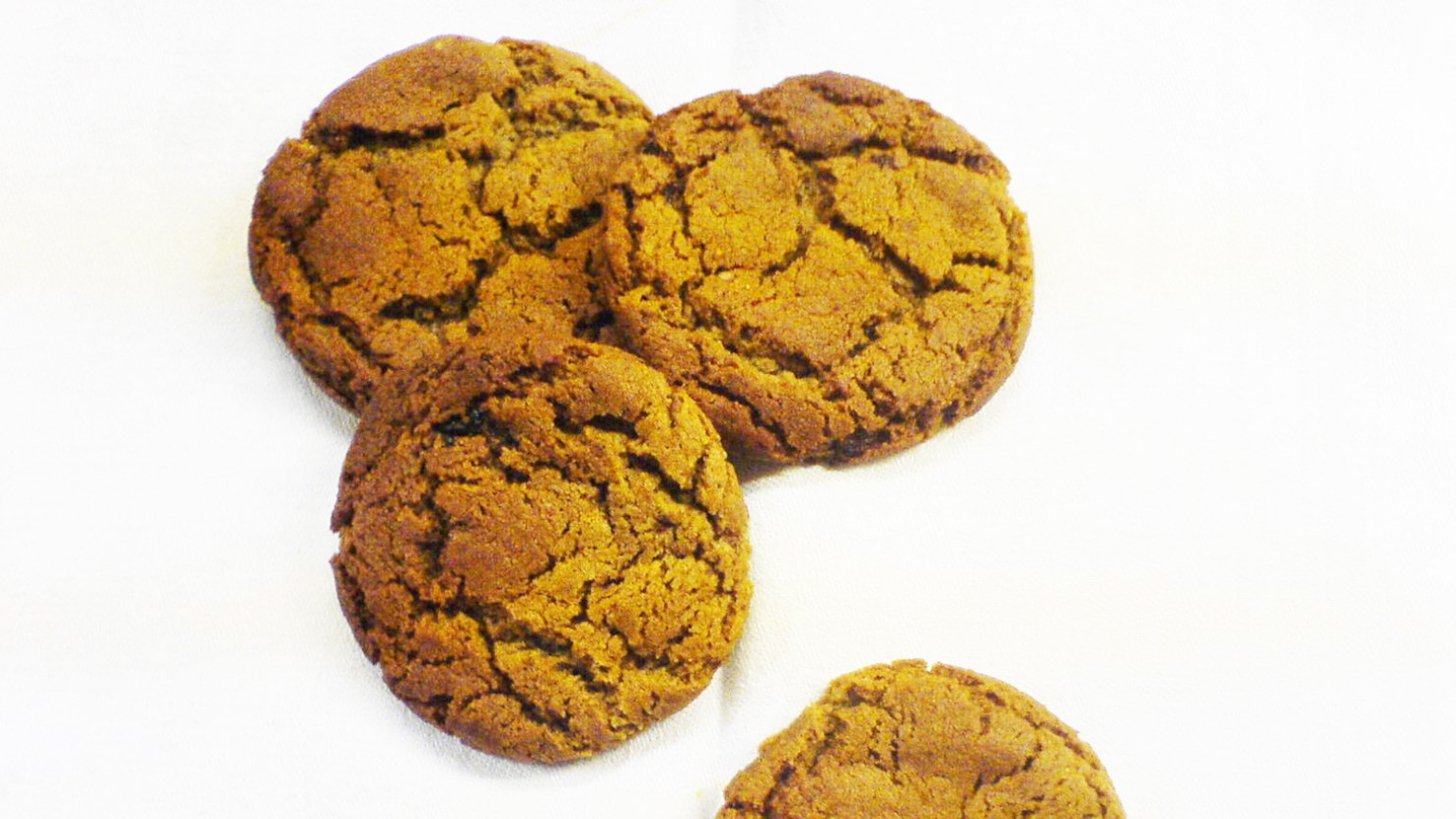
Cornish fairing is a traditional cookie originating from Cornwall. The cookies have been made for many years by a baker's firm called Furniss, founded in 1886 in Truro, and the recipe is a trade secret. The ingredients for these biscuits include sugar, flour, butter, syrup, spices such as ginger and cinnamon, and raising agents. The ingredients are formed into a dough, which is then cut with a wire futter before baking to give the cookies a rough surface. These dark brown, circular, spicy biscuits have long been associated with fairs in the South West, where they were bought and given as gifts to friends or relatives, hence the name Cornish fairing.
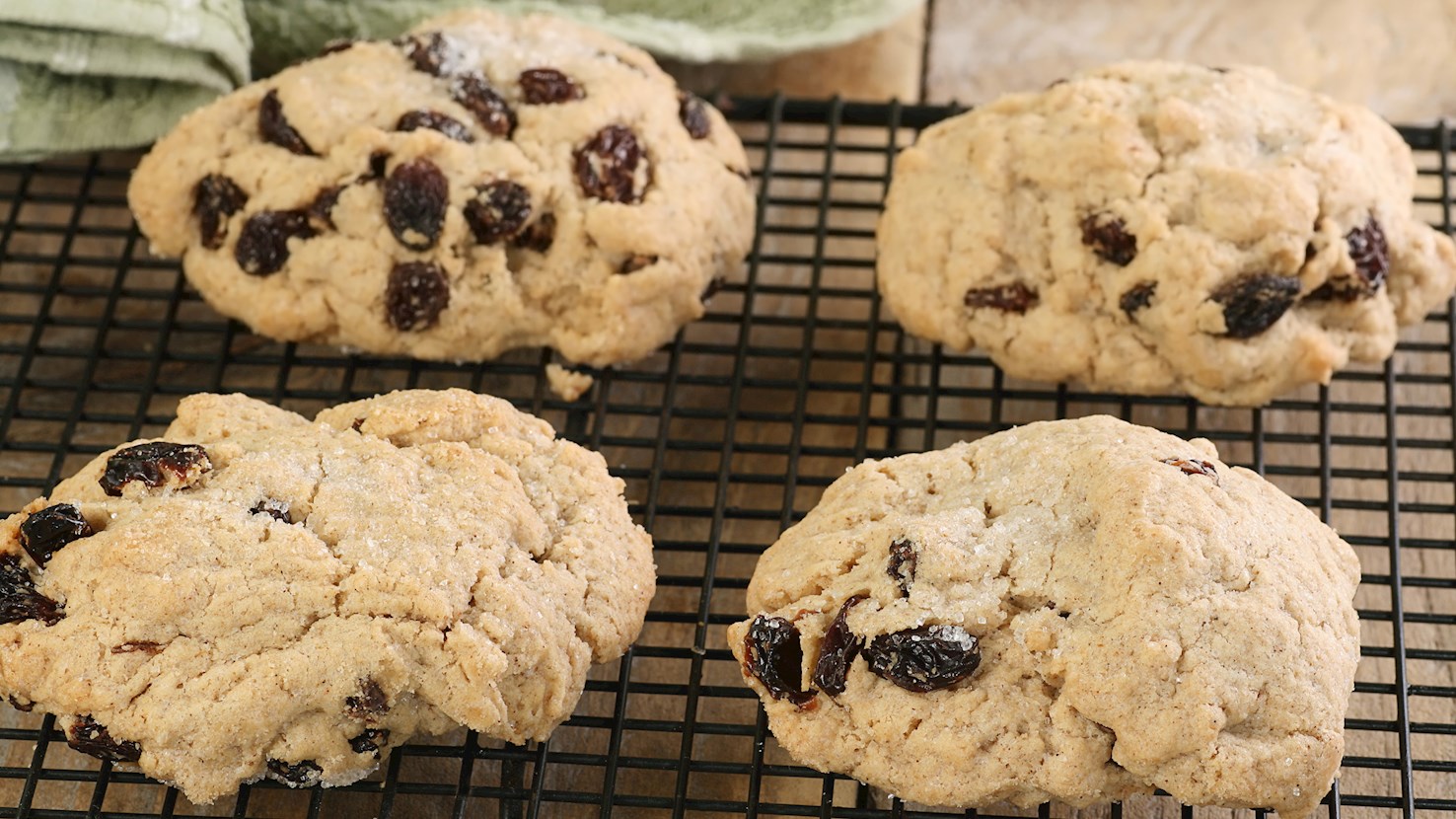
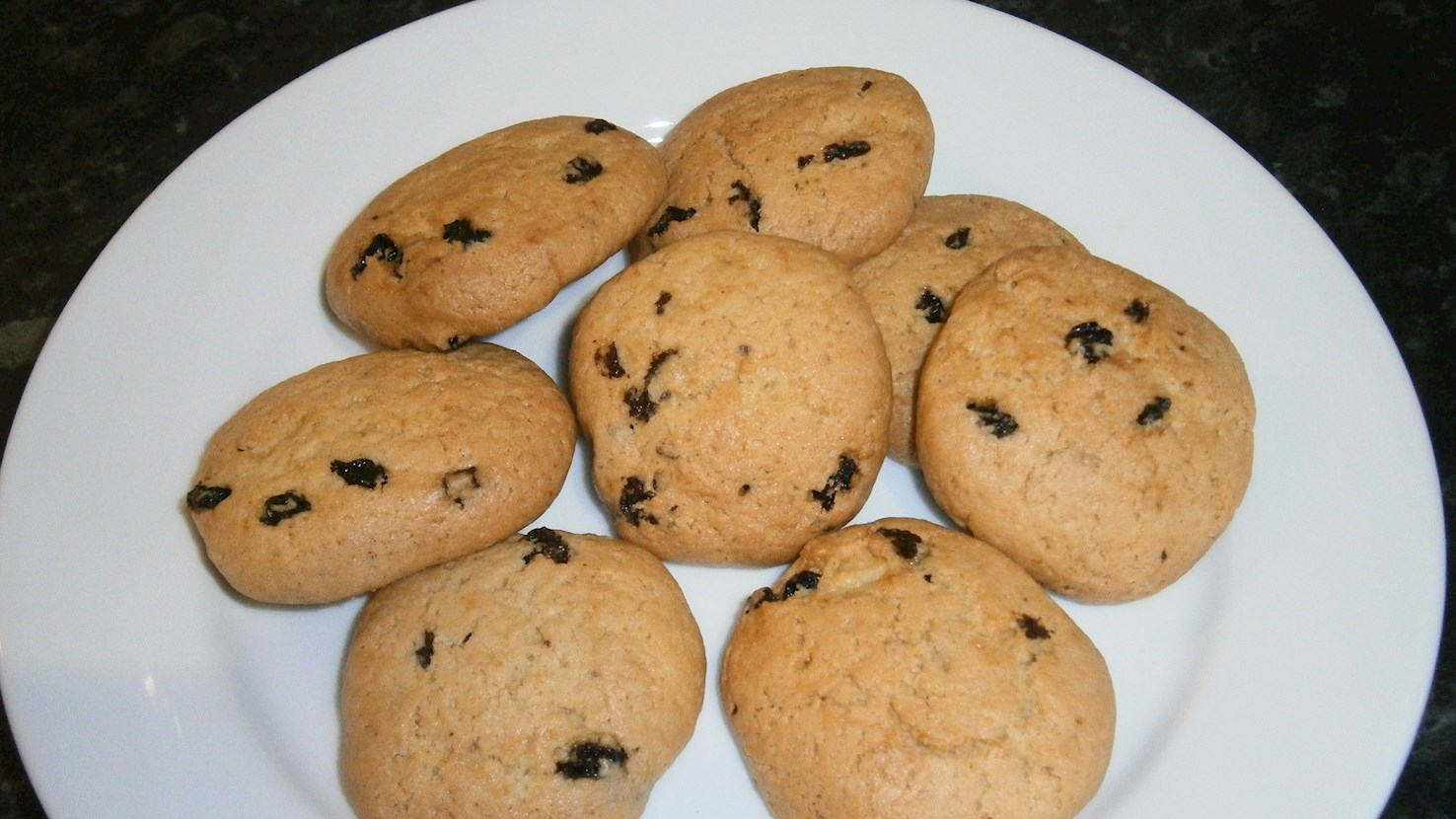
Rock cakes are traditional English cookies with a crumbly and light consistency, often served as a part of afternoon tea. The cookies are usually made with a combination of flour, sugar, baking powder, butter, eggs, vanilla extract, milk, and dried fruits such as raisins or sultanas. The thick and lumpy dough is placed onto a baking tray, and rock cakes are then baked until golden brown. It's recommended to eat them while they are still warm. Although the rock cakes look similar to scones, the dough for the rock cake is stiffer, and the size is smaller. Scones are cut into shapes before baking, while rock cakes are not – they're rolled into balls before they're placed on the baking sheet.
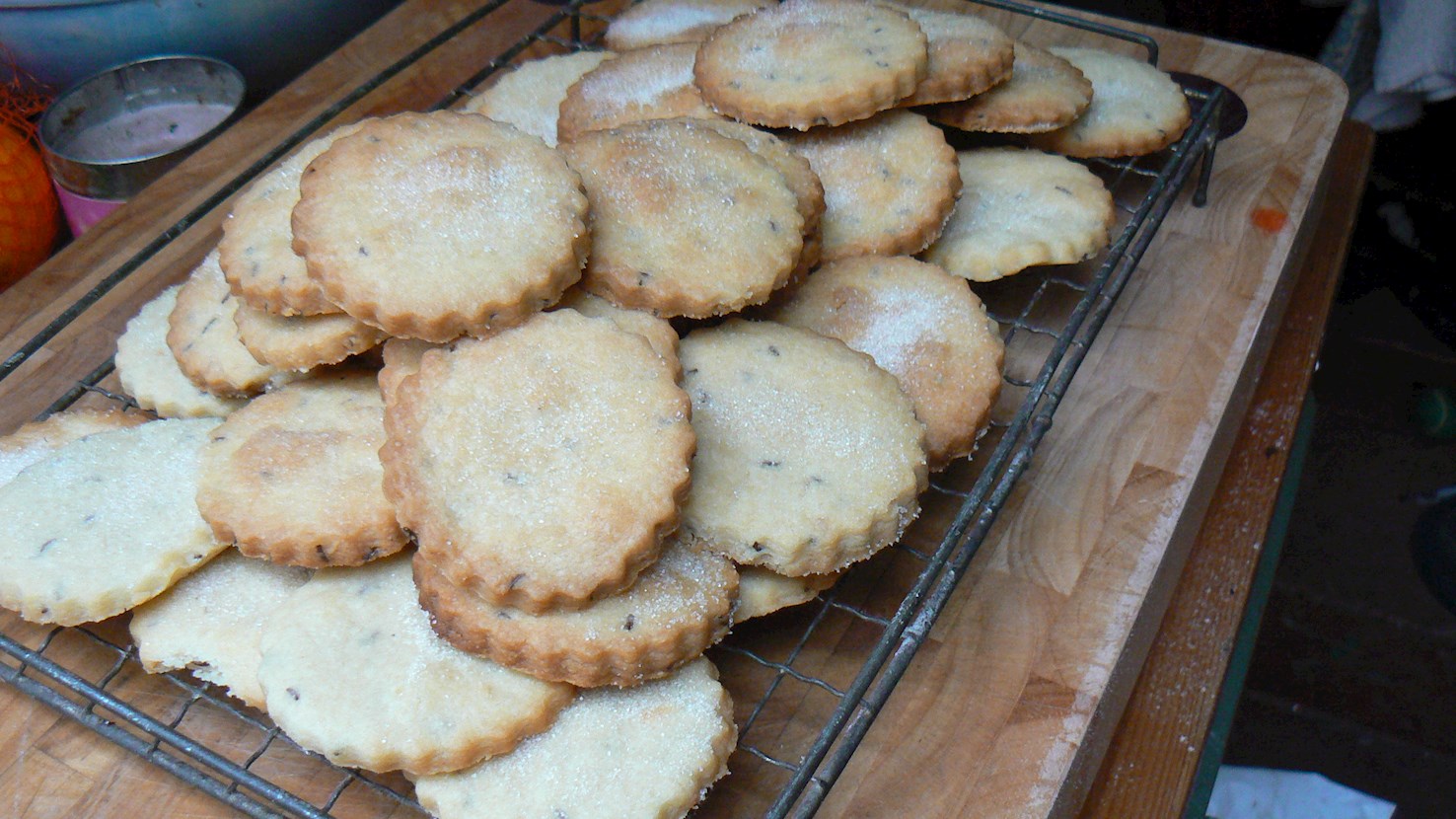
Goosnargh cake is a traditional cookie originating from a village north of Preston, Lancashire. The cookies are made with a combination of flour, sugar, local butter, and flavorings such as ground coriander and whole caraway seeds. The dough is rolled out, cut into rounds, sprinkled with caster sugar, and baked until firm, but very pale. The texture should be similar to shortbread. These cookies were popular in the region during the 16th and 17th centuries. If stored properly, these cookies can keep for several months.
Langley wakes are traditional English cookies that are often baked for annual wakes or fairs in Derbyshire villages during the summer months of July and August. They are usually made with a combination of flour, butter, sugar, baking powder, eggs, and dried fruits and nuts such as sultanas, currants, and hazelnuts. The dough is rolled out and cut into rounds, then baked in the oven until golden brown. Once done, the cookies are typically sprinkled with caster sugar and left to cool before they're served. Langley wakes can also be stored in airtight containers where they will keep for a few days.
This classic English shortbread biscuit takes its name after its place of origin, although different versions can be found in many other parts of England. While some use lemon, cinnamon, or even caraway seeds, the earliest recorded recipe goes back to 1621 when these brittle, buttery cookies were typically flavored with nutmeg and rosewater. Thanks to several literary references—including William Congreve's play The Way of the World in which he uses the expression as short as a Shrewsbury cake—by the end of the 18th century, these crispy English biscuits became known even beyond the borders of their homeland, and are especially popular in India.
Cattern cake is a subtly spiced, caraway-scented English cookie intricately tied to the feast of Saint Catherine of Alexandria on November 25th, historically serving as the centerpiece for the riotous, centuries-old celebrations held by English lacemakers and spinners to honor their patron saint. A cattern cake is an unapologetically rustic, historical bake that sits somewhere between a dense, buttery biscuit and a soft, heavily spiced scone. Deeply intertwined with the lacemaking cottage industries of Bedfordshire, Buckinghamshire, and Northamptonshire, these small cookies are inextricably bound to "Cattern's Day," an ancient mid-autumn holiday when the grueling, eye-straining labor of lacemaking was entirely suspended. Instead, the female workers engaged in a full day of feasting, drinking "hot pot" (a potent mix of warm rum and beer), and consuming massive quantities of these specific cookies. The architecture of the dough is a direct reflection of historical English baking, predating the widespread availability of chemical leavening and refined white sugar. It relies on a sturdy base of plain wheat flour aggressively rubbed with cold butter or lard to create a short, crumbly texture. The dough is sweetened with brown sugar and heavily fortified with a warm, slightly bitter spice profile that feels profoundly autumnal: a generous dose of ground cinnamon and a heavy scattering of whole caraway seeds, which provide a distinct, earthy crunch that cuts through the richness of the butter. A single egg and a small splash of milk bind the mixture into a stiff paste, which is then rolled into thin strips and tightly coiled like a snail shell or a spiral before baking. The spiral shape is entirely deliberate and deeply symbolic; it is designed to mimic the "Catherine Wheel," the brutal, spiked torture device upon which the saint was supposedly martyred in the 4th century. Baked until the edges turn a sharp, golden brown and the interior remains soft and slightly chewy, these spiral cakes were traditionally consumed piping hot, straight from the oven, offering a dense, calorie-rich comfort against the freezing damp of late November in the English Midlands.
TasteAtlas food rankings are based on the ratings of the TasteAtlas audience, with a series of mechanisms that recognize real users and that ignore bot,
nationalist or local patriotic ratings, and give additional value to the ratings of users that the system recognizes as knowledgeable.
For the “Top 7 English Cookies” list until June 15, 2026, 69 ratings were recorded, of which 57 were recognized by the system as legitimate.
TasteAtlas Rankings should not be seen as the final global conclusion about food. Their purpose is to promote excellent local foods,
instill pride in traditional dishes, and arouse curiosity about dishes you haven’t tried.
The initial list of top producers was compiled based on available reviews, awards, local recommendations, media and blog coverage, and consumer reviews.
The list will be updated with ratings from TasteAtlas local ambassadors and TasteAtlas users.