shutterstock

Top 8 Greek Cookies

Last updated on May 15, 2026

Best Greek Cookies

01

Chrisanthidis Delights

4.7 ·
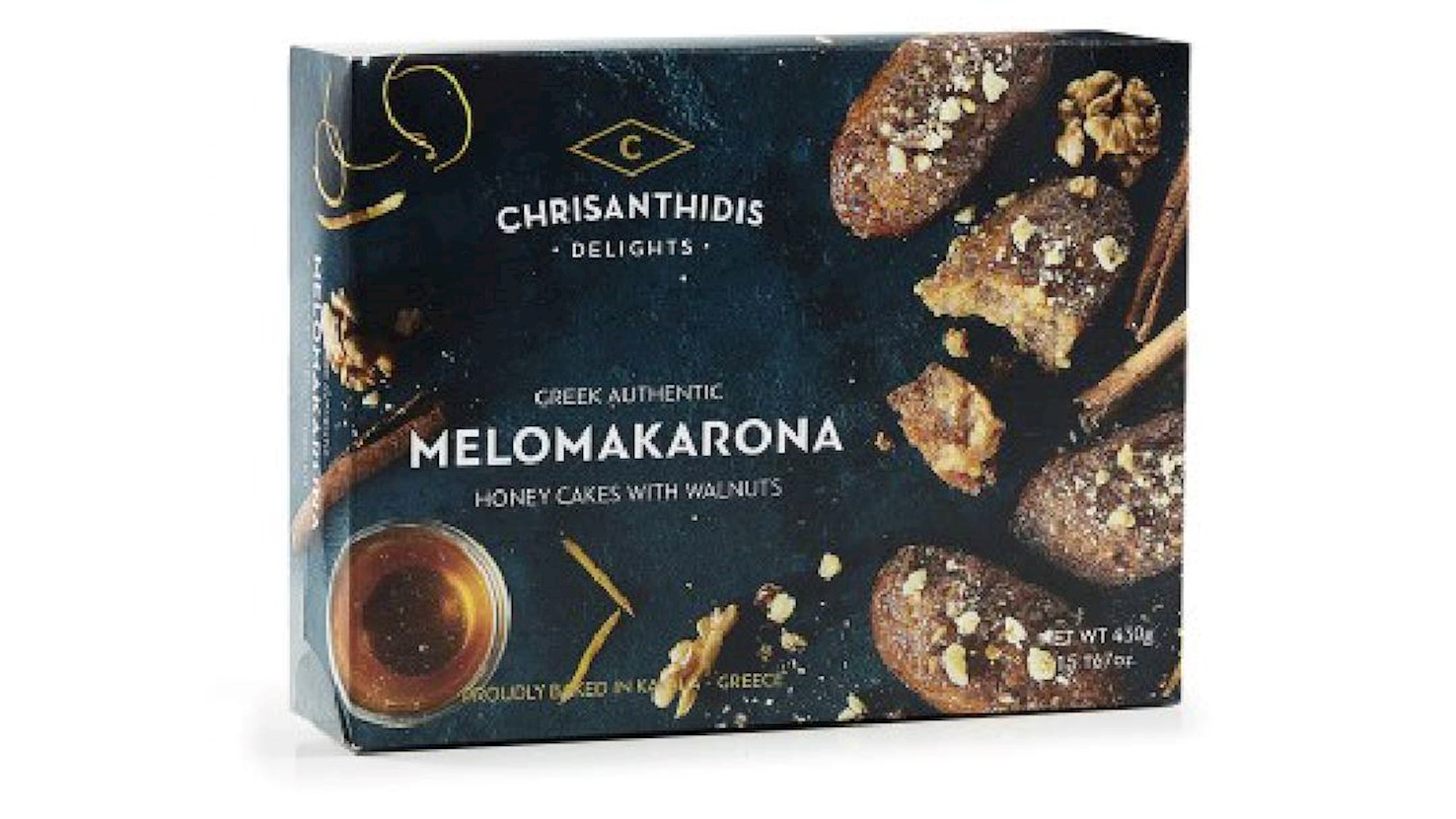
Chrisanthidis Delights is a family-owned company dedicated to crafting traditional Greek sweets with care, love, and respect for time-honored recipes. Their signature treats - including kourabiedes (butter almond cookies), melomakarona (honey and walnut cookies), and other classic delicacies - are handmade using only natural ingredients, with no artificial additives or preservatives. Renowned for their authentic flavor and exceptional quality, Chrisanthidis Delights products are elegantly packaged, often in decorative tins, making them an ideal gift or a festive table centerpiece. More than just a dessert, each Chrisanthidis creation offers a moment of warmth, tradition, and indulgence - a tribute to heritage, craftsmanship, and the simple joy of sharing something truly special.
Awards
Superior Taste Awards - 2 stars (2018)

Best Greek Cookies

01

Melomakarona

4.3 ·

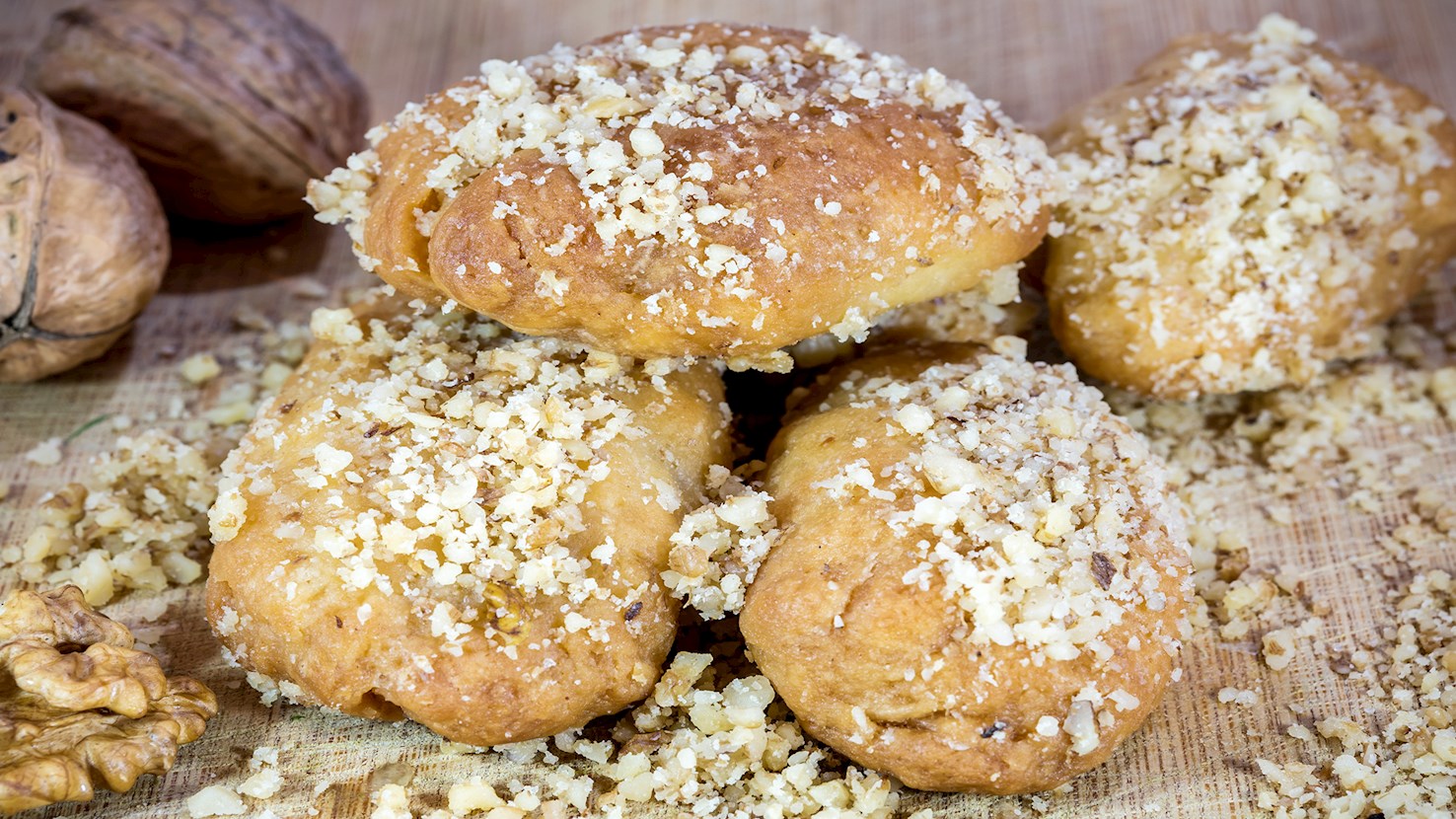
Though they are thought to have originated in ancient Phoenicia, melomakaronas are nowadays a typical Greek Christmas treat. These delicious semolina cookies are traditionally flavored with honey, orange zest, cinnamon and other spices, olive oil, and cognac. Immediately after baking, melomakarona cookies are doused in honey syrup, then sprinkled with ground walnuts. Although some argue that another Greek treat that goes under the name finikia refers to a slightly different dessert, occasionally fried and served without walnuts, today both names are used interchangeably.

Best restaurants
02

Amygdalotá

3.9 ·

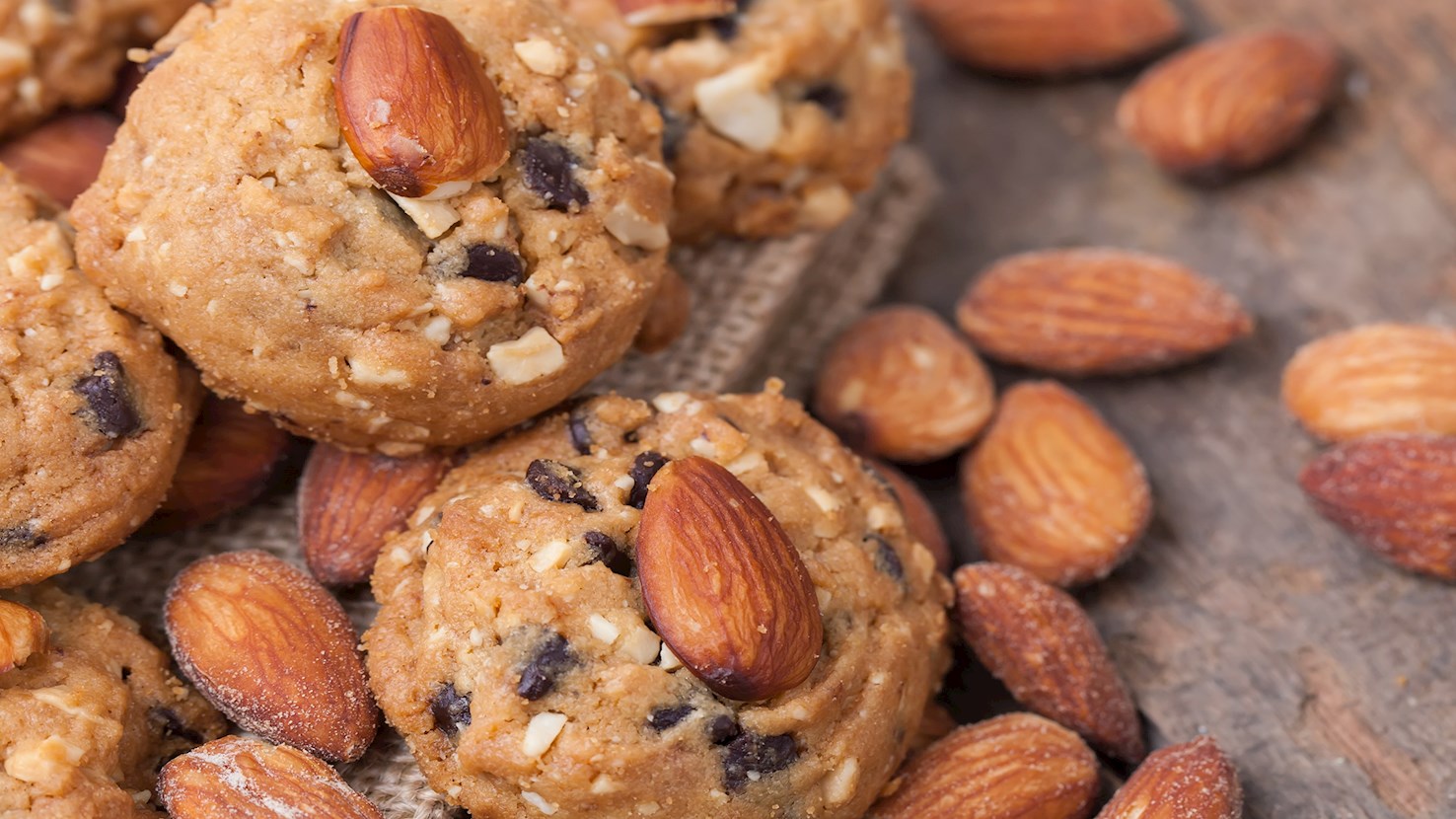
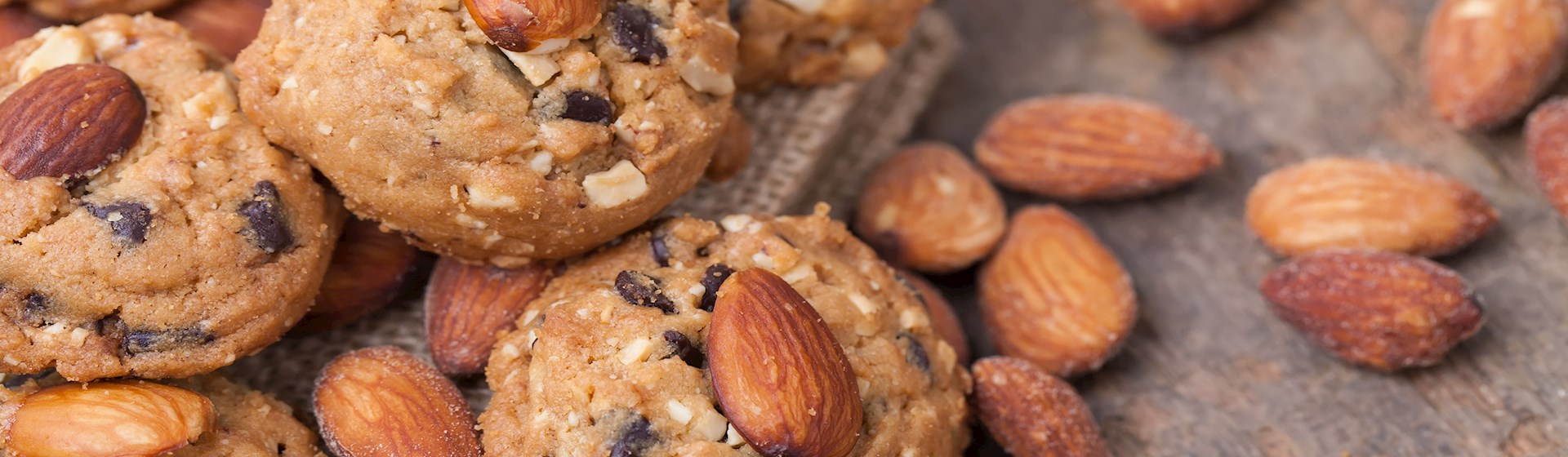
These delicate Greek cookies are prepared with ground almonds, egg whites, sugar, and various flavorings such as orange blossom water, liqueurs, or vanilla. Usually decorated with almonds or almond slivers, they come in different forms and are occasionally coupled with pastry creams. Amygdalotá cookies are traditionally baked and enjoyed on special occasions and are often given as presents on christenings and weddings.

03

Moustokouloura

3.9 ·

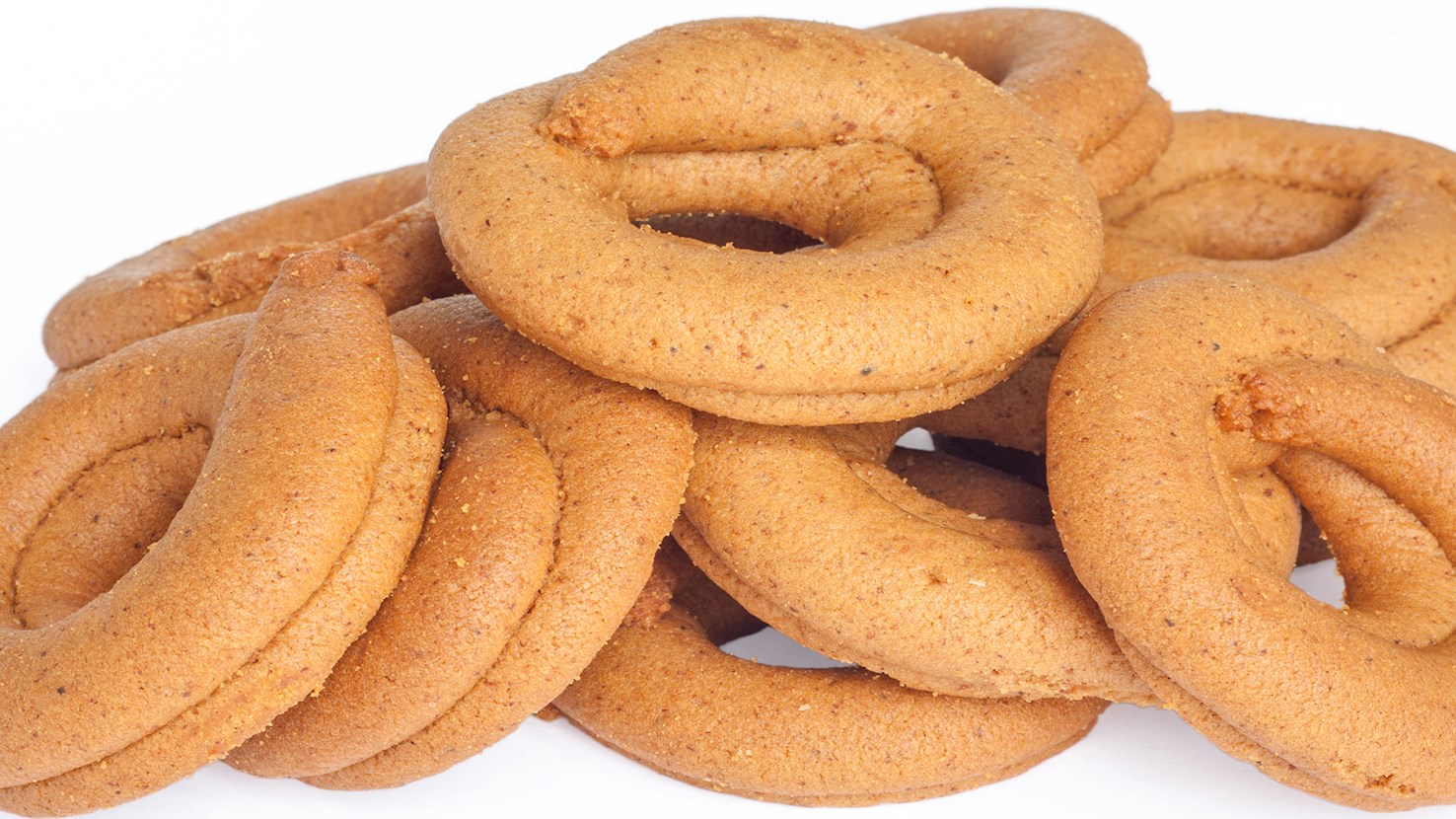
The star ingredient in these chewy, soft cookies is grape must or petimezi, a syrup-like grape molasses. It is blended into a pliable dough that combines sugar or honey, flour, leavening agent, orange juice, and spices such as cinnamon and cloves. The dough is traditionally shaped into thin rolls that are then swirled into medium-sized round cookies. Since grape must is an autumnal product, the cookies are usually enjoyed throughout autumn and winter. Their flavor is reminiscent of gingerbread, and they are best paired with a cup of coffee or tea.

04

Kourabiedes

3.8 ·

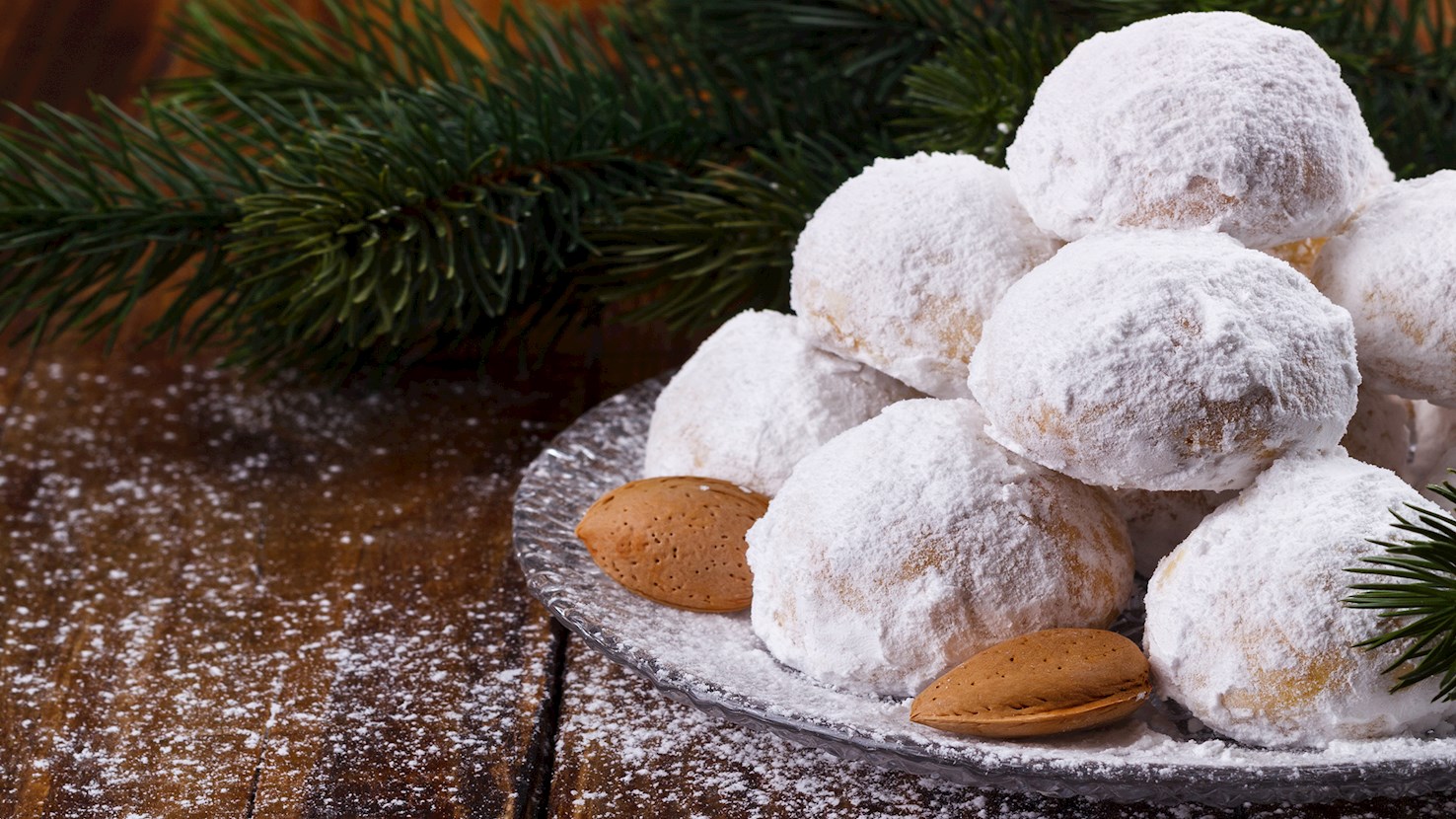
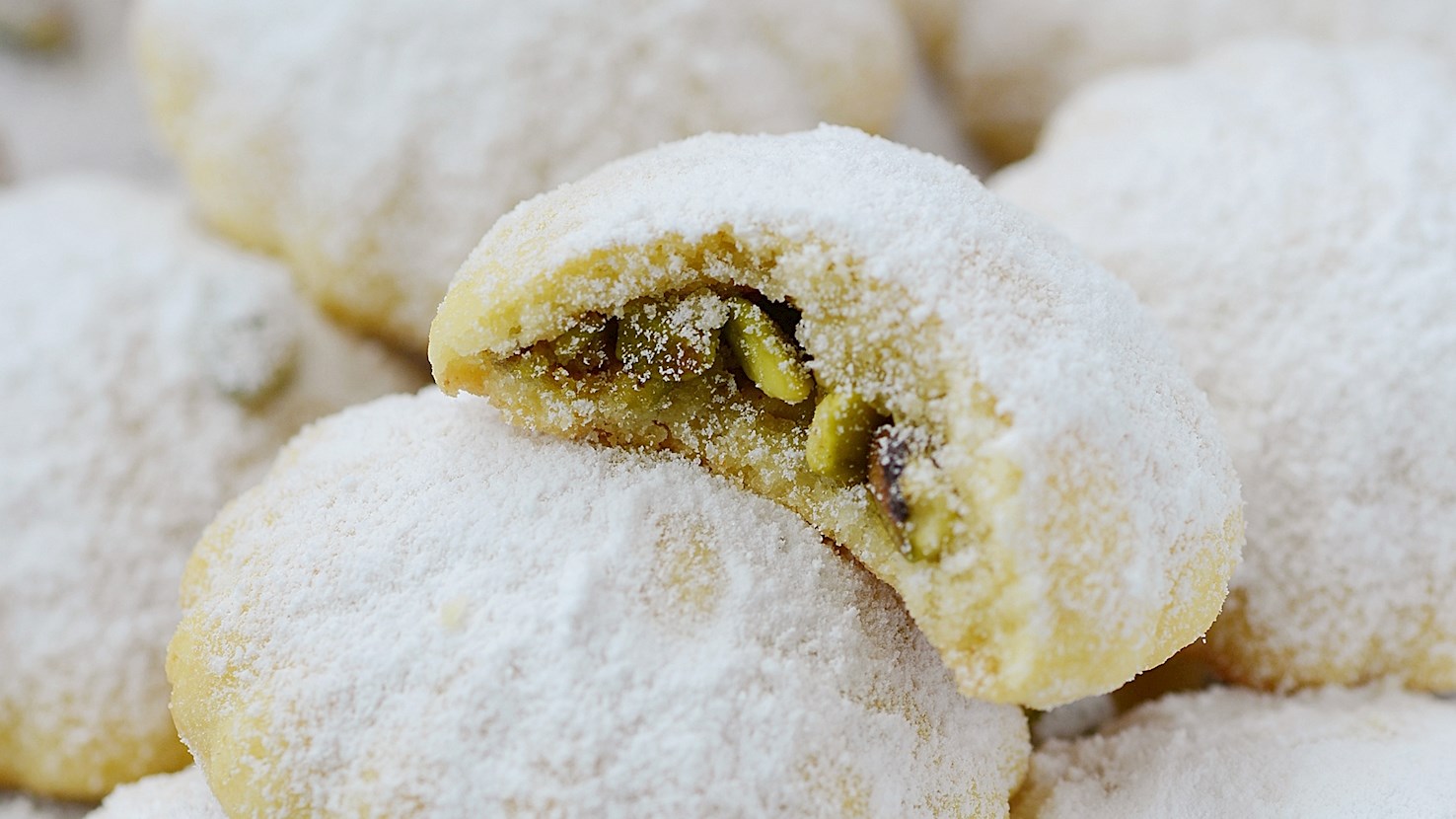
These crispy and buttery shortbread cookies are a classic Greek dessert. Even though some variations occasionally employ walnuts, they are traditionally prepared with a rich dough that incorporates ground almonds, butter, and various flavorings such as vanilla or strong brandy. They are usually shaped into crescent or round shapes and are generously coated in powdered sugar. Traditionally associated with festive occasions, kourabiedes are a staple Christmas cookie, but they are also associated with Easter and many other special occasions.

05

Mamoulia

3.3 ·

Mamoulia are festive Greek cookies that have been traditionally prepared on the island of Chios, although they are also commonly eaten on other Greek islands. To make the cookies, a dough of flour, butter, fresh milk, sugar, eggs, olive oil, baking soda, baking powder, and brandy is shaped into small balls which are stuffed with a mixture of finely chopped nuts. The filling typically consists of almonds, walnuts, pistachios, and confectioners' sugar, and it is usually flavored with flower water, cinnamon, cloves, and nutmeg. The cookies often take the shape of a pear, and once baked, they are typically sprinkled with flower water and coated with confectioners' sugar before serving. People on Chios commonly offer these cookies as part of the traditional Christmas buffet alongside various other sweet specialties and mezedes (savory appetizers), all washed down with plenty of local wine and raki (a traditional spirit). These cookies are often flavored with the local masticha (resin), and they are also prepared for other special occasions such as weddings.

06

Paximathakia

3.3 ·

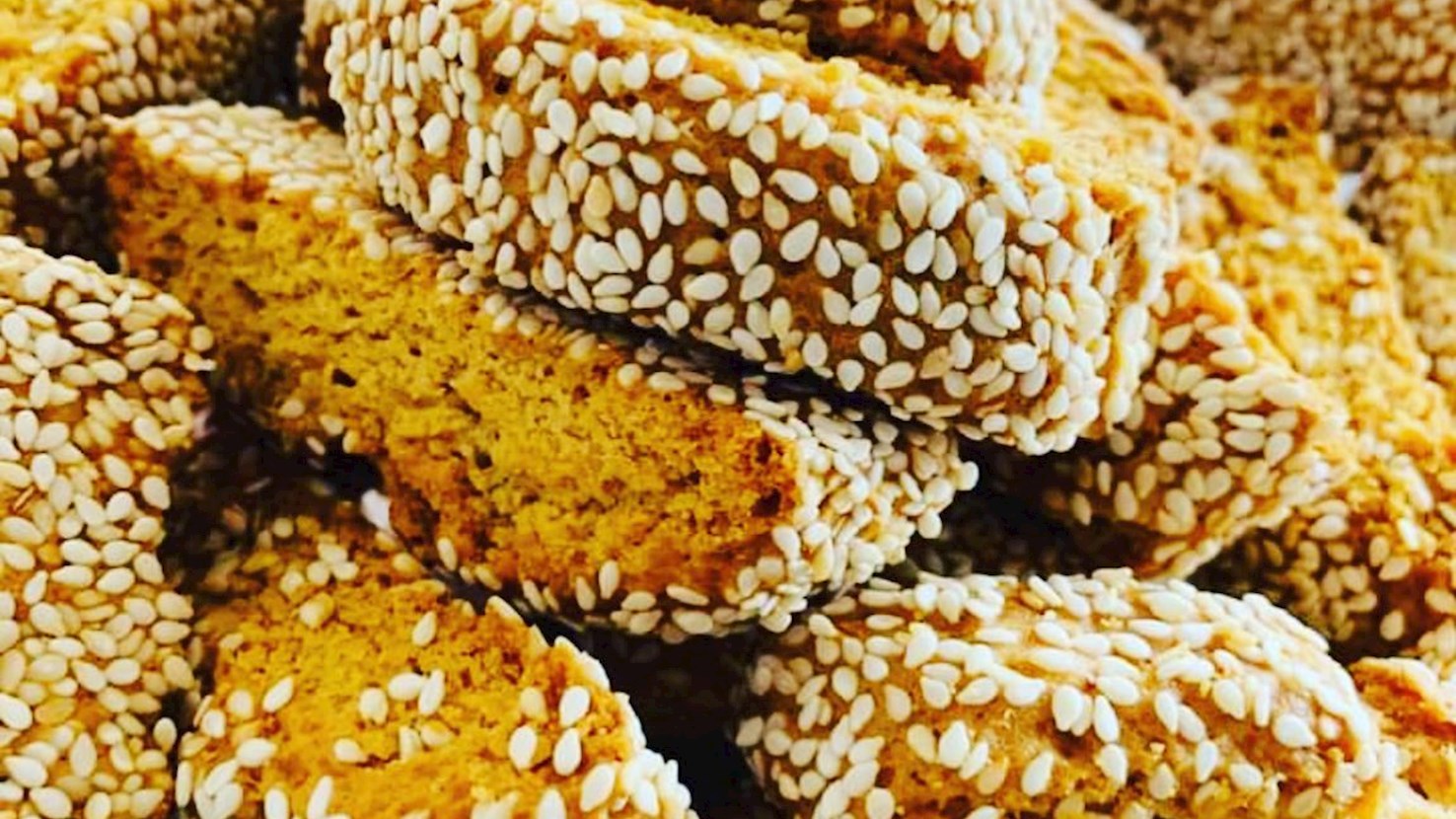
Paximathakia is the Greek version of biscotti. The cookies are made with a combination of flour, baking soda, orange juice, lemon juice and peel, olive oil, cinnamon, toasted sesame seeds, sugar, and baking powder. The sticky dough is shaped into logs that are baked until firm, cut into slices, then baked again at a lower temperature, which will draw the moisture out of the cookies. These twice baked cookies should be left to cool completely before they're stored in airtight containers.

07

Kariokes

n/a ·

Kariokes are crescent-shaped chocolate confections made by mixing ground walnuts with cake or biscuit crumbs, cocoa, and sometimes a splash of liqueur or brandy. The mixture is shaped into half-moons and then dipped in rich dark chocolate. The texture can range from soft and chewy to crunchy, depending on the amount of biscuit and nuts added. Kariokes are often made by pastry shops using leftover cake or sponge, making them both a frugal and indulgent treat. They were first created in 1926 by Giorgos Papaparaskevas in Xanthi, known initially as a kerasma, and their name was inspired by the people of Rio de Janeiro who settled there.

08

Patouda

n/a ·

These classic Cretan cookies combine flaky dough with a sweet nut-based filling. The pastry dough is made with bicarbonate of soda (ammonia), while the filling mainly consists of nuts such as almonds or walnuts, sesame seeds, and spices such as cinnamon and nutmeg. The cookies are traditionally shaped into half-moons, then generously dusted with powdered sugar. Patouda cookies are best paired with a cup of strong coffee.

Read more
View all
View map
About this ranking

TasteAtlas food rankings are based on the ratings of the TasteAtlas audience, with a series of mechanisms that recognize real users and that ignore bot, nationalist or local patriotic ratings, and give additional value to the ratings of users that the system recognizes as knowledgeable. For the “Top 8 Greek Cookies” list until May 15, 2026, 780 ratings were recorded, of which 388 were recognized by the system as legitimate. TasteAtlas Rankings should not be seen as the final global conclusion about food. Their purpose is to promote excellent local foods, instill pride in traditional dishes, and arouse curiosity about dishes you haven’t tried.

The initial list of top producers was compiled based on available reviews, awards, local recommendations, media and blog coverage, and consumer reviews. The list will be updated with ratings from TasteAtlas local ambassadors and TasteAtlas users.

Similar lists