

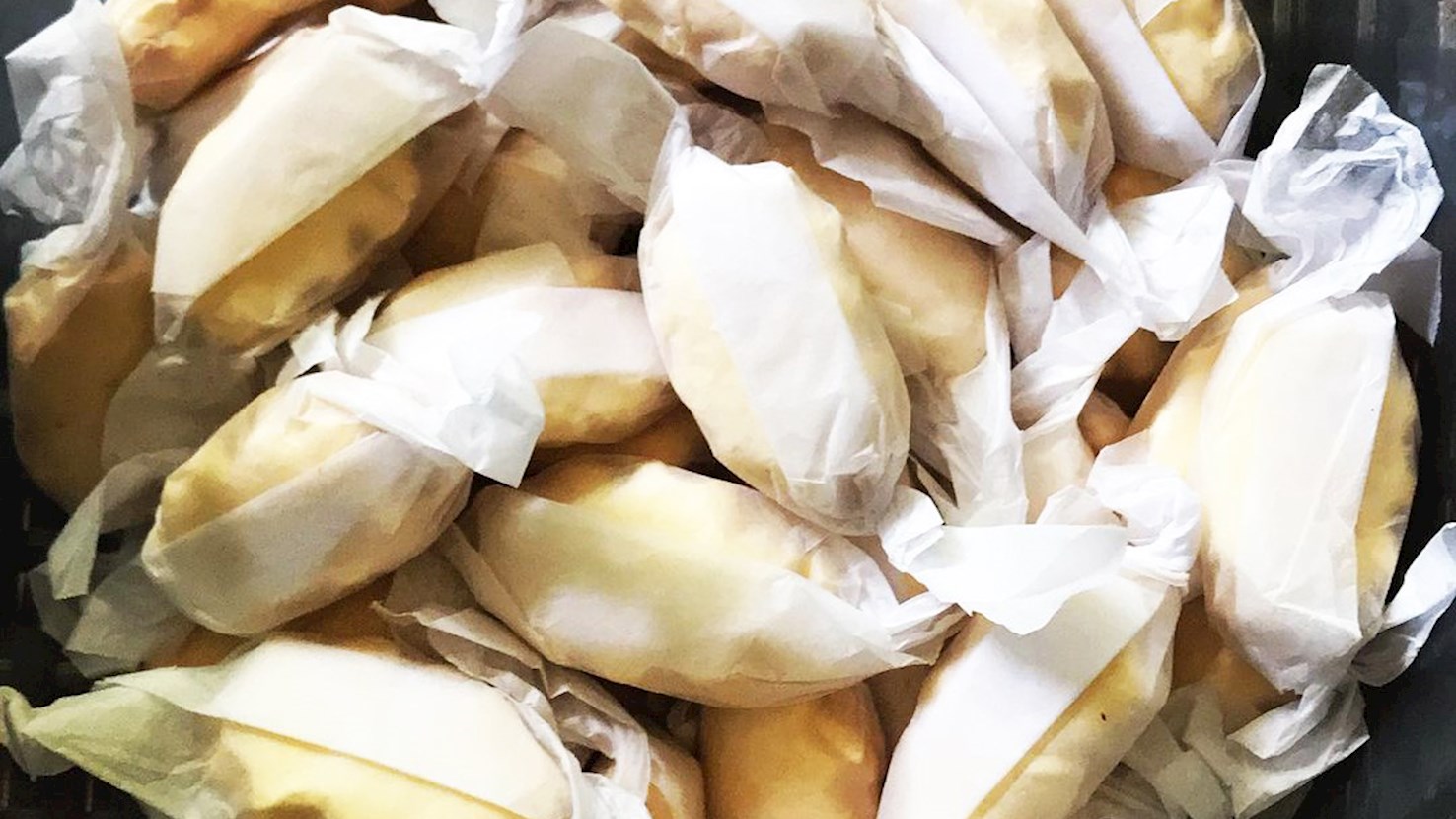
Top 4 Filipino Cookies

Last updated on July 15, 2026
01

Silvanas

3.9 ·

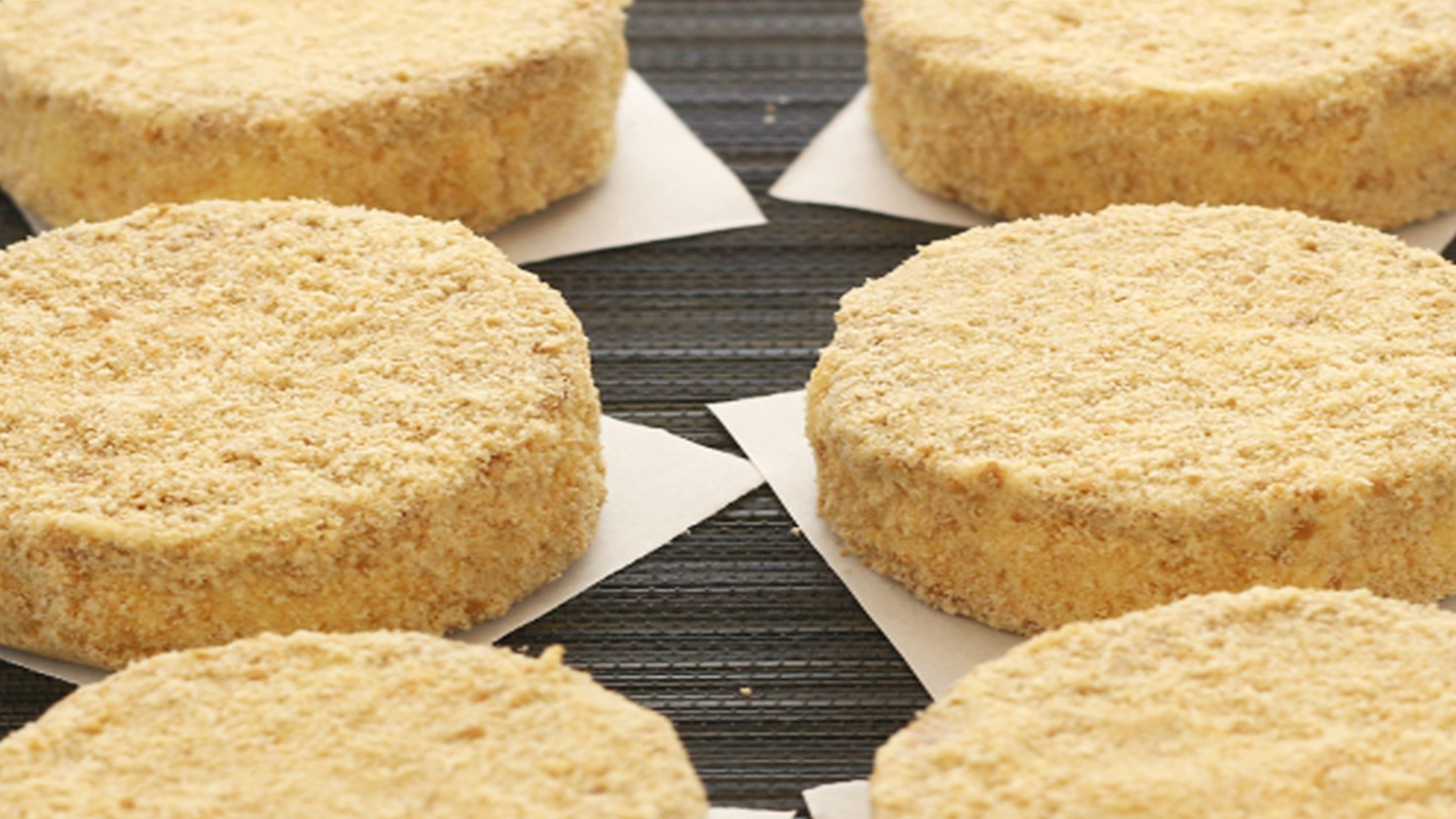
Silvanas are the snack version of a traditional Filipino dessert known as sans rival. These frozen cookie sandwiches are made with two cashew-meringue wafers that are held together with a thick layer of buttercream and are generously coated in cashew crumbs. Although plain versions are the most common, silvanas occasionally come in various flavors such as chocolate, strawberry, mocha, or mango. Popular throughout the country, these cookies have to be refrigerated and are best served well-chilled or frozen.

02

Apas

n/a ·

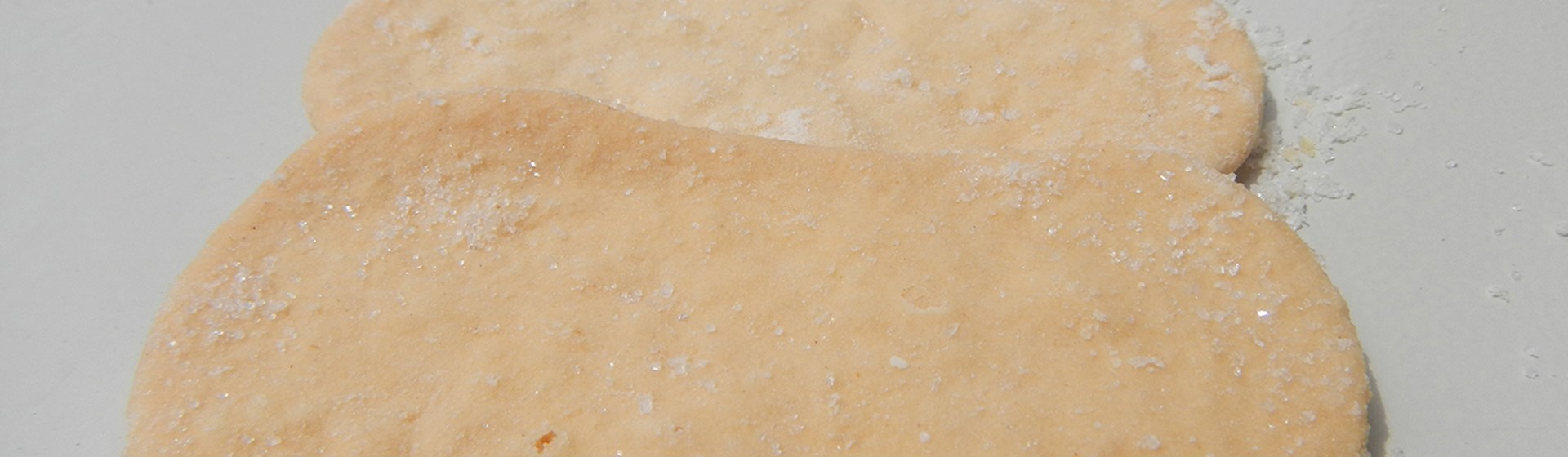
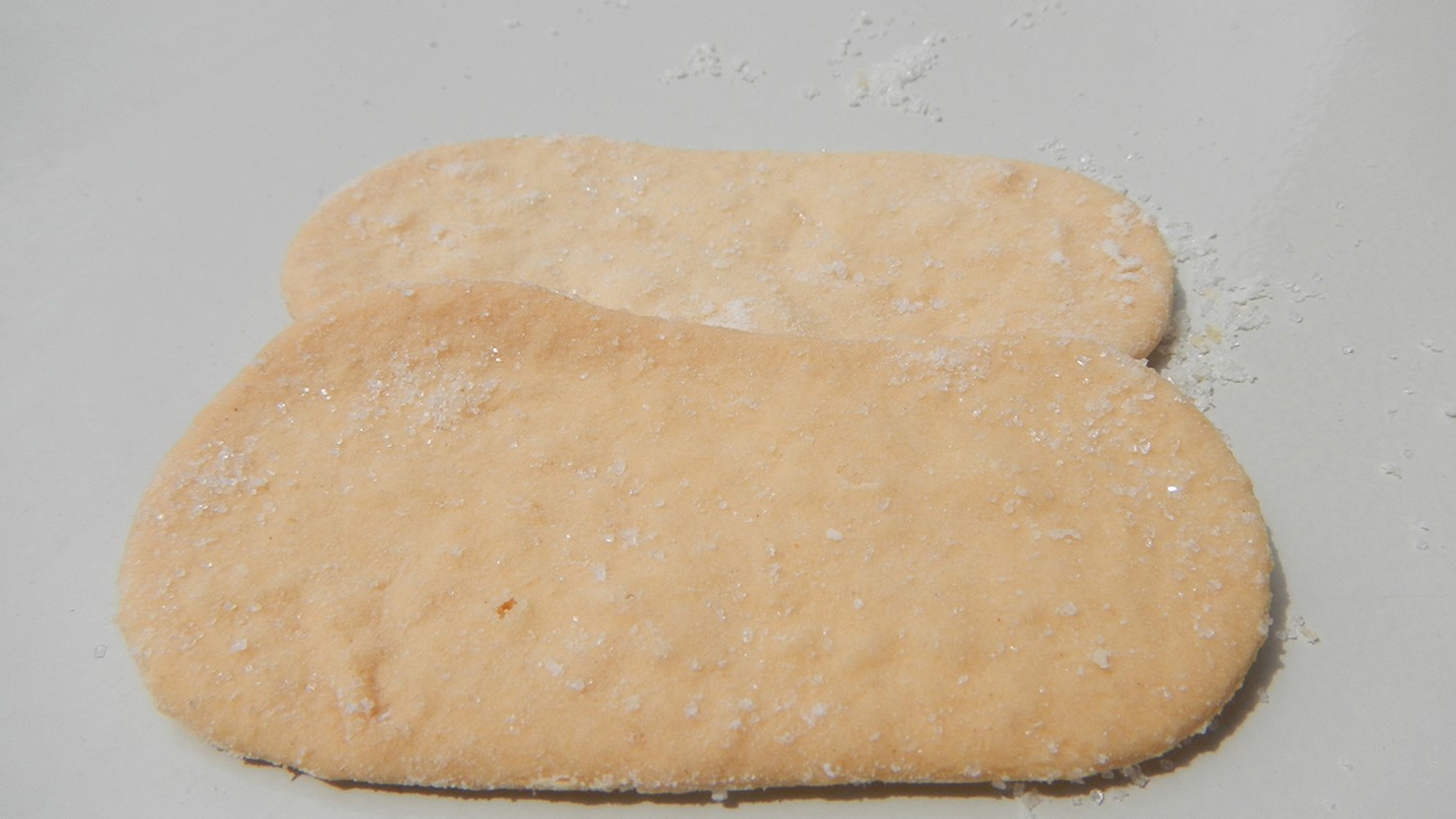
Apas are traditional cookies originating from Lucena in the Philippines. These Southern Tagalog specialties have a base of a typical biscuit, with hints of sweetness and milkiness. They are very thin, oblong, wafer-like, and topped with sugar. The crispy and thin cookies can be bought in most markets in the Philippines.

03

Rosquillo

n/a ·

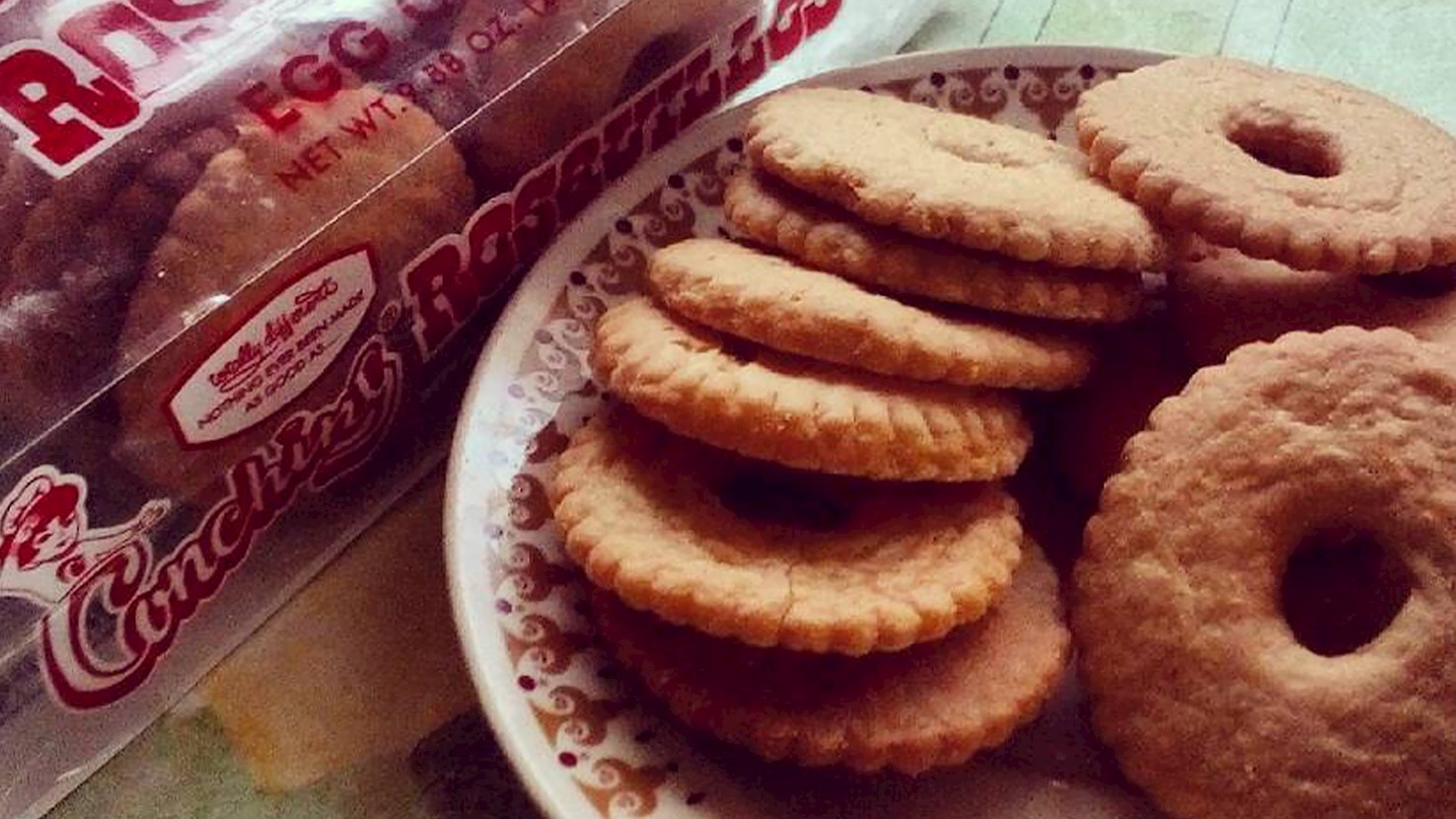
Rosquillo is a Filipino cookie that was invented by Margarita Frasco in Cebu in 1907. The name comes from the Spanish word roscas, meaning ringlet, although these cookies have nothing to do with the Spanish rosquilla donuts. The cookies are made with a combination of eggs, flour, sugar, shortening, and baking powder, while white wine and anise extract can be added for extra flavor, if desired. The dough is shaped into rings before it's baked until golden brown. It is recommended to roll the cookies in sugar before serving, while they are still warm.

04

Uraró

n/a ·

Uraró are traditional Filipino cookies originating from the Tagalog people of southern Luzon. The cookies are traditionally made with arrowroot flour, duck egg yolks, milk, rendered lard, and sugar. Once prepared, the mixture is baked in a traditional Filipino clay oven called a pugon, and the resulting cookies should have a melt-in-the-mouth quality, as well as milky and buttery flavors. However, the modern versions of uraró are made with a combination of margarine or butter, arrowroot flour, milk, sugar, and eggs. If desired, the cookies can be enriched with the addition of maple syrup or coconut cream. They are commonly stacked in cylinders and sold wrapped in colored crepe paper. The name of these cookies is derived from uraró or araró, a Tagalog and Spanish name for the maranta arrowroot.

About this Ranking

TasteAtlas food rankings are based on the ratings of the TasteAtlas audience, with a series of mechanisms that recognize real users and that ignore bot, nationalist or local patriotic ratings, and give additional value to the ratings of users that the system recognizes as knowledgeable.

TasteAtlas Rankings should not be seen as the final global conclusion about food. Their purpose is to promote excellent local foods, instill pride in traditional dishes, and arouse curiosity about dishes you haven’t tried.

What People Say

Similar Lists