shutterstock

Top 9 Piedmontese Cookies

Last updated on May 15, 2026

Best Piedmontese Cookies
01

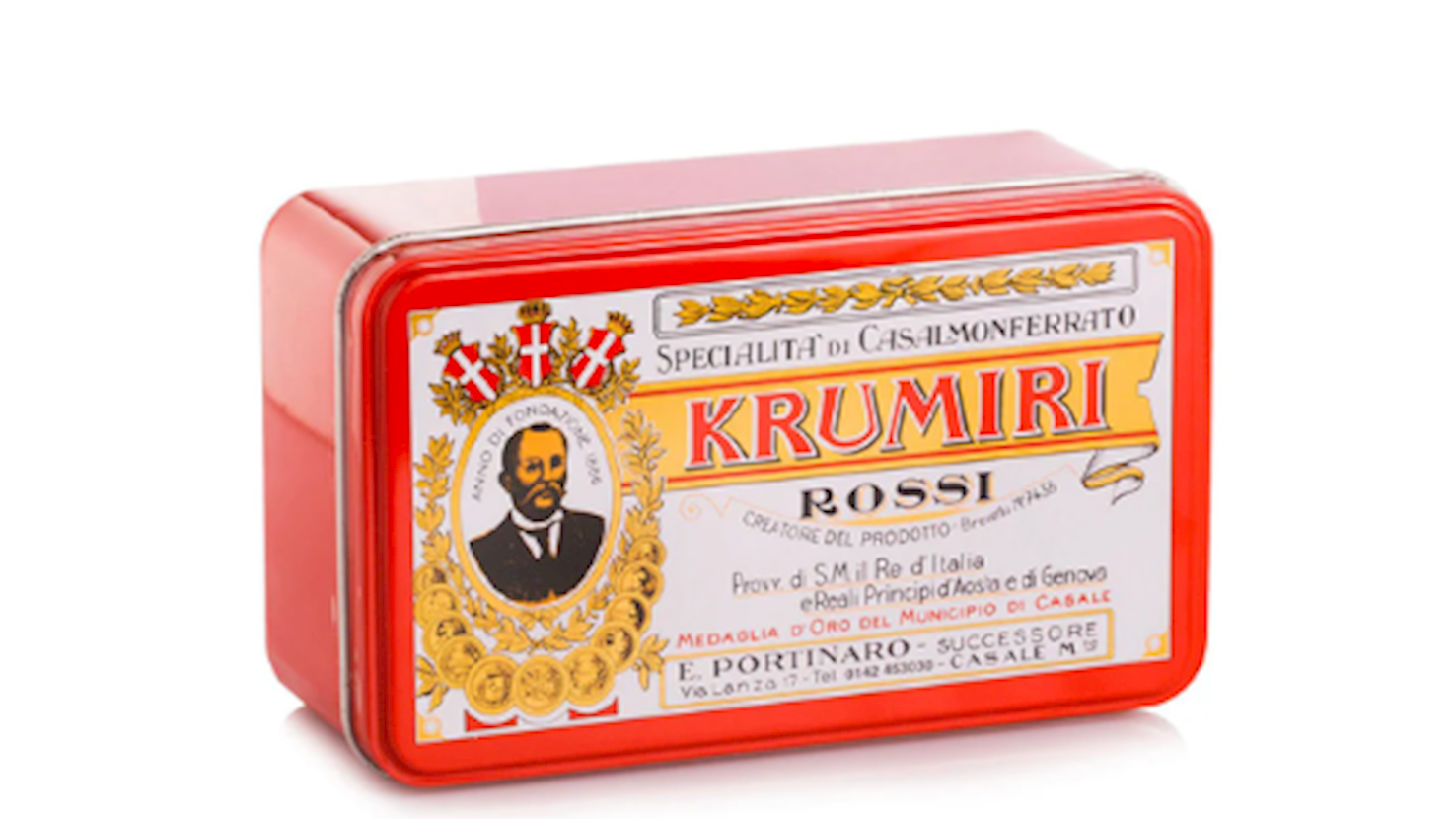
Krumiri Rossi

4.7 ·
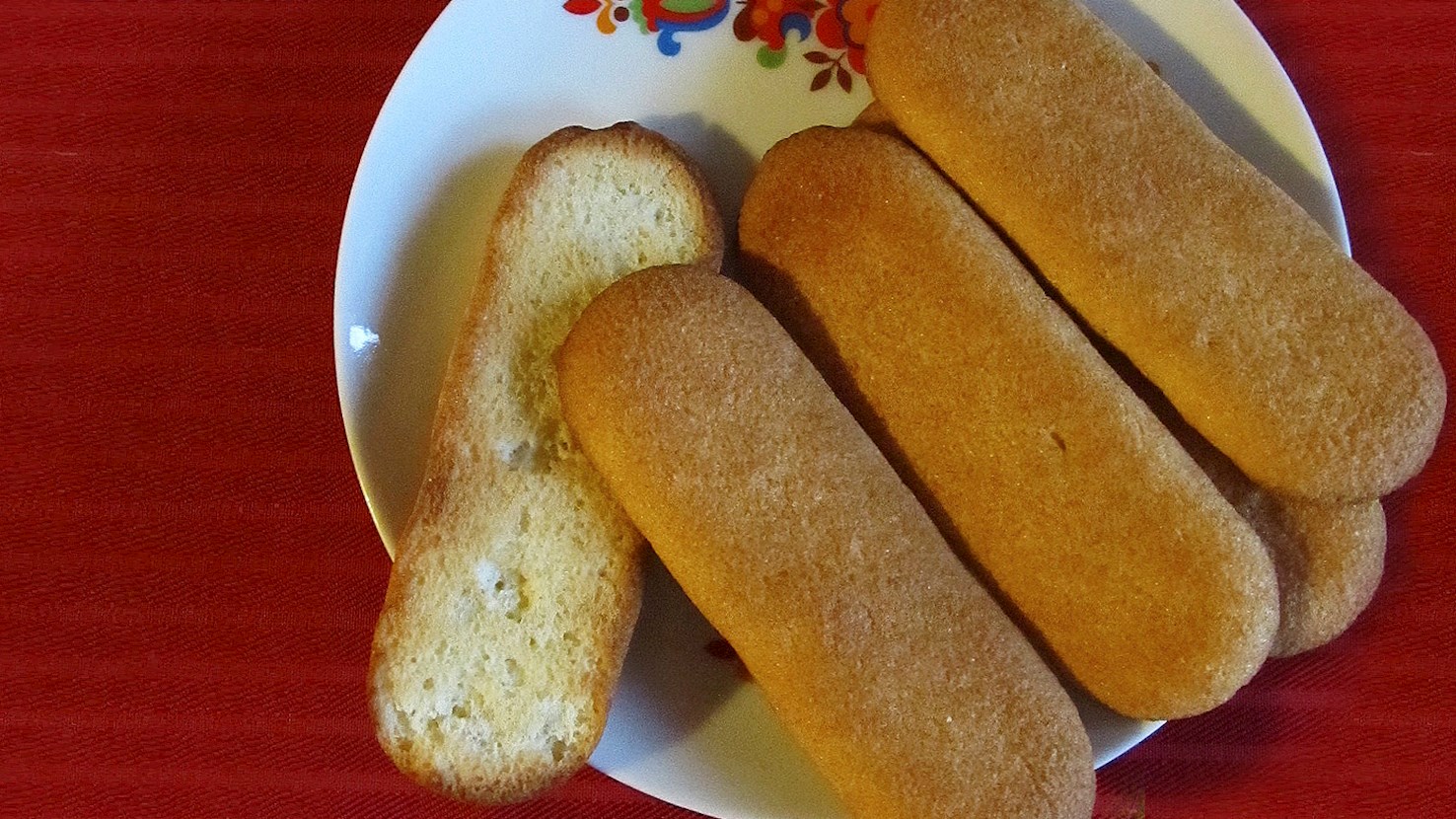
Krumiri Rossi is a historic Italian confectionery brand based in Casale Monferrato, in the Piedmont region, known for producing one of Italy’s most distinctive traditional biscuits. Founded in 1878 by pastry chef Domenico Rossi, the company originated from the creation of krumiri, a butter-based biscuit that quickly became emblematic of the local gastronomic identity. The recipe is intentionally simple - flour, butter, sugar, eggs, and vanilla - but its character lies in the balance between a firm, slightly crumbly texture and a rich, buttery flavor. A defining feature is the biscuit’s curved shape, often linked to the moustache of King Victor Emmanuel II, which contributes to its strong visual identity. From its early years, the brand established itself through authenticity and protection of its product, gaining recognition and defending the originality of the recipe. Despite its growth over time, Krumiri Rossi has maintained a consistent focus on tradition, preserving both the formulation and the production approach. The biscuits are typically consumed with coffee, tea, or dessert wines, reinforcing their role as both an everyday accompaniment and a regional specialty. Today, Krumiri Rossi represents continuity rather than innovation, positioning its product as a direct extension of a late 19th-century recipe that remains largely unchanged.
02

Lisbona Tomatis

4.6 ·
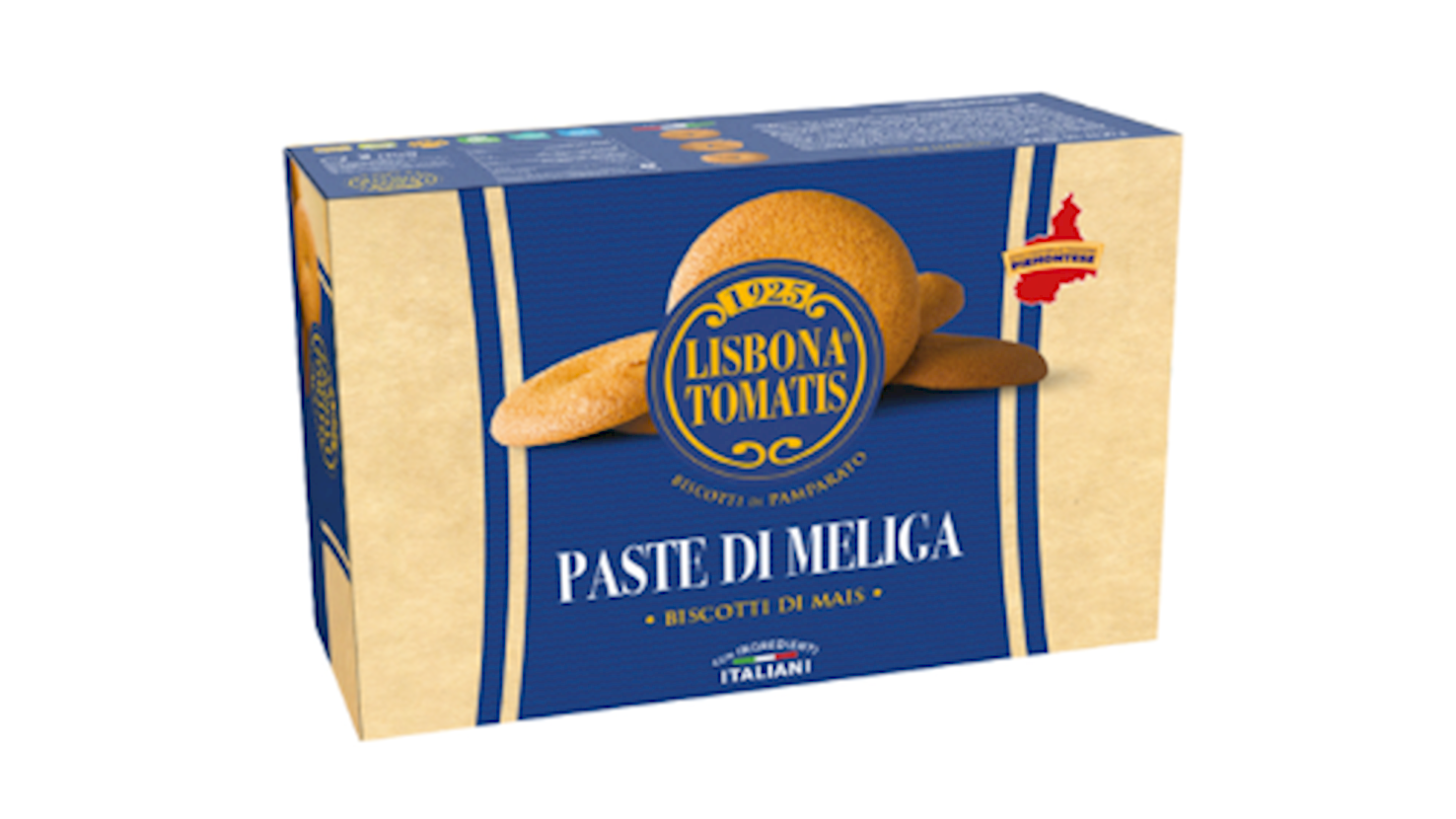
Lisbona Tomatis is a family-run biscuit producer based in Pamparato, in the Piedmont region of Italy, with origins dating back to 1925. The company was founded with the aim of preserving and promoting traditional local recipes, a mission that continues today through a multi-generational approach to production. Its identity is closely tied to paste di meliga, a traditional cornmeal biscuit that emerged in this mountainous area due to the historical scarcity of wheat flour. These biscuits are made using a simple and well-balanced recipe based on Italian corn flour, butter, eggs, milk, and honey, resulting in a crumbly texture and a delicate flavor marked by buttery and mildly sweet notes. Beyond the classic version, the range includes wholegrain, spelt-based, and no-added-sugar variations, reflecting a careful adaptation to contemporary preferences without compromising authenticity. Production remains rooted in artisanal methods, with a strong emphasis on regional ingredients and consistency in quality. Lisbona Tomatis products are typically enjoyed with coffee, tea, or even wine, in line with local consumption habits, and represent a continuation of Piedmont’s culinary heritage through everyday yet culturally significant baked goods.

Best Piedmontese Cookies

01

Baci di dama

4.1 ·

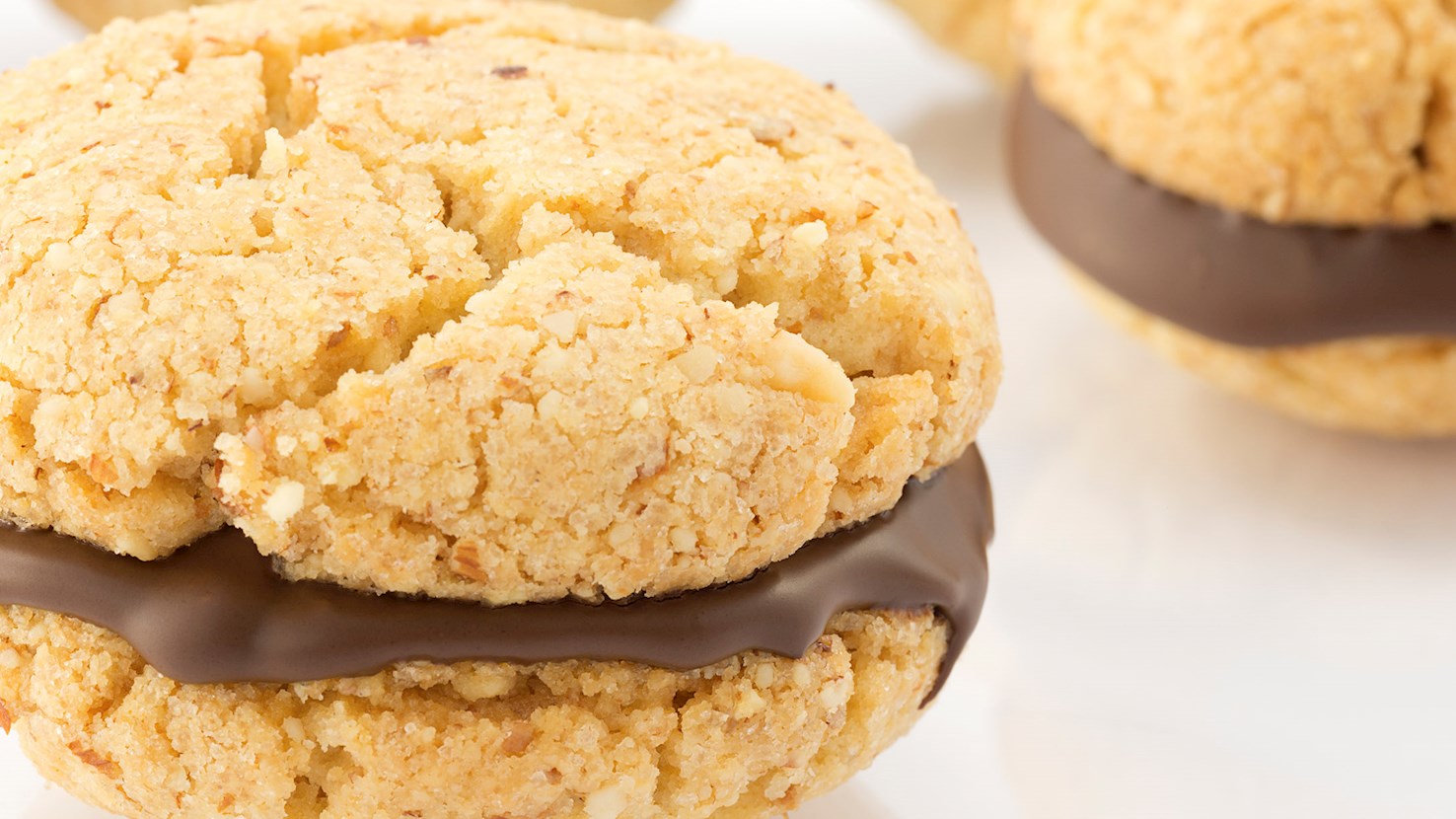
Baci di dama, meaning lady's kisses, are traditional hazelnut butter cookies with a layer of chocolate-hazelnut spread sandwiched between them. They originated in pastry shops in Tortona, Piedmont (famous for its hazelnuts), in the second half of the 19th century. The name of these cookies refers to their visual appearance, since it is reminiscent of two mouths kissing, or the mouth of a lady (ladies didn't use to open their mouths while kissing, as it was considered crude). Baci di dama is often used as a holiday cookie, and they are sometimes even referred to as the Italian version of popular Oreo cookies.

02

Krumiri

3.9 ·

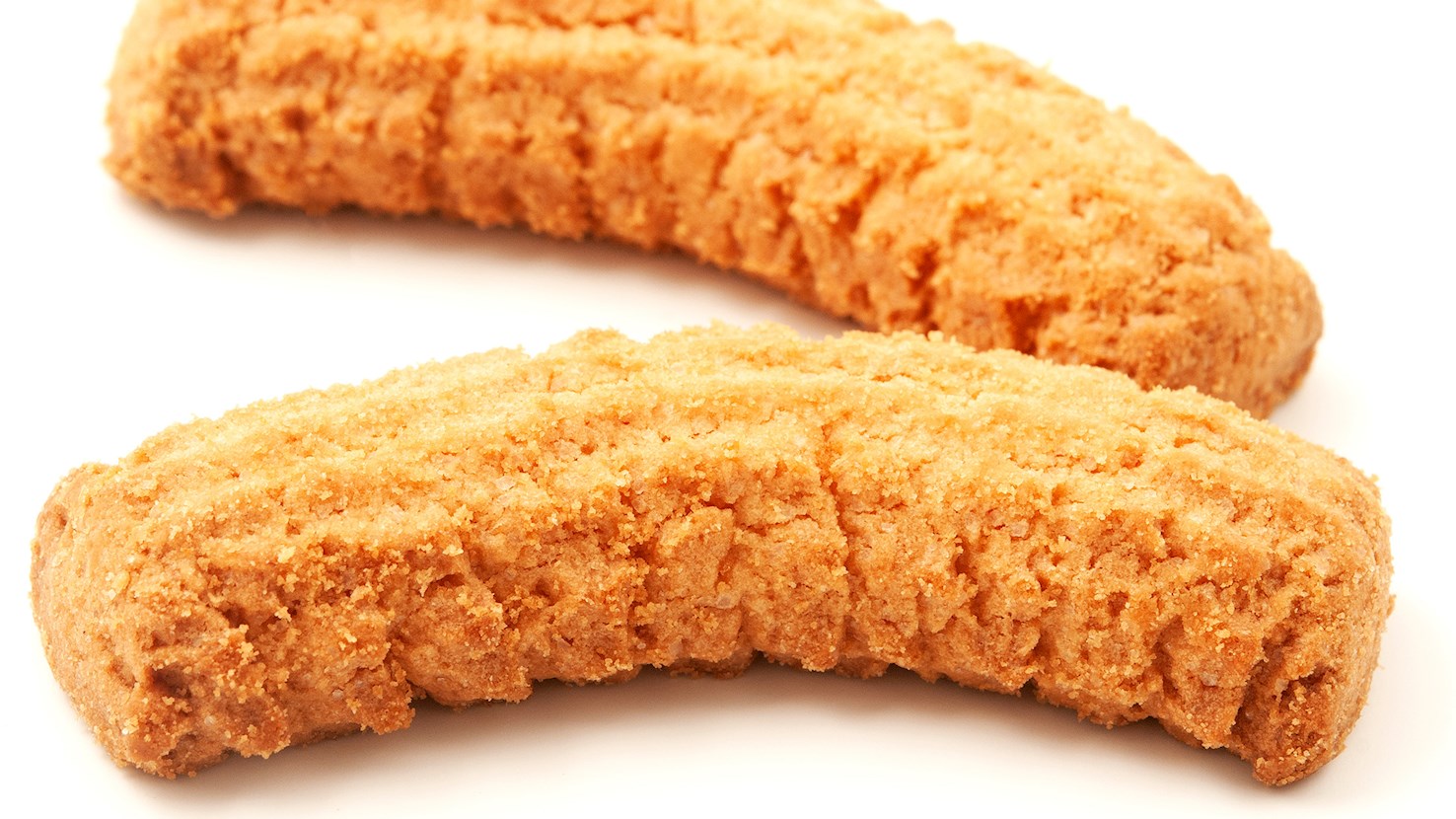
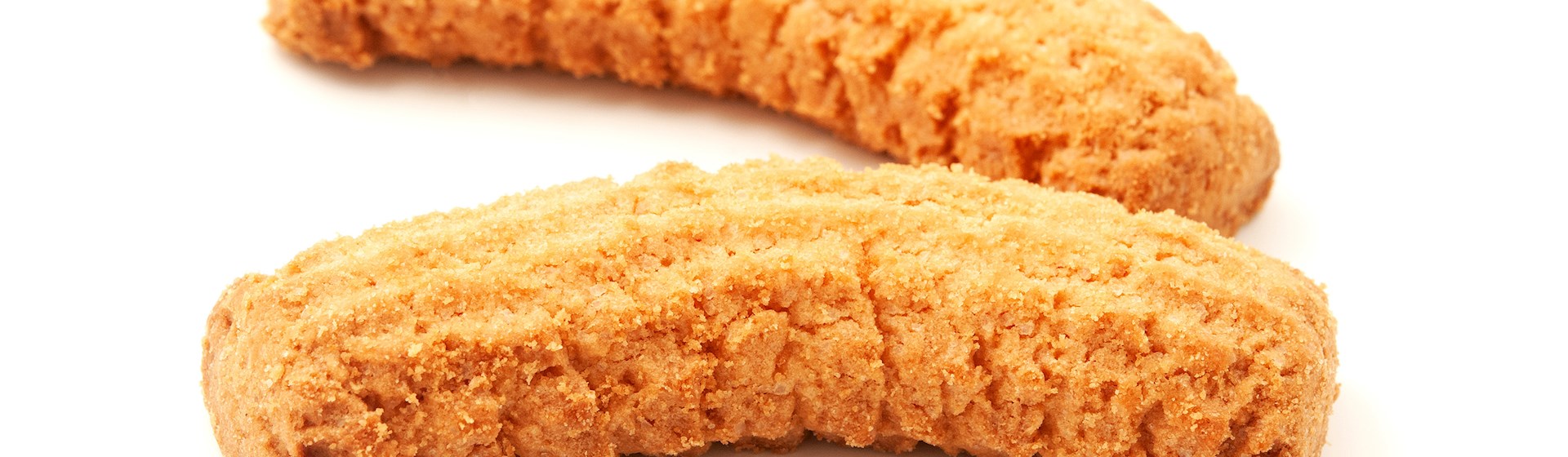
Krumiri are typical Piemontese cookies dating back to 1870, when they were invented by a confectioner named Domenico Rossi. These handmade cookies are made with a combination of fresh eggs, flour, sugar, butter, and vanilla. When the texture becomes just right, the combination is left to breathe for a day before baking. They are shaped in the form of a bent cylinder with a rough surface. It's believed that the shape is made in honor of the mustached King Victor Emanuel II. Krumiri are said to taste the best when dunked into tea, sweet wines, chocolate liqueurs, or zabaione.

03

Paste di meliga

3.5 ·

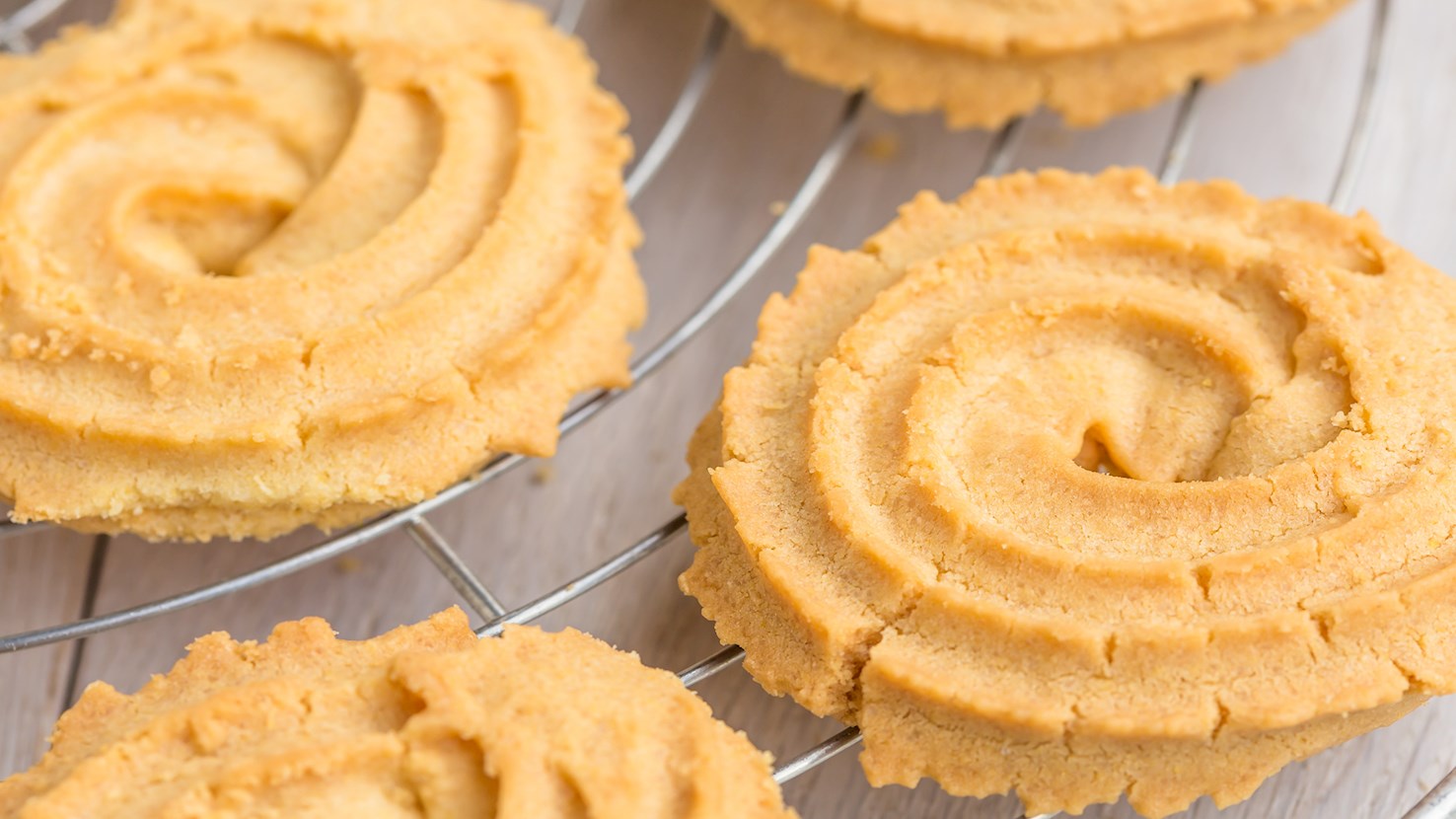
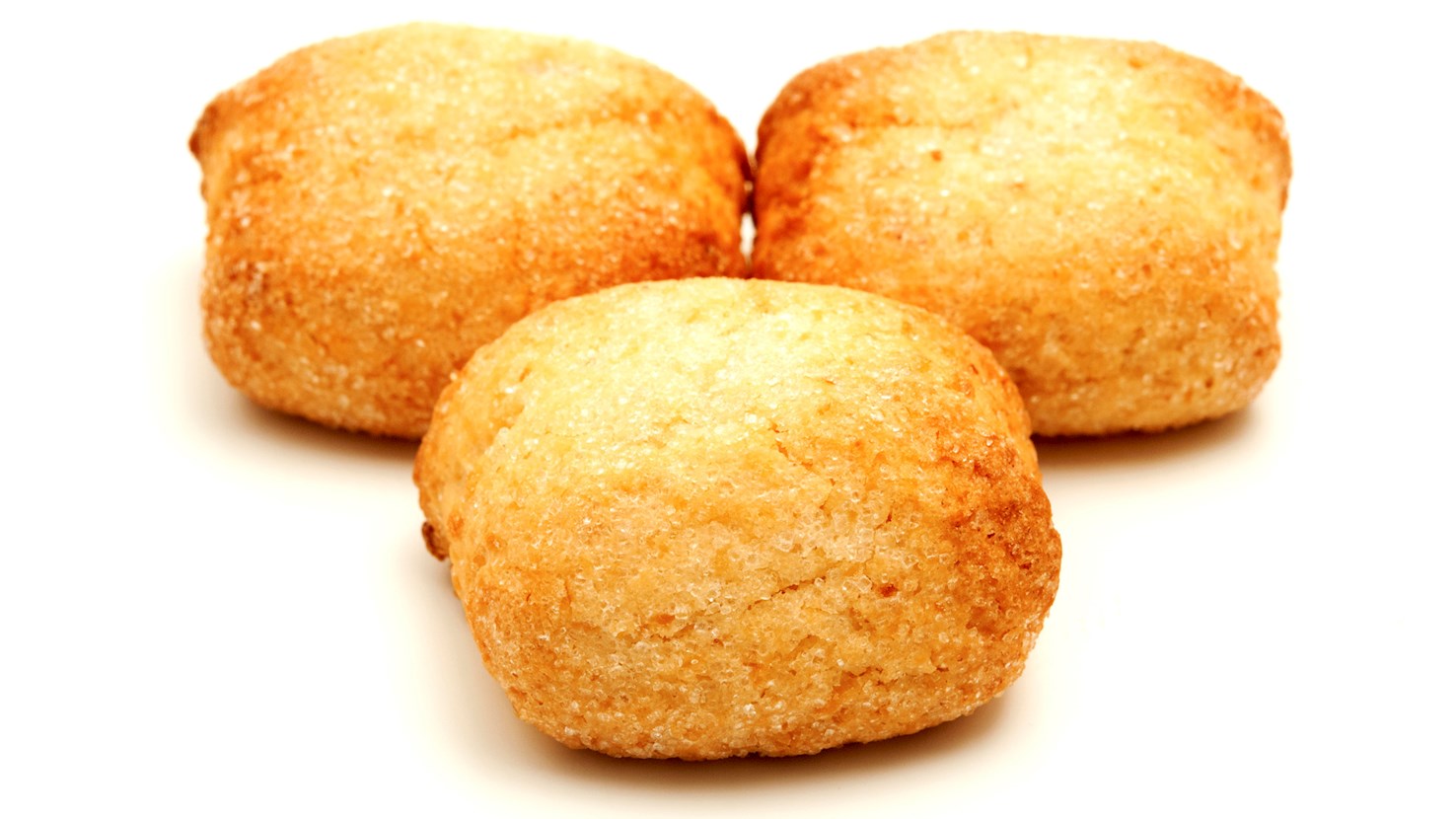
Cornmeal is widely used in northern Italian cuisine, in dishes which can be either savory or sweet. The region of Piedmont is renowned for their paste di meliga (meliga is a local name for polenta), crunchy cornmeal shortbread-style biscuits. Made with a mixture of wheat and corn flour, sugar, vanilla, grated lemon zest, egg yolks, and butter, they are simple, yet very delicious. These little golden gems are traditionally served with zabaione and a glass of sweet dessert wine, but they also go wonderfully with espresso or a cup of tea on the side.

04

Biscottini di Novara

3.2 ·

Biscottini di Novara are traditional Italian cookies originating from Novara. The cookies are usually made with a combination of flour, sugar, eggs, salt, and corn starch. The ingredients are kneaded into a dough, and the dough is then formed into round or elongated shapes. The cookies are baked in the oven for about ten minutes, and they’re left to cool on a wire rack afterwards. If properly prepared, the Novara biscuits should be light and crumbly, with a melt-in-the-mouth texture. It’s recommended to serve the cookies with a cup of tea or a glass of milk for dipping.

05

Amaretti (Piedmont)

3 ·

Amaretti, the famous Italian almond cookies are so popular in their homeland that almost every region has their version of the recipe, using different proportions and combinations of the basic ingredients: sweet and bitter almonds, apricot kernels, eggs, and sugar. Mombaruzzo, a small town near Asti in Piedmont region is renowned for their version – crunchy amaretti di Mombaruzzo, made with sugar, egg whites, sweet almonds, and finely ground apricot kernels.

06

Canestrelli Biellesi

n/a ·

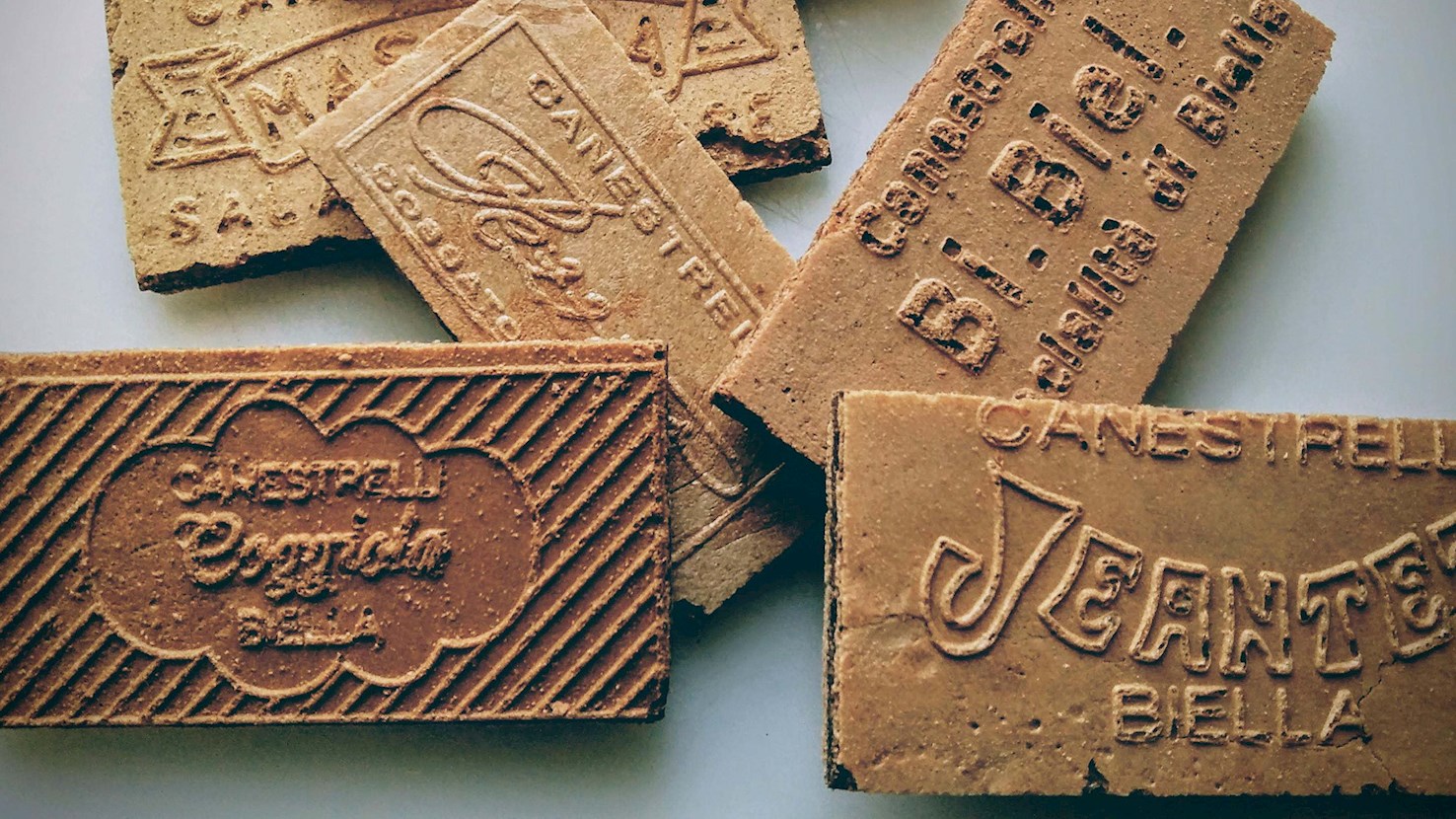
Canestrelli Biellesi have been produced in the picturesque Piedmontese town of Biella since the 1800s. They consist of two thin, crispy chocolate wafers joined together with a layer of chocolate-hazelnut cream in the middle. This luscious chocolate cookie is even protected as a traditional agricultural product of the region, and to assure their authenticity, the top wafer is usually stamped with a mark of canestrelli Biella, combined with the name of the pastry shop that prepared them.

07

Nocciolini di Chivasso

n/a ·

Nocciolini di Chivasso are traditional Italian cookies hailing from the town of Chivasso in Turin, Piedmont. These tiny cookies are made with only three ingredients – Piedmont IGP hazelnuts, sugar, and egg whites. They were created by a confectioner Giovanni Podio in the 18th century, and the cookies were originally called noasetti. A master confectioner called Luigi Bonfante helped to spread the product all over the country, and he also chose the pink-red color of the packaging that remains an iconic staple of nocciolini di Chivasso to this day.

08

Canestrelli Novesi

n/a ·

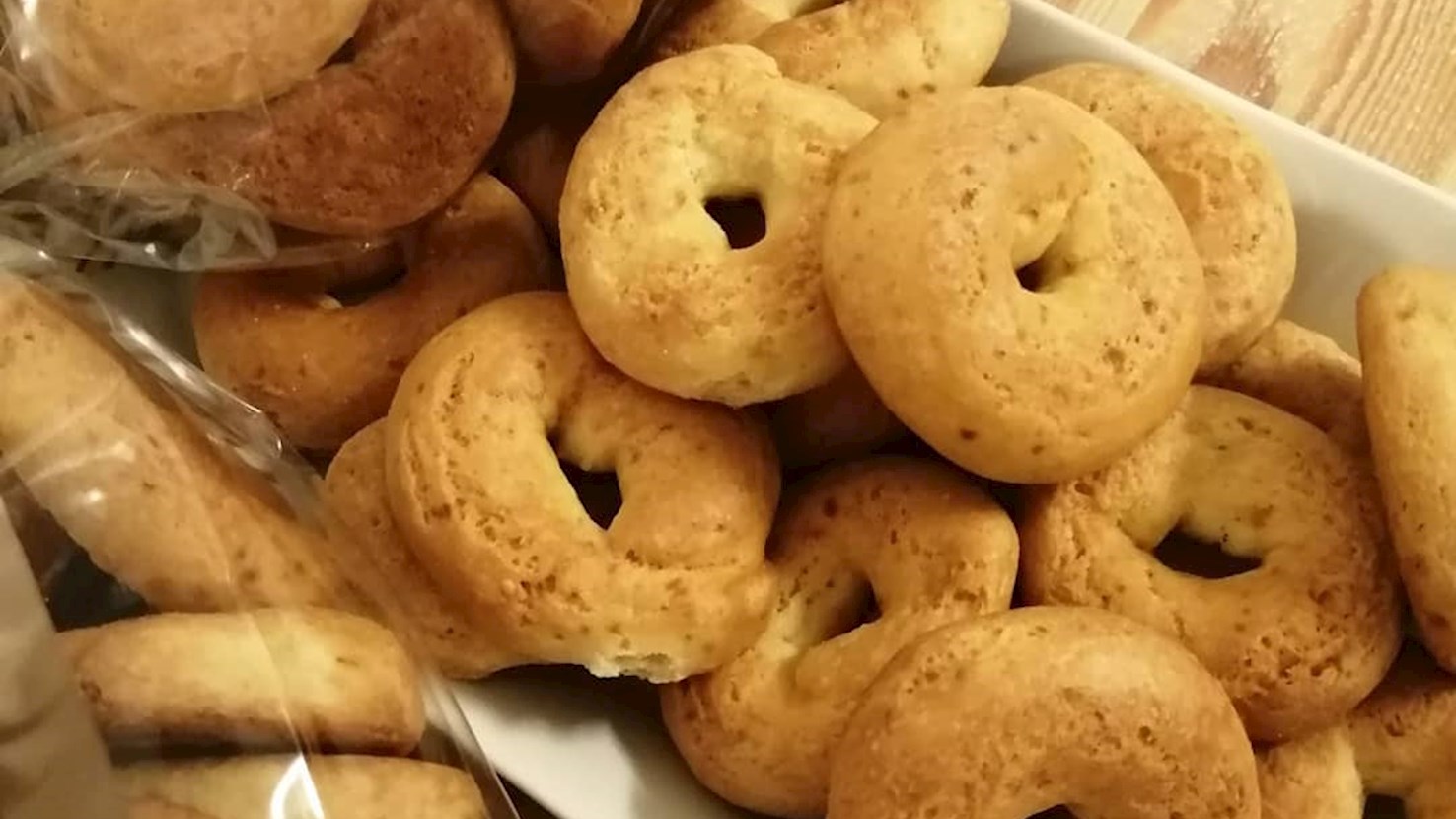
Canestrello Novese is a crunchy, hard cookie prepared around the municipalities of Novi and Ovada in the Piedmontese province of Alessandria. Made with flour, olive oil, white Gavi wine, yeast, sugar, and salt, these ancient ring-shaped cookies have a typical amber color. Their sweet flavor makes them a perfect choice for breakfast, paired with coffee, milk, or tea.

09

Canestrelli (Piedmont)

n/a ·

The Piedmontese version of canestrelli is a waffle-shaped hard cookie made with white flour, butter, eggs, and lemon zest, named after canesterlè, a type of iron press in which they were baked. The small ball of dough was placed in the middle, pressed and then baked on the fire until golden brown and crunchy. Nowadays, the basic dough is often additionally enriched with rum, vermouth, marsala wine, cloves, nutmeg, or vanilla.

Read more
View all
View map
About this ranking

TasteAtlas food rankings are based on the ratings of the TasteAtlas audience, with a series of mechanisms that recognize real users and that ignore bot, nationalist or local patriotic ratings, and give additional value to the ratings of users that the system recognizes as knowledgeable. For the “Top 9 Piedmontese Cookies” list until May 15, 2026, 228 ratings were recorded, of which 158 were recognized by the system as legitimate. TasteAtlas Rankings should not be seen as the final global conclusion about food. Their purpose is to promote excellent local foods, instill pride in traditional dishes, and arouse curiosity about dishes you haven’t tried.

The initial list of top producers was compiled based on available reviews, awards, local recommendations, media and blog coverage, and consumer reviews. The list will be updated with ratings from TasteAtlas local ambassadors and TasteAtlas users.

Similar lists