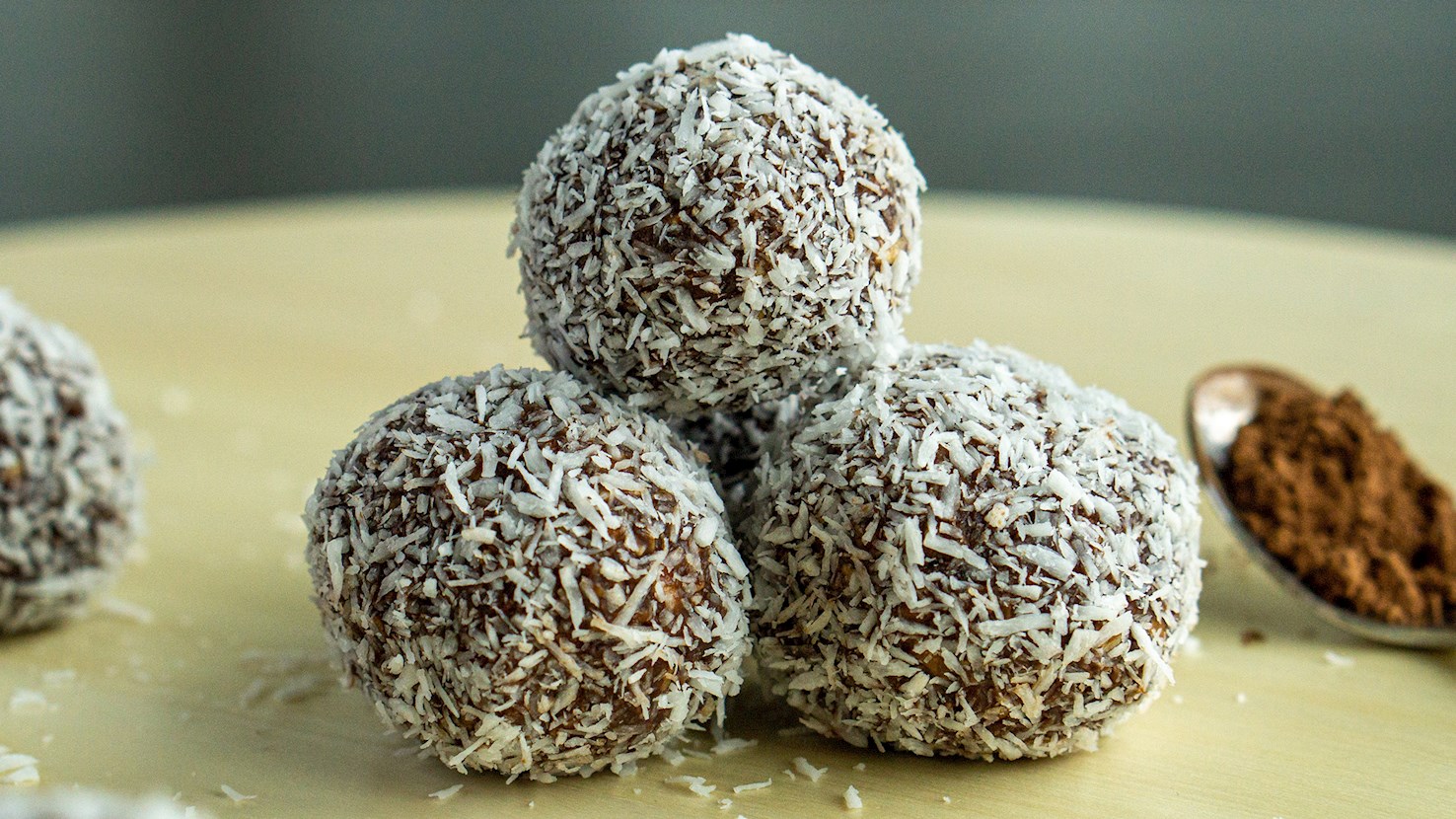
Chokladbollar, or chocolate balls, are a classic Swedish no-bake treat made primarily from oats, sugar, cocoa powder, and butter. They are often rolled in coconut flakes, sprinkles, or pearl sugar for decoration. The dough is mixed and shaped into small balls before being chilled. Traditionally, they were known by a controversial name that has since been replaced due to its offensive connotations. In Sweden, these treats are popular year-round, while in Denmark, they are associated with Christmas. Variants include adding coffee or arrack for different flavors.
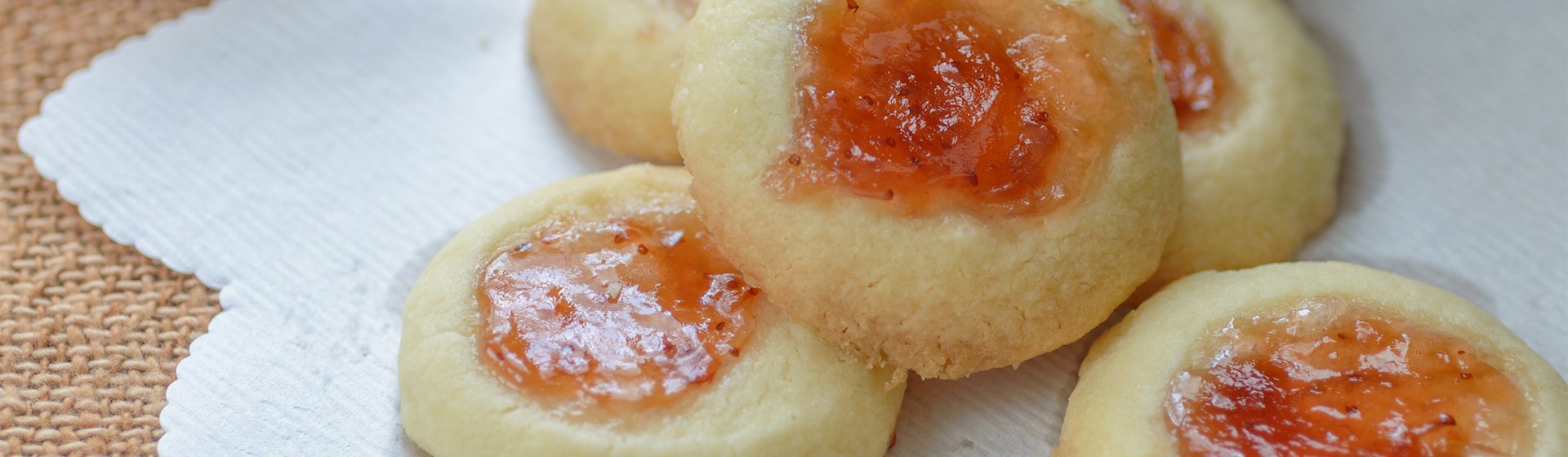
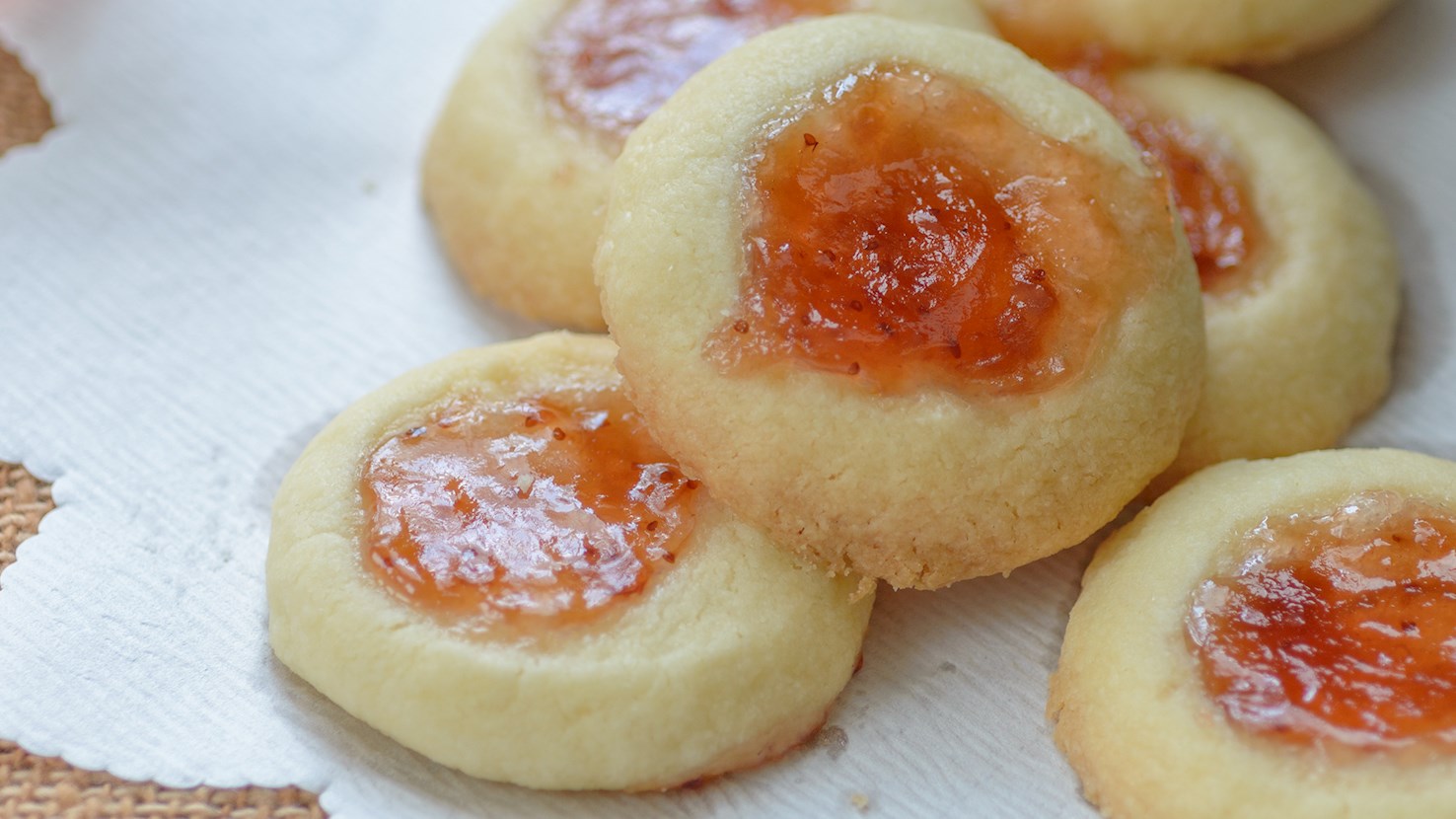
Hallongrotta is the name for Swedish cookies which have been prepared and consumed at least since the 1800s, at Swedish coffee parties called kafferep. The cookies are typically made with butter, flour, baking powder, sugar, vanilla, and raspberry jam, which goes in the indentation (usually made with one's thumb) in the middle of each cookie. The name hallongrotta means raspberry cave, and in the United States, these tiny treats are better known as thumbprint cookies. It is recommended to serve them with tea, coffee, or milk on the side.
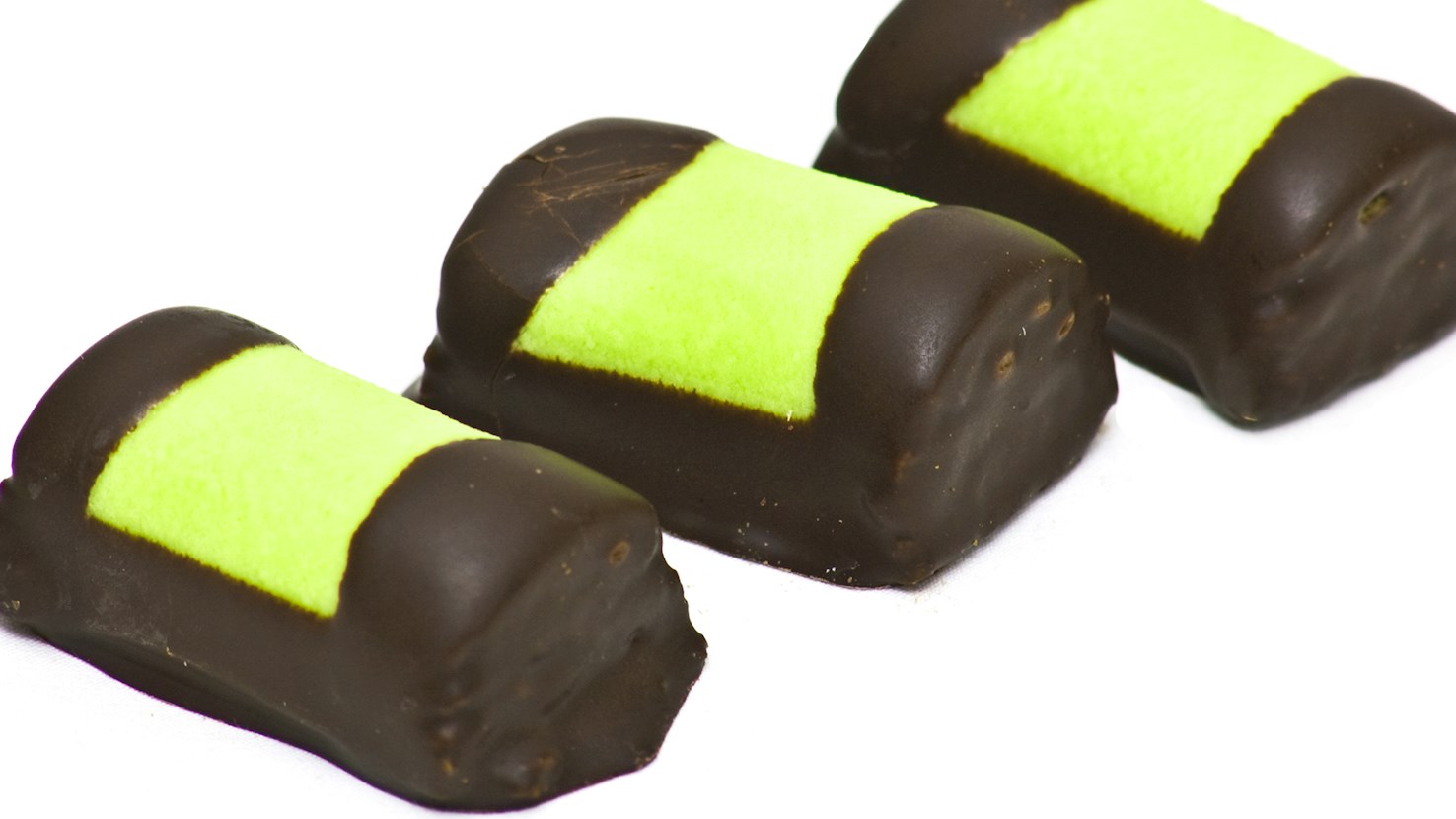
These Swedish cookies are covered in green marzipan while the inside is filled with a combination of crumbled cookies or cakes, cocoa, and punsch - Swedish liqueur that combines arrack, neutral alcohol, sugar, water, and wine—and which gives the cookies their name. The cookies are formed into rolls, and each end is dipped in chocolate. Punschrulle goes under various names, the most popular being dammsugare (vacuum cleaner), presumably because of their shape and the fact that the pastry chefs had to collect all the leftover crumbs to create the flavorful center of the cookie. In Denmark, the treat is better known as træstamme, while the Dutch have a similar version known as mergpijpje.
Drömmar is a traditional cookie whose name translates to dreams in English. The name is fitting, given the cookie's light, airy, and crumbly texture and melt-in-mouth quality. The main ingredients typically include butter, sugar, flour, and baking ammonia (ammonium bicarbonate). The use of baking ammonia is what gives these cookies their characteristic airy and crumbly texture. They are usually small, round cookies that might have cracks on the surface after baking. Like many Swedish cookies, drömmar can be enjoyed year-round but are often prepared and consumed for special occasions or coffee breaks (fika).
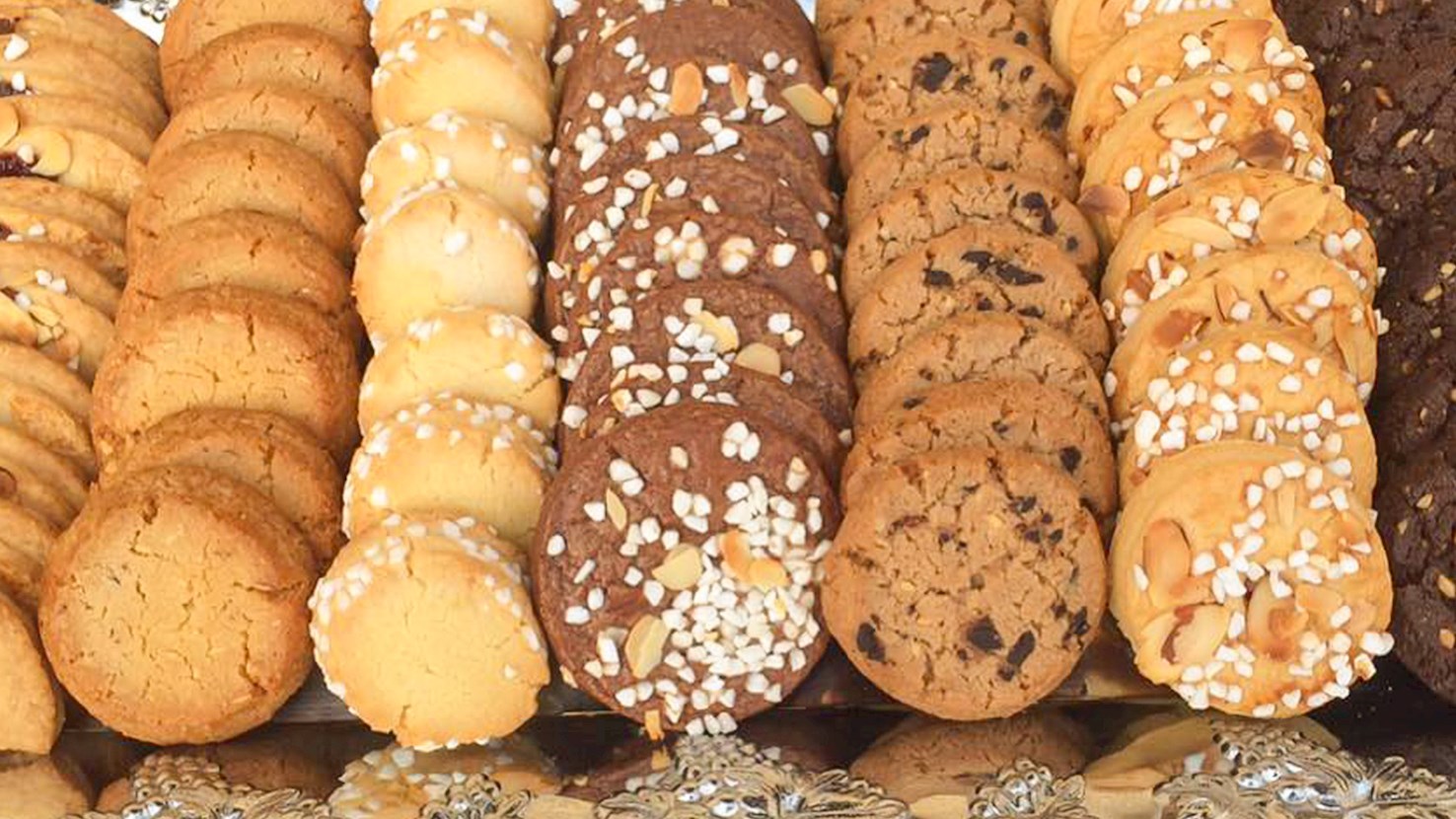
Sju sorters kakor is a Swedish phrase that translates to seven kinds of cookies. It's a tradition deeply rooted in Swedish culture, particularly when it comes to coffee gatherings known as fika. The tradition goes back several generations when it was believed to be courteous and almost expected to offer at least seven types of cookies (among them drömmar, hallongrotta, brysselkex, etc.) when you had guests over for coffee. Offering fewer might be perceived as impolite or an indication of not being well-prepared for guests. Today, while many might not strictly adhere to the rule of seven, the phrase remains a popular representation of Swedish hospitality. Over the years, the concept has expanded from cookies to cakes and pastries. The phrase also became the title of a popular Swedish baking book first published in the 1940s. "Sju sorters kakor" was a compilation of recipes gathered from a nationwide contest, and the book has been reprinted numerous times since, becoming something of a staple in Swedish kitchens.
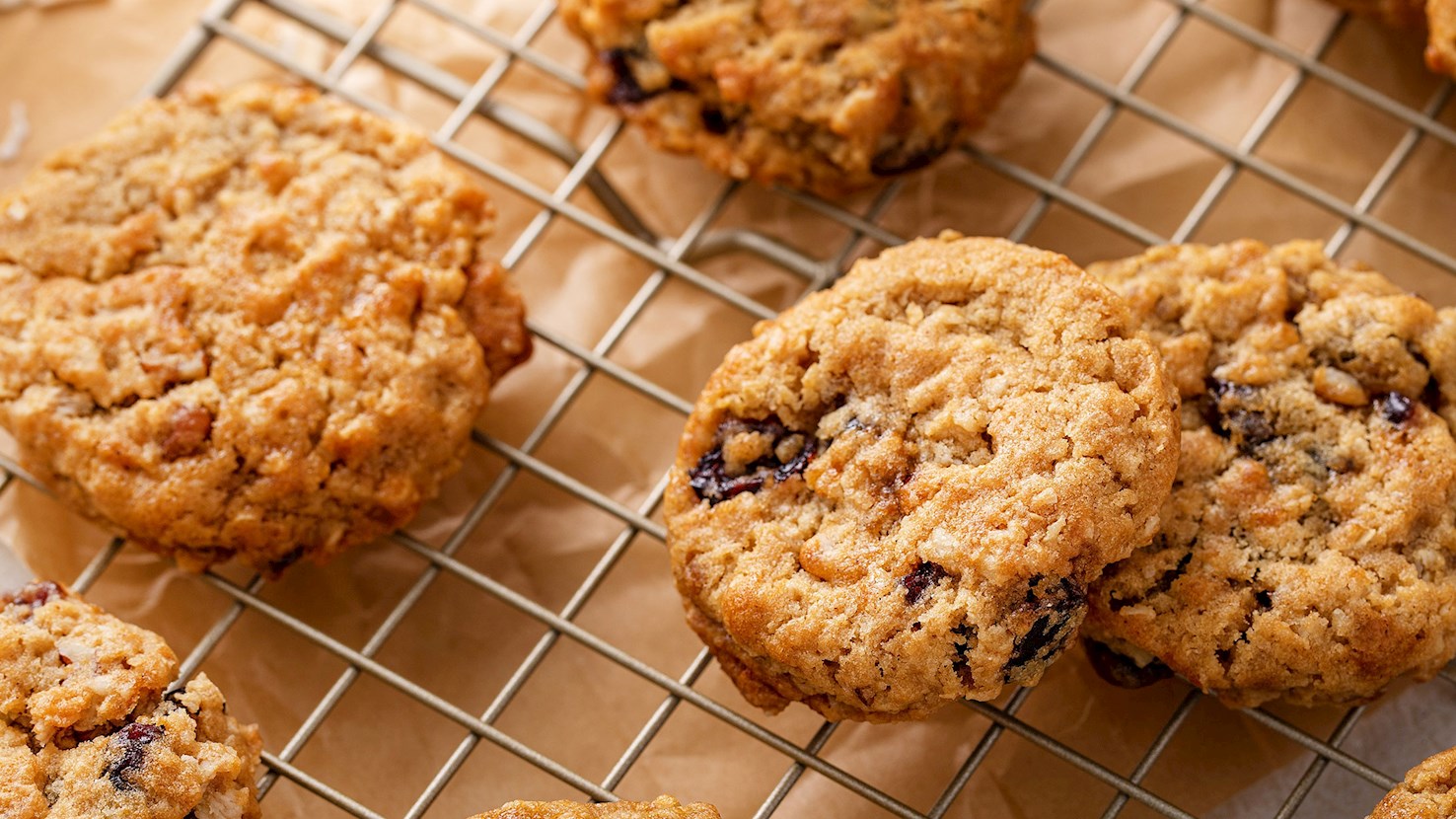
Havrekakor are Swedish oat cookies, a simple and hearty sweet made with oats, sugar, butter, and flour, often flavored with vanilla or cinnamon. Their story is linked to the increasing cultivation of oats in Scandinavia, where the crop thrived in the cool climate. Oats provided not only animal feed but also a reliable grain for human consumption, and in the twentieth century they found their way into biscuits and cookies that balanced sweetness with a rustic texture. Havrekakor became popular because they were inexpensive to make, could be prepared quickly, and stored well, making them suitable for families and gatherings. Over time, they became firmly tied to fika, the Swedish custom of pausing for coffee and a small bite. To prepare havrekakor, oats are combined with flour, sugar, and baking powder, then mixed with melted butter and sometimes an egg to bind the dough. The mixture is shaped into small balls or spoonfuls and flattened slightly before baking. Depending on the recipe, they may bake up crisp and golden or retain a slight chewiness. Some variations include chocolate chips, raisins, or nuts, while others rely on the pure flavor of oats enhanced with a hint of spice. Havrekakor are eaten most often with coffee or tea, offered to guests, enjoyed by children as an afternoon snack, or packed into tins for longer keeping. In Sweden, they appear at home gatherings, in bakeries, and in school lunchboxes, embodying the simplicity and practicality that defines much of Swedish baking.
Brysselkex are traditional Swedish buttery cookies, often made from a simple mixture of ingredients like butter, sugar, and flour. The dough is typically rolled into logs, then chilled, sliced into thin rounds, and baked. When finished, they are delicate and have a crumbly texture. The simplicity of the ingredients allows the buttery flavor to shine through. Brysselkex are popularly enjoyed during coffee breaks (known as fika in Sweden), a cherished tradition in Swedish culture.
Schackrutor is a popular Swedish cookie that resembles a checkerboard or chessboard. These are buttery, shortbread-like cookies made by combining two different colored doughs, usually vanilla and chocolate, to create a distinctive checkered appearance. Making schackrutor involves rolling out each dough into a square or rectangular shape, stacking them, and then slicing the stacked dough into smaller squares or rectangles. These are then baked until they are lightly golden and enjoyed with some tea or coffee.
Bondkakor is a traditional cookie whose name translates to "farmer's cookies". These cookies typically contain flour, sugar, butter, syrup (often golden syrup), and baking soda. Many recipes also include chopped or sliced almonds for added texture and flavor. Bondkakor are sweet with a slight chewiness, and the addition of almonds gives them a pleasant crunch. The golden syrup provides a caramel-like undertone to the cookie's flavor. They are usually round, flat cookies, often with a piece of almond adorning the top. Like many Swedish cookies, bondkakor can be enjoyed year-round but are often associated with special occasions or the traditional Swedish coffee break, known as fika.
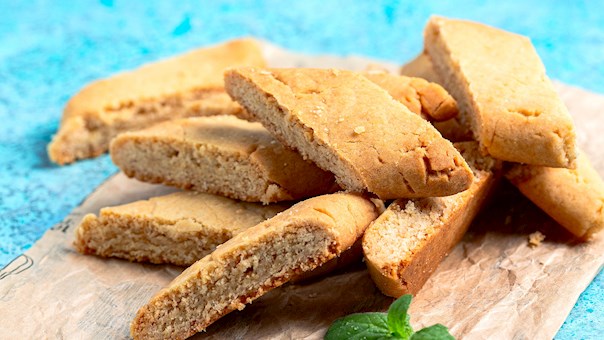
Chokladsnittar are Swedish chocolate slice cookies, a simple yet distinctive part of Swedish home baking culture, where coffee breaks known as fika are a cherished part of daily life, and small, easy-to-share pastries play a central role. Their name reflects their shape, as the dough is baked in long strips that are sliced while still warm, creating uniform pieces that are crisp on the outside yet tender inside. The development of chokladsnittar is tied to the broader Scandinavian baking tradition, which emphasizes straightforward recipes made from pantry staples like flour, butter, sugar, and cocoa. As cocoa and chocolate became more accessible in the late nineteenth and early twentieth centuries, Swedish households began adapting older butter cookie recipes to incorporate chocolate, and chokladsnittar emerged as one of the enduring results. Because they are quick to prepare and yield a generous batch, they became a fixture in family kitchens, appearing at gatherings and alongside coffee throughout the year. To make chokladsnittar, butter and sugar are creamed together, often with a touch of vanilla, before flour, cocoa powder, and baking powder are added to form a soft dough. The dough is divided into portions and shaped into flat logs placed on a baking sheet. After baking, the logs are brushed with egg wash or sprinkled with pearl sugar for a glossy or crunchy finish, then cut diagonally into slices while still warm. Once cooled, the cookies have a satisfying snap balanced by a light chew. Chokladsnittar are most often eaten during fika, served with coffee or tea, but they also appear in tins of mixed cookies and are popular choices for school and community bake sales. They are enjoyed by children and adults alike, valued for their straightforward flavor and ease of preparation.
TasteAtlas food rankings are based on the ratings of the TasteAtlas audience, with a series of mechanisms that recognize real users and that ignore bot,
nationalist or local patriotic ratings, and give additional value to the ratings of users that the system recognizes as knowledgeable.
TasteAtlas Rankings should not be seen as the final global conclusion about food. Their purpose is to promote excellent local foods,
instill pride in traditional dishes, and arouse curiosity about dishes you haven’t tried.






What People Say