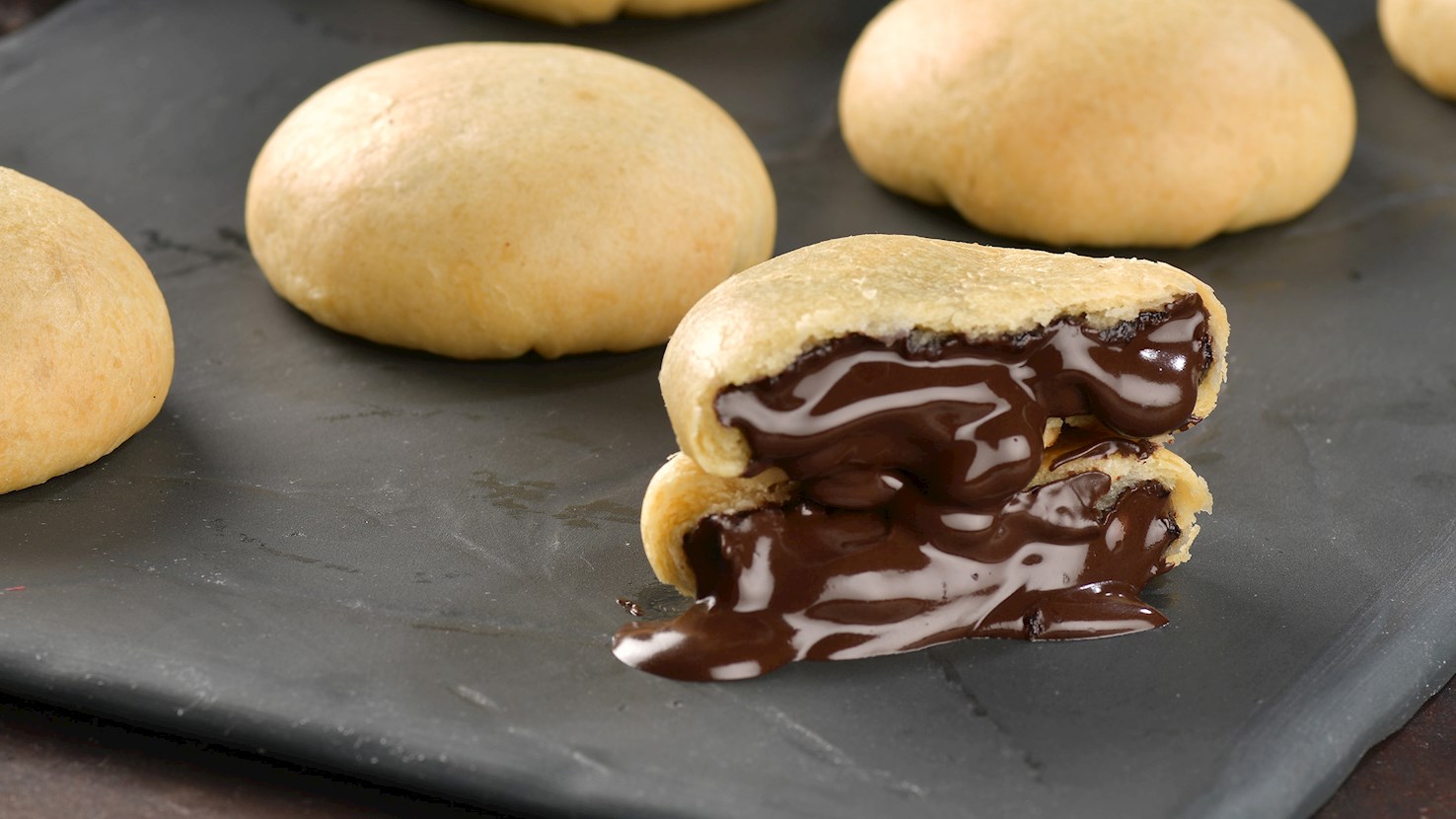
İzmir bombası, also known as praline stuffed cookies, is a distinct type of qurabiya (a type of Arab and Ottoman shortbread cookie) from Turkish cuisine that boasts a chocolate spread filling. Originating from İzmir, this dessert features a crispy outer layer of dough, which encases its fluid cream interior. It is popularly believed that İzmir bombası evolved from the Murabbalı mecidiye, an Ottoman-era qurabiya filled with apricot murabba. The most prevalent versions of this cookie consist of white dough stuffed with chocolate spread or brown dough filled with white chocolate spread.
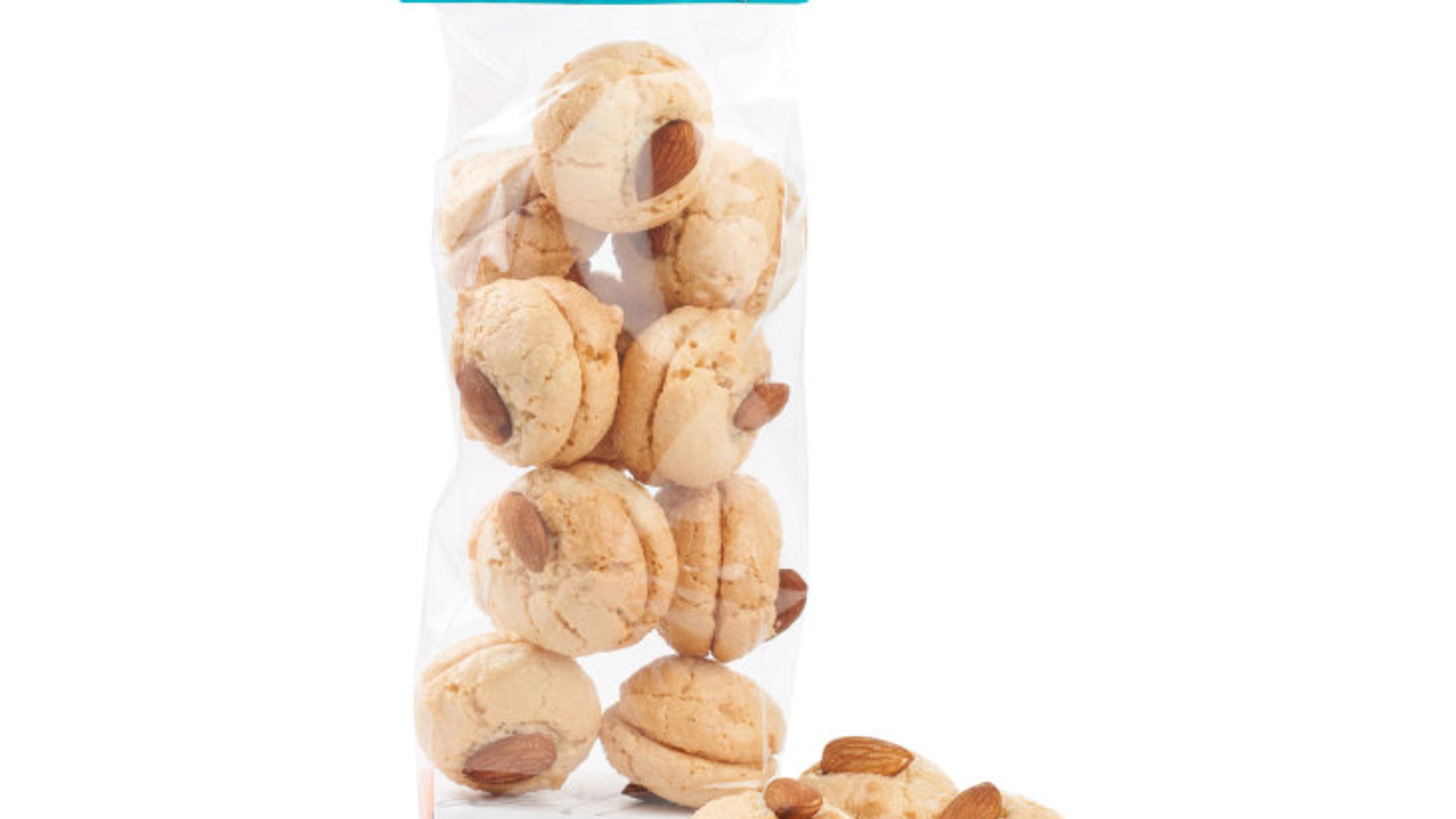
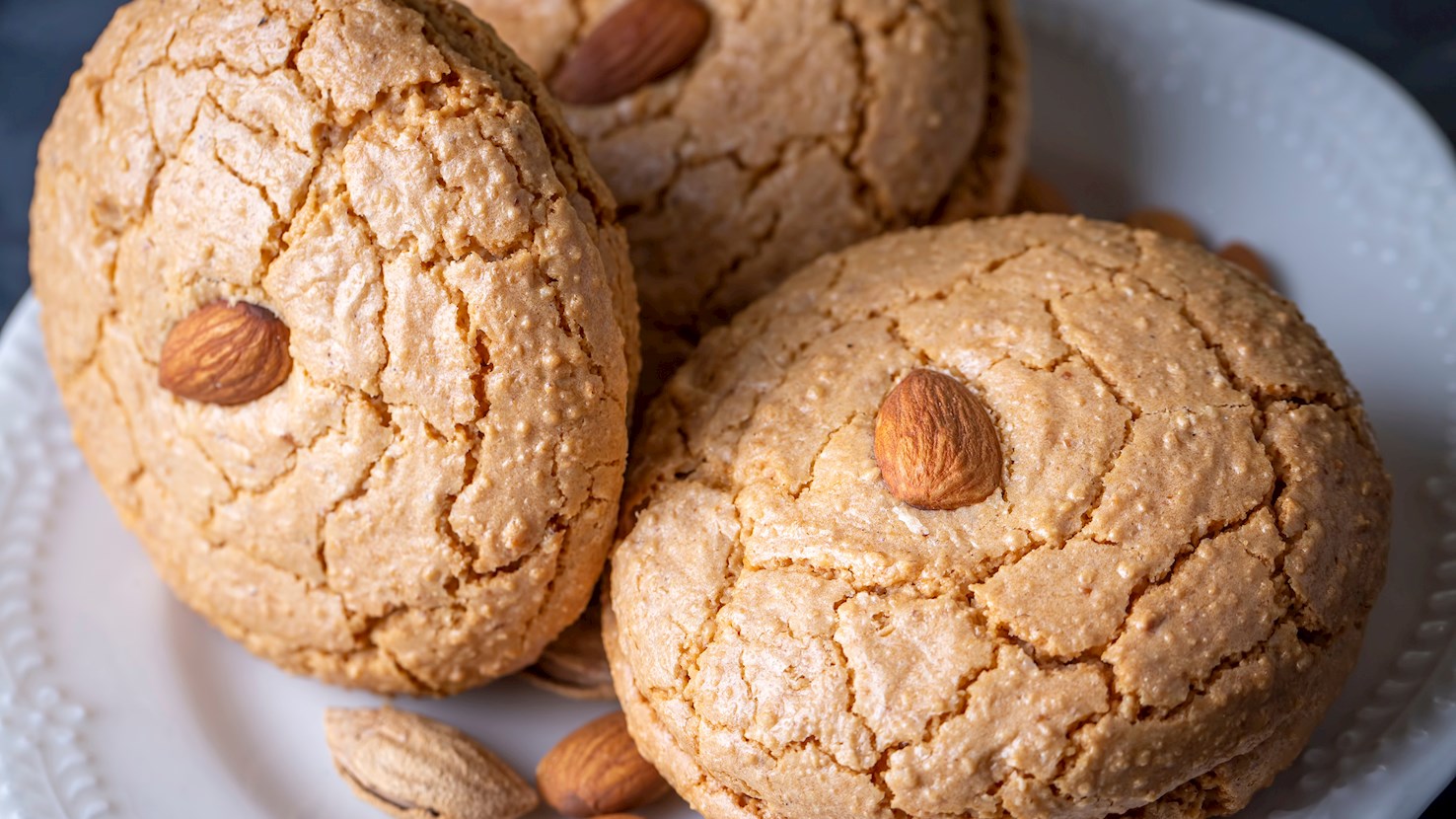
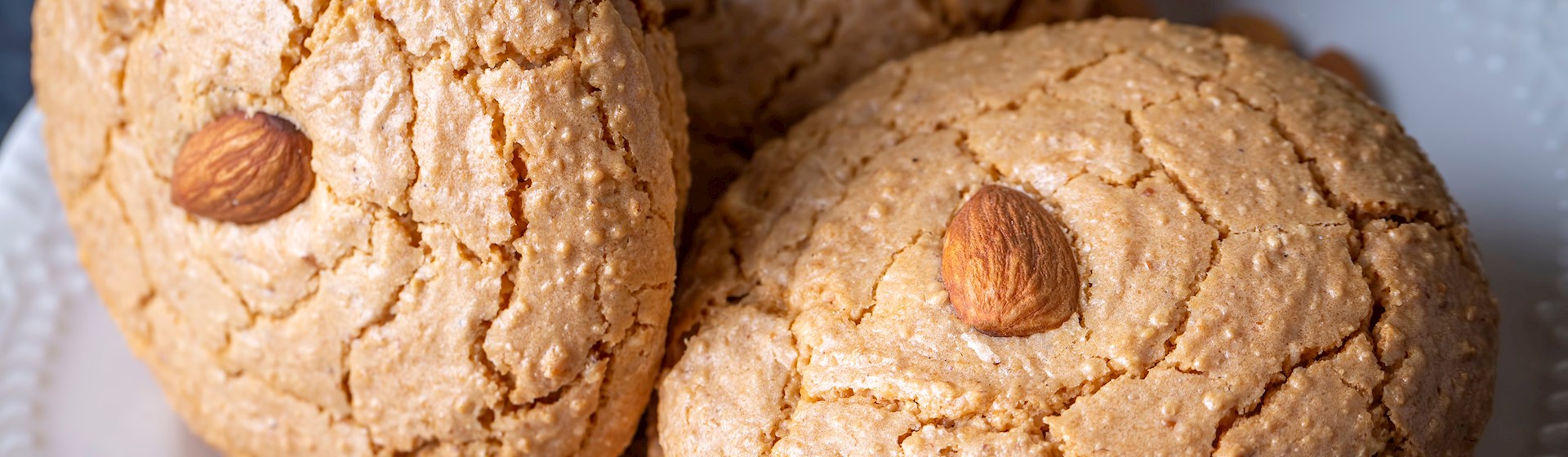
Acıbadem kurabiyesi are traditional Turkish cookies. They're made with a combination of egg whites, sugar, and almond flour. Traditionally, a few bitter almonds would be used in the preparation, but as they're not readily available today, almond extract is sometimes used as a replacement. The combination is cooked over medium heat, then mixed with lemon juice and left to cool. Once baked, the cookies should have a chewy texture. They're typically served with Turkish coffee or ice cream.
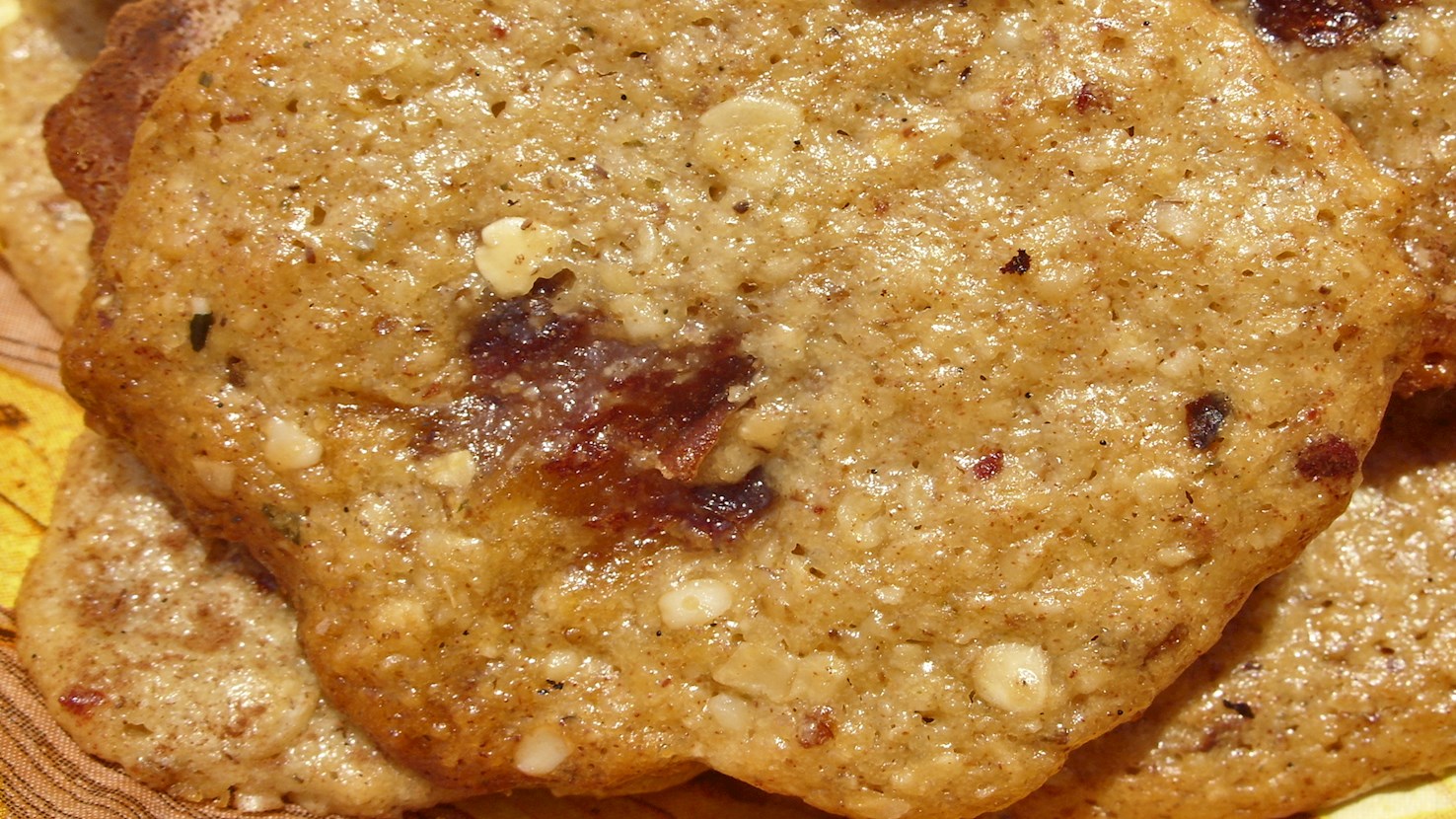
Tahini cookies are baked sweets made with tahini, the sesame seed paste that is widely used across the cuisines of the Eastern Mediterranean and parts of the Middle East, where sesame cultivation and milling have been present for centuries. They emerged from regions where tahini was already a common pantry ingredient, especially in areas of present-day Lebanon, Israel, Palestine, Turkey, and parts of Greece, gaining presence in home kitchens and bakeries as sesame-based confectionery evolved. Their development followed the spread of sesame grinding techniques and the growing use of tahini in both savory and sweet preparations, which eventually led bakers to incorporate it into flour-based doughs that could be shaped and baked easily. The cookies are usually made by mixing tahini with sugar, flour, and a fat source such as butter or oil, creating a dense dough that needs no complicated handling and often relies on the natural richness of sesame for flavor. They are baked until lightly set, resulting in a crumbly texture that comes from the high fat content of the sesame paste rather than from large amounts of added butter, and this reliance on tahini for both structure and flavor is a distinguishing feature. Some versions may include vanilla, citrus zest, or a small amount of leavening, but many rely on the purity of sesame without elaborate additives. They are eaten throughout the year in households, cafés, and bakeries, often as an accompaniment to coffee or tea, and they pair well with beverages that balance their richness, including unsweetened black tea, Arabic coffee, espresso, or mildly acidic herbal infusions.
TasteAtlas food rankings are based on the ratings of the TasteAtlas audience, with a series of mechanisms that recognize real users and that ignore bot,
nationalist or local patriotic ratings, and give additional value to the ratings of users that the system recognizes as knowledgeable.
For the “Top 3 Turkish Cookies” list until May 15, 2026, 207 ratings were recorded, of which 117 were recognized by the system as legitimate.
TasteAtlas Rankings should not be seen as the final global conclusion about food. Their purpose is to promote excellent local foods,
instill pride in traditional dishes, and arouse curiosity about dishes you haven’t tried.