


shutterstock

Top 3 Chinese Crab Dishes

Last updated on May 16, 2026
01

Shanghai maoxie (Shanghai hairy crab)

3.3 ·

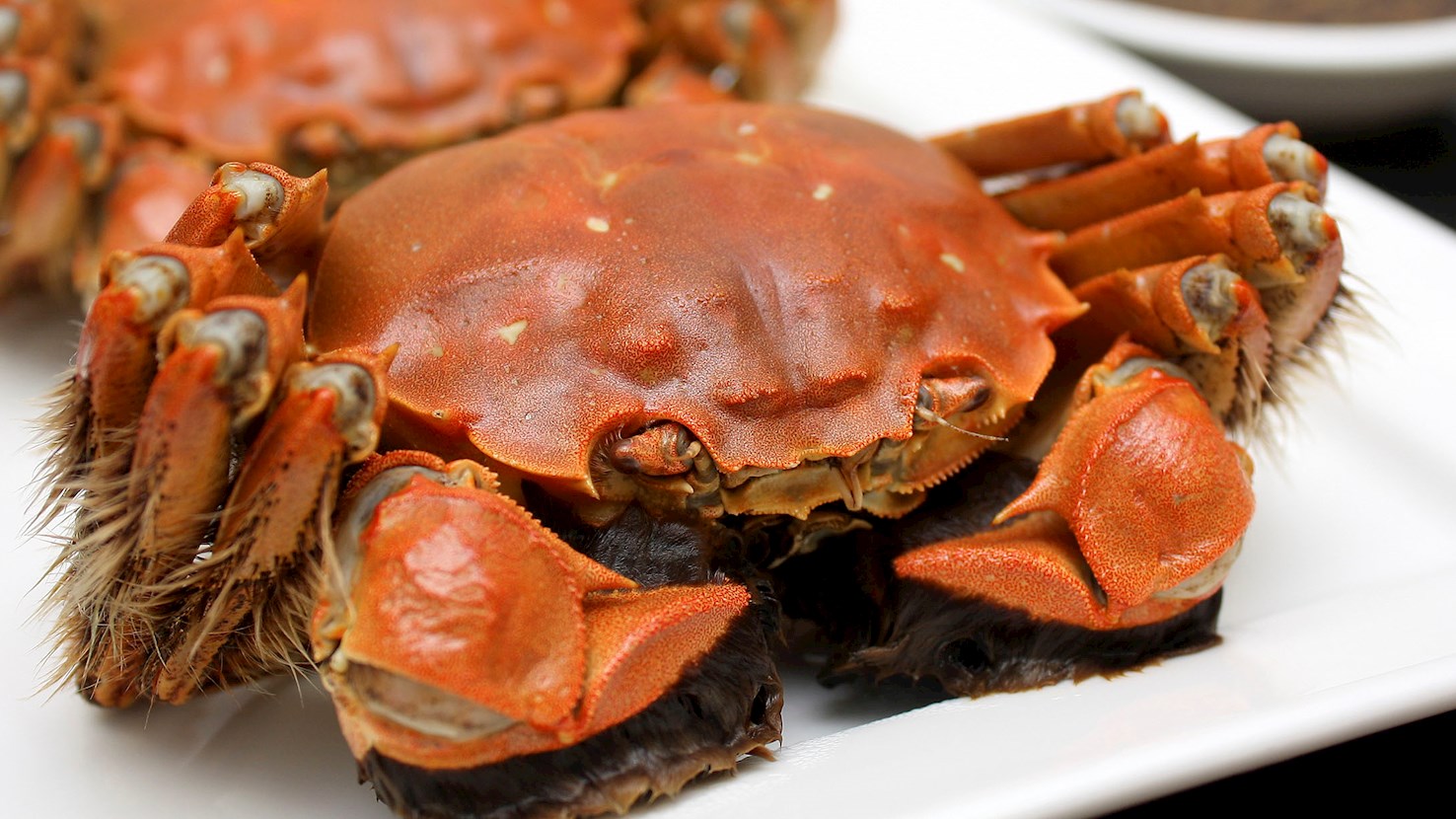
Easily identifiable by the patches of scruffy dark hair on its claws, the succulent, moist, and meaty Shanghai hairy crab is a delicacy that is large as an adult person's palm. Its flesh is firm, yet tender and delicate, so it is always steamed whole, without any seasonings, while the meat is much sweeter than regular crabmeat. When consumed, it is typically dipped into a combination of rice vinegar and soy sauce, then topped with sliced ginger. These crabs are traditionally eaten hot, and two to four crabs per person usually makes a satisfying meal. Hairy crabs are in season from September until mid-November, a time of the year when the city's neighbourhoods are interspersed with markets and high-end restaurants offering this delicacy. The Chinese people believe that hairy crab has a cooling (yin) effect on the body, so it should be paired with suitable warming foods and beverages such as the potent yellow rice wine.

02

Curry crab

n/a ·

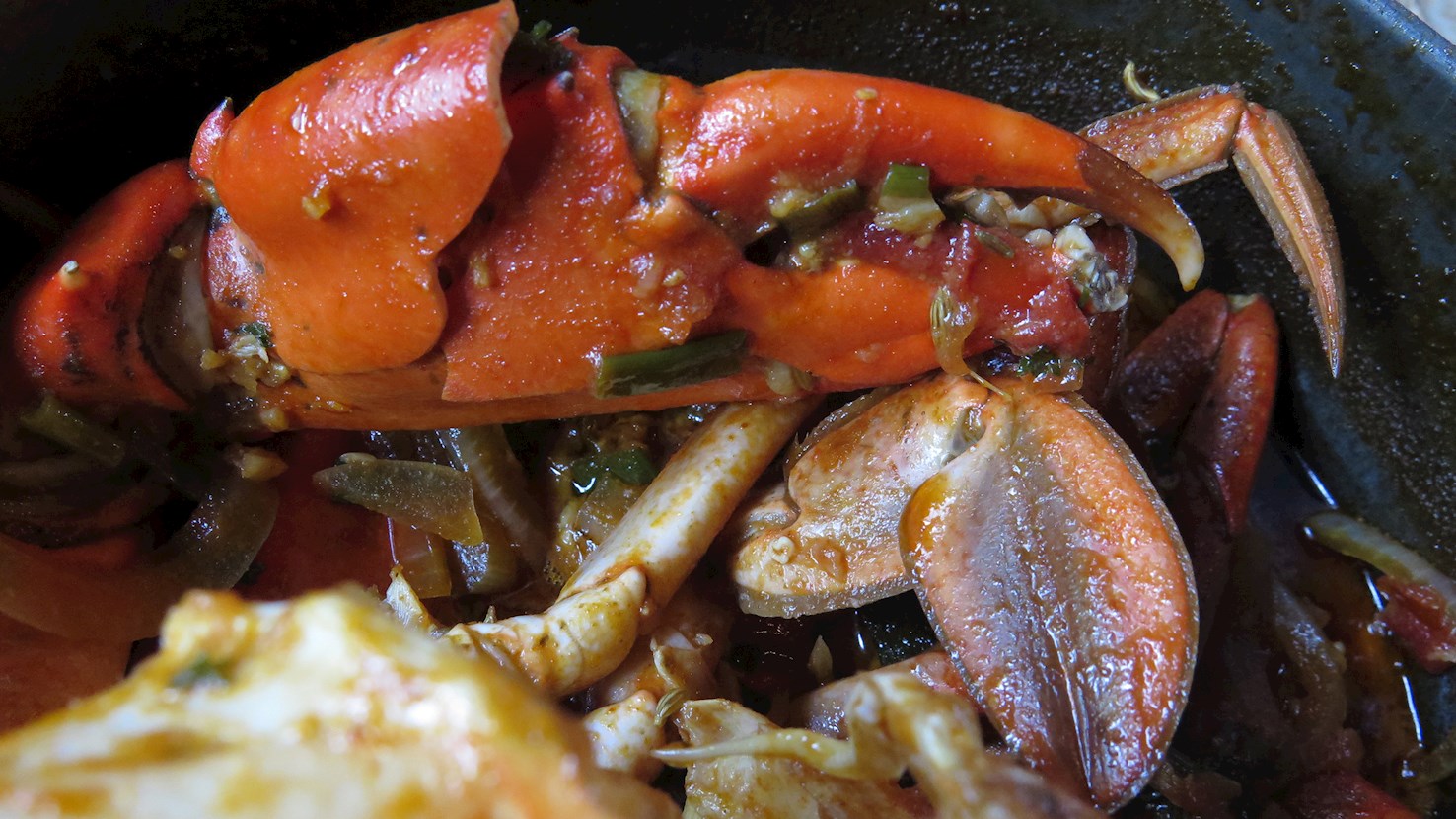
Curried crab is a traditional crab dish originating from Macau. The dish is usually made with a combination of softshell crabs, garlic, shallots, scallions, ginger, oil, flour, turmeric, curry powder, rice wine, salt, and sugar. The crabs are prepared for cooking, dredged with flour, then deep-fried in oil to seal the juices in. The ginger, garlic, shallots, and scallions are sautéed in oil until soft, then mixed with turmeric, curry powder, water, rice wine, salt, and sugar. The crab is added to the pan and the dish is cooked until the liquid is reduced. Once done, curried crab is garnished with scallions and served hot.

03

Cháozhōu dòngxiè (Teochew cold crab)

n/a ·

Cháozhōu dòngxiè is a seasonal crab dish from the Chaoshan region of eastern Guangdong, prepared using live swimming crabs, usually caught from coastal waters during their peak freshness period. Its origins are rooted in the fishing communities of the Chaoshan coast, where crab has long been an important seasonal ingredient. Over time, cooks in local households and small teahouses began developing ways to preserve the freshness of the catch while intensifying its taste, leading to the development of this chilled preparation method. Today, it remains a defining feature of Chaoshan culinary identity, often linked to the region’s preference for serving seafood with minimal interference. Preparation begins with selecting live, female crabs full of roe, which are cleaned and then marinated without cooking. The crabs are soaked in a carefully balanced brine made from soy sauce, Shaoxing wine, sugar, and aromatics such as ginger, garlic, and citrus peel, then stored under refrigeration to allow the flavors to infuse while the meat gently firms up. The result is a dish that retains the natural sweetness of raw crab but gains depth and umami from the marinade. It is typically served cold, often garnished simply or accompanied by vinegar-based dipping sauces to enhance the sweet and briny notes of the meat. It is most commonly eaten during the late summer and autumn crab season and is often part of a larger banquet rather than a standalone dish. Diners frequently pair it with lighter rice dishes, mild teas, or crisp white wines that complement its natural salinity and umami richness.

Read more
View all
View map
About this ranking

TasteAtlas food rankings are based on the ratings of the TasteAtlas audience, with a series of mechanisms that recognize real users and that ignore bot, nationalist or local patriotic ratings, and give additional value to the ratings of users that the system recognizes as knowledgeable. For the “Top 3 Chinese Crab Dishes” list until May 16, 2026, 35 ratings were recorded, of which 22 were recognized by the system as legitimate. TasteAtlas Rankings should not be seen as the final global conclusion about food. Their purpose is to promote excellent local foods, instill pride in traditional dishes, and arouse curiosity about dishes you haven’t tried.

Similar lists