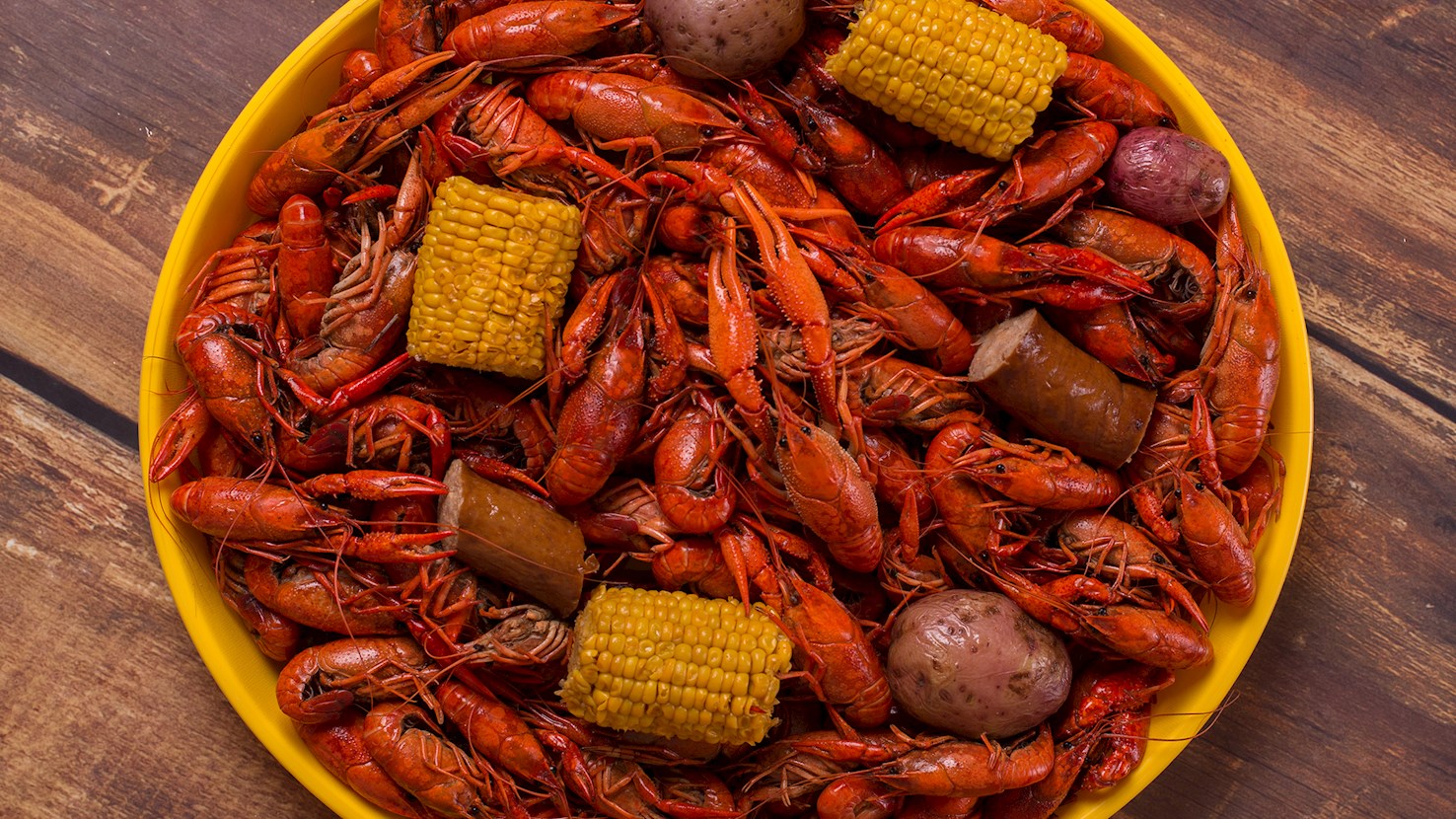
The season of Lent before Easter means backyard crawfish boils in Louisiana. All that’s needed for this feast is a large pot and a heater, water, vegetables, seasoning, and crustaceans. The crawfish are typically placed in big strainers, then hosed down and washed before being placed in the pot with vegetables and fruits such as lemons, garlic, onions, celery, and potatoes, all cut in half, while frozen corn is added later in order to cool down the boil. Sausages and mushrooms might also be added to the pot, depending on personal preferences. It is believed that the secret to a great crawfish boil is not in boiling the crustaceans, but poaching them in hot water, which allows them to soak up all the flavors as they finish cooking.
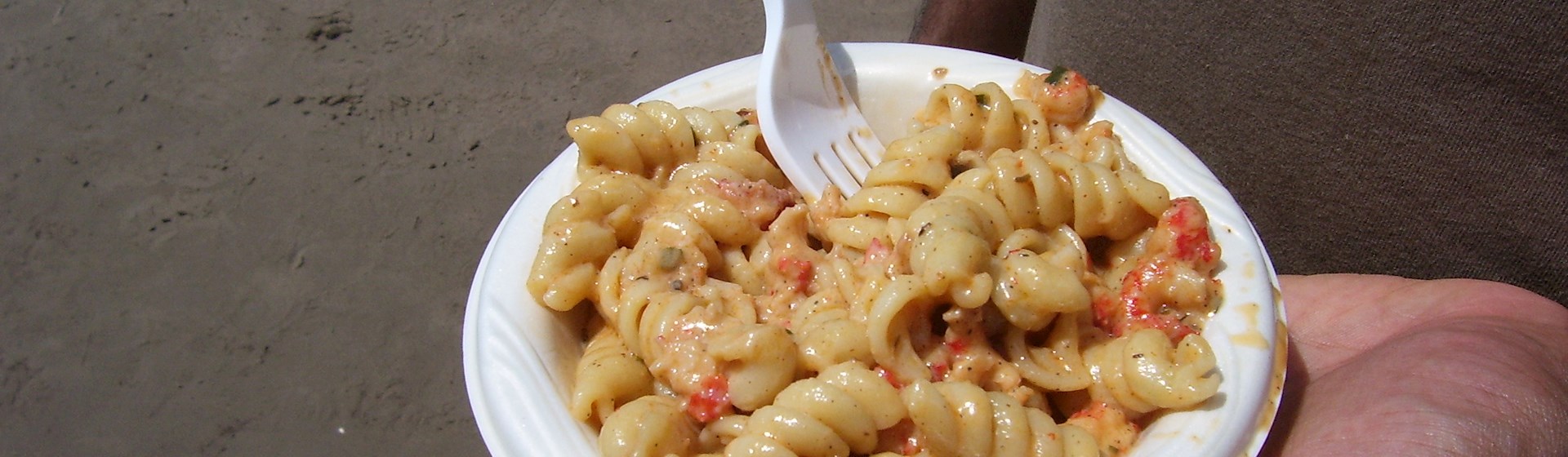
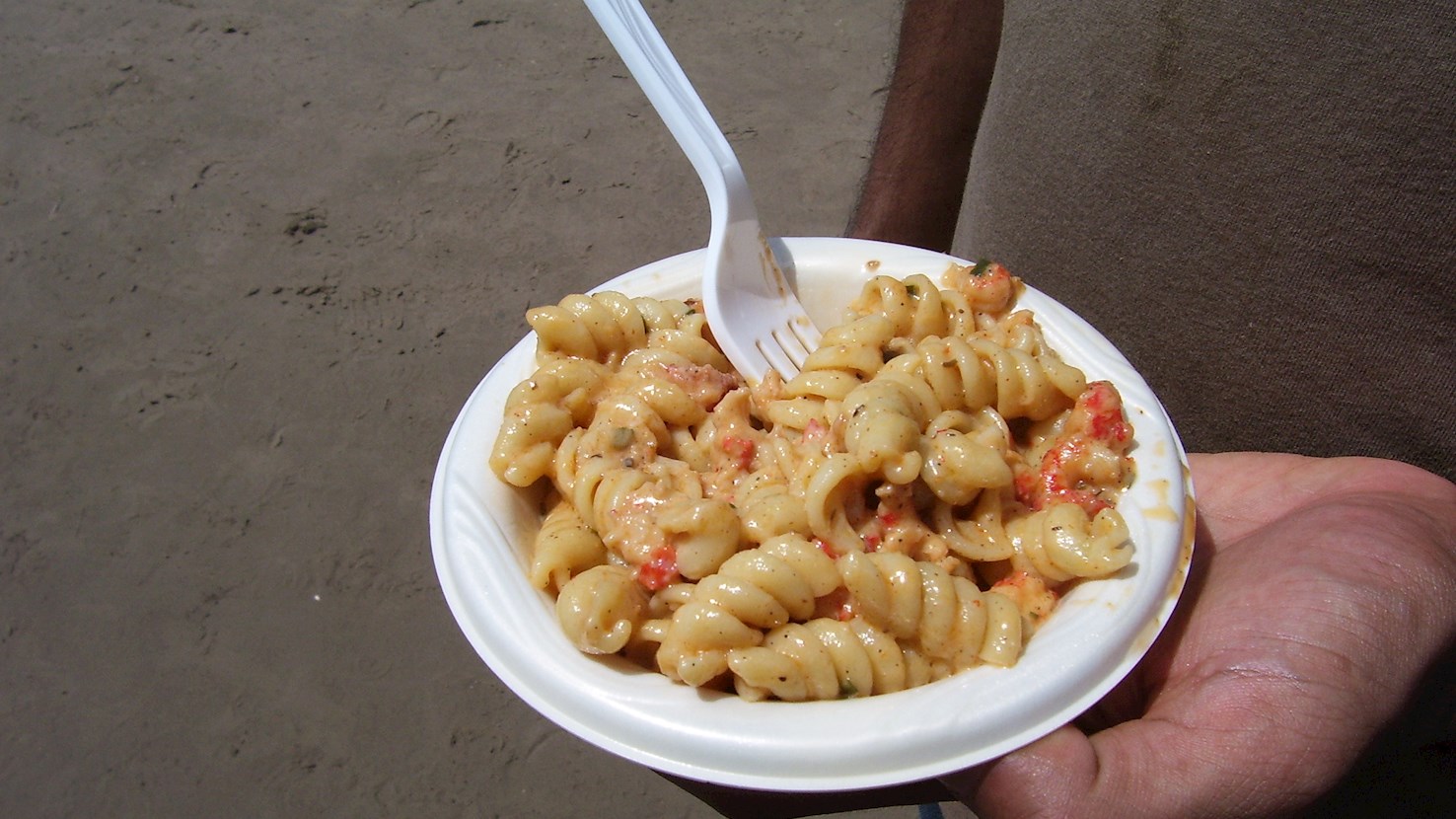
Crawfish Monica is an American dish consisting of rotini pasta, crawfish tails, garlic, Creole seasoning, butter, and cream. The dish was invented in Louisiana by Pierre Hilzim, who named it after his wife, Monica Davidson. The recipe is kept a secret, and the name of the dish is trademarked. In the 1980s, Davidson and Hilzim started to sell their dish at Jazzfest, and it didn't take a long time for crawfish Monica to become one of the most popular dishes at the festival.
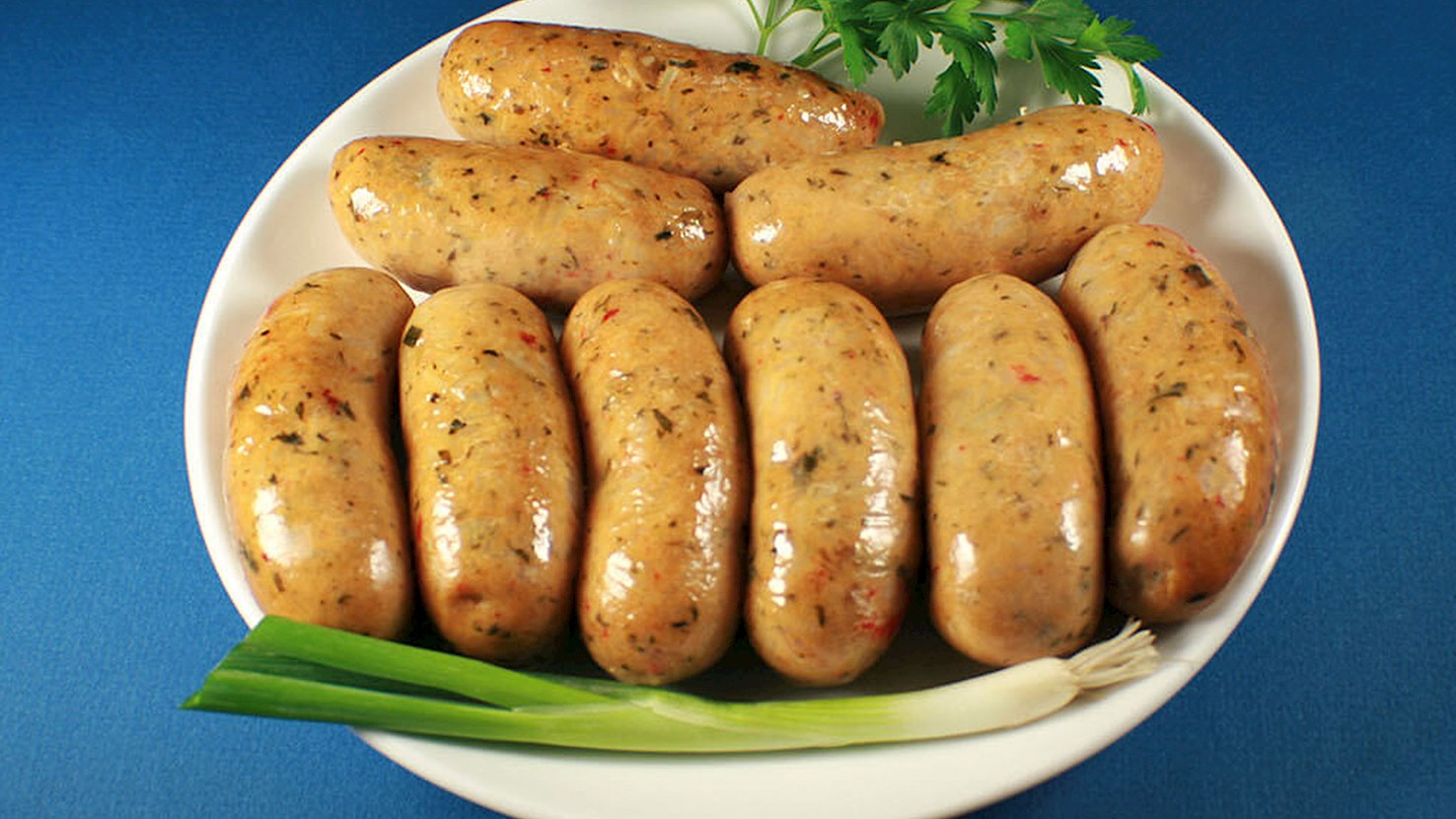
Crawfish boudin is a specialty of Cajun cuisine, a sausage that is traditionally prepared with freshly chopped crawfish meat and sautéed finely cut vegetables such as onions, celery, green onion tops, bell peppers, garlic, and parsley. The crawfish mixture is then combined with cooked white rice before being stuffed into natural casings. If no casings are available, the sausage mixture can alternatively be shaped into balls which are then dredged in breadcrumbs and fried. Typical seasonings include red pepper or cayenne pepper, salt, and white pepper or black pepper. Crawfish boudin can be steamed, smoked, or fried, eaten on top of saltine crackers, or drizzled with hot sauce or mustard. This sausage makes an excellent savory snack or a side.
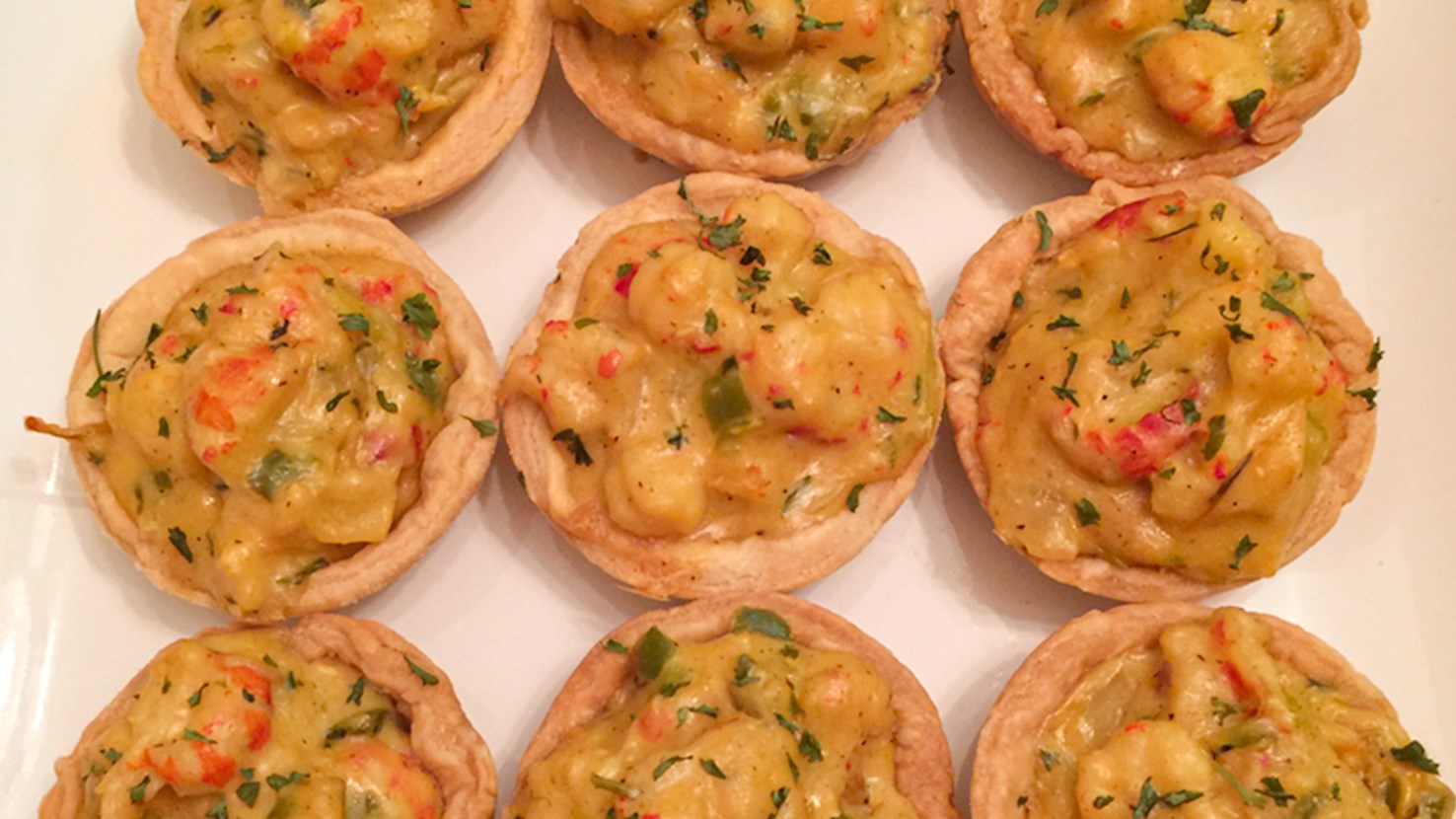
Crawfish pie is a traditional savory American pie originating from Louisiana. These pies usually consist of a pie shell that's filled with a combination of crawfish tails, bell peppers, green onions, garlic, stock, parsley, milk, butter, cornstarch, and seasonings. The ingredients are cooked until the mixture thickens, and the filling is then poured into the pie crust. The pie is baked in the oven until the crust becomes golden brown and the filling is bubbling. This Cajun delicacy is especially popular on weekends. Interestingly, crawfish pie was even mentioned in the Hank Williams song Jambalaya (On the Bayou).
Janga soup is a freshwater shellfish soup prepared in Jamaica, made from janga, the local name for freshwater crayfish belonging mainly to the genus Macrobrachium, simmered with vegetables, herbs, and spices to form a light but filling meal. Its development is linked to inland rivers and streams where janga are harvested, and to cooking practices that favored quick-cooking proteins combined with ground provisions and leafy greens, allowing rural communities to use what was locally available without reliance on preserved foods. Preparation begins by cleaning the crayfish thoroughly, then sautéing aromatics such as onion, garlic, scallion, thyme, and hot pepper before adding water and the janga, followed by vegetables like chocho, carrot, yam, and sometimes callaloo, with the shells contributing flavor to the broth as the soup cooks. The crayfish are cooked briefly to avoid toughness, and the soup remains relatively clear, thickening only slightly from vegetables rather than added starch. Janga soup is served hot in deep bowls and eaten freshly cooked. It is commonly consumed at home, particularly in areas near rivers, and is eaten as a complete dish rather than alongside multiple sides, though bread or crackers may be offered. Beverage pairings are usually simple and cooling, such as water, coconut water, or lightly sweetened drinks, chosen to complement the delicate shellfish broth without overwhelming it.
Viet-Cajun crawfish is a Louisiana crawfish boil style developed in Houston and other Gulf Coast cities, made by boiling live crawfish in seasoned water and then tossing them in a buttery sauce flavored with garlic, chili, citrus, and Vietnamese spices or aromatics. It is served primarily in Vietnamese-American seafood restaurants and boil houses, where large trays or bags of crawfish are brought to the table coated in the sauce rather than simply seasoned in the boil water. The preparation draws on Louisiana Cajun boiling techniques while incorporating Vietnamese flavor profiles, especially heavy garlic, lemongrass, and pepper heat, and it has become one of the defining regional crawfish styles of the Gulf Coast restaurant scene. Its development is tied to the growth of the Vietnamese community in Houston, beginning with large-scale immigration in the late 1970s. Many Vietnamese families worked in fishing, shrimping, and seafood markets, giving them access to crawfish and other Gulf products. As Vietnamese cooks adopted local boiling methods, they adapted the seasoning to their own cooking preferences, adding garlic-based sauces, butter, and spices after the boil instead of relying only on seasoning the water. By the 1990s and early 2000s, restaurants in southwest Houston began serving crawfish with post-boil sauces, and the style spread throughout the city and then to other Gulf Coast states. Preparation begins with purging and rinsing live crawfish, then boiling them in water seasoned with Cajun-style spices, salt, citrus, and sometimes lemongrass. Once cooked, the crawfish are drained and transferred to a wok, large bowl, or plastic bag where they are coated in a sauce made from butter or margarine, minced garlic, chili powder, Cajun seasoning, sugar, and optional additions such as lemongrass, fish sauce, or Vietnamese chili paste. The sauce is absorbed into the shells and joints, making the flavor more dependent on the coating than on the boil water alone. Many restaurants offer multiple heat levels and flavor variations, with “garlic butter,” “cajun x viet,” and “lemon pepper” being among the most common. A defining element is the volume of garlic used, which is often far greater than in most Cajun boils, and the presence of fish sauce or lemongrass in some versions gives the style a flavor profile not found in Louisiana-origin crawfish alone. Viet-Cajun crawfish is eaten across Houston, New Orleans, Dallas, Atlanta, and other cities with large Vietnamese-American populations, especially during crawfish season from late winter to early summer. It is usually served with corn, potatoes, sausage, and sometimes rice or garlic noodles. Beverage pairings include light lagers, pilsners, crisp white wines such as Riesling or Sauvignon Blanc, sweetened iced tea, and fruit sodas that balance the heat and garlic intensity.
Kǒuwèi xiā is a cold, spicy crayfish dish from Sichuan province. The roots of kǒuwèi xiā lie in the long-established Sichuan approach to cold dishes, which are often prepared with complex sauces meant to highlight contrast and depth. These dishes were originally served to balance the rich, oily, and hot main courses of the region’s cuisine and to stimulate diners’ appetites before heavier fare. As seafood became more widely available inland thanks to improved trade and transportation, crayfish found a place in these preparations, especially in urban areas like Chengdu and Chongqing. Preparation begins with fresh crayfish, often shell-on for extra flavor, which are briefly boiled or steamed until just cooked and then plunged into cold water to stop the cooking and preserve their firm, springy texture. Once cooled, the crayfish are tossed with a sauce made from a mix of chili oil, Sichuan peppercorn oil, soy sauce, black vinegar, sugar, minced garlic, and ginger. Additional ingredients like sesame paste or roasted peanuts may be added for depth, while chopped scallions and cilantro provide freshness. The result is a sauce that is spicy and numbing from the chilies and peppercorns, slightly tangy from the vinegar, and balanced with a hint of sweetness and aromatic complexity. The dish is then chilled before serving, allowing the flavors to penetrate the shrimp and develop further. Kǒuwèi xiā is typically served as part of a larger spread, often alongside other cold appetizers such as smashed cucumber salad, bean curd sheets, or spiced beef slices. It is especially popular in the warmer months when chilled, spicy dishes are most appreciated for their invigorating qualities. It pairs naturally with steamed rice or mild vegetable dishes, which balance its intensity, and it is often accompanied by light soups or chilled drinks.
Crayfish is the star of a local Luxembourgish specialty called kriibsen. The crustacean is typically alive right before it is cleaned and cooked in a sauce containing finely chopped vegetables and herbs, butter, seasonings, fish stock, and Luxembourg Riesling. Typical vegetables and herbs include green celery, shallots, carrots, thyme, tarragon, bay leaves, and parsley. The usual way of serving the dish is by placing the cooked crayfish on a warm serving platter and finishing it off with the hot, buttery sauce and a few sprigs of fresh parsley on top. This crayfish specialty is usually paired with a glass of fine Luxembourg Riesling, while the typical way of consuming it is by using one’s fingers.
Crab stuffed with crayfish is a New Caledonian dish that can be served either as an appetizer or as an entrée. The crab is first mixed with vegetables and fried, while the crayfish is cooked separately. Once they have cooled down, the crayfish and crab are combined and poured into buttered tins. After twenty minutes of baking in the oven, this dish is served hot and ready to be consumed.
TasteAtlas food rankings are based on the ratings of the TasteAtlas audience, with a series of mechanisms that recognize real users and that ignore bot,
nationalist or local patriotic ratings, and give additional value to the ratings of users that the system recognizes as knowledgeable.
For the “Top 9 Crayfish Dishes in the World” list until April 15, 2026, 111 ratings were recorded, of which 99 were recognized by the system as legitimate.
TasteAtlas Rankings should not be seen as the final global conclusion about food. Their purpose is to promote excellent local foods,
instill pride in traditional dishes, and arouse curiosity about dishes you haven’t tried.