


Top 6 European Crème Liqueurs

Last updated on June 15, 2026
01

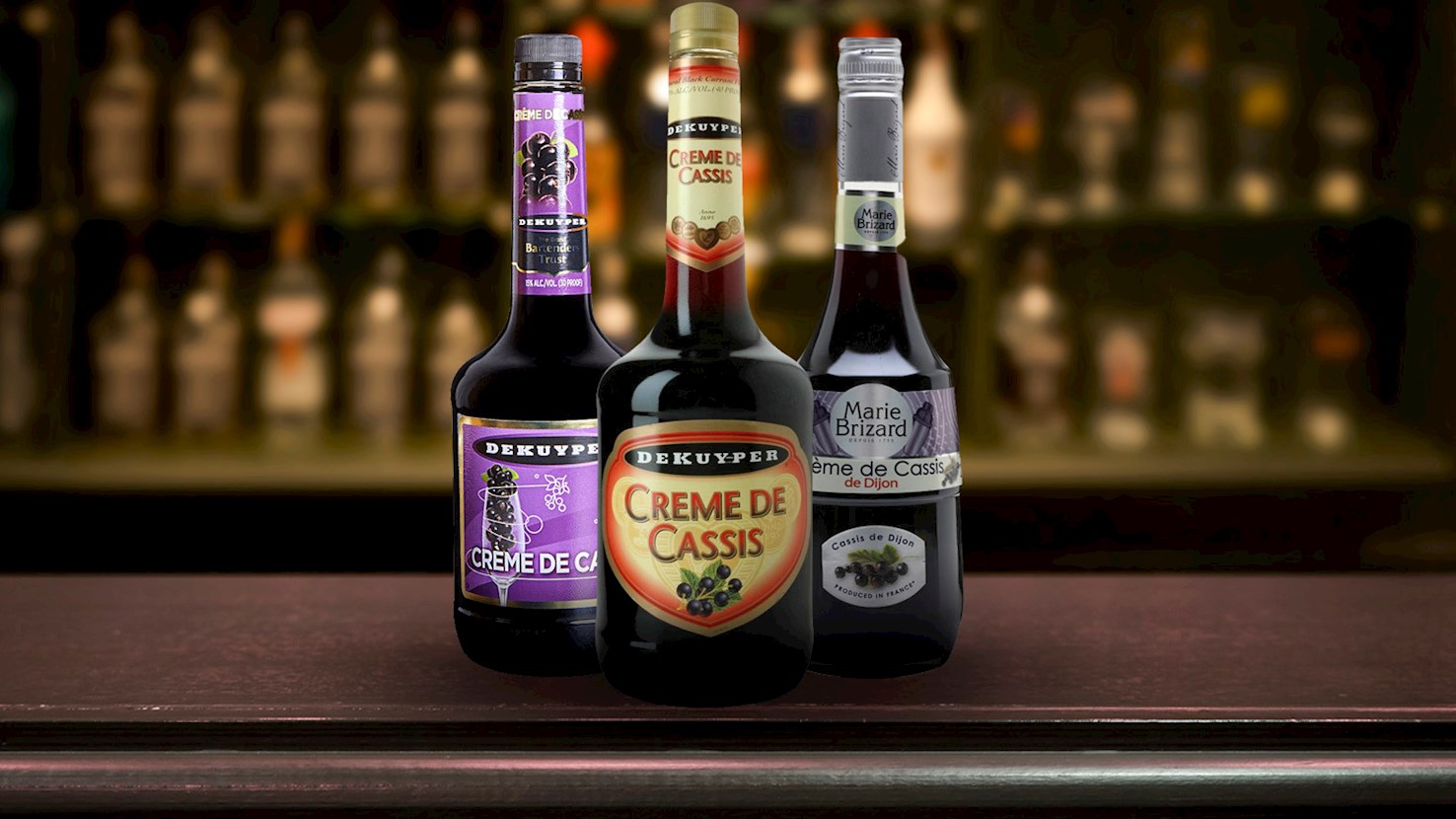
Crème de cassis

3.5 ·

Crème de cassis is a blackcurrant liqueur that has its origins in French Burgundy. Although it is believed that it first appeared in the 16th century, commercial production started in the mid-1800s. The drink is produced by macerating blackcurrants in a neutral spirit. It is characterized by its dark purple color and a perfect balance of sweetness and subtle tartness. Crème de cassis is mainly used as a cocktail ingredient in classics such as Kir and its numerous varieties, as well as Arnaud, El Diablo, or Vermouth Cassis.

02

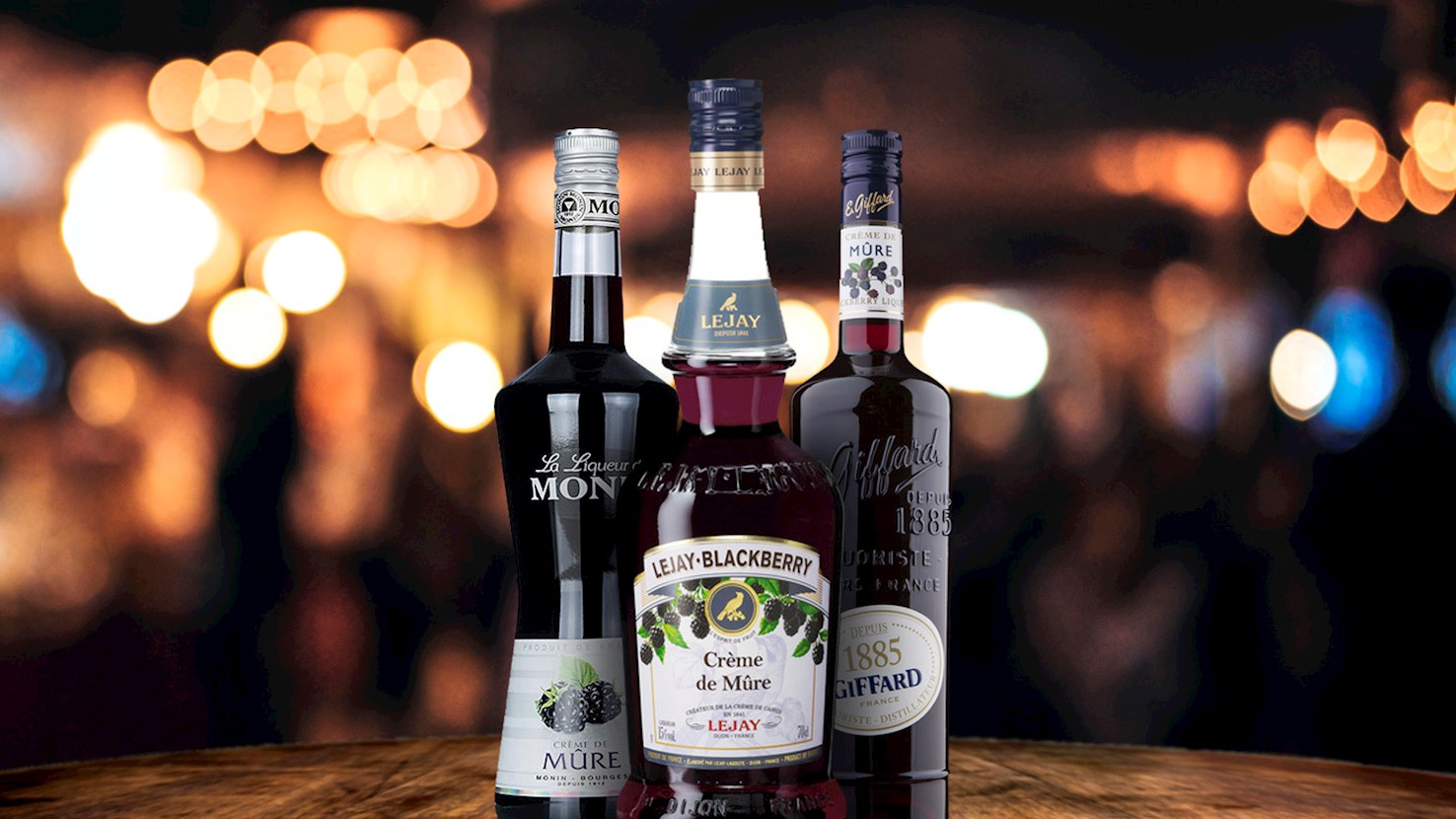
Crème de mûre

3.3 ·

Crème de mûre is a French-style blackberry liqueur. The drink is traditionally made by macerating blackberries in neutral spirit, while the additions usually include fresh blackberry juice, lemon or lime juice, and a sweetener. The liqueur should be dark purple and thick, while the aromas and flavors should be reminiscent of fresh blackberries and blackberry jam. This aromatic liqueur can be enjoyed as an aperitif, but it also works well in mixed drinks and cocktails.

03

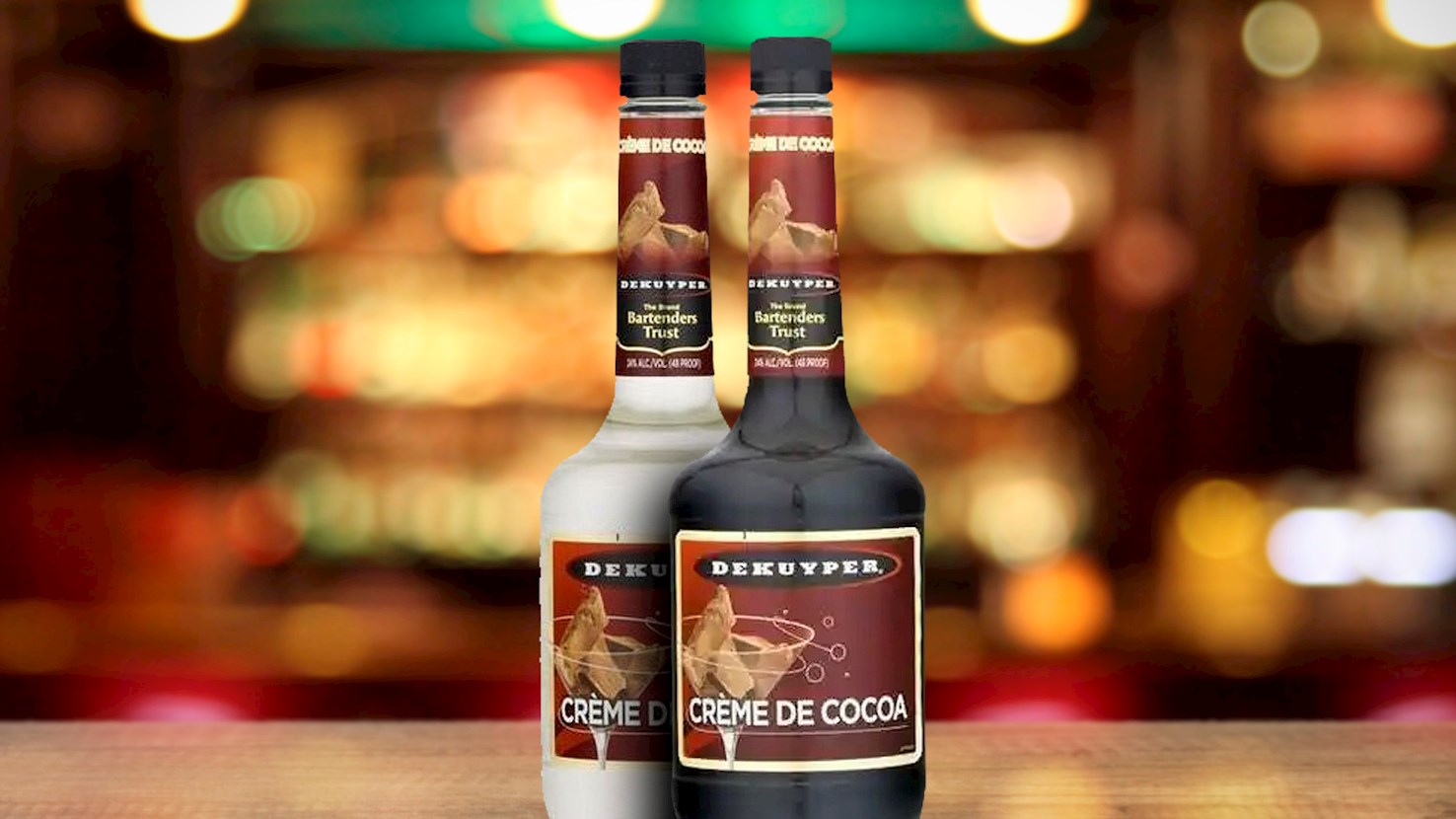
Crème de cacao

3.2 ·

Crème de cacao is a liqueur made from cocoa beans. Depending on the type of production, it can be white (blanc) or dark (brun), and it is often additionally flavored with vanilla. The dark version usually has a more intense flavor. Unlike chocolate liqueurs, crème de cacao is less sweet and thick. Crème de cacao typically has aromas reminiscent of cocoa, milk, and vanilla. It is presumed that this liqueur style was created in France and that it first appeared in monasteries. Although it was initially sipped on its own, in the 20th century, it became widely used as a cocktail ingredient. Crème de cacao is used in some of the classic cocktails, such as Alexander and Grasshopper.

04

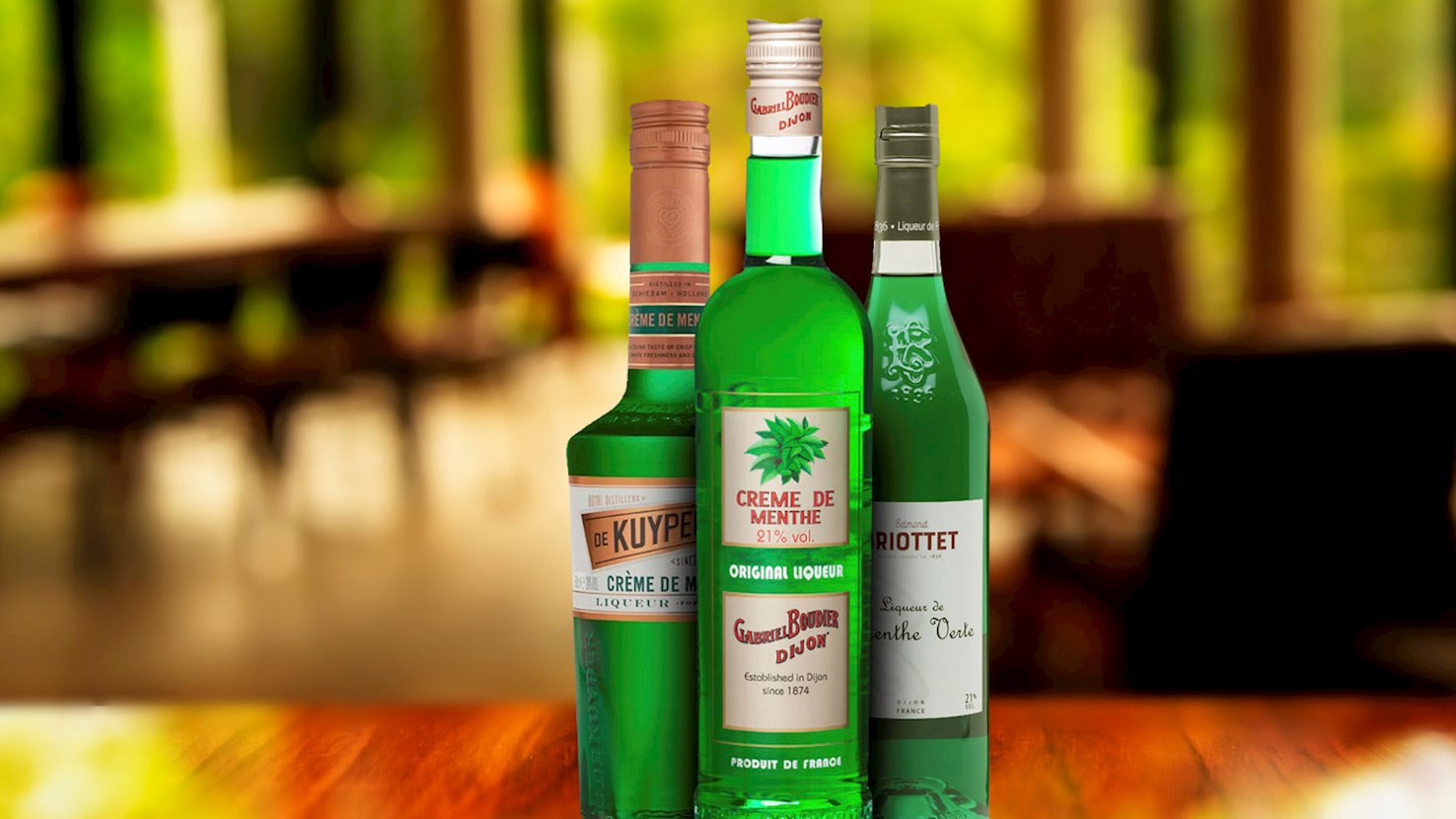
Crème de menthe

3 ·

Crème de menthe is a liqueur that is flavored with mint (menthe). Although it is typically bright green, it also comes in a colorless (white) version. While traditional technique includes steeping dried mint leaves in alcohol, some styles are also made with mint extract and alcohol. The green color may be imparted by the addition of mint leaves or with artificial coloring. French pharmacist Emile Giffard is often cited as the inventor of crème de menthe. In 1885, he allegedly first served his creation to the guests at the Grand Hotel in Angers. Nowadays, this herbaceous liqueur is made by several producers. The drink is typically sweet with typical minty aromas and flavors. Although it can be enjoyed on its own, usually as digestif or an aperitif, the liqueur is best known as a cocktail ingredient, and it is one of the essential elements in classics such as Grasshopper and Stinger.

05

Crème de violette

2.7 ·

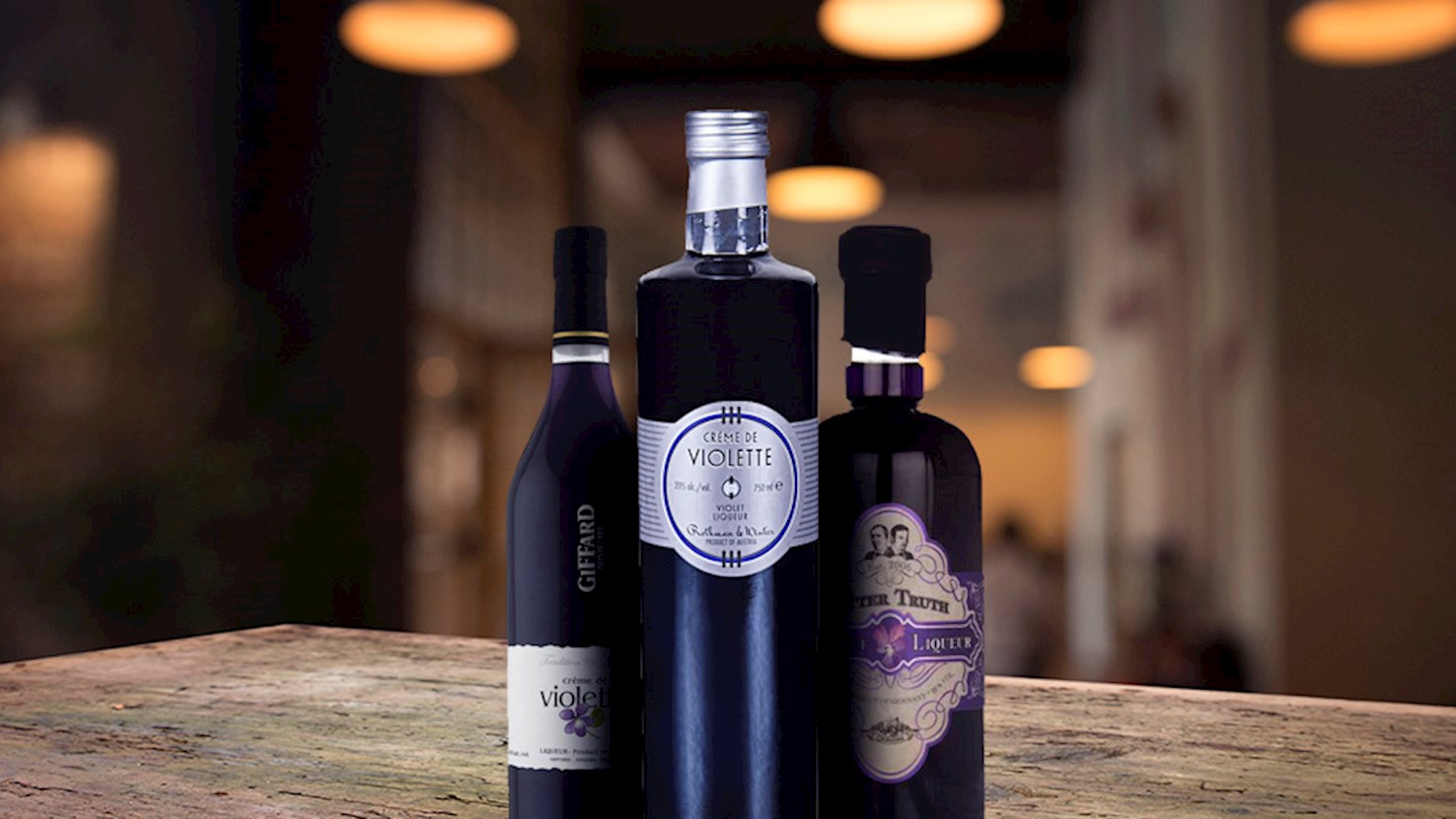
Crème de violette is a French liqueur that is made by macerating violets in brandy or neutral alcohol. This fragrant liqueur is usually dark purple in color, smooth, and subtly sweet, with typical floral and fruity nuances. The drink made its first appearance sometime in the 19th century, and in its beginnings, it was usually combined with vermouth or sometimes enjoyed on its own. Although violet liqueur lost its influence by the mid-20th century, recently some brands reintroduced it, promoting it as a great cocktail ingredient. The liqueur pairs well with sparkling wines, and it also complements citrus-based beverages. Aviation and Blue Moon are the most popular cocktails made with crème de violette.

06

Crème de noyaux

n/a ·

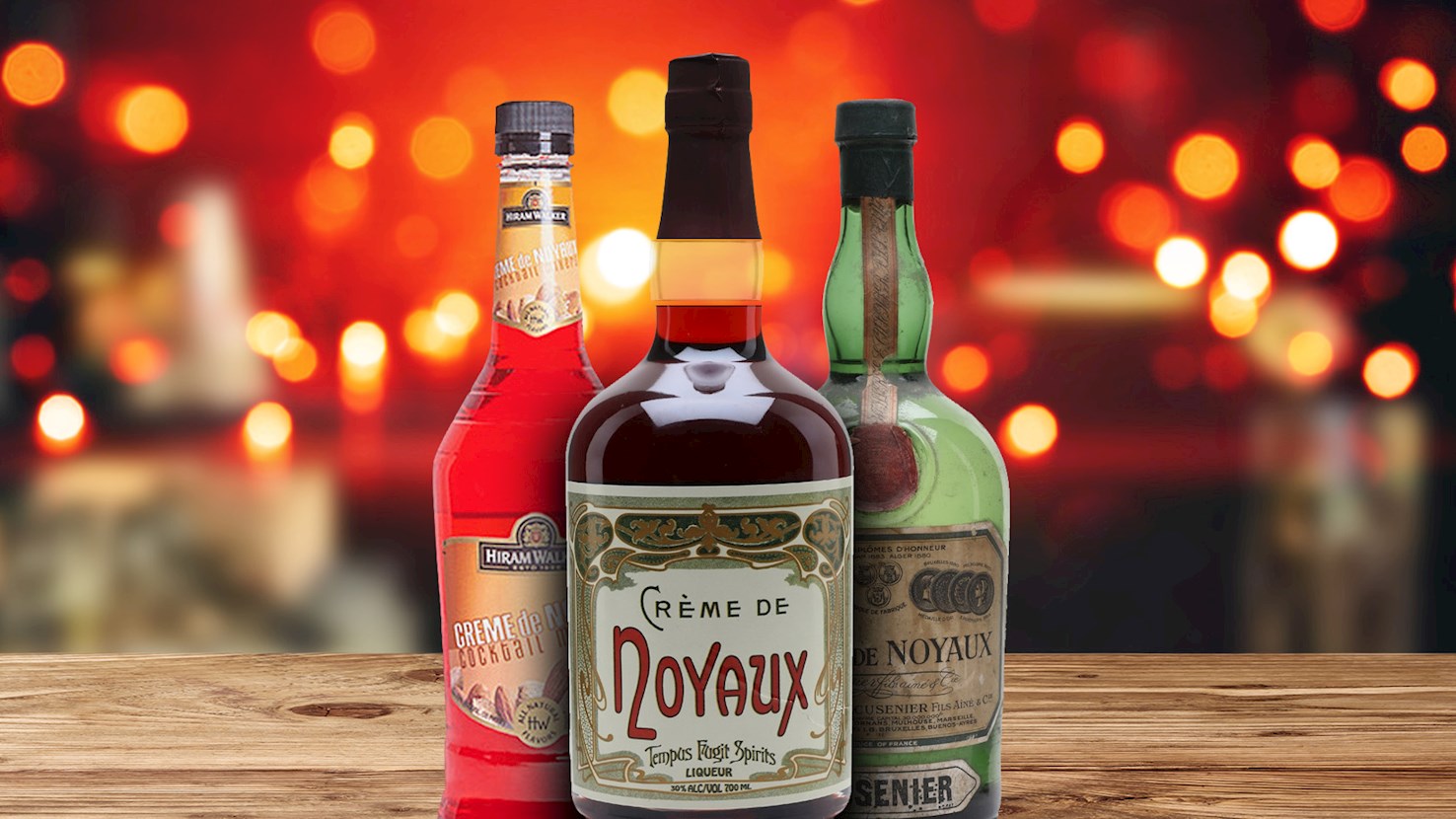
Crème de noyaux is a French liqueur distilled from a macerate of alcohol and apricot, cherry, or peach kernels. They can be made with only one type or a combination of fruit pits. Sometimes botanicals can also be added, and the liqueur can have a distinctive red color, which was originally imparted with cochineal dye. Nowadays, few producers that still produce crème de noyaux opt for a different choice of coloring. These liqueurs typically have almond or marzipan aromas and flavors, which are often reminiscent of amaretto. They are best known for their use in cocktails, such as Pink Squirrel and Old Etonian.

Read more
View all
View map
About this ranking

TasteAtlas food rankings are based on the ratings of the TasteAtlas audience, with a series of mechanisms that recognize real users and that ignore bot, nationalist or local patriotic ratings, and give additional value to the ratings of users that the system recognizes as knowledgeable. For the “Top 6 European Crème Liqueurs” list until June 15, 2026, 75 ratings were recorded, of which 70 were recognized by the system as legitimate. TasteAtlas Rankings should not be seen as the final global conclusion about food. Their purpose is to promote excellent local foods, instill pride in traditional dishes, and arouse curiosity about dishes you haven’t tried.

Similar lists