Maison Duculty is a renowned French charcuterie house with a tradition dating back to the 19th century. For five generations, Duculty has been dedicated to the craft of producing premium dry-cured meat delicacies.
Their philosophy is rooted in respecting tradition, natural processes, and top-quality raw materials, using only meat sourced from local producers without additives or artificial preservatives. Maison Duculty is well known for the slow, natural curing of its products in the pure mountain air, allowing rich, complex flavors and authentic textures to develop.
Through a blend of tradition, passion, and nature, Maison Duculty offers products that, in every bite, convey the spirit of the French countryside and the true excellence of artisanal charcuterie.
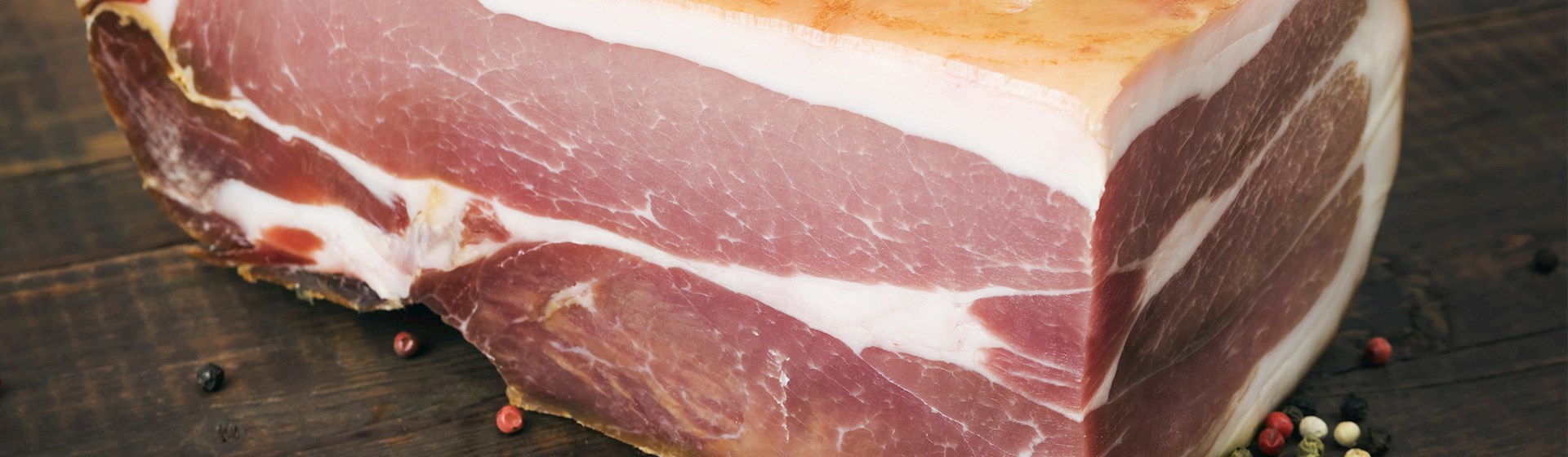
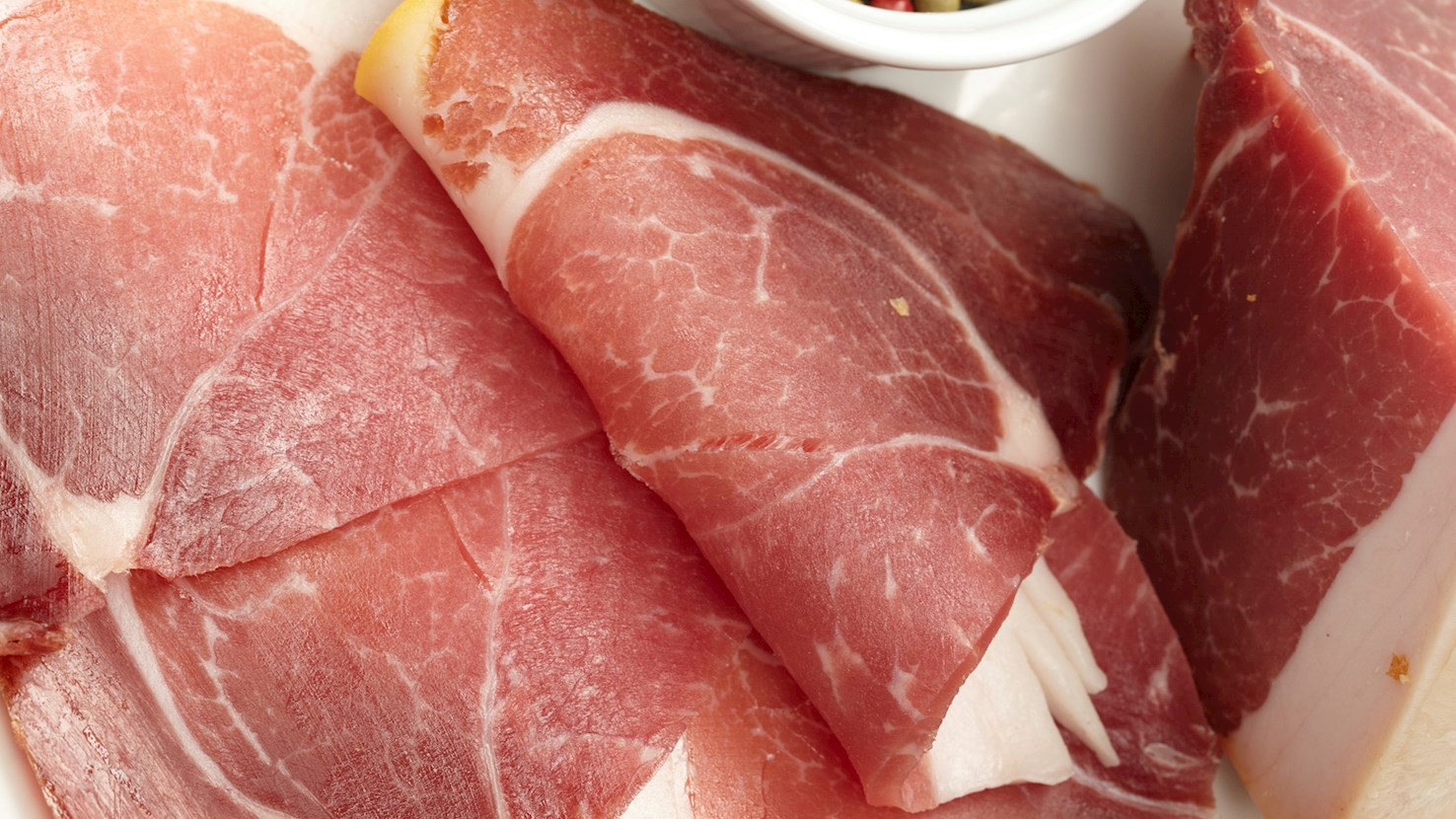
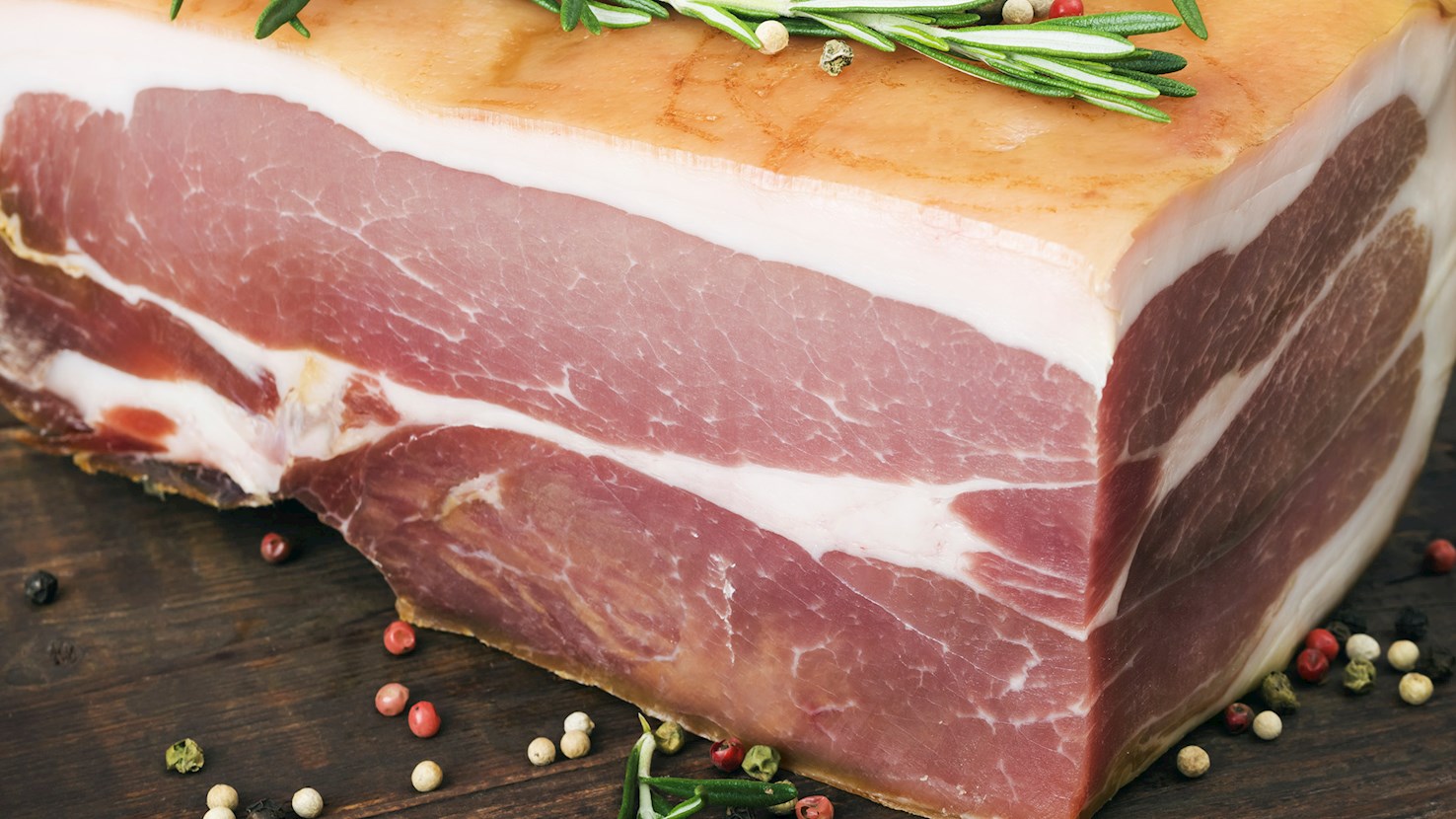
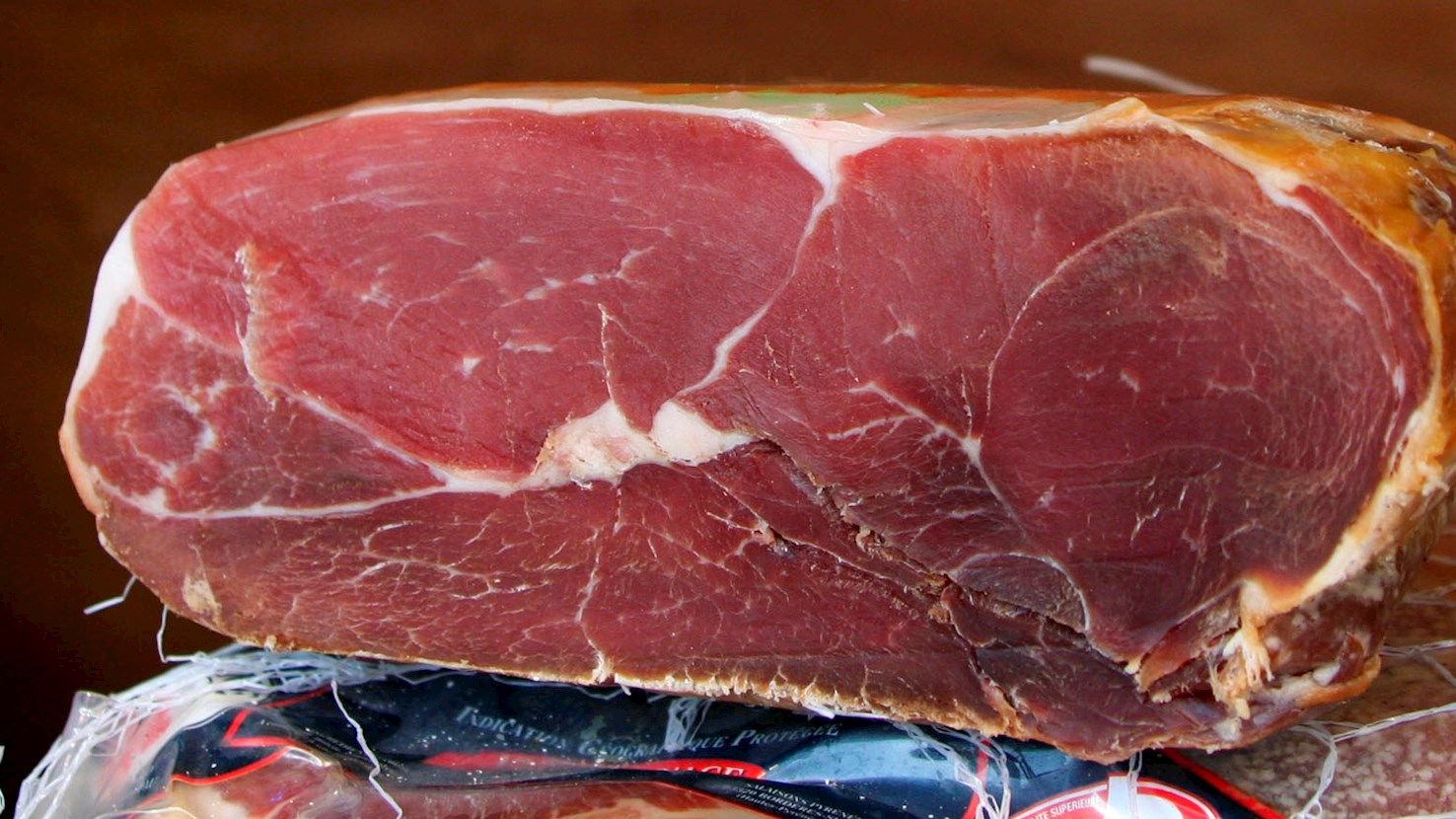
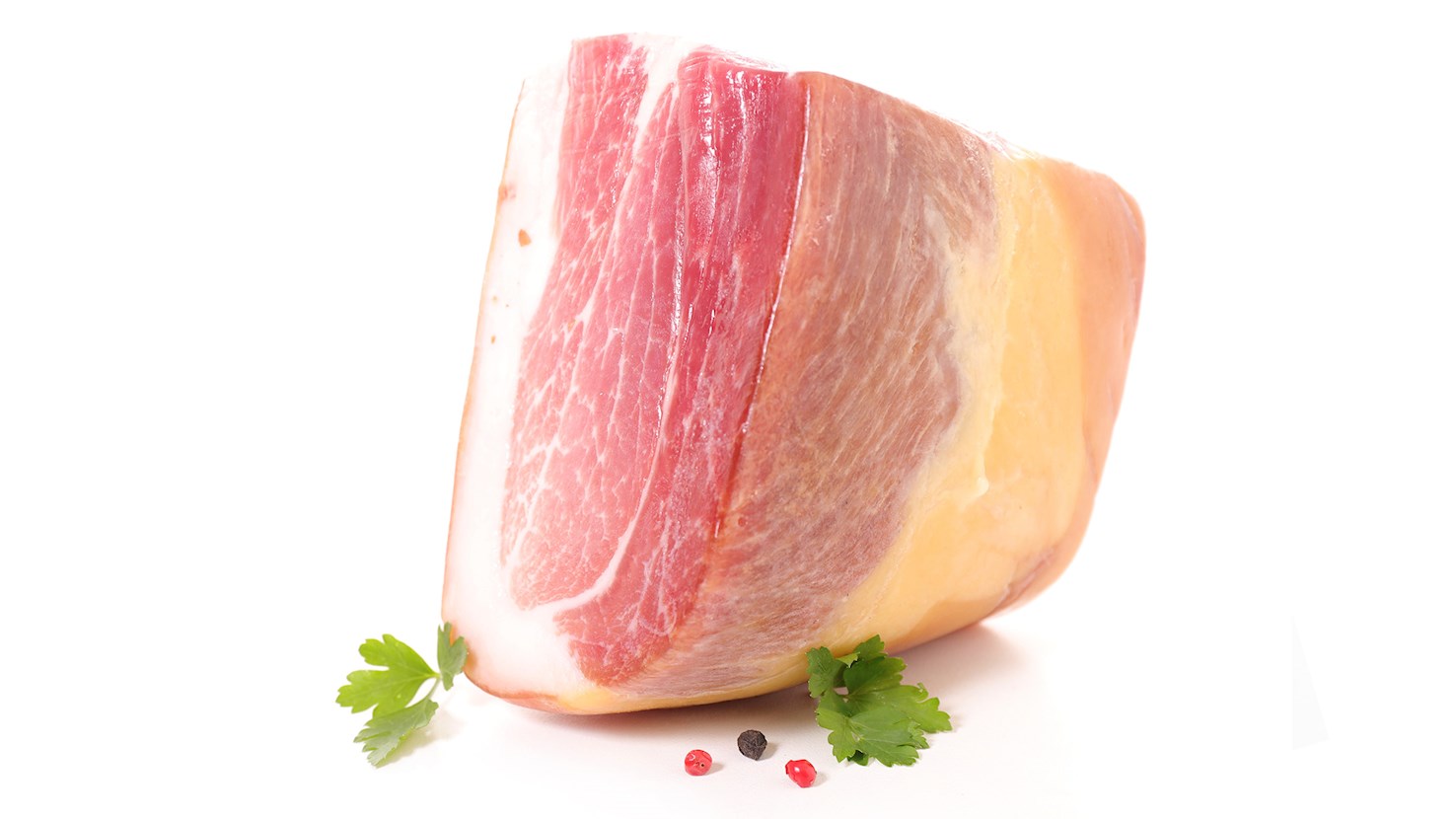
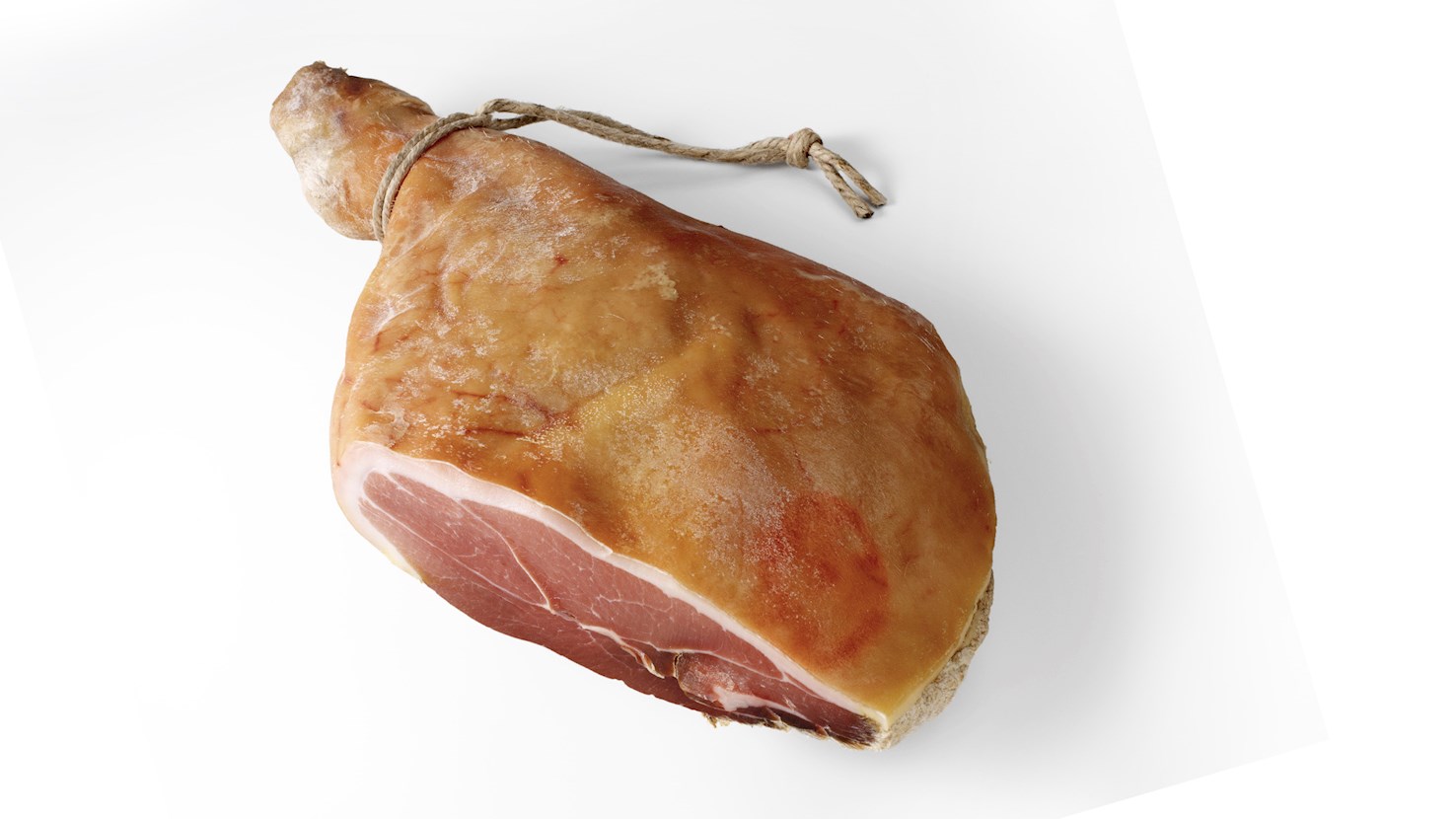
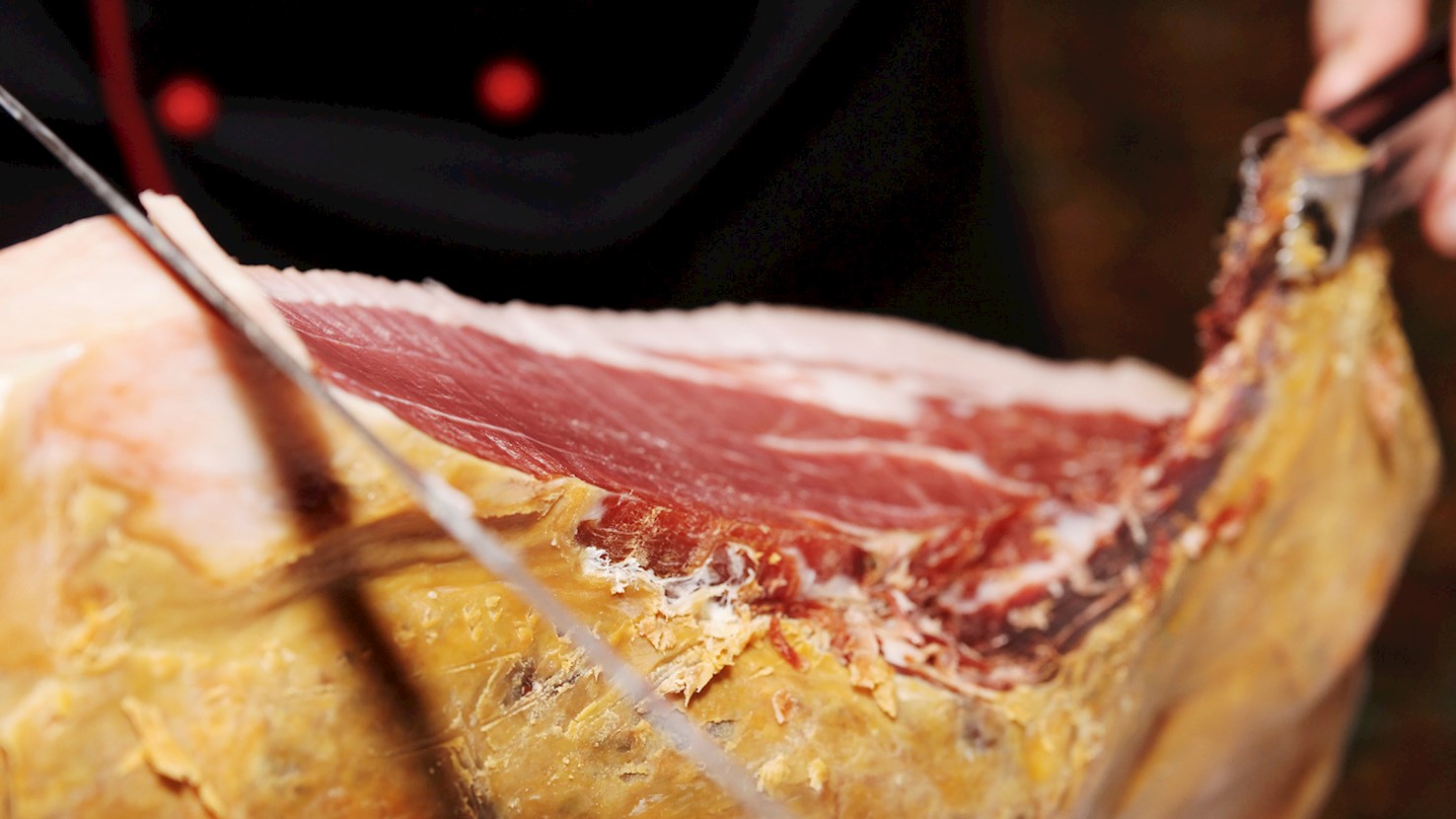
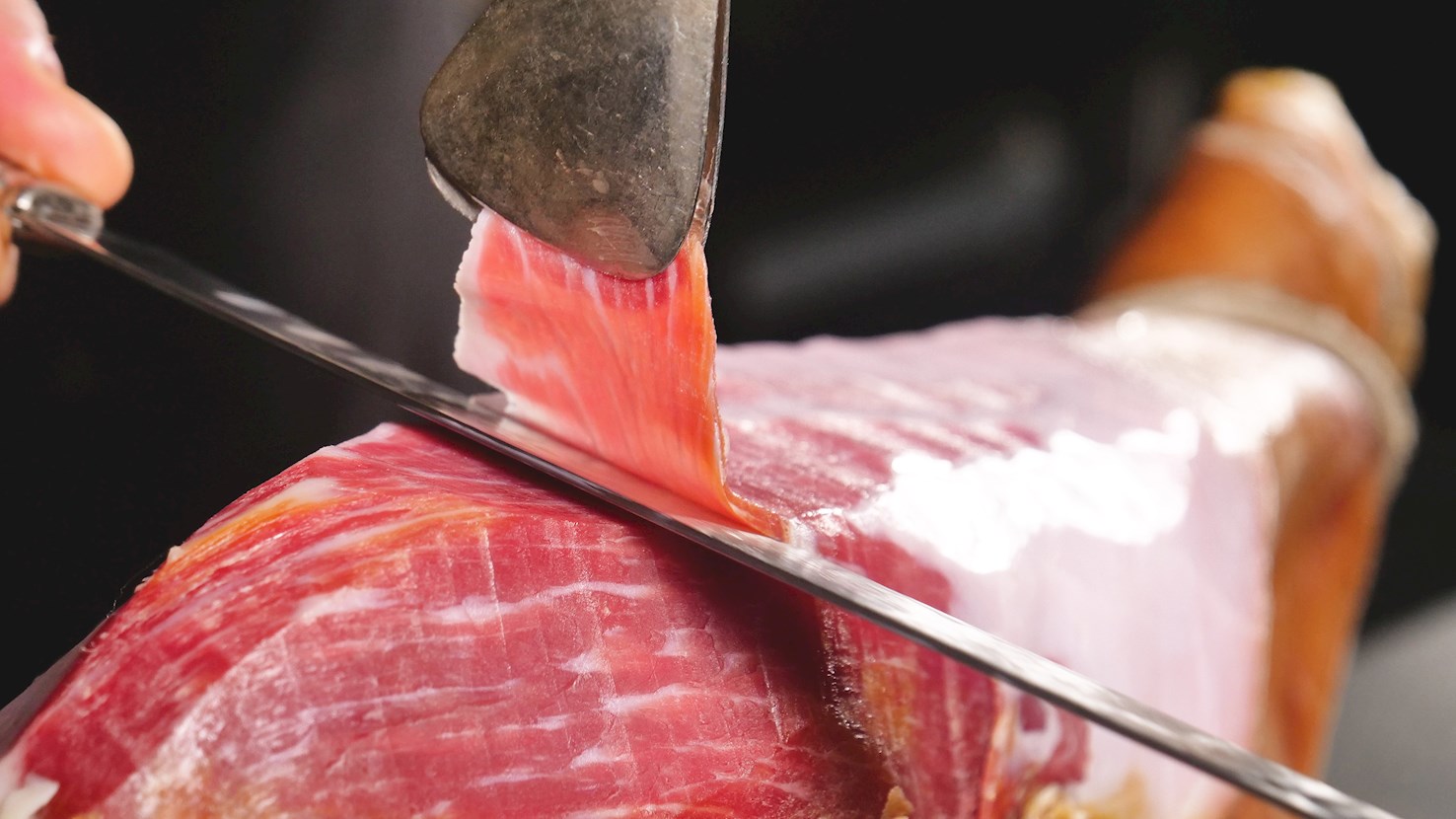
Jambon d'Auvergne is a dried pork ham made from the hind leg, produced in the French region of Auvergne (departments of Cantal, Haute-Loire, Lot, Corréze and Puy-de-Dôme). The ham is dried, salted and matured for at least eight months and it is never smoked. The weight of the ham with the bone still in must be at least six kilograms. The pigs feed on cereals and oilseed, giving the ham a soft, dry texture and an intense, unique flavor of dried pork, hazelnuts and hints of garlic that linger in the mouth. Garlic is mixed in the salt and makes the preservation of the ham better while helping the specific flavors develop on the inside of the ham. Once sliced, the ham is lean and red to dark red, with very little yellow or pink fat coverage. Consume the tasty, thin slices with hard cheeses or olives.
Jambon sec des Ardennes and Noix de Jambon sec des Ardennes are pig's meat hams that are dried and rubbed with salt containing special flavorings, spices (including juniper berries) and sugar, produced in the French region of Ardennes. The fat in the hams is white and its texture is firm, with a nice, pleasant smell. The hams are dry at the end of the production process, but not hard to the touch or bloated. They are usually sold whole, halved or sliced, with their fruity aroma and dried meat, melon fruit and salty flavor developed fully. As they are springy, yet firm in texture, the hams are easily sliceable, juicy and tender, with a melt-in-the-mouth quality. Slice it thinly and put it in sandwiches or pair it with a nice cheese platter.
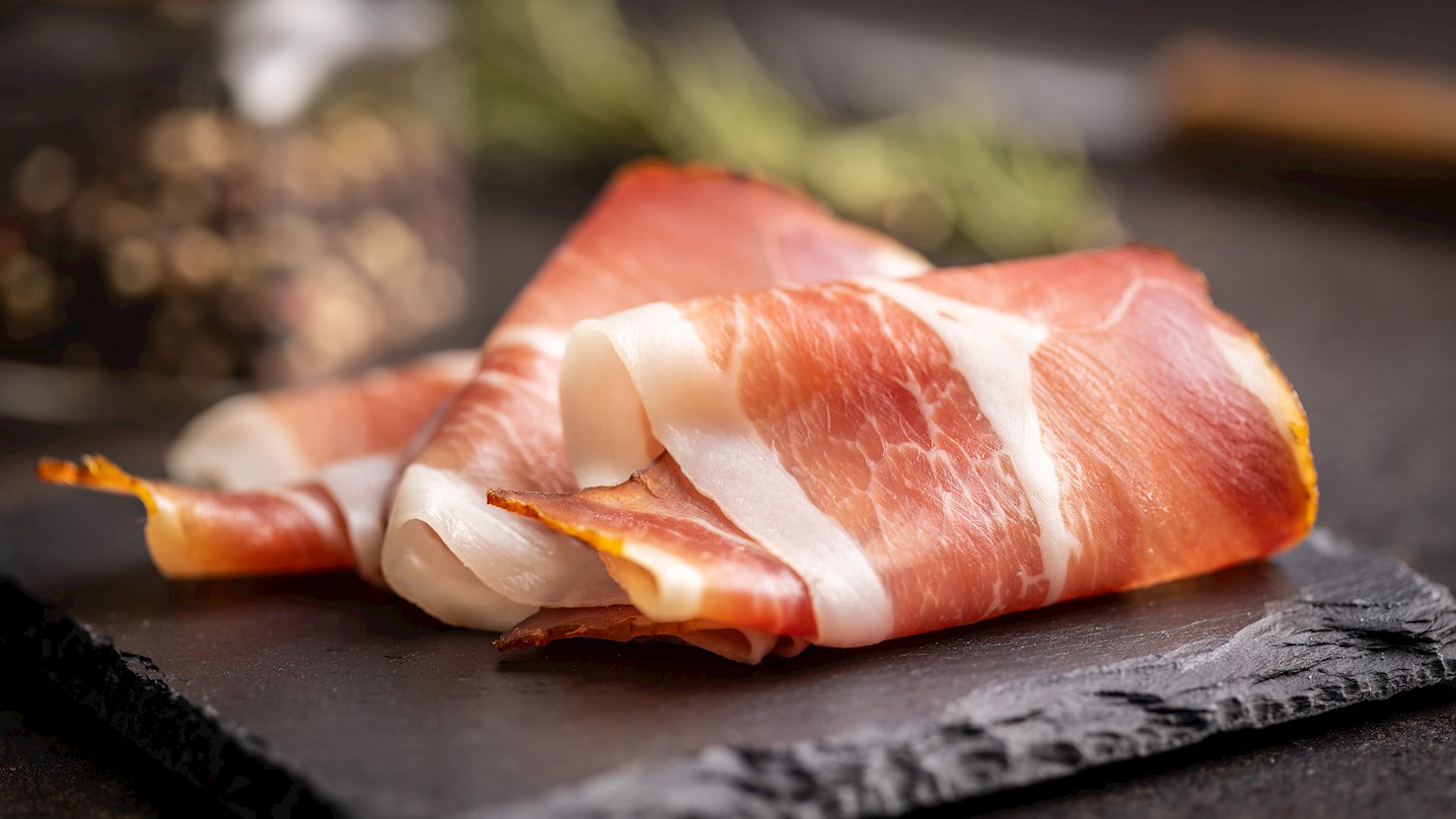
Jambon de Bayonne is a dried pork ham from south-western France that matures for at least seven months and is salted using salt from the Adour river basin. During the maturation process, the ham gets tender and develops its distinctive aroma with hazelnut notes, and delicate taste, along with its melt-in-the-mouth properties when sliced thinly. In the past, it was often served on the tables of royalty and the wealthy. It can be eaten as a starter, thinly sliced and paired with olives or cheese, in salads with spinach, asparagus, melon and cheese or as a main course with chicken, potatoes, in tarts or fricassées. Bayonne ham is also really healthy - it is full of vitamins, quality proteins and essential fatty acids.
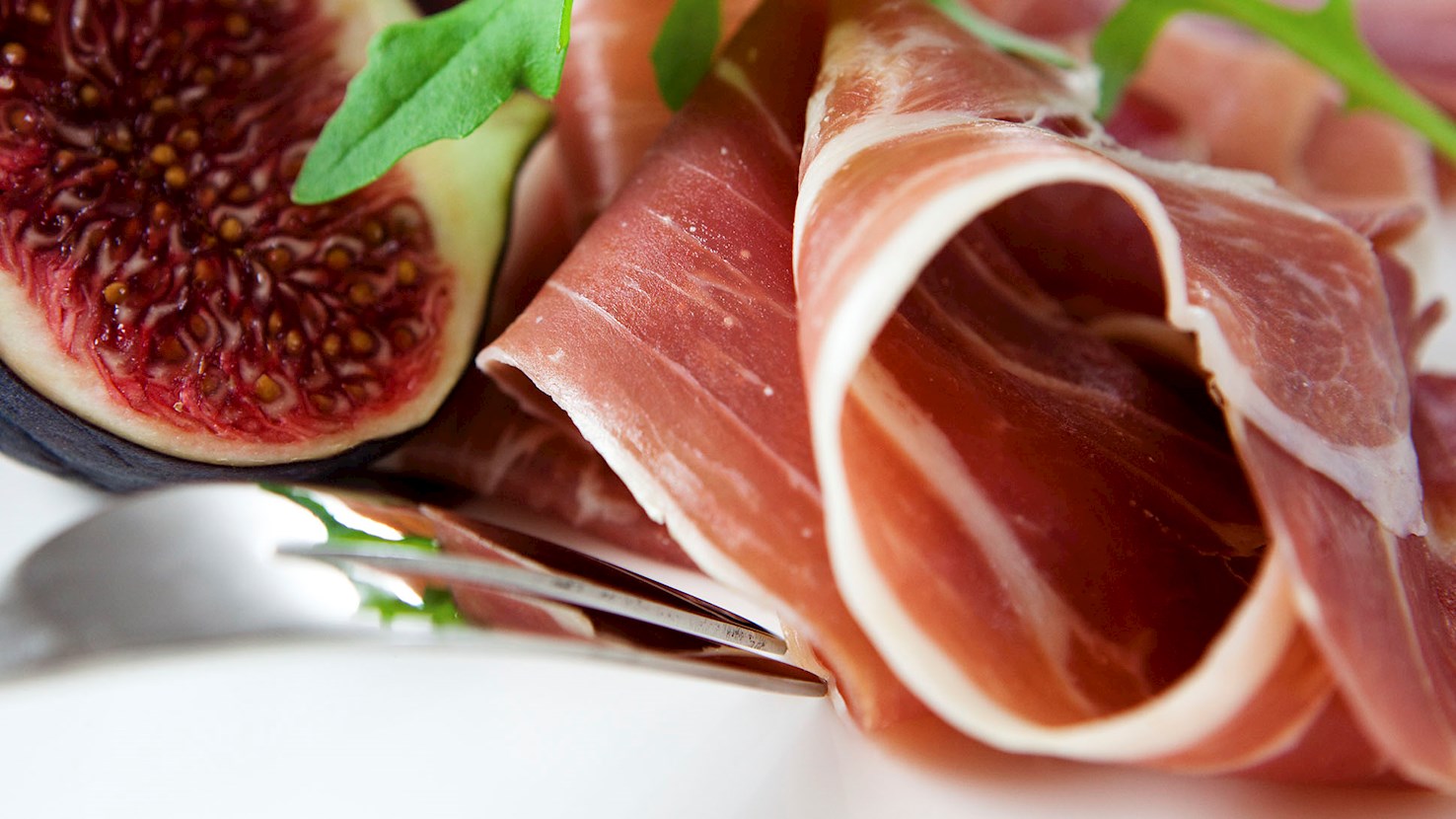
Jambon sec de Corse is a salted, dry-cured and matured ham made from the meat of the local Nustrale breed of pork, coming from the French island of Corsica, where the soil and climate favorably influence the taste of the meat. The animals feed mostly on local chestnuts and acorns for at least the first 30 days, after which the diet is supplemented with barley. Jambon sec de Corse is matured for at least 12 months, acquiring its unique texture and flavors. When sliced, the ham is lean and red to deep red, well marbled with intramuscular fat. The flavors range from rich and fruity to woody and nutty with hints of mushroom. Due to its high fat content, it is almost sweet, but also salty and peppery. Pair it with green olives, melon or figs.
Jambon de Vendée is a smoked, cured and boneless ham made from pig's meat in the French region of Vendée. The pigs used to get the final product are reared in the open air where they roam freely. The ham is hand rubbed with natural sea salt, a specific blend of herbs and spices (cinnamon, pepper, thyme and bay leaves) and brandy. It is left to mature slowly, over the course of three months, wrapped in cloths and pressed between two wooden boards, when it develops its characteristic brown rind and rich, sweet, meaty flavors. After the drying, the smoking the ham is optional. It can be eaten thinly sliced and paired with melons or figs, or grilled in thicker slices. On French menus, it appears in a salad with pears and accompanying puff-pastry with figs and a melon sorbet. When cooked, it is traditionally served with local white haricot beans known as mogettes.
Jambon de l'Ardéche is a dry-cured ham made from the hind leg of a pig, produced in the mountainous Rhône-Alpes region in France, with favorable cold air and temperature conditions. It holds a minimum weight of 8,5 kilograms when still fresh, and is left to mature for at least seven months. It is hand-rubbed with salt, pepper and various spices. The ham is also coated with a blend of lard, spices and chestnut flour. The older the ham, the more intense its flavor becomes, and the meat becomes firmer. It can optionally be lightly smoked with chestnut wood. The texture is supple and pleasant while the taste is strong and meaty, with hints of chestnuts, hazelnuts and a unique, rich aroma. Enjoy it thinly sliced, which is when you'll be able to see its dark red color and light marbling with creamy, white fat.
Jambon de Lacaune is a dry-cured ham made from pig's meat in the French region of Tarn, in an alpine and Mediterranean climate. Fresh hams with a minimum weight of 9 kilograms and at least 10 mm of fat coverage are selected for the lengthy process of dry curing. The hams are rubbed with sea salt and pepper and left to mature, dry and ripen until the product is finished. When sliced, it is intensely red to dark red, lightly marbled and has a soft, delicate and supple texture. The mild aromas are well balanced, typical of dried, matured meats while the salty flavor is present, but not overpowering, a pointe de sel (a hint of salt), as the locals say. Serve the thin slices with melons, cheese, figs or in a salad and pair it with red wines.
Jambon noir de Bigorre is a cured ham made with pork from purebred Gascon Noir de Bigorre pigs. The lean meat has a deep red color, while the fat can have a slightly pinkish hue. Jambon noir de Bigorre is soft and tender, not overly salty, with a flavor reminiscent of nuts, grilled chestnuts, and mushrooms. The ham should be cured for at least 12 months, and it is available for purchase in the following forms: whole, on the bone, or sliced. Jambon noir de Bigorre is best enjoyed cut into thin slices and served at room temperature.
Jambon du Kintoa is a renowned dry-cured ham made with pork meat coming from free-range pigs, known as pie noir du Pays Basque. Salted with dry salt from Bassin de l'Adour, and dried for a minimum of 17 months, jambon du Kintoa is marbled with velvety fat that slowly melts in the mouth. The dark red, lean meat is tender, soft, and elastic, with deep, fruity flavors reminiscent of spices and nuts. Jambon du Kintoa is best enjoyed at room temperature, paired with bread and fresh or pickled vegetables.
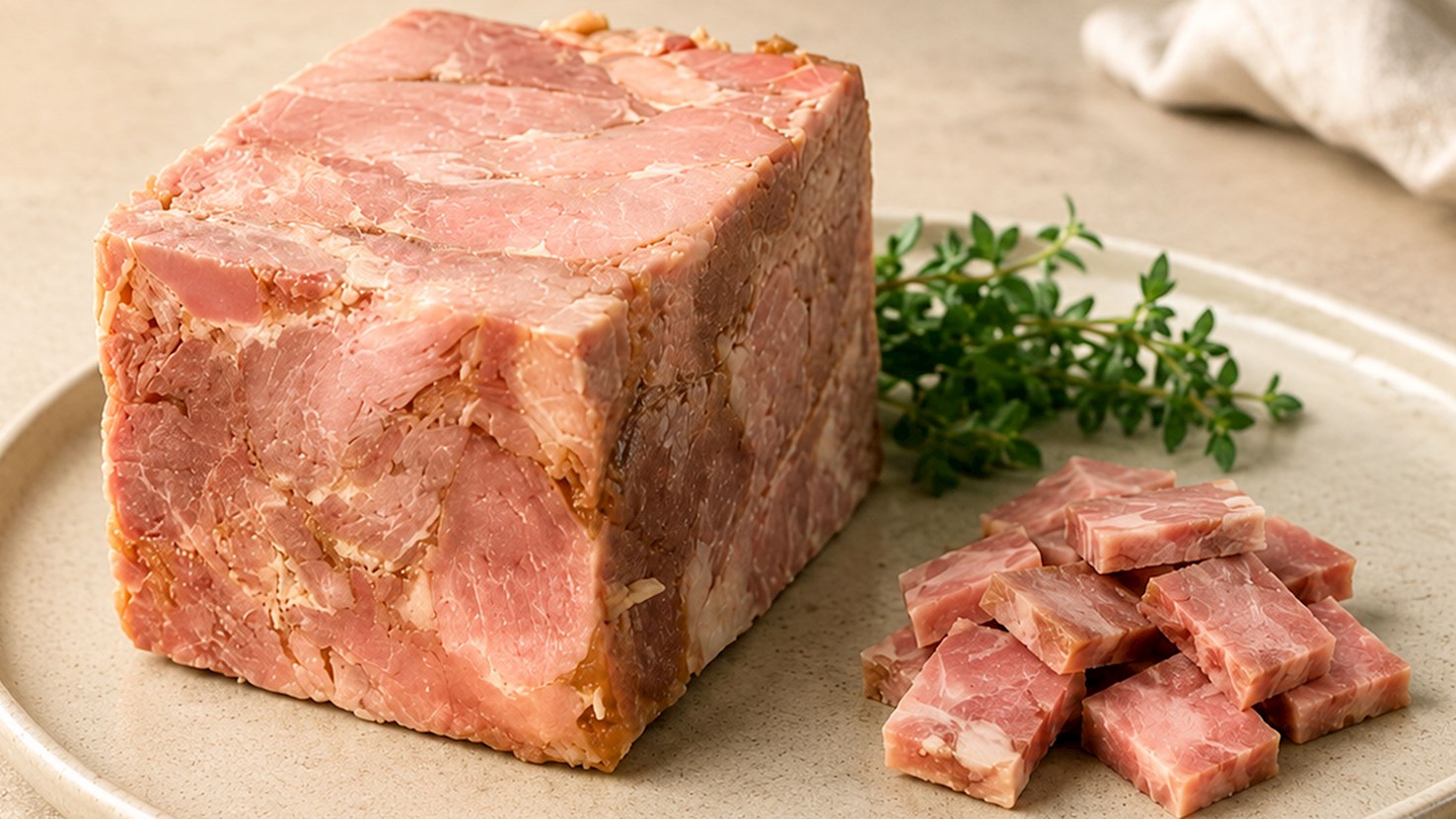
Jambon de Reims is a pressed ham made from chunks of brined pork shoulder and leg, slow-cooked in a seasoned broth and coated with a signature layer of yellow breadcrumbs. Coming from the city of Reims in the Champagne region, jambon de Reims was born out of a practical need to use up varying cuts of pork by binding them into a single, solid, sliceable block. Instead of roasting a whole leg of meat, local butchers take these smaller cuts, cure them in a wet brine to keep them moist, and then simmer them gently in a rich broth. What gives this ham its distinctive regional flavor is that the cooking liquid is heavily seasoned with nutmeg, parsley, shallots, and, usually, a generous splash of local white wine or Champagne. Once the meat is incredibly tender, it is packed tightly into a rectangular metal mold and pressed down hard. As it cools, the natural gelatins bind the lean pink meat to the richer white fat, creating a distinct, mosaic-like marbled pattern when you cut into it. After it completely sets, the entire block is popped out of the mold and dusted on all sides with toasted yellow breadcrumbs, which helps absorb any leftover surface moisture and gives the ham its famous, instantly recognizable look in French deli windows. Because the meat is cooked so slowly and pressed so tightly, the final texture is dense but remarkably soft, carrying a gentle warmth from the nutmeg. It is almost always eaten cold, either sliced thin for a simple buttered baguette sandwich or chopped into thick, hearty cubes to serve alongside sharp Dijon mustard, crunchy pickles, and a fresh potato salad.
TasteAtlas food rankings are based on the ratings of the TasteAtlas audience, with a series of mechanisms that recognize real users and that ignore bot,
nationalist or local patriotic ratings, and give additional value to the ratings of users that the system recognizes as knowledgeable.
TasteAtlas Rankings should not be seen as the final global conclusion about food. Their purpose is to promote excellent local foods,
instill pride in traditional dishes, and arouse curiosity about dishes you haven’t tried.
The initial list of top producers was compiled based on available reviews, awards, local recommendations, media and blog coverage, and consumer reviews.
The list will be updated with ratings from TasteAtlas local ambassadors and TasteAtlas users.








What People Say