shutterstock

Top 7 Irish Cured Meats

Last updated on June 03, 2026

Best Irish Cured Meats
01

Oliver Carty & Family

4.8 ·
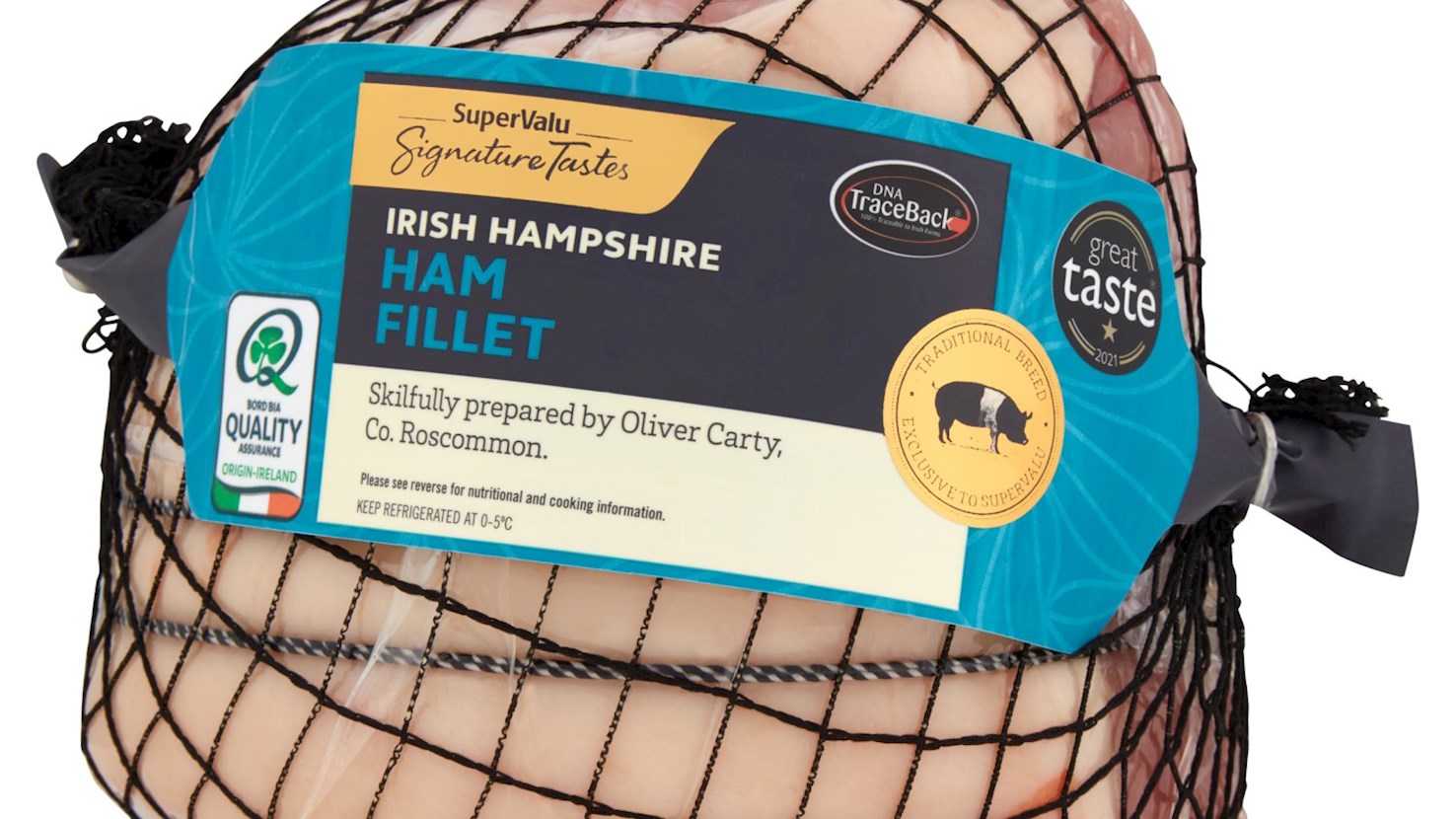
Oliver Carty & Family is an Irish company specializing in producing high-quality cured meats. They offer a wide range of pork products, including bacon, sausages, and ham. The company is known for its commitment to sustainability and traceability in its production processes. Oliver Carty & Family collaborates with local farmers to ensure high standards of animal welfare. Their products are widely available in various retail outlets across Ireland.
Awards
Great Taste Awards - 3 Stars (2023, 2021)
Great Taste Awards - 2 Stars (2024, 2023, 2022, 2021)
02

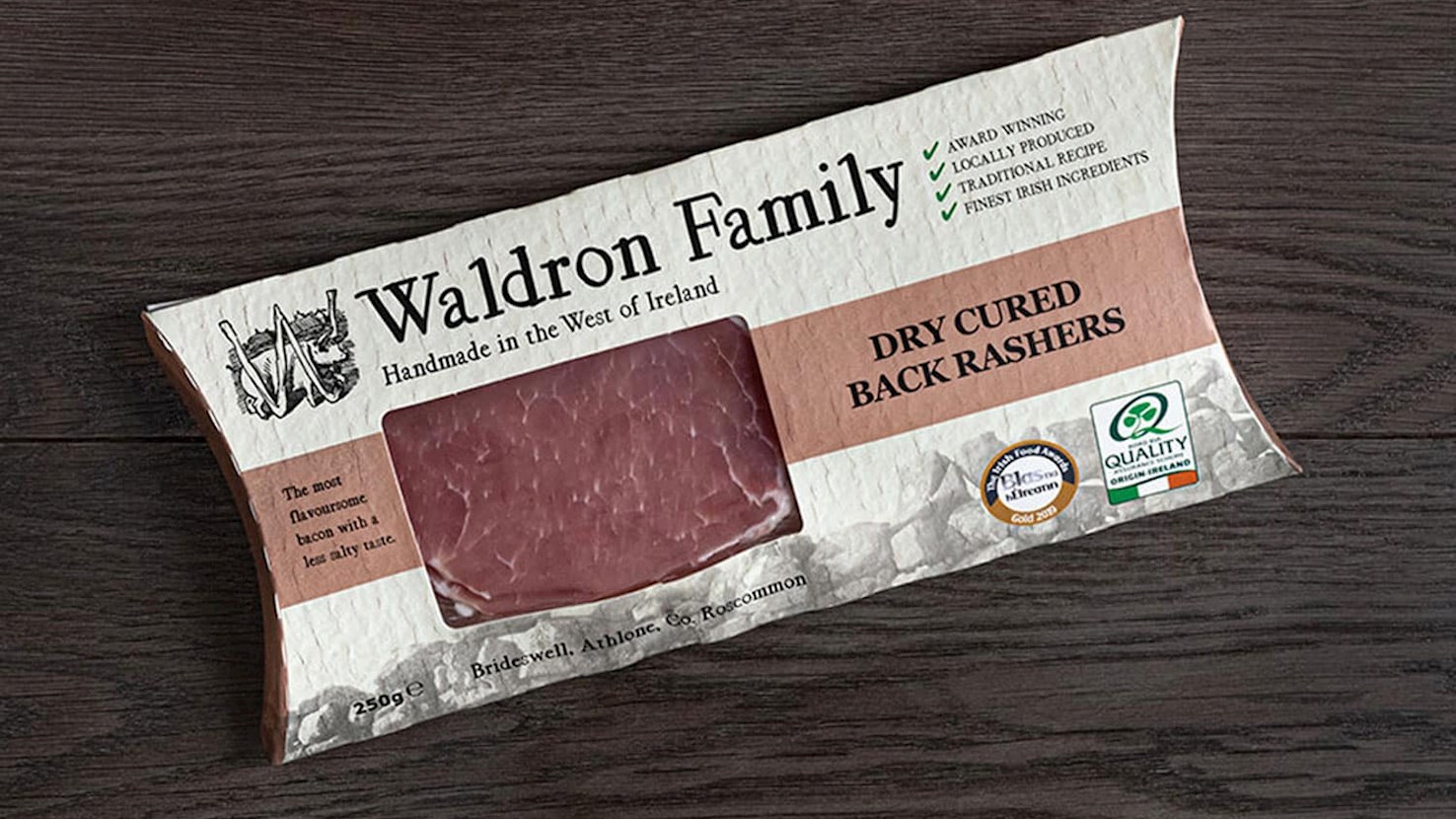
Waldron Meats

4.5 ·
Awards
Great Taste Awards - 2 Stars (2024, 2023, 2021)
03

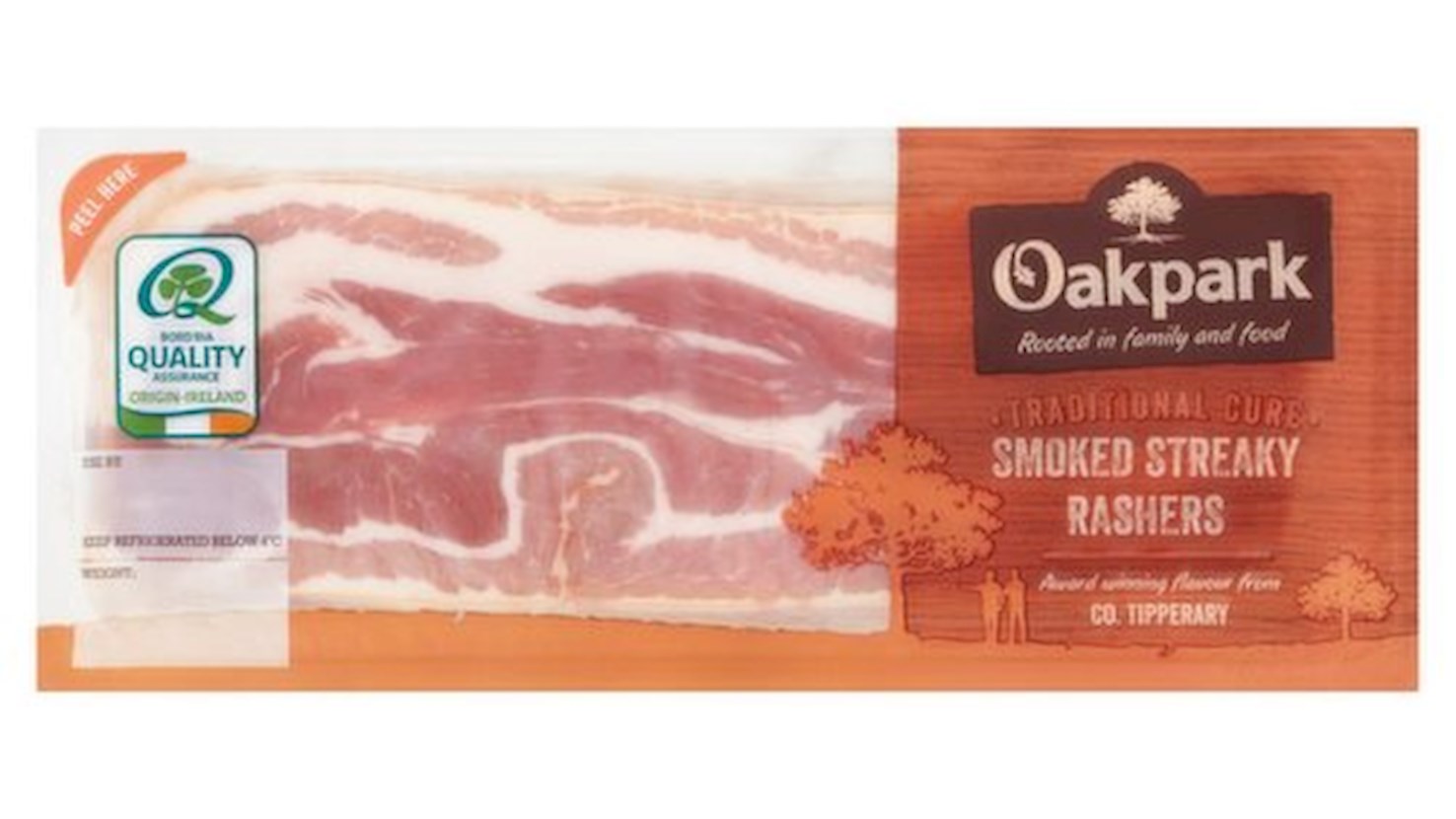
Honeyvale Foods T/a Oakpark Foods

4.5 ·
Honeyvale Foods T/A Oakpark Foods is an Irish food producer. The company specializes in the production of premium bacon products. Oakpark Foods focuses on sustainable farming practices and animal welfare. They produce nitrate-free and gluten-free bacon options. Oakpark Foods supplies to both retail and foodservice markets.
Awards
Great Taste Awards - 2 Stars (2024, 2022, 2021)
04

Horgan's Delicatessen Supplies

4.4 ·
Horgan's Delicatessen Supplies Ltd is located in Mitchelstown, County Cork, Ireland, and specializes in distributing a variety of cheeses, along with other deli and fine food products. The company, established in 1977, supplies both Irish and international artisan and specialty cheeses to a range of retail outlets.
Awards
World Cheese Awards - Gold (2023, 2022)
Great Taste Awards - 2 Stars (2024, 2023)
06

O'Neills Bacon

4.2 ·
Awards
Great Taste Awards - 2 Stars (2024)

Best Irish Cured Meat Types

01

Spiced beef

3.3 ·

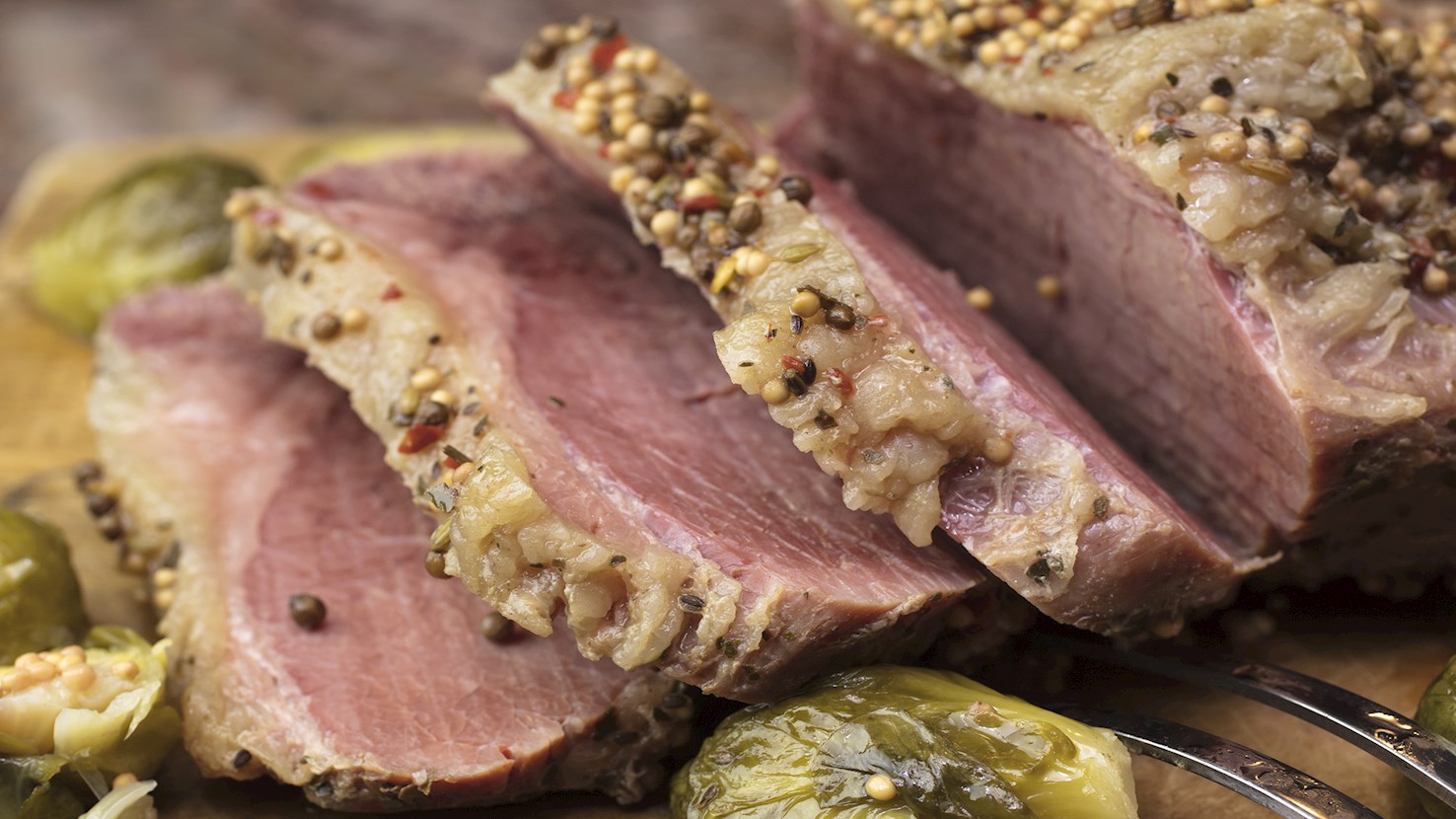
Spiced beef is a cured and seasoned meat dish from Ireland, most strongly associated with Cork, where it has long held a place at the center of festive meals, particularly around Christmas and the New Year. The dish involves curing a joint of beef with a blend of spices, salt, and sugar, followed by cooking until tender, often producing meat that is thinly sliced and served cold. Its origins stretch back to a time when preserving meat was essential, and salting combined with spicing offered both preservation and flavor. References to seasoned and preserved beef can be found in Irish culinary records dating back several centuries, and Cork, with its bustling port and history as a hub of the beef trade, became a natural home for this preparation. The introduction of exotic spices through trade allowed local butchers to create distinctive blends, which gave spiced beef its identity separate from simple salt-preserved meats. Preparation begins with selecting a cut such as silverside or brisket, which is rubbed with a mixture of salt, sugar, and spices that may include allspice, cloves, black pepper, juniper, and nutmeg. The beef is left to cure for days or even weeks, with the flavors gradually penetrating the meat. After curing, it is usually simmered slowly in water, sometimes with additional aromatics, until tender. Once cooled, it is sliced thinly, its texture firm yet yielding, with a balance of savory and sweet notes from the curing mixture. Spiced beef is most often eaten cold, sliced thin and served with bread or alongside salads and pickles, but it can also appear in sandwiches or as part of festive spreads. In Cork households, it is a staple on Christmas Day tables, often served alongside ham and turkey, and it carries a strong sense of regional pride. Beyond festive occasions, it pairs well with robust Irish breads like soda bread, sharp mustards, and pickled vegetables, and it is complemented nicely by dark beers or stout, which mirror its depth of flavor.

02

Irish bacon

n/a ·

Irish bacon is a type of cured pork that comes primarily from the back of the pig rather than the belly, giving it a leaner and meatier character compared to the streaky bacon more familiar in North America. It is most closely associated with Ireland, where it has been a staple food for centuries, and its presence in Irish cuisine reflects both the agricultural landscape of the country and the culinary habits shaped by resourcefulness and local farming. Unlike American-style bacon, which is heavily marbled and crisped during cooking, Irish bacon more closely resembles what is known as Canadian bacon, though with a distinctive cure and preparation that set it apart. The prominence of pork in Ireland dates back hundreds of years, with pigs being one of the most common farm animals. They were easy to keep, often fed on scraps, and provided families with a reliable source of meat. Preserving pork through salting, brining, and smoking allowed it to last longer, which was essential in a climate and economy where refrigeration was not available until modern times. The curing methods and cuts used in Ireland resulted in a bacon that was both hearty and versatile, and over time it became inseparably linked to iconic dishes such as bacon and cabbage. To prepare Irish bacon, the meat is cured through salting or brining, sometimes lightly smoked, and then cooked either by boiling, baking, or frying, depending on the dish it is destined for. In the classic bacon and cabbage meal, a joint of back bacon is gently simmered until tender, with vegetables like cabbage and potatoes cooked in the broth. Sliced rashers of Irish bacon can also be fried and served as part of a hearty breakfast alongside eggs, sausages, and black pudding, forming the backbone of what is commonly called the Irish fry. The balance of lean meat and just enough fat allows it to remain moist and flavorful without being greasy. Today, Irish bacon is eaten across Ireland both in homes and restaurants, and it is also sought after abroad, particularly by the Irish diaspora who often associate its taste with comfort and heritage. It is commonly paired with root vegetables, potatoes in various forms, and sauces such as parsley sauce, while at breakfast it complements eggs and breads like soda farls or toast. Beyond the main table, its broth enriches soups and stews, showing how a single ingredient continues to shape meals in multiple ways.

03

Limerick ham

n/a ·

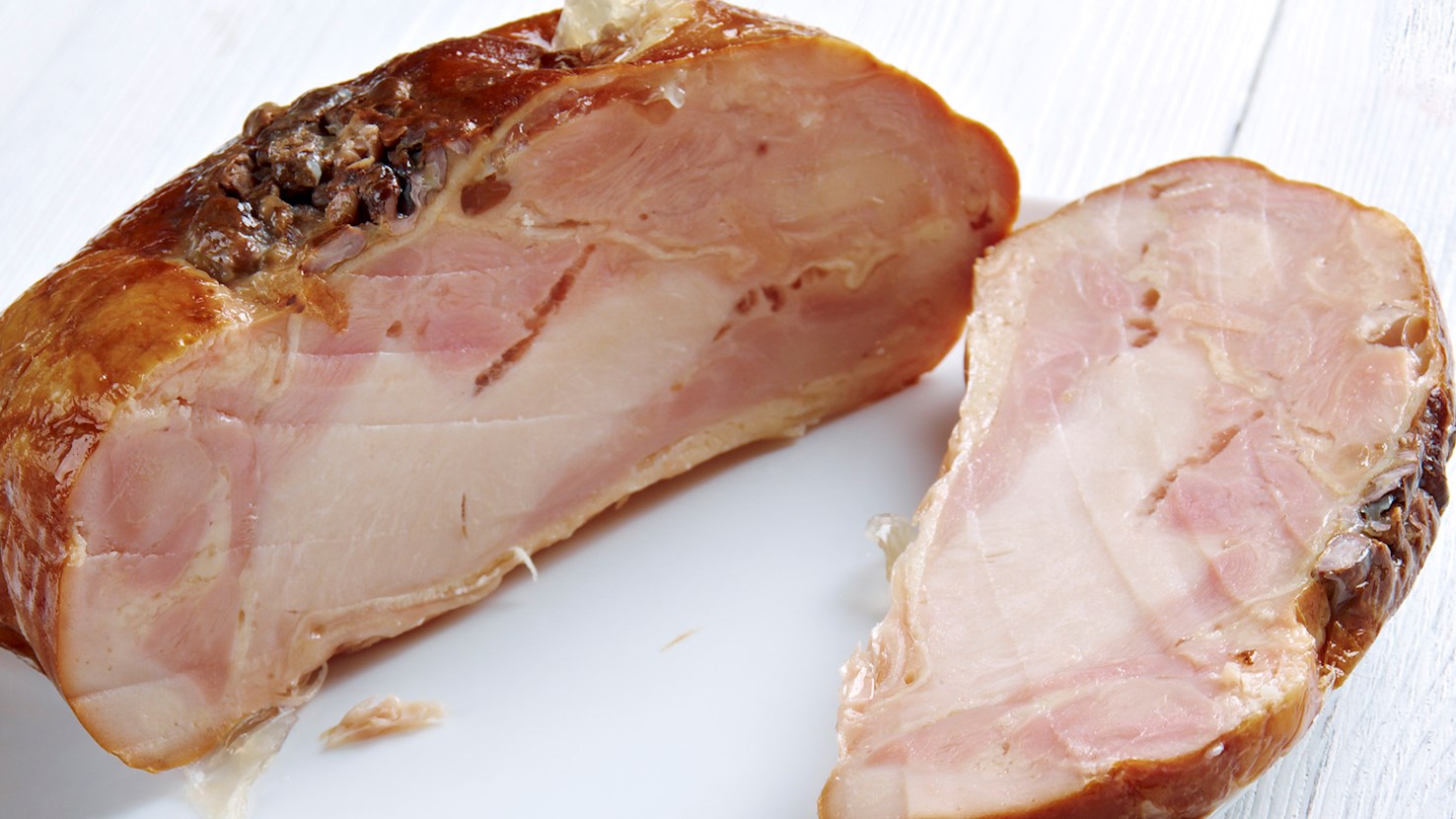
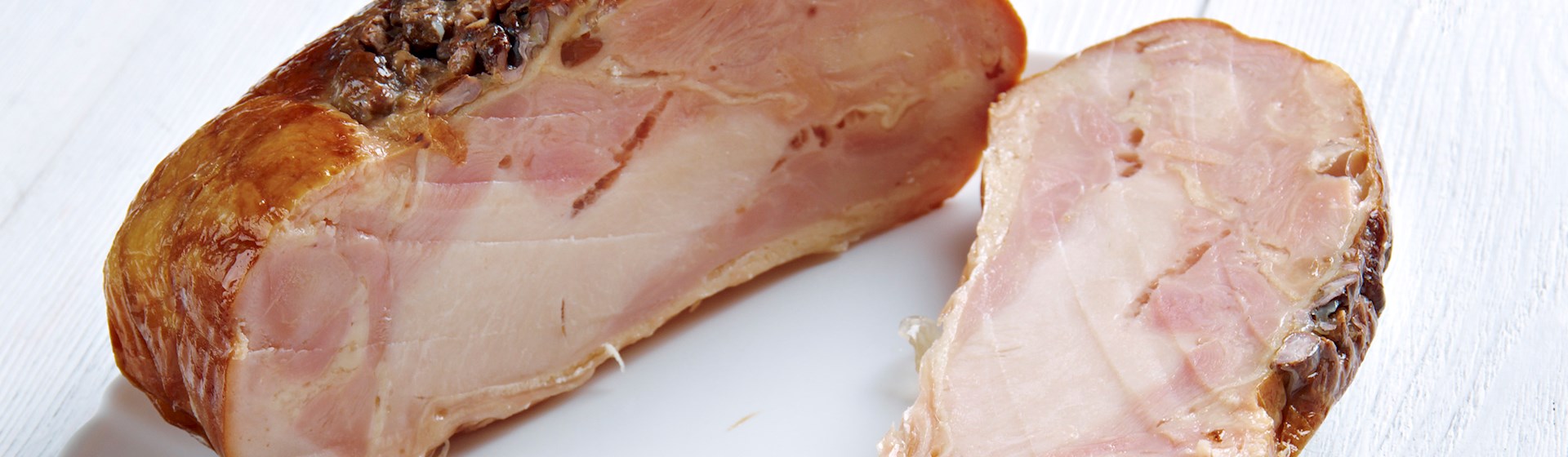
Limerick ham is a cured and cooked pork product originating from the city of Limerick. It is made from the hind leg of the pig and is distinguished by a curing process that relies on dry-salting and smoking over hardwood, producing a firm texture and a deep, savory flavor. This style of ham has long been associated with the region and is regarded as one of the most recognizable meat preparations linked specifically to an Irish city. Its development is closely connected to Limerick’s emergence as a center of pork production from the late eighteenth century onward, when the city’s access to both local agriculture and export routes fostered a strong meat-curing industry. By the nineteenth century, Limerick’s pork trade was among the most prominent in Ireland, and hams from its smokehouses were exported widely to Britain and beyond. Small-scale producers continued the practice even after industrial consolidation, and the method survived as part of regional food culture. The preparation of Limerick ham involves rubbing the pork leg with a mixture of salt and curing agents and allowing it to rest so the cure penetrates the meat. After curing, it is smoked gently over a combination of oak, beech, or other hardwoods, which imparts a characteristic aroma and enhances the depth of flavor. The smoking stage also contributes to its firm, slightly dense texture, setting it apart from many brined hams. Before serving, the cured and smoked ham is usually simmered in water or cider to tenderize it and remove excess salt, and it is often finished by baking, sometimes coated with a light glaze of sugar and mustard to create a glossy crust. It is typically served warm as the centerpiece of a main meal, often accompanied by root vegetables, cabbage, or parsley sauce. Cold slices are also common, particularly in sandwiches or with salads, where the ham’s smokiness pairs well with sharp pickles or mild cheeses. Limerick ham is eaten across Ireland and is frequently prepared for festive meals and family gatherings. It pairs well with medium-bodied red wines such as Pinot Noir or lighter styles of Rioja, which complement the cured meat’s saltiness and smoke. Cider, particularly a dry Irish or English variety, is another fitting choice, both as a cooking liquid and as a drink alongside the finished dish, balancing the ham’s richness with its crisp acidity.

Read more
View all
View map
About this ranking

TasteAtlas food rankings are based on the ratings of the TasteAtlas audience, with a series of mechanisms that recognize real users and that ignore bot, nationalist or local patriotic ratings, and give additional value to the ratings of users that the system recognizes as knowledgeable. For the “Top 7 Irish Cured Meats” list until June 03, 2026, 14 ratings were recorded, of which 11 were recognized by the system as legitimate. TasteAtlas Rankings should not be seen as the final global conclusion about food. Their purpose is to promote excellent local foods, instill pride in traditional dishes, and arouse curiosity about dishes you haven’t tried.

The initial list of top producers was compiled based on available reviews, awards, local recommendations, media and blog coverage, and consumer reviews. The list will be updated with ratings from TasteAtlas local ambassadors and TasteAtlas users.

Similar lists