Top 6 Northern German Cured Meats

Last updated on July 22, 2026

Best Northern German Cured Meats

01

Fleischerei Hollmann

4.2 ·

Fleischerei Hollmann is a traditional German butcher shop that specializes in high-quality meats and meat products. With a strong focus on local sourcing, Fleischerei Hollmann is known for offering fresh, hand-crafted sausages, fresh cuts of meat, and other specialties.

The butcher shop offers a wide range of products, including traditional German sausages, like bratwurst and other regional favorites, along with fresh beef, pork, and poultry. Fleischerei Hollmann places a strong emphasis on craftsmanship, following long-standing recipes and methods to create their signature products. In addition to fresh meats and sausages, Fleischerei Hollmann often incorporates sustainable and ethical practices in its operations, supporting local farmers and producers.

Their personalized approach to customer service, with advice on cooking and meat selection, ensures a positive shopping experience.

Best Northern German Cured Meat Types
01

Holsteiner Katenschinken

4.0 ·

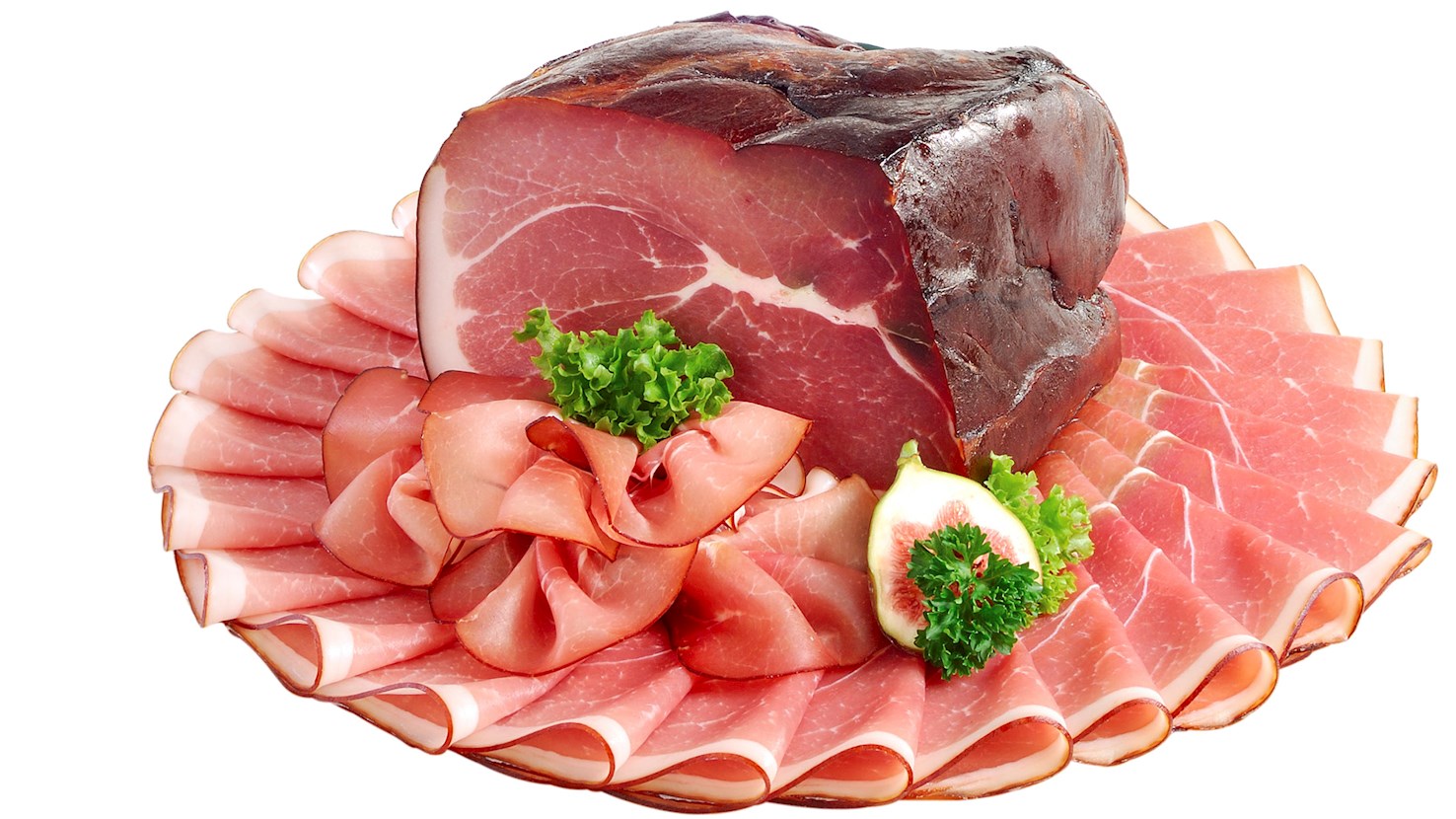
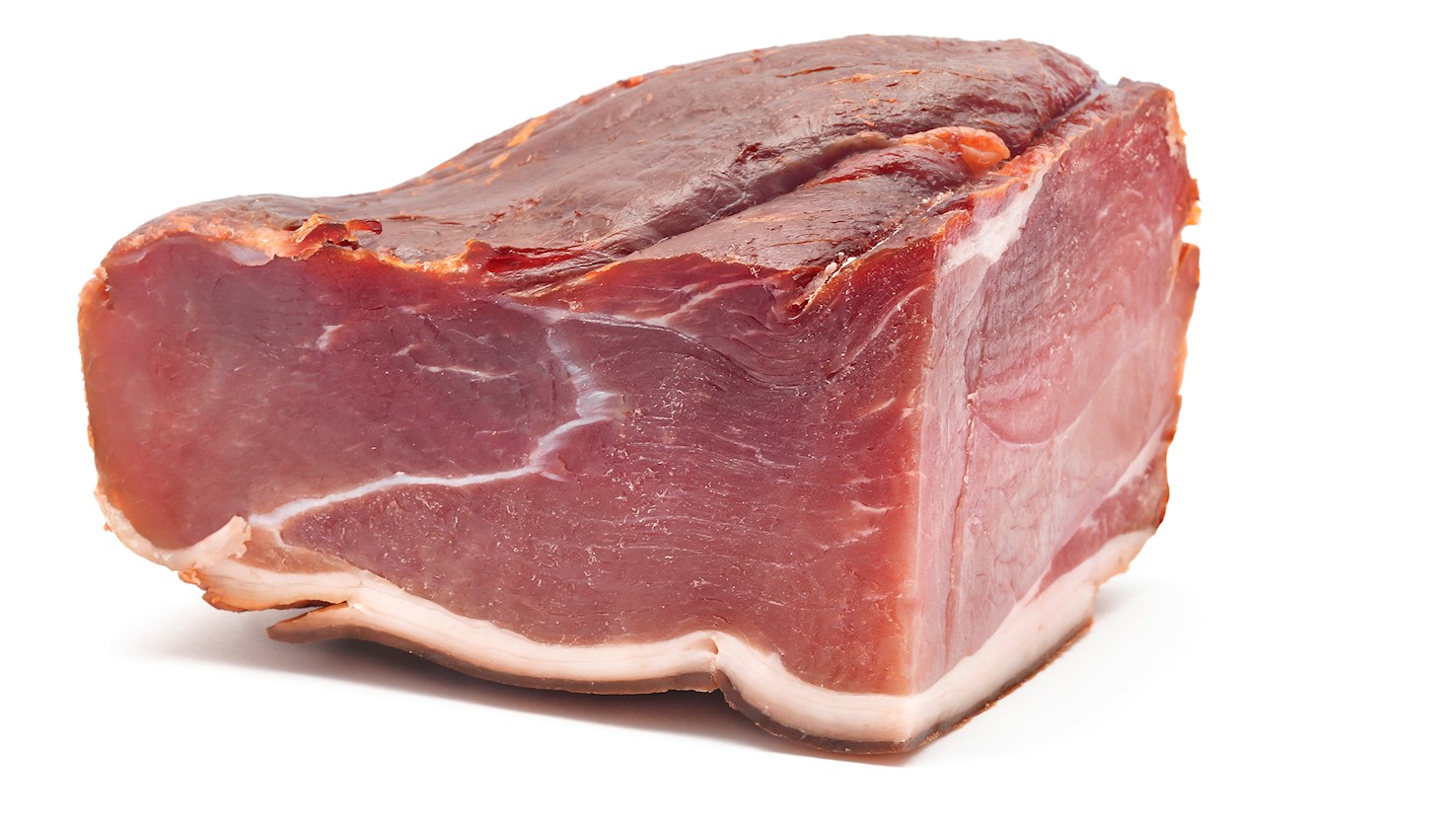
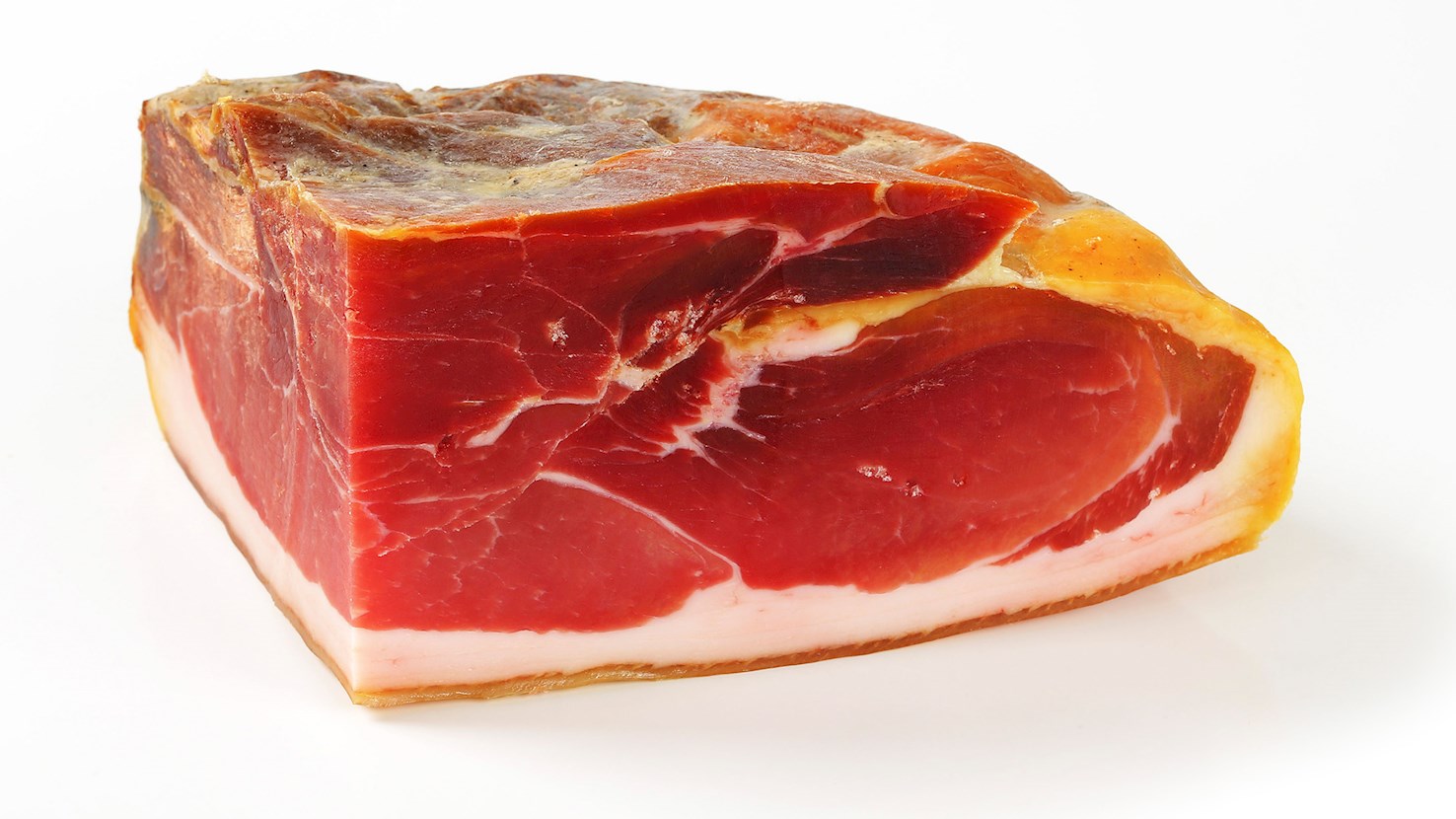
This North German ham is a specialty of the Schleswig-Holstein region. To produce this cured ham, pork meat is smoked for up to eight weeks over an open fire. With the introduction of closed fireplaces, the smoking process shifted to special smoking chambers or barns. The aroma of Katenschinken is strong and intense, however its consistency is very delicate and its flavor is mild. The ham has a mahogany-colored appearance, and it should not be black, sooty, or brown. The original, mildly flavored Holstein ham is suitable for making sandwiches, bread rolls, and other various appetizers. In addition, it is popular as an addition to boiled potatoes and many vegetable dishes, especially asparagus. The ham is often seasoned with freshly ground white pepper and fresh parsley to enhance its flavor. Holsteiner Katenschinken is typically paired with draft beer or a dry white wine, preferably from the same region.

02

Göttinger Stracke

4.0 ·

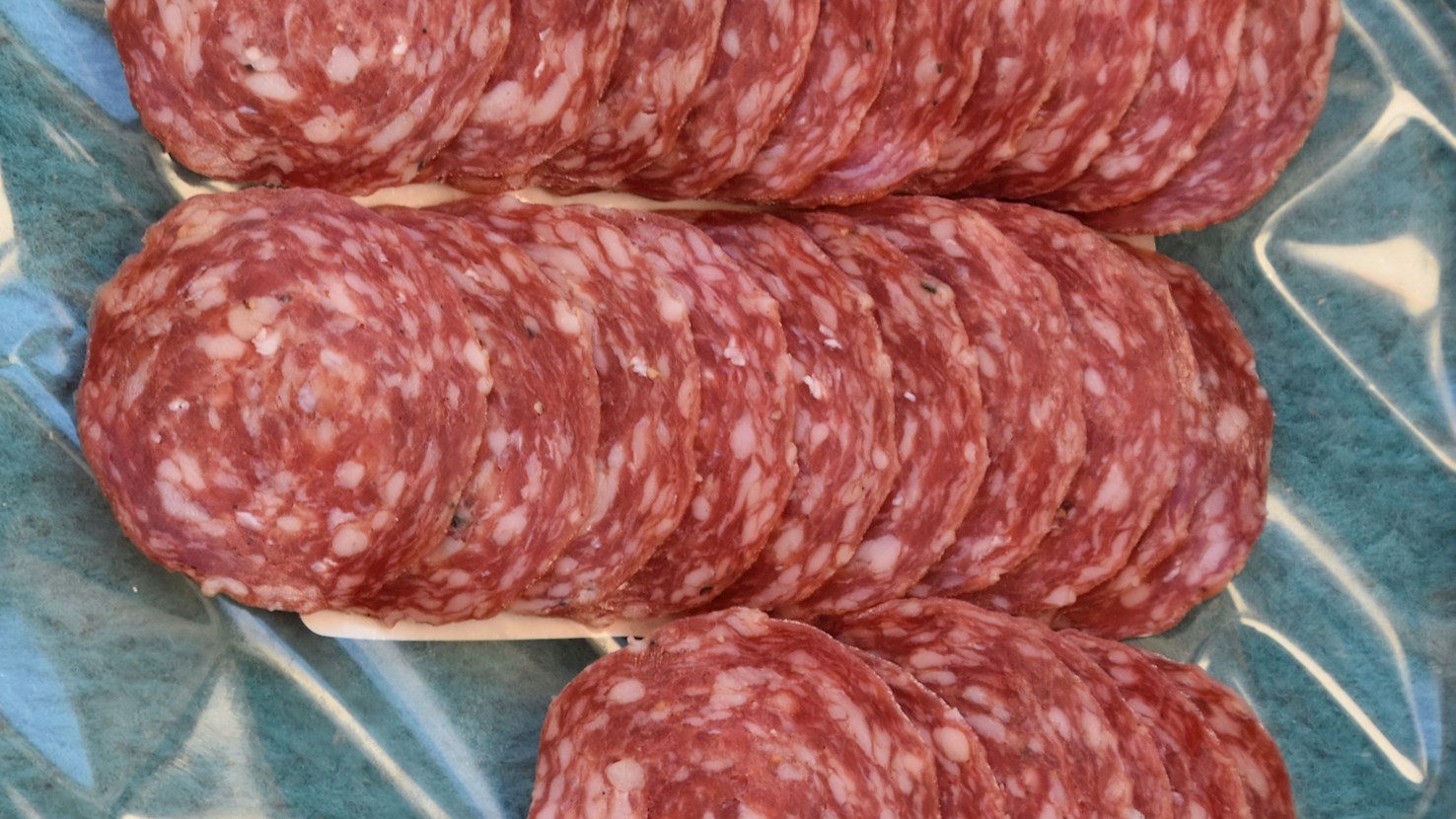
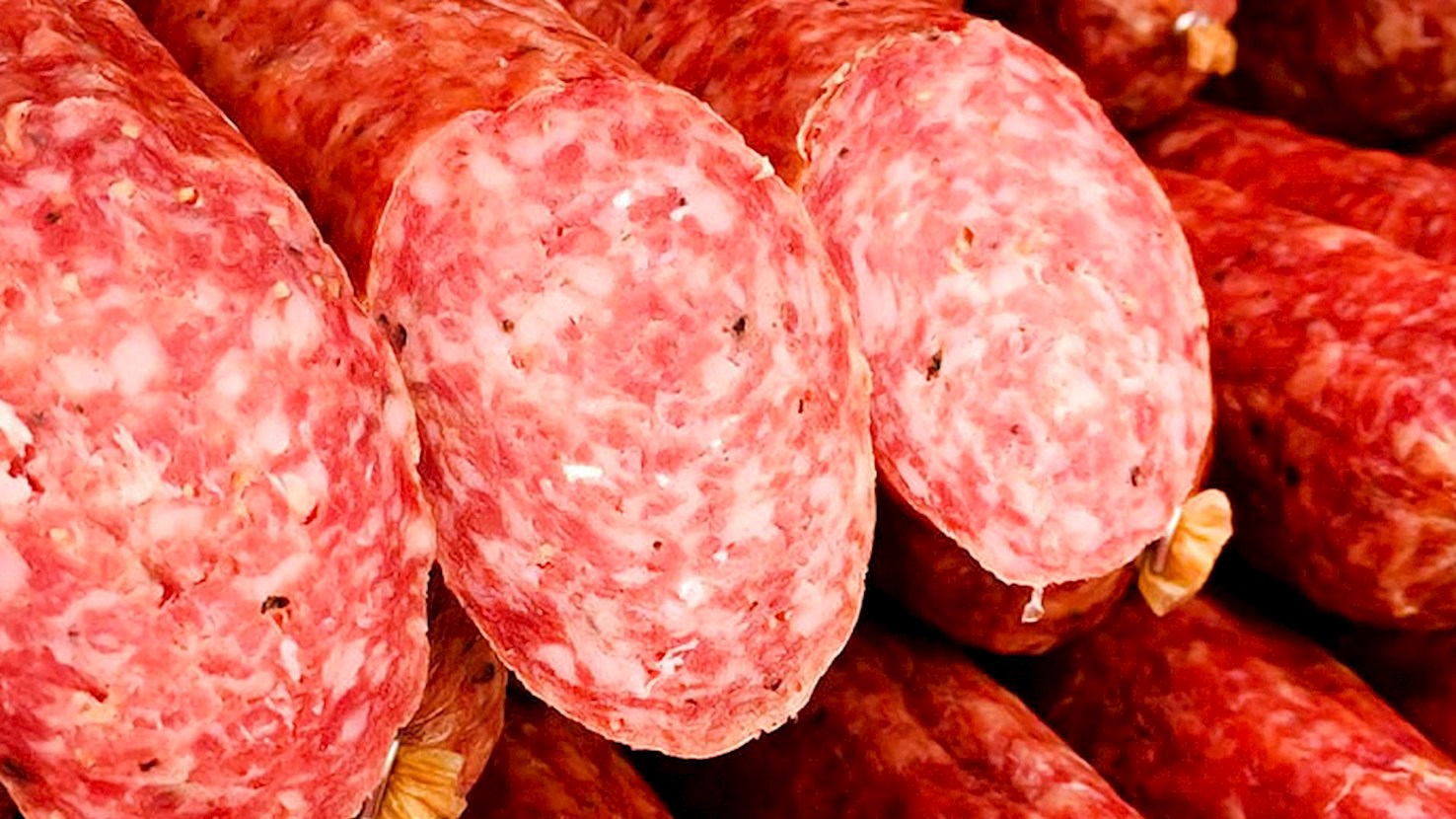
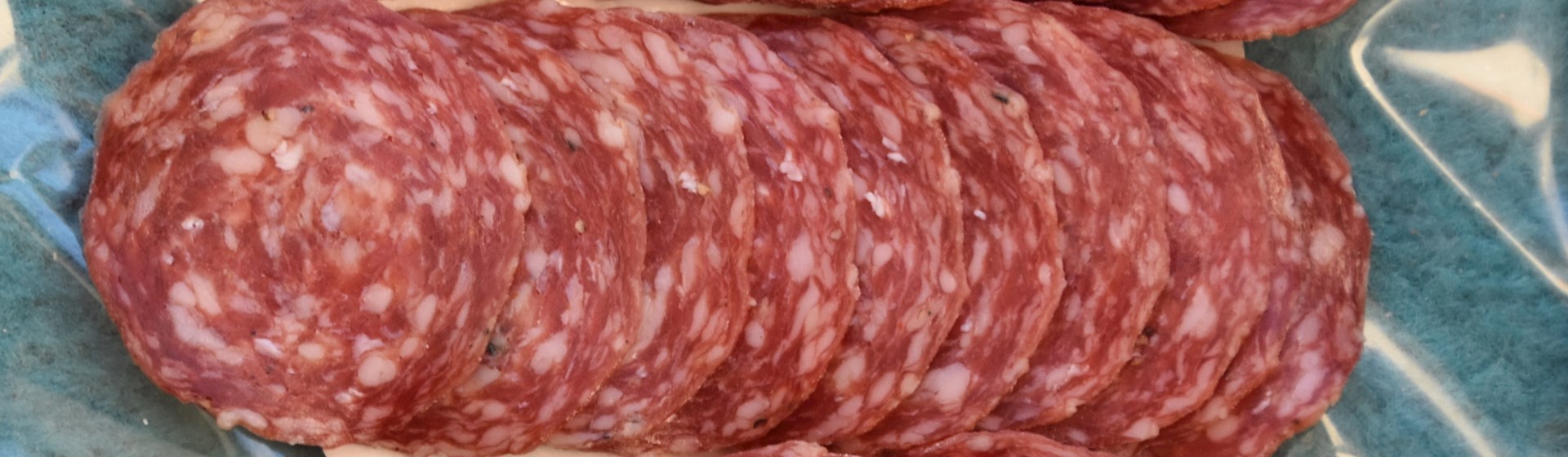
This long, thin cured sausage is similar to Göttinger Feldkieker, but the two differ in shape and weight. To produce Göttinger stracke, fresh pork (shoulder, leg, and belly) is minced and combined with salt, pepper, coriander, nutmeg, and garlic. A small amount of sugar, yeast, and rum is also added to the minced meat. The sugars ensure that the sausage matures long enough, and the pH lowers gradually with aging so the sausage does not taste sour. Göttinger stracke is packaged in thin, straight casings and it's left to mature for about four weeks before consumption. The sausage has an intense aroma and a peppery, spicy flavor. It is usually served as an appetizer.

03

Teewurst

3.2 ·

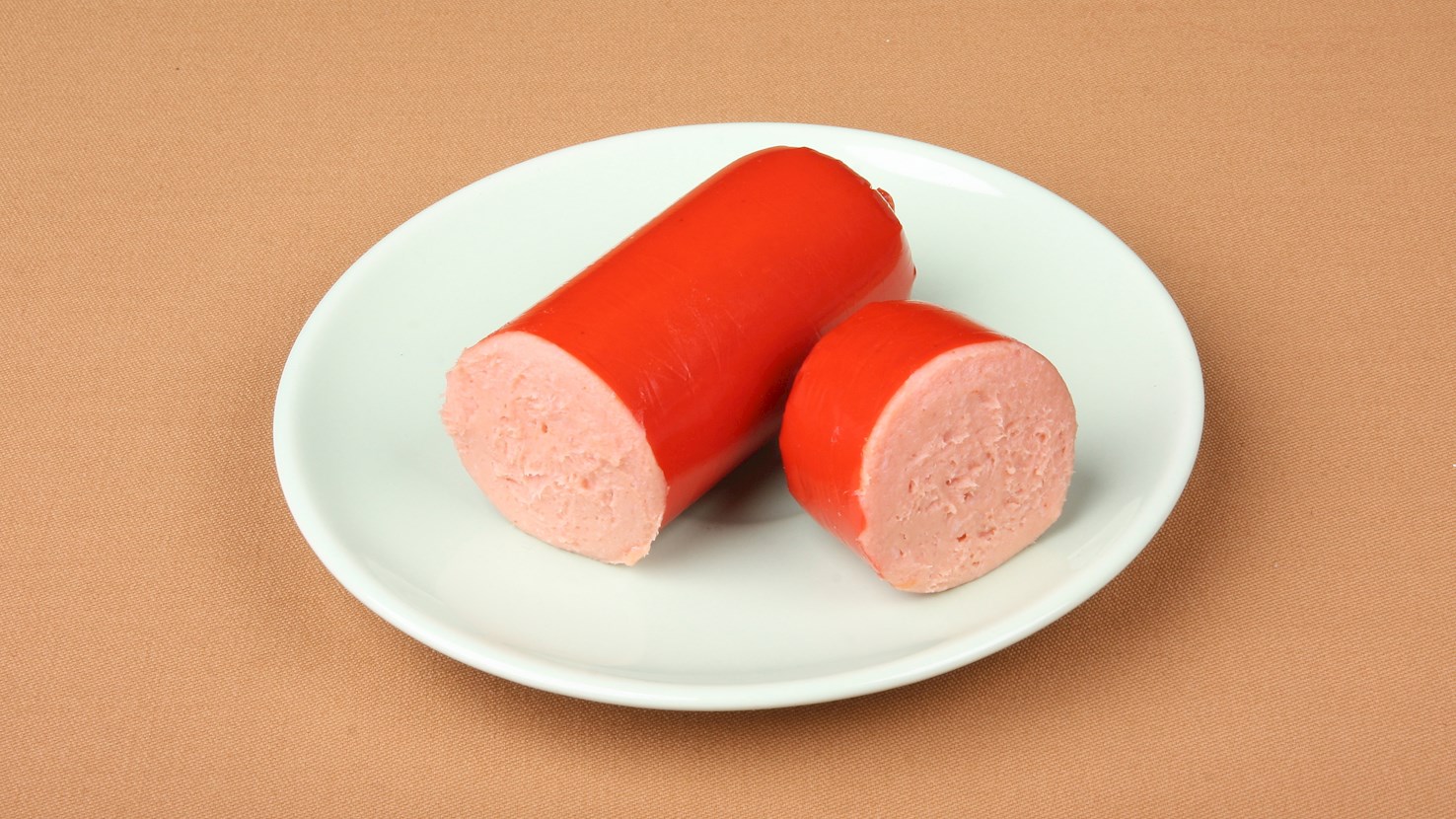
Teewurst is an air-dried German sausage that consists of pork (or pork and beef) and bacon. The finely ground sausage mixture is typically seasoned, stuffed in casings, and cold-smoked over beechwood. Once smoked, the sausage is left to ferment, a process which allows it to be safe for consumption without cooking. Mild and slightly sour, the sausage has a soft and spreadable texture which is why it’s typically enjoyed atop of crackers or open-faced sandwiches. In Germany, this type of sausage was reserved for tea time, hence the tee in its name, meaning tea in German. The creation of this sausage has been attributed to Karoline Ulrike Rudolph, who is also credited for the sausage’s name.

04

Göttinger Feldkieker

n/a ·

This firm, air-dried raw sausage made from pork hails from the Lower Saxonian city of Göttingen, where it has been produced since the 18th century. Göttinger feldkieker is stuffed into a pig's bladder, and differs from Göttinger Stracke sausage in shape, diameter, and weight, which is a result of a different ripening process and flavor development. Depending on the ingredients used in its production, this aromatic sausage may have hints of rum, pepper, nutmeg, garlic, and coriander.

05

Ammerländer Schinken

n/a ·

This is a smoked or dry-cured ham from the Ammerland region in Lower Saxony. To prepare this specialty, ham is dry-salted on the bone for weeks using sea salt and brown sugar, and it can also be flavored with pepper, pimento, and juniper. The higher the quality of the meat, the more the ham develops its own individual character without spices. After the ham is salted, it is smoked for a few weeks over beech wood, and the total ripening period ranges from several months to more than two years for top-quality ham. The oldest Ammerländer ham smokehouse, founded in 1748 in Apen, is now home to the Ammerländer Schinken museum.

06

Ammerländer Dielenrauchschinken

n/a ·

This ham is traditionally produced in the Ammerland region in Lower Saxony. It is lightly smoked and features a distinctive, spicy flavor. The meat used for producing this ham comes from the Ammerländer Edelschwein pig breed, whose meat is particularly firm and strong-flavored. To satisfy the strict guidelines set by the Association for the Protection of Ammerländer Dielenrauchschinken, each ham must exhibit a bright red color with a balanced ratio of fat to lean meat, and it must have a particular level of dryness and a typical smoky aroma. Ammerländer ham is best enjoyed on its own or paired with full-bodied red wines.

Read more
View all
View map
About this ranking

TasteAtlas food rankings are based on the ratings of the TasteAtlas audience, with a series of mechanisms that recognize real users and that ignore bot, nationalist or local patriotic ratings, and give additional value to the ratings of users that the system recognizes as knowledgeable. For the “Top 6 Northern German Cured Meats” list until July 22, 2026, 119 ratings were recorded, of which 104 were recognized by the system as legitimate. TasteAtlas Rankings should not be seen as the final global conclusion about food. Their purpose is to promote excellent local foods, instill pride in traditional dishes, and arouse curiosity about dishes you haven’t tried.

The initial list of top producers was compiled based on available reviews, awards, local recommendations, media and blog coverage, and consumer reviews. The list will be updated with ratings from TasteAtlas local ambassadors and TasteAtlas users.

Similar lists