shutterstock

Top 5 Local Cured Meats
in Slovene Littoral

Last updated on June 03, 2026

Best Slovene Littoral Cured Meats

01

Mesarstvo Podobnik

3.8 ·
Mesarstvo Podobnik is a family-owned meat processing company located in the village of Čeplez, near Cerkno, Slovenia. Established in 1993, the company offers a wide range of fresh and cured meat products, including pršut (prosciutto), suha salama (dry salami), suha panceta (dry bacon), and tlačenka (head cheese). In addition to their meat products, Mesarstvo Podobnik operates a mobile store, bringing their offerings directly to customers in various locations.
Awards
Zaščitena geografska označba - ZGO
GIZ Kranjska klobasa - Kranjska klobasa - zašpiljeno dobra

Best Slovene Littoral Cured Meat Types
01

Kraški pršut

3.7 ·

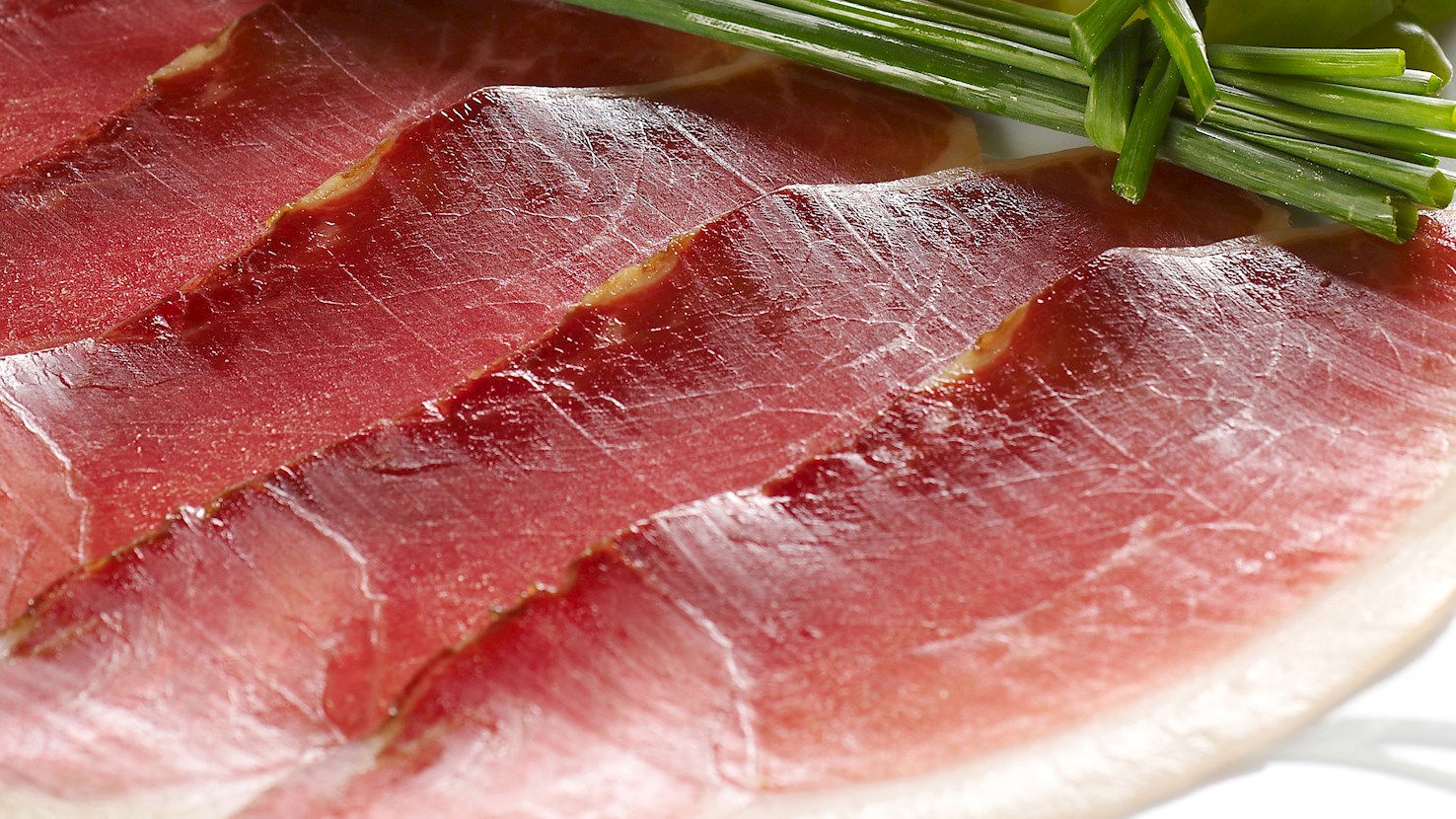
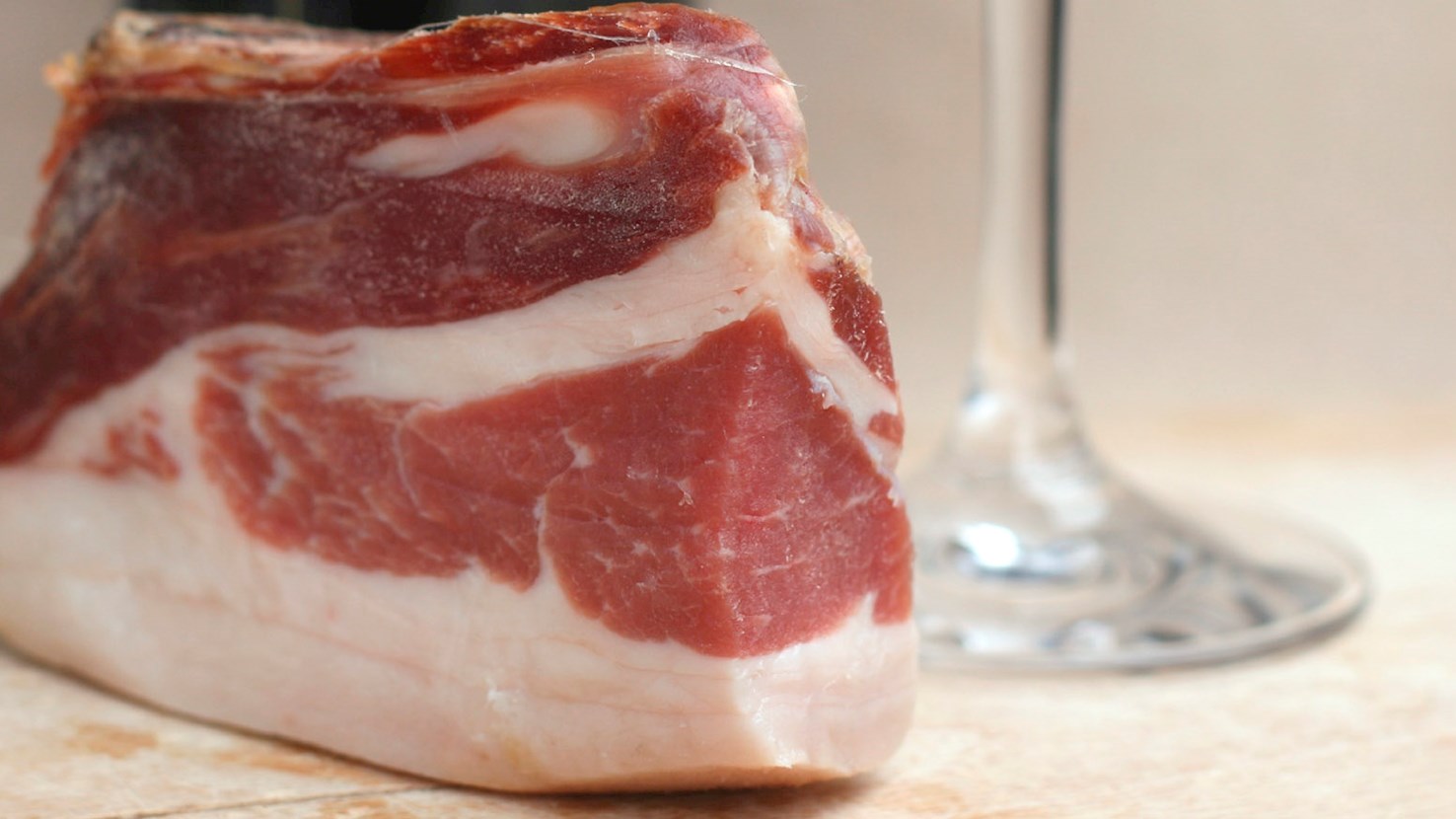
The gold standard of Slovenian cured meats - Kraški pršut, also known as Karst prosciutto or simply Karst ham, is a non-smoked, dry-cured ham with more than a hundred years old tradition. Its truly authentic flavor is the result of favorable climate conditions in the Karst region, which have a direct influence on the dynamic of drying and aging. Regardless of today's technological innovations, the manufacturers of this prized ham have retained the traditional methods of production. Rich in vitamins and minerals, this extremely nutritional dry-cured ham also has an even higher protein content than the one found in cooked meat. The meat is salted twice, using only coarse salt from the Slovenian coastal region, and then left to age at a temperature of approximately 12-16°C. This natural dry-curing process doesn’t include any kind of heat or smoking treatment, just the traditional Slovenian know-how. Salted and exposed to air from the very beginning, the prosciutto gradually starts to dry, and after a while, the salt is washed off. To remove the last of the natural juices, the prosciutto is pressed into its distinctive flattened guitar-like shape and prepared for maturing, which takes about 12-16 months, depending on the size of the ham. Like most other hams of the prosciutto variety, Kraški pršut is best enjoyed sliced into thin, almost see-through strips, and traditionally served as a cold appetizer accompanied with homemade bread, cheese, olives or sometimes sweet melons.

02

Vipavski pršut

n/a ·

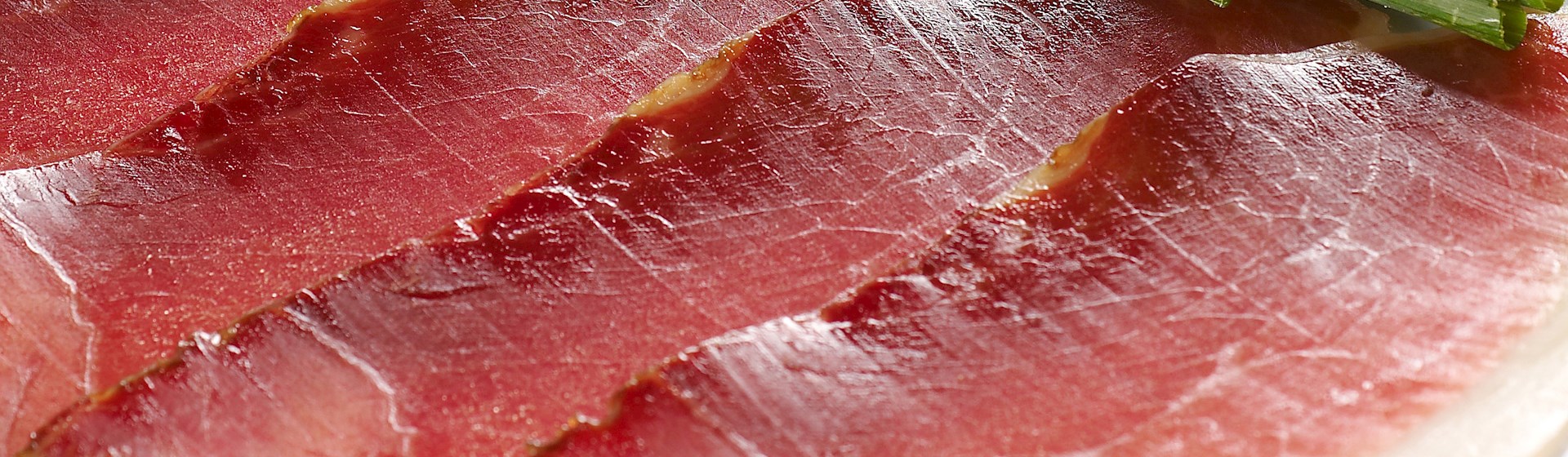
Vipavski pršut is a traditional cured meat product originating from the Vipava Valley. The selected pig thighs have no trotters, and the skin is intact in order to preserve the natural distribution of fat and meat. They are seasoned with sea salt and hung to dry for several months under suitable weather conditions in the region. Once cured, this bone-in prosciutto should weigh over 6 kilos. When sliced, the color is deep ruby red, the aroma is rich and full, typical of dry-aged meat, and the texture is dry, supple, and melting in the mouth. Vipavski pršut has a deep saltiness and lower moisture content than many other prosciuttos. It's recommended to serve it thinly sliced with cold cuts, olives, bread, and pickles.

03

Kraška Panceta

n/a ·

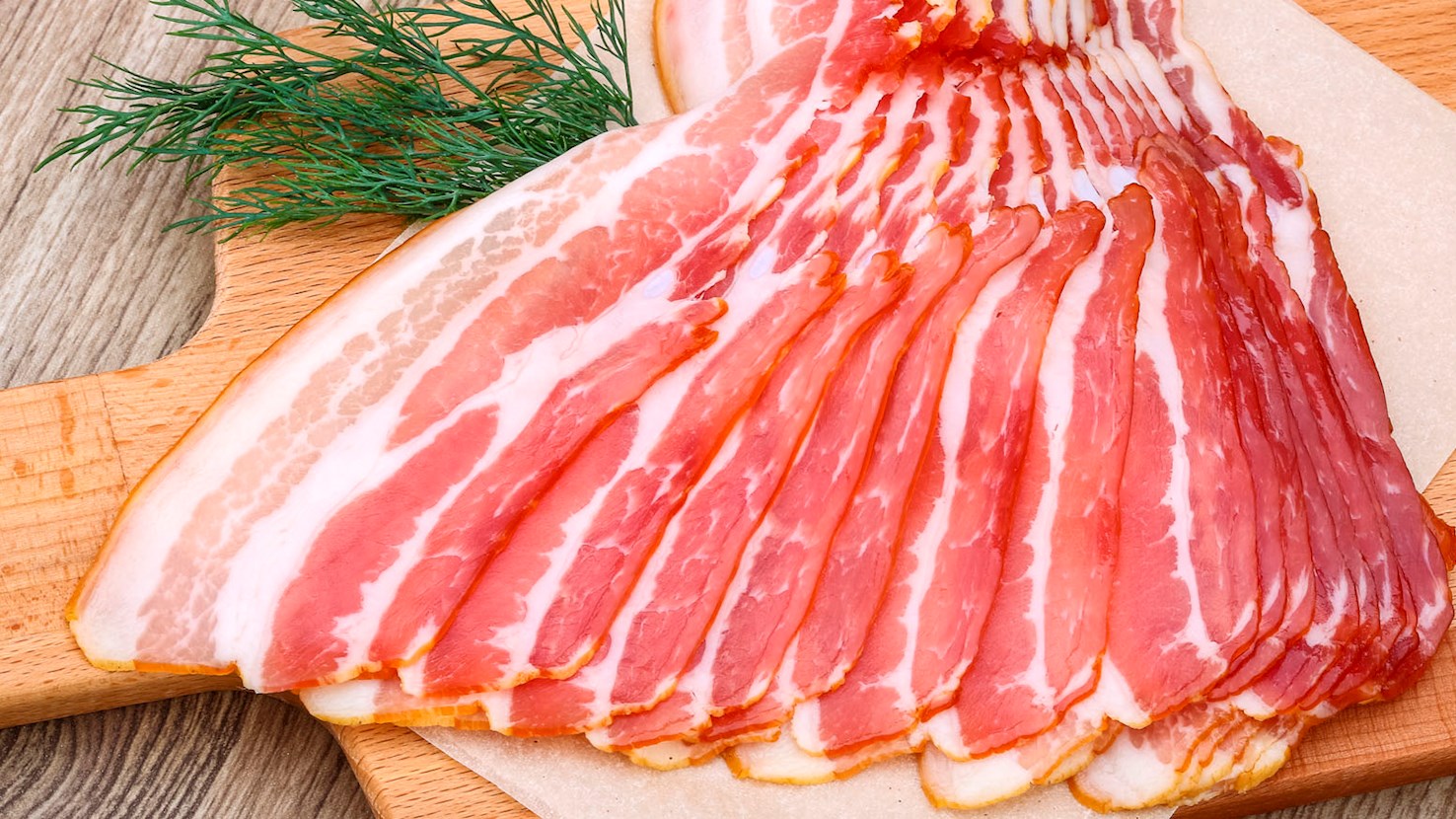
Another premium meat product of southwestern Slovenia, Kraška panceta is a dry-cured pork belly, an unsmoked variety of bacon originating from the Karst plateau. Measuring 45-50cm in length and 18-20cm in width, the minimum weight of the standard raw-boned bacon cut is 4 kilos. The usual curing method involves coating the pork belly with coarse sea salt for about 5 to 7 days, followed by rinsing and re-seasoning it with salt and pepper. Kraška panceta is then aged for at least 30 days, until the bacon becomes firm in texture and bright red, with thin creamy-white strips of fat running through the lean meat. The minimum weight of the final product is 2.2 kilos.

04

Kraški Zašínk

n/a ·

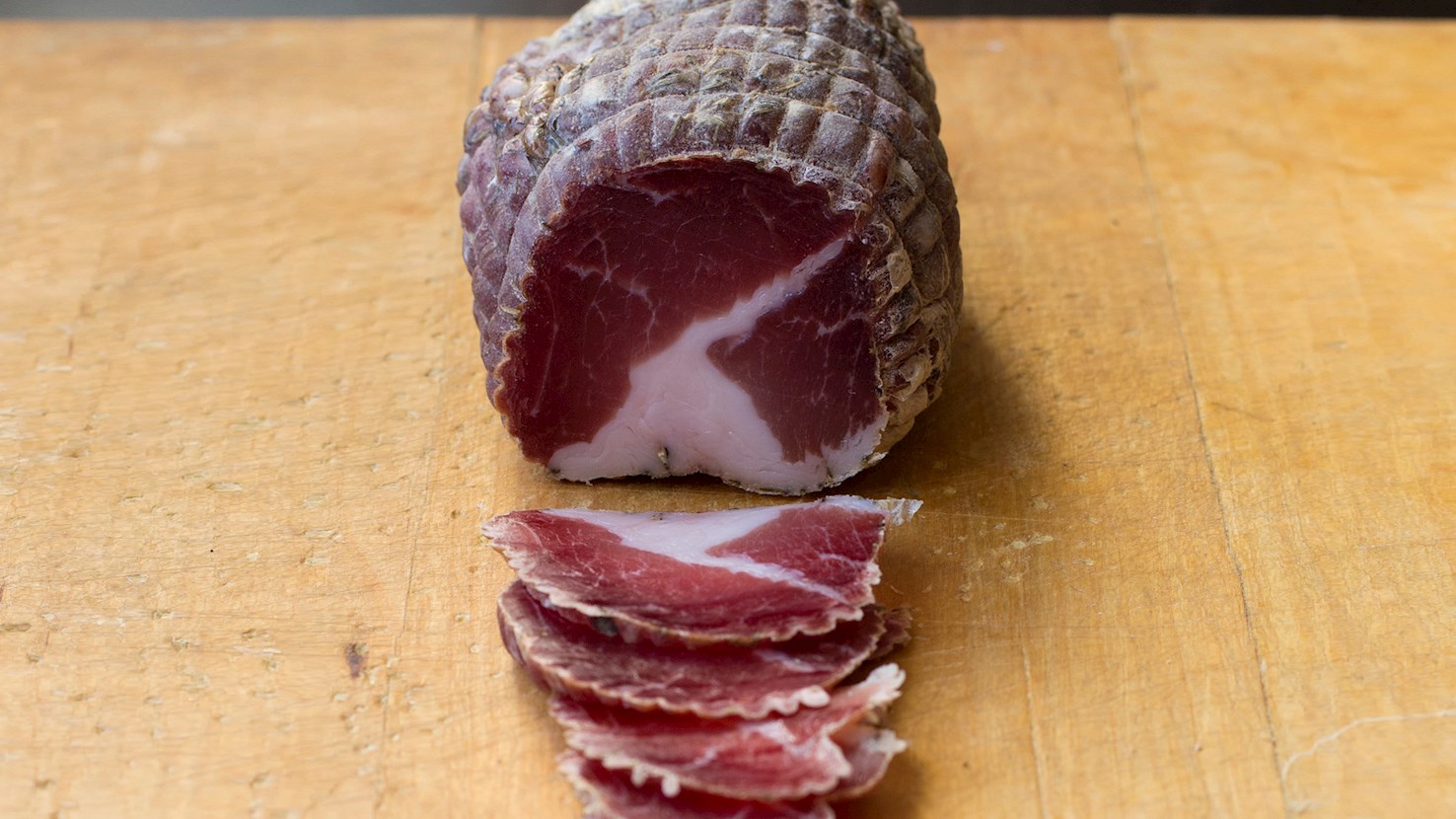
Another traditional Slovenian type of deli meat, Kraški zašínk is a variety of dry cured pork neck produced exclusively within the Karst region in southwestern part of the country. Considering that the minimum weight of trimmed, boned, and degristled raw material is 1.5kg, only premium pork neck cuts of more corpulent pig breeds are used to make Kraški Zašínk. Fresh meat is salted, seasoned and left to rest for a period of 7-12 days at an optimal temperature of about 1-6°C. After removing the excess salt, the meat is stuffed into a natural casing, cold dried, and left to mature for at least 12 weeks. The final product is characterized by a mild aroma of garlic and quite a pronounced saltiness. Kraški Zašínk is typically served as a cold cut or sandwich meat while for holidays and special occasions it's either boiled or baked in pastry dough.

05

Šebreljski želodec

n/a ·

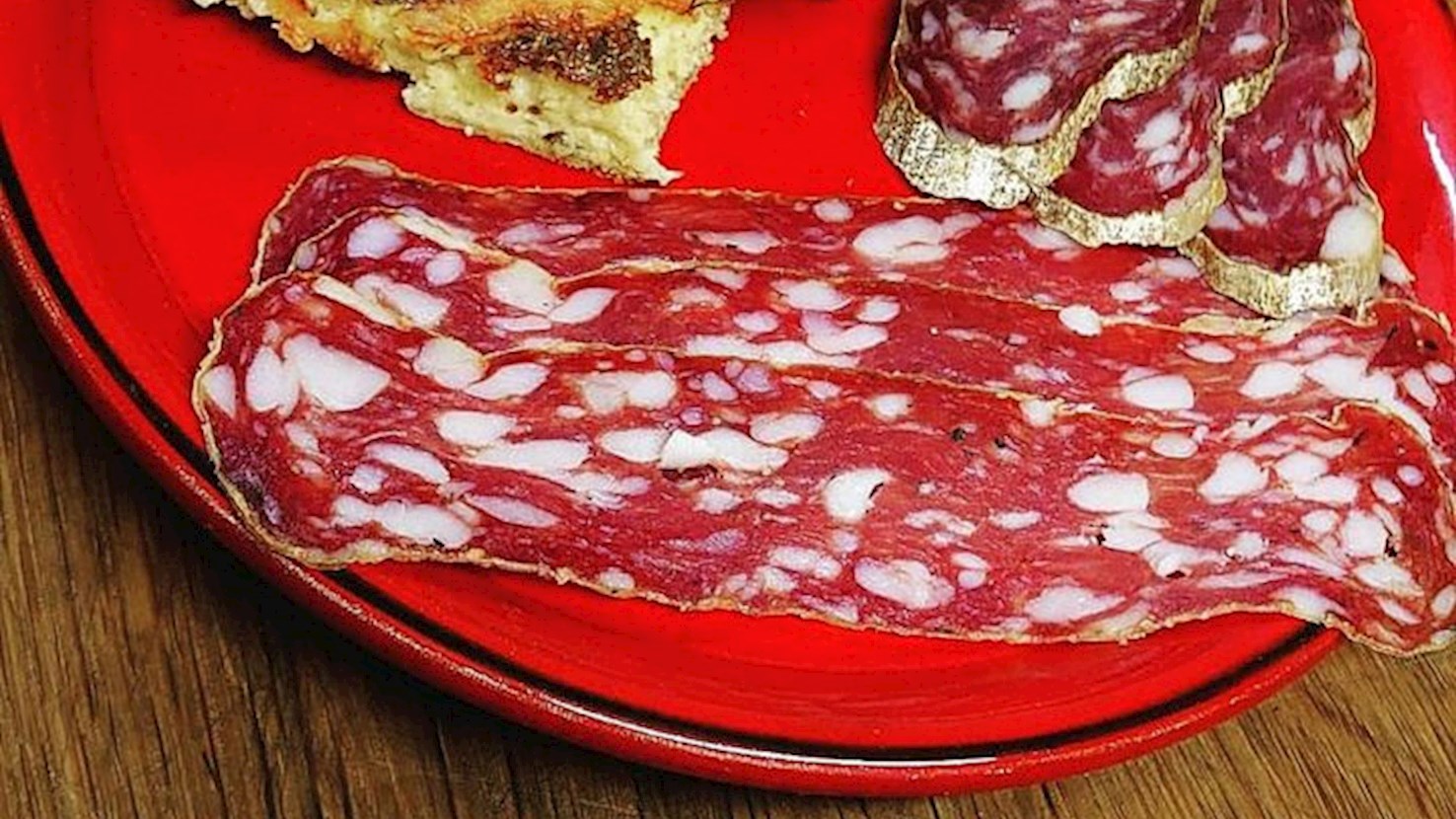
Traditionally made by stuffing various animal casings, mainly pig stomachs, Šebreljski želodec is a type of dry-cured meat produced only in the Slovenian region of Idrija and Cerkno, the foothills of the Western Julian Alps. The cuts used for Šebreljski Želodec come from the pig's thigh, shoulder, neck and back. Sliced into small chunks, the firm bacon is added to minced meat and seasoned with salt, pepper, sugar, and garlic. The excellence of this product is greatly influenced by the region's climate as well as the traditional method of preserving the meat: Želodec is cold-smoked for a couple of days, and left to mature between two wooden boards for about 3-5 months. Well-rounded in both flavor and aroma, Želodec makes for a perfect appetizer, paired with some cheese and a glass of hearty red wine.

About this ranking

TasteAtlas food rankings are based on the ratings of the TasteAtlas audience, with a series of mechanisms that recognize real users and that ignore bot, nationalist or local patriotic ratings, and give additional value to the ratings of users that the system recognizes as knowledgeable. For the “Top 5 Local Cured Meats in Slovene Littoral” list until June 03, 2026, 79 ratings were recorded, of which 29 were recognized by the system as legitimate. TasteAtlas Rankings should not be seen as the final global conclusion about food. Their purpose is to promote excellent local foods, instill pride in traditional dishes, and arouse curiosity about dishes you haven’t tried.

The initial list of top producers was compiled based on available reviews, awards, local recommendations, media and blog coverage, and consumer reviews. The list will be updated with ratings from TasteAtlas local ambassadors and TasteAtlas users.

Similar lists