Top 3 American Cured Pork

Last updated on June 24, 2026

Best American Cured Pork
01

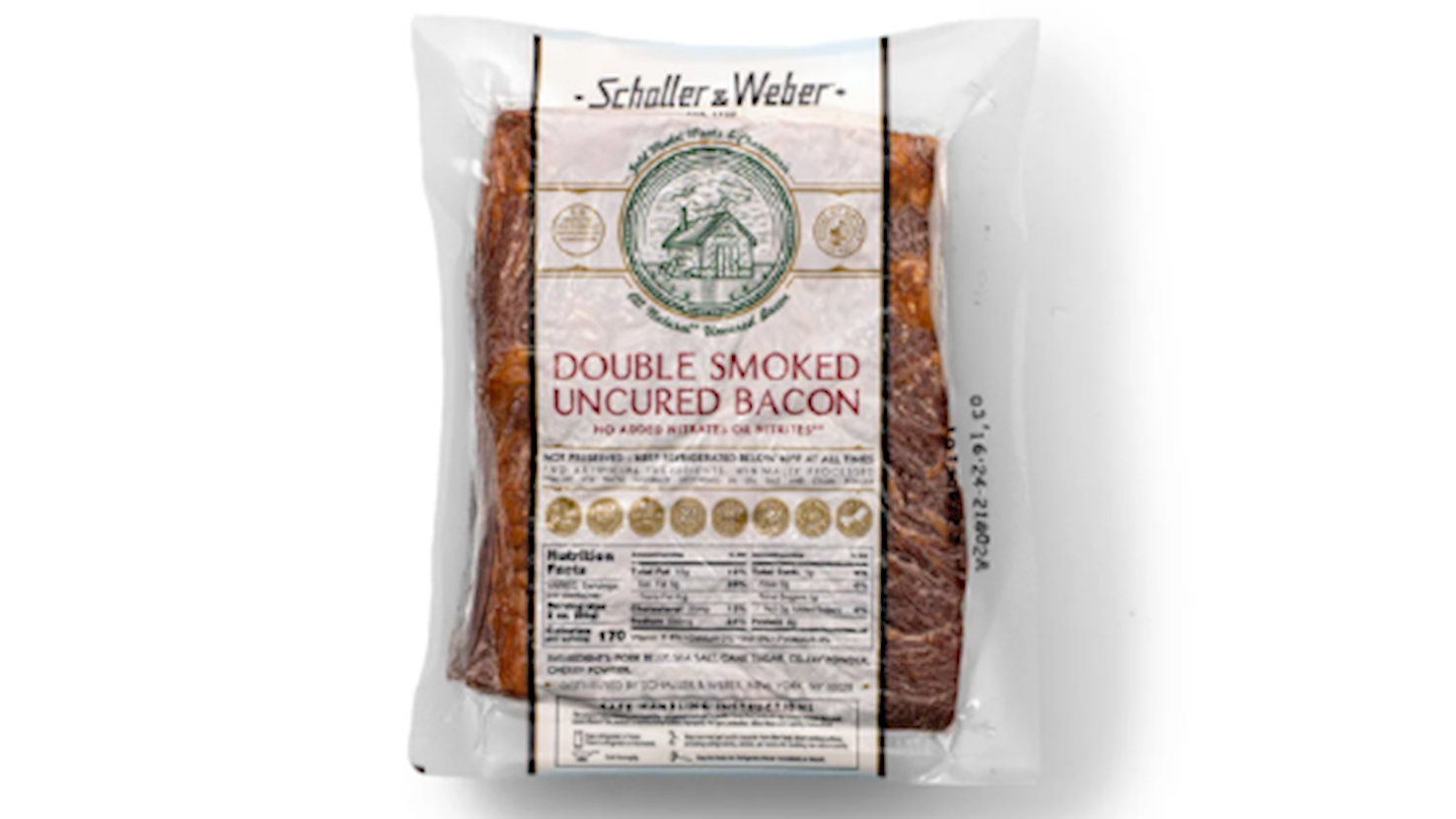
Schaller & Weber

4.6 ·
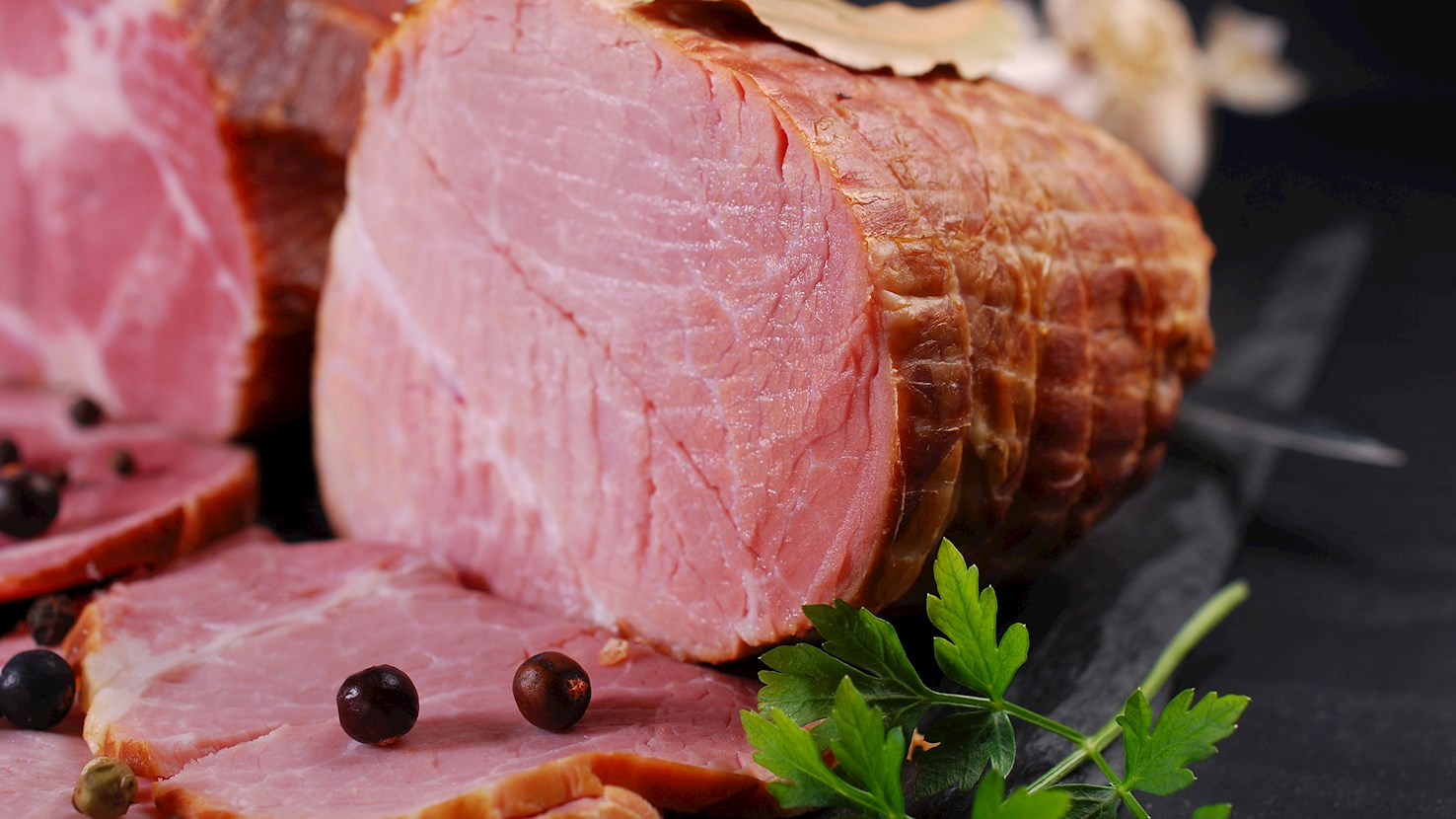
Schaller & Weber is a landmark New York butcher shop and delicatessen founded in 1937, deeply rooted in German and Central European meat-craft traditions. The brand has built its reputation on authentic recipes, technical precision, and consistent ingredient quality, with a clear focus on sausages, cured meats, pâtés, and classic cold cuts. Its range includes specialties such as bratwurst, knackwurst, assorted salamis, and smoked hams, all produced using traditional methods of curing, smoking, and aging. Schaller & Weber maintains a distinctly artisanal approach, prioritizing flavor, texture, and structure over industrial uniformity. The Upper East Side shop operates as a hybrid of an old-world European butcher and a long-standing New York food institution, complemented by traditional accompaniments like mustards and sauerkraut. Over decades, the brand has become a reference point for German-style charcuterie in the United States. It is valued for authenticity, continuity, and a clearly defined identity grounded in craftsmanship rather than modern shortcuts.

Best American Cured Pork Types

01

Country Ham

3.6 ·

Country ham is heavily salted cured pork leg, traditionally associated with the Southern United States. It originated during Colonial times as means of preservation in a humid climate and is nowadays prized as an artisanally made delicacy, different in each of the Southern states. To produce it, pork leg is first cured with a mixture of salt and sodium nitrate, but some recipes also use sugar (Missouri style, for example) and spices in the cure. The leg is left to age for a month or up to three years, and washed to remove the brine and the mold. The last step of the process may or may not be hardwood smoking, depending on the region (North Carolina style is usually not smoked). The taste heavily depends on the type of rub used for curing, the time of aging and whether the ham was not or was smoked (and which wood was used for smoking). Characterized by an intense saltiness, country ham can be enjoyed as it comes, but most recipes call for frying and baking it, or using it as an ingredient in stews, gravies, and soups.

02

Tasso Ham

3.3 ·

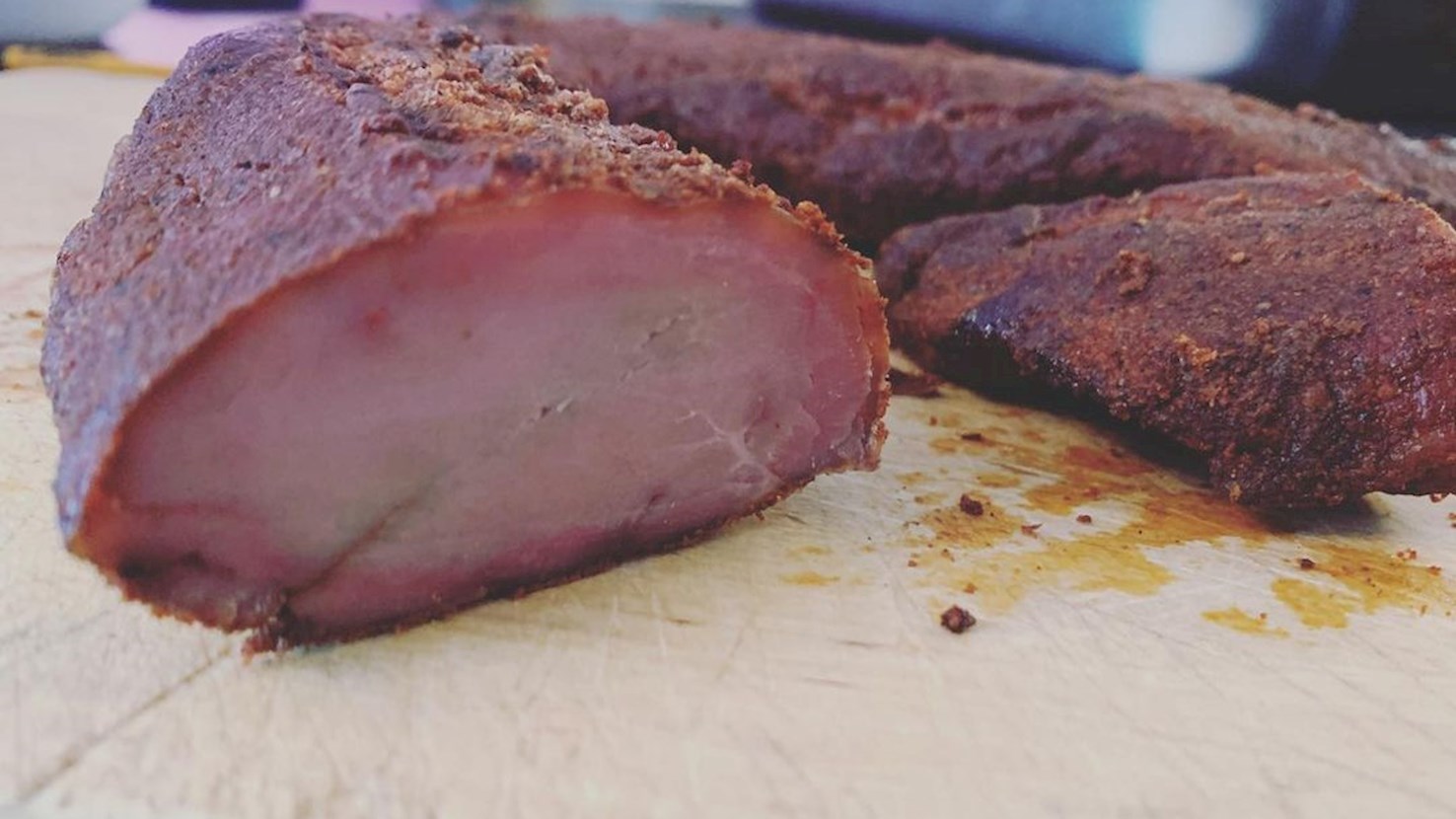
Tasso ham is a traditional Cajun cured meat product originating from Louisiana. Although this cured meat product contains the word ham in its name, it's actually made from pork shoulder. The meat is sliced across the grain and the slices are then cured in salt and a bit of sugar for a few hours before they're rinsed, rubbed with salt, pepper, garlic, and cayenne pepper, and hot-smoked until fully cooked. This dish can be eaten as it is, but it's also often used in stews, soups, rice, red beans, and gumbo. The term hasso comes from the Spanish word tasajo, denoting a slice of cured dried meat. The earliest meantion of tasso ham dates back to the late 1700s.

03

Smithfield Ham

3 ·

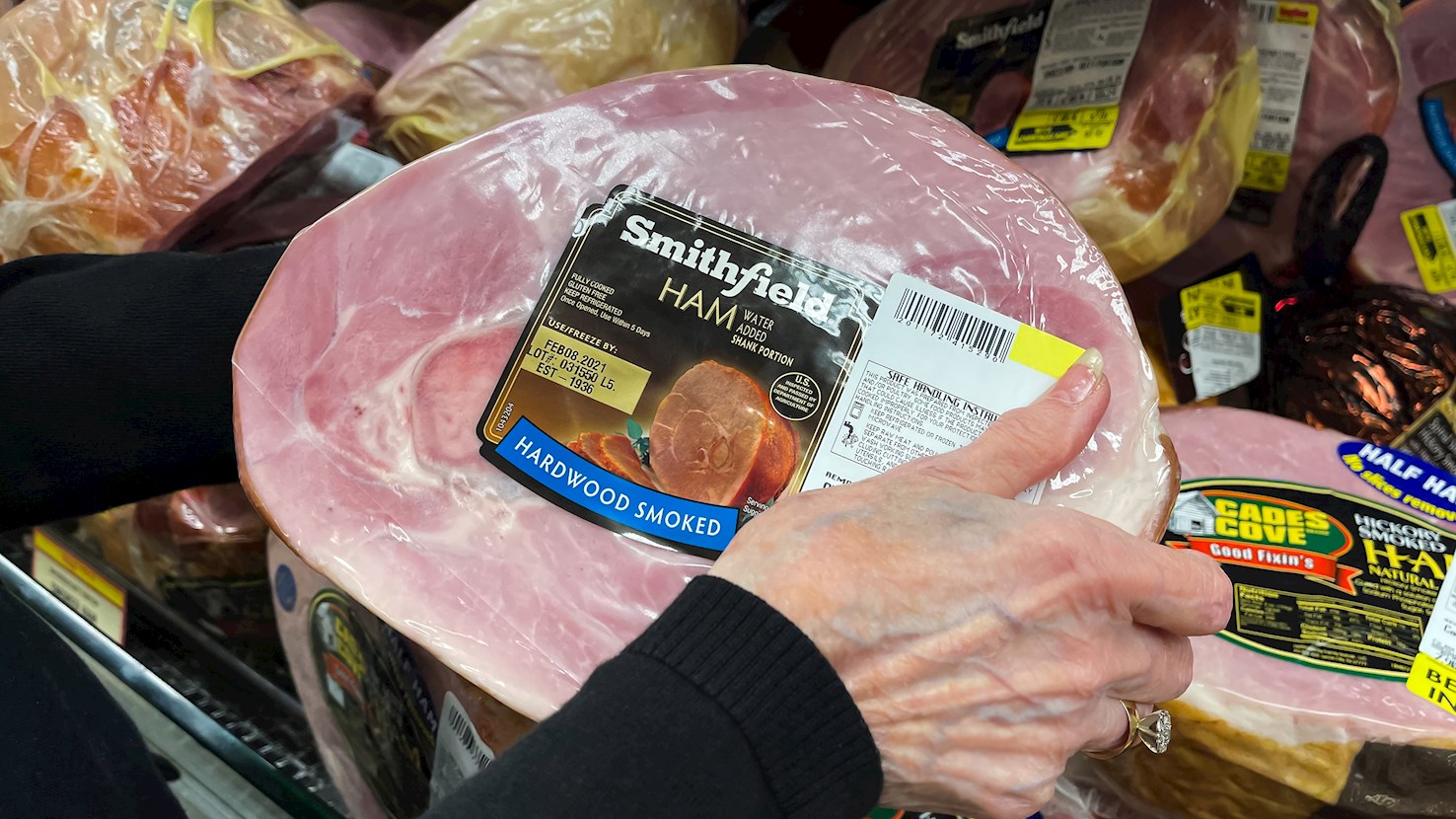
Smithfield ham is a trademarked country ham hailing from Smithfield, Virginia, where it's finish-cured. The ham is made from pork meat that's processed, treated, hickory-smoked, aged, salted, cured, and aged for at least 6 months (some might be aged for up to 2 years). The whole process must be done within Smithfield and the pigs must be fed a diet of peanuts and grains. Smithfield ham has a dry and stringy texture, while the flavors are salty. Nowadays, there is a wide range of Smithfield ham versions, such as Baked Apple Spiced Spiral Sliced Ham, Brown Sugar Spiral Sliced Ham, Crunchy Glaze Spiral Sliced Ham, or Pecan Praline Spiral Sliced Ham.

Read more
View all
View map
About this ranking

TasteAtlas food rankings are based on the ratings of the TasteAtlas audience, with a series of mechanisms that recognize real users and that ignore bot, nationalist or local patriotic ratings, and give additional value to the ratings of users that the system recognizes as knowledgeable. For the “Top 3 American Cured Pork” list until June 24, 2026, 110 ratings were recorded, of which 106 were recognized by the system as legitimate. TasteAtlas Rankings should not be seen as the final global conclusion about food. Their purpose is to promote excellent local foods, instill pride in traditional dishes, and arouse curiosity about dishes you haven’t tried.

The initial list of top producers was compiled based on available reviews, awards, local recommendations, media and blog coverage, and consumer reviews. The list will be updated with ratings from TasteAtlas local ambassadors and TasteAtlas users.

Similar lists