




shutterstock

Top 20 European Custards

Last updated on June 15, 2026
01

Crème brûlée

4.3 ·

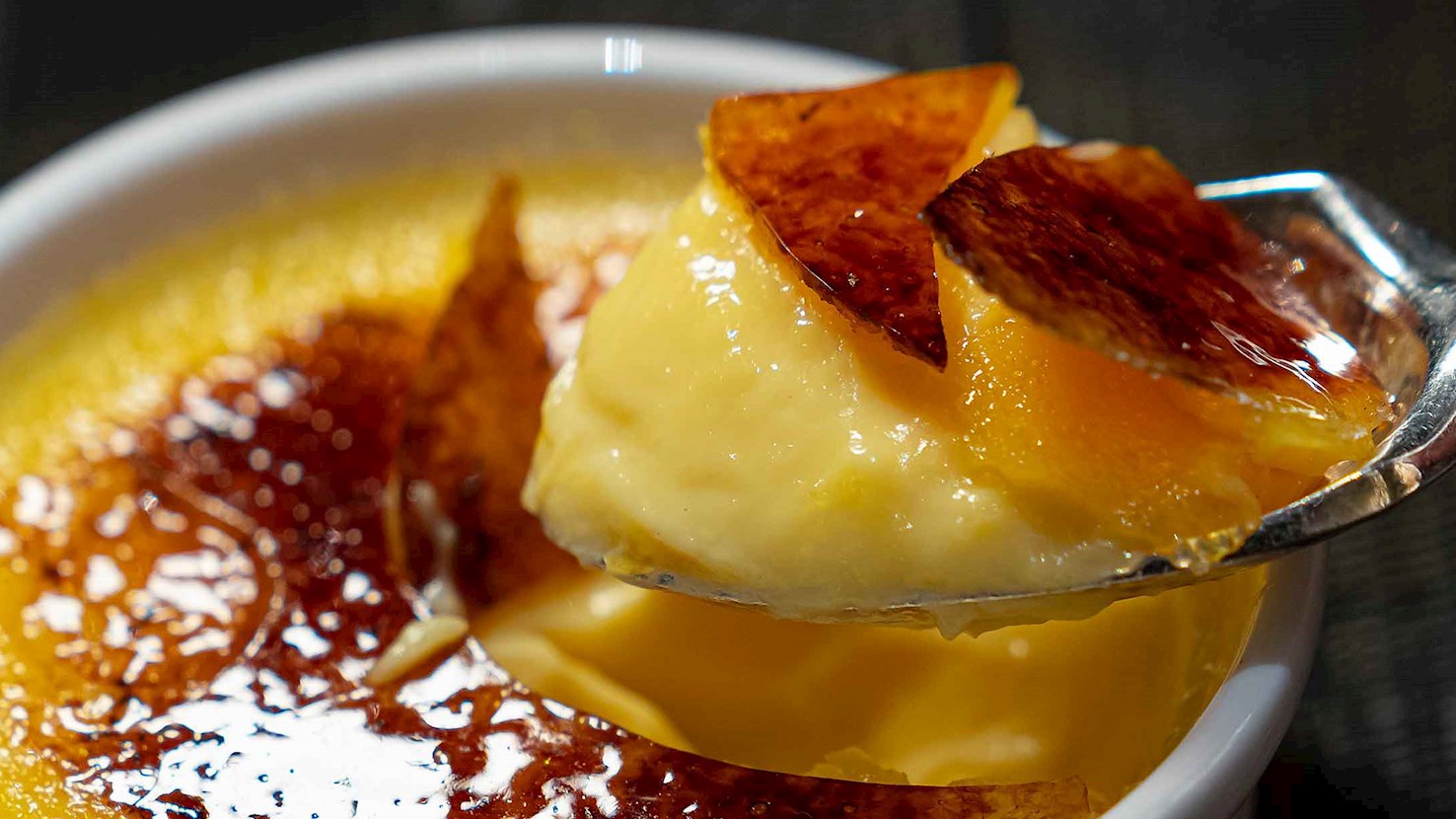
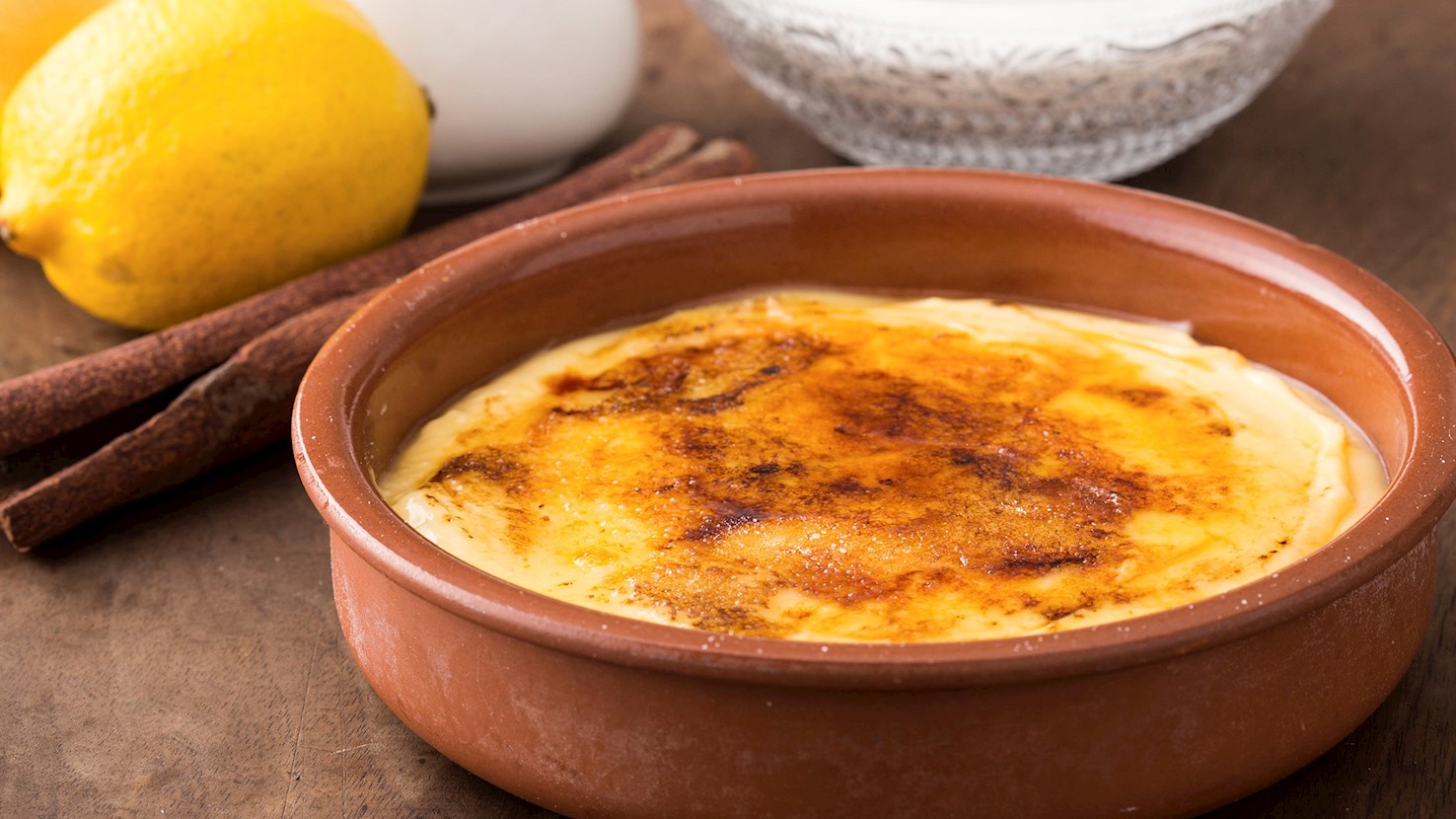
This traditional egg custard dessert consists of egg yolks, cream, sugar, and vanilla, with a hard, burnt, toffee crust. The combination is cooked, transferred into ramekins, poached in a bain-marie, then well chilled. The chilled custard is typically set in wide, flat dishes, and is then topped with brown sugar which is either caramelized under a broiler or with a blowtorch. The origins of the dish are quite unclear, and England, Spain, and France all claim to have invented it. However, most food historians agree that custards were popular as far back as the Middle Ages, and recipes for custards circulated throughout Europe for centuries. The Spanish claim to have invented it in the 18th century under the name crema Catalana, while the English claim it was their invention from the 17th century, when it was known as burnt cream. At the end of the 19th century, the French term crème brûlée became popular, putting the dessert on the map from Paris to New York City. Regardless of its origins, this timeless classic remains a great example of simple, classical cooking – memorable, delicate, and flavorful, yet easy to make.

02

Leite de creme

4.1 ·

Leite de creme is a traditional egg custard originating from Portugal. It's made with a combination of egg yolks, milk, sugar, corn starch, cinnamon, and grated lemon peel. The eggs are beaten with the milk, then mixed with sugar and corn starch. The combination is heated over low heat with cinnamon and lemon peel, and it's necessary to stir the mixture continuously. When the consistency becomes thick, leite de creme is poured into ramekins and left to cool. Before serving, a bit of sugar is sprinkled on top and it's browned with a blowtorch.

03

Crema Catalana

4.1 ·

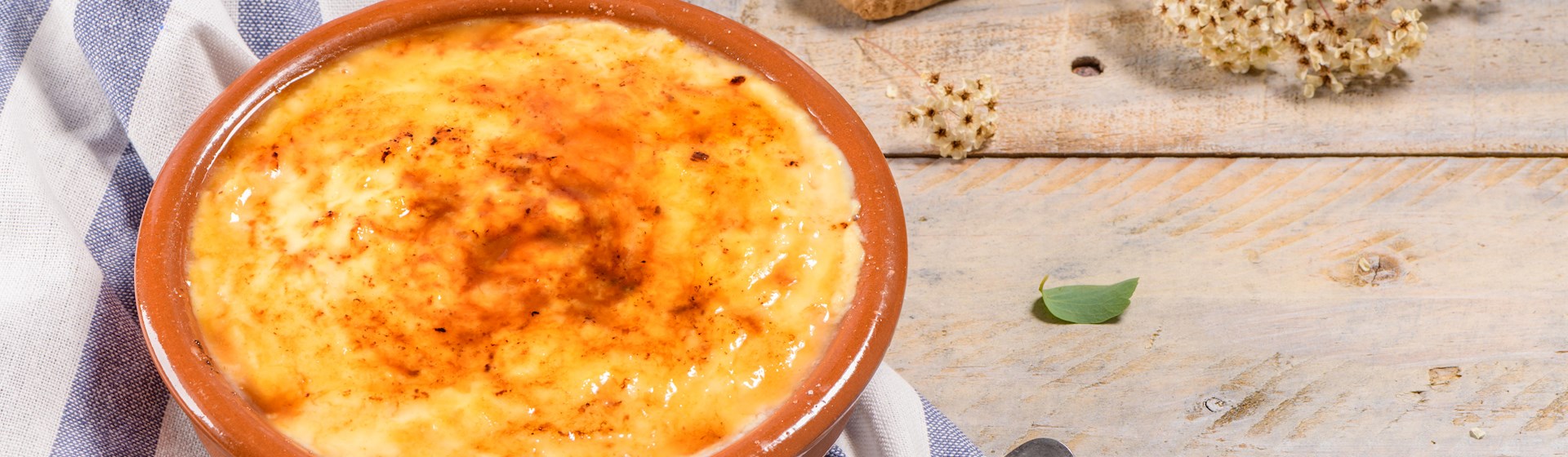
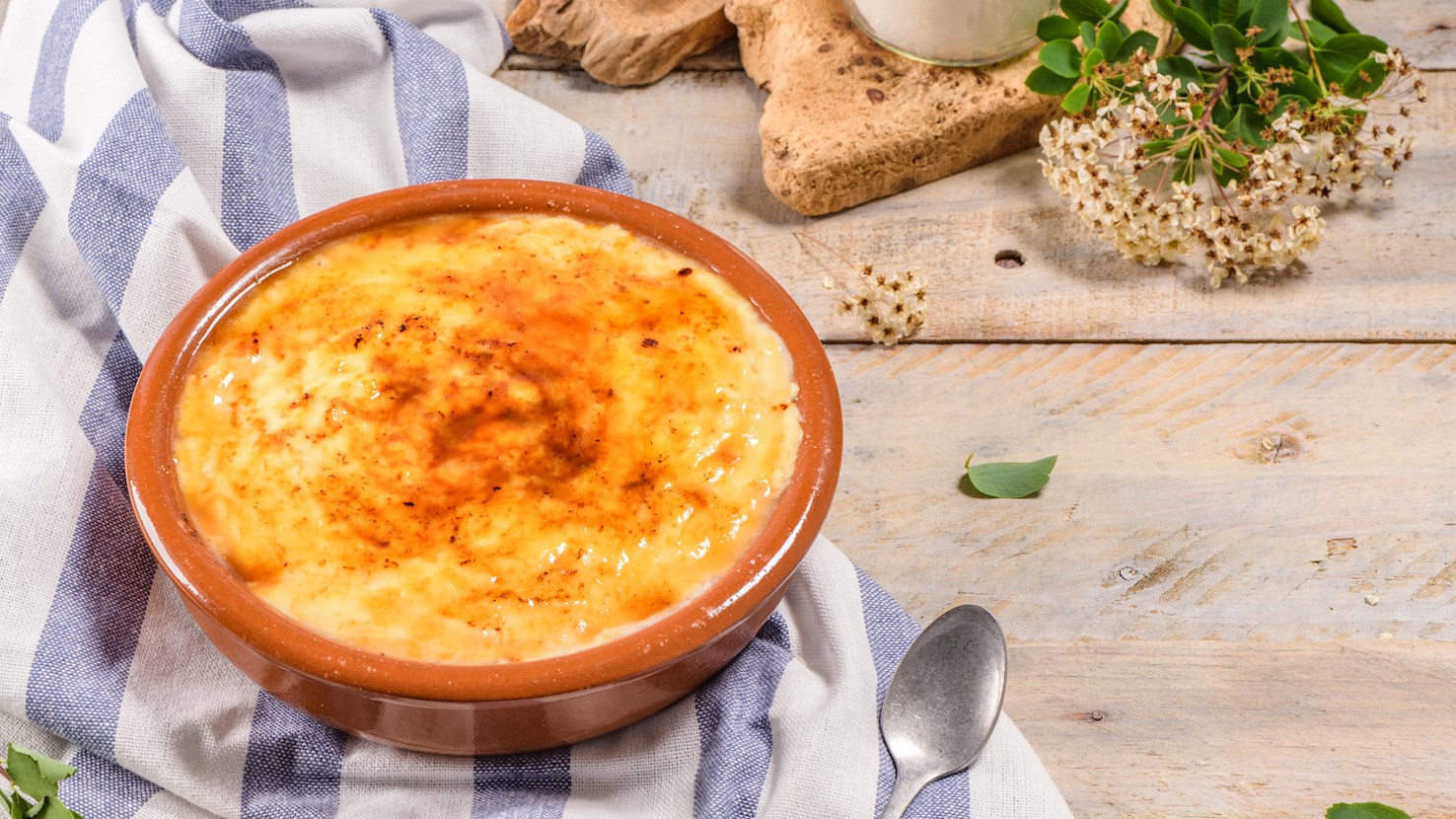
Crema Catalana is a popular Spanish dessert made by baking a custard consisting of milk, cornstarch, and eggs in an oven. After baking and cooling, the dessert is sprinkled with sugar and broiled or burnt with a torch to create a crispy, burnt caramel top layer. Sometimes, crema Catalana may be flavored with cinnamon, lemon, or orange zest. The dessert is also known as Crema de Sant Josep, since it is traditionally prepared on March 19, celebrating the saint. It is also the oldest European custard dessert, dating back to the 14th century. Crema Catalana has such a distinctive flavor that it is often used in the preparation of other desserts such as ice cream and torró, a nougat-like sweet.

04

Bayrisch Creme (Bavarian cream)

4 ·

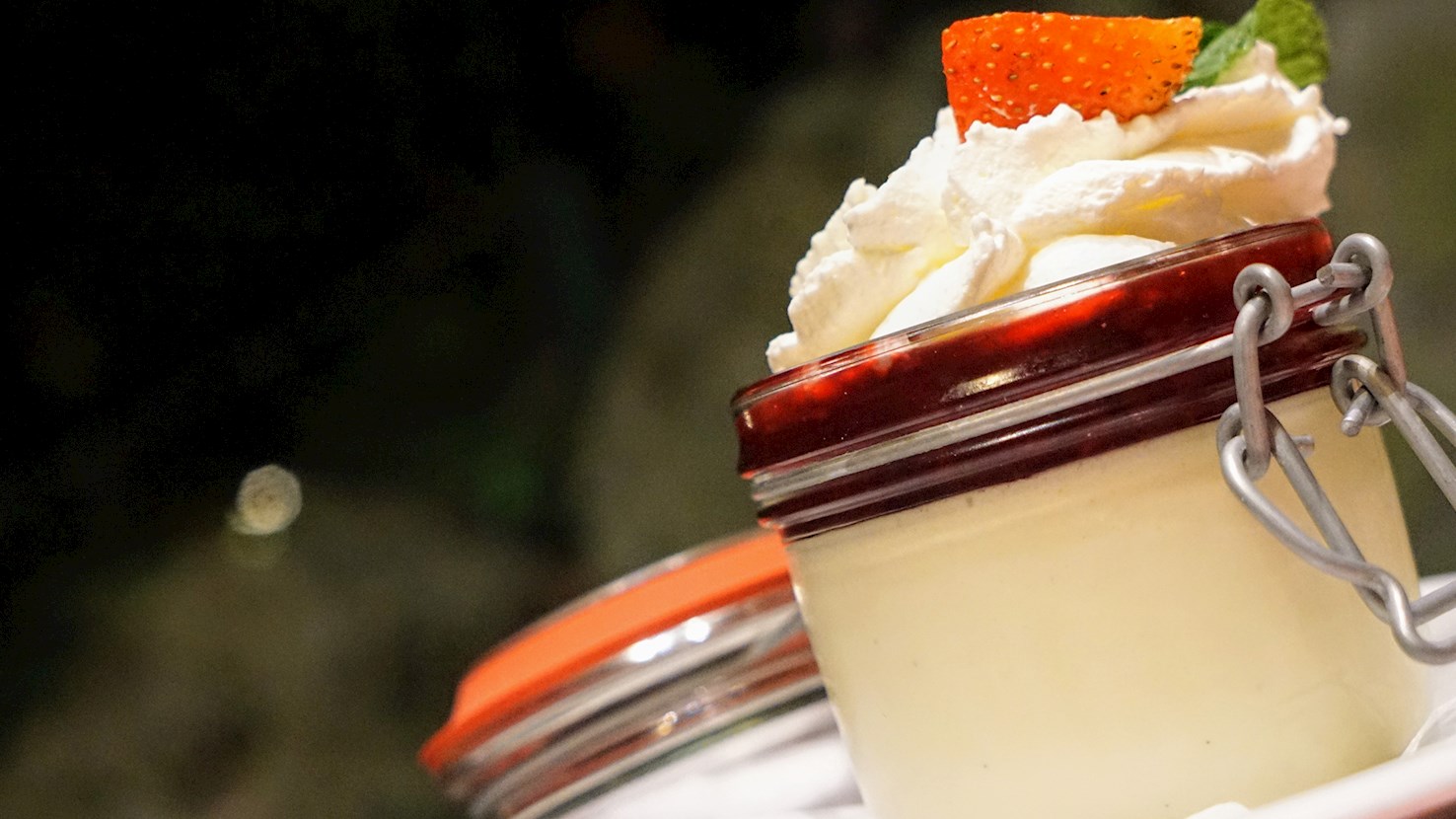
This rich, silky egg custard is thickened with gelatin and combined with whipped cream. It is traditionally served cold, and is usually garnished with pieces of fresh fruit or drizzled over with sweet sauces. Although its origins are quite unclear, it is known that Bavarian cream hails from either Germany or France. Many French chefs worked in Bavaria during the 17th and 18th century, so it is believed that they learned the recipe there. Some believe that the dish was invented by a famous French chef Marie-Antoine Carême, who wrote a recipe for it in the early 18th century. Today, Bavarian cream is consumed on its own as a decadent dessert or used as a filling for various cakes and pastries.

05

Natillas

4 ·

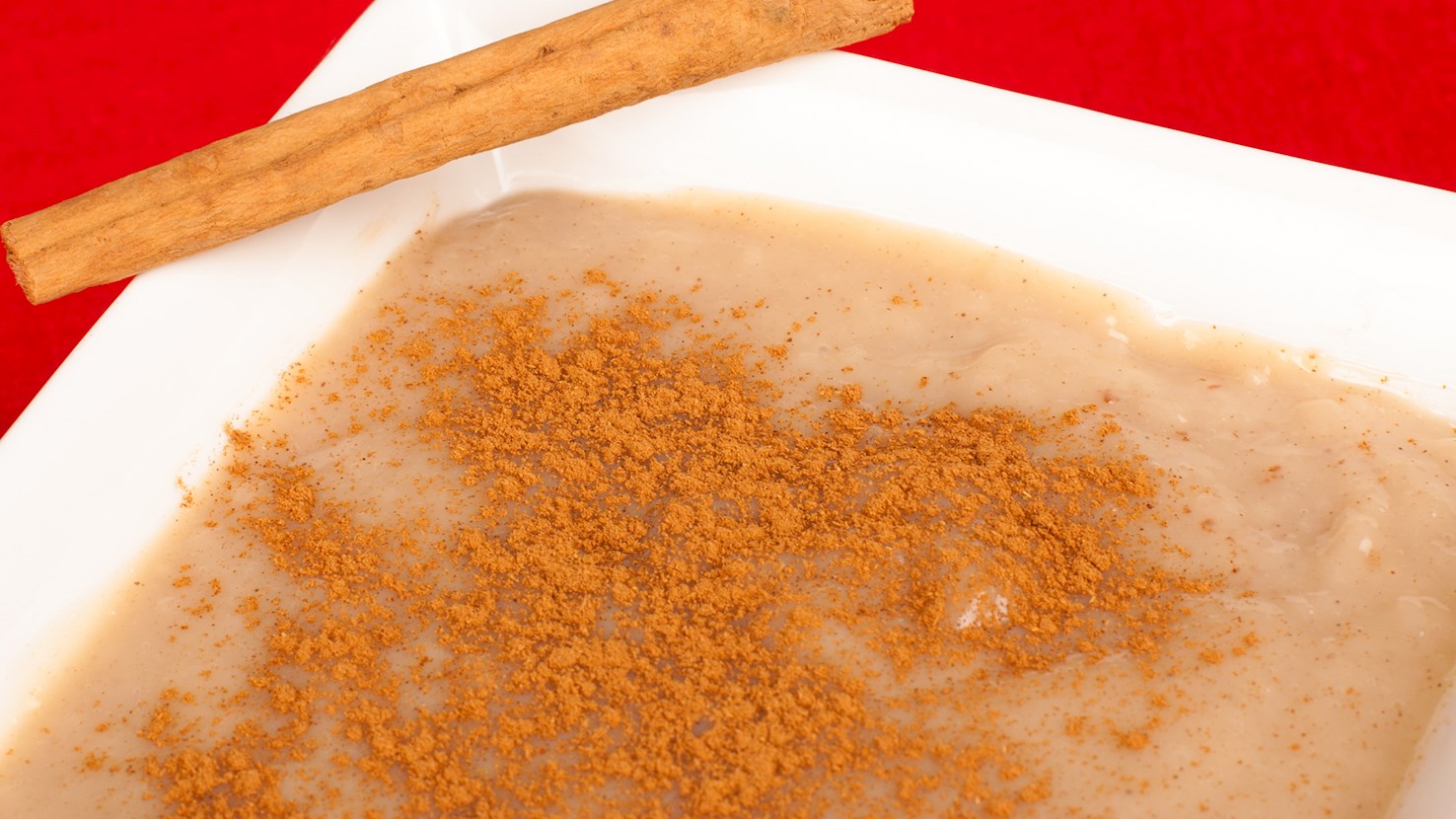
Natillas is a traditional dessert made by boiling a combination of milk, egg yolks, sugar, flour, salt, and vanilla. Although the vanilla-flavored variety is the most popular one, natillas can also be flavored with chocolate or turrón. The dessert is often sprinkled with cinnamon on top before serving in order to improve its flavors even further. It is believed that natillas was invented by nuns who used to prepare it in convents across Europe.

06

Crème caramel

4 ·

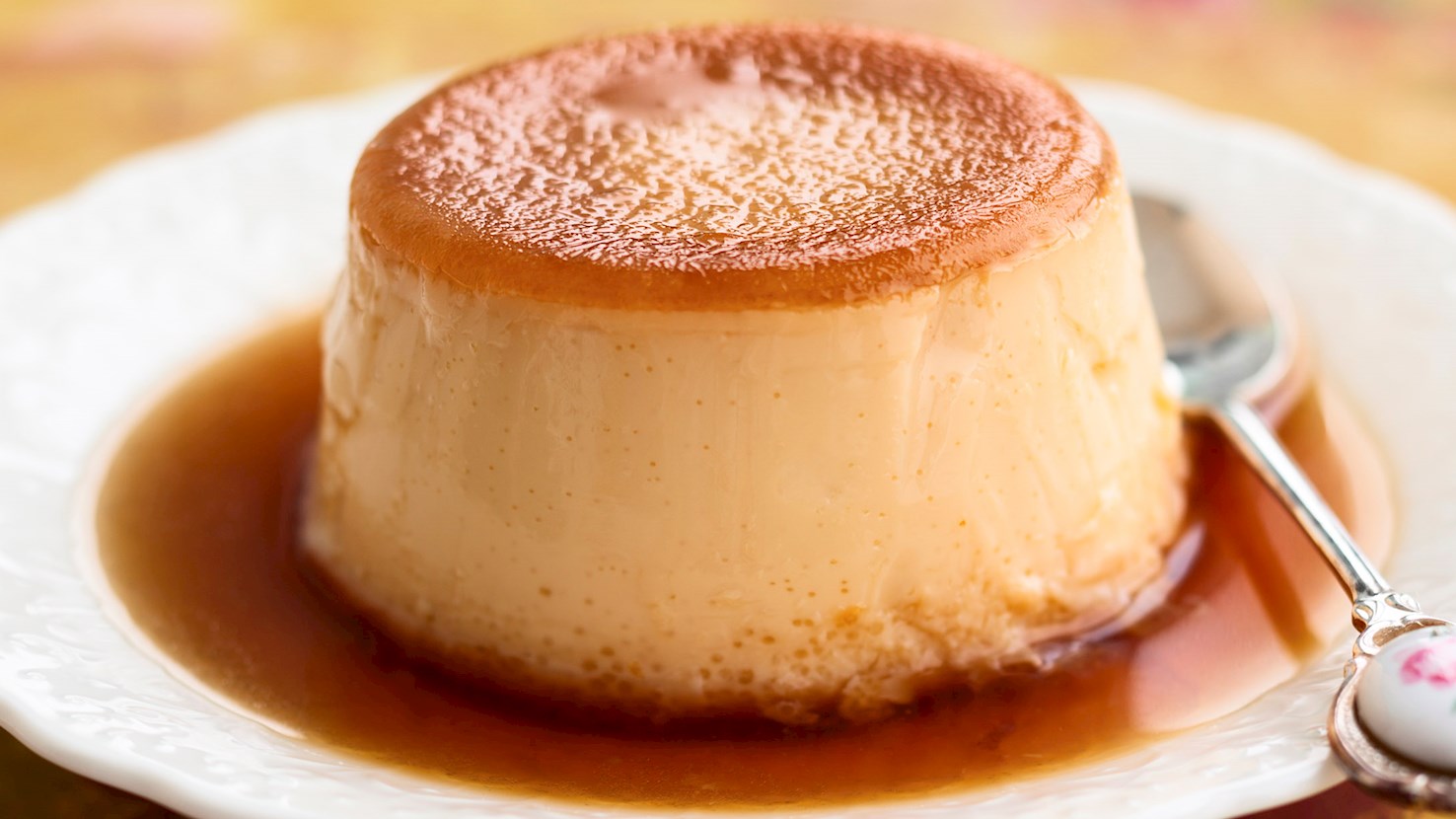
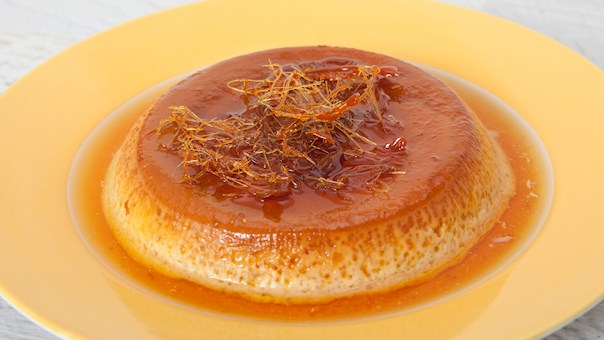
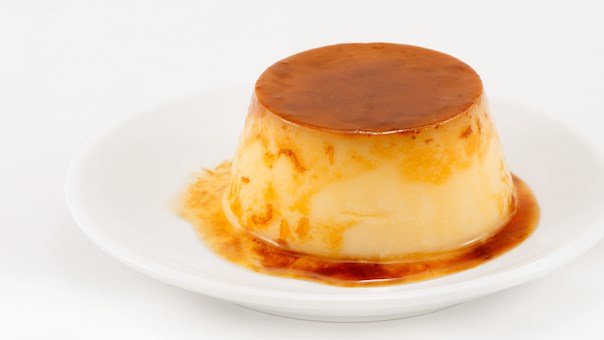
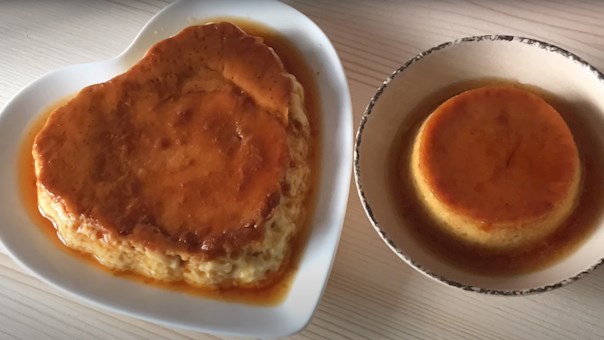
This popular dessert consists of a custard base and a soft caramel topping. The origins of crème caramel are unclear and disputed – the French, the English, and the Spanish all claim to be the original inventors of the dish. Although the name is French, some say that the French adopted it from English custard. When the Arabs brought sugar cane to Europe, Spanish cooks also discovered how to make a delicate and sweet custard, a historical exchange resulting in the creation of the famous crema Catalana. However, the French version is made only with whole milk or cream. Crème caramel is a star attraction in most European restaurants, as it is easy to prepare and can be made a day before serving.

07

Budino

3.9 ·

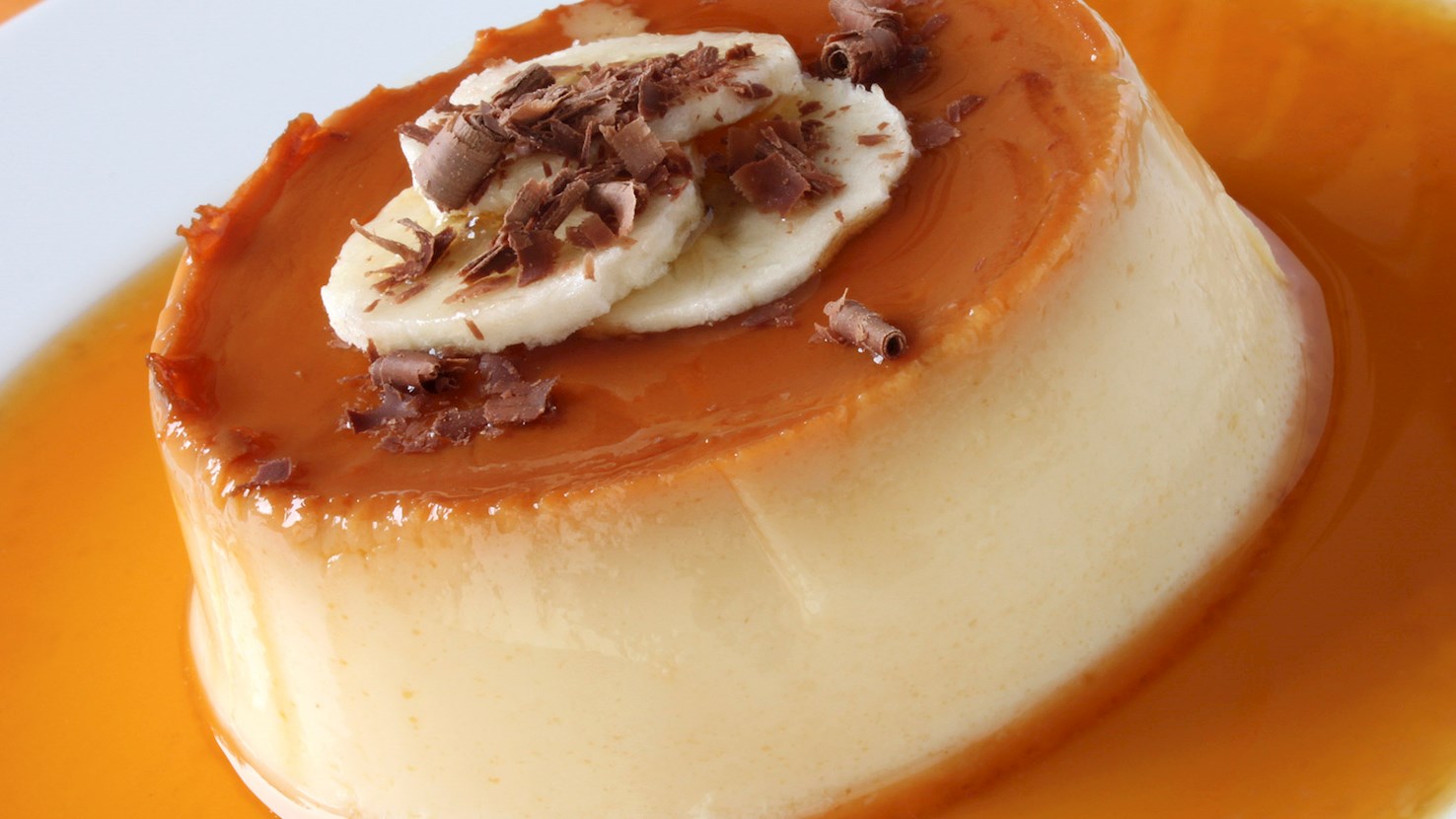
The Italian word budino refers to a range of sweet and savory dishes that come in a number of different forms, shapes, and flavors. There are three main types of budino: crème caramel made with cold ingredients and cooked in a mold in a bain-marie; crème anglaise made by cooking the ingredients in hot milk and transferring them into a mold; and the savory Italian flan variety. Even though the final result of these processes are all quite similar, it is difficult to nail down what a true budino is. Most varieties, excluding the savory type, are made with a base of eggs, milk, and sugar, yet some variations might also use rice or ricotta to form the foundation of a budino. This Italian delicacy can also be flavored, thickened, and served in a wide array of ways. Fruits, nuts, chocolate, liqueur, caramel, and vanilla are all commonly used to add flavor to budino, and it can be thickened with flour, semolina, gelatin, agar-agar, or eggs. This Italian pudding can be baked and formed in one large mold or many separate molds. It usually has a decorative round shape and is decorated with whipped cream, biscuits, or fresh fruit.

08

Doces de ovos

3.9 ·

Doces de ovos is a type of sweet egg cream made with egg yolks and simple sugar syrup (a cooked mixture of sugar and water). It is often used as a cake filling or a topping for desserts. Because yolks tend to curdle if the temperature is too high, the cream has to be cooked over low temperature and in a bain-marie. The custard can also be seasoned with different spices, such as vanilla, lemon peel, and cinnamon.

09

Tigeladas

3.9 ·

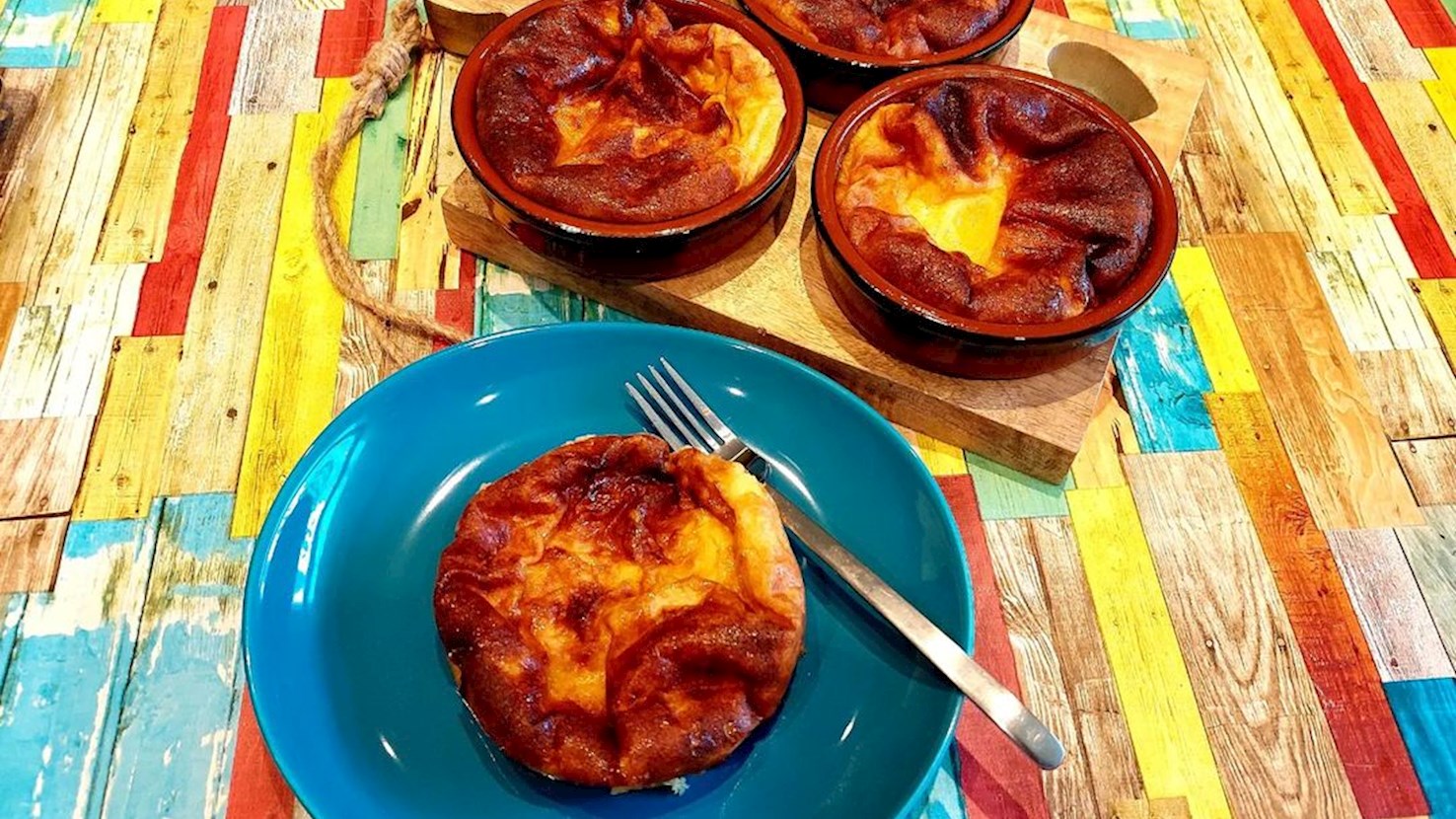
Tigeladas is a traditional dessert. This sweet custard is made with a combination of milk, eggs, egg yolks, sugar, and lemon zest. The combination is poured into earthenware clay dishes and it's generously spiced with cinnamon before being baked. When the top becomes golden brown and slightly burnt, and the interior is still smooth and soft, tigeladas are removed from the oven and left to cool before serving. Many regions claim that the tigeladas is their invention, but one of the most popular theories is that the dessert originated as a convent sweet in Alcaravela.

10

Zabaione

3.8 ·

One of Italy’s most spectacular desserts, the luscious zabaione is a velvety custard cream of relatively obscure and mysterious origins. According to one legend, it was invented in Turin around the 16th century and was originally named crema di San Baylón, after its supposed inventor Franciscan monk Pascual Baylón Yubero, the patron saint of pastry chefs. Interestingly enough, in modern-day Piedmont zabaione is still called sanbajon, though the oldest recipe for this creamy indulgence was found in L’Arte di Ben Cucinare, a 1662 book by Bartolomeo Stefani, head chef of the Republic of Venice and the Duchy of Mantua. Regardless of its true origins, zabaione remains an all-Italian classic prepared in the exact same way across the country by whisking egg yolks with sugar over a bain-marie until they thicken into a smooth, foamy cream. Zabaione is flavored with fortified wines that are typically high on the sweet scale, such as Marsala, Vin Santo, or the bubbly Moscato d’Asti and Brachetto d’Acqui. The cream can be enjoyed warm with ladyfingers, amaretti, or melicotti biscuits, but it can also be chilled and served over fresh fruits such as strawberries, raspberries, or blueberries.

Best restaurants
11

Vla

3.7 ·
12

Karamelrand

3.6 ·
13

Rozata

3.4 ·
14

Qumështor

3 ·
15

Biscuit Tortoni

n/a ·
16

Tartra

n/a ·
17

Arsumà

n/a ·
20

Budino Margot

n/a ·
Read more
View all
View map
About this ranking

TasteAtlas food rankings are based on the ratings of the TasteAtlas audience, with a series of mechanisms that recognize real users and that ignore bot, nationalist or local patriotic ratings, and give additional value to the ratings of users that the system recognizes as knowledgeable. For the “Top 20 European Custards” list until June 15, 2026, 2,452 ratings were recorded, of which 2,078 were recognized by the system as legitimate. TasteAtlas Rankings should not be seen as the final global conclusion about food. Their purpose is to promote excellent local foods, instill pride in traditional dishes, and arouse curiosity about dishes you haven’t tried.

Similar lists